Why Applying Fertilizer To Texas Gardens Right Now Makes Heat Stress Worse
Texas heat has a way of separating gardeners who help from gardeners who hurry. By mid-August, after weeks of triple-digit afternoons, most yards are running purely on reserves.
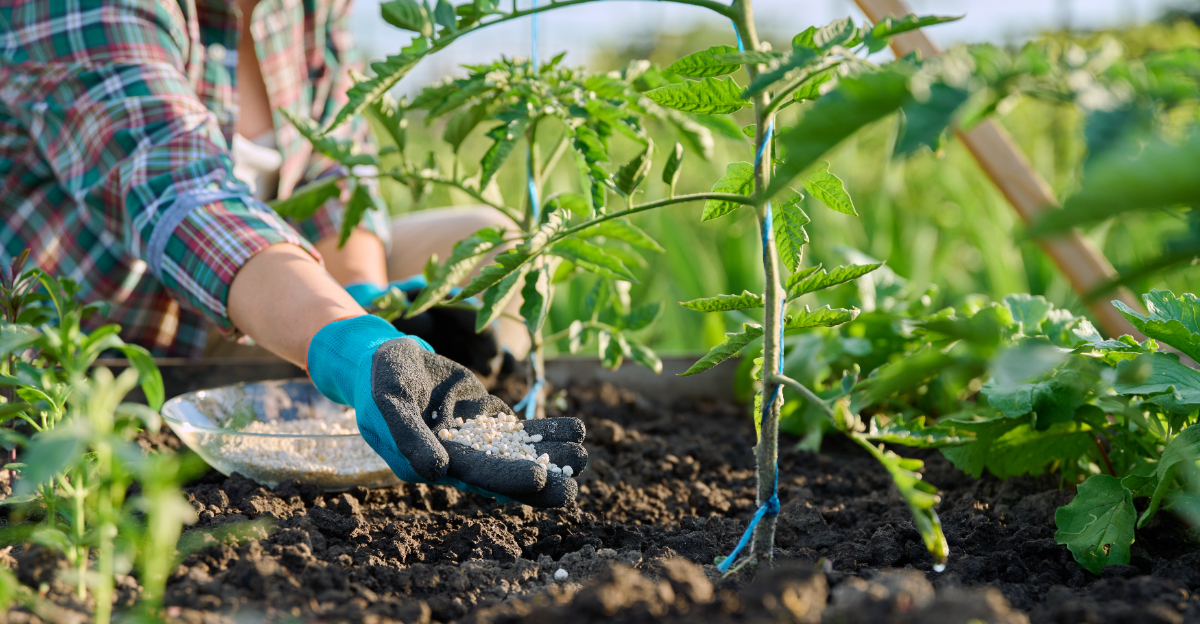
That is precisely when the shed door opens and something well-intentioned comes out of a bag. The gesture feels productive. The plants read it as one more demand on a system with nothing left to give.
Roots pulling from bone-dry soil cannot process what you hand them. Instead of a boost, they get a chemical load they have no water to dilute, and the leaves show it within days.
There is one late-summer habit worth pausing until the nights cool off, and the reason has less to do with the plant than with what is happening underground.
Fertilizer Pushes New Growth During The Worst Possible Time
Picture your plant deciding to sprout fresh leaves in 105-degree heat. That is exactly what fertilizer tells it to do, and the timing could not be worse.
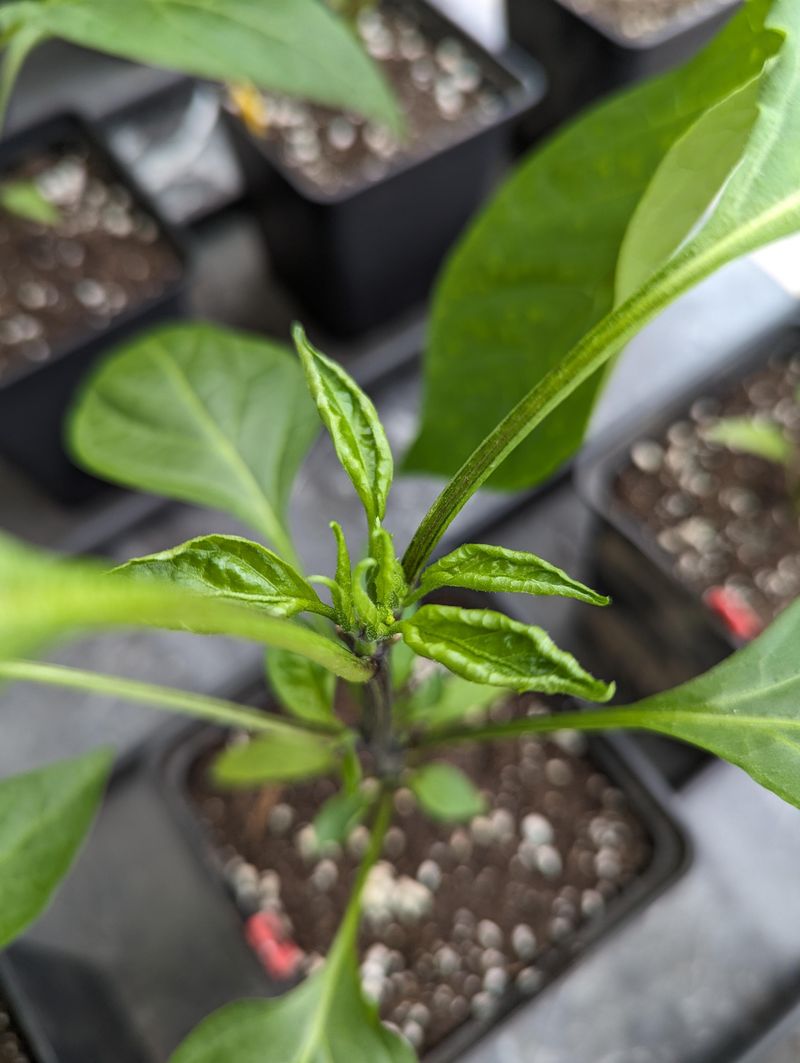
Fertilizer, especially nitrogen-heavy blends, signals plants to produce new growth fast. New growth is soft, tender, and poorly equipped for punishing summer conditions.
Those fresh shoots have thin cell walls and almost no heat tolerance. They droop fast and often brown at the tips before they fully open.
Feeding during a heat wave forces plants into an energy-burning push they have no reserves for. The plant is already struggling to hold its ground, and now it has to build new tissue on top of that.
Think of it like asking someone who is exhausted and overheated to also redecorate their house. The extra task does not help; it drains what little energy they have left.
Established plants handle heat by slowing down on purpose. They conserve water, reduce leaf activity, and focus energy on keeping roots cool and functional.
Fertilizer overrides that survival instinct. The chemical signals in the fertilizer push the plant to grow whether the conditions are safe or not.
That forced growth also attracts pests like aphids and spider mites, which thrive in hot, dry weather. Stressed new growth is their favorite target.
Skipping fertilizer right now is not neglect; it is smart gardening. Let your plants rest, and they will reward you when cooler days return.
Nitrogen Increases Water Demand In Already Stressed Plants
Nitrogen is the engine behind lush, green plant growth. But right now, feeding that engine comes at a serious cost your plants cannot afford.
When plants absorb nitrogen, their metabolism speeds up. A faster metabolism means the plant needs significantly more water to keep all its processes running smoothly.
In a Texas summer, water is already the most precious resource your garden has. Pushing plants to need even more of it during a drought or heat wave is a setup for failure.
Most Texas gardeners are already watering deeply just to keep plants upright. Adding nitrogen to the mix means that watering schedule may not be enough anymore.
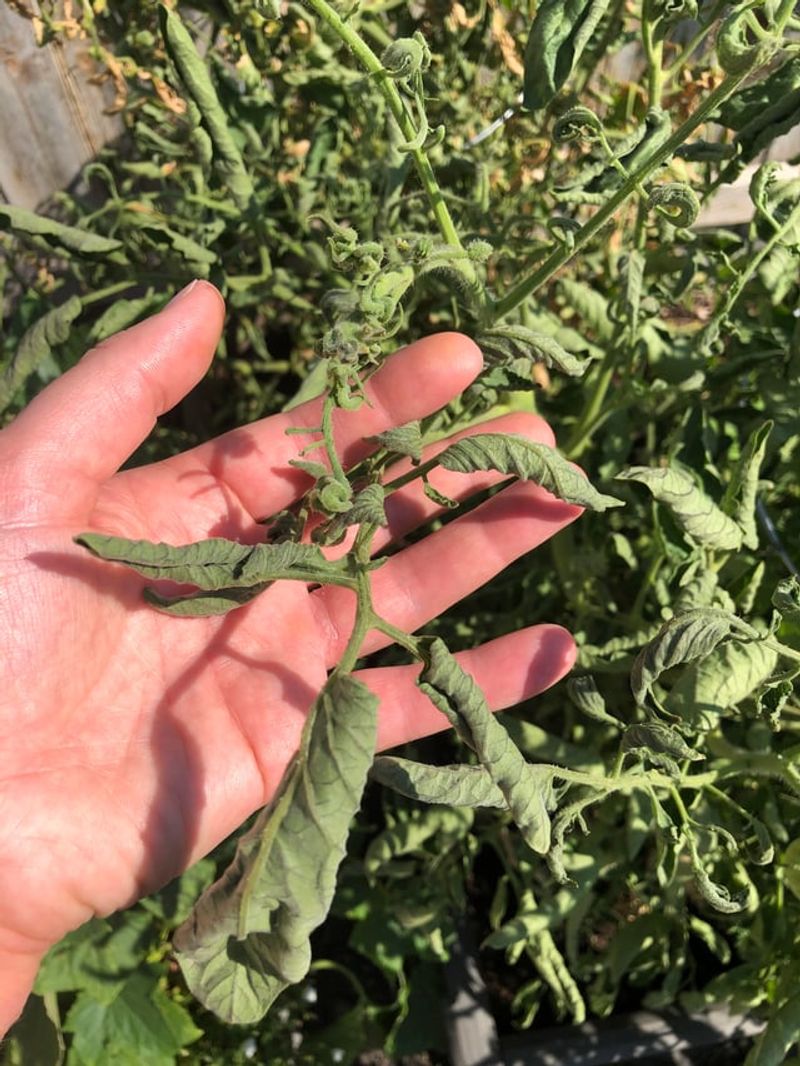
The plant starts pulling moisture from its own tissues when soil water runs low. Leaves curl, edges brown, and the whole plant takes on that sad, crispy look nobody wants to see.
Your Texas Garden Changes Every Week. Your Plan Should Too.
Gardening in Texas changes quickly throughout the season. Every Friday you’ll receive a simple weekly plan showing exactly what to plant, prune, fertilize, harvest, and protect so you never miss the right timing.
All that extra leaf surface also raises transpiration, the process where plants release moisture through their leaves. More transpiration in extreme heat means moisture leaves faster than roots can replace it.
Imagine turning the heat up in a house where the water has already been shut off. Everything runs hotter with less to draw on, and that is precisely what nitrogen does to a heat-stressed plant.
Holding off on nitrogen-rich fertilizers right now protects your plants from compounding a problem that already exists. Your soil can wait a few more weeks. Your plants have less patience.
Choosing to skip the nitrogen boost during peak summer is one of the smartest, most protective decisions a Texas gardener can make this season.
Root Systems Struggle To Support Sudden Top Growth
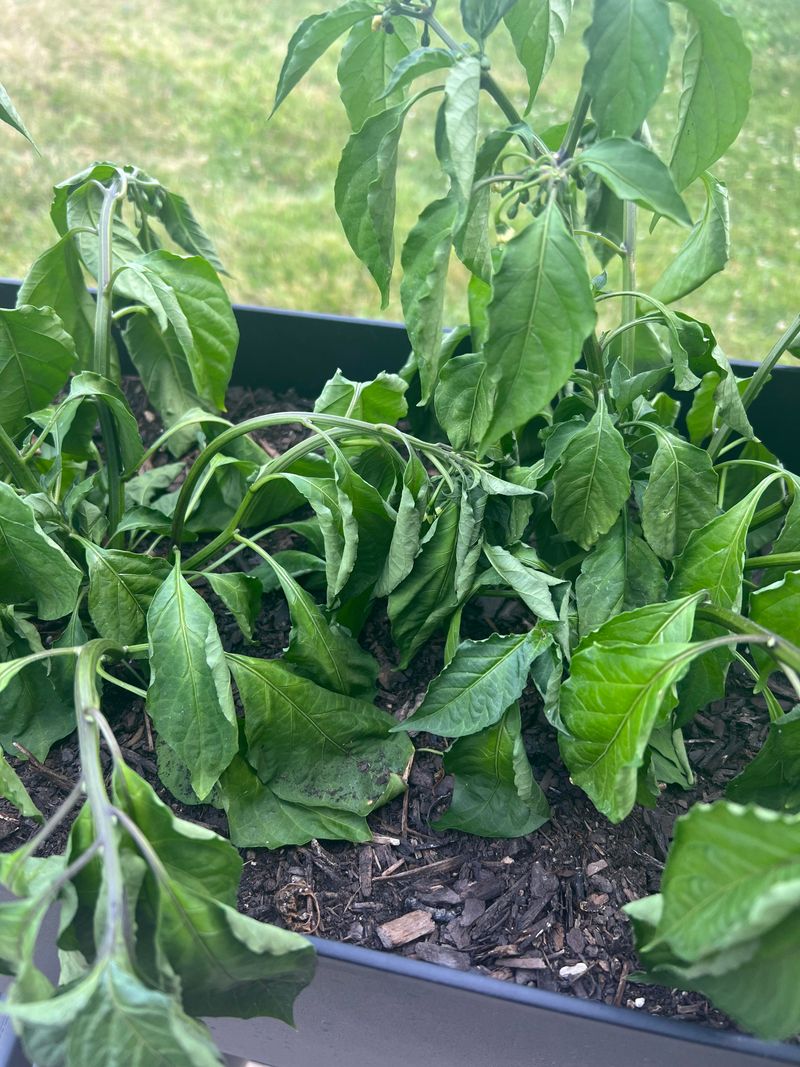
Roots are the foundation of every plant, and summer heat puts them under enormous pressure. When you add fertilizer to the picture, the roots face a demand they are not equipped to meet.
Heat drives bare soil surfaces past 120 degrees Fahrenheit, and the root zone a few inches down heats up right along with it. Roots slow down, pull back, and focus on basic survival at those temperatures.
Fertilizer tells the top of the plant to grow faster, but the roots have not gotten that memo. They are still in survival mode, doing the bare minimum to keep things going.
A mismatch between root activity and top growth is a recipe for serious plant decline. The leaves and stems demand more water and nutrients than the struggling roots can deliver.
That gap between supply and demand shows up fast. Leaves droop even after watering, stems go limp, and the plant looks worse than it did before you fed it.
Healthy root growth actually slows down in summer by design. Plants redirect energy away from expanding roots and toward protecting what already exists underground.
Pouring fertilizer into that system disrupts a carefully managed balance. The plant ends up spending energy it does not have on growth it cannot support.
Gardeners often blame the heat when plants decline after a summer feeding. But the fertilizer is often the hidden factor tipping an already stressed plant into decline.
Protecting your root zone with mulch and skipping fertilizer is the move that keeps plants stable until fall planting season arrives.
Salt Buildup From Fertilizer Compounds Heat Damage
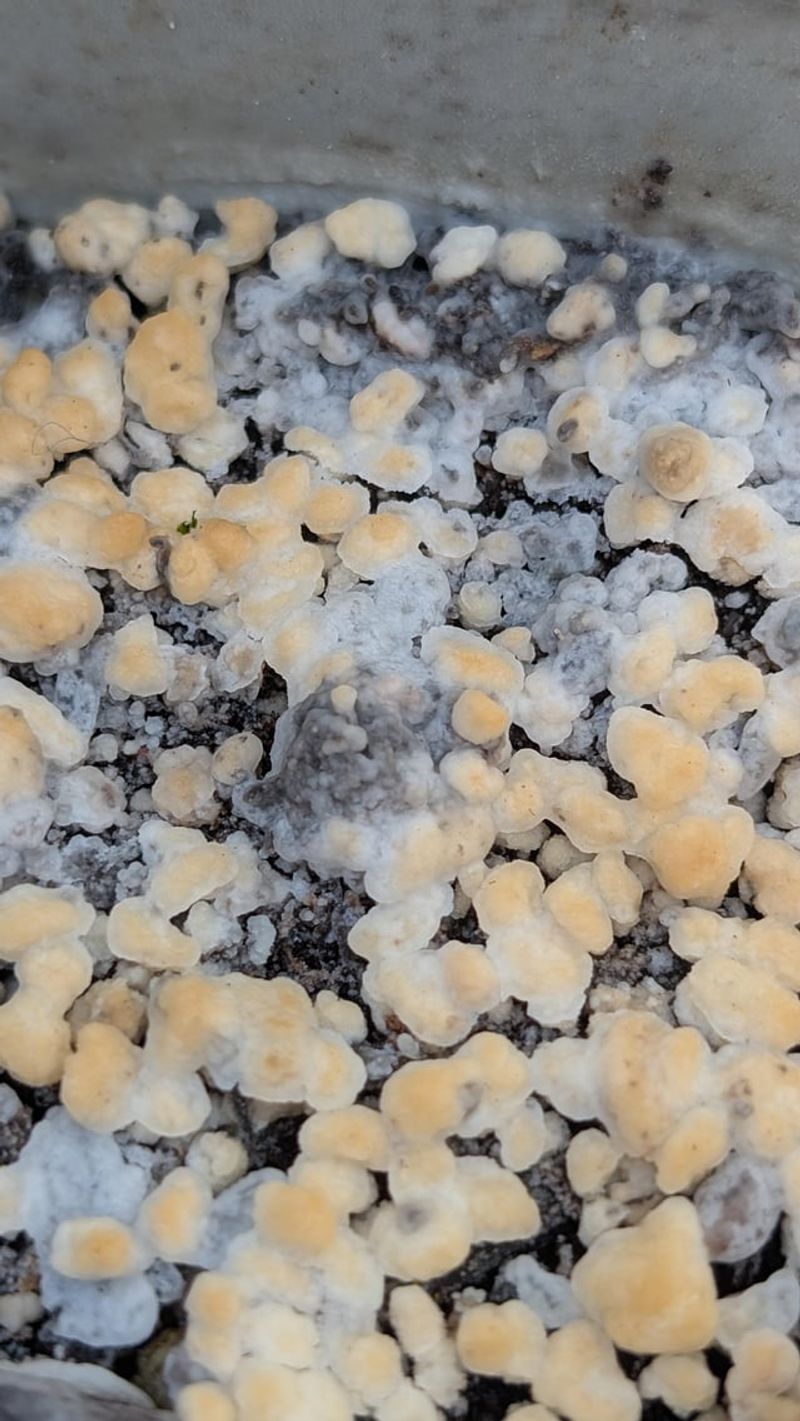
Most gardeners rarely think about salt when they grab a bag of fertilizer. Yet salt sits inside most granular and liquid plant foods.
Fertilizers are made from mineral salts, and those salts draw moisture out of soil and plant roots through a process called osmosis. That is a problem any time of year, but in summer it becomes dangerous.
Hot Texas summers dry out soil faster than plants can replenish moisture from their roots. Adding fertilizer salts to that already dry soil pulls even more water away from the root zone.
Plants end up drawing from the same limited moisture that fertilizer salts are pulling on. The salts usually have the advantage, leaving roots dehydrated even when you water regularly.
This condition is sometimes called fertilizer burn, and it looks a lot like heat damage. Leaf edges turn brown and crispy, stems weaken, and the plant appears scorched from the outside in.
The tricky part is that fertilizer burn and heat stress look almost identical. Gardeners often water more trying to fix the problem, but extra water cannot flush out salts fast enough in extreme heat.
Salt buildup also changes the soil chemistry around roots. It raises the electrical conductivity of the soil, making it harder for roots to absorb water even when moisture is present.
Avoiding fertilizer during peak heat keeps salt levels manageable and gives roots room to recover. Healthy soil chemistry is the quiet hero of every thriving summer garden.
Signs Your Garden Is Already Showing Heat Stress
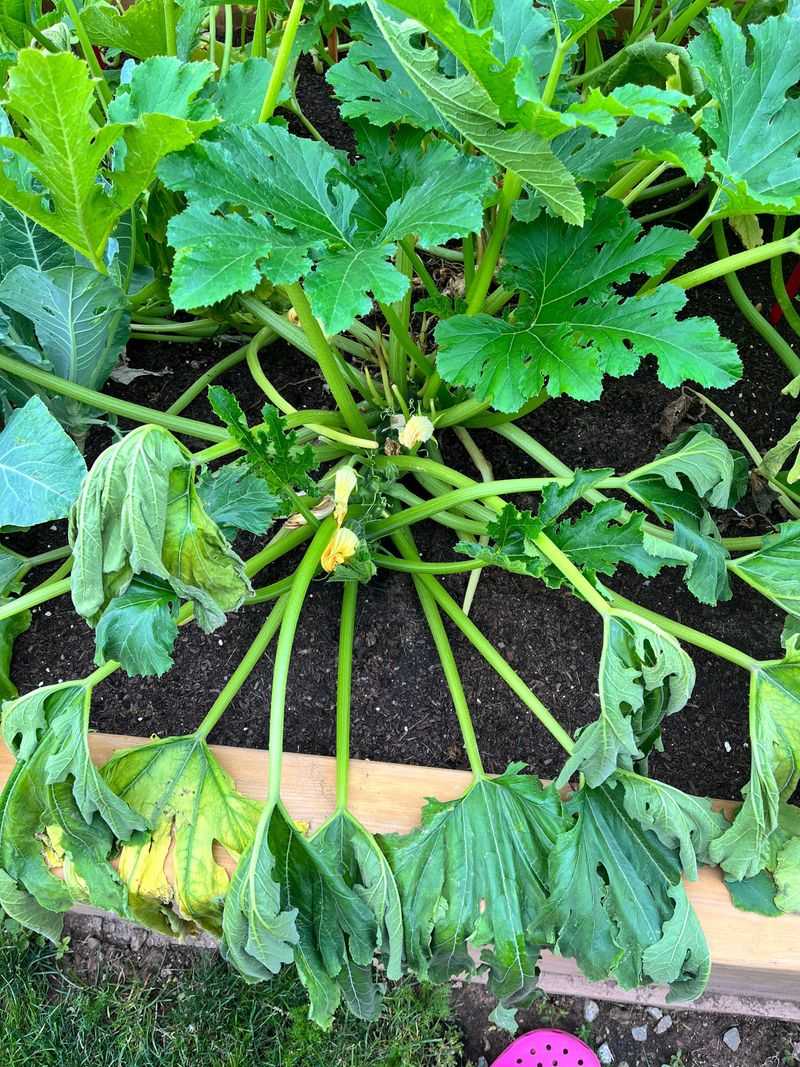
Your garden sends signals long before real damage sets in. Learning to read them is the difference between a plant that bounces back and one that never quite does.
Leaf curl is one of the earliest signs of heat stress. Plants roll their leaves inward to reduce the surface area exposed to direct sunlight and slow down moisture loss.
Wilting that happens in the morning, before temperatures peak, is a serious red flag. Morning wilt means the plant could not recover overnight, which signals deep stress in the root system.
Brown, crispy edges on leaves are another common warning sign. Those edges are the parts of the leaf that dry out first when the plant cannot move water fast enough.
Flower and fruit drop happens when plants decide reproduction is a luxury they cannot afford. Dropping blooms is a survival response, not a sign of poor soil or bad gardening.
Pale or yellowing leaves in summer often point to nutrient lockout caused by heat-stressed roots. The nutrients may be in the soil, but the roots cannot absorb them efficiently when temperatures soar.
Soil that dries out just hours after watering is another clue. Extreme heat accelerates evaporation, and compacted or depleted soil holds moisture for even shorter periods.
Spotting these signs early gives you time to respond before the damage becomes permanent. Shade cloth, deep watering, and mulch are your best tools right now, not fertilizer.
Once you recognize these signals, you can shift from reactive gardening to confident, proactive plant care all season long.
When To Resume Feeding As Temperatures Cool Down
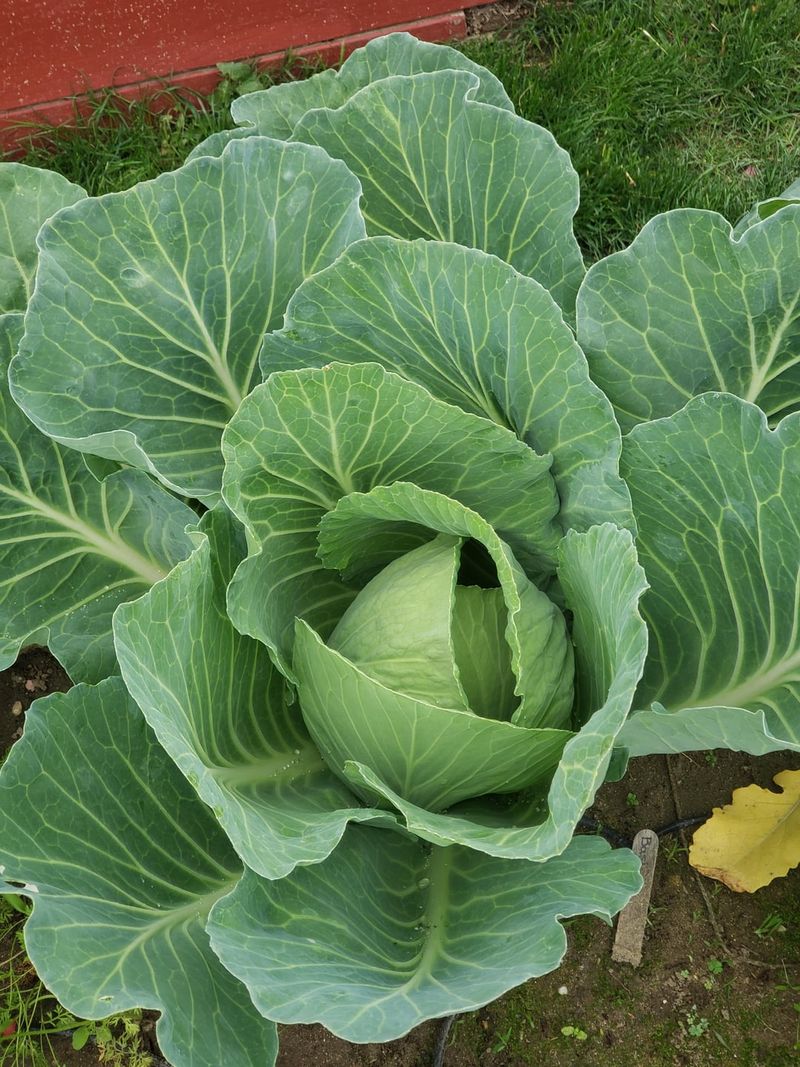
Fall in Texas feels like a gift after a brutal summer. Temperatures drop, plants perk up, and the garden suddenly looks like it wants to grow again.
That shift in energy is your signal that feeding season has returned. Most Texas gardeners can resume fertilizing once nighttime temperatures settle into the mid-70s and stay there.
A slow-release fertilizer is the best choice for easing plants back into a feeding routine. Slow-release formulas deliver nutrients gradually, so there is no sudden surge that could shock a recovering plant.
Timing matters almost as much as product choice. Early morning applications give fertilizer time to absorb before the afternoon sun heats the soil and speeds up evaporation.
Watering in your fertilizer right after applying is the step you should not skip. Moisture activates the nutrients and carries them down to the root zone where they can actually do some good.
Focus your first fall feeding on a balanced formula rather than a high-nitrogen blend. Balanced nutrients support overall plant health without pushing excessive leafy growth before roots have fully recovered.
Vegetable gardens benefit from a phosphorus boost in early fall to support root development and fruit production. Strong roots heading into cooler months mean stronger plants through the entire growing season.
Ornamental plants and shrubs appreciate a light feeding in September or October to prep for dormancy. That final boost helps them store energy for a strong spring comeback.
Getting the timing right is what turns a rough summer into a fall harvest worth the wait.