What It Means When Goldfinches Descend On Your Indiana Garden Late In The Season
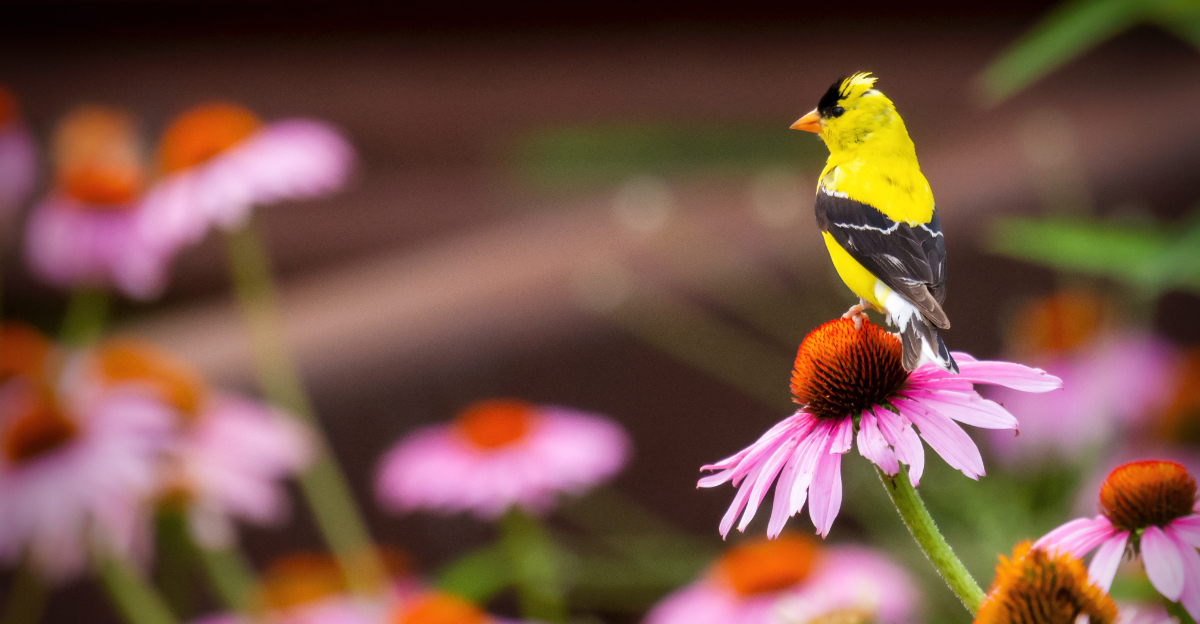
Gold flashes streak across your fence line before dawn breaks. Something shifted overnight, and your quietest visitors noticed instantly. Chatter fills your morning air like a signal you can’t dismiss.
Your Indiana garden sees this exact pattern every late season. Wings cling to your seed heads, testing everything you planted. Birds rarely gather without reason, and goldfinches respond to your yard.
Every cluster hints at your soil, seed choice, and shelter quality. Yards across Indiana prove this pattern reaches beyond your fence line. Their presence reveals which of your plants thrived and which failed.
Nothing about this moment stays still inside your garden for long. Patterns emerge fast once you start watching your feeders closely. Colors, sounds, and choices point toward information you haven’t decoded yet.
You already sense something important is happening in your garden now. Ignore this spectacle, and you’ll miss what your garden is telling you.
Why Late Summer Brings A Sudden Goldfinch Arrival
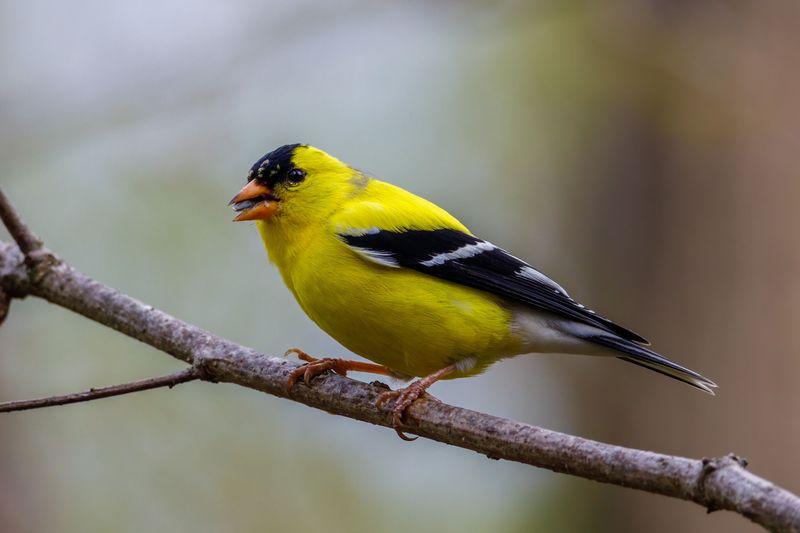
Your garden turns into a goldfinch magnet almost overnight. That sudden rush of activity is not a coincidence.
American goldfinches time their movements around food availability. Late summer is when native plants begin setting seed, and goldfinches follow that food source like clockwork.
Unlike many songbirds that feast on insects during warmer months, goldfinches are strict seed-eaters nearly year-round. When your Indiana garden produces ripe seeds, you become their top destination.
The late-season arrival also connects to flock behavior. Juvenile birds from summer broods join adult birds, creating larger groups that move together across neighborhoods.
Goldfinches descend on your garden because your yard is essentially a free buffet. They have sharp eyes and can spot a seeding plant from impressive distances.
This timing also overlaps with pre-migration feeding. Birds bulk up on calories before temperatures drop, so your Indiana garden becomes critical real estate.
Watching this pattern repeat each year teaches you something valuable. Your choices as a gardener directly influence which wildlife shows up and how often.
Letting plants go to seed instead of cutting them back is one of the most powerful things you can do. That single decision can attract more goldfinches than feeders alone.
Pay attention to which plants draw the most visitors. Those observations will guide your planting decisions for next season and keep the goldfinches coming back.
Their Strong Pull Toward Seeding Native Plants
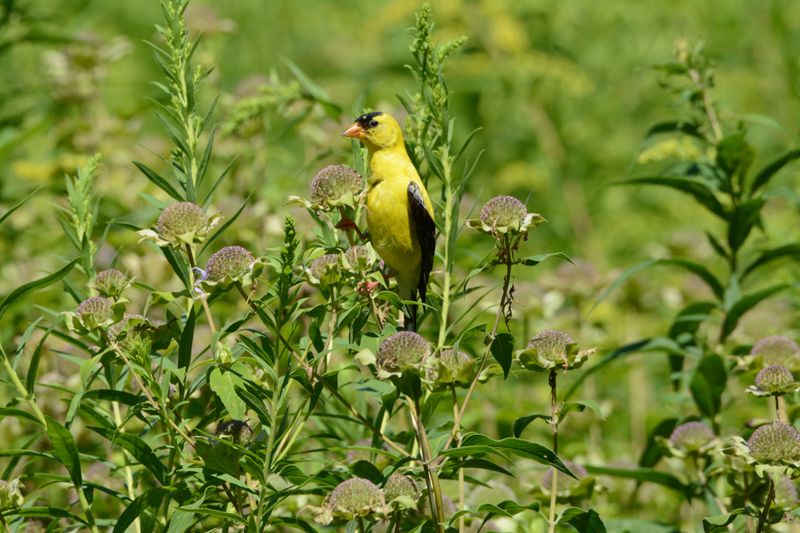
Goldfinches and native plants have a relationship that goes back thousands of years. You cannot fully separate one from the other.
Coneflowers, black-eyed Susans, and native sunflowers are among their absolute favorites. These plants produce dense, nutritious seed heads that goldfinches can cling to and harvest with ease.
Non-native ornamentals rarely offer the same payoff. Many cultivated flowers are bred for looks, not seed production, so goldfinches largely ignore them.
Goldenrod is another native powerhouse. It blooms late and produces seeds right when goldfinches need calories most, making it one of the most valuable plants in any wildlife garden.
Your Indiana Garden Changes Every Week. Your Plan Should Too.
Gardening in Indiana changes quickly throughout the season. Every Friday you’ll receive a simple weekly plan showing exactly what to plant, prune, fertilize, harvest, and protect so you never miss the right timing.
Native thistles deserve a mention too. Goldfinches famously love thistle seeds, and they also use the soft thistle fiber to line their nests earlier in the season.
When goldfinches descend on your garden and zero in on specific plants, take note. They may be showing you which natives are performing well in your specific growing conditions.
Planting a diverse mix of natives extends the feeding season. Early bloomers hand off to mid-season plants, which then pass the torch to late-season seed producers.
A well-planned native garden can support goldfinches for much of the summer and fall. That kind of extended habitat makes your yard a reliable stop on their seasonal circuit.
Start with three or four native species if you are new to this approach. Small changes in your planting choices create surprisingly large ripple effects for local bird populations.
Nesting Timing That Sets Goldfinches Apart From Other Birds
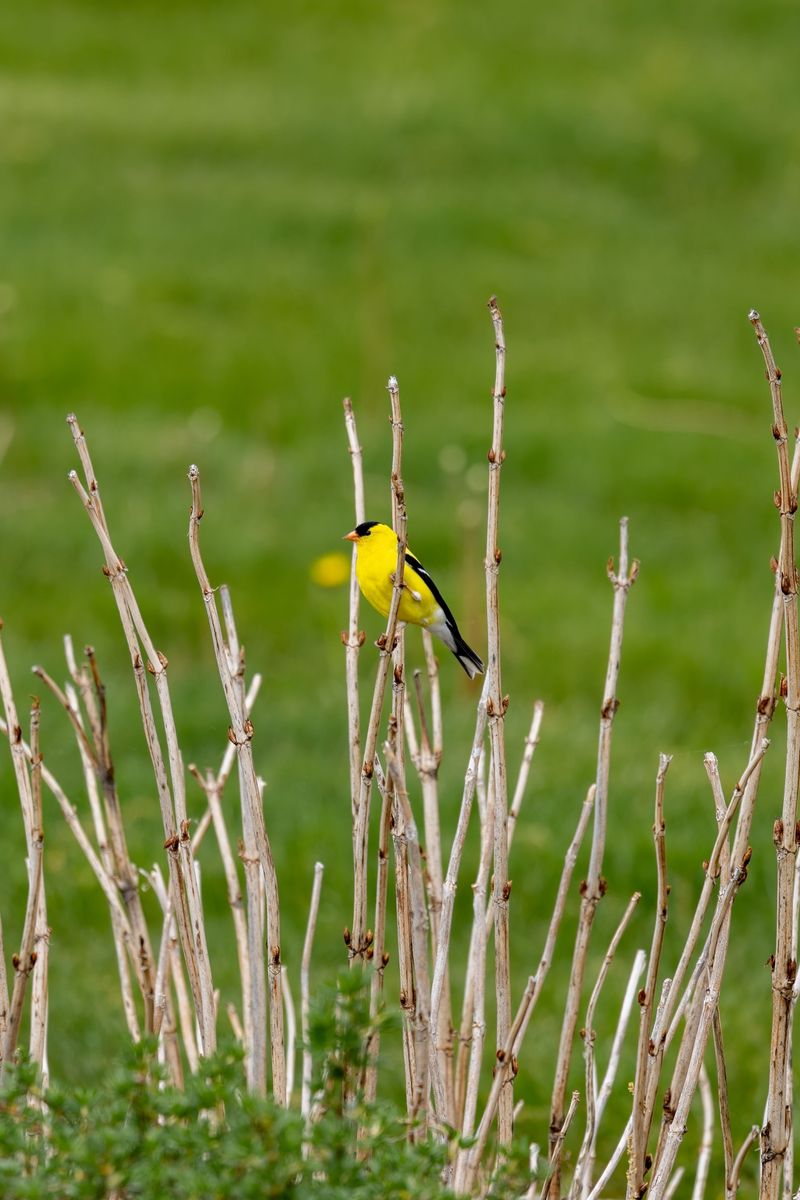
Most backyard birds wrap up nesting by early summer. Goldfinches are the dramatic exception to that rule.
American goldfinches nest later than almost any other North American songbird. They typically begin building nests in late June and often raise chicks through August.
This delay is intentional and strategic. Goldfinches wait for native thistles and other plants to produce both seeds and soft fiber, which they need for food and nest construction at the same time.
Their nests are architectural marvels at a small scale. Females weave plant fibers so tightly that the cup-shaped structure can actually hold water, which is why chicks need shelter from rain.
By the time most other songbirds are done with family duties, goldfinch parents are still actively feeding young. This means late-season garden activity often includes adults gathering food for hungry fledglings.
Understanding this timeline changes how you manage your yard in late summer. Cutting back plants too early can remove both food and nesting material right when goldfinches need them most.
Leaving garden cleanup until late fall or early winter is one of the best habits a bird-friendly gardener can build. Seed heads that look messy to you look like groceries to a goldfinch family.
Watching for fledglings in August is one of the season’s small joys. Young goldfinches are streaky and uncertain, following adults around and begging loudly for seeds at every stop.
Molting Season And What It Means For Their Appearance
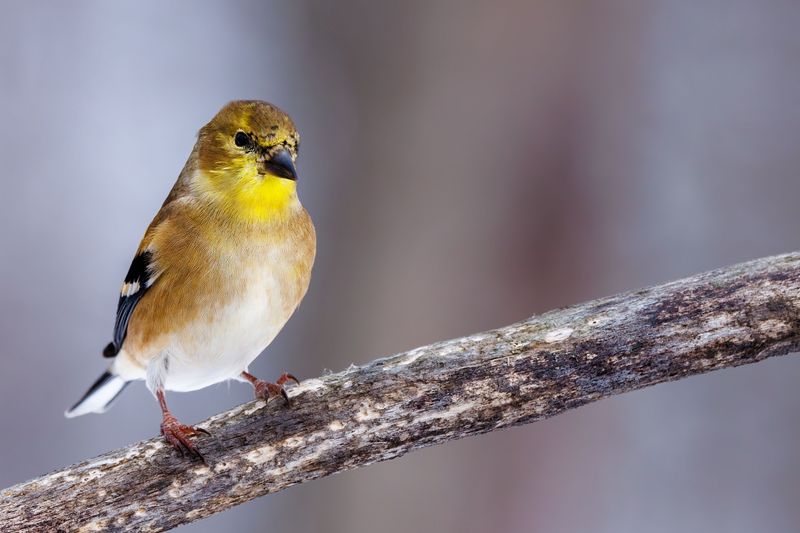
Late summer goldfinches can look a little rough, and that is completely normal. Do not mistake a patchy bird for a sick one.
Goldfinches go through a full molt in late summer and early fall. They shed their feathers gradually and grow in a new set to prepare for cooler weather.
Male goldfinches are especially dramatic in this transition. The brilliant lemon-yellow breeding plumage fades into a softer olive-green as the season shifts.
Females change less noticeably since their coloring is more subdued year-round. But both sexes emerge from molt looking noticeably different than they did in peak summer.
This transformation serves a practical purpose. Duller winter plumage provides better camouflage when the birds move through open fields and hedgerows searching for food.
If you spot a goldfinch that looks streaky or uneven in color, you are watching evolution in real time. The molt is a finely tuned seasonal response, not a sign of illness.
A truly sick bird will behave differently. Watch for lethargy, puffed-up feathers on a warm day, or a bird sitting alone on the ground as actual warning signs.
Knowing the difference helps you respond appropriately. Most late-season goldfinches you see are perfectly healthy and simply going through a natural wardrobe change before winter arrives.
Appreciating this detail makes you a sharper observer. The more you notice, the richer your connection to the wildlife passing through your Indiana garden each season becomes.
Simple Ways To Keep Goldfinches Coming Back
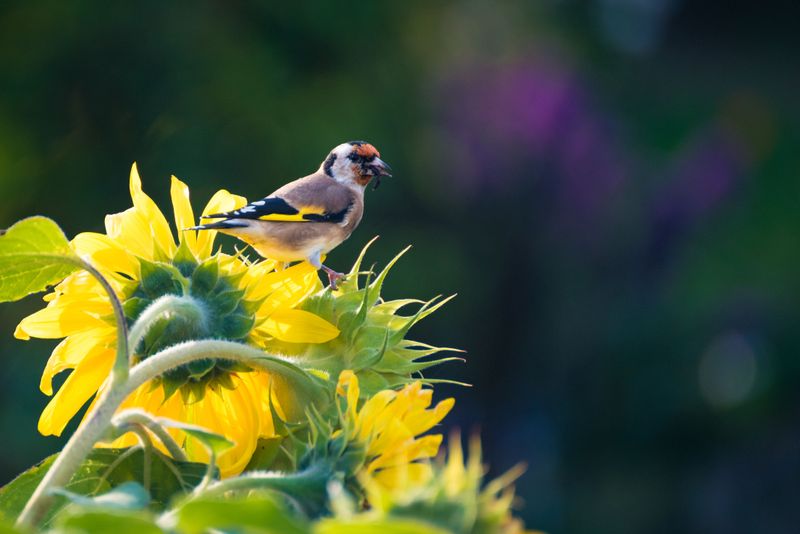
Keeping goldfinches around is easier than most people think. A few targeted choices make your yard irresistible to them season after season.
Nyjer seed, sometimes called thistle seed, is the gold standard for goldfinch feeders. A tube feeder with small ports holds nyjer well and keeps larger birds from hogging the supply.
Placement matters more than most gardeners realize. Goldfinches prefer feeders near shrubs or trees where they can retreat quickly if a hawk passes overhead.
Fresh seed is non-negotiable. Nyjer goes stale faster than most seeds, and goldfinches will abandon a feeder with old seed without a second glance.
Beyond feeders, your plant choices carry more weight than anything else. Native coneflowers, cosmos, and zinnias all produce seeds that goldfinches actively seek out in late summer.
Water is another underrated magnet. A shallow birdbath with moving water, like a small dripper or fountain, attracts goldfinches even when food sources are plentiful elsewhere.
Skip the pesticides whenever possible. Pesticide residue on treated plants can pose risks to seed-eating birds like goldfinches over time.
Leaving spent flower stalks standing through winter extends your Indiana garden’s value well past the growing season. Goldfinches will return to pick through those seed heads on cold January mornings.
When goldfinches descend on your garden repeatedly, it means your yard has earned a reputation. That kind of consistent visitation reflects well on your Indiana garden’s habitat quality.
What Their Presence Says About Your Garden’s Health
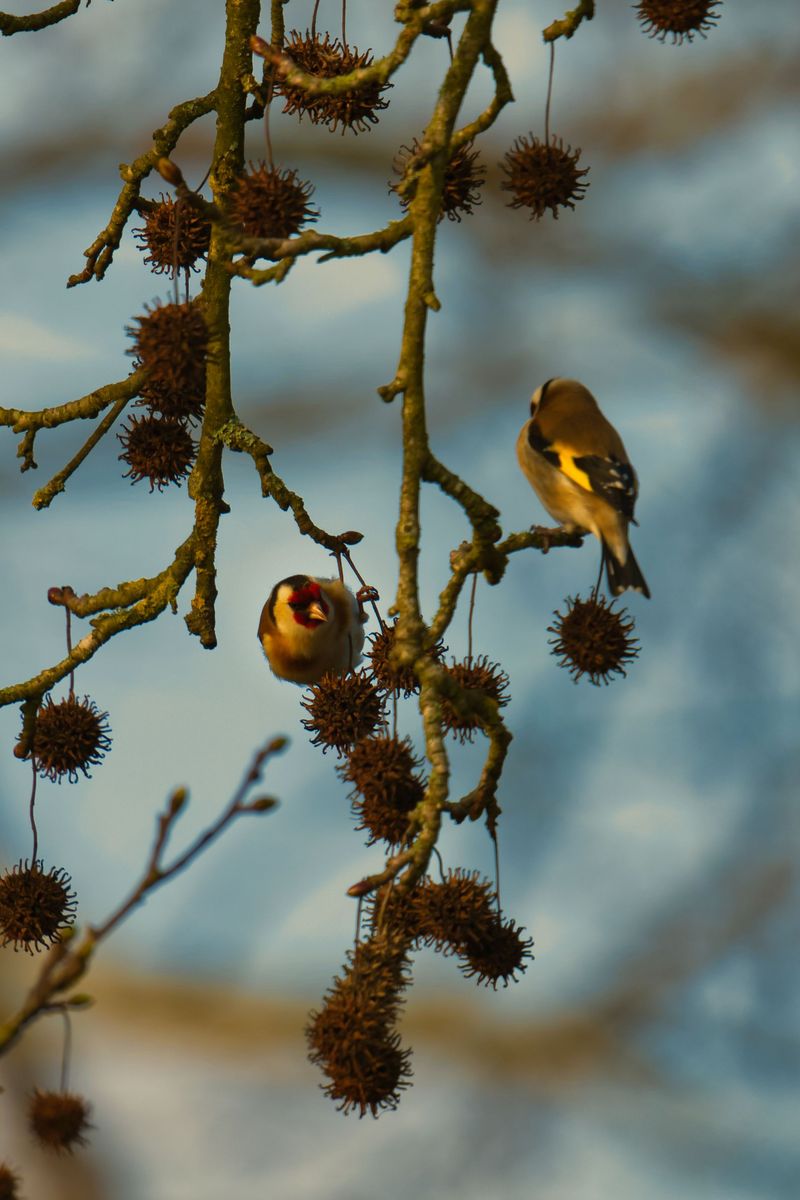
A yard full of goldfinches is more than a pretty sight. It is a report card on your garden’s ecological condition. Goldfinches tend to favor spaces that offer genuine food, safety, and structure.
When goldfinches descend on your garden in numbers, it signals that your plant diversity is working. A wide variety of seed-producing natives tells birds that your yard is a reliable, multi-course meal.
Their presence also hints at a healthy insect population, even though goldfinches do not eat many bugs themselves. A garden rich enough to feed seed-eaters usually supports a full food web below the surface.
Absence of goldfinches can signal the opposite. Heavy pesticide use, lack of native plants, or excessive lawn coverage all reduce habitat quality for seed-eating birds.
Goldfinches can serve as an informal indicator of habitat quality. Their seasonal visits reveal whether your garden is genuinely functioning as habitat or just looking decorative from a distance.
Neighbors with goldfinch-rich yards often share a common trait. They tolerate a bit of wildness, leaving seed heads up, skipping fall cleanup, and choosing natives over tidy ornamentals.
Your garden does not need to be perfect to attract these birds. It just needs to feel safe, abundant, and a little less controlled than the average suburban lawn.
Frequent goldfinch visits suggest your Indiana garden meets their needs. Earning that trust, season after season, is one of gardening’s most rewarding long-term achievements.