This One Watering Mistake Makes Kentucky Cockroach Problems Worse
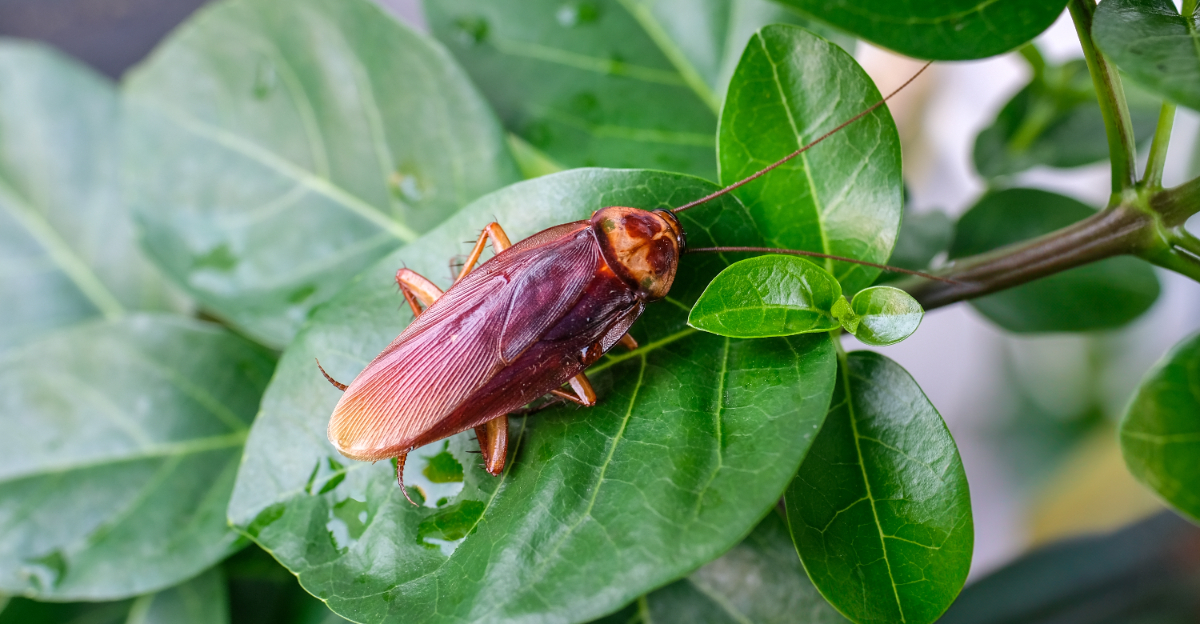
Kentucky homeowners spend money on sprays, sealed cracks, and traps, then watch the same unwanted visitors show up again every summer.
The real source usually sits outside, a few steps from the back door, wrapped in a habit so ordinary that nobody stops to question it. It happens around dusk and feels like responsible yard care.
Warm, humid nights turn that small routine into an open invitation. What lingers in the soil and along shaded foundation corners becomes the exact setup certain pests spend their evenings searching for.
Fixing it asks for almost nothing. It only requires that you change the timing of something you already do, and pay closer attention to where the water sits once you finish.
Evening Watering Leaves Moisture Roaches Seek Out
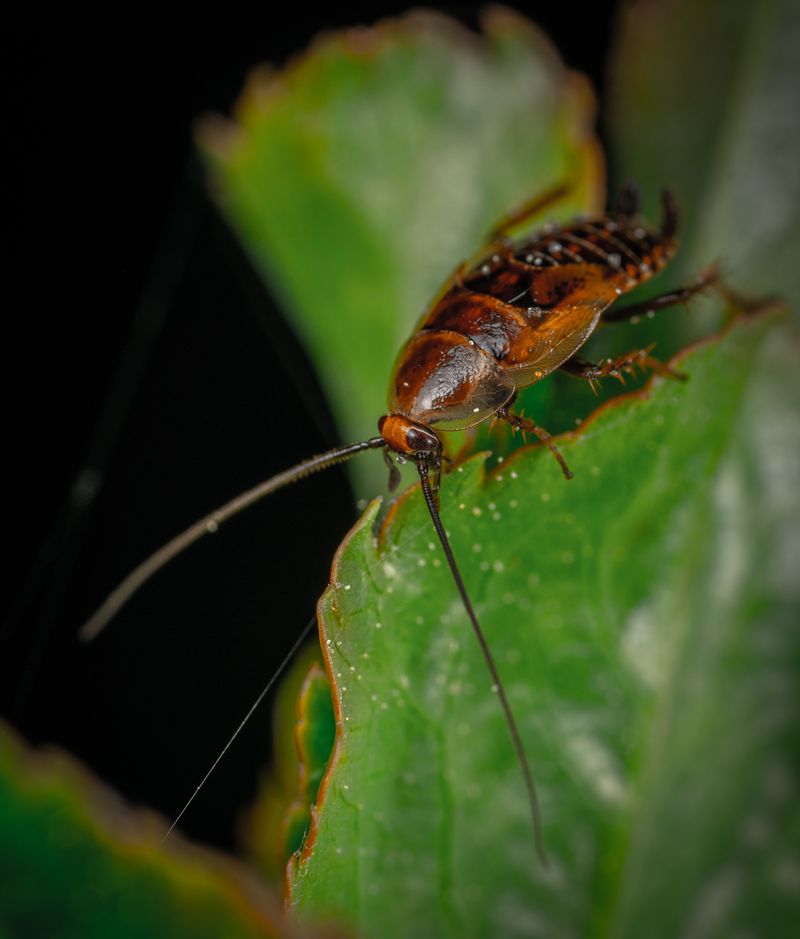
Watering your lawn at night feels smart, but it ranks among the habits that quietly work against you. Roaches forage after dark, and wet soil at that hour gives them exactly what they are looking for.
When you water in the evening, moisture sits on the ground for hours without evaporating. That damp layer creates the conditions cockroaches need to stay active, feed, and breed.
Kentucky cockroach problems often trace back to this single habit. Homeowners across the state water at night to limit evaporation, not realizing what those damp hours encourage.
Morning watering shifts the odds in your favor. The sun dries out soil within a few hours, leaving roaches with no comfortable environment to settle into.
Experts recommend watering between 6 a.m. and 10 a.m. for the best results. Soil absorbs moisture efficiently, plants stay healthy, and roaches lose their nighttime hangout spot.
Switching your schedule sounds minor, but it removes one of the conditions roaches depend on. Drier overnight ground gives them far less reason to settle near your home.
Think of it like leaving food out overnight versus putting it away before bed. One choice attracts trouble, and the other keeps things clean and quiet.
Your garden hose is not the issue here. The timing of when you use it separates a quiet yard from a roach-friendly one.
Damp Mulch And Soil Become Prime Hiding Spots
Mulch does plenty of good in a garden, and roaches happen to appreciate it for entirely different reasons. Wet mulch holds heat and moisture for a long time, making it a comfortable shelter for cockroaches hiding during the day.
After overwatering, garden beds turn into cozy hideaways for pests. Roaches tuck themselves under damp layers of wood chips, leaves, and bark to stay safe and comfortable.
The problem gets worse when mulch is piled thick and close to your home’s foundation. That proximity gives roaches a short, easy path from your garden straight into your walls.
Keeping mulch layers at two to three inches reduces moisture buildup. Thinner layers dry faster after rain or watering, making the environment far less appealing to cockroaches.
Pulling mulch at least six inches away from your foundation is another smart move. That gap removes the bridge roaches use to sneak from the garden to your interior walls.
Your Kentucky Garden Changes Every Week. Your Plan Should Too.
Gardening in Kentucky changes quickly throughout the season. Every Friday you’ll receive a simple weekly plan showing exactly what to plant, prune, fertilize, harvest, and protect so you never miss the right timing.
Cedar mulch is worth considering as a natural alternative. Its oils are often credited with discouraging insects, though that effect fades as the mulch ages.
Raking mulch regularly also helps by improving airflow and letting the sun reach the soil below. Dry, airy conditions are the opposite of what roaches prefer.
Think of your garden beds as either a neighborhood for pests or a deterrent. The condition of your mulch determines which one it becomes.
Kentucky’s Humidity Compounds The Problem
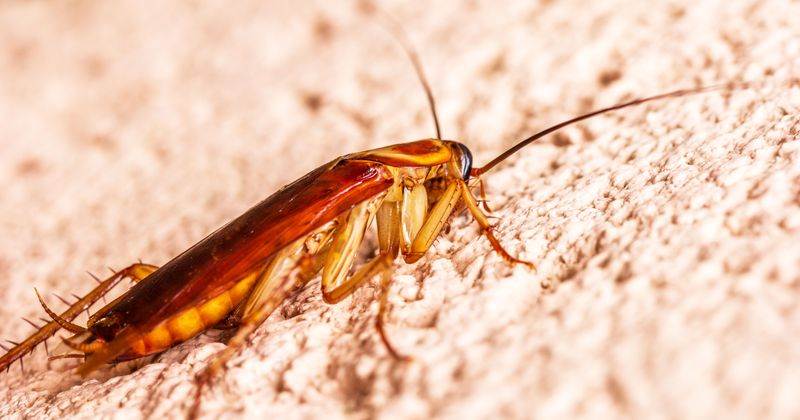
Kentucky summers carry humidity that lingers for weeks at a time. The air itself feels wet, and that atmospheric moisture stacks on top of whatever your sprinkler system adds to the ground.
The state’s climate sits in a zone where warm temperatures and high humidity overlap for months. Roaches thrive in exactly this kind of environment, and outdoor moisture only amplifies their activity.
When you overwater during humid stretches, the soil never gets a real chance to dry out. Standing moisture in your yard during these months draws in cockroaches already suited to the region.
Paying attention to weather forecasts before watering is a simple habit that pays off. If rain is expected within 24 hours, skipping a watering cycle removes excess moisture from the equation.
Smart irrigation controllers can do this work automatically. These devices check local weather data and adjust watering schedules without you lifting a finger, keeping soil at the right moisture level.
Pest control professionals across the region point to humid summers as their busiest stretch for cockroach calls. Outdoor moisture is one of the most commonly overlooked factors behind those visits.
Understanding your regional climate is part of smart pest prevention. Tackling roaches without accounting for humidity is like mopping the floor while the faucet is still running.
Adjusting your habits to match the season gives you a real advantage. Kentucky cockroach problems are manageable when you work with the climate instead of against it.
Standing Water Near Foundations Draws Them Indoors
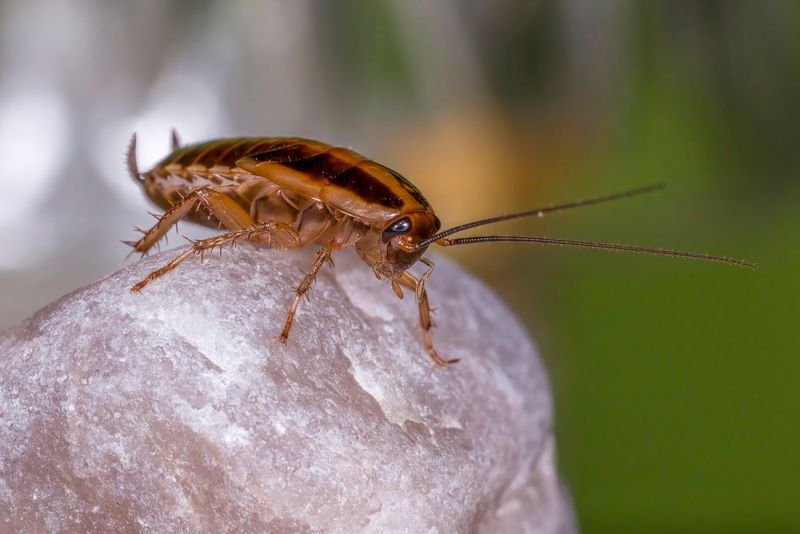
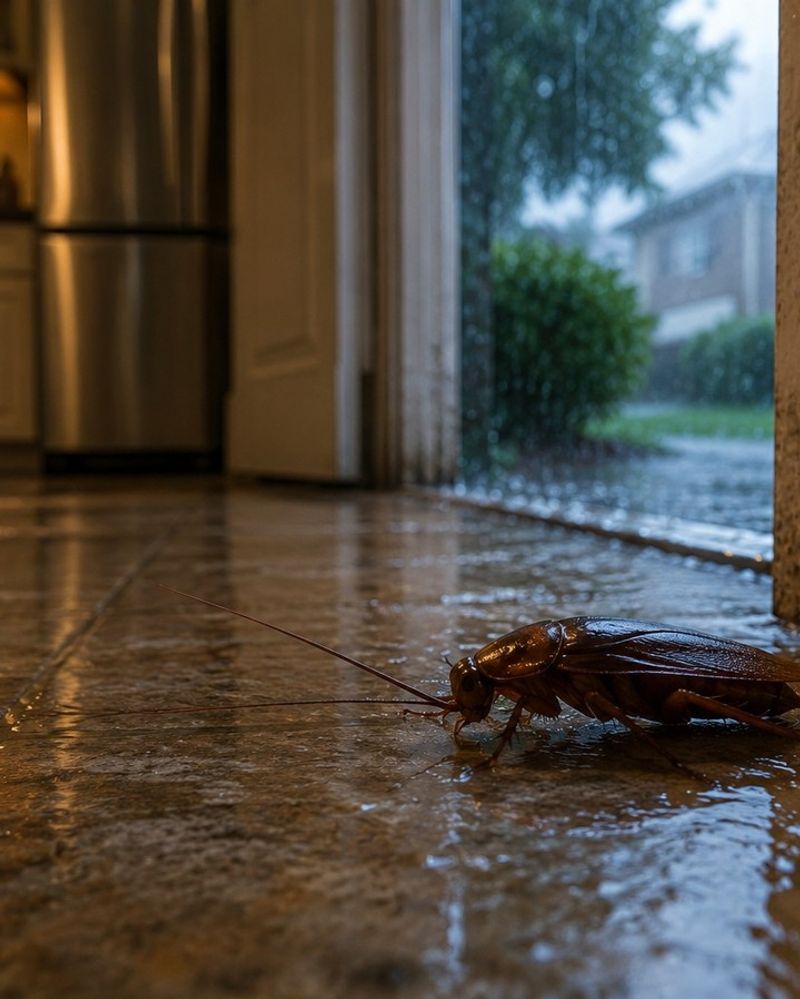
Puddles near your foundation are more than a landscaping eyesore. They are an open invitation for cockroaches to gather, breed, and eventually find their way inside your home.
Overwatering is one of the top causes of standing water around the base of a house. When soil becomes saturated, water has nowhere to go except pool against your foundation walls.
Roaches need water to survive, and they are surprisingly resourceful about finding it. A consistent puddle near your home’s base gives them a reliable water source just inches from potential entry points.
Cracks in foundation walls, gaps around pipes, and poorly sealed vents are common entry routes. Roaches waiting near standing water do not have far to travel before slipping inside.
Grading your yard so that it slopes away from the house helps prevent pooling. Even a slight downward angle directs water out toward the lawn instead of toward your walls.
Checking your downspouts is equally important. Extensions that carry rainwater at least four feet from the foundation reduce the chance of water accumulating in problem zones.
French drains are a longer-term fix for yards that consistently pool water. These underground drainage systems redirect moisture away before it can create cockroach-friendly conditions.
Every puddle you eliminate near your foundation is one less reason for roaches to linger close to your home. Small drainage fixes tend to pay off well beyond the effort they take.
Adjusting Your Watering Schedule Reduces Attraction
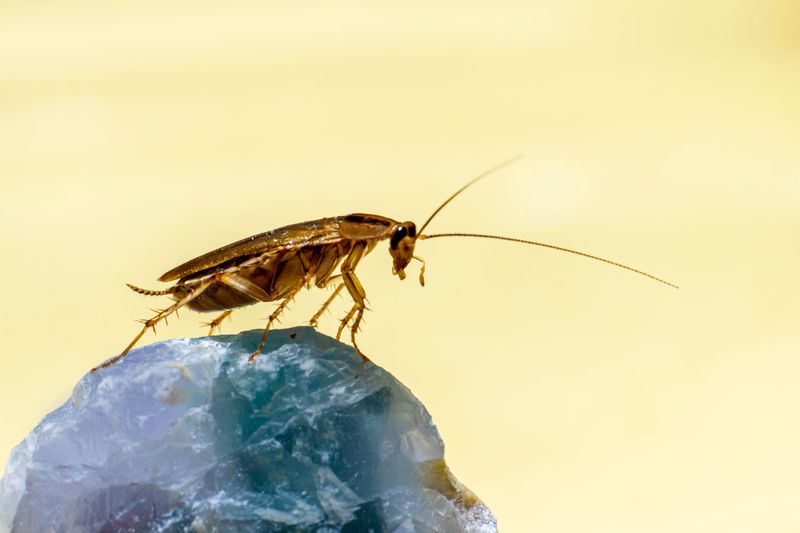
Changing when you water might be the simplest pest prevention step in your yard. A small shift in timing cuts down on the moisture roaches rely on, and it costs you nothing to try.
Morning watering gives the sun time to do its job throughout the day. By afternoon, soil moisture drops to a level that roaches find uncomfortable and unattractive.
Setting a timer on your irrigation system removes the guesswork entirely. Automatic morning cycles keep your schedule consistent, even when your routine gets busy.
Drip irrigation is another upgrade worth considering for garden beds. It delivers water directly to plant roots, keeping the surface drier and reducing the moisture roaches look for on top of the soil.
Checking soil moisture before watering prevents overwatering in the first place. A simple moisture meter costs only a few dollars and tells you exactly when the ground needs water and when it does not.
Watering less frequently but more deeply encourages plant roots to grow downward. This approach keeps the surface layer drier while still keeping plants healthy and thriving.
Grouping plants with similar water needs together also helps. You avoid over-saturating certain areas just to satisfy one thirsty plant surrounded by drought-tolerant neighbors.
These adjustments do not require expensive equipment or a complete yard overhaul. A smarter watering schedule is one of the fastest ways to reduce the conditions that make Kentucky cockroach problems worse over time.
Additional Steps To Keep Roaches Away
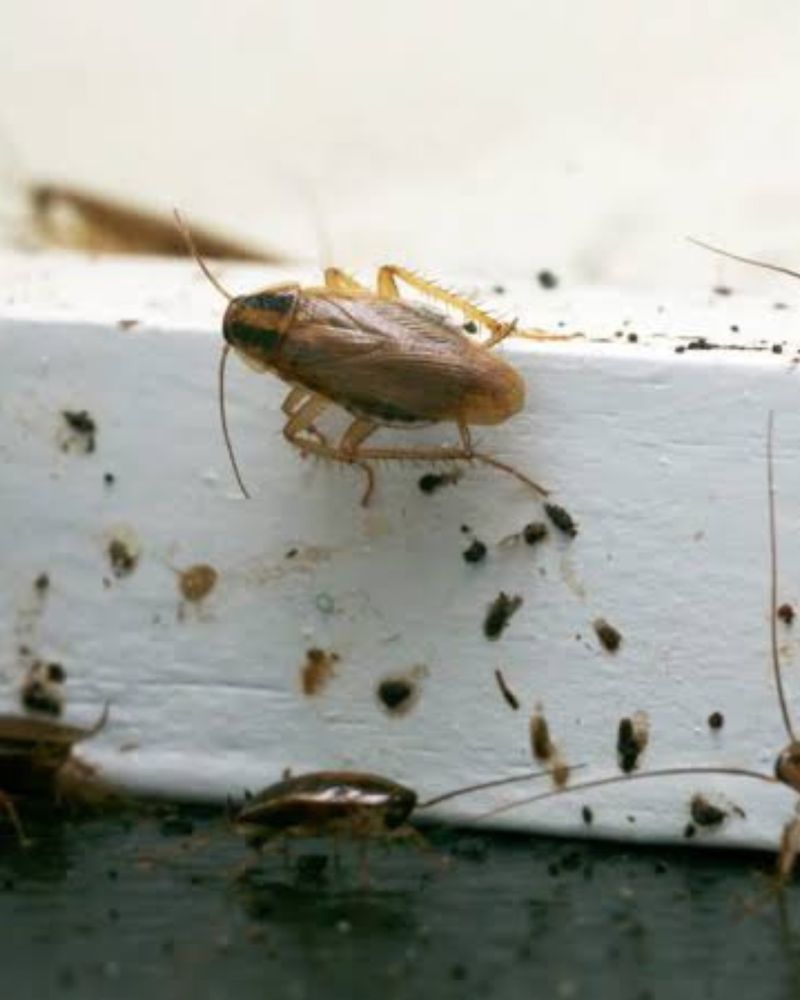
Fixing your watering schedule is a strong start, but roaches are persistent enough to need a full strategy. Combining moisture control with a few other habits gives your home much better protection.
Sealing cracks around your foundation, doors, and utility pipes removes the entry points roaches depend on. Caulk is inexpensive and goes on quickly along common problem areas.
Keeping outdoor trash cans tightly sealed eliminates another major food source. Roaches are scavengers, and an overflowing or loosely covered bin is just as attractive as a damp garden bed.
Leaf piles, woodstacks, and debris near your home create shelter that roaches move into before heading indoors. Clearing these materials and storing firewood at least 20 feet from the house makes a real difference.
Inside your home, fixing leaky pipes and faucets removes interior moisture sources. Roaches that make it past your yard still need water to survive, and dry interiors give them little reason to stay.
Boric acid applied along baseboards and under appliances is a low-toxicity option many homeowners trust. Apply it sparingly, keep it well out of reach of children and pets, and follow the label directions closely.
Sticky traps placed near entry points help you monitor activity levels over time. Seeing fewer roaches on traps confirms your prevention efforts are actually working.
Staying consistent with all these habits is what separates temporary relief from long-term control. Kentucky cockroach problems respond well to steady, layered prevention built around moisture management and smart home maintenance.