Where Oregon Gardeners Can Find Native Seeds That Big-Box Stores Rarely Carry
Shopping for seeds can be dangerously easy. You walk in planning to grab one packet, then somehow leave holding tomatoes, sunflowers, herbs, and three varieties of squash you absolutely did not have space for.
But Oregon gardeners searching for native seeds may notice something missing once they start scanning the usual racks.
Big-box stores can be convenient, but convenience does not always mean variety. Native plants can have specific regional connections, and the seed choices gardeners want may not be sitting beside the standard marigolds and lettuce.
That can make tracking them down feel like a tiny botanical treasure hunt. Honestly, that is half the fun.
The good news is that gardeners willing to look beyond the most obvious shelves may find far more interesting options.
Oregon has its own plant communities, growing conditions, and local gardening networks, all of which can open up possibilities that are easy to overlook.
If your seed collection could use something a little more connected to the landscape around you, it may be time to widen the search. The best packets might be hiding somewhere you have not checked yet.
1. Willamette Wildlings – Willamette Valley, Oregon
Not every great plant source looks like a polished garden center, and Willamette Wildlings is proof of that. Tucked into the heart of the Willamette Valley, this small operation focuses entirely on plants and seeds that are native to the local region.
That kind of hyper-local focus matters more than most people realize.
When seeds come from plants grown nearby, they carry genetic traits that help them handle your specific climate, soil, and rainfall patterns. Seeds sourced from hundreds of miles away may look the same on paper but often struggle once planted.
Willamette Wildlings takes that seriously, which is why gardeners who care about ecological restoration keep coming back.
The selection tends to lean toward understory plants, native grasses, and flowering species that support pollinators. You can often find seeds for plants like blue wildrye, camas, and various native sedges.
These are not the kinds of things you stumble across at a home improvement store.
If you are new to native gardening, the people behind this operation are usually happy to answer questions and point you toward species that match your specific site conditions. That personal guidance is something no big-box store can offer.
Visiting in person when possible is a good idea, since availability changes with the seasons and stock can sell out quickly. Checking their updates online before making a trip will save you time and help you plan your garden more effectively.
2. Bosky Dell Natives — West Linn, Oregon
Tucked into the West Linn area, this specialty nursery is a useful stop for gardeners who want native seeds without relying on a large national supplier. Its focus is firmly on Pacific Northwest native plants, with seeds offered alongside a much broader selection of live native species.
That makes it especially handy for people who want to build a garden that feels cohesive rather than simply scattering a generic wildflower mix.
Your Oregon Garden Changes Every Week. Your Plan Should Too.
Gardening in Oregon changes quickly throughout the season. Every Friday you’ll receive a simple weekly plan showing exactly what to plant, prune, fertilize, harvest, and protect so you never miss the right timing.
The seed selection includes individual native species as well as mixes aimed at supporting bees, butterflies, and other pollinators. Those options work well for smaller projects like converting part of a lawn, filling an open bed, planting around native shrubs, or adding more habitat value to a backyard.
Another advantage is being able to combine seeds with established plants from the same nursery. Gardeners can use seed for larger open areas while adding shrubs, perennials, and groundcovers where quicker structure is needed.
That makes it easier to create a layered native planting instead of waiting for an entire garden to develop from seed.
For homeowners who prefer browsing a real nursery and seeing what is available locally, this is a particularly practical choice. The inventory can vary, so checking current seed availability before making a special trip is still worthwhile.
3. Klamath-Siskiyou Native Seeds – Southern Oregon
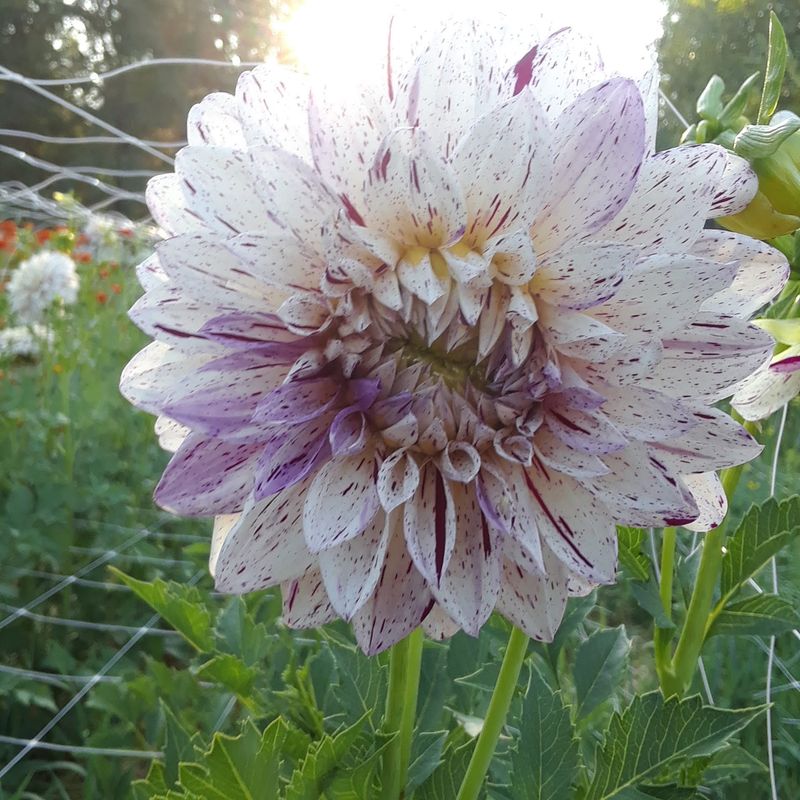
Southern Oregon sits in one of the most botanically rich regions in North America. The Klamath-Siskiyou zone is famous among botanists for its extraordinary plant diversity, and Klamath-Siskiyou Native Seeds taps directly into that richness.
Few seed sources anywhere in the country can match the variety of native species available here.
The region’s unusual geology, a mix of serpentine soils, volcanic rock, and ancient terrains, has pushed plants to evolve in fascinating ways. Many species found here grow nowhere else on Earth.
A seed company rooted in this landscape naturally carries things that are completely unavailable through mainstream retail channels.
Gardeners who want to grow rare native species, support specialized pollinators, or simply explore something beyond the usual meadow mixes will find this source genuinely exciting. The catalog often includes native brodiaeas, rare clarkias, and drought-tolerant bunchgrasses that are perfectly suited to hotter, drier summer conditions.
One practical tip: read the seed descriptions carefully before ordering. Some of these species have very specific germination requirements, including cold stratification periods or particular soil conditions.
Following those instructions closely will give your seeds the best possible start. If you are gardening in a drier part of the state, or even in a hot microclimate within a wetter area, this seed source deserves a spot near the top of your list.
The sheer variety of what they offer is hard to match anywhere in the region.
4. Heritage Seedlings and Liners – Salem, Oregon
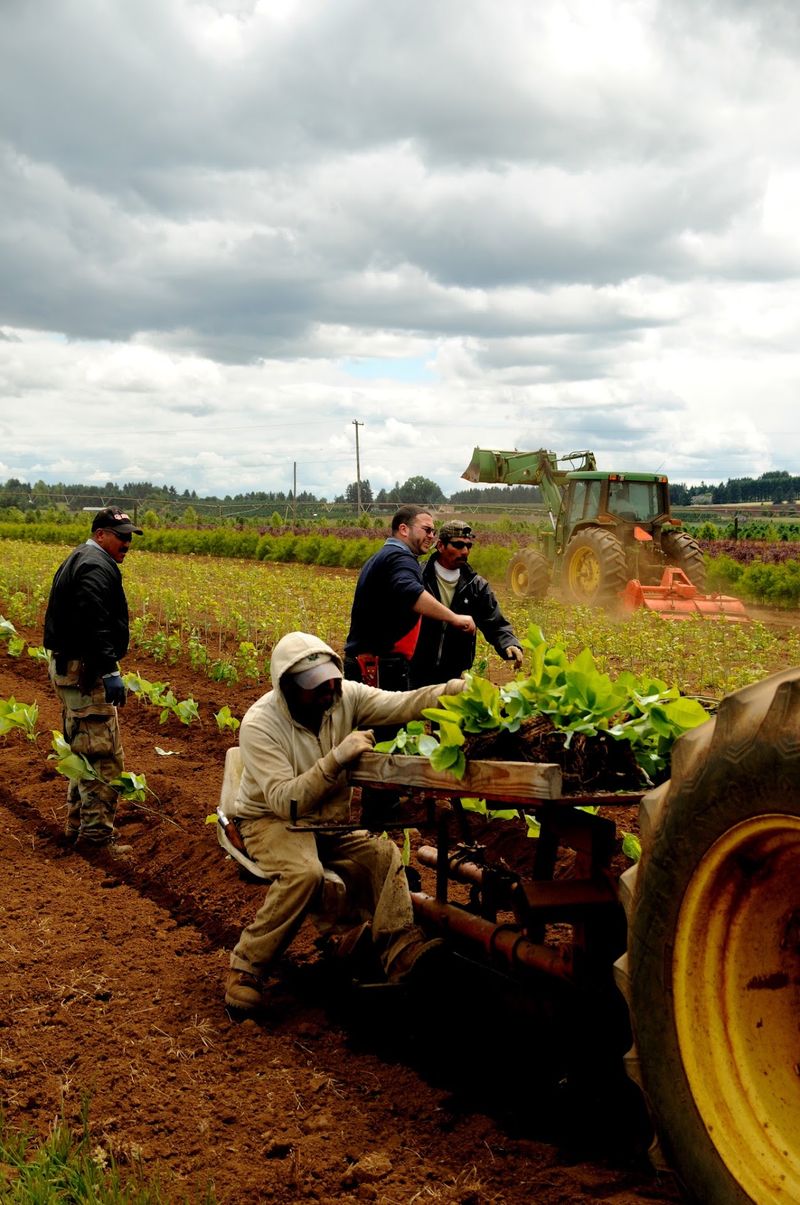
Most gardeners have never heard of Heritage Seedlings and Liners, and that is mostly because it operates as a wholesale nursery. But knowing it exists can open up real opportunities, especially if you are working on a larger restoration project or buying alongside a local native plant society or garden club.
Based near Salem, Heritage Seedlings specializes in native trees, shrubs, and some herbaceous plants. The focus is on propagating species that are native to the Pacific Northwest, and the quality of their stock is consistently high.
Nurseries and landscapers across the region rely on them for reliable, well-grown material.
For individual gardeners, the key is finding a way to access their stock. Some retail nurseries in the area carry Heritage-grown plants, so shopping at smaller independent garden centers can sometimes connect you indirectly to their offerings.
Native plant sales organized by conservation groups also sometimes feature plants sourced from wholesale growers like this one.
If you are part of a gardening group or a neighborhood restoration project, it may be worth reaching out directly to ask whether group orders are possible. Buying in larger quantities together with neighbors or fellow gardeners can make wholesale purchasing practical even for home-scale projects.
Species like red-twig dogwood, Oregon grape, and native willows are the kinds of shrubs you might source this way. Getting access to well-grown native shrubs and trees at reasonable prices is worth the extra effort involved in navigating wholesale channels.
5. Silver Falls Seed Company – Silverton Area, Oregon
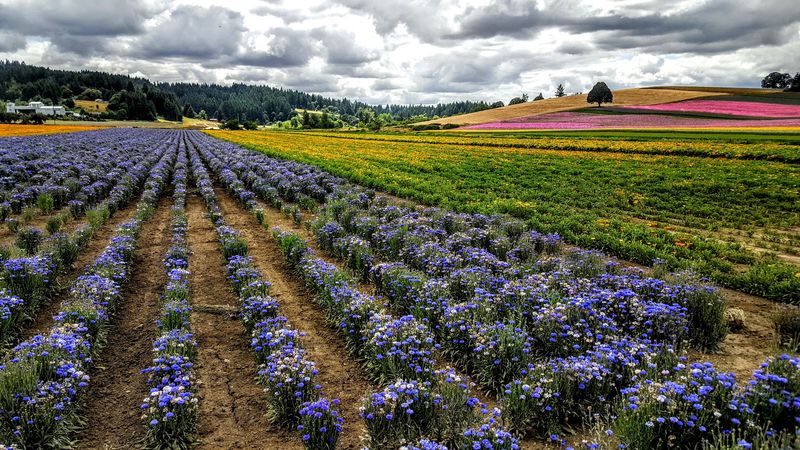
There is something genuinely satisfying about buying seeds from a company that grows most of what it sells. Silver Falls Seed Company, based near the Silverton area, takes that farm-to-packet approach seriously.
A good portion of their native seed inventory comes from plants they grow and harvest themselves, which means better quality control from start to finish.
The company carries a broad range of native and naturalized species, with a particular strength in wildflower mixes and individual native species suited to Pacific Northwest conditions. Gardeners looking to create a low-maintenance meadow or a pollinator-friendly patch will find plenty of useful options here.
One thing that makes Silver Falls stand out is their transparency about seed origins and germination rates. Good germination data helps you plan realistically and avoid the disappointment of planting seeds that were never going to perform well.
That kind of honesty is more common among small specialty companies than big retail brands.
Their website is a solid starting point for browsing what is currently available, and they ship to home gardeners as well as larger buyers. Ordering in late winter or early spring gives you the best shot at getting the species you want before stock runs low.
For anyone who has ever bought a wildflower mix from a big-box store and been underwhelmed by the results, switching to a source like Silver Falls can feel like a genuine upgrade. The difference in quality is often noticeable right from the start.
6. Native Foods Nursery – Oregon
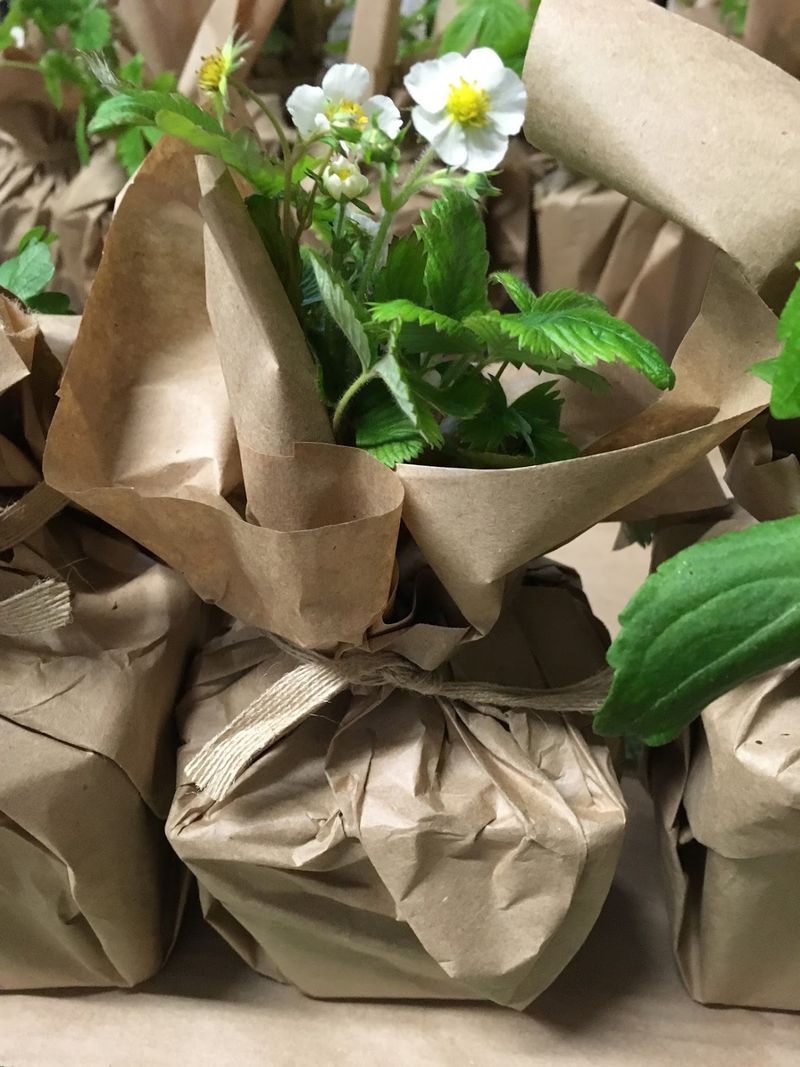
Not all native plant enthusiasts are focused purely on ecology or aesthetics. Some are just as interested in what they can eat.
Native Foods Nursery brings a refreshing angle to native plant gardening by centering the conversation around indigenous food plants that are both ecologically valuable and genuinely useful in the kitchen.
The plants and seeds available here include species that indigenous communities in the Pacific Northwest have relied on for thousands of years. Camas bulbs, native berries, edible roots, and seed-bearing plants are all part of the picture.
Growing these species connects your garden to a deep and meaningful local history.
From a practical standpoint, many native food plants are also excellent for pollinators and wildlife. Camas, for example, is a stunning blue-flowering bulb that bees absolutely love, and it produces an edible bulb that was historically a major food source for many tribes.
Growing it means supporting multiple goals at once.
If you are curious about ethnobotany or want to explore gardening that goes beyond ornamental planting, this nursery offers a perspective that is hard to find elsewhere. The staff tends to be knowledgeable and passionate, which makes visiting or reaching out by phone a worthwhile experience.
Availability of specific seeds and plants varies, so checking in regularly or signing up for any newsletters or updates they offer will help you stay informed about what is in stock and when new harvests become available throughout the year.
7. SymbiOp Garden Shop — Portland, Oregon
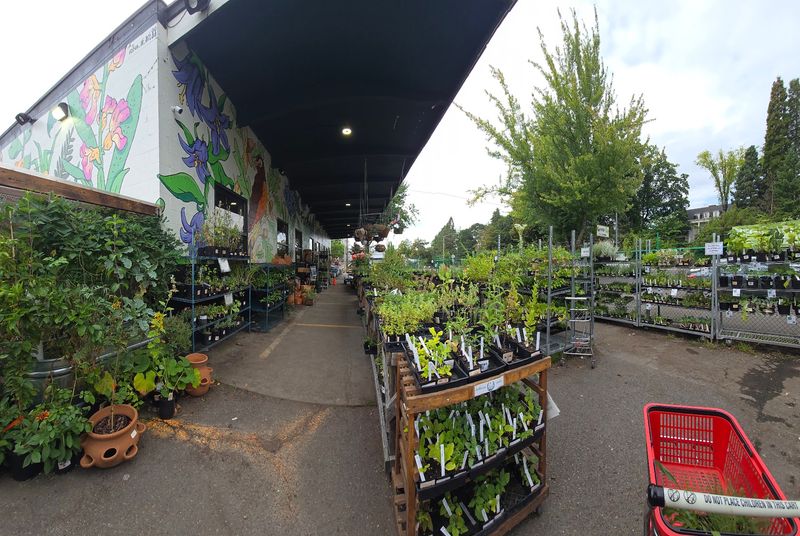
For Portland-area gardeners, this ecological garden shop offers a much more approachable way to find native seeds than hunting through the small seed racks at mainstream retailers. Its emphasis on sustainable and habitat-friendly gardening means native plants and seeds fit naturally into the larger selection.
Gardeners can find Pacific Northwest native wildflowers and other locally appropriate species, with offerings that may include plants such as Oregon sunshine, Clarkia, western columbine, and native milkweeds. Seed mixes geared toward pollinators can also make it easier for beginners who do not want to choose every species individually.
The shop is especially useful for smaller urban projects. A few packets can be enough for a parking strip, backyard habitat patch, open border, or section of lawn being converted to something more wildlife-friendly.
Gardeners can start modestly instead of buying the larger quantities often sold by restoration-focused seed suppliers.
Because the store also carries plants and other ecological gardening supplies, it is possible to build much of a native garden project in one place. That combination makes it a convenient option for gardeners who want unusual native seeds but still prefer the accessibility of a neighborhood garden shop.