Why Striped Skunks Start Digging Dens Near Georgia Homes In Late Summer
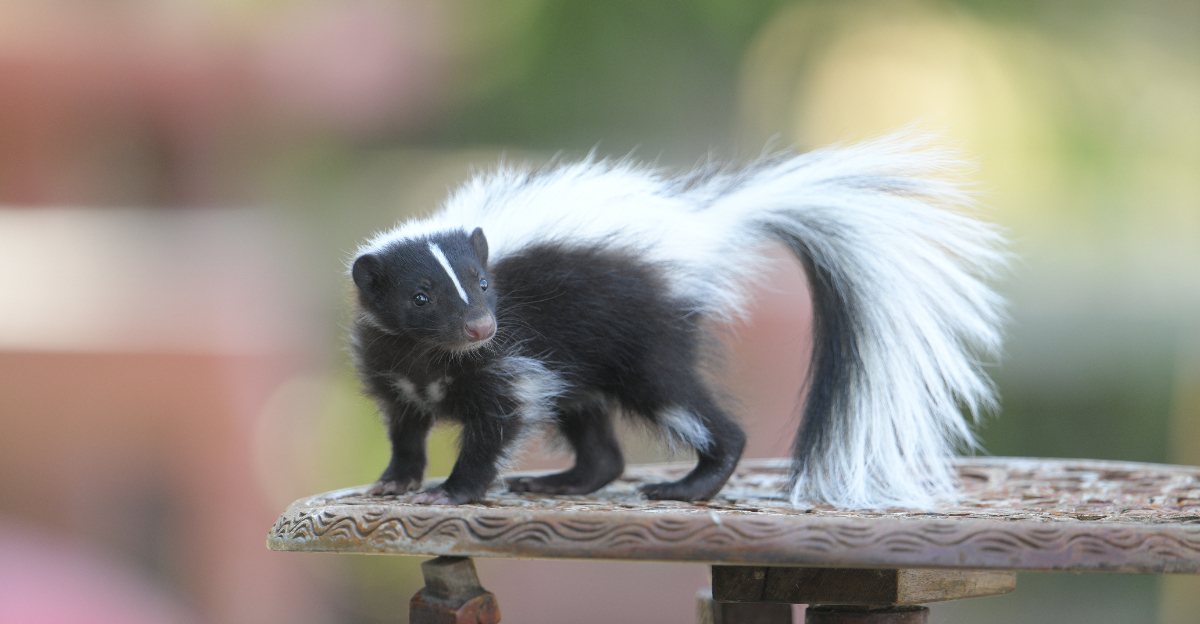
Freshly disturbed soil beside a porch, shed, or quiet corner of the yard can leave you wondering what moved in. Sometimes the answer is a striped skunk searching for a sheltered place.
Late summer brings changes in wildlife behavior that can make these normally secretive animals more noticeable around homes. Certain spots suddenly offer exactly the conditions they are seeking.
Skunks are skilled diggers, but they do not choose every location for the same reason. Look at what your property provides before assuming their appearance is unusual.
Around Georgia homes, sheltered spaces can become attractive when seasonal routines begin shifting. Even familiar structures may offer opportunities you never considered.
Knowing why a skunk chooses one location over another can make its behavior less mysterious.
Those new digging signs may reveal exactly what has drawn this nighttime visitor closer.
1. Late Summer Brings More Reasons To Seek Shelter
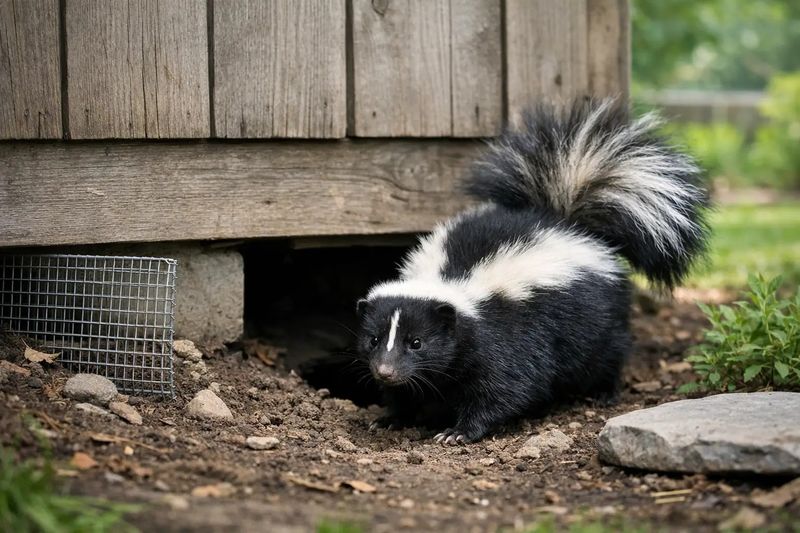
Survival instincts kick in hard during late summer. Striped skunks start sensing shifts in daylight and temperature, and that pushes them to look for secure resting spots well before fall actually arrives.
Residential areas offer exactly what skunks need.
Decks, porches, sheds, and crawl spaces provide shade, protection from predators, and a stable microclimate that open fields simply cannot match.
Skunks are not particularly aggressive animals. When left with good options nearby, they tend to settle close to where food and shelter overlap, which often means suburban yards become prime real estate.
Late summer also tends to bring drier conditions across parts of Georgia. Dry ground near irrigated lawns and garden beds can actually attract skunks because moisture in those spots supports grubs and earthworms.
Skunks rarely choose a den site randomly. Proximity to a reliable food source, low foot traffic, and loose soil are usually the deciding factors when a skunk picks a spot to start excavating.
Recognizing this pattern early gives homeowners a real advantage.
Blocking access points under structures before a den gets established is far easier than addressing the situation once a skunk has settled in comfortably.
2. Cool Soil Gives Skunks Relief From The Heat

Digging is not just about building a home. For skunks, burrowing into the ground is also a way to escape heat that builds up on the surface during long summer afternoons.
Soil even a few inches below the surface stays noticeably cooler than the air above it. Skunks take advantage of this natural insulation, which is why shaded garden beds and areas near foundations are especially attractive to them.
Georgia summers run long and hot.
Skunks are not built for extreme heat, so finding a cool underground space becomes a genuine priority as August stretches on and nighttime temperatures stay warm.
Homeowners with heavily mulched beds or areas near air conditioning units often notice more skunk activity. Both situations create localized cool or moist patches that skunks can detect and gravitate toward.
Loose, damp soil near downspouts or irrigation lines is particularly easy to excavate. Skunks can move a surprising amount of dirt quickly, so a den can appear overnight if conditions are right.
Your Georgia Garden Changes Every Week. Your Plan Should Too.
Gardening in Georgia changes quickly throughout the season. Every Friday you’ll receive a simple weekly plan showing exactly what to plant, prune, fertilize, harvest, and protect so you never miss the right timing.
Checking shaded areas around your home regularly during late summer is a practical habit.
Catching early digging signs, like small cone-shaped holes or disturbed mulch, lets you respond before a den becomes a bigger concern.
3. Easy Food Sources Can Keep Them Near Homes

Food is almost always the first thing that pulls a skunk into a yard. Late summer brings a reliable spread of grubs, beetles, earthworms, and fallen fruit, and residential yards tend to have all of it in one place.
Grubs are a particular draw.
Lawns with white grub infestations become feeding grounds, and skunks will root through grass repeatedly, leaving small circular patches of disturbed turf as evidence.
Bird feeders, outdoor pet food, and unsecured compost bins add to the attraction. Skunks are opportunistic eaters and will adjust their foraging to whatever is most accessible at the time.
Vegetable gardens also create opportunity. Overripe produce on the ground, fallen tomatoes, or damaged fruit draws skunks in at night when human activity is low and the risk of disturbance feels minimal to them.
Once a skunk finds consistent food near a home, it tends to return to that general area. Repeated visits often lead to den-building nearby, since staying close to a reliable food source is a practical instinct.
Reducing food attractants is one of the most effective steps a homeowner can take.
Securing compost, picking up fallen fruit, and treating lawns for grubs can make a yard noticeably less appealing to skunks looking to settle in.
4. Loose Soil Makes Yard Areas Easier To Dig
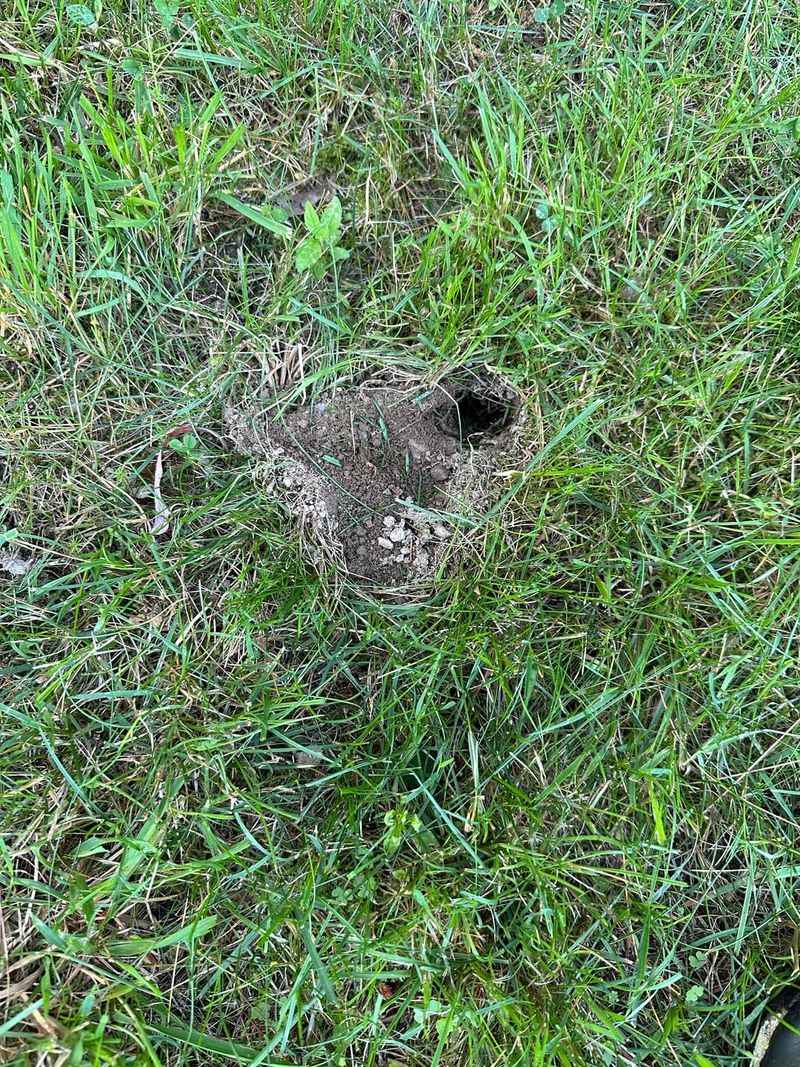
Not every yard gets targeted equally. Skunks are practical diggers, and they tend to choose spots where the soil gives way easily rather than fighting through compacted clay or rocky ground.
Sandy or loamy soils are particularly vulnerable.
Many yards across the region have amended garden beds or naturally loose soil near foundations, and those spots become easy targets for a skunk looking to excavate a den quickly.
Freshly tilled garden beds are especially attractive. Loose, aerated soil near a fence line or under a deck can be excavated in a single night, leaving a surprisingly deep hole by morning.
Soil near downspouts tends to stay soft from repeated water flow. Skunks notice these softer patches and often start digging there first, where the ground offers the least resistance.
Raised garden beds with wood or brick borders can also invite digging underneath.
The border creates a natural overhang that mimics the kind of covered entry point skunks prefer for den security.
Tamping down loose soil and using gravel or hardware cloth along fence lines and foundation edges can reduce the appeal of those spots. Skunks tend to move on when digging requires significantly more effort than nearby alternatives.
5. Quiet Spaces Offer Better Places To Rest
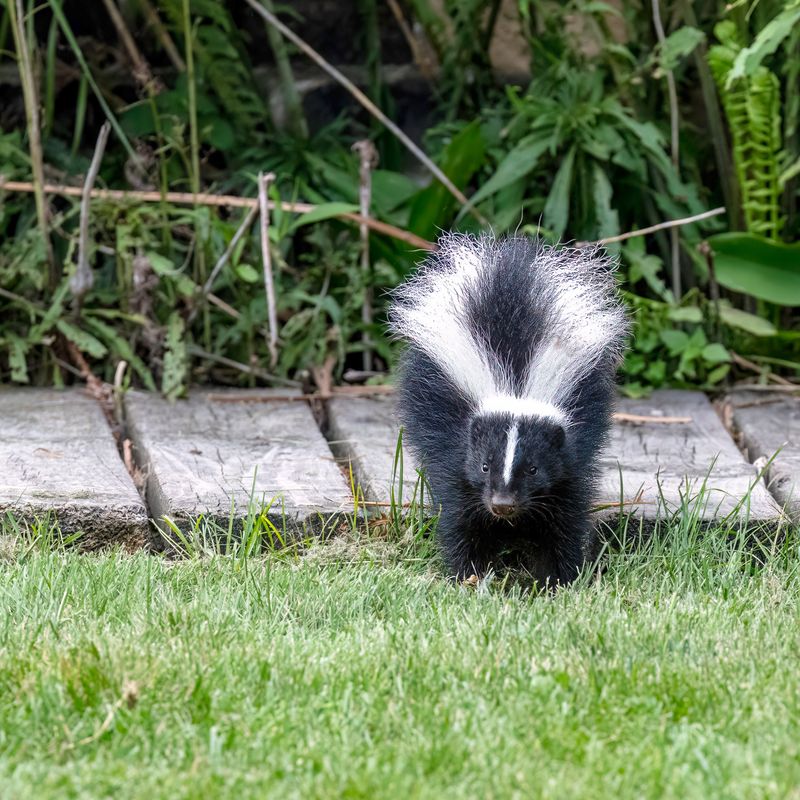
Skunks are not fans of noise or heavy foot traffic. Residential yards with low activity, especially those with unused sheds, overgrown corners, or rarely disturbed garden areas, tend to attract them more than busy, open spaces.
Late summer routines matter here.
Families spending more time indoors to avoid the heat may unknowingly leave quiet pockets in the yard that skunks interpret as safe zones worth investigating.
Under decks and porches, skunks find both shelter and silence. These enclosed areas muffle outside sounds and offer a sense of security that open ground simply cannot provide for a cautious animal.
Skunks are mostly nocturnal. They prefer resting during the day in spots where they will not be disturbed, which means a quiet corner of the yard that humans rarely visit is practically ideal for them.
Overgrown shrubs and dense ground cover near a home’s perimeter create similar conditions.
Skunks use vegetation as natural cover while resting or moving between foraging areas and their chosen den site.
Keeping yard spaces active and well-maintained can discourage skunks from settling in. Motion-activated lights or sprinklers near quiet corners introduce unpredictability that makes those spots feel less safe to a skunk scouting for a den location.
6. Nearby Cover Helps Skunks Stay Hidden

Cover is a skunk’s best friend. Dense shrubs, stacked firewood, tall grass, and cluttered storage areas all give skunks places to move and rest without feeling exposed to predators or people.
Yards with heavy landscaping near the foundation tend to see more skunk activity. Thick plantings of juniper, holly, or ornamental grasses create corridors that skunks use to travel from one part of the yard to another without crossing open ground.
Skunks are not fast runners.
Relying on cover rather than speed is their primary strategy for staying safe while moving around a neighborhood at night.
Stacked materials like lumber, old pots, or unused lawn equipment create layered hiding spots that skunks find highly appealing.
These piles also retain warmth and moisture, adding to their attractiveness as resting areas.
Brush piles near the property edge are a common entry point. Skunks often use the natural cover along fence lines to approach a yard before moving closer to the home over several nights.
Trimming back dense plantings from foundation walls and clearing stored materials from yard corners can make a meaningful difference. Removing cover options reduces the routes skunks feel comfortable using to access areas closer to your home.
7. Fall Weather Eventually Changes Their Routine

Late summer den activity does not last indefinitely.
As temperatures begin to drop in early fall, skunks shift their behavior, spending more time in their dens and reducing how far they roam each night.
Striped skunks do not fully hibernate the way some animals do. Instead, they enter a lighter sleep state during colder stretches, occasionally emerging on warmer nights to forage before retreating again.
In Georgia, winters are mild enough that skunks may remain semi-active well into the cooler months. A den established in late summer near a home could see continued use through winter if conditions stay favorable.
Skunk activity near homes tends to peak between August and October.
Homeowners who notice fresh digging during this window should address it promptly rather than assuming the animal will simply move on once fall arrives.
Sealing off potential den sites before the weather cools is a practical approach.
Once a skunk settles into a den for the season, relocation becomes more complicated and often requires professional wildlife assistance.
Knowing that late summer is the key window for skunk den-building gives homeowners a clear timeline to act.
Inspecting the yard, removing attractants, and blocking access points during August and September can prevent a short-term visitor from becoming a long-term resident.