The One Thing North Carolina Abelia Needs In August For Better Blooms Next Summer
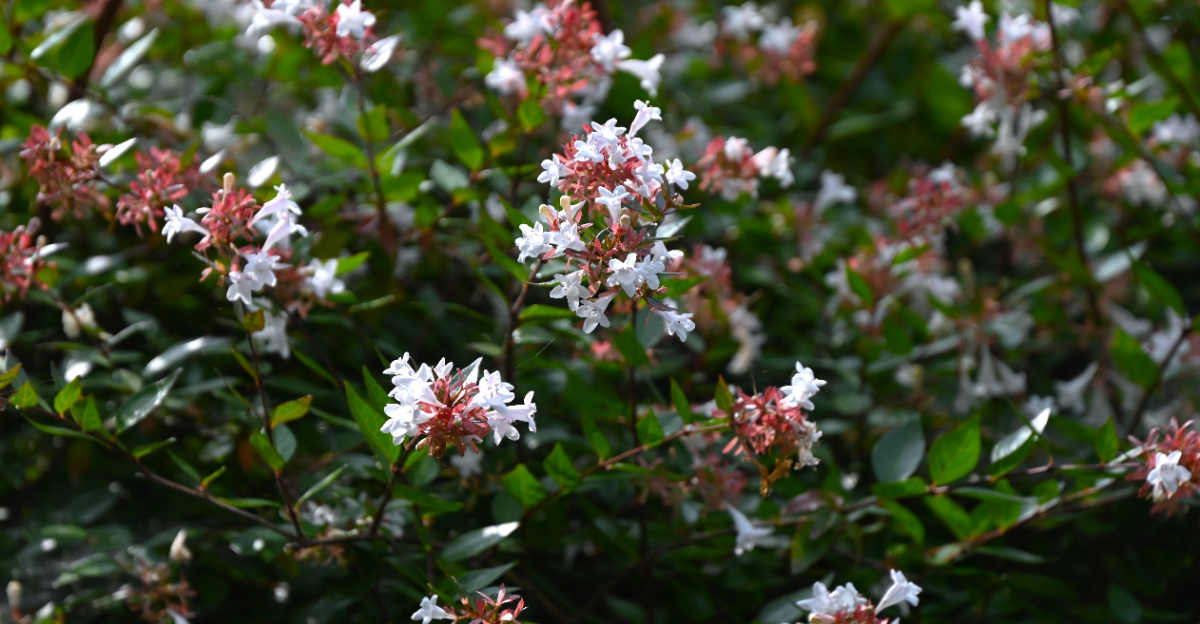
Abelia quietly winds down its blooming each August, and most North Carolina gardeners simply let it be until next year rolls around.
But what happens during these late summer weeks actually has a much bigger impact on next year’s flowers than most people realize.
Skipping a single, simple task now could mean the difference between a shrub covered in blooms next summer and one that barely puts on a show. It’s not about fertilizer, and it’s not about extra watering either.
The answer is something most gardeners walk right past without a second thought. Once you know what abelia actually needs this time of year, it becomes an easy addition to your regular late summer routine.
The results show up months later, which is exactly why so many people miss the connection entirely. A few minutes of attention now could completely change what your abelia looks like next year.
1. Leave The Pruners Alone
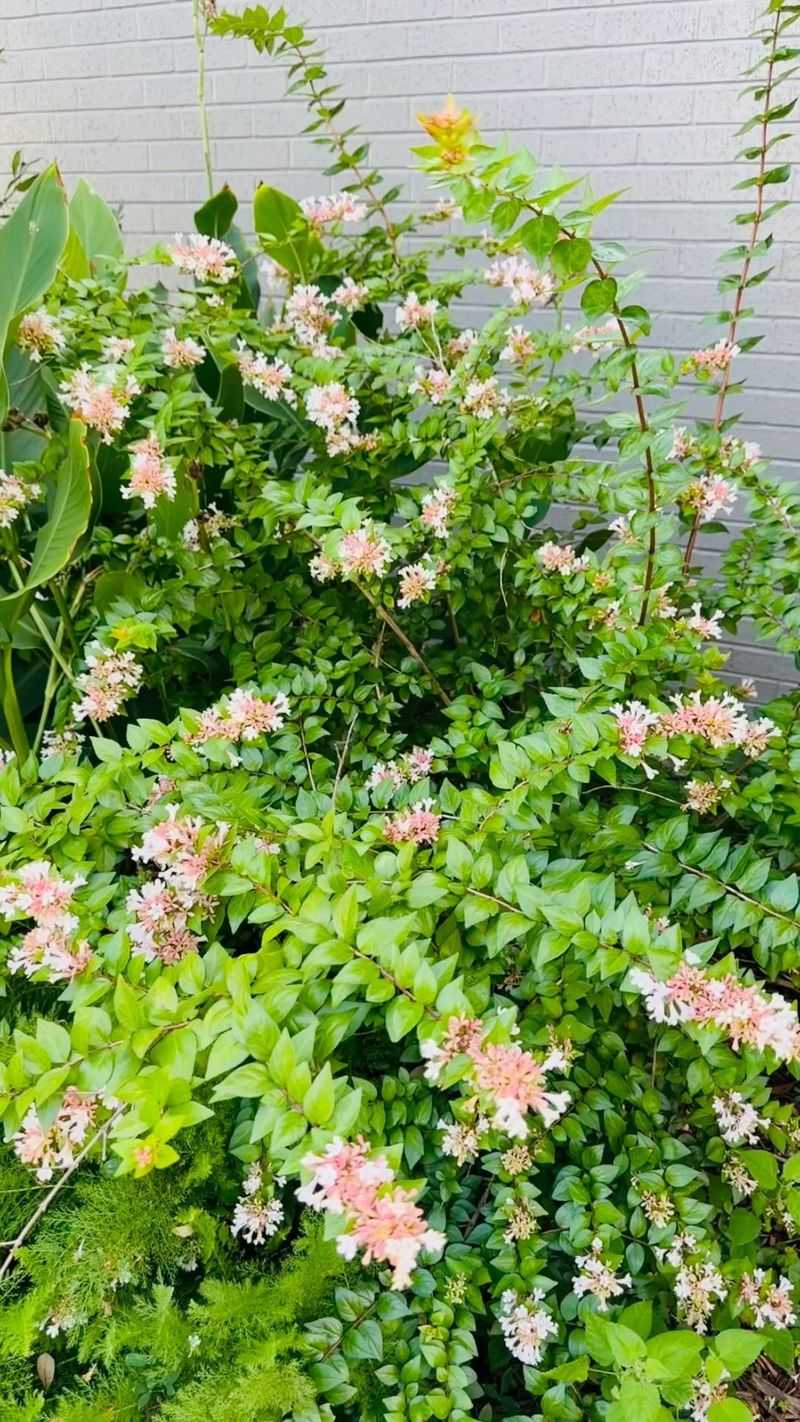
Putting the pruners down in August might feel strange, but it is one of the kindest things you can do for your abelia. The plant is busy soaking up sunlight and storing energy for the year ahead.
Heavy cutting now sends a confusing signal. Instead of resting, the shrub scrambles to grow tender shoots that will not have time to toughen up before cooler weather arrives.
Those soft new shoots often struggle when the first frosty nights show up. A little light tidying is fine if a branch looks messy or wanders out of bounds.
Big shaping jobs, though, belong to late winter or early spring. That timing lets the plant recover quickly and put its energy into fresh, flower-ready growth.
Think of August as a resting season rather than a project season. Your abelia is not being lazy; it is working hard in ways you cannot see.
By skipping major cuts now, you protect the buds and branches that will support next summer’s blooms. Gardeners who rush to trim often wonder why their shrub looks thin the following year.
The answer usually traces back to poorly timed pruning. Patience really pays off here. So enjoy your abelia’s natural, slightly wild shape for now. Pour a glass of iced tea, admire the arching stems, and trust that waiting will reward you.
When spring returns, you can shape it with confidence, knowing the plant is ready to bounce back stronger and fuller than before.
2. Abelia Blooms On New Wood
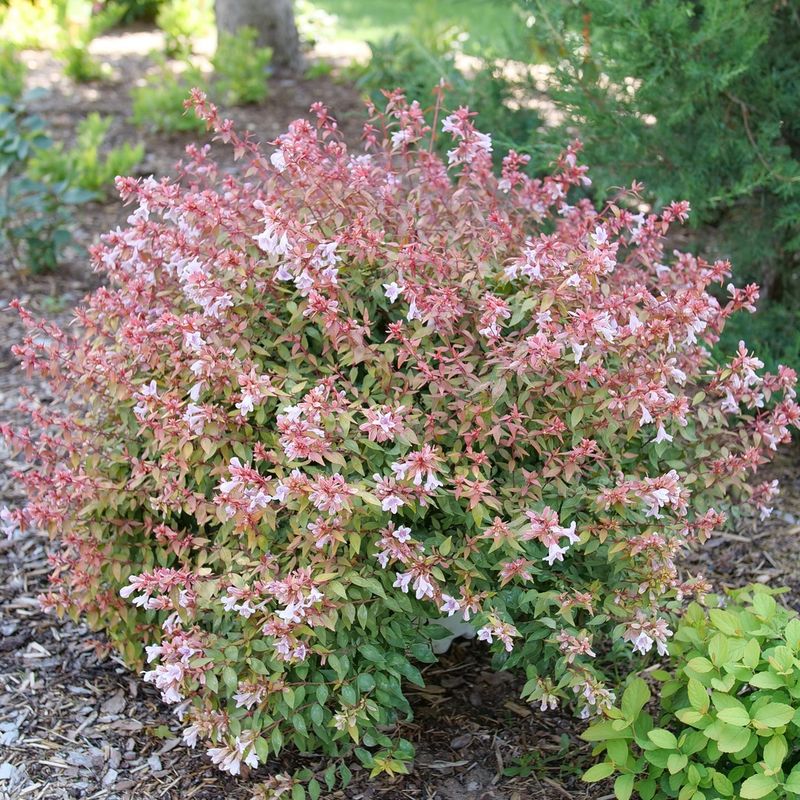
Here is a fact that changes how you care for your abelia: the flowers you love come from brand new growth, not from old branches or buds formed months earlier. That single detail shapes everything about timing.
Because abelia blooms on new wood, the shoots that sprout in spring are the ones that carry next summer’s flowers. This is great news for gardeners.
It means you do not have to worry about protecting delicate flower buds through the winter the way you would with some other shrubs. Your abelia is more forgiving.
Your North Carolina Garden Changes Every Week. Your Plan Should Too.
Gardening in North Carolina changes quickly throughout the season. Every Friday you’ll receive a simple weekly plan showing exactly what to plant, prune, fertilize, harvest, and protect so you never miss the right timing.
What matters most is that the plant has enough stored energy to push out strong, healthy spring growth. That energy comes from a well-fed, well-rested shrub going into the cooler months.
Cutting hard in August does not help create those future blooms. In fact, it can slow the plant down right when it should be storing up strength.
When you finally prune in late winter, you are actually encouraging the plant to send out the very shoots that will bloom. That is why timing feels almost like magic.
Understanding this cycle takes the guesswork out of abelia care. You stop worrying about ruining flowers and start focusing on plant health instead.
Feed the roots, give it light, and let spring do its thing. The new growth will arrive, and with it, waves of dainty tubular flowers.
Once you see the connection between fresh shoots and summer color, caring for abelia becomes simple and satisfying.
3. Let August Growth Continue
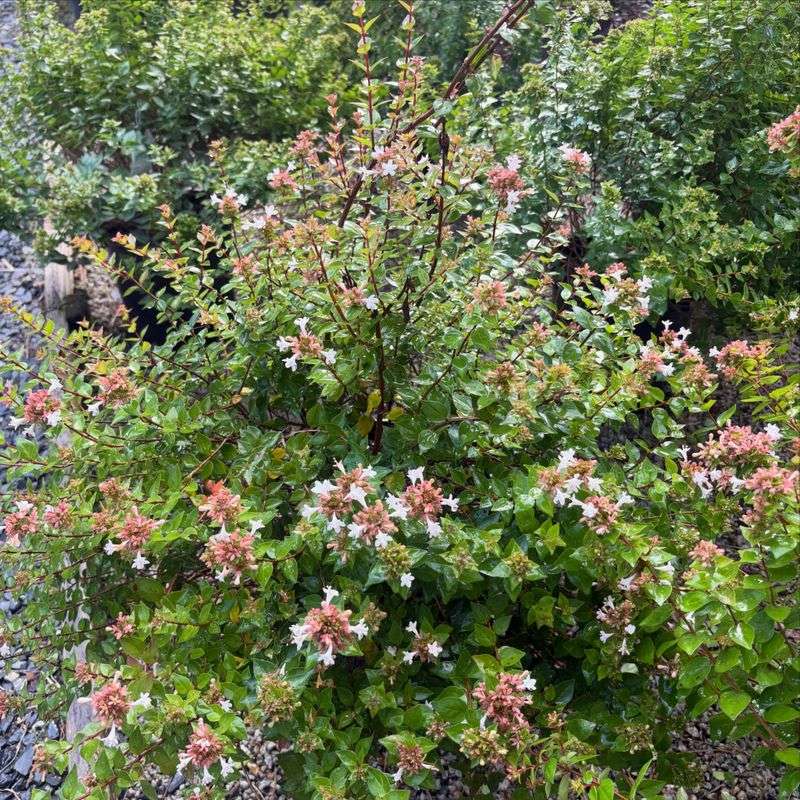
Some gardeners can’t resist shearing their shrubs into neat little balls every few weeks. Your abelia would rather you skip that habit, especially in August.
Late summer growth is a sign of a happy, thriving plant. Those fresh shoots are gathering sunlight and building the energy reserves the shrub needs for the seasons ahead.
Repeated shearing cuts off that hard work again and again. Each time you trim, the plant has to spend energy regrowing instead of storing it.
Over time, constant shearing can leave you with a shrub that looks dense on the outside but hollow and bare in the middle. That is not the lush look most people want.
Letting the natural, arching shape develop actually shows off abelia at its best. The gentle curves and flowing branches are part of its charm.
If a stray branch bothers you, a single snip is perfectly okay. The goal is to avoid heavy, repeated cutting that stresses the plant during hot weather.
Think of August growth as an investment account. Every leaf and shoot is making a deposit that pays out in flowers next year.
When you leave that growth alone, you let the balance build. By spring, the shrub has plenty saved up to spend on new shoots and blooms.
Relax and enjoy watching your abelia fill out naturally. Sometimes the best gardening move is simply stepping back and letting the plant be a plant.
4. Keep It In Plenty Of Sun
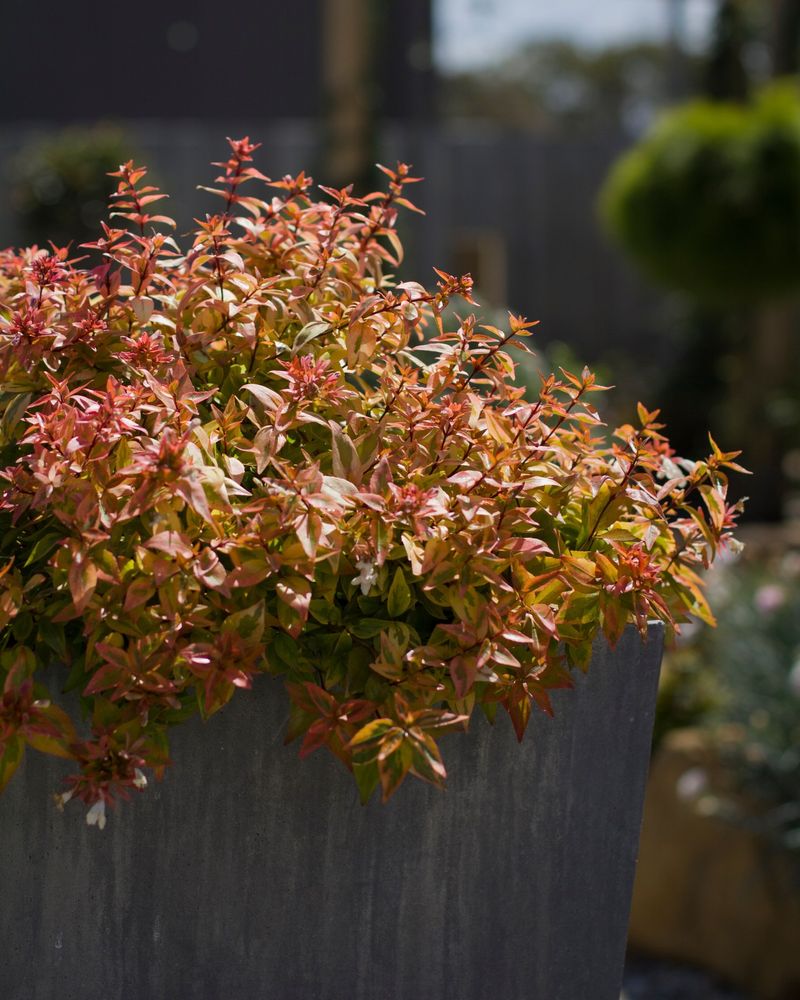
Sunshine is your abelia’s best friend, and giving it plenty of light is one of the easiest ways to boost blooms. Glossy abelia especially loves a spot that soaks up rays for most of the day.
Plants growing in full sun tend to produce far more flowers than those tucked into shady corners. Light is the fuel that powers all that blooming.
In North Carolina, six or more hours of direct sun usually brings out the best show. The more light your shrub gets, the more energy it can pour into flowers.
When abelia sits in too much shade, it often turns leggy and sparse. You might see plenty of leaves but only a scattering of blooms.
The colorful foliage on many abelia varieties also looks richer in bright light. Those pretty pink, gold, and green tones deepen when the sun hits them.
If your shrub seems shy about flowering, check how much light it actually receives. Nearby trees or fences can slowly steal sunshine as they grow.
Sometimes moving a young plant to a brighter spot makes a huge difference. For larger shrubs, trimming back overhanging branches from other plants can help.
A sunny home means a stronger, healthier abelia going into fall and winter. That stored energy translates directly into a fuller flower display next summer.
So when you plan your garden, give this cheerful shrub a front-row seat to the sunshine. It will thank you with a long, generous season of color.
5. Water Only When It Needs It
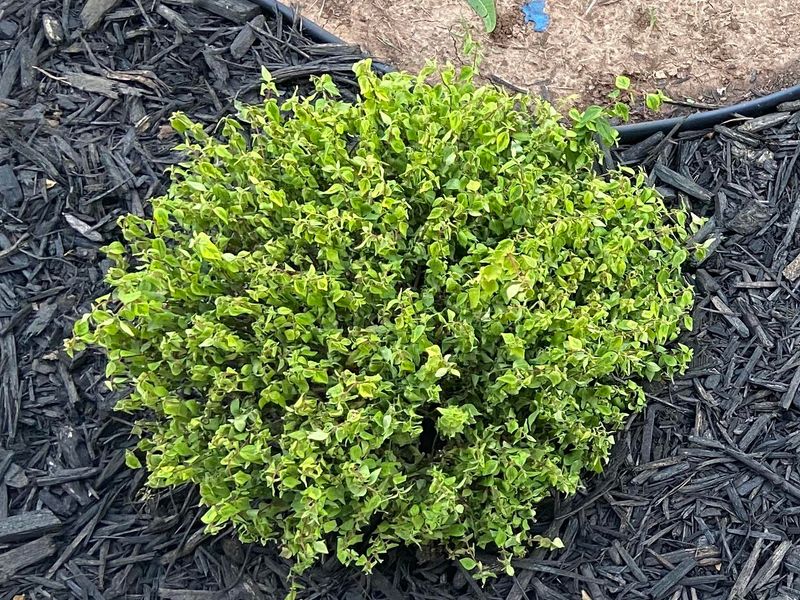
Once your abelia settles in, it becomes a pretty tough customer when it comes to water. Established plants handle short dry spells without much fuss.
That easygoing nature makes abelia a favorite for busy gardeners. You do not have to hover over it with a hose every single day.
Still, August in North Carolina can bring long, rainless stretches. During those extended dry periods, a good soak really helps the plant stay strong.
Deep, occasional watering beats a quick daily sprinkle. Soaking the soil encourages roots to grow down deep, where moisture lasts longer.
Shallow watering does the opposite, keeping roots near the surface where they dry out fast. Aim for slow, thorough drinks when the ground feels dry a few inches down.
A simple finger test works well. Push your finger into the soil, and if it feels dry below the surface, it is time to water.
Mulch around the base helps hold moisture and keeps roots cooler during hot spells. Just keep the mulch a little away from the main stems.
Overwatering can cause its own trouble, so there is no need to drown the plant. Balance is the goal here.
A well-watered abelia during drought keeps building energy instead of struggling. That steady health carries right into next year’s growth.
By paying attention to real conditions rather than a strict schedule, you give your shrub exactly what it needs. Smart watering now sets the stage for a bright, bloom-filled summer ahead.
6. Skip Heavy Summer Pruning
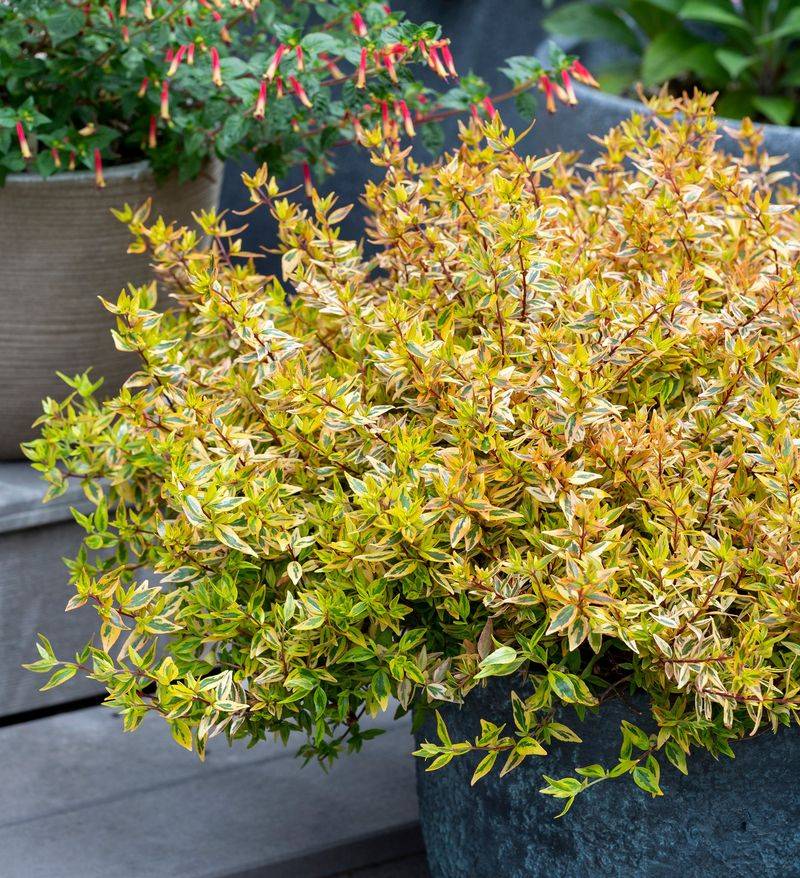
NC State Extension offers clear advice that saves a lot of gardeners from heartache: avoid heavy pruning during hot, dry summer weather. There is solid reasoning behind it.
When temperatures soar, plants are already working hard just to stay comfortable. Piling on big cuts adds stress at the worst possible moment.
Fresh cuts open the plant to water loss right when moisture is scarce. That combination can leave your abelia weak and struggling instead of thriving.
Heavy pruning also triggers tender new growth. In the heat, those soft shoots can scorch or wilt before they ever have a chance to harden.
Following the guidance from horticulture experts takes the guesswork out of care. These recommendations come from years of watching how plants respond.
Instead of a big summer trim, save your energy and let the shrub coast through the hottest weeks. It will hold its shape just fine.
If you feel the itch to garden, focus on watering, mulching, or simply enjoying the flowers. Those tasks help far more than aggressive cutting ever could.
Waiting also protects the buds and branches that support next season’s blooms. Every cut you skip now is a flower you might keep later.
There is real freedom in knowing you can put the pruners away during summer. Fewer chores and a healthier plant make for a happy gardener.
Trust the experts, respect the heat, and let your abelia rest. That patience pays off with a much stronger comeback when cooler weather finally arrives.
7. Prune At The Right Time
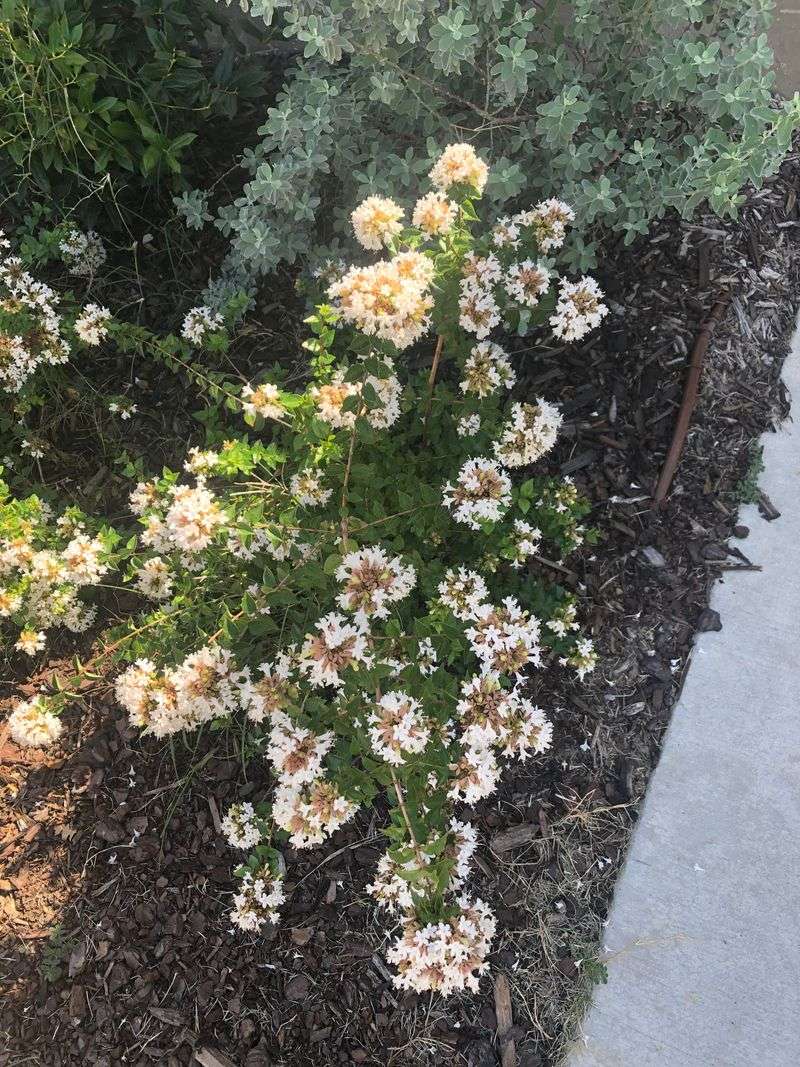
Timing turns pruning from a risky move into a real gift for your abelia. Late winter or early spring is the sweet spot for any serious shaping.
During those cooler weeks, the plant is resting and not fighting summer heat. Cuts made then heal cleanly and cause far less stress.
Pruning at this time also lines up perfectly with the plant’s growth cycle. Right after you trim, the shrub sends out vigorous new shoots.
Since abelia blooms on that fresh growth, well-timed cuts actually encourage more flowers. You are basically inviting the plant to bloom bigger.
This is your chance to remove any weak or crossing branches. Opening up the center lets light and air move through the shrub.
You can also lower the overall height or reshape a plant that has grown too wild. Late winter gives you a clear view of the bare branches.
Seeing the structure without leaves makes it easier to decide what stays and what goes. Precise cuts lead to a balanced, attractive shape.
After pruning, the warming days of spring push out strong growth right on schedule. That growth carries the buds for your summer show.
Marking this task on your calendar helps you avoid the temptation to trim at the wrong moment. A quick note keeps your abelia on the right track.
When you match pruning to the seasons, everything works together. The reward is a tidy, healthy shrub that rewards your patience with abundant, cheerful blooms.
8. New Growth Brings New Flowers
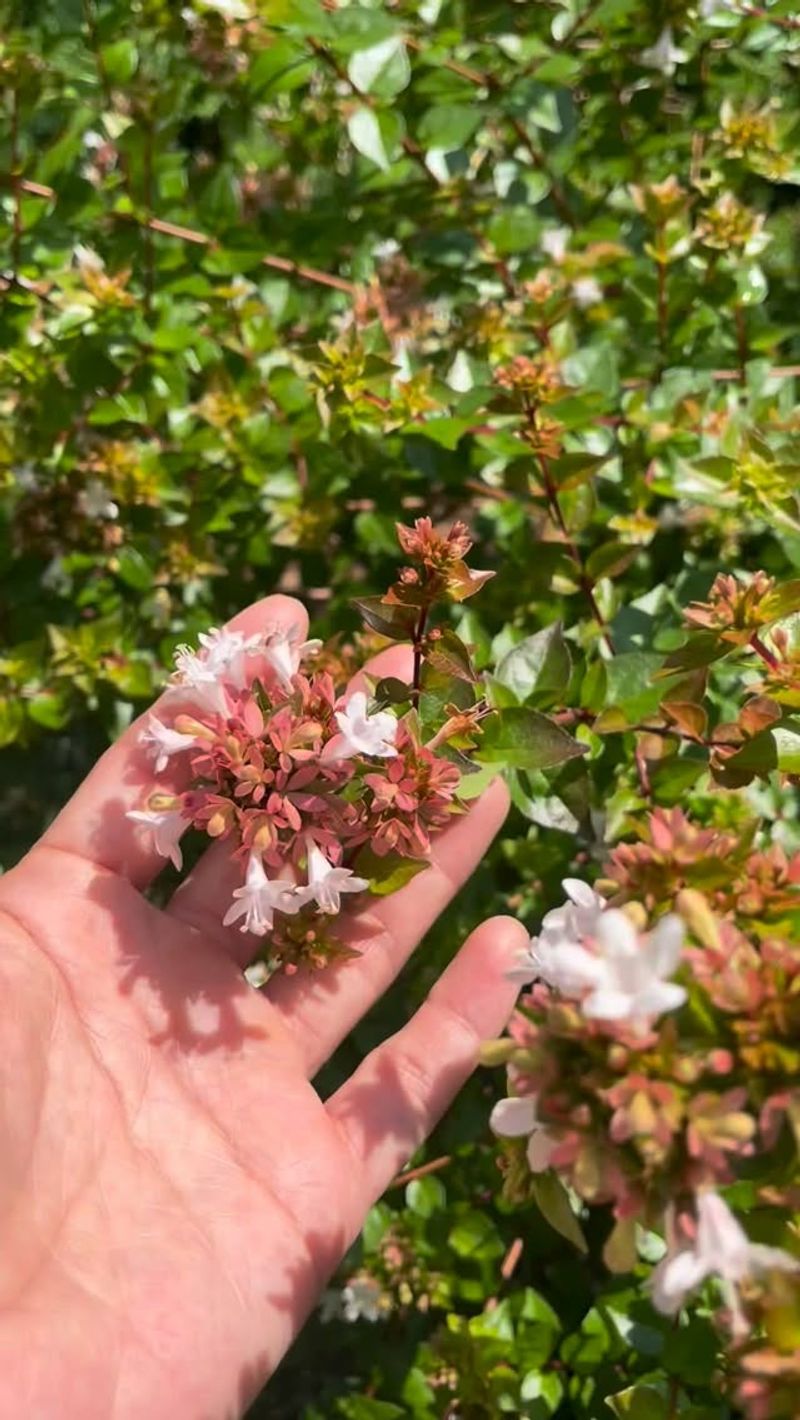
Everything about abelia care circles back to one happy truth: healthy new growth is where your future flowers begin. Get that part right, and the blooms follow naturally.
Three simple things matter most for a knockout summer display. Strong spring growth, plenty of sunlight, and pruning at the correct time work together like a team.
When your shrub heads into cooler weather well-rested and full of stored energy, it wakes up ready to grow. That vigorous spring push forms the shoots that carry blooms.
Sunlight fuels the whole process from start to finish. A bright spot keeps the plant producing energy and flowers all season long.
Proper pruning timing ties it all together. By saving big cuts for late winter, you spark the very growth that turns into flowers.
Notice how these pieces support each other rather than working alone. Skip one, and the others cannot fully make up the difference.
The good news is that none of this requires fancy tools or constant fussing. Mostly it asks for patience and a little trust in the plant’s natural rhythm.
Resist the urge to over-trim in August, keep the shrub in the sun, and water during dry spells. Those easy habits set the whole cycle in motion.
Picture your abelia next summer, arching branches loaded with delicate flowers and buzzing with pollinators. That view starts with the choices you make now.
Care for the growth today, and your shrub rewards you with a season of color you will be proud to show off.