What Florida Gardeners Sow In Mid-August For A Winter Harvest
Mid-August in Florida does not look like the start of a cool-season garden.
The soil is hot. Afternoon storms can arrive without much warning. A tomato transplant can wilt before lunch, while a carrot row may need extra attention just to keep the seedbed moist.
Yet the calendar has already shifted.
UF/IFAS lists August as a useful month for several fall-garden crops, but the choices change sharply across North, Central, and South Florida.
Carrots, bunching onions, beans, and squash can go from seed in selected regions. Tomatoes, peppers, eggplant, and endive belong in the ground as transplants where the August calendar allows them.
So what should go into the garden right now?
Start with your region, not a generic Florida list.
North Florida sits above State Road 40. Central Florida runs between State Roads 40 and 70. South Florida lies below State Road 70.
That one map check can separate a strong fall start from a crop asked to face the wrong season before you open a single seed packet.
1. Sow Carrots In Central Florida
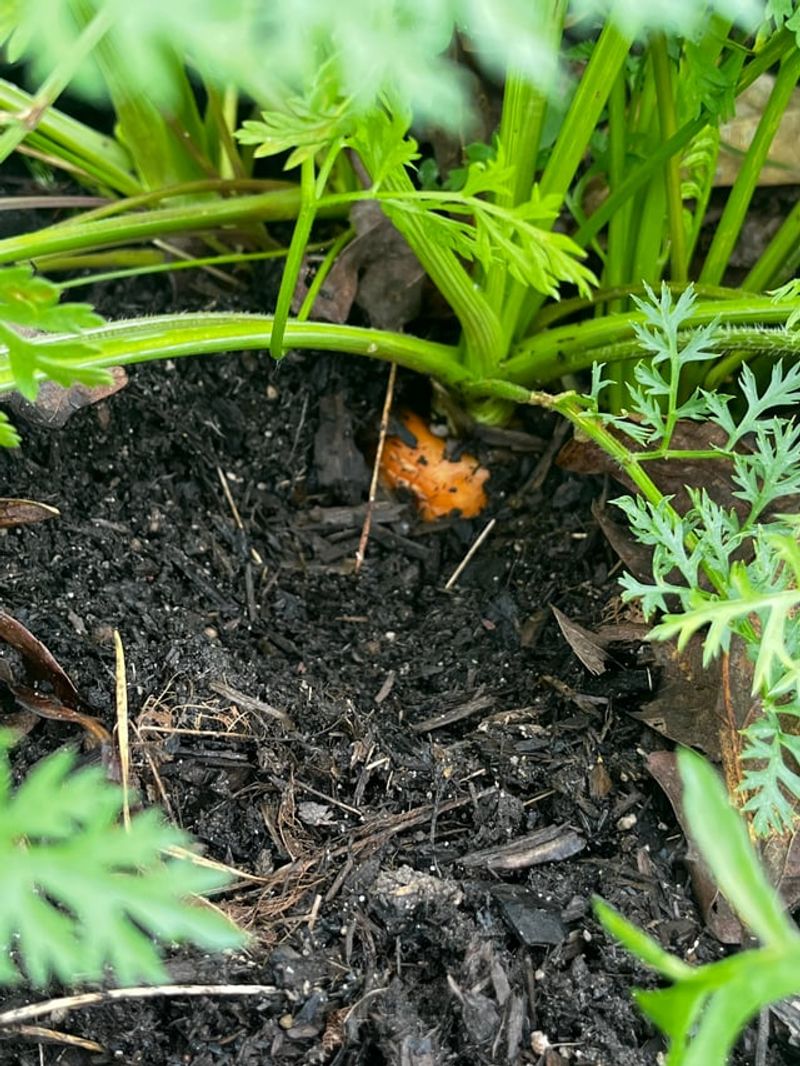
Central Florida gets one of August’s clearest cool-season openings with carrots.
The current August calendar places carrot seed in Central Florida beds, and the broader vegetable guide runs the Central Florida carrot window from August through March.
Seeds belong directly in the garden because the edible root needs room to develop without later root disturbance.
Give the row loose soil with good drainage. Remove stones and hard clods that can push roots sideways. Sow seed about one-quarter inch deep, with rows about 10 inches apart.
Thin young plants to roughly 1 to 3 inches apart after the stand becomes easy to see.
Keep the surface moist through germination.
That detail matters in August because tiny carrot seed sits close to the soil surface. A hot, dry upper layer can interrupt emergence before the row ever gets started. Use light, careful water as needed, then shift toward deeper soil moisture after roots develop.
UF/IFAS lists ‘Imperator,’ ‘Nantes,’ ‘Danvers,’ and ‘Chantenay’ among options for Florida gardens.
Harvest time can range widely, roughly 70 to 120 days, so a mid-August row can move toward late-fall or early-winter harvest rather than an instant September crop.
Give the seedbed your best attention now.
Carrots make gardeners wait for the reveal, but Central Florida gets to start the countdown while summer still feels fully in charge.
2. Start Chinese Cabbage In North Florida
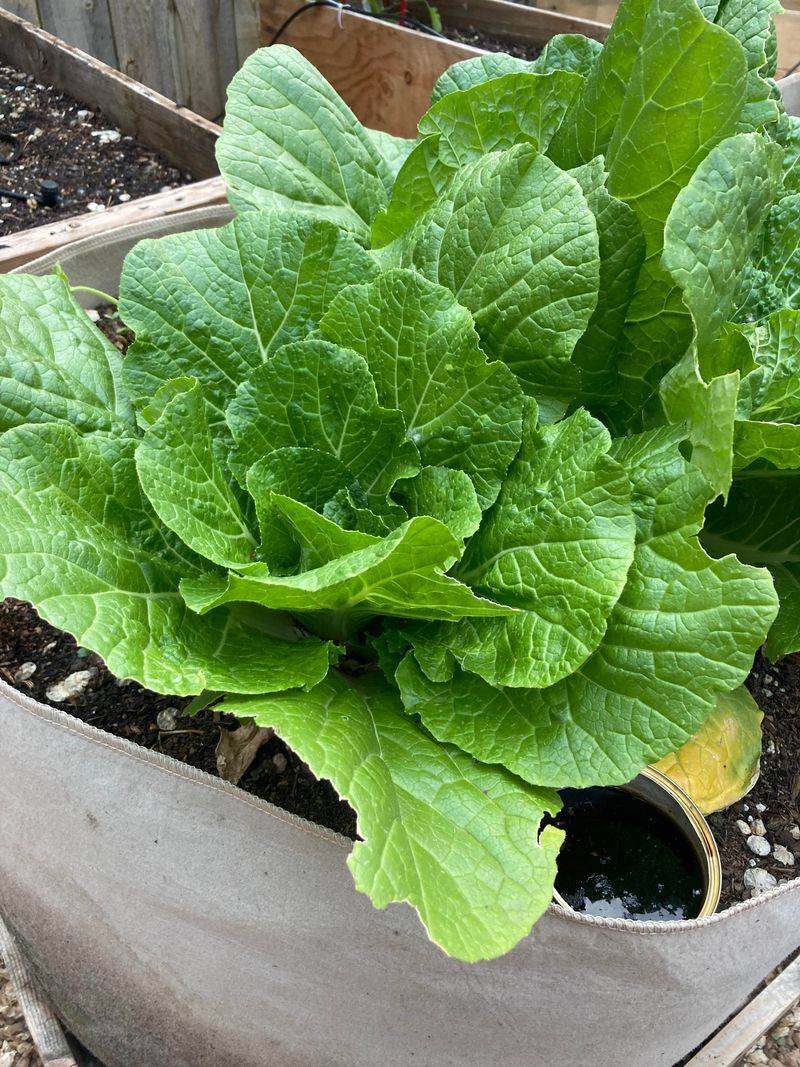
North and Central Florida still have enough warm season left for another round of beans.
The August calendar includes bush, lima, and pole beans from seed in both regions.
The broader vegetable guide also places bush and pole beans in an August-to-September window for North and Central Florida, which makes mid-August a practical reset after an earlier summer crop.
Match the bean to the space.
Bush beans stay compact and can deliver a crop in roughly 45 to 60 days.
Pole beans need a trellis or fence, but their vertical habit can free ground space for later cool-season vegetables. Lima beans also fit the August window, though maturity can take longer.
Your Florida Garden Changes Every Week. Your Plan Should Too.
Gardening in Florida changes quickly throughout the season. Every Friday you’ll receive a simple weekly plan showing exactly what to plant, prune, fertilize, harvest, and protect so you never miss the right timing.
Sow large bean seed directly into warm soil. The vegetable guide lists a depth of about 1 to 1.5 inches for bush and pole types. Give bush plants roughly 2 to 4 inches of space and pole types about 3 to 5 inches.
Do not push the bed with excess nitrogen.
Beans belong to the legume family, and lush foliage is not the only goal. Keep moisture steady enough for new roots and pods, especially after hot days or heavy rain shifts.
Use this crop as a bridge between seasons.
The lettuce weather has not arrived yet, but the bean window has not closed either. That makes a mid-August row a useful way to keep the garden productive while fall waits just offstage.
3. Plant Endive Across Central Florida
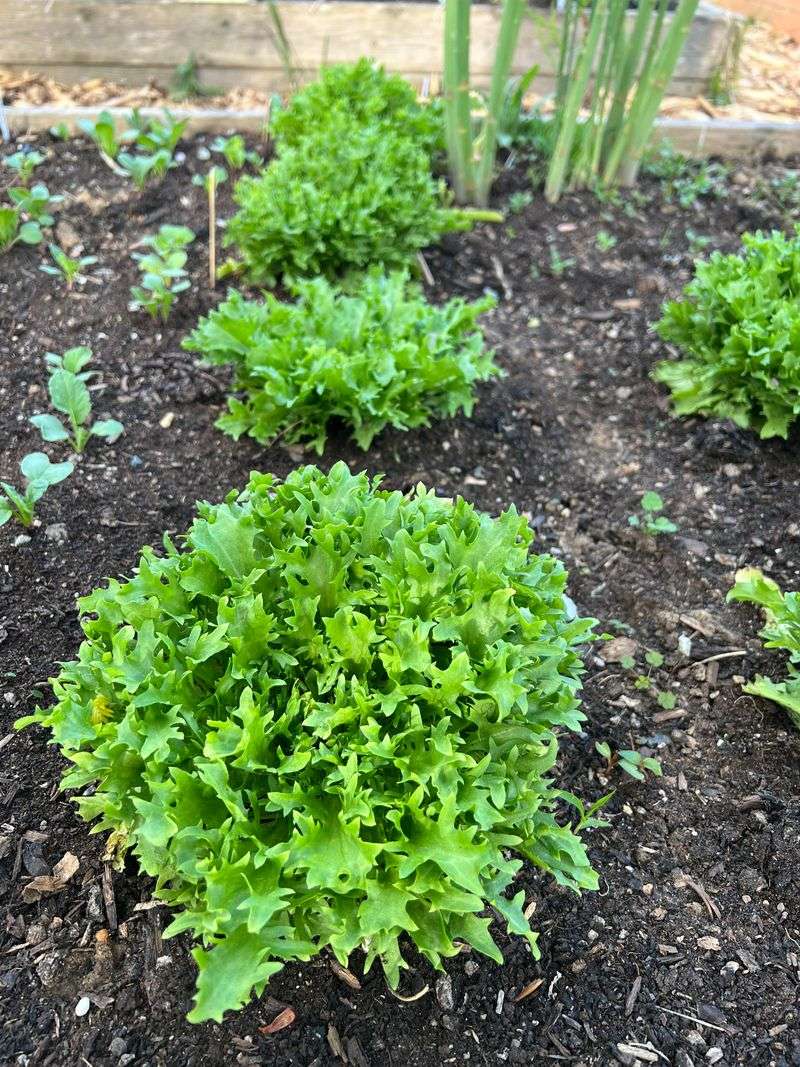
Central Florida can start the cool-season transition with endive before the weather feels remotely cool.
The August calendar lists endive as an easy transplant for Central Florida, while the broader vegetable guide gives that region an August-through-February window.
That makes sturdy transplants a better fit for this moment than a fragile direct-seeded row in exposed summer heat.
Set each plant where it receives enough light for firm leaf growth and enough room for a broad head.
The vegetable guide recommends about 14 to 16 inches between plants and roughly 18 inches between rows. Press the root ball into moist soil at the same depth it held in its container, then water the soil around it thoroughly.
Give new transplants protection from avoidable stress.
A light mulch can slow moisture loss, but keep material away from the crown. Check the root zone after hot afternoons rather than soak the bed by habit.
Sandy Florida beds can lose water quickly, while a heavy storm can create the opposite problem overnight.
Endive can reach harvest in about 60 to 80 days. That puts a mid-August start into the late-fall window, with later rounds able to carry the crop deeper into the cool season.
Choose varieties suited to Florida conditions. The guide lists ‘Green Curled Ruffec’ for endive and ‘Batavian Broadleaf’ for escarole.
August provides the head start.
Cooler nights later supply the easier finish, and the salad bowl gets the final benefit.
4. Sow Bunching Onions In Central Florida
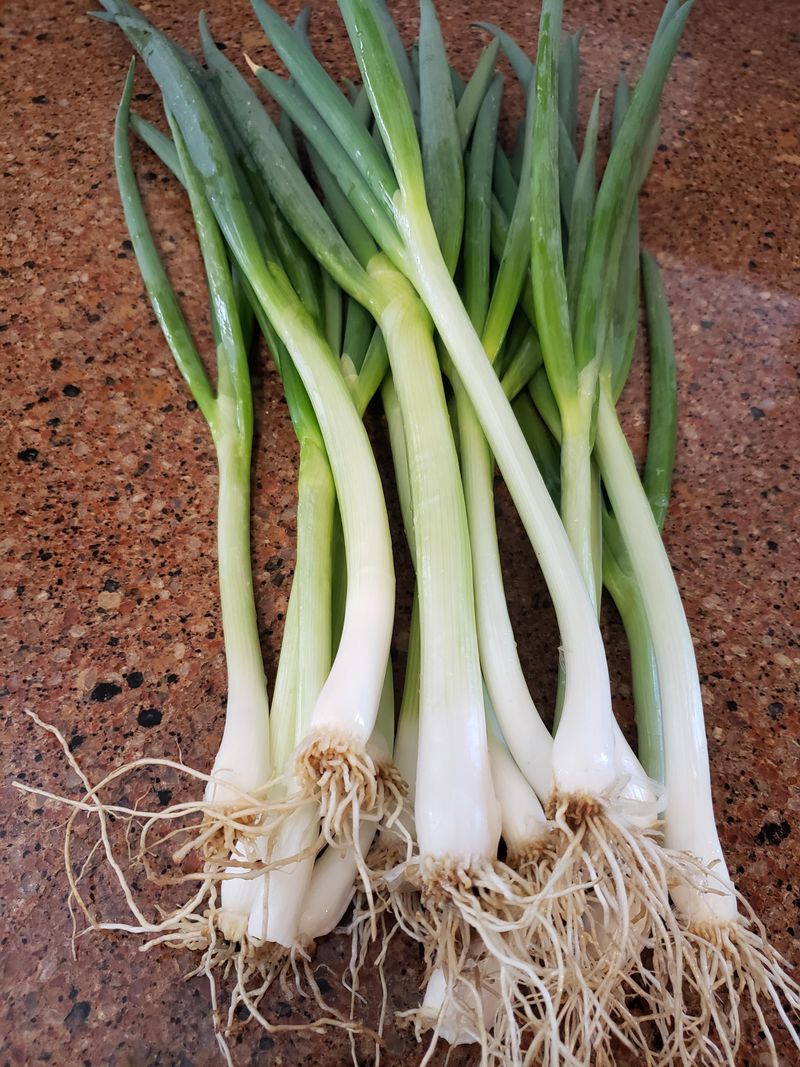
A narrow row of bunching onions can start in Central Florida while most of the yard still looks like midsummer.
The current August calendar includes bunching onion seed for Central Florida, and the vegetable guide extends that regional window from August through March.
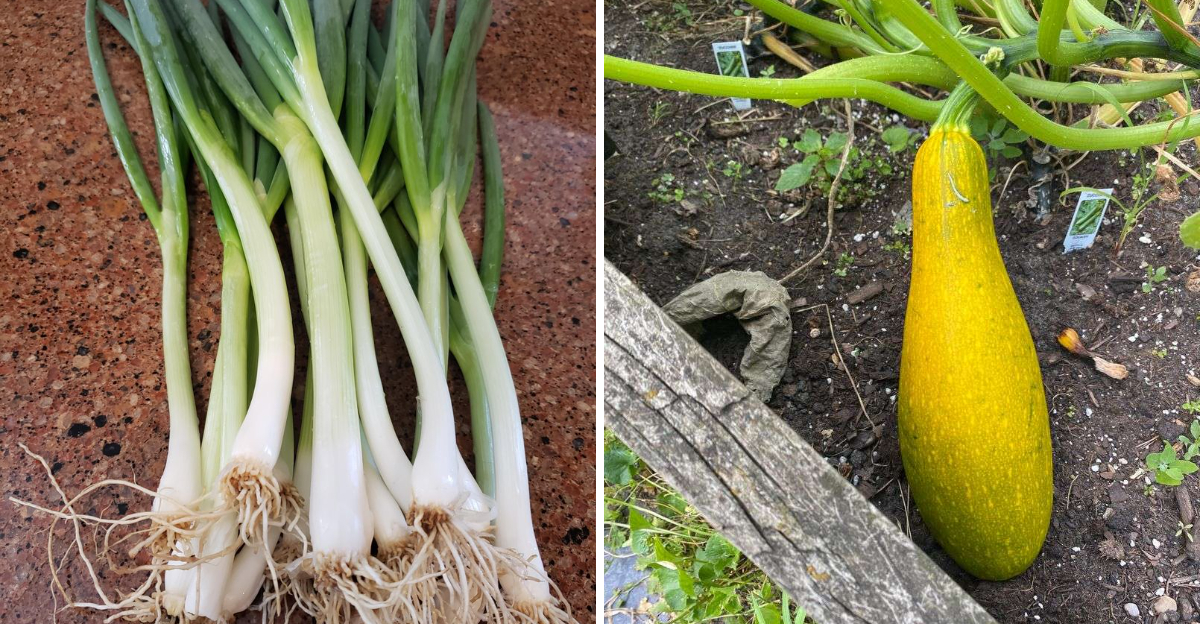
Green onions also mature faster than bulbing onions, which makes them a useful crop for gardeners who want a cool-season harvest without a long wait.
Sow seed directly about one-quarter to one-half inch deep.
The guide recommends about 2 inches between green onion plants and 14 inches between rows. A denser first sow can work, followed by a careful thin once the seedlings become large enough to handle.
Keep the upper soil layer moist until seedlings emerge.
Onion seedlings begin as fine green threads and can disappear visually against mulch or weeds. Mark the row and keep weeds away while the young plants gain size. Use gentle water that does not wash shallow seed out of place.
Green bunching onions can reach harvest in roughly 50 to 75 days. A mid-August sow can therefore put usable stalks in the kitchen during fall, with later sowings able to extend the supply toward winter.
Do not confuse bunching onions with the bulbing onion schedule.
Central Florida’s bulbing onion window comes later.
That small calendar distinction saves a large amount of disappointment. August gives scallions the invitation first, while full bulbs can wait for their own turn.
5. Set Out Tomatoes By Regional Window
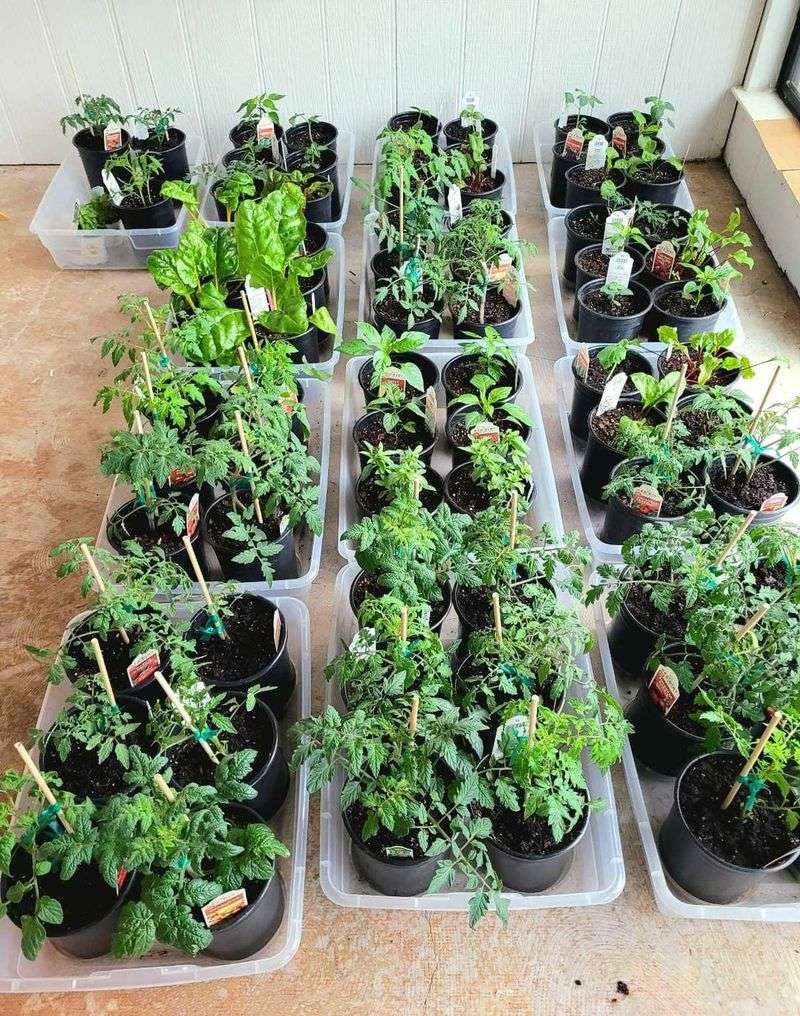
Tomatoes need a head start before Florida’s fall season becomes comfortable enough for easy fruit set.
The current August calendar lists tomato transplants in North, Central, and South Florida. The broader guide narrows those windows further: August in North Florida, August through September in Central Florida, and August through February in South Florida.
Use healthy transplants rather than start seed in the garden now.
The plants need time to build roots and canopy while temperatures remain high. Give supported tomatoes about 18 to 32 inches between plants, and install the cage or stake at the start so later root disturbance stays minimal.
Water the root zone thoroughly after transplant.
Then check soil moisture rather than use a rigid daily schedule. Mulch can help slow water loss and reduce soil splash, but leave a little clear space around the stem.
August heat may delay the reward.
Large-fruited tomatoes often struggle to set fruit once average night temperatures stay near 80 degrees Fahrenheit, while cherry and grape types tend to cope better with summer heat.
Choose a Florida-suited cultivar and give the transplant strong sun, drainage, and support.
Do not judge the plant by one hot week with flowers and no fruit.
August is about strong root and stem establishment.
The cooler window comes later, and the harvest follows that shift rather than the date on the nursery receipt.
6. Give Peppers Their August Start
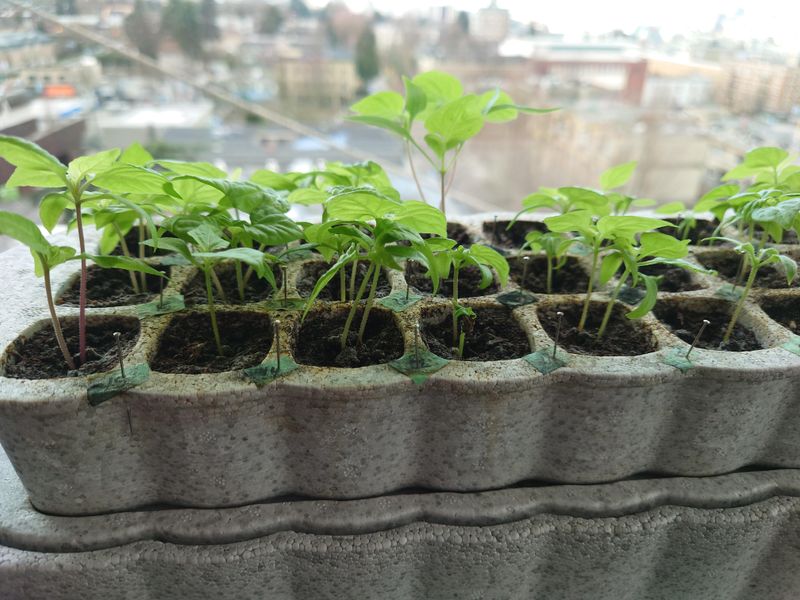
Warm soil gives pepper transplants an August advantage across all three Florida regions.
The current month list includes peppers for North, Central, and South Florida. The broader guide places North Florida in a July-through-August window, Central Florida in August through September, and South Florida from August through February.
Start with compact transplants that have sturdy stems and healthy leaves.
UF/IFAS notes that pepper transplants often succeed more readily than seed started directly in the garden. Give plants about 9 to 15 inches of space, based on cultivar size, and choose a site with full sun and well-drained soil.
Keep moisture steady but never swamp the root zone.
Peppers prefer moist soil rather than constant saturation. Mulch can slow evaporation through late-summer heat and can reduce the sharp swings that come between bright days and heavy rain.
Skip an automatic fertilizer dose just because the calendar changed.
Use soil-test recommendations or the vegetable guide for nutrient decisions. Excess growth does not guarantee more peppers, and a plant under August stress needs roots first.
Add a stake early for varieties that carry heavy fruit.
That small support becomes useful after the canopy fills and storms push against the stems.
Give your transplant a careful first few weeks.
August still feels tropical, but peppers do not need a cool welcome. They need healthy roots, reliable moisture, and enough time to settle before fall turns the garden into a much easier workplace.
7. Plant Eggplant In Central And South Florida
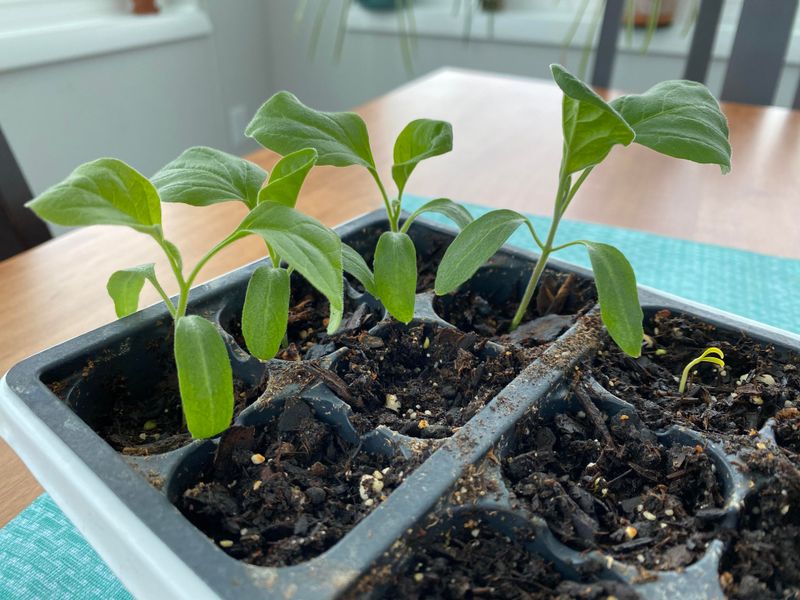
Central and South Florida can put eggplant transplants to work while the soil still holds plenty of summer warmth.
The current August calendar lists eggplant transplants across Florida, while the broader vegetable guide gives the clearest established windows to Central Florida from August through September and South Florida from August through February.
Those two regions offer a straightforward late-summer start.
Set out nursery transplants rather than rely on fresh outdoor seed.
Eggplant needs warm soil and weather, and established root balls move the crop toward harvest faster. The vegetable guide suggests about 18 to 40 inches between plants, with mature size and cultivar as the final guide.
Water the root ball thoroughly after placement.
Keep moisture available through the first weeks, but maintain drainage around the roots. Mulch can soften moisture swings and reduce soil splash during August storms.
Give each plant room for air and leaf checks.
Late-summer vegetables can face insects and diseases that thrive in hot weather, so inspect leaf undersides and new growth during regular garden walks. Early identification beats a broad spray chosen before the pest has a name.
Some eggplant cultivars also benefit from a stake once fruit adds weight.
UF/IFAS lists ‘Black Beauty,’ ‘Dusky,’ ‘Long,’ ‘Ichiban,’ and ‘Cloud Nine’ among Florida garden choices.
The heat is not the reason to postpone this crop.
In Central and South Florida, August supplies exactly the warm start eggplant likes before the calendar slides toward milder harvest weather.
8. Sow Summer Squash Across Florida
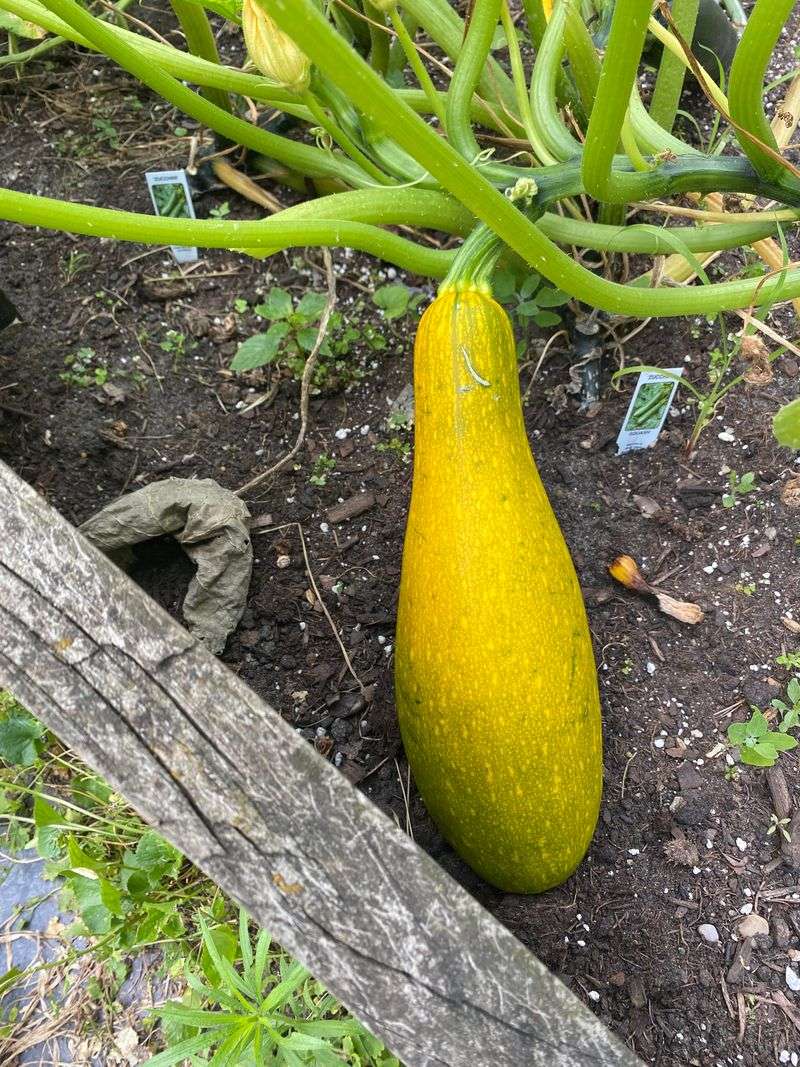
North and Central Florida still have time for one of the quickest seeded crops on the August list.
Summer squash can go from seed in both regions now. The broader vegetable guide places the late-season window from August through September and gives summer squash roughly 40 to 50 days from seed to harvest.
That speed makes the crop useful before the garden turns fully toward winter vegetables.
Sow seed about 1 to 1.5 inches deep in full sun. Give plants roughly 12 to 24 inches of space, with about 3 feet between rows as a practical layout for many home beds.
Use containerized transplants only with a developed root system, since squash does not appreciate root disturbance.
Keep the soil moist through emergence, then water the root zone as needed.
A mulch layer can conserve moisture and keep fruit off bare soil. Avoid constant wet foliage where practical, since Florida’s late-summer humidity already gives leaf diseases plenty of help.
Leave room for bees.
Summer squash carries separate male and female flowers on the same plant and needs pollination for fruit set. Protect flower visitors from unnecessary insecticide exposure, especially while blooms are open.
Harvest fruit while it remains small and tender.
Frequent harvest helps the plant continue to produce.
This crop is the August sprinter of the list.
Carrots may still be underground when the first squash reaches the kitchen, which gives North and Central Florida gardeners one fast reward before the cool-season garden takes over.