The Fall Vegetables Florida Gardeners Can Still Plant This Weekend
This weekend lands in a strange Florida garden moment.
It still feels like summer, yet the fall crop calendar has already cracked open.
That matters because Florida does not share one vegetable schedule from Pensacola to Miami. North Florida, Central Florida, and South Florida enter their fall windows at different times.
A seed that belongs in Gainesville soil now may deserve another few weeks in Fort Lauderdale.
So what can go into the ground before Sunday ends?
Bush beans, pole beans, and squash still fit North and Central Florida. Tomatoes, peppers, and eggplant can go out as transplants across the state.
Central Florida also gets a clear carrot window while cool-season choices begin to edge closer.
The trick is regional timing, not a rush to put a fall favorite into hot soil.
Check your part of the state, clear one summer patch, and choose the crop with an August window.
Florida fall gardens do not begin with sweater weather. They begin while the hose still feels warm.
1. Plant Bush Beans Before August Slips Away
North and Central Florida still have a solid late-August window for bush beans.
The current August list places bush beans in both regions, while the broader vegetable guide carries their fall window through September. South Florida starts later, with the broader guide set to start in September.
Use seed rather than ordinary transplants. Bush beans do well from direct seed, and the guide gives them about 45 to 60 days from seed to harvest. Sow 1 to 1.5 inches deep and leave roughly 2 to 4 inches between plants.
Give the row moisture without a soggy bed.
Young seed needs dependable water, but Florida’s late-summer rain can change the soil fast. Check beneath the surface before another soak. Mulch nearby after seedlings gain size, but keep the row easy to inspect for pests and rot.
Go lightly with nitrogen too. Bush beans need less fertilizer than many vegetables, and excess nitrogen can push leaves at the expense of pods.
Put one short row in this weekend rather than cover the whole garden.
That leaves space for September crops while the beans use the last stretch of heat. A 45-day variety started now can reach the kitchen well before holiday menus take over.
August may be nearly gone.
For North and Central Florida beans, the door is still open.
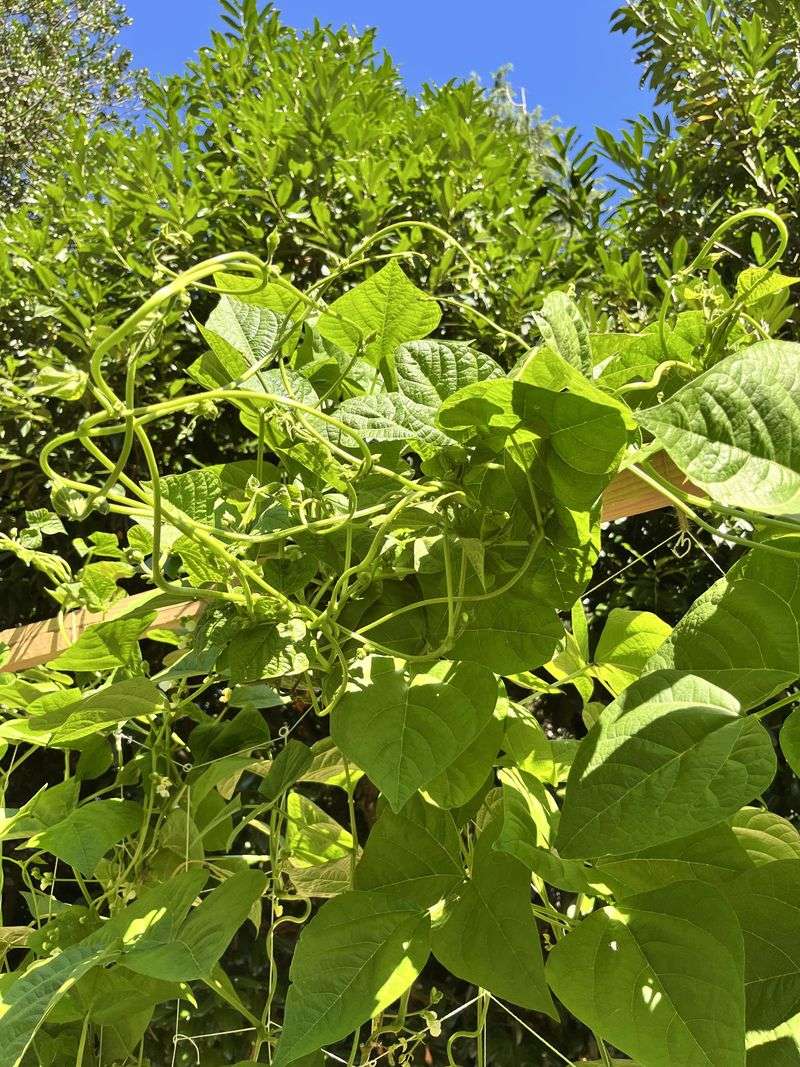
2. Get Pole Beans Climbing For Fall
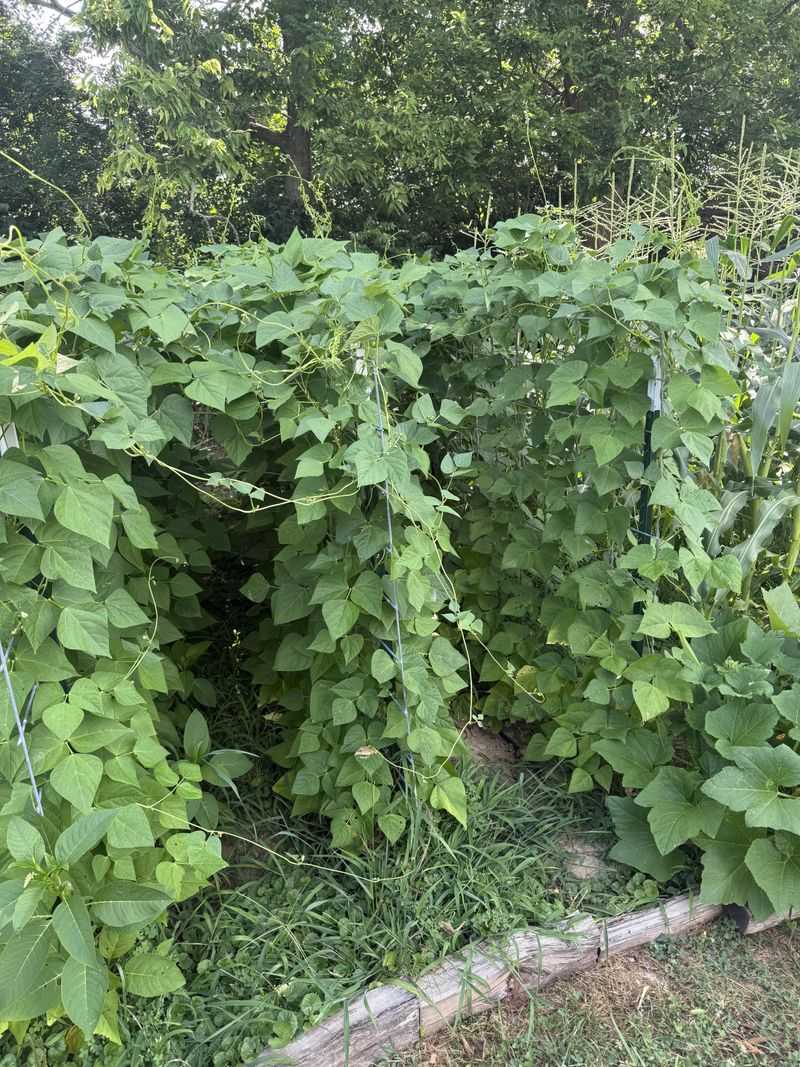
An empty trellis can still earn one more crop in North and Central Florida.
Pole beans share the August-through-September fall window listed for bush beans in both regions. South Florida’s broader window begins in September, so gardeners there can use this weekend to prepare the support instead.
Install the trellis before seed goes into the soil.
Pole bean vines need support, and the vegetable guide recommends about 3 to 5 inches between plants with roughly 36 inches between rows. Sow seed about 1 to 1.5 inches deep.
Keep the first week simple.
Moist soil supports germination, but saturated soil does not. Florida vegetable beds need drainage under heavy rain just as much as they need irrigation through dry stretches. Check the root zone after a storm before the hose comes back out.
Your Florida Garden Changes Every Week. Your Plan Should Too.
Gardening in Florida changes quickly throughout the season. Every Friday you’ll receive a simple weekly plan showing exactly what to plant, prune, fertilize, harvest, and protect so you never miss the right timing.
Skip a heavy nitrogen push. Pole beans use about half the fertilizer rate of many other vegetables, and too much nitrogen can favor foliage over production.
Give the vines regular harvest attention once pods arrive.
The guide places pole beans at roughly 50 to 70 days from seed to harvest, so a late-August sow can still produce a useful fall run.
A trellis also keeps the crop vertical while September vegetables claim the soil below.
This weekend is not too late for another climb.
It is simply late enough that the calendar deserves respect.
3. Sow Summer Squash While Heat Holds
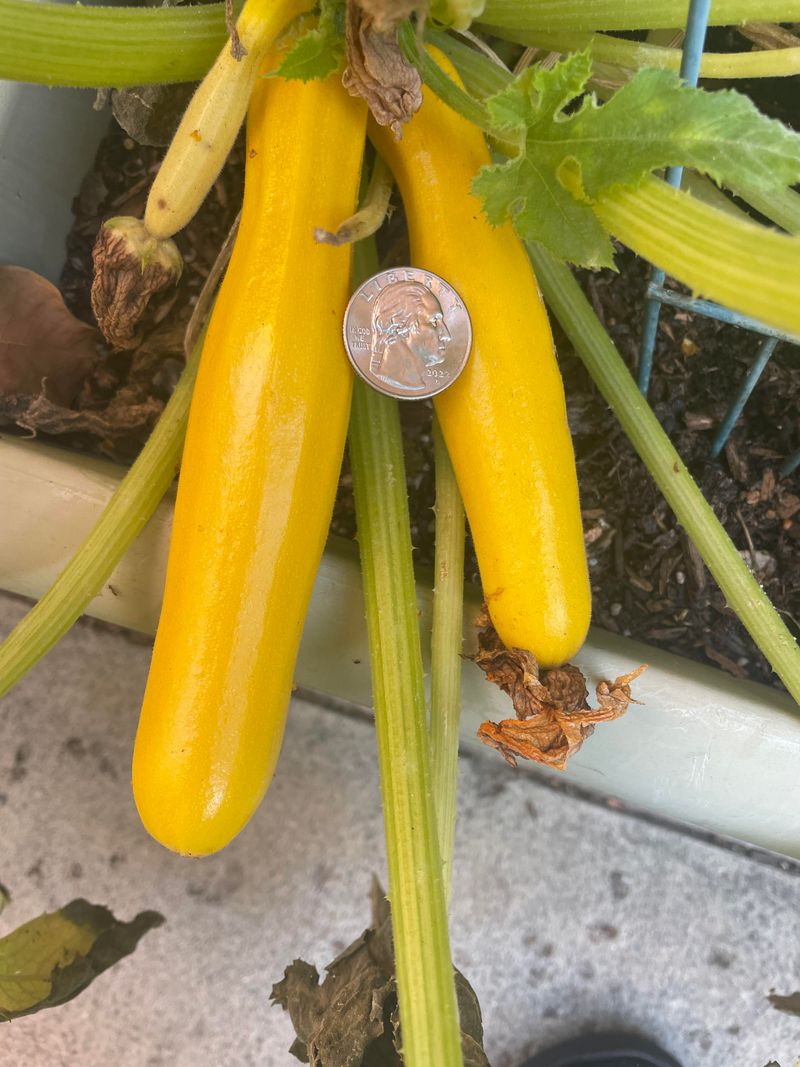
Summer squash still has enough calendar left in North and Central Florida.
Both the current August list and the broader vegetable guide support an August start in those regions, and the fall window runs through September.
The current August list does not place ordinary squash seed in South Florida, so southern gardeners should follow local current advice rather than copy a northern schedule.
Direct seed works well.
The guide gives summer squash a depth of about 1 to 1.5 inches, 12 to 24 inches between plants, and roughly 40 to 50 days from seed to harvest. That quick turnaround is exactly what makes a late-August crop attractive.
Give each plant room for air.
Large leaves can crowd fast, and Florida’s hot, wet late summer already favors disease pressure. Mulch can reduce soil splash and help conserve moisture, while extra space makes leaf checks easier.
Protect the flowers from careless pesticide use.
Squash carries separate male and female flowers on the same plant and needs insect pollination for fruit set. Remove temporary protective covers once flowers appear so bees can reach them.
Harvest young fruit often once the crop starts.
A zucchini that hides under one leaf can turn into a canoe with remarkable speed.
Use that speed in your favor now.
North and Central Florida still have time for squash to sprint from seed packet to skillet before the cool-season beds take center stage.
4. Plant Winter Squash For A Longer Run
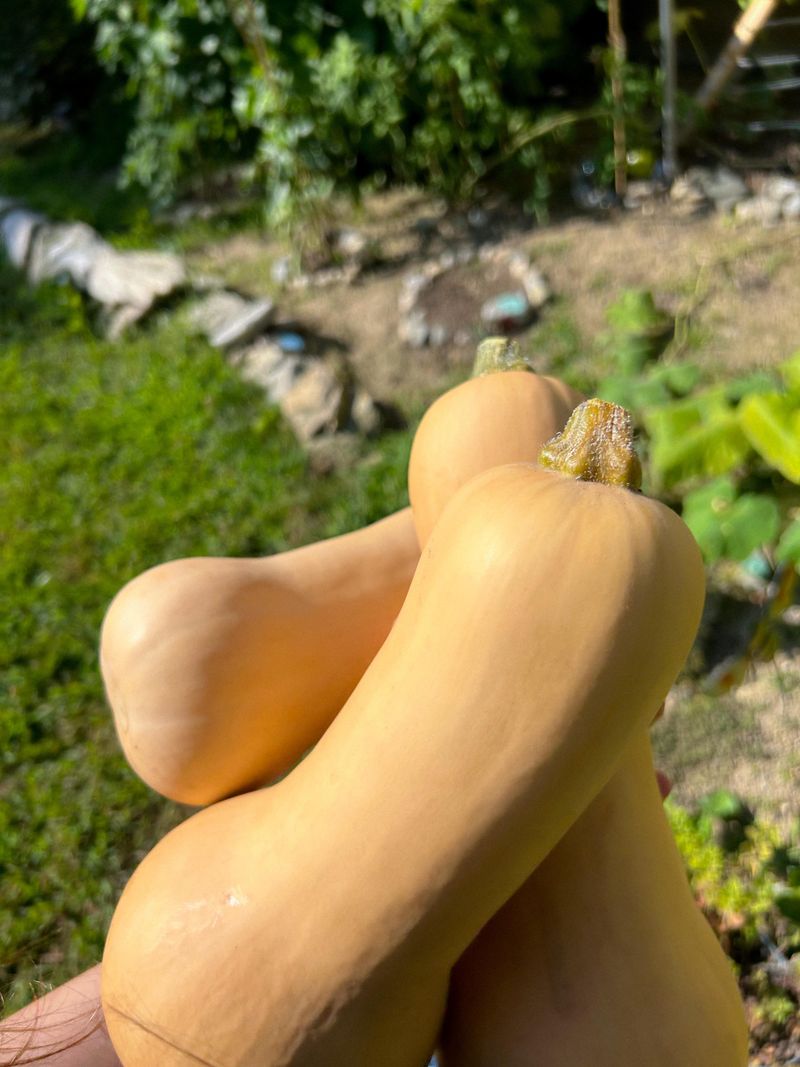
Gardeners with more room can use the same weekend for winter squash in North and Central Florida.
The broader vegetable guide places winter squash in an August-through-September fall window for both regions.
It also lists a South Florida season from August through March, though the newer August month list omits ordinary squash seed for the south. A county Extension check is the safer call there this weekend.
Give winter squash more space than summer squash.
The vines spread, and the guide recommends roughly 36 to 60 inches between plants with about 60 inches between rows. Seed goes about 1.5 to 2 inches deep.
Plan for patience.
Winter squash usually needs around 85 to 120 days from seed to harvest. That longer runway makes a timely August start more valuable than it is for quick zucchini.
Keep moisture steady through vine growth and fruit set, then let drainage do its job after storms.
Pollinators matter here too. Squash relatives need insect visits for fruit set, so keep broad insecticide treatments away from open flowers.
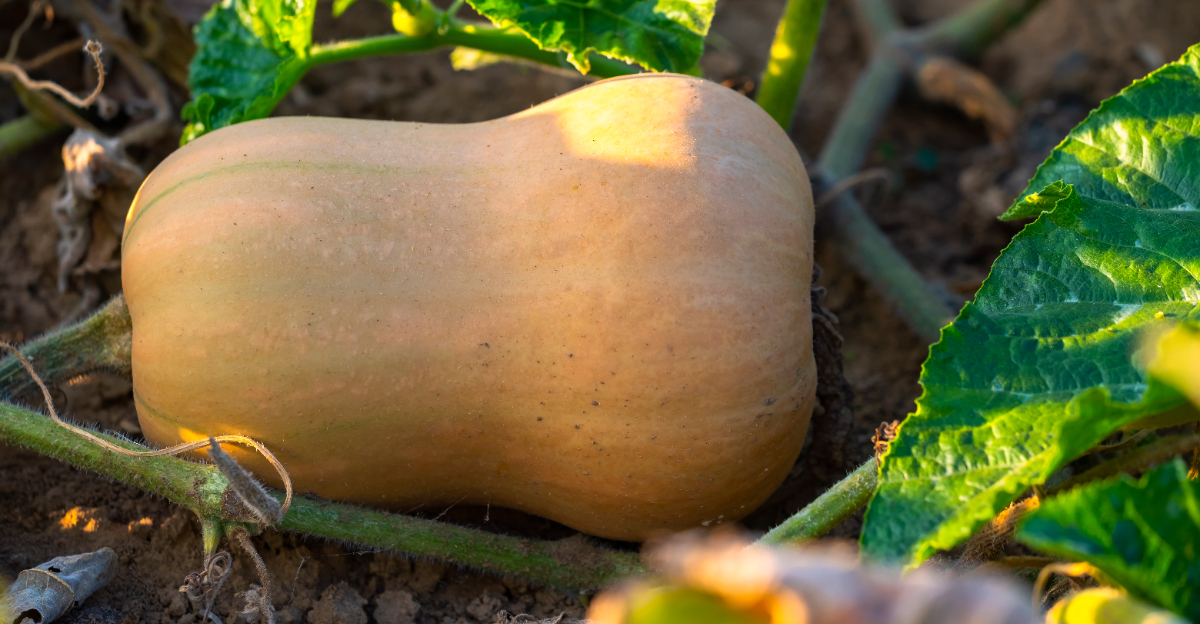
Choose a storage type that suits the space, such as butternut or acorn squash, then give the vines somewhere intentional to travel.
Do not tuck one beside a narrow path and hope for manners.
A winter squash vine treats empty ground like an invitation.
This weekend gives North and Central Florida gardeners enough season to let that ambition pay off later.
5. Set Out Tomatoes By Regional Window
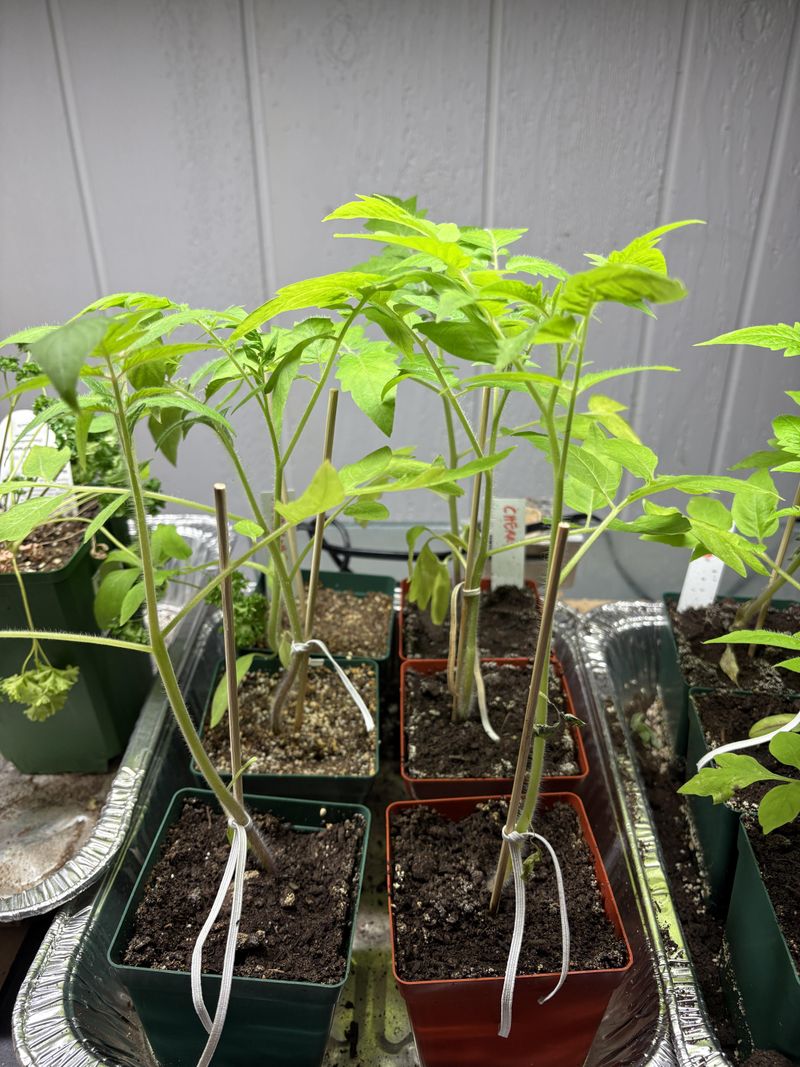
Tomato transplants can go into fall beds across all three Florida regions this weekend.
The current August list includes tomatoes in North, Central, and South Florida. The broader guide makes the urgency clearest in North Florida, where August is the fall transplant window.
Central Florida continues through September, while South Florida has a much longer season.
Start with a healthy transplant rather than fresh seed in the bed.
Supported tomatoes need about 18 to 32 inches between plants, and the guide places first harvest at roughly 70 to 90 days from a transplant. Add the cage or stake at the start so roots never have to negotiate a late installation.
Give the root ball a thorough soak after transplant, then monitor the soil.
Hot weather can stress new plants, while heavy rain can saturate a bed quickly. Mulch helps conserve moisture and reduce soil splash, but keep it off the stem.
Do not panic over early flower drop.
High temperatures can interfere with tomato fruit set, and cherry types generally handle heat better than many larger-fruited choices. The plant can use late August to build roots and canopy before more favorable fall conditions arrive.
Check leaves twice a week for pests and disease.
Late-summer crops face strong insect and disease pressure in Florida.
For North Florida, the calendar is especially loud right now.
That tomato tray has a weekend job.
6. Give Peppers Their Fall Head Start
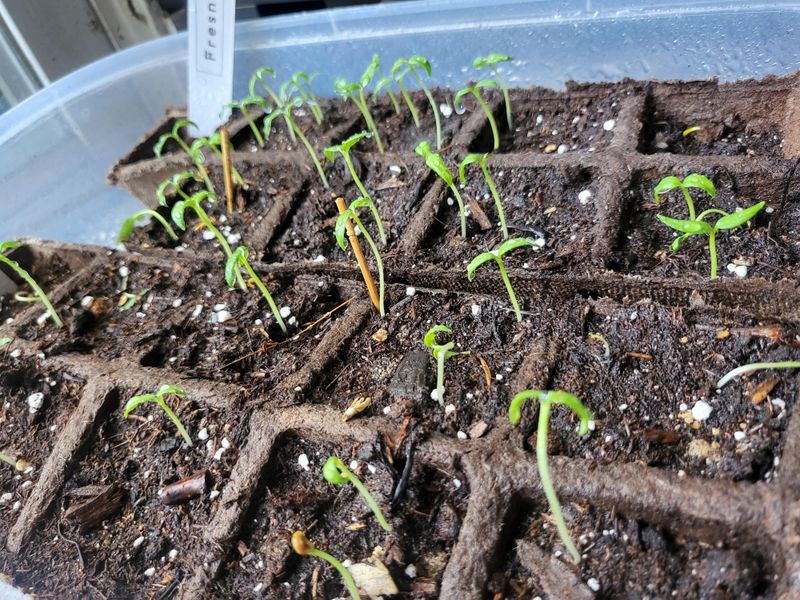
Pepper transplants also have a statewide August invitation.
North Florida sits near the end of its July-through-August fall window, Central Florida runs from August through September, and South Florida can continue from August into winter. The current monthly list includes peppers in all three regions.
Choose compact, healthy transplants with clean leaves.
Peppers transplant well, and the guide recommends about 9 to 15 inches between plants. First harvest commonly arrives around 65 to 75 days after transplant, though variety and weather can shift that pace.
Set the root ball into well-drained soil and water it thoroughly.
Mulch is especially useful around peppers because it helps buffer moisture swings. Keep the material slightly away from the stem and check the soil after heavy rain before extra irrigation.
Avoid a fertilizer ambush.
Too much nitrogen can create lush growth without the harvest you wanted. Use a soil test or the garden’s planned fertility program rather than an emergency scoop beside every transplant.
Give taller plants support early.
A stake now is easier than a rescue after a fruit-heavy branch leans into a storm.
Inspect the undersides of leaves on every garden pass. Late summer brings plenty of pest pressure, and early identification gives you more options than a mystery spray.
Peppers already understand Florida heat.
Your job this weekend is to give their roots a stable start before the fall crop really gathers momentum.
7. Plant Eggplant Where August Still Fits
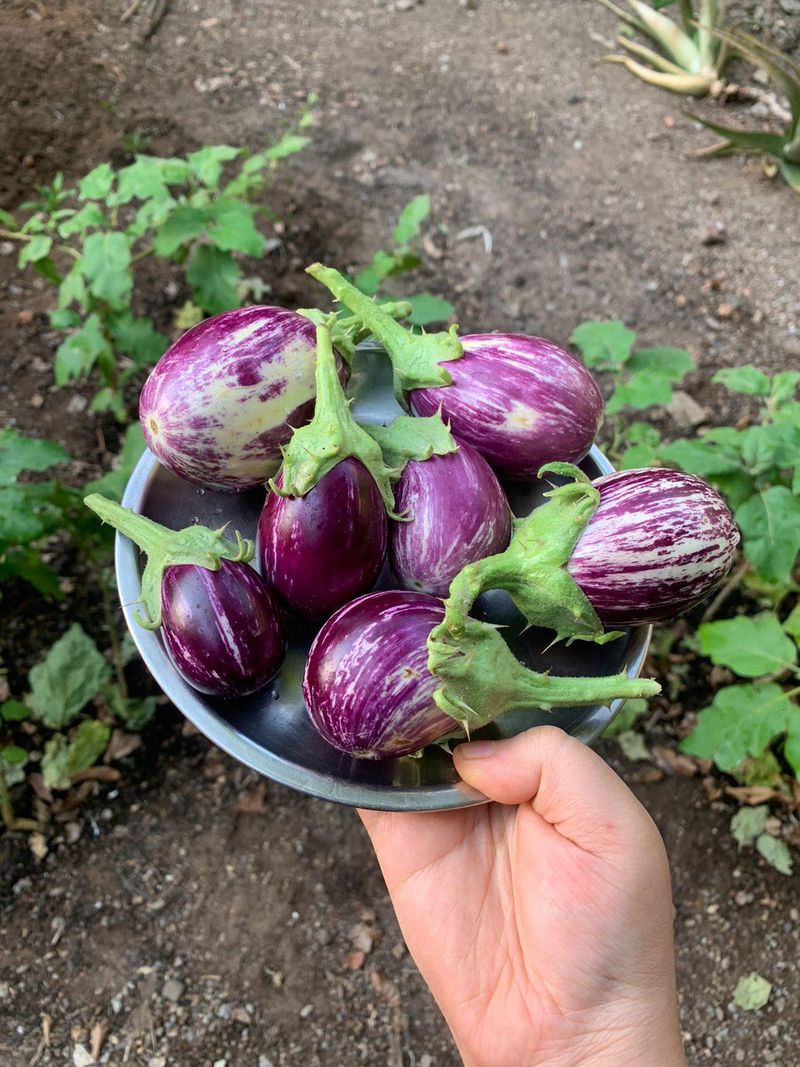
Eggplant belongs on the August transplant list across Florida too.
The current statewide month list includes it in North, Central, and South Florida. A crop-specific guide gives North Florida an August window, Central Florida August through September, and South Florida August through February.
That makes this weekend useful in every region, though North Florida has less calendar room to waste.
Use transplants with sturdy stems and healthy leaves.
Eggplant likes warm soil and weather, and many types need a stake once fruit adds weight. Give each plant generous space based on mature size rather than squeeze several into one small bed.
Water the root ball deeply after transplant, then keep moisture consistent without saturated roots.
High temperatures or drought can contribute to bitter fruit, so a stressed plant deserves attention before harvest quality slips. Mulch can help reduce rapid moisture loss between August storms.
Check leaves often.
Flea beetles, mites, aphids, and other pests can find eggplant quickly in warm weather. Identify the visitor before treatment and preserve useful insects where possible.
Keep the crop in full sun and good airflow.
A strong transplant set out now can use the last summer warmth for root and stem growth, then carry fruit production into the milder part of the season.
Eggplant does not need Florida to cool down first.
It needs you to move that nursery pot out of limbo beside the back door.
8. Sow Carrots In Central Florida
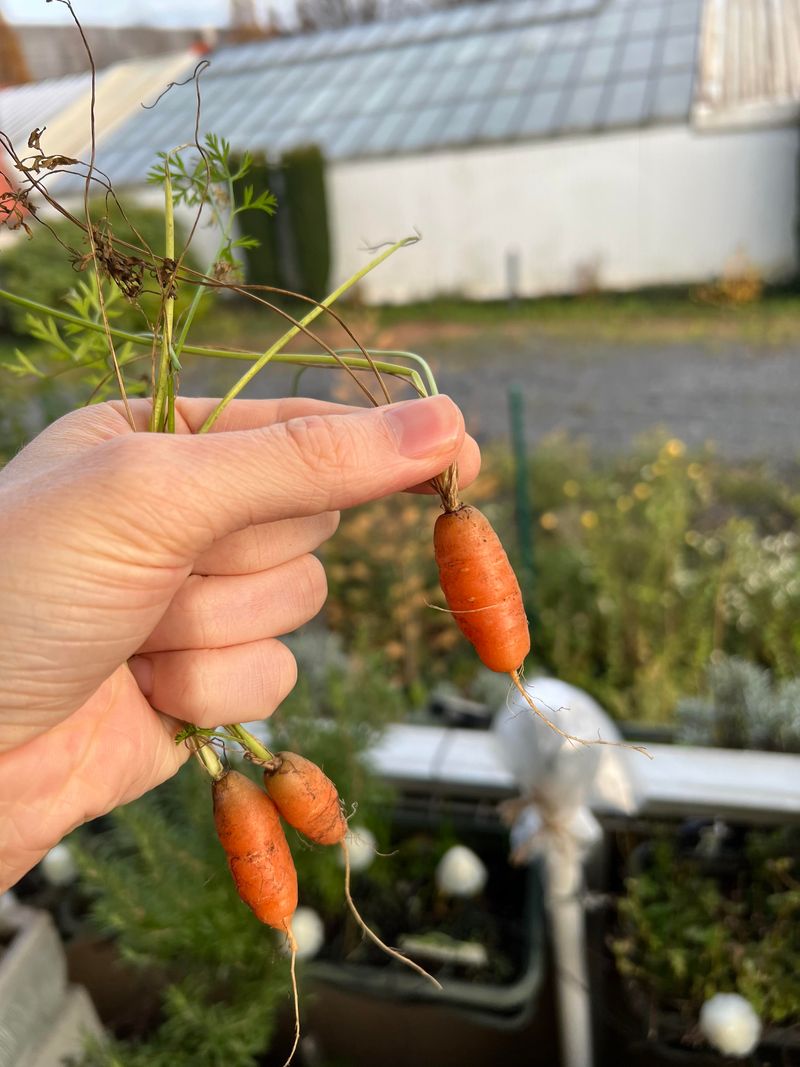
Central Florida can make the weekend feel more like fall with a row of carrots.
The broader vegetable guide opens the Central Florida carrot window in August and keeps it open through March.
Its North Florida table starts in September, while the newer August month list also includes carrots for North Florida. Gardeners near that regional date edge can use county advice for the most local call.
Central Florida has the clearest overlap right now.
Sow carrot seed directly about one-quarter inch deep. Give mature roots roughly 1 to 3 inches of space and use loose soil without stones or hard clods. A raised bed can help where native soil is compacted or poorly shaped for straight roots.
Keep the seedbed consistently moist.
Carrot seed is slow to emerge, and a dry surface can ruin a thin stand before you ever see green. Use gentle water that keeps the upper layer damp without a seed pile at one end.
Thin young plants once the row becomes visible.
Crowded roots do not negotiate politely underground. They twist, stay small, and turn harvest day into abstract sculpture.
Expect patience rather than instant payoff.
The guide places carrots at roughly 70 to 120 days from seed to harvest, so a late-August sow points toward late fall or winter.
That is the whole weekend shift in one row.
Florida still feels like summer above the soil, while dinner for winter quietly starts underneath it.