The Iron-Rich Trick Texas Gardeners Use For Yellowing Summer Leaves
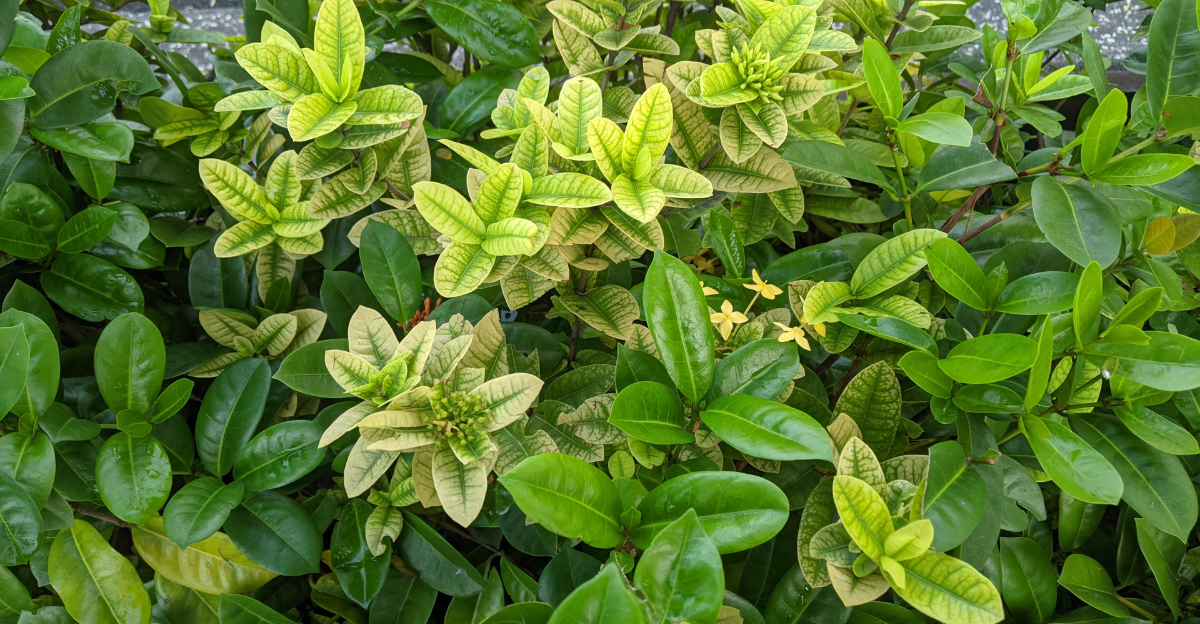
Your tomatoes were thriving in April. Now the leaves look bleached and washed out, while the veins stay stubbornly green. Something shifted underground, and your plant is practically waving a flag about it.
Texas gardeners see this pattern every summer, and most reach for the wrong fix first. They blame water, sunlight, even bugs, when the real culprit is quietly locked away in the soil itself.
The nutrient your plant is missing might already be sitting right there in the dirt. It’s just impossible to reach.
One simple soil trick can flip this around fast, turning washed-out leaves back into deep, healthy green. Stick around, because the fix is easier than you’d think.
Chelated Iron Brings Faded Leaves Back To Life
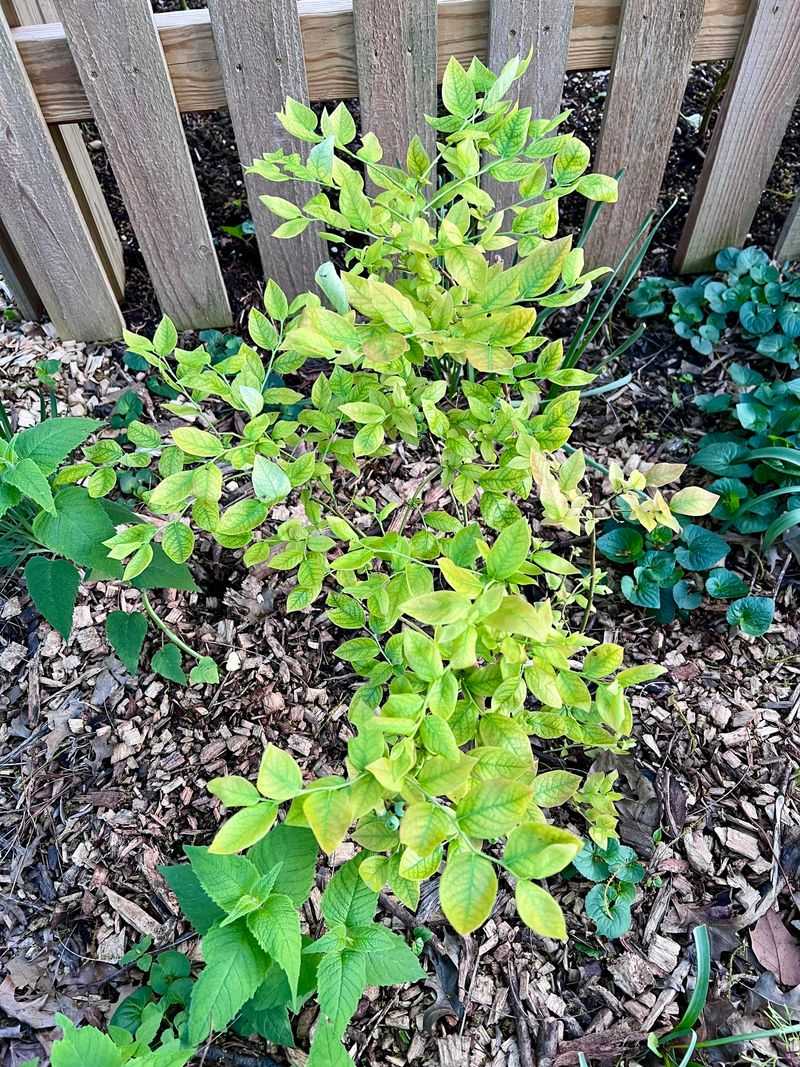
Yellow leaves in summer are not always a watering problem. Sometimes, the plant is simply lacking iron, and chelated iron is the fix that actually works.
Chelated iron is a special form of iron wrapped in a protective coating. That coating keeps the iron stable in soil long enough for roots to absorb it properly.
Regular iron supplements can oxidize before roots ever reach them. Chelated versions stay available much longer, making them far more effective in tough conditions.
Texas gardeners have leaned on chelated iron for decades because local soil is notoriously alkaline. High pH soil turns standard iron into a form plants simply cannot use.
Chelated products bypass that problem entirely by delivering iron directly to the root zone. Brands like Sequestrene and Hi-Yield Chelated Iron are popular choices at local nurseries.
You can apply chelated iron as a soil drench or mix it into your watering routine. Always follow package directions, since too much iron can cause its own set of problems.
Most gardeners see improvement within one to two weeks of the first application. The youngest leaves near the top of the plant usually green up first.
If your plants are still pale after two treatments, something else may be going on. But chelated iron is almost always the best first step when summer yellowing strikes your yard.
Green Veins On Yellow Leaves Point To One Cause
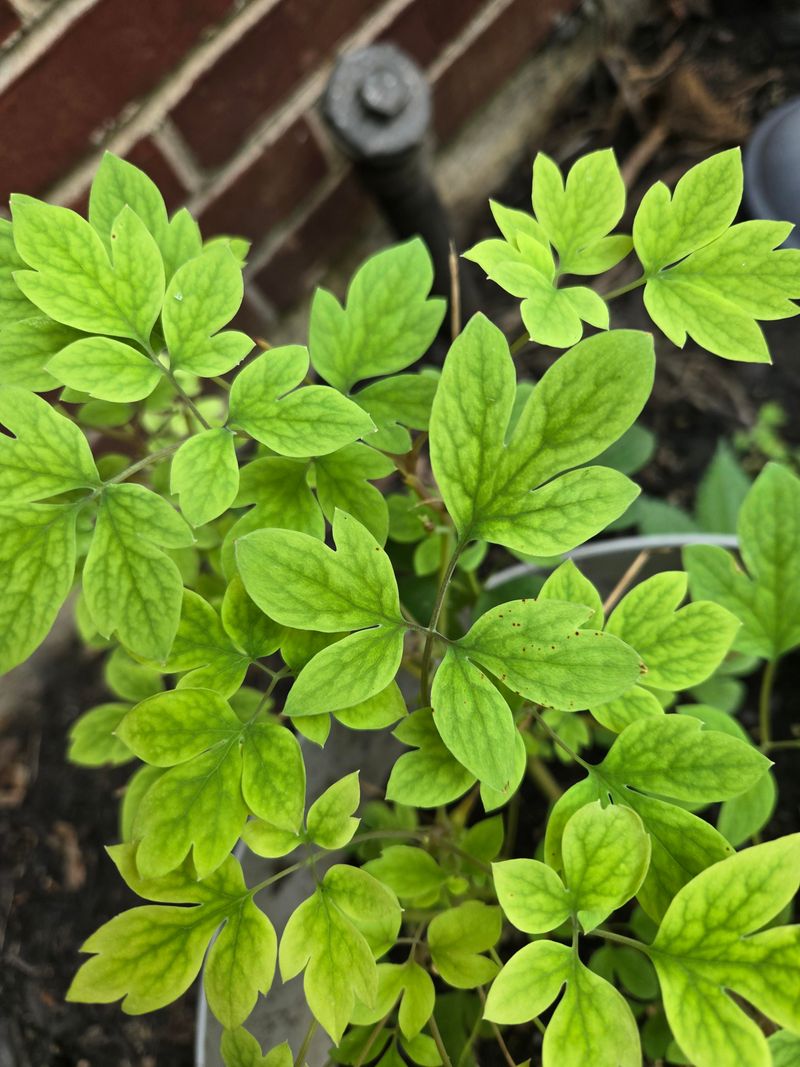
Spotting green veins on a yellow leaf is like spotting a signature. That specific pattern has one name: iron chlorosis.
Iron chlorosis happens when a plant cannot move enough iron into its newest leaves. The veins stay green because iron travels differently than other nutrients inside plant tissue.
Chlorophyll production depends heavily on iron, even though iron is not part of chlorophyll itself. Without enough iron nearby, the green pigment simply cannot form between the veins.
This yellowing-with-green-veins pattern shows up first on the youngest growth at the top of the plant. Older leaves lower on the stem usually look fine at first.
That top-down pattern is your biggest clue that iron is the missing piece. Nutrient problems that start at the bottom of the plant usually point to something else entirely.
Azaleas, gardenias, roses, and pin oaks are especially prone to showing this pattern in Texas. These plants need acidic soil to thrive, and alkaline conditions cut off their iron supply fast.
Your Texas Garden Changes Every Week. Your Plan Should Too.
Gardening in Texas changes quickly throughout the season. Every Friday you’ll receive a simple weekly plan showing exactly what to plant, prune, fertilize, harvest, and protect so you never miss the right timing.
If you see this pattern, do not rush to add more fertilizer or water. Adding the wrong thing can stress the plant further and delay recovery.
Take a photo of the affected leaves and bring it to your local nursery. A good garden center employee will likely confirm iron chlorosis before you even finish describing it.
Ruling Out Nitrogen And Other Look-Alike Deficiencies
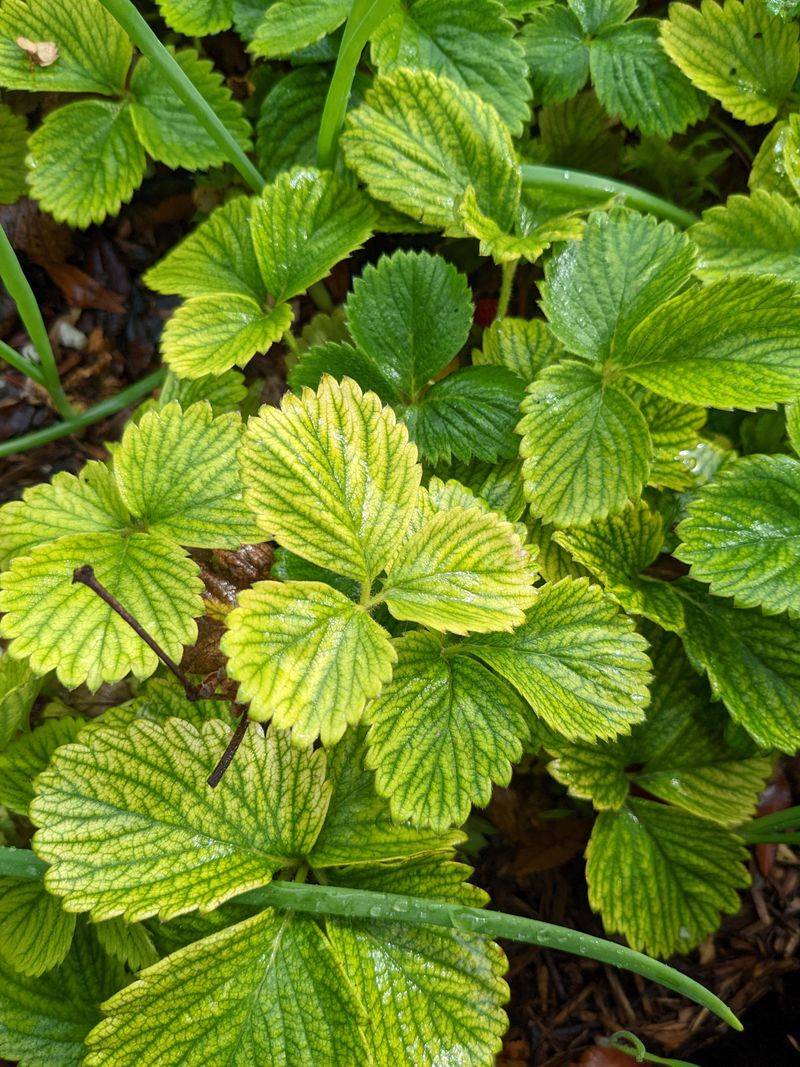
Not every yellow leaf means the same thing, and guessing wrong wastes time and money. Before treating for iron, you need to rule out a few imposters.
Nitrogen deficiency also causes yellowing, but it starts at the bottom of the plant. Old leaves turn yellow first, while new growth at the top stays green and healthy.
That bottom-up pattern is the opposite of what iron chlorosis does. If your oldest leaves are the ones fading, nitrogen is probably your culprit, not iron.
Magnesium deficiency is another look-alike that trips up a lot of gardeners. It causes yellowing between the veins of older leaves, similar to iron chlorosis but on the wrong part of the plant.
Sulfur deficiency makes young leaves turn pale yellow all over, without the green-vein pattern. It looks washed out rather than sharply two-toned like iron chlorosis.
Overwatering can also cause yellowing that mimics nutrient problems. Waterlogged roots cannot absorb anything properly, so multiple deficiencies can appear at once.
A simple soil test from your county extension office can clear up the confusion quickly. Most tests are affordable and tell you exactly what your soil has and what it lacks.
Treating for iron when you actually need nitrogen will not fix the problem. Getting the diagnosis right first saves your plants and keeps your wallet happy too.
Alkaline Soil Locks Iron Away From The Roots
Iron is not actually missing from most Texas soil. There is plenty of it sitting right there around the roots, just out of reach.
The problem is soil pH, and in Texas, that number runs high. Most plants need a pH between 6.0 and 6.5 to absorb iron efficiently.
Texas soil often sits at 7.5 or higher, especially in the Hill Country and Central Texas regions. At that level, iron bonds with other minerals and becomes chemically unavailable to roots.
Think of it like a locked cabinet full of food. The food is right there, but without the right key, the plant cannot get to it.
Lowering soil pH is one of the most effective long-term solutions to iron chlorosis. Elemental sulfur is a popular and affordable option that acidifies soil over several months.
Acidifying fertilizers that contain ammonium sulfate can also help bring pH down gradually. These work best when applied consistently over a full growing season.
Adding organic matter like pine bark mulch or composted leaves helps too. Organic material naturally lowers pH as it breaks down and feeds beneficial soil microbes.
Test your soil pH before adding anything, so you know exactly how far you need to go. Dropping pH too low creates a whole new set of problems for your plants.
Foliar Sprays Bring Fast, Short-Term Relief
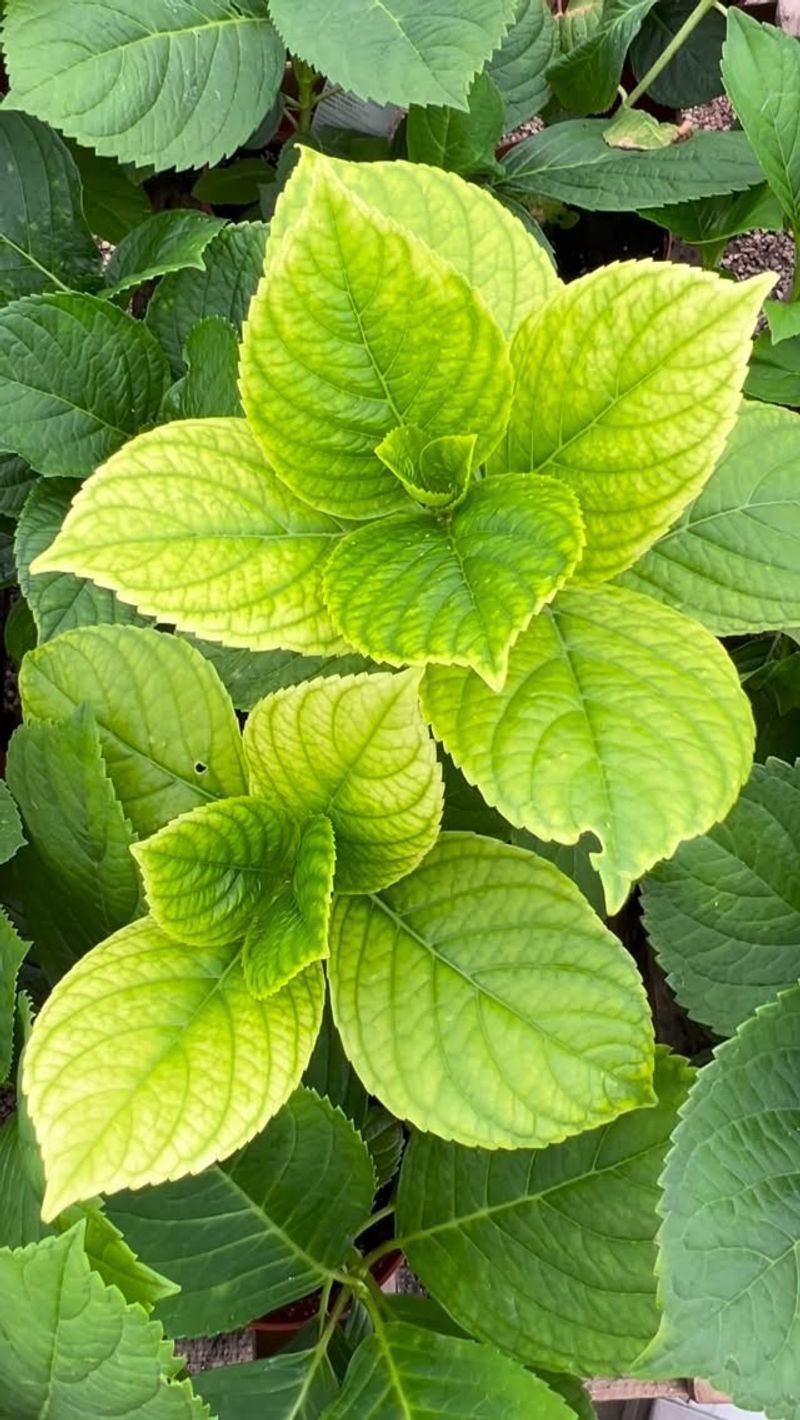
When your plant looks like it is fading fast, waiting weeks for a soil treatment to kick in feels impossible. Foliar sprays are the quick fix that buys your plant some time.
A foliar spray delivers iron directly to the leaf surface, where it absorbs almost immediately. The plant does not have to rely on roots or soil chemistry to get what it needs.
Chelated iron foliar sprays are easy to mix and apply with a basic garden sprayer. Most formulas call for just a teaspoon or two per gallon of water.
Spray in the early morning or late afternoon to avoid leaf burn from midday sun. Wet leaves under intense summer heat can scorch, which makes the problem look worse than it is.
Results are visible within days, which feels like real progress when your gardenias are struggling. New growth will start showing better color almost right away.
The downside is that foliar feeding does not fix the underlying soil problem. Rain and sun break down the iron on the leaf surface within a couple of weeks.
Plan to reapply every two to three weeks during the growing season if you rely on this method alone. Pairing foliar sprays with a soil treatment gives you both speed and staying power.
Foliar iron is a bridge, not a permanent solution, but it is a very effective one when time matters most.
Soil Treatments Offer Longer-Lasting Results
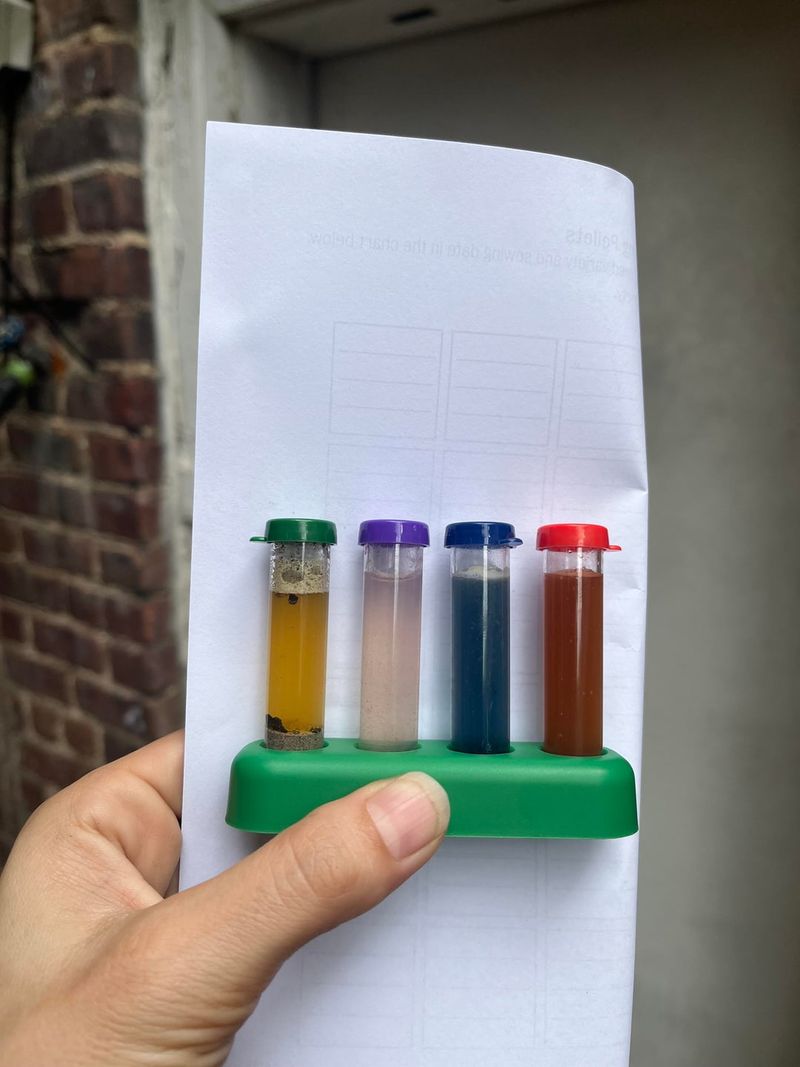
Fast fixes feel great, but experienced gardeners also think about next season. Soil treatments are the strategy that keeps yellowing summer leaves from coming back year after year.
Chelated iron drenches applied to the root zone last much longer than foliar sprays. The iron stays in the soil and becomes available each time the plant needs a fresh supply.
Elemental sulfur works even deeper by actually changing your soil chemistry over time. Soil bacteria convert sulfur into sulfuric acid, which gradually lowers pH and unlocks existing iron.
This process takes patience, often three to six months before you see the full effect. Start sulfur treatments in fall so your soil is ready when spring planting season begins.
Iron sulfate is another solid option that combines pH reduction with a direct iron boost. It works faster than elemental sulfur and is widely available at garden centers across the state.
Topdressing with acidic organic materials like peat moss or pine needle mulch supports soil health long-term. These materials break down slowly and keep pH creeping in the right direction.
Repeat soil tests every year to track your progress and adjust your approach as needed. Soil chemistry shifts with rainfall, irrigation, and seasonal temperature changes.
Consistent soil care is what separates gardeners who struggle every summer from those whose plants stay lush. Fixing the foundation means the iron-rich trick works all season long, not just for a week.