What To Sow In Oregon After Summer Cucumbers And Squash Come Out
That bare patch of soil looks finished. Oregon gardeners know better.
A cucumber vine comes out. A squash plant gives up its space. Suddenly, the bed sits open in late summer, warm from weeks of sun and full of possibility.
The strange part comes next. Most people see an empty bed and assume the season has nearly packed its bags.
But Oregon rarely follows such a neat little calendar. One part of the state may still feel like summer, while another already hints at cool nights and sweater weather.
So what should take over that valuable garden real estate?
The answer depends on region, soil warmth, and how quickly autumn tends to arrive where you live. Some choices move fast. Others settle in for a longer run. A few even seem happier once the air loses its summer edge.
Before you tuck the garden away, look at that open soil again. It may have one more good trick left before frost finally closes the curtain.
And it may surprise you.
1. Sow Spinach Into Freshly Open Ground
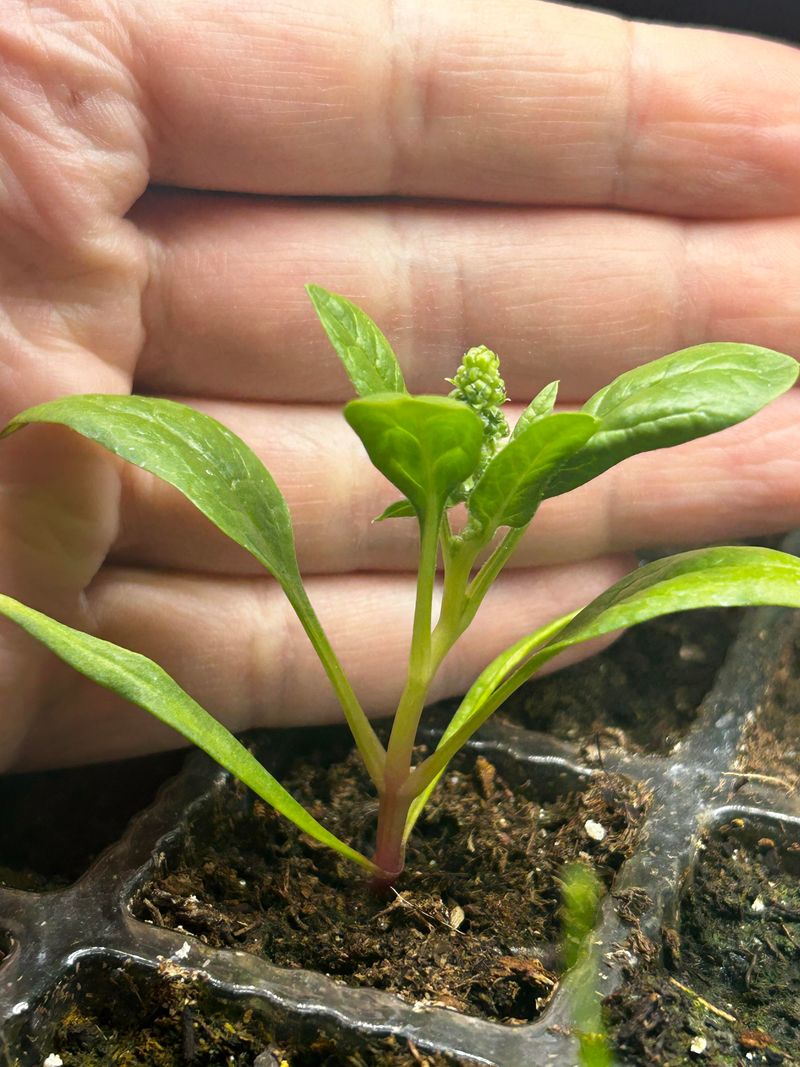
Spinach can turn a newly cleared cucumber bed into a very useful second act.
That timing suits Oregon well. In the Willamette Valley, late July through early September can still offer a workable sowing window.
Gardeners near the Cascades foothills or around Bend usually benefit from moving earlier because cool nights can arrive fast.
Sow seeds about half an inch deep. Space them roughly two inches apart, with rows about a foot apart. Once seedlings show their first true leaves, thin them to around four to six inches.
The soil deserves a little attention before seed goes down. Spinach tends to germinate best when soil temperatures sit between 45 and 75 degrees Fahrenheit.
A bed that still feels hot after summer may need a few cooler days or a thorough drink first.
This is where you get to play weather detective. Keep the surface evenly moist and check it often. Dry soil can lead to spotty sprouts, which makes a neat row look like it forgot half the guest list.
Once plants reach about three inches tall, start taking outer leaves. Leave the center intact so the plant can keep producing.
Cooler weather can make spinach leaves sweeter and more tender. Light frost usually does not bother established plants much either.
So that tired cucumber bed may still have plenty of green left in it. Spinach just prefers a cooler encore.
2. Plant Chard For Late Season Leaves
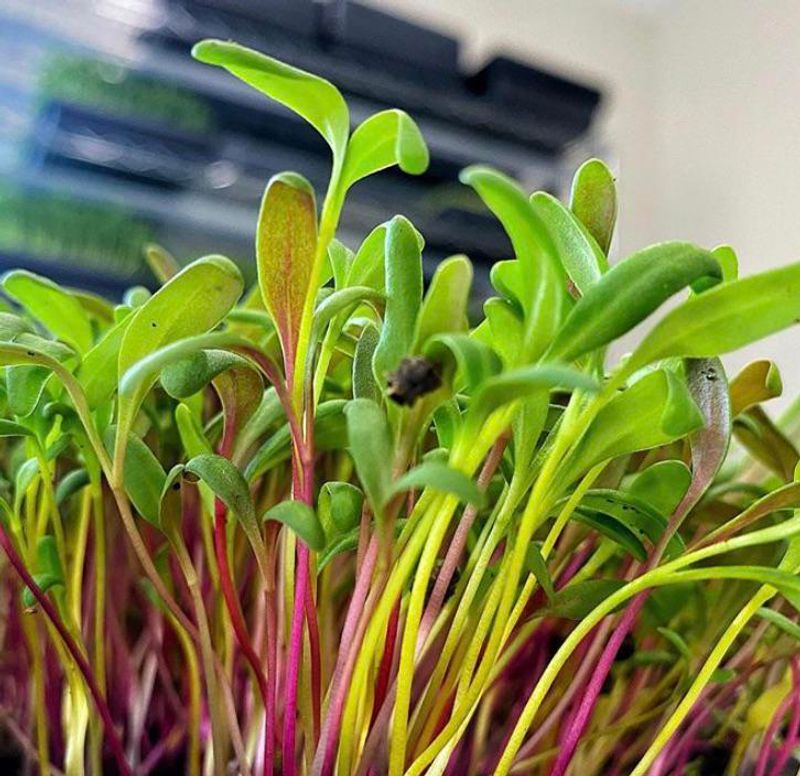
Chard brings color to a bed that just lost its summer show.
Those red, yellow, or orange stems can make the garden look lively again, even as the days start to shorten.
In the Willamette Valley and along much of the Oregon coast, late July into mid-August can still work for direct sowing. Inland and higher-elevation gardens usually need an earlier start.
Sow seeds about half an inch deep and roughly two inches apart. Once the seedlings develop a couple of true leaves, thin them to around six to eight inches.
Your Oregon Garden Changes Every Week. Your Plan Should Too.
Gardening in Oregon changes quickly throughout the season. Every Friday you’ll receive a simple weekly plan showing exactly what to plant, prune, fertilize, harvest, and protect so you never miss the right timing.
That thinning step matters more than it first appears. A chard “seed” is actually a cluster that can produce several seedlings. Leave every sprout packed together and the bed can turn into a leafy traffic jam.
Warm late-summer soil often helps chard get established quickly. Keep moisture steady, though, because young plants can struggle when the soil swings from soaked to dusty.
You can start harvesting outer leaves once they reach about eight to ten inches long. Smaller leaves stay tender enough for salads. Larger leaves hold up nicely in soups, sautés, and stir-fries.
A light frost may not trouble established chard much, so plants started in August can sometimes keep producing well into fall in western Oregon.
That gives you color, food, and a crop with some staying power. Not bad for a bed that looked finished a week ago.
3. Get Radishes Moving While Soil Stays Warm
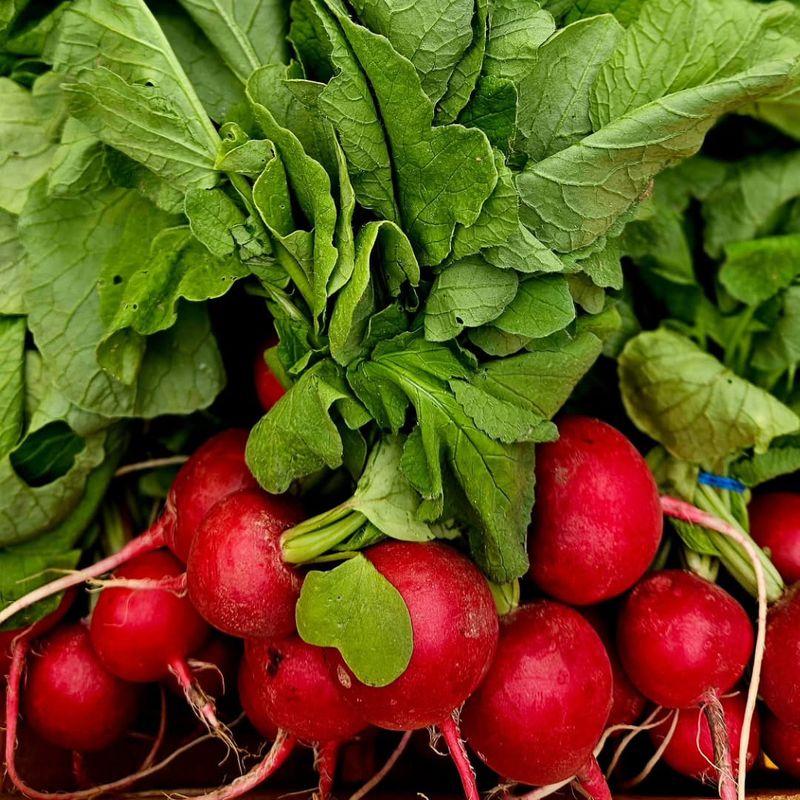
Radishes are the garden equivalent of a quick comeback.
They move fast, which makes them a smart follow-up after cucumbers or squash leave an open patch behind. Some varieties can reach harvest size in only three to four weeks. Warm late-summer soil also helps seeds sprout quickly.
Direct sow seeds about a quarter to half an inch deep. Space them around an inch apart, with rows about six inches apart. Once seedlings emerge, thin them to roughly two inches.
That tiny chore can save you a lot of disappointment later. Crowded radishes often compete for room and may develop into misshapen, pithy roots instead of crisp little globes.
Moisture matters too. Keep the soil evenly damp while roots develop. Dry spells can make radishes tougher and sharper tasting. A steady drink usually keeps the texture more pleasant.
Western Oregon gardeners can often sow another short row every ten days through September and sometimes into October.
Coastal and valley gardens may get an even longer run. Around Bend or Klamath Falls, the window tends to close sooner, so speed matters.
Harvest once roots reach the expected size for the variety. Leave them too long and the centers can turn woody or hollow.
This crop does not ask for much ceremony. Seed, water, thin, harvest. Then suddenly you have something crunchy for salads, tacos, and snacks before the old squash vines are even a distant memory.
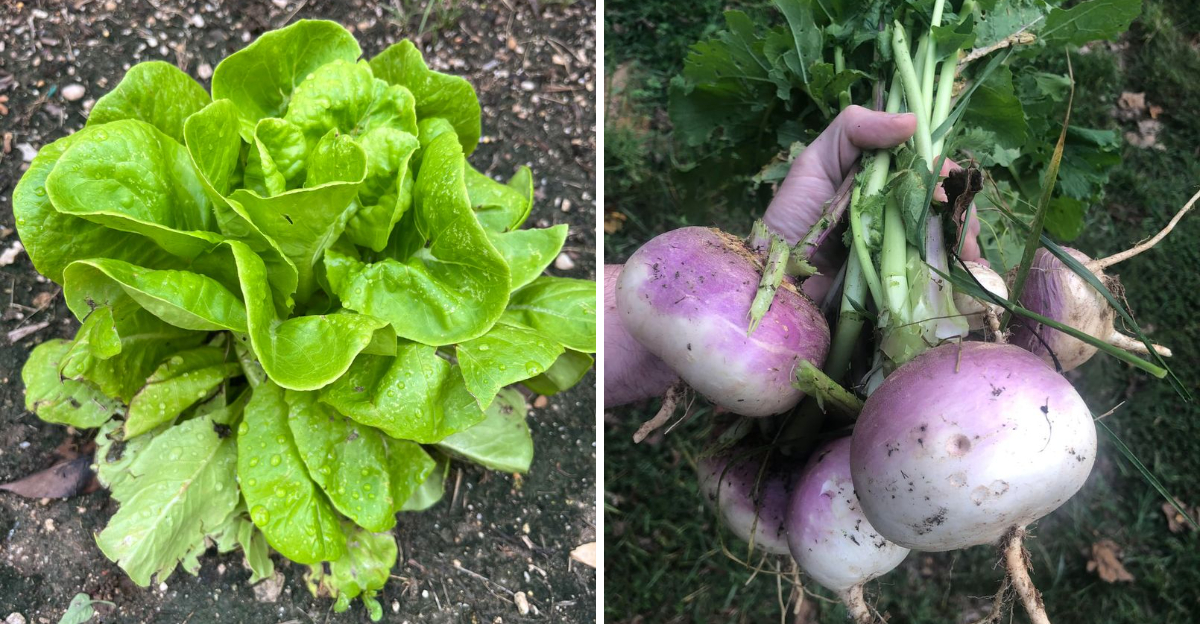
4. Start Lettuce For Cooler Days
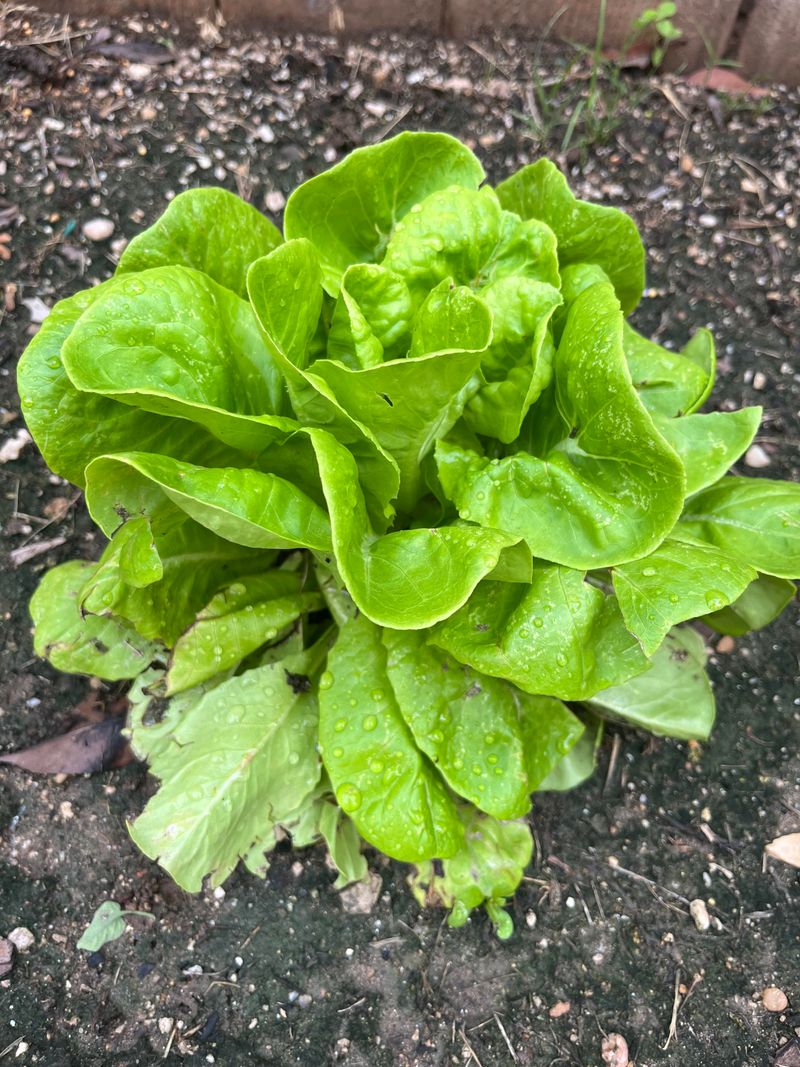
Lettuce can be fussy in late summer, and that is exactly why timing matters.
A freshly cleared squash bed may still hold more heat than lettuce seed appreciates. Soil above about 80 degrees Fahrenheit can slow or prevent germination, so a hot spell can leave you staring at bare soil instead of a neat row of seedlings.
In the Willamette Valley and along the coast, late July through mid-August can be a useful window for a fall crop. Inland and higher-elevation gardens often benefit from an earlier start.
You have a few ways to make the transition easier. Wait for a cooler stretch. Shade the seedbed for a few days. Or start lettuce indoors and move four-to-six-week-old plants outside once conditions settle down.
For direct sowing, water the bed well the evening before. Plant seed very shallowly, around an eighth of an inch deep, and keep the surface consistently moist.
Loose-leaf types tend to handle changing weather more gracefully than large heading varieties. Give loose-leaf plants about eight inches of space. Heading types often need ten to twelve inches.
Once growth looks steady, take outer leaves and let the center keep working.
Cooler autumn air can produce tender leaves with richer flavor. Lettuce may act dramatic about summer heat, but give it the right entrance and it usually remembers its lines.
5. Sow Endive For Autumn Greens
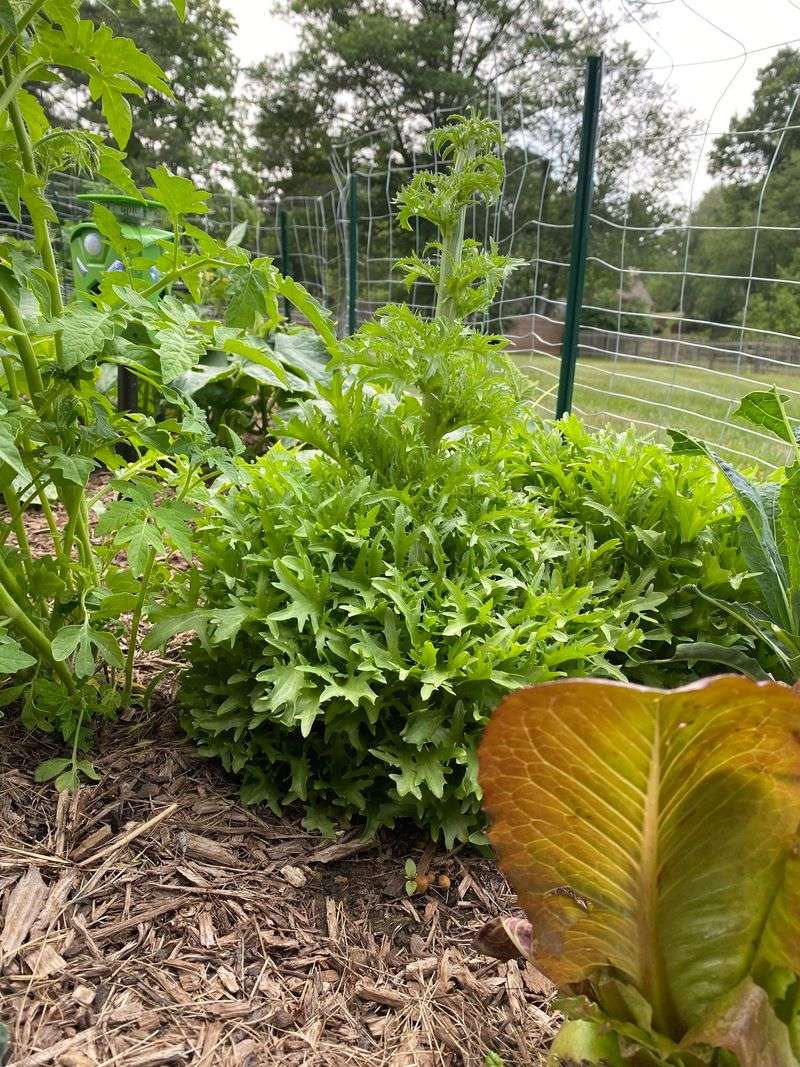
Endive deserves more attention once the summer vegetables clear out.
This chicory-family green likes the cooler side of the calendar, which gives it a useful role in an Oregon fall garden. Its flavor can taste noticeably sharper in warm weather, then mellow as temperatures drop.
In the Willamette Valley, late July or early August can give plants enough time to size up before hard frost. Coastal gardens may have a little more flexibility.
Central and eastern Oregon gardeners usually need to move sooner because cold nights arrive earlier.
Direct sow seed about a quarter inch deep. Start plants around six inches apart in rows roughly twelve inches apart, then thin them to about ten to twelve inches once they settle in.
Keep the soil consistently moist during germination and early growth. A dry spell can slow the whole patch down, and late-season crops do not have endless time to catch up.
You can harvest the entire head once it feels firm and well filled. Outer leaves can also come off gradually while the center keeps developing.
Endive brings a pleasantly bitter edge to salads, grain bowls, and warm dishes. That little bite is part of the appeal, especially beside sweet roasted vegetables or rich cheeses.
It may not have the celebrity status of lettuce, but endive knows how to work a cool-weather room. Give it space and autumn can handle the flavor makeover.
6. Plant Escarole Before Summer Fades
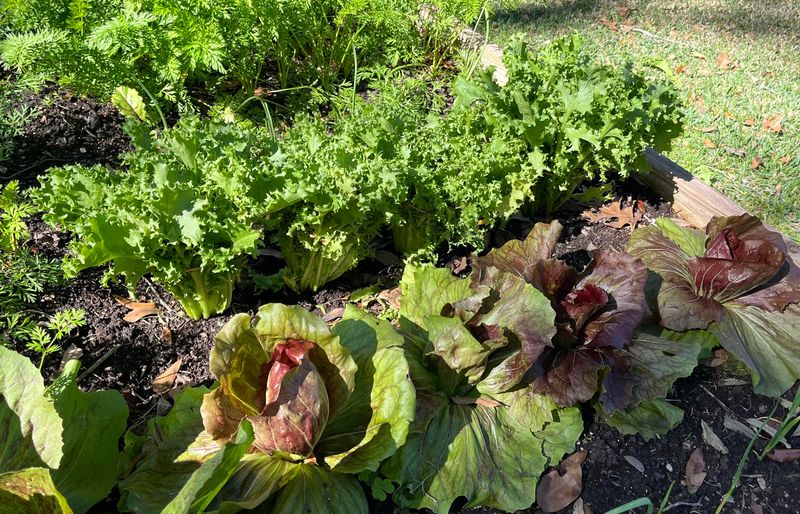
Escarole brings a little old-school charm to the late-season garden.
This broad-leafed type of endive has a sturdy texture and a milder bitterness than many chicories. It works especially well in soups, sautéed dishes, and hearty salads, which suits the shift toward cooler evenings.
In western Oregon valleys, early to mid-August can be a practical time to sow. Coastal gardeners may get a slightly longer window because temperatures tend to stay moderate. Farther inland, an earlier start gives plants more time to form full heads.
Sow seeds about a quarter inch deep. Once seedlings establish, thin them to around ten to twelve inches apart. That room helps the leaves spread and the center fill in properly.
Moisture deserves your attention during the first stretch. Late-summer soil can dry quickly, so check the bed instead of trusting the calendar. Consistent water supports steadier growth and can help reduce problems such as tip burn.
As the weather cools, the flavor often softens. A light frost can make the leaves taste less sharp and a little more rounded.
Harvest when heads feel dense and the inner leaves have started to blanch naturally.
Escarole may sound fancy, but it is not trying to impress anyone. It just wants cool weather, steady moisture, and enough elbow room. After that, your soup pot gets to take the victory lap.
7. Sow Turnips For A Fall Root Crop
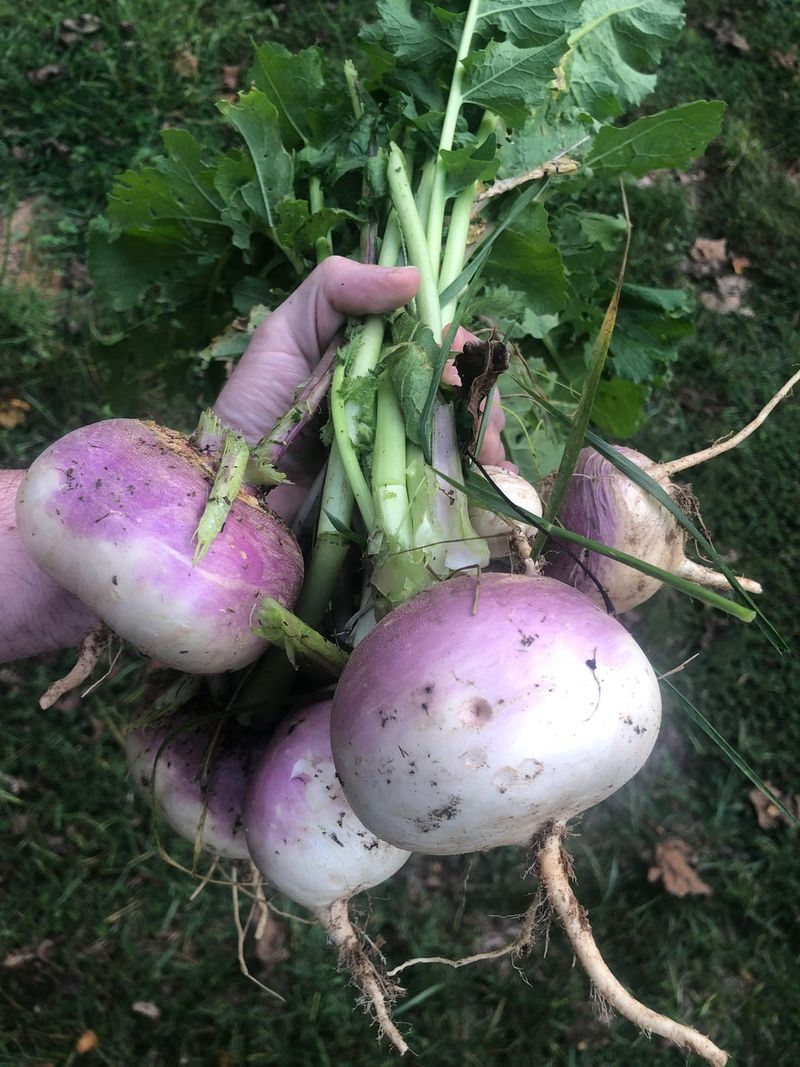
Turnips make an empty summer bed work twice as hard.
One sowing can give you leafy greens above the soil and roots below it. That double harvest is useful when the growing season starts to feel shorter by the week.
Turnips prefer direct sowing, so skip the transplant trays. Plant seeds about a quarter to half an inch deep in loose, worked soil. Rocky or compacted ground can push roots into odd shapes and leave them less appealing at harvest.
Start seeds about two inches apart in rows roughly twelve inches apart. Once seedlings emerge, thin them to around four to six inches. The extra space gives the roots room to round out.
Do not toss those thinnings. The young leaves are edible and can head straight into salads or a quick sauté. Garden chores feel much nicer when the leftovers count as lunch.
Most turnips need about 45 to 60 days, depending on the variety. Willamette Valley gardeners can often sow through mid-August. Higher-elevation and high-desert gardens usually need seed in the ground by late July or very early August.
Harvest greens along the way, then pull roots around two to three inches across for a tender texture. A light frost can sweeten both the tops and roots.
So yes, turnips are doing two jobs at once. Someone in the garden finally understands efficient multitasking.
8. Start Chinese Cabbage For Cooler Weather
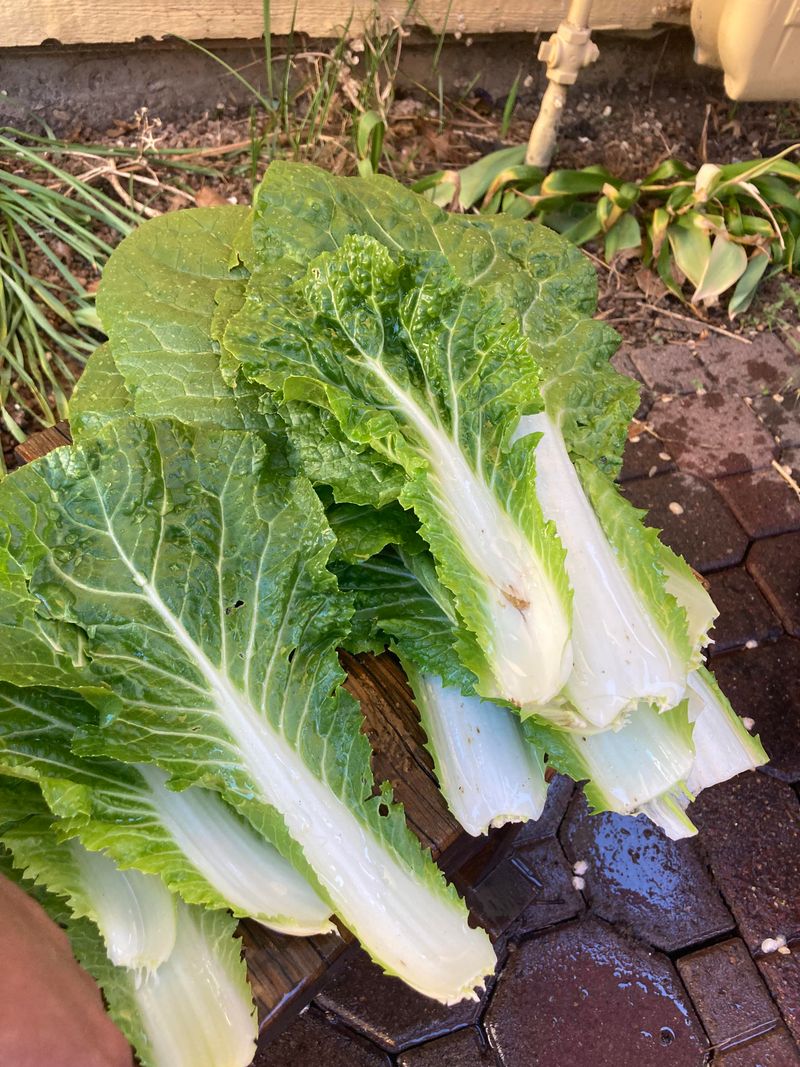
Chinese cabbage can reward gardeners who catch the timing just right.
This cool-season crop prefers to mature as summer heat fades. Too much heat or stress early on can encourage bolting, so late-summer planting works best when the hottest stretch starts to ease.
In the Willamette Valley, mid-to-late July through early August can be a useful window for direct sowing or transplanting. Coastal gardens may have a little more breathing room.
High-desert and inland gardeners usually benefit from the earlier side of that range.
Sow seeds about a quarter inch deep. Give mature plants twelve to eighteen inches of space, with rows around eighteen inches apart. Napa-style heads need room to fill out, and crowding can leave you with more leaf than head.
Keep moisture steady while plants establish. Dry soil adds stress, and stressed Chinese cabbage can become far less cooperative. You are basically trying to keep the plant calm long enough to build that crisp, dense center.
Harvest once heads feel firm and well packed. Many varieties need around 70 to 80 days from sowing, so shorter-season selections can be especially useful where autumn arrives quickly.
Once harvested, the leaves work beautifully in kimchi, slaws, soups, and stir-fries.
Chinese cabbage asks for good timing, but the payoff can be excellent. Nail the window and your old cucumber bed may finish the season wearing a very respectable cabbage crown.