This Is The Pennsylvania Tomato Harvest Habit That Prevents Splitting After Heavy Storms
Pennsylvania storms hit fast in summer, and tomato vines feel it first. Warm days build up, then rain drops in without warning, and your garden pays the price overnight.
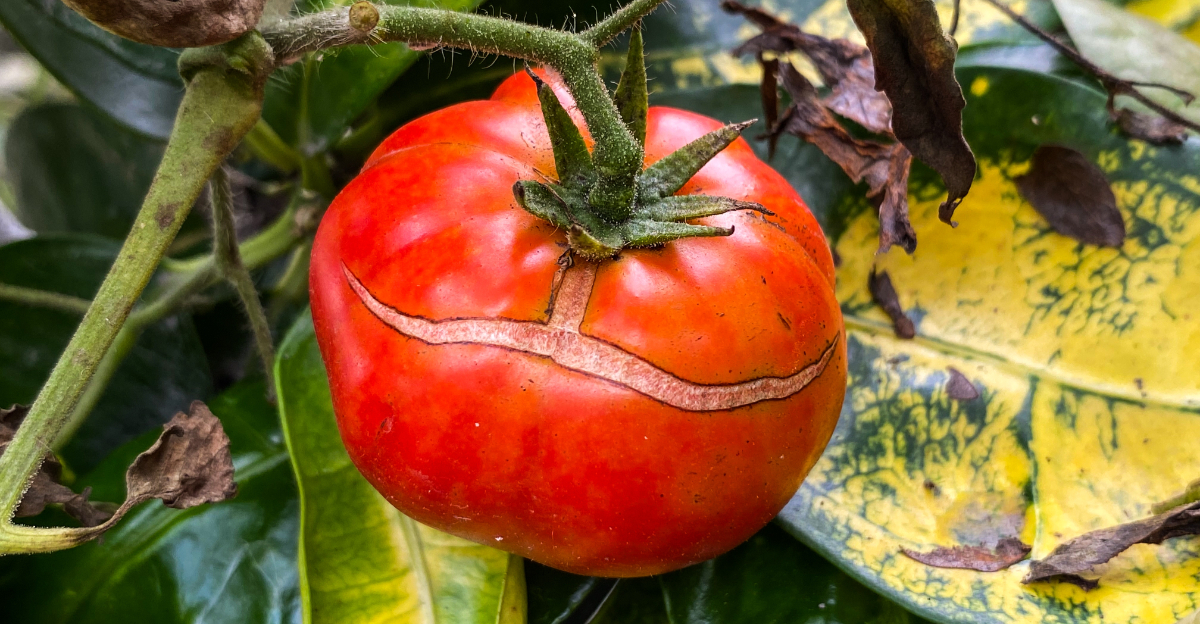
One evening your vines look picture-perfect. By morning, your ripest fruit sits split open on the vine, juice already pooling in the soil below.
This kind of splitting almost always follows a dry stretch that suddenly breaks into heavy rain, and most gardeners chalk it up to rotten timing. It rarely is.
There’s a small harvest habit Pennsylvania growers lean on all season long, and learning it means storms stop deciding whether your tomatoes make it to the table.
Picking At The Breaker Stage Is The Habit That Works
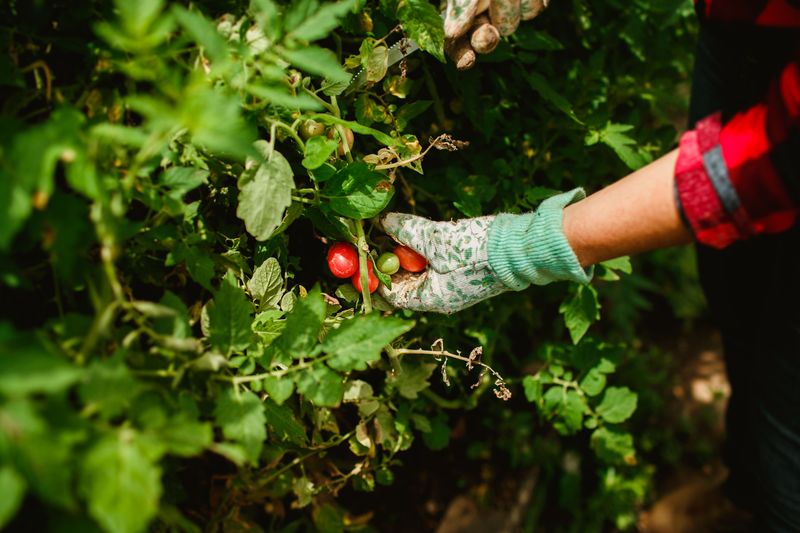
Most gardeners wait too long. Holding out for that picture-perfect red tomato on the vine often leads straight to splitting after storms.
The breaker stage is when a tomato shifts from green to showing the first blush of pink or orange color. At that point, the fruit has finished its main growth cycle.
This early pick is the simple move that keeps your fruit safe when the weather turns. After a tomato hits the breaker stage, it no longer needs the vine to ripen.
The fruit will finish ripening on your kitchen counter with zero risk of storm damage. You get the same sweet flavor without the risk of cracked skin.
Gardeners growing heirloom varieties lean on this trick the most. Heirlooms have thinner skin and split even faster than hybrids when rain follows a dry spell.
Pulling fruit early protects your entire harvest before the sky opens up. You no longer have to watch the weather forecast wondering what it’ll cost you.
Set your picked tomatoes on a counter away from direct sunlight. A shaded spot at room temperature lets the fruit ripen evenly and slowly.
Skip the fridge for unripe tomatoes, since cold temps ruin the flavor fast. Give them two to five days, and you’ll have sweet, juicy tomatoes ready to eat.
The Real Cause Of Splitting After Dry Spells And Heavy Rain
Picture this: two weeks of scorching sun, no rain, and your tomatoes are quietly stressed underground. Then a massive storm drops two inches of rain overnight.
That sudden flood of water rushes into the roots faster than the plant can manage. The fruit absorbs moisture rapidly, swelling from the inside out.
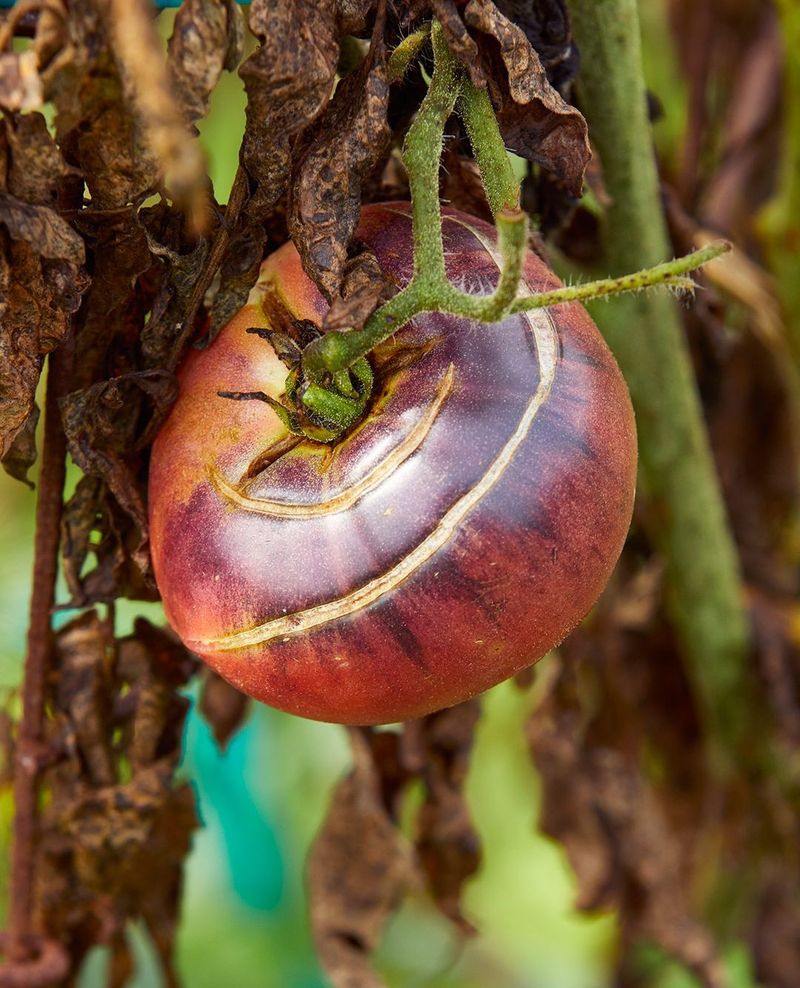
The outer skin of the tomato cannot stretch fast enough to keep up. It cracks under the pressure, splitting radially from the stem or around the shoulder of the fruit.
That’s exactly why pulling fruit early works so well against storm damage. Removing fruit before storms removes the risk entirely.
Tomatoes that are already at or near full size are the most vulnerable during these rain events. Their skin is already stretched tight from weeks of slow, steady growth.
When water uptake spikes suddenly, the internal pressure becomes too much. Even a small crack lets bacteria and mold move in within hours.
Your Pennsylvania Garden Changes Every Week. Your Plan Should Too.
Gardening in Pennsylvania changes quickly throughout the season. Every Friday you’ll receive a simple weekly plan showing exactly what to plant, prune, fertilize, harvest, and protect so you never miss the right timing.
The cycle of drought followed by heavy rain is extremely common in Pennsylvania summers. Gardeners here deal with this pattern nearly every season.
Seeing why splitting happens gives you power over it. After you see the science behind the crack, picking early feels less like giving up and more like winning smart.
Ripe Fruit Skin Is The Most Vulnerable
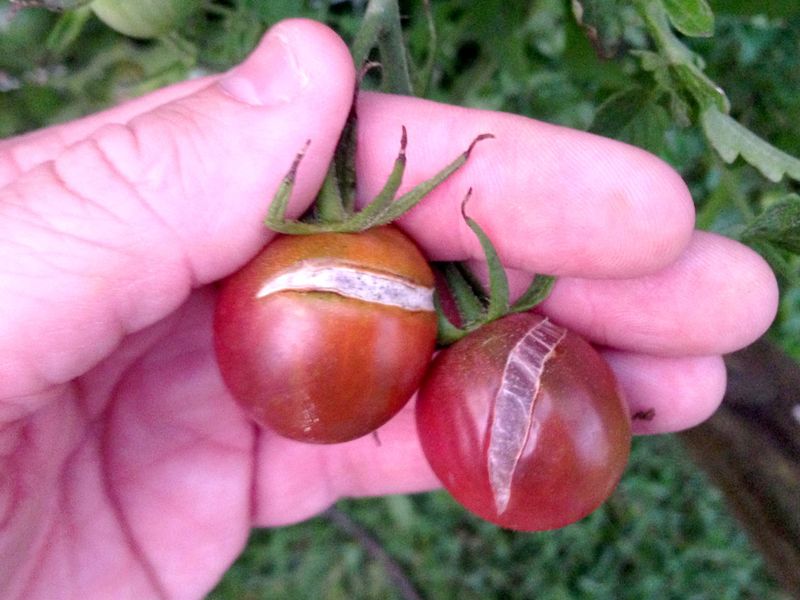
Fully ripe tomatoes look gorgeous, but their skin is under serious tension. That deep red color signals that the fruit is at its absolute peak size and pressure.
At full ripeness, the skin has been stretched to its limit over weeks of growth. There is almost no elasticity left to handle a sudden surge of water.
Think of it like a balloon blown up as far as it can go. One more puff and it pops, and a ripe tomato reacts the same way to rain.
Thinner-skinned varieties like Brandywine or Cherokee Purple are especially prone to this kind of failure. Their delicate skin is part of what makes them taste incredible, but it is also their biggest weakness.
Even modern hybrid tomatoes bred for toughness will split when conditions are extreme enough. No tomato is fully immune after it reaches full ripeness during a wet storm cycle.
Harvesting before full ripeness is the smartest defense against this vulnerability. Firm fruit with a little blush still has enough flexibility to handle minor moisture swings.
Checking your garden every two to three days during peak season keeps you ahead of the curve. You spot breaker-stage fruit before a storm ever gets a chance to ruin it.
Protecting your harvest starts with spotting which fruit is most at risk. Ripe and nearly ripe tomatoes should always be your first pick before any incoming weather.
These Tomatoes Ripen Perfectly Off The Vine
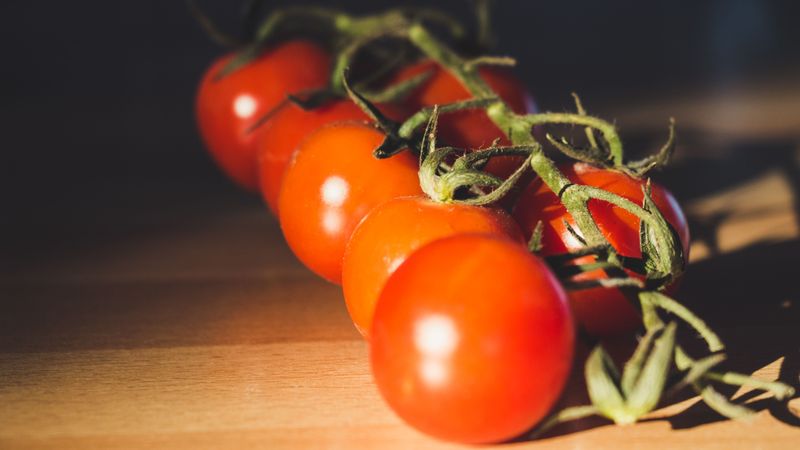
A lot of gardeners worry that picking early means settling for bland, mealy tomatoes. That concern is completely understandable, but it is also mostly a myth.
After a tomato reaches the breaker stage, the vine is no longer controlling the ripening process. The fruit takes over using its own internal ethylene gas production.
Ethylene is a natural plant hormone that triggers color change, softening, and flavor development. Your tomato keeps producing it on the vine or sitting on your counter.
Penn State Extension notes that breaker-stage tomatoes are far less prone to cracking and still ripen with good flavor off the vine. The key is proper handling after harvest.
Keep your picked tomatoes at room temperature between 65 and 75 degrees Fahrenheit. Anything cooler slows ripening and damages the cell structure responsible for good flavor.
Placing them stem-side down reduces moisture loss and slows any surface bruising. A single layer on a flat surface works better than piling them in a bowl.
Check them daily and move any fully ripened ones to the fridge for short-term storage. Eating them within two days of reaching full color gives you the best taste experience.
Counter-ripened tomatoes from your own garden will still outshine anything from a grocery store. Picking early isn’t just storm protection, it’s simply smart gardening.
Consistent Watering Still Matters Between Storms
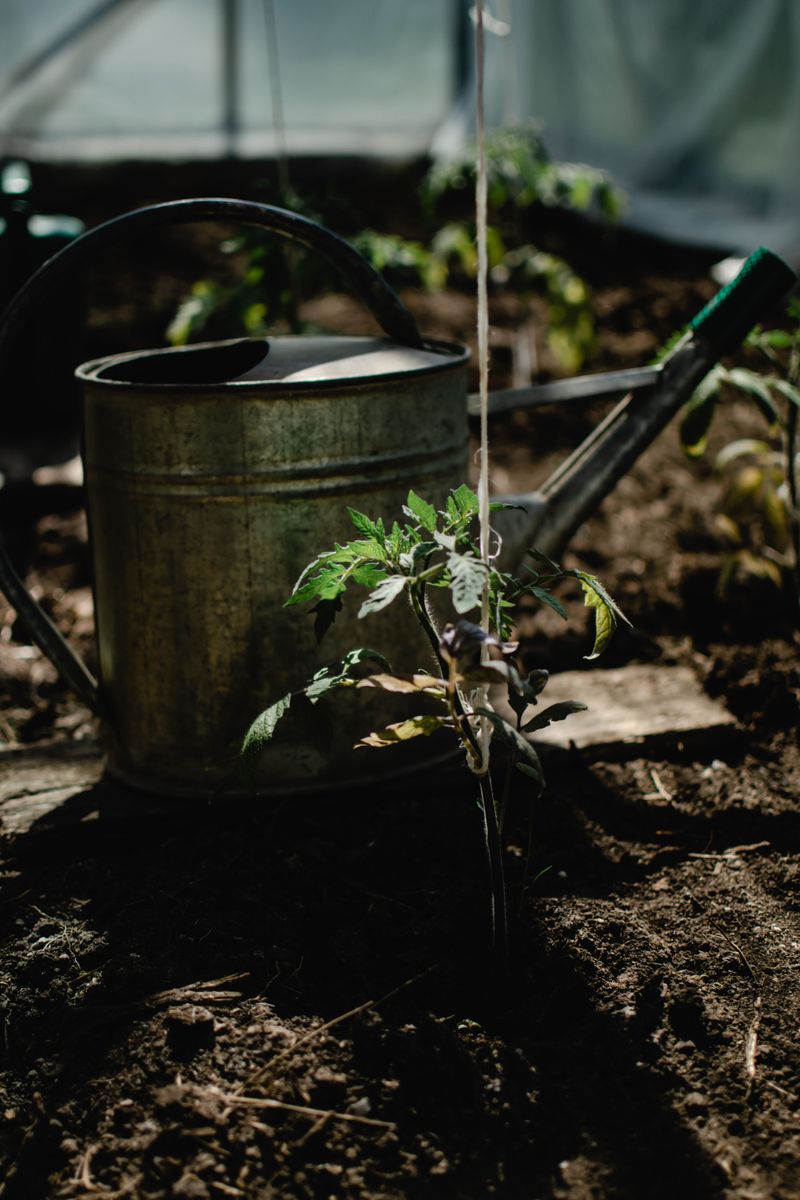
Early picking solves a lot of problems, but it works even better when paired with steady watering habits. Keeping soil moisture consistent between rain events reduces the shock your plants feel when a storm hits.
When soil goes bone dry between waterings, the roots become almost desperate for moisture. A sudden storm then triggers a frantic, uncontrolled uptake of water through those stressed roots.
Watering deeply two to three times per week keeps the soil from swinging between extremes. Deep watering also encourages roots to grow further down, where moisture stays more stable.
Aim for about one to two inches of water per week total, counting rainfall. A simple rain gauge in the garden takes the guesswork out of knowing when to water.
Morning watering is best because it gives foliage time to dry before evening. Wet leaves overnight invite fungal problems that weaken your plants and make them more vulnerable overall.
Drip irrigation gives tomato growers precise, hands-off control. It delivers water directly to the root zone without wetting the leaves at all.
Soaker hoses are a budget-friendly alternative that work just as well for most home gardens. Lay them along the base of your plants and connect them to a timer for hands-free consistency.
Steady soil moisture is the foundation that makes every other habit work better. Without it, even the best harvest timing cannot fully protect your crop from storm-related splitting.
Mulch Helps Steady Soil Moisture Too
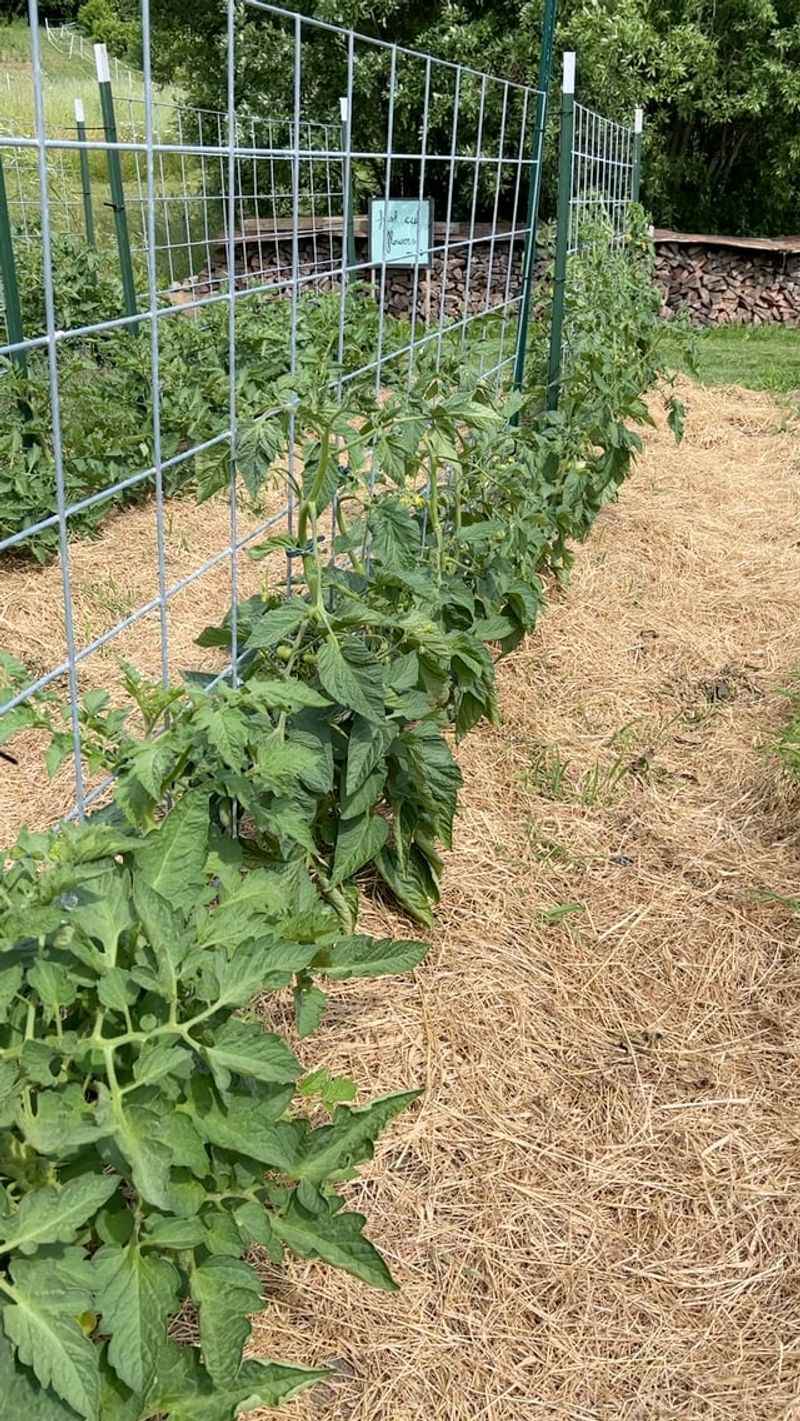
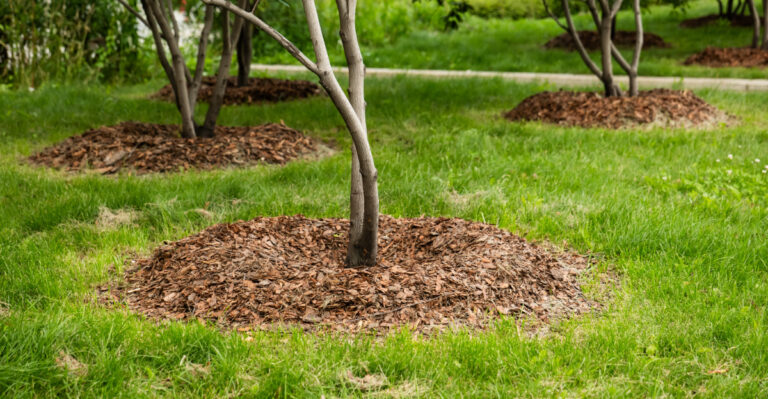
Straw mulch around your tomato plants is one of the easiest wins in the garden. A two-to-three-inch layer acts like a buffer between the soil and whatever the sky throws at it.
Mulch slows evaporation during hot, dry stretches so the soil stays moist longer. When a storm does arrive, it also slows how fast rainwater soaks into the ground.
That slower absorption gives the roots time to take in water at a more controlled pace. The result is less of that sudden pressure spike that causes fruit to crack and split.
Straw is the most popular choice among Pennsylvania gardeners for good reason. It is affordable, easy to apply, and breaks down over the season to add organic matter to the soil.
Wood chip mulch is another solid option, especially for gardeners who want something longer-lasting. Just keep it a few inches away from the main stem to prevent rot at the base.
Grass clippings can work in a pinch, but apply them in thin layers so they do not mat down and block airflow. A matted layer creates a soggy barrier that holds too much moisture against the stem.
Reapply mulch mid-season if it starts to thin out from rain and foot traffic. Keeping that protective layer intact all summer long pays off in fewer cracked tomatoes and healthier plants overall.
Protecting your harvest is a full system, and mulch is a key piece of that puzzle. Small habits stack up into big results by the end of harvest season.