These Are The Arizona Blooms That Fill A Yard Without Constant Watering
Arizona summer can make a colorful yard feel like an expensive dare.
By July, gravel throws heat back at the house. Walls radiate warmth long after sunset. The hose starts looking less like a garden tool and more like a second job.
Then one yard down the street is still blooming.
No daily soaking. No frantic rescue routine. Just flowers holding their color while the thermometer keeps climbing.
So what are those gardeners planting?
The answer is not a collection of miracle plants. Every new transplant needs regular water while roots settle in.
The real advantage comes later, when certain bloomers can handle longer dry stretches without losing their entire summer show.
Location still matters across Arizona. Phoenix heat is not Prescott weather, and Flagstaff follows a very different calendar.
Choose the right plant for your elevation, light, and soil, though, and summer color becomes much easier to keep.
A full yard does not have to mean a full-time watering schedule.
Some flowers are built for a lighter touch, too.
1. Plant Moss Rose For Hot Dry Color
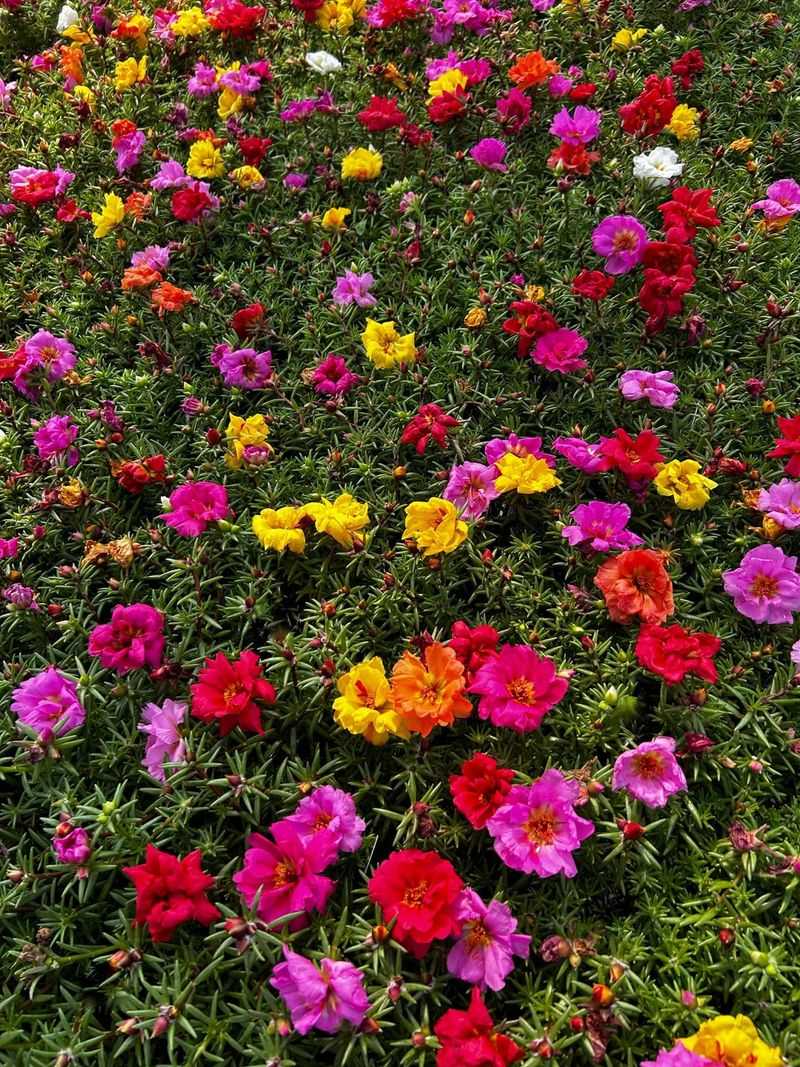
Moss rose looks almost suspiciously cheerful in places that make other flowers wilt.
Portulaca grandiflora loves full sun, fast drainage, and the kind of reflected heat that bounces off gravel and stucco walls in Arizona.
Its low, spreading growth fills edges with pink, orange, red, yellow, and white flowers without demanding constant irrigation once established.
Start new plants with regular water for the first few weeks. That early moisture helps roots settle before the long dry stretches begin. After establishment, let the soil dry between waterings.
Drainage matters more than rich soil here. Sandy or gravelly ground suits moss rose well. Heavy clay that stays wet can cause trouble, so raised beds or improved drainage make a better home.
The flowers open widest in bright sun and often close at night or during cloudy weather. That little routine is normal. The plant is not sulking. It simply keeps office hours.
Containers work beautifully too, especially on sunny patios where other annuals need frequent attention. Use a pot with a drainage hole and avoid leaving water trapped around the roots.
Moss rose can also reseed lightly in some gardens, giving you a few volunteer plants the following season.
For low-desert yards, this is summer color with very little drama.
The thermometer can keep showing off. Moss rose has flowers to open.
2. Grow Gaillardia Through Summer Heat
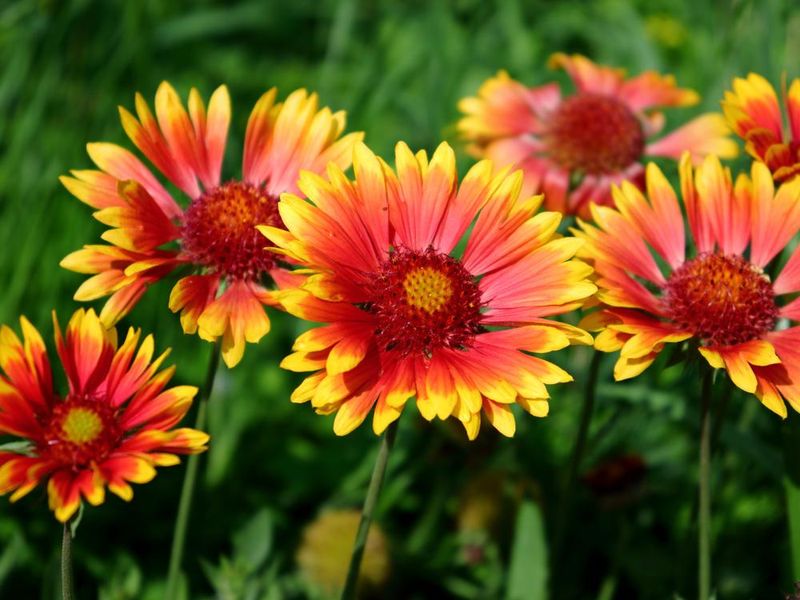
Blanket flower brings exactly the kind of color a dry Arizona bed needs.
Gaillardia x grandiflora produces bold red, orange, and yellow blooms that look almost painted onto the plant. The flowers stand out against gravel, stone, and pale walls, and pollinators tend to notice them quickly too.
Full sun suits this plant best. Give it well-drained soil and regular water through the first growing season while roots establish. After that, irrigation can become deeper and less frequent.
Clay that holds water creates more problems than summer heat. A raised bed, slope, or amended planting area can help keep the crown from sitting wet.
Your Arizona Garden Changes Every Week. Your Plan Should Too.
Gardening in Arizona changes quickly throughout the season. Every Friday you’ll receive a simple weekly plan showing exactly what to plant, prune, fertilize, harvest, and protect so you never miss the right timing.
Blooming often runs from late spring into fall in lower elevations. Snip off spent flowers to encourage more buds instead of letting every stem head straight to seed.
By midsummer, the plant may start looking a little tired around the edges. Cut it back by roughly one-third and fresh growth can follow as conditions shift later in the season.
Bees and butterflies visit often, so one patch can add movement along with color.
Higher-elevation gardeners may see a shorter season or a shorter-lived plant, especially where winters turn colder.
Blanket flower does not need daily pampering to make a statement.
It brings its own sunset palette, then keeps using it long after many summer flowers have clocked out.
3. Use Autumn Sage For Repeat Blooms
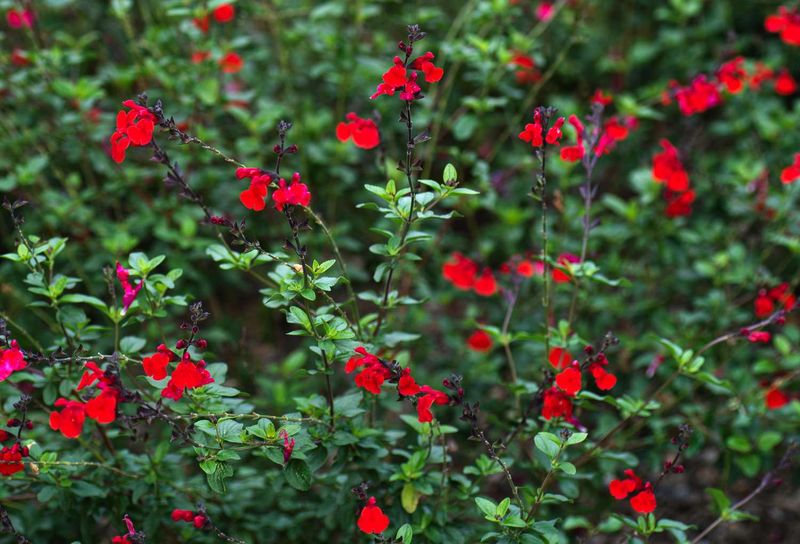
Autumn sage knows how to take a break without leaving the garden boring.
Salvia greggii often flowers strongly in spring, eases off during the harshest summer stretch, then returns with another round as temperatures become friendlier. Red, pink, coral, and white forms give Arizona gardeners plenty of color choices.
Hummingbirds tend to find the tubular flowers quickly. Bees and butterflies visit too, which makes the shrub useful beyond its drought tolerance.
Give autumn sage full sun and soil that drains well. New plants need regular irrigation through their first growing season. Once the root system develops, deep, occasional watering usually suits the plant much better than frequent shallow drinks.
Soggy soil is the real troublemaker. Avoid low spots where irrigation or monsoon water sits around the crown.
A light trim after a bloom cycle can encourage branching and fresh flowers. Keep the pruning modest instead of turning the plant into a tiny green ball.
Autumn sage works well in Phoenix and Tucson, and it can suit parts of Prescott too. Colder locations need more care with winter exposure and frost.
This plant also brings a softer look to rock-heavy landscapes. The fine leaves and loose flower stems break up all that gravel and stone without demanding a lush irrigation schedule.
It saves water, feeds pollinators, and still finds time for an encore.
That is a pretty efficient summer performer.
4. Add Bulbine For Low Water Flowers
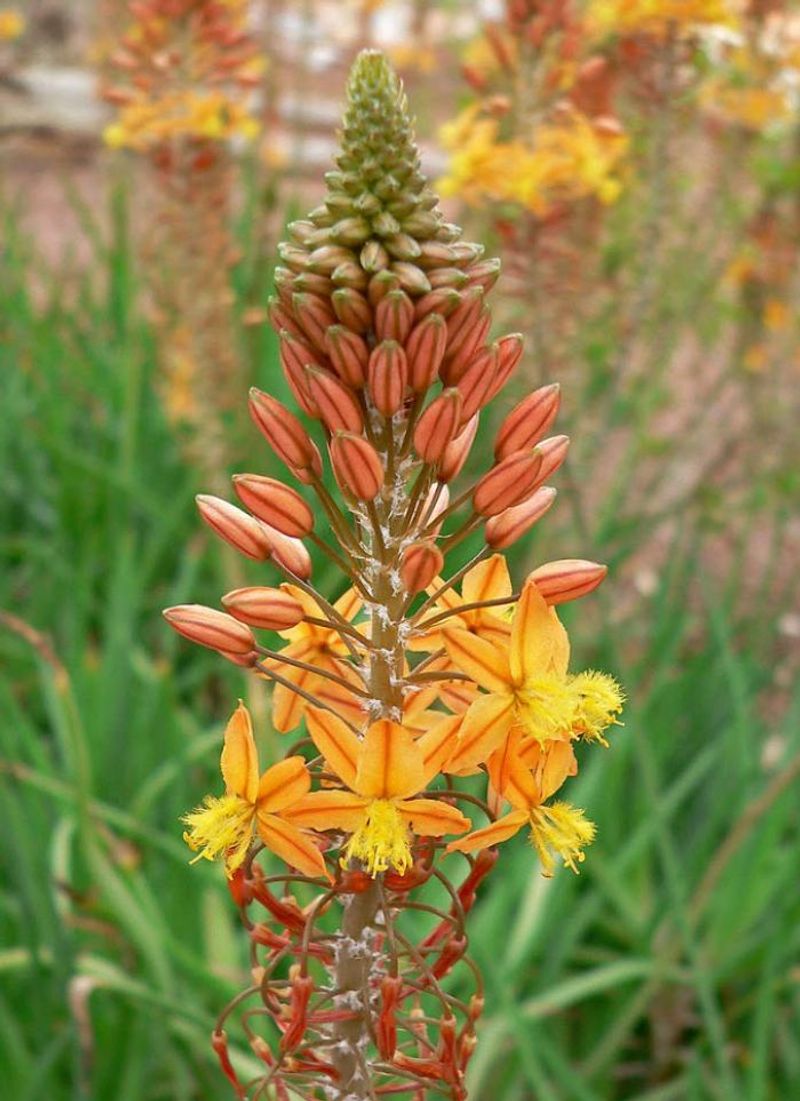
Bulbine brings flowers to the low desert without asking the irrigation system to work overtime.
Bulbine frutescens produces narrow, fleshy leaves and cheerful spikes of orange or yellow flowers. The plant stores moisture in its succulent foliage, which helps it handle dry Arizona conditions once the roots settle in.
Full sun and fast drainage keep it happiest. Water new transplants regularly during establishment, then reduce irrigation and let the soil dry between deeper drinks.
Too much water causes more trouble than too little after establishment. Heavy, wet soil can lead to root problems, so a raised bed or gravelly planting area often suits bulbine better than a low clay pocket.
The tidy shape works nicely along paths, sunny borders, and rock gardens. Containers are another good option, especially in spots where drainage is easier to control.
Flowers can appear from late winter through spring and return again in fall, giving the yard color on both sides of the harshest summer stretch. Bees often stop by while the spikes are open.
Cold is the bigger limitation. Bulbine fits Phoenix, Tucson, and similar low-desert areas much better than Prescott or Flagstaff. Hard freezes can cause serious damage.
That regional difference is worth respecting before planting.
In the right Arizona yard, though, bulbine keeps things wonderfully simple.
Give it sun, drainage, and breathing room. The flowers handle the decorating.
5. Let Gaura Float Above Dry Beds
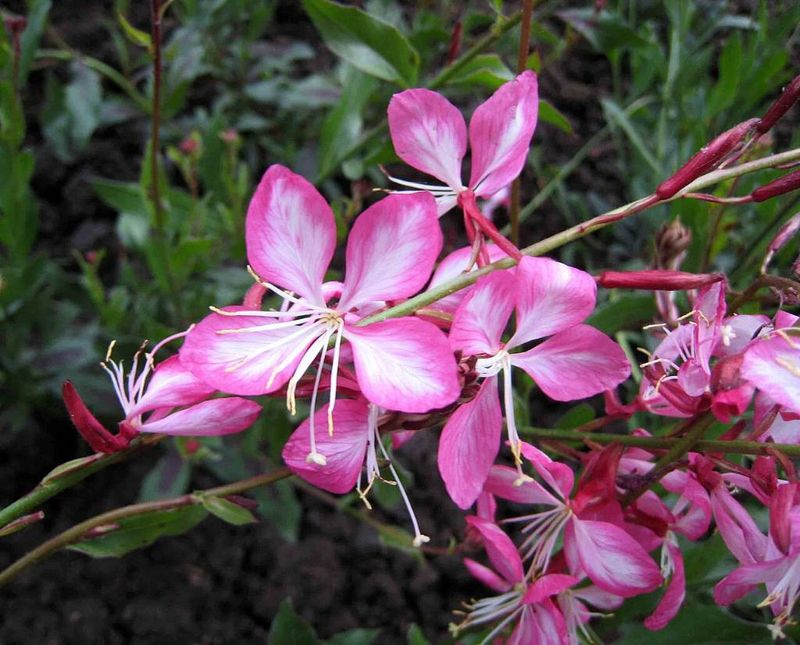
Gaura makes a dry garden look lighter without making the water bill heavier.
Oenothera lindheimeri, still widely known by its old name Gaura lindheimeri, sends up thin stems covered with small white or pink flowers. A breeze moves the stems constantly, so the whole plant seems to flutter above gravel and stone.
That airy shape is useful in Arizona landscapes filled with heavier shrubs and architectural succulents. It adds motion without becoming bulky.
Full sun and sharp drainage are the starting points. Water regularly through the first growing season so roots establish well. After that, deeper and less frequent irrigation usually works better.
The crown dislikes staying wet. Sandy soil or amended loam tends to suit the plant better than dense clay that holds water around the base.
Cut back spent flower stems when the plant starts looking ragged. A harder trim in late winter can encourage fresh spring growth and keep the clump from becoming overly woody.
Low-desert gardens can often treat gaura as a perennial. Prescott may also support it, though plants can be shorter lived. Colder, higher locations may get a briefer season.
Pollinators appreciate the long bloom period too.
This is not the plant for a stiff, perfectly clipped border.
Let the stems sway, let the flowers hover, and let the breeze do some of the landscaping for free.
6. Plant Verbena Along Sunny Edges
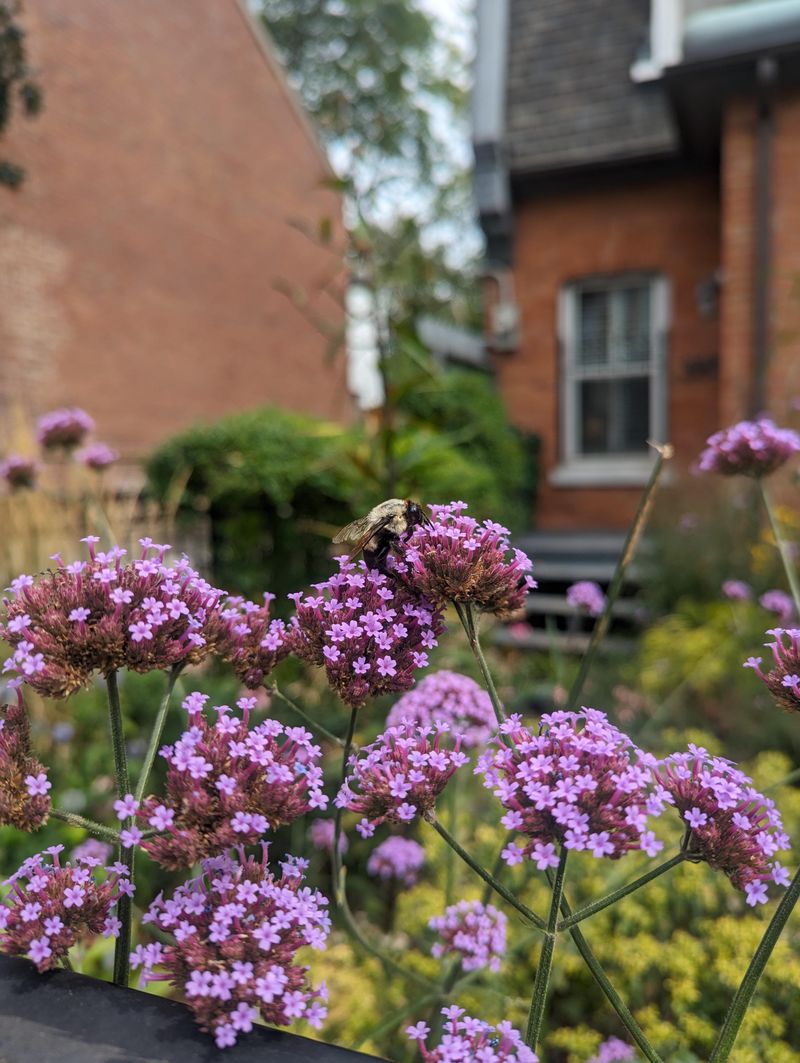
Verbena is very good at making an empty gravel edge look intentional.
Heat-adapted perennial types spread low across sunny ground and produce clusters of purple, pink, or lavender flowers.
Verbena gooddingii is especially at home in the Sonoran Desert, which gives low-desert gardeners a native option for tough, exposed sites.
Plant verbena in full sun with soil that drains quickly. Sandy or gravelly ground works well. Avoid low pockets where water collects after irrigation or monsoon storms.
New plants need consistent moisture while roots establish. Once settled, deeper and less frequent watering can keep them productive without turning the border into a thirsty project.
After a heavy flush of flowers, trim the plant back by about one-third. That little haircut keeps the center from becoming woody and encourages another round of fresh stems.
Butterflies tend to approve of the flowers too, so the border gets movement along with color.
Cold tolerance varies by species. Phoenix and Tucson gardeners have several perennial choices, while higher-elevation gardeners should match the exact verbena to local winter conditions.
Seasonal annual forms can fill the gap where perennial types struggle.
This plant is especially useful beside rocks, paths, and open sunny edges where taller flowers would feel awkward.
Verbena does not need to tower over the garden to get noticed.
It simply spreads out, blooms hard, and makes bare gravel look like somebody planned it that way.
7. Use Salvia For Heat Ready Color
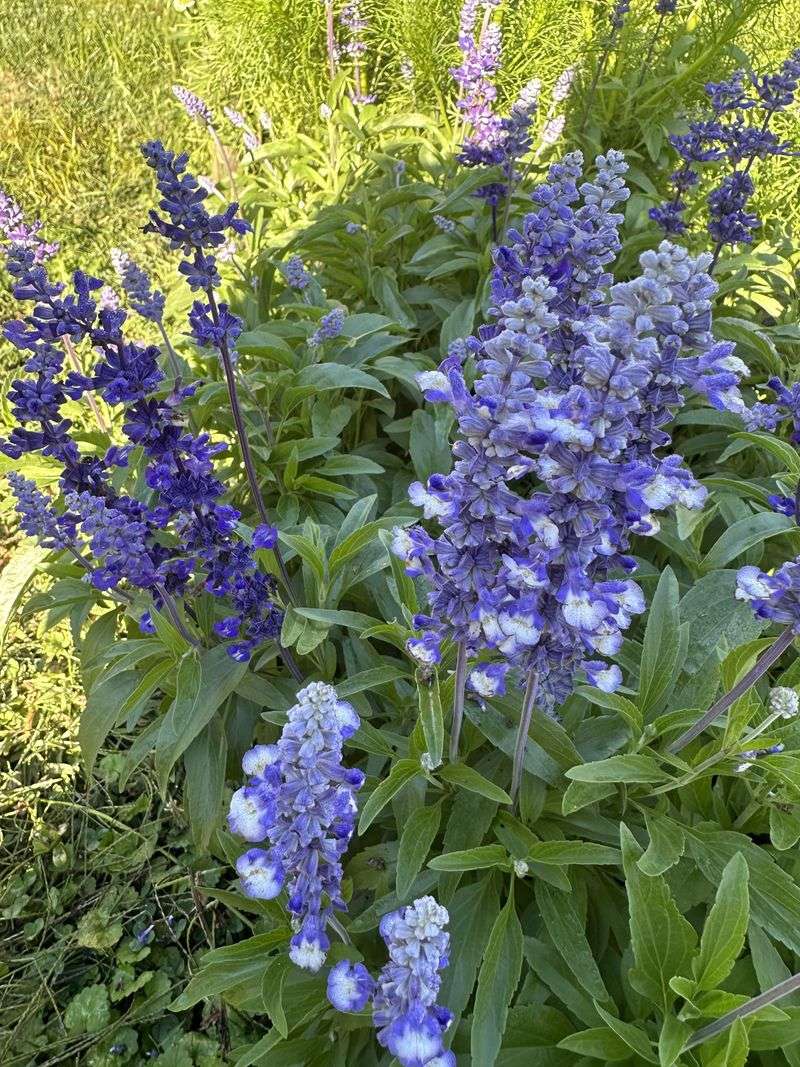
Mealycup sage gives Arizona gardeners a color that desert landscapes do not always get enough of.
Salvia farinacea sends up blue to purple flower spikes from late spring into fall, creating a cool contrast against tan gravel, pale walls, and sun-baked stone. Bees and butterflies usually notice the flowers just as quickly as people do.
Full sun suits this salvia well. It handles reflected heat better than many softer flowering plants, especially once the roots are established.
Water new transplants consistently through their first growing season. Later, shift toward deeper, less frequent irrigation and let the soil dry somewhat between waterings.
Good drainage still matters. A constantly soggy root zone can undo all that heat tolerance very quickly.
Deadhead faded flower spikes to keep the plant producing instead of sending all its energy into seed. A tired-looking plant can also take a midsummer trim.
Cutting it back by about half may encourage fresh growth and another strong show once temperatures ease.
In Phoenix and Tucson, mealycup sage can have a long flowering season. Prescott gardeners can enjoy it as summer color, while Flagstaff’s shorter season gives it less time to perform.
The flowers bring a surprisingly lush look without lush water demands.
That blue-purple color also does something useful for all the beige around it.
Arizona already supplies plenty of tan. Mealycup sage volunteers for the opposite shift.
8. Grow Madagascar Periwinkle In Hot Spots
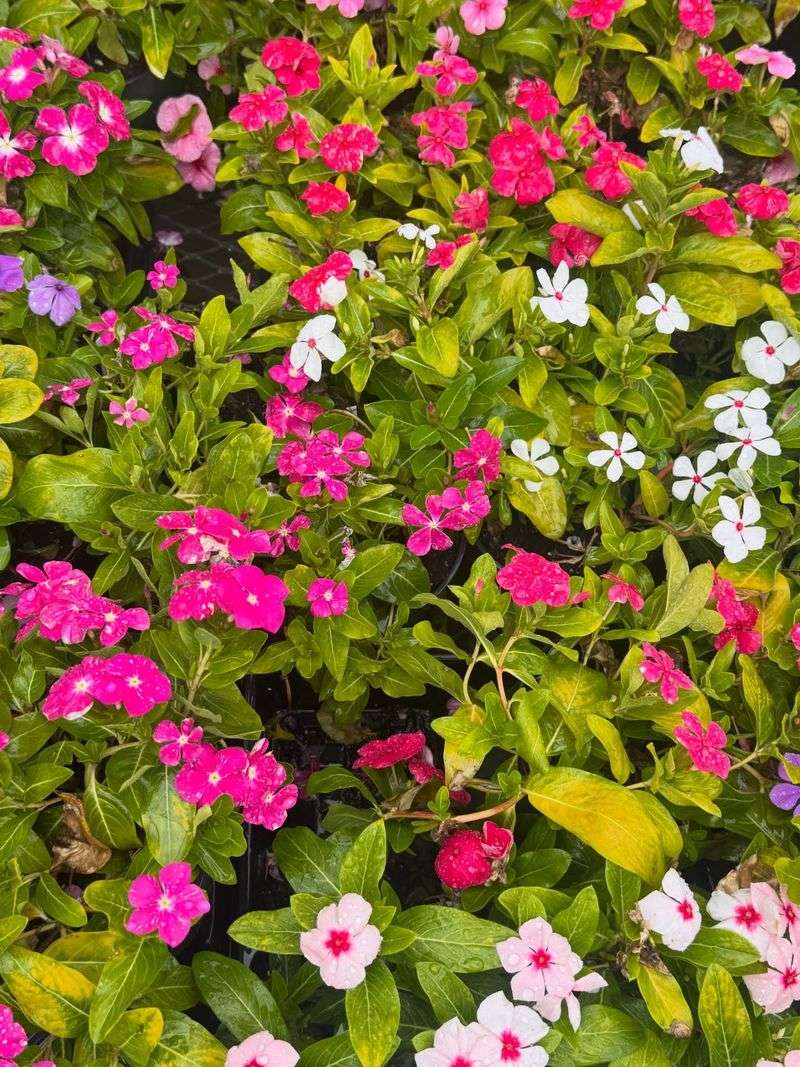
Madagascar periwinkle seems to enjoy the part of summer that sends many flowers into hiding.
Catharanthus roseus produces glossy green foliage and flat blooms in pink, red, white, and lavender. In Phoenix and Tucson, it can keep flowering through intense summer heat when plenty of softer annuals start looking worn out.
Give it full sun and excellent drainage. This plant tolerates heat much better than soggy soil, so avoid heavy ground that stays wet after irrigation.
Water young transplants regularly while roots establish. Once plants settle in, pull back and let the soil dry between watering cycles.
Keep water near the base rather than spraying the foliage repeatedly. Wet plants and poorly drained soil can encourage disease, including phytophthora problems that can ruin a planting quickly.
Madagascar periwinkle is a warm-season annual and has little tolerance for frost. Low-desert gardeners get the longest run, often from spring through fall.
Prescott and other higher locations can still enjoy it during the warmer part of the year, but the season ends sooner.
Use it in borders, containers, or hot reflected-light areas where ordinary annual color needs constant rescue.
The flowers stay neat, the foliage stays glossy, and the plant rarely asks for a dramatic watering routine.
That brutal sunny corner finally gets something besides gravel.
Madagascar periwinkle shows up dressed for the heat and keeps the color going.