Is It Legal For A Tennessee Neighbor To Cut Tree Roots Crossing The Property Line?
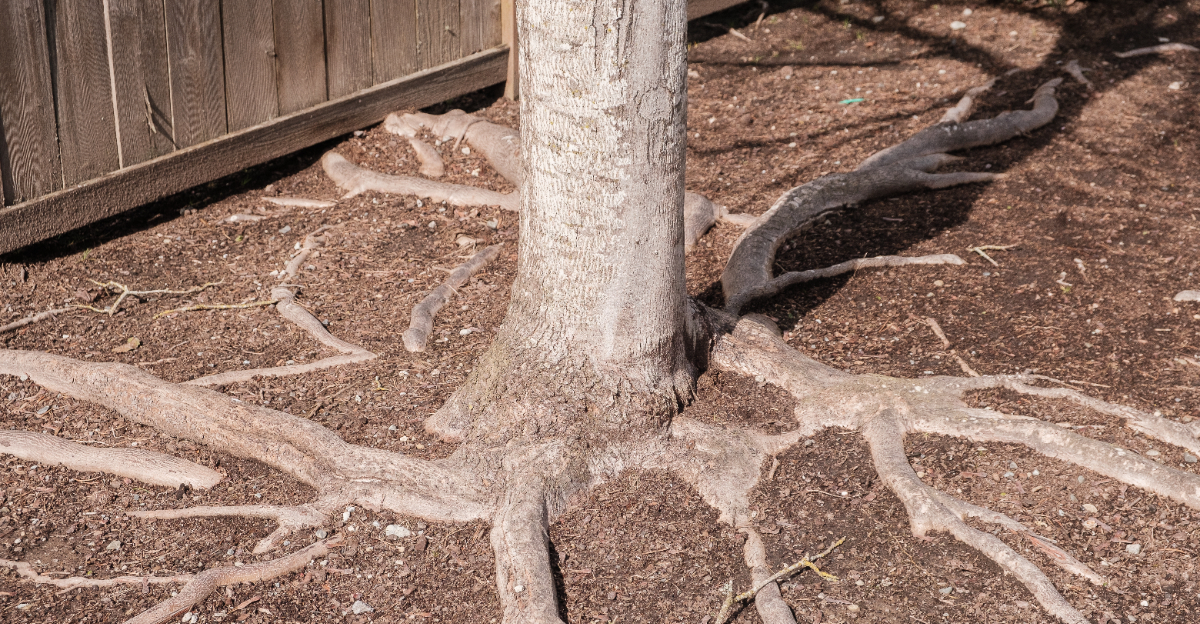
A neighbor’s oak doesn’t care where your fence sits. Its roots stretch, split, and shove their way into soil that isn’t theirs, cracking driveways and heaving sidewalks along the way.
That kind of quiet invasion can turn friendly neighbors into courtroom opponents fast. A cracked patio or a clogged sewer line is annoying. A lawsuit over it is worse.
Tennessee has specific rules about who owns the problem when roots cross a property line, and the answer isn’t as simple as “cut it down.” State law draws some surprisingly firm boundaries here.
Before you grab a shovel or call a lawyer, it pays to see exactly where those boundaries sit. Your rights, and your responsibilities, might not be what you expect.
What State Law Actually Says About Boundary Disputes
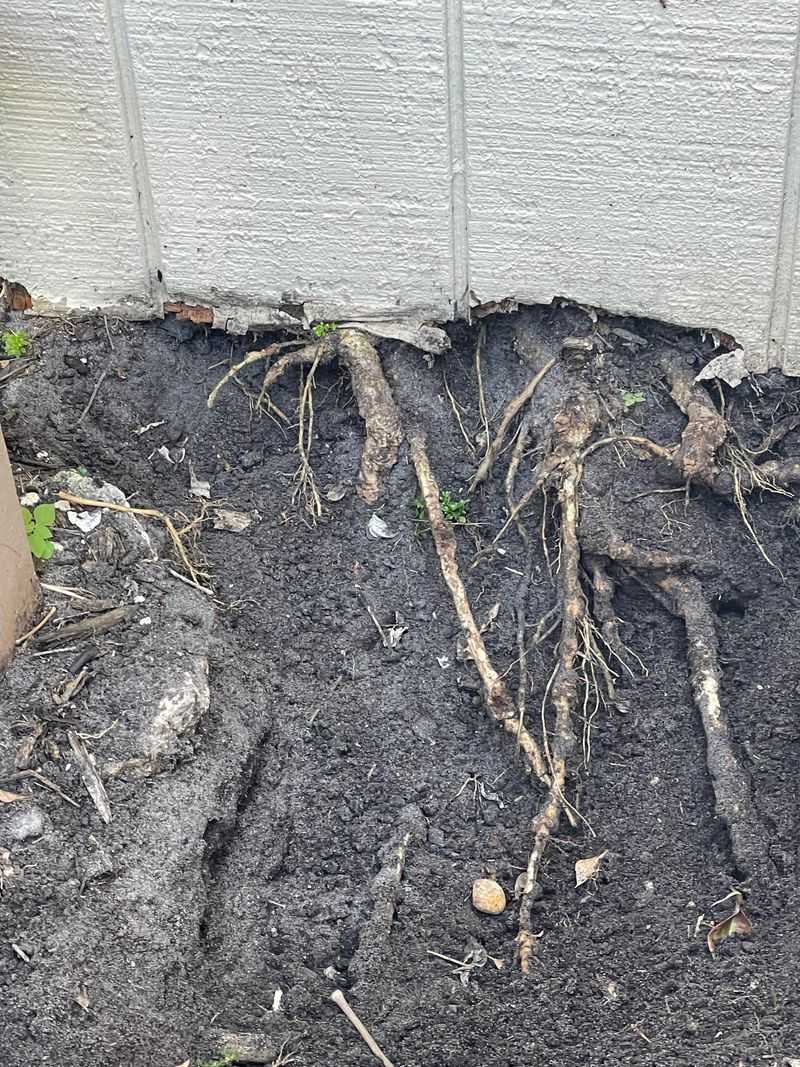
Tennessee follows a legal concept called the “Massachusetts Rule” in many boundary tree cases. Under this rule, a property owner has the right to cut roots or branches that cross onto their land.
The law gives you that self-help remedy without needing court approval. However, this right is not unlimited.
You can only cut up to the property line, not beyond it. Going further could expose you to a lawsuit for tree damage.
Courts in the state have also shifted toward a “Hawaii Rule” in some cases. That newer standard says a neighbor must prove actual harm before cutting. Nuisance alone may not be enough to justify action.
The key legal term here is “encroachment.” Encroachment means the roots or branches physically invade your property. Proving encroachment is usually step one in any property line dispute.
Cutting roots that cross the property line is legal in Tennessee, but only when done reasonably. Unreasonable cutting that severely harms the tree can lead to liability.
A neighbor who causes serious damage may owe the tree owner compensation. State statutes also recognize timber trespass laws.
These apply when someone intentionally damages another person’s trees. Penalties can include paying triple the tree’s value as damages.
The law protects you on both sides of the fence once you’re familiar with it. You gain confidence knowing your rights, and you avoid costly mistakes.
Smart homeowners always check local ordinances too, since city rules can add extra layers to state law.
The Difference Between Trimming And Damaging A Tree
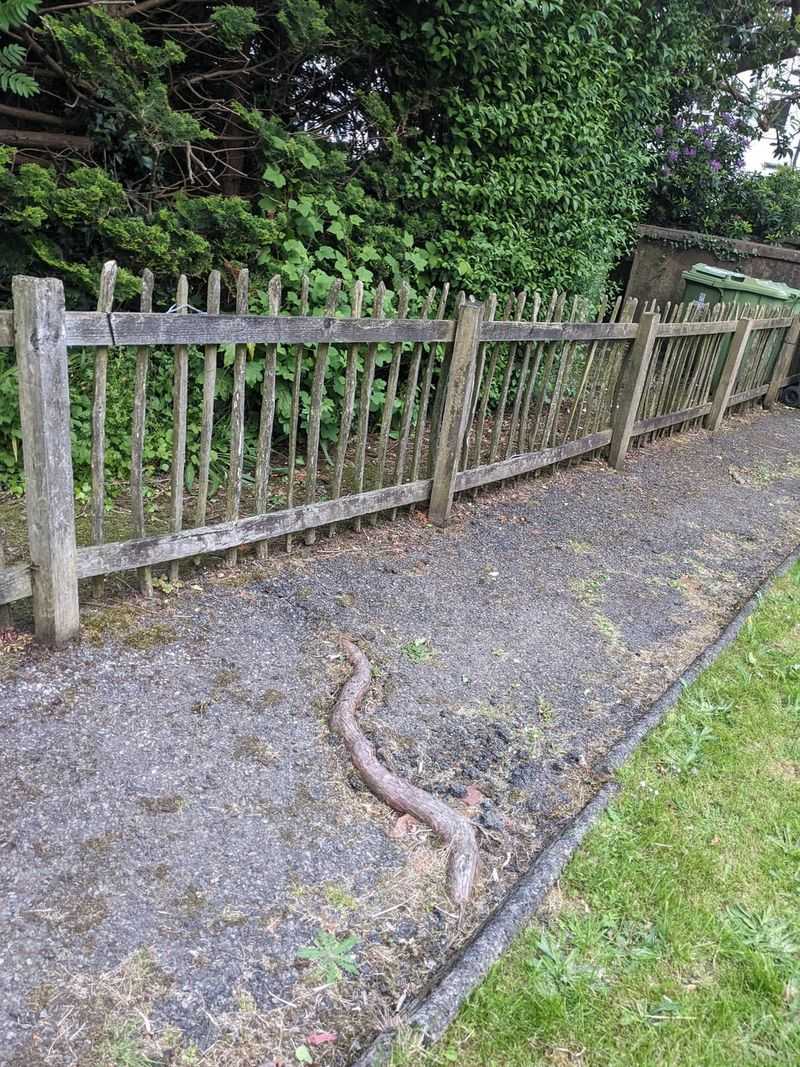
Not all root cutting is created equal, and that distinction matters a lot legally. Trimming means carefully removing roots up to the property line without harming the tree’s overall health.
Damaging means cutting so aggressively that the tree loses its ability to survive or becomes structurally unstable. Courts look at intent and outcome when judging these situations.
A clean cut at the property boundary is generally acceptable. A reckless hack job that topples a 50-year-old oak is a different story entirely.
Tree experts say that cutting more than 20 to 25 percent of a tree’s root system can be fatal. Roots anchor the tree and pull up water and nutrients. Removing too many roots weakens the whole structure above ground.
Your Tennessee Garden Changes Every Week. Your Plan Should Too.
Gardening in Tennessee changes quickly throughout the season. Every Friday you’ll receive a simple weekly plan showing exactly what to plant, prune, fertilize, harvest, and protect so you never miss the right timing.
A neighbor who trims carefully and stays within bounds is usually protected. One who goes too deep or too wide risks legal trouble. The line between trimming and damaging is often decided by an arborist’s testimony in court.
Hiring a certified arborist before cutting is a smart protective move. They can assess how much root removal is safe. Their report can serve as evidence if a dispute goes to court.
Documentation matters more than most people realize. Take photos before and after any root cutting near your property line. Those images can be the difference between winning and losing a legal argument.
Respecting the tree while protecting your Tennessee yard is entirely possible. Careful, informed action keeps you legally safe and neighborly at the same time. A little knowledge goes a long way here.
Situations Where A Neighbor Can Take Action
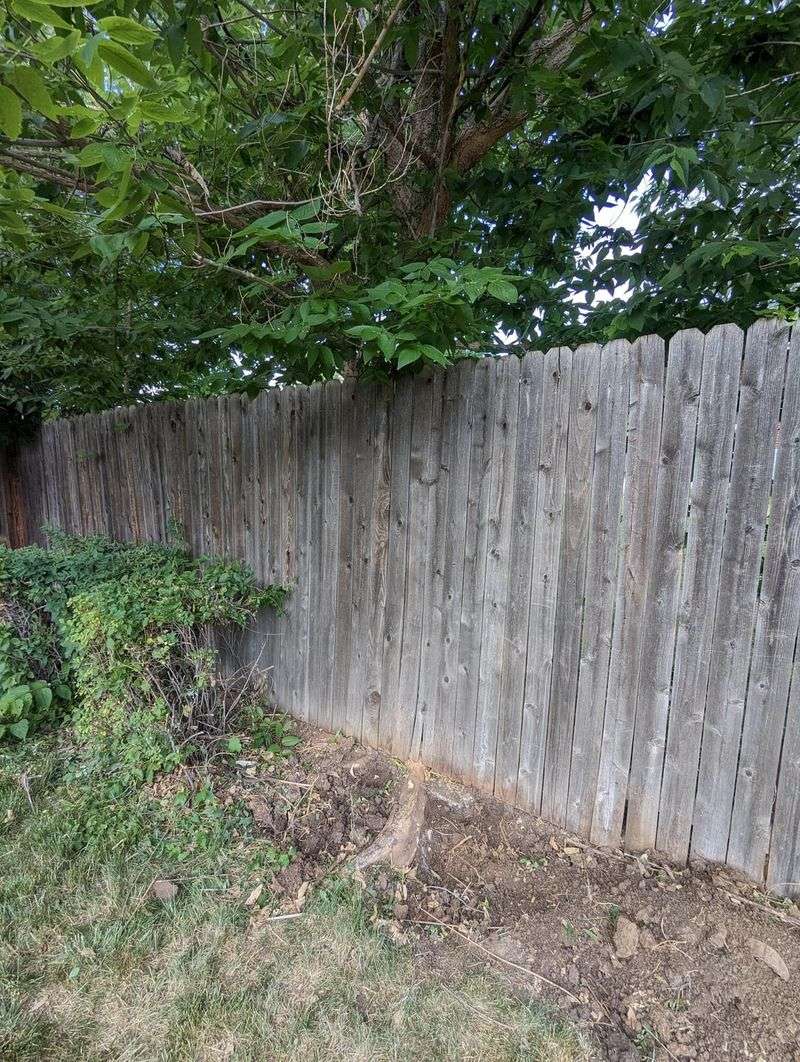
Some situations clearly give a neighbor the legal right to act. When roots crack a driveway, buckle a sidewalk, or damage a foundation, the harm is visible and documented.
Physical property damage is one of the strongest justifications for cutting encroaching roots. Roots invading sewer lines or water pipes are another serious concern.
Plumbers often find tree roots wrapped around underground pipes. That kind of damage can cost thousands of dollars to fix.
Garden beds and landscaping destroyed by invasive roots also qualify as legitimate harm. If a neighbor’s tree roots are strangling your flower beds, you have grounds to act.
Courts recognize economic loss tied to landscaping as real damage. Tripping hazards caused by raised roots on walkways are a safety issue.
If someone gets hurt on your property because of roots from a neighbor’s tree, liability can shift quickly. Acting to remove the hazard protects both your safety and your wallet.
Roots that destabilize a fence or retaining wall create structural problems. These are not just cosmetic issues. A collapsing wall or fence can injure people and lead to expensive repairs.
One situation that does not always justify cutting is aesthetic displeasure. Roots that simply look messy but cause no harm may not hold up in court. The standard is usually actual, provable damage, not personal preference.
Early action is typically far less expensive than emergency response. Consulting an attorney before you cut roots in a disputed case is worth the time. Getting it right the first time beats dealing with a lawsuit later.
Steps To Take Before A Dispute Escalates
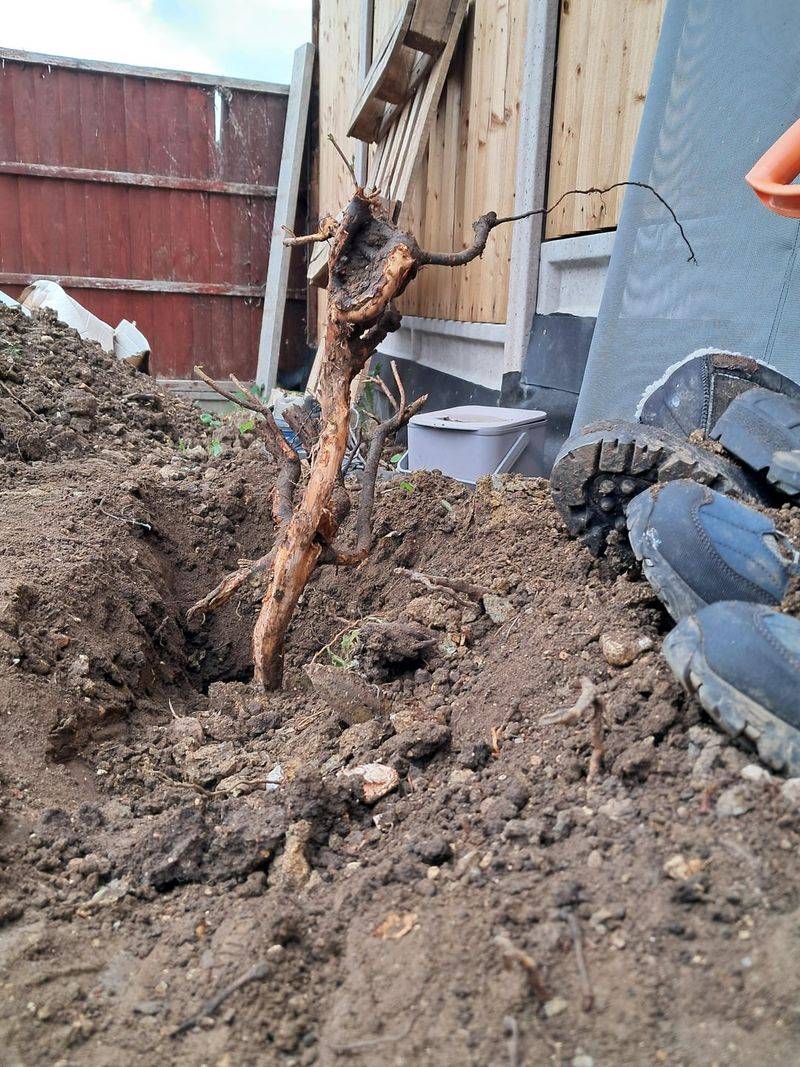
Before anyone grabs a chainsaw, a calm conversation can solve a lot. Most neighbor disputes about trees start with a misunderstanding, not a genuine conflict. Talking first is usually the cheapest and easiest option available.
Start by documenting the problem with clear photos and written notes. Record dates, locations, and any visible damage caused by the encroaching roots.
Good documentation gives you a strong foundation if the situation later requires legal action. Send a written notice to your neighbor if talking does not work.
A polite, factual letter explains the problem and requests a solution. Keep a copy of everything you send for your records.
Hiring a professional arborist to assess the situation adds credibility. Their written report can show whether the roots are truly causing harm. Neutral expert opinions often help both neighbors agree on a fair solution.
Mediation is a powerful tool that many people overlook. A trained mediator helps both sides communicate and reach a fair agreement. Mediation is faster, cheaper, and less stressful than going to court.
Check with your local Tennessee county code office before taking action. Some municipalities have specific ordinances about tree cutting near property lines. Ignoring local rules can create legal problems even if state law supports you.
Acting early prevents small problems from becoming expensive ones. A cracked sidewalk fixed today costs far less than a damaged foundation repaired next year. Protecting your property line dispute rights starts with being proactive, not reactive.
Protecting Your Tree From Root Damage
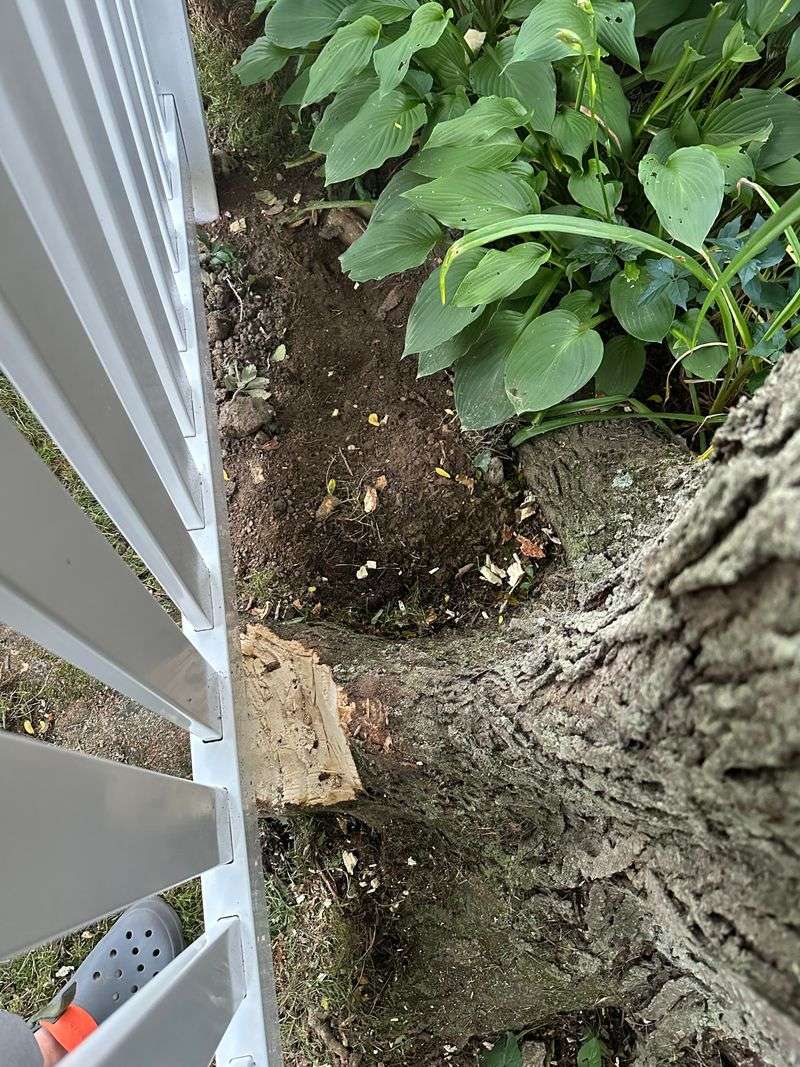
If you own the tree, knowing how to protect it matters just as much. A neighbor has the legal right to cut roots up to your property line, so awareness is your best defense.
That right is worth keeping in mind as you plan ahead before damage happens. Root barriers are one of the most effective protective tools available.
These physical barriers are buried underground along property lines. They redirect root growth away from neighboring land without harming the tree.
Choosing the right tree species for your yard reduces future conflicts. Deep-rooted trees like oaks can spread far underground. Selecting smaller or more contained species near boundaries prevents problems before they start.
Regular tree health assessments by a certified arborist are worth the investment. An expert can spot early signs of root spread and recommend solutions. Early action is typically far less expensive than emergency response.
Watering your tree properly encourages roots to grow downward, not outward. Shallow watering forces roots to spread horizontally in search of moisture. Deep, infrequent watering trains roots to go deeper into the soil.
Mulching around the base of the tree also supports healthy root development. A thick layer of mulch retains moisture and moderates soil temperature. Healthy trees are less likely to send desperate roots seeking resources elsewhere.
Communication with your neighbor about your tree is a proactive step. Letting them know you are managing the tree responsibly builds trust. A good relationship with your neighbor is often the best protection your tree can have.
Resolving Property Line Issues Peacefully
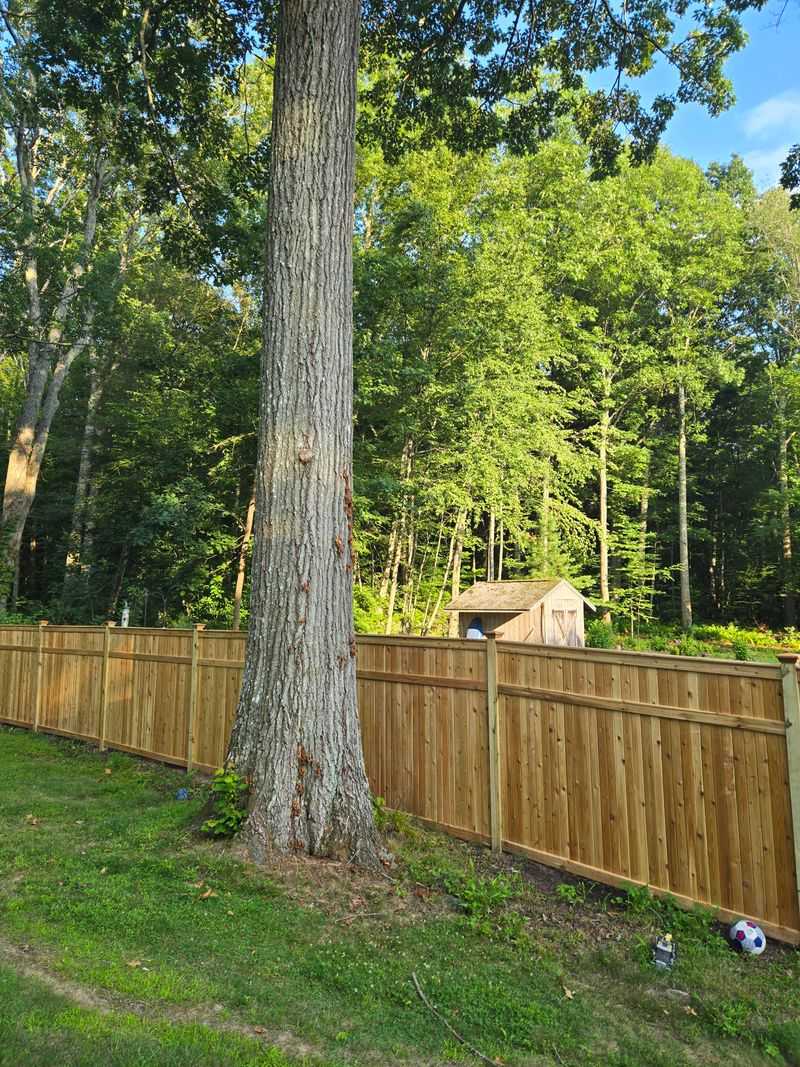
Peaceful resolution is almost always the best outcome for everyone involved. Legal battles over trees can drag on for months and cost far more than the original damage. A handshake agreement is often faster and cheaper than a courtroom.
Start by approaching your neighbor with empathy, not accusations. Frame the conversation around shared goals like safety, beauty, and property value. People respond better when they feel respected rather than attacked.
Agreeing to share the cost of a professional arborist is a fair compromise. Both sides benefit from expert advice, and splitting the bill feels equitable. A shared investment in a solution often leads to a shared commitment to follow through.
Written agreements between neighbors hold real weight. Even a simple signed letter outlining what both parties agreed to is valuable. Should problems arise later, that document protects both sides equally.
Local community mediation centers in Tennessee offer free or low-cost services. These programs exist specifically to help neighbors resolve disputes without court. Many people are surprised by how effective a single mediation session can be.
If legal action becomes unavoidable, consult a property attorney before filing anything. An attorney can clarify whether your case is strong enough to pursue. Going to court without legal guidance is a gamble most people cannot afford.
Resolving a property line dispute over tree roots crossing the boundary does not have to strain a friendship. With the right approach, both neighbors can walk away satisfied.