What It Really Means When Zucchini Sizes Up Overnight In A Tennessee Garden
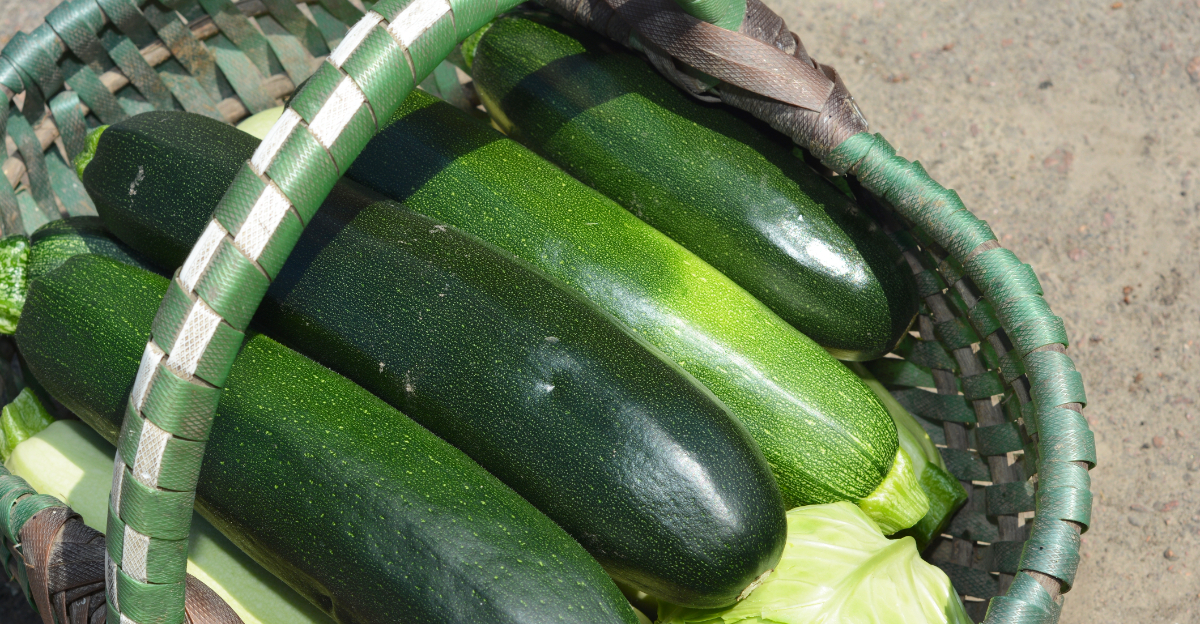
You’ve probably seen it happen before your own eyes, and it never stops surprising you. Overnight, that tiny zucchini grows into something far larger than expected.
Credit heat, humidity, and roots working nonstop beneath your soil day and night. Tennessee summers trap thick moisture that pushes growth into high gear.
Warm nights keep your plant’s cells dividing long after sunset. Rain fills stems with water that swells fruit fast overnight.
Sunlight during long days speeds photosynthesis inside every leaf you grow. Nutrient-rich soil only accelerates what heat already started.
Waiting costs you the harvest window entirely. Vines stretch while stems thicken within a matter of hours.
Nothing about this process waits patiently for your permission. Pollination triggers fruit growth almost instantly under Tennessee heat.
Timing decides whether you harvest perfection or watch it spoil. Watching closely means catching zucchini before it outgrows you. You need to understand exactly why this keeps happening to you.
Zucchini Growth Is Exponential Not Linear
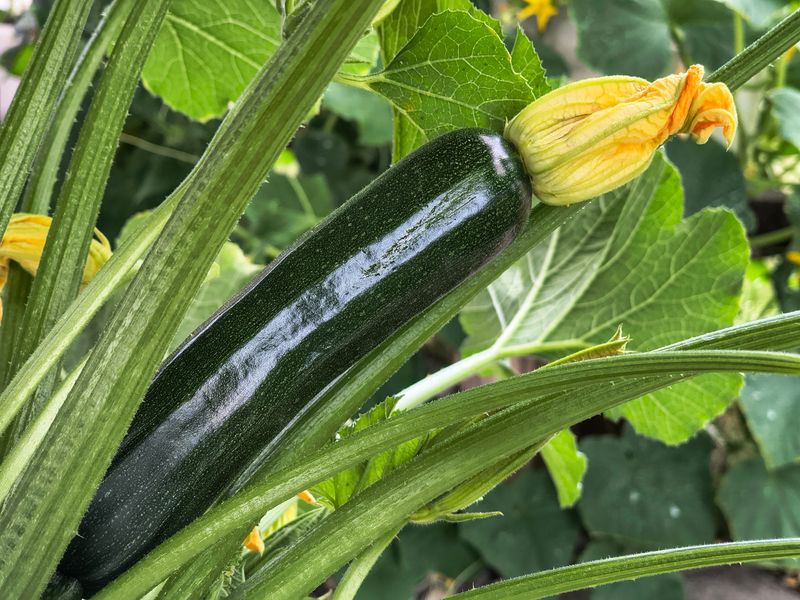
Most people expect vegetables to grow slowly and steadily. Zucchini defies that expectation. Growth in zucchini follows an exponential curve, not a slow climb.
Once the fruit sets and conditions align, size can increase dramatically within a day or two. Think of it like a snowball rolling downhill. The bigger it gets, the faster it grows.
Cells inside the zucchini are multiplying and expanding at the same time. Water rushes in, and the fruit swells fast from the inside out.
Young zucchinis under three inches long grow at a modest pace. But cross that threshold, and the growth rate shifts into a higher gear almost overnight.
Scientists call this sigmoid growth, a pattern where a slow start leads to rapid acceleration. Gardeners in Tennessee call it “the morning surprise.”
The fruit does not need much energy to keep expanding once it starts. Most of the fuel comes from water and the sugars your plant already stored.
This is why a single missed harvest day can leave you with a zucchini the size of a forearm. The plant is not broken; it is just doing exactly what it was designed to do.
Knowing this pattern means you can time your checks smarter. Catching zucchini early gives you tender, flavorful squash instead of a seedy, tough club.
Exponential growth is not a warning sign in Tennessee gardens. It is a feature, and once you respect it, you will never miss a good harvest again.
Tennessee Heat And Humidity Speed Up Growth
Tennessee summers are hot and humid, and zucchini thrives in those conditions. Warm soil temperatures between 70 and 95 degrees Fahrenheit push zucchini into its fastest growth phase. The South delivers those temps for months straight.
Humidity plays a huge role too. Moist air reduces the stress on plant leaves, letting the plant focus energy on fruit instead of survival.
When a plant is not fighting to stay hydrated, it redirects resources straight into the zucchini hanging below its leaves. That is where the overnight magic happens.
Your Tennessee Garden Changes Every Week. Your Plan Should Too.
Gardening in Tennessee changes quickly throughout the season. Every Friday you’ll receive a simple weekly plan showing exactly what to plant, prune, fertilize, harvest, and protect so you never miss the right timing.
Photosynthesis runs faster in warm temperatures, which means more sugar production during the day. All that extra fuel gets pumped into fruit growth once the sun goes down.
Night temperatures in much of Tennessee often stay above 65 degrees in summer. That keeps the plant metabolically active long after sunset, allowing growth to continue through the night.
In cooler climates, cold nights slow everything down. Southern gardeners do not get that natural brake on the system.
This is one reason zucchini in Tennessee’s climate may grow faster than in cooler regions. The climate here strongly supports rapid growth.
Experienced gardeners in the region often say that summer zucchini needs to be checked twice a day. Morning and evening visits to the patch are not excessive; they are just smart planning in this climate.
Heat and humidity are not your enemies here. They are the engine driving your best harvests all season long.
Hidden Fruit Under Leaves Goes Unnoticed
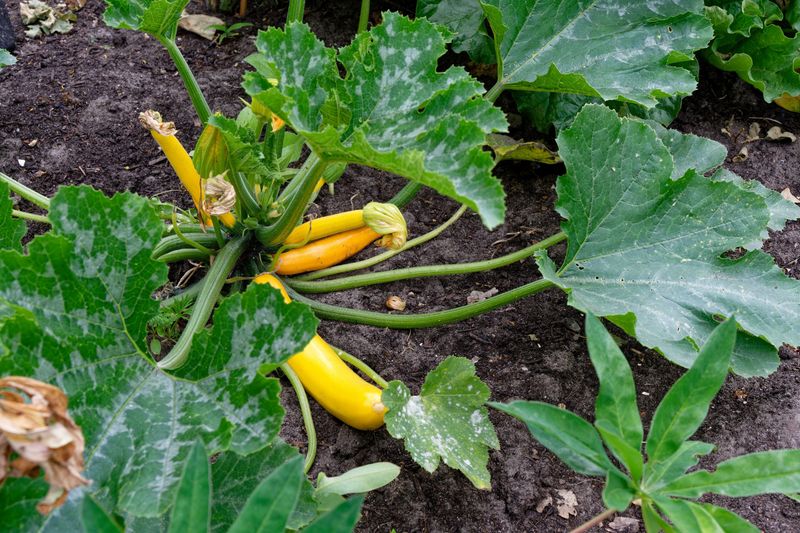
Zucchini plants often conceal their fruit. Their leaves can spread two feet wide, easily hiding fruit beneath a thick green canopy.
A zucchini tucked under leaves gets all the warmth and water it needs while staying completely out of sight. By the time you find it, it may already be enormous.
This is one of the most common reasons gardeners are shocked by size. The fruit was not small yesterday; you just did not see it yesterday.
Zucchini sets fruit close to the base of the plant, right where the largest leaves tend to droop and overlap. That spot is an area where fruit is easily overlooked.
New gardeners often check only the top of the plant where flowers are visible. Experienced growers know to crouch down and look underneath every single leaf cluster.
A flashlight can be surprisingly helpful during early morning checks. Shadows under those big leaves make it easy to miss a squash that has been growing for several days.
Once a hidden zucchini is discovered, it is often already past the ideal eating stage. Flesh becomes spongy and seeds grow large when the fruit is left too long.
Oversized zucchini is not a total loss, though. Many cooks use it for zucchini bread, fritters, or stuffed squash recipes where texture matters less.
The lesson here is to search, not just glance. Thorough checks under every leaf take two extra minutes but save an entire fruit from going to waste.
Hidden zucchini is a garden puzzle with an easy solution: get low, look deep, and never trust a tidy-looking plant.
Rain And Fertilizer Trigger Growth Spurts

A good rainstorm can significantly boost growth in your garden. Zucchini, in particular, responds to rain with almost instant enthusiasm.
Water is the main ingredient in cell expansion. When rain soaks the soil deeply, zucchini roots suck up moisture fast and push it straight into growing fruit.
Tennessee gets significant summer rainfall, often in intense afternoon storms. Those downpours deliver exactly the hydration boost that triggers rapid overnight size increases.
Fertilizer adds to that effect. Nitrogen encourages leafy growth, but phosphorus and potassium support fruit development in ways that can accelerate sizing dramatically.
Gardeners who apply a balanced fertilizer before a rainstorm often notice the biggest jumps in zucchini size. The rain carries nutrients deep into the root zone quickly.
Over-fertilizing with nitrogen, though, can reduce fruit production. Too much nitrogen pushes the plant toward leaves and away from fruit, slowing down the harvest you are waiting for.
A good rule of thumb is to fertilize lightly every two to three weeks during peak growing season. Consistency beats one heavy application every time.
Organic options like compost tea or fish emulsion release nutrients slowly and gently. These are great choices for gardeners who want steady growth without shocking the plant.
After a big rain event, check your zucchini the very next morning. You may find fruit that grew two or three inches overnight without any exaggeration at all.
Rain and fertilizer together support strong growth in your patch. Respect the combo, and your harvest will reward you all summer.
Why Overnight Growth Isn’t A Warning Sign

Finding a giant zucchini on your morning garden walk can feel alarming if you are new to growing squash. Relax, because it is completely normal.
Rapid overnight sizing is not a sign of disease, stress, or something wrong with your soil. It is simply what healthy zucchini plants do when conditions are right.
Some gardeners worry that fast growth means the fruit is losing nutritional value. Gardeners generally agree that younger, smaller zucchini is more tender, while larger ones remain nutritious and edible.
The plant is not rushing because it is struggling. It is rushing because it is thriving, and there is a big difference between those two things.
Zucchini has been bred over generations to produce large fruit quickly. A big fruit means more seeds, which supports more future plants across the growing season.
Your garden is not out of control when this happens. It is behaving exactly as expected for a healthy, thriving plant.
One thing to watch for is yellowing skin or a very hard outer shell. Those signs suggest the zucchini has gone past its prime and should be removed from the plant.
Leaving an overripe zucchini on the vine signals the plant to slow down fruit production. Removing it quickly tells the plant to keep making more, which extends your harvest season.
So when you find a surprise zucchini that seems to have appeared from nowhere, smile a little. Your Tennessee garden is healthy, productive, and doing its job beautifully.
Daily Checks Prevent Oversized Zucchini
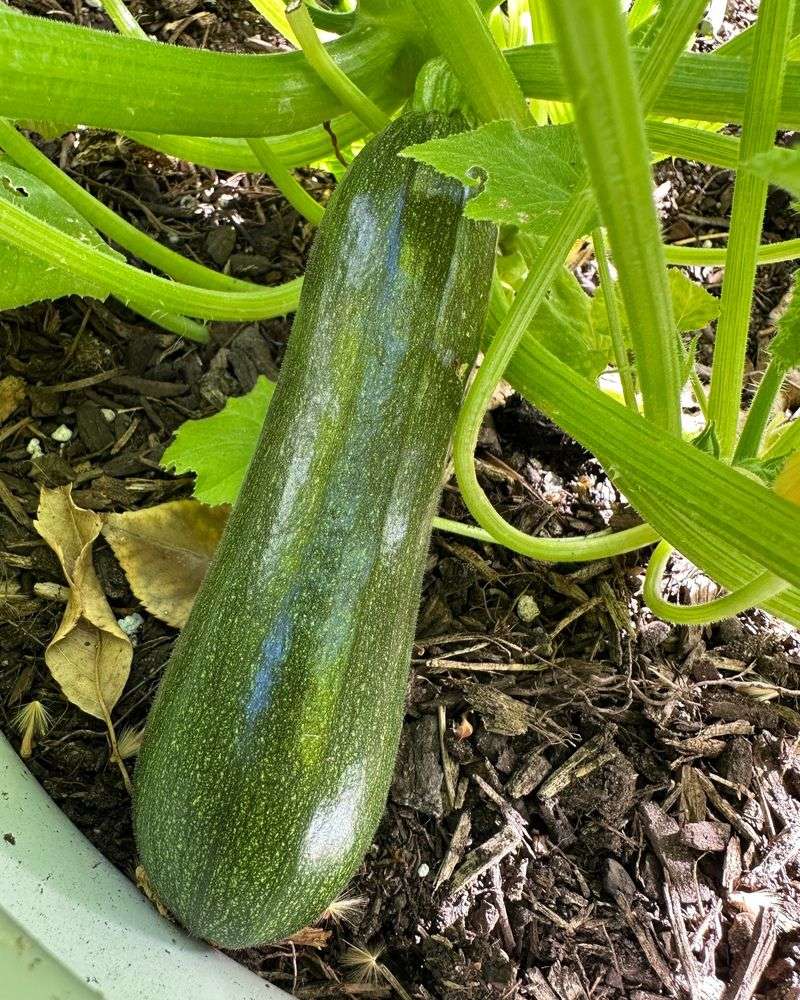
The single best tool for managing zucchini in a Tennessee garden is also the simplest one: showing up every day. Consistency beats any fertilizer or fancy trick.
Checking your plants daily allows you to catch zucchini at the ideal size, usually six to eight inches long. That is when flavor and texture are at their absolute best.
Set a morning routine that includes a quick walk through the garden before work or breakfast. Those five minutes will save you from discovering a baseball bat squash by accident.
Bring a small basket or bag with you each time. Harvesting on the spot means you never leave a ripe fruit behind because you planned to come back later.
Use a clean, sharp knife or garden scissors to cut zucchini from the vine. Twisting or pulling can damage the stem and create entry points for bacteria.
Mark your calendar or set a phone reminder if you tend to forget. Gardens reward routine, and zucchini especially grows quickly if left unchecked.
During peak summer heat in the South, consider checking twice a day if your plants are producing heavily. Morning and late afternoon visits give you the best chance of catching perfect fruit.
Invite a neighbor or family member to check the garden when you travel. One missed day in July can turn a handful of perfect zucchinis into several oversized ones.
Daily attention to your patch keeps the plant producing longer and keeps your kitchen stocked with tender, flavorful squash.
What it really means when zucchini sizes up overnight in a Tennessee garden is that your daily check just became an essential habit.