The Mulching Trick Tennessee Gardeners Rely On When The Heat Sets In
Summer in Tennessee hits differently. The sun does not just warm the soil, it drains it, and that moisture disappears faster than most gardeners expect.
By mid-July, even well-watered beds start to crack, and plants that looked fine a week ago suddenly need rescuing. Most gardeners respond by watering more. That rarely solves it.
What actually works is something most people already have access to but rarely use correctly: mulch, applied the right way, at the right depth, at the right time.
The trick is not complicated. It is just specific. Get it right once, and your soil will stay moist through heat waves that used to wipe out your entire garden bed.
Layering Mulch Deep Enough Is the Trick Most Gardeners Skip
Most gardeners sprinkle mulch like seasoning on popcorn. That thin layer looks nice but does almost nothing when real summer heat arrives.
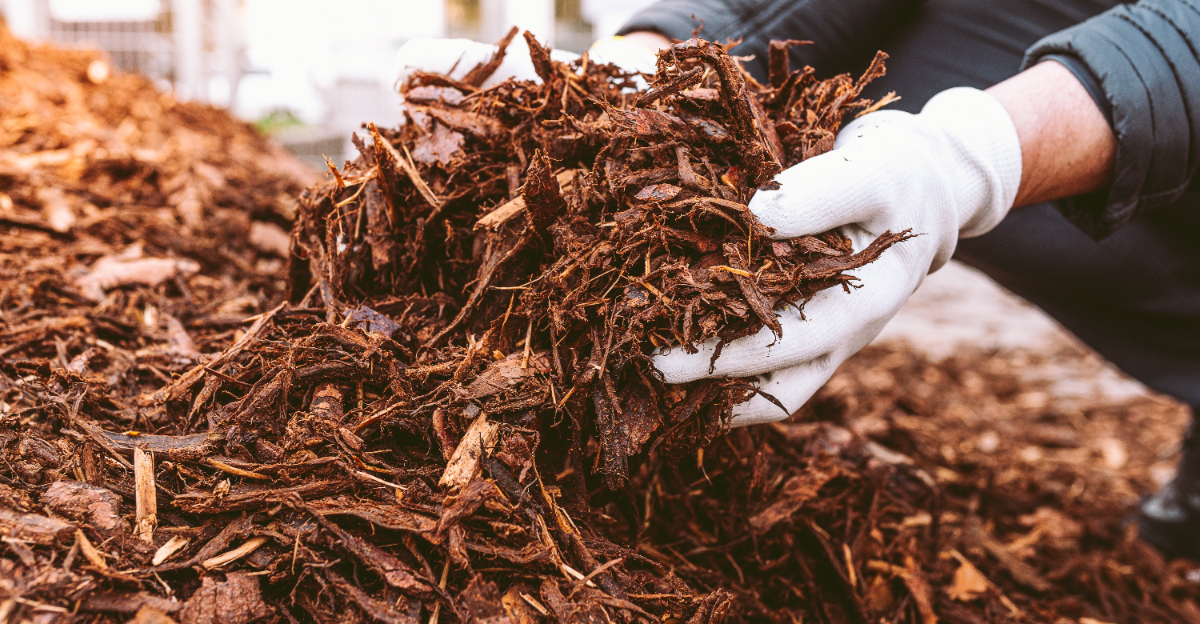
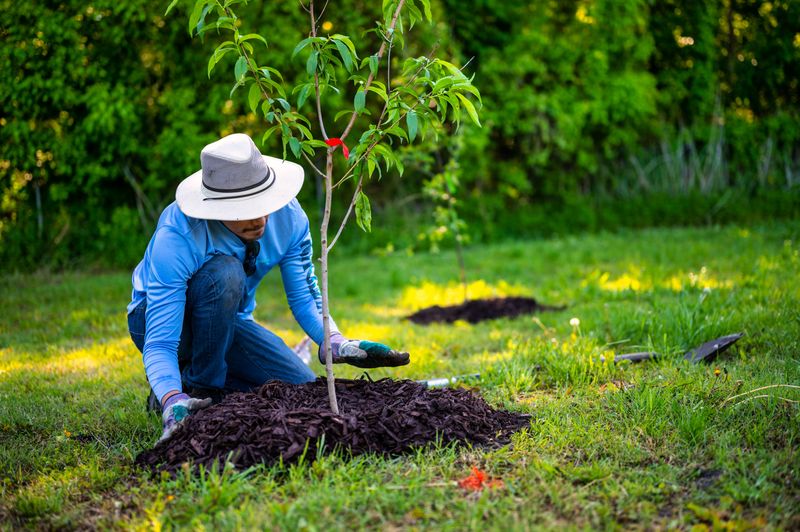
A shallow coat of one inch barely slows moisture from escaping the soil. For most garden beds, two to four inches of material gives you the best balance of moisture retention and weed suppression.
That thickness creates a genuine barrier between hot air and thirsty roots below.
Think of it like insulation in your attic. The more you pack in, the harder it is for heat to push through and cause damage.
Skipping proper depth is the number one mistake backyard gardeners make every spring. They buy one bag, spread it thin, and wonder why their tomatoes still wilt by noon.
Proper layering also suppresses weeds far more effectively than a shallow coat ever could. Fewer weeds mean less competition for the water your plants desperately need.
Start by pulling existing weeds before you lay anything down. A clean bed gives your mulch the best possible foundation to do its job well.
Then pour it on generously and spread it evenly with a rake. Do not rush this step because getting the depth right is where the real magic happens.
Deep mulching is not complicated or expensive. It just takes a little more material and a willingness to commit to the process fully.
The Best Mulch Types For Tennessee Summers
Not all mulch is created equal, and choosing the wrong type can actually hurt your garden. Some materials heat up fast and do more harm than good.
Pine straw is a beloved choice across the South for good reason. It stays loose, allows water to pass through easily, and breaks down slowly over the season.
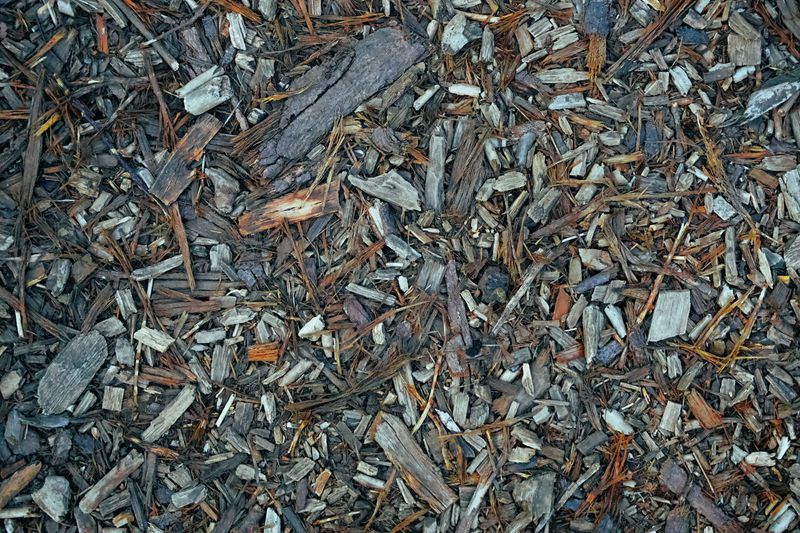
Shredded hardwood bark is another top performer for hot summers. It locks together well, resists washing away during heavy rains, and looks tidy around flower beds.
Wood chips from a local arborist are practically free and highly effective. They hold moisture well, break down slowly, and add organic matter back into the soil as they decompose.
Straw mulch works beautifully in vegetable gardens where you need coverage fast. Just make sure it is seed-free straw, not hay, or you will be pulling weeds all season.
Your Tennessee Garden Changes Every Week. Your Plan Should Too.
Gardening in Tennessee changes quickly throughout the season. Every Friday you’ll receive a simple weekly plan showing exactly what to plant, prune, fertilize, harvest, and protect so you never miss the right timing.
Avoid using rubber mulch or dyed wood products in hot weather. These materials absorb heat and can actually raise soil temperatures instead of lowering them.
Grass clippings can work in a pinch but must be applied in thin layers. Thick piles of clippings mat together, block water, and start smelling unpleasant within days.
The mulching trick here is matching the material to the plant type and location. Pine straw works well around blueberries and other acid-tolerant plants since it stays loose, drains well, and breaks down slowly.
Most vegetables tend to do better under wood chips or straw. Picking the right mulch is half the battle before summer even begins. Choose wisely and your garden will reward you generously through August.
The Right Time To Mulch Before Summer Takes Over
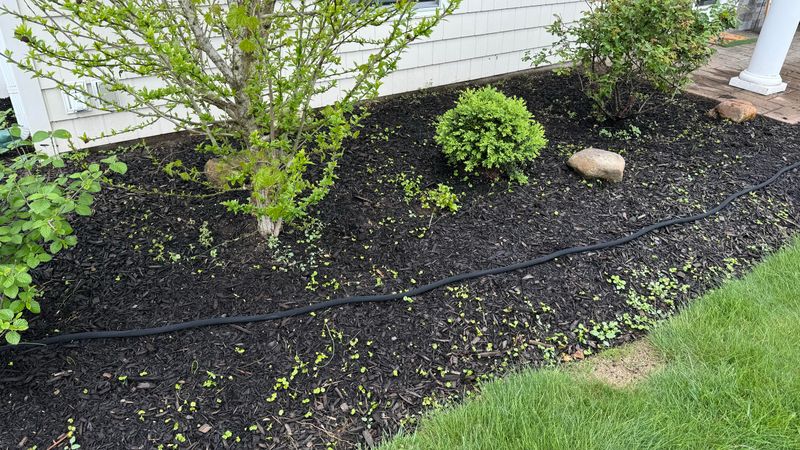
Timing matters more than most gardeners realize when it comes to mulching. Laying it down too late means the soil has already dried out and hardened underneath.
The sweet spot is late spring, usually around late April into early May in most parts of the state. Soil temperatures are warming but have not yet hit that brutal summer peak.
Mulching at the right moment locks in moisture before the ground loses it. You are essentially sealing in a reservoir that your plants will draw from all summer long.
Wait until after a good rain to apply your mulch if possible. Wet soil plus a thick layer on top is a powerful combination for moisture retention.
Some gardeners make the mistake of mulching too early in spring. Cold, wet mulch over cool soil can slow soil warming and delay plant growth unnecessarily.
On the flip side, waiting until mid-June means you have already lost weeks of moisture and root protection. The damage from late mulching adds up faster than you might expect.
A good rule of thumb is to mulch when your tomato transplants go in the ground. That timing aligns perfectly with when heat stress begins to threaten young plants.
Mark it on your calendar and treat it like a non-negotiable garden chore. Consistent timing year after year is what separates thriving gardens from struggling ones.
The mulching trick works best when you get ahead of the heat. Beat the summer sun to the punch and your plants will thank you all season long.
How Deep To Lay Mulch Around Different Plants
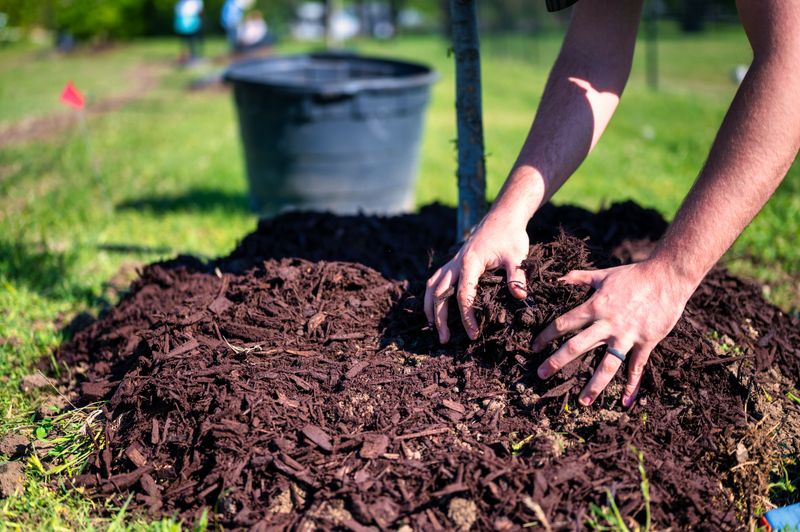
One size does not fit all when it comes to mulch depth. Different plants have different needs, and getting this wrong can cause more problems than no mulch at all.
Around large shrubs and established trees, a three to four inch layer works perfectly. These plants have deep root systems that benefit from maximum moisture and temperature protection.
Perennial flowers need a slightly lighter hand, usually two to three inches of coverage. Too much mulch packed around flower stems can trap moisture and encourage rot at the base.
Vegetable gardens are where the mulching trick really shines. A two-inch layer around tomatoes, peppers, and squash can noticeably reduce how often you need to water.
For newly planted seedlings, keep mulch pulled back about two inches from the stem. Young plants are sensitive, and direct contact with wet mulch can cause stem damage quickly.
Strawberries and low-growing herbs prefer just one to two inches of light coverage. Heavy mulch can smother these shallow-rooted plants before summer even gets going.
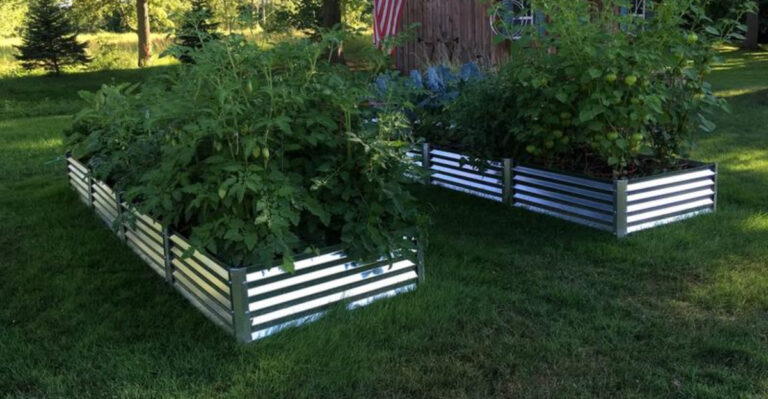
Raised beds tend to dry out faster than in-ground gardens. Bumping up your mulch depth by an extra half inch in raised beds helps compensate for that faster drainage.
Container plants benefit from a thin layer of mulch on top of the soil too. Even an inch of material on a pot slows evaporation and reduces how often you need to water.
Matching depth to plant type is a small adjustment with a massive payoff. Precision here turns a good garden into a great one all summer.
Common Mulching Mistakes That Let Moisture Escape
Mulch volcano around a tree trunk is one of the most common and damaging mistakes in any garden. Piling mulch high against bark traps moisture, invites pests, and weakens the plant over time.
Always keep mulch pulled back a few inches from tree trunks and plant stems. That small gap allows air circulation and protects against rot at the base.
Another big blunder is using too fine a material that compacts quickly. Fine mulch turns into a hard crust that actually repels water instead of absorbing it.
When water beads off the surface and runs away from your plants, your mulch has failed its one job. Break up compacted mulch with a rake every few weeks to keep it loose.
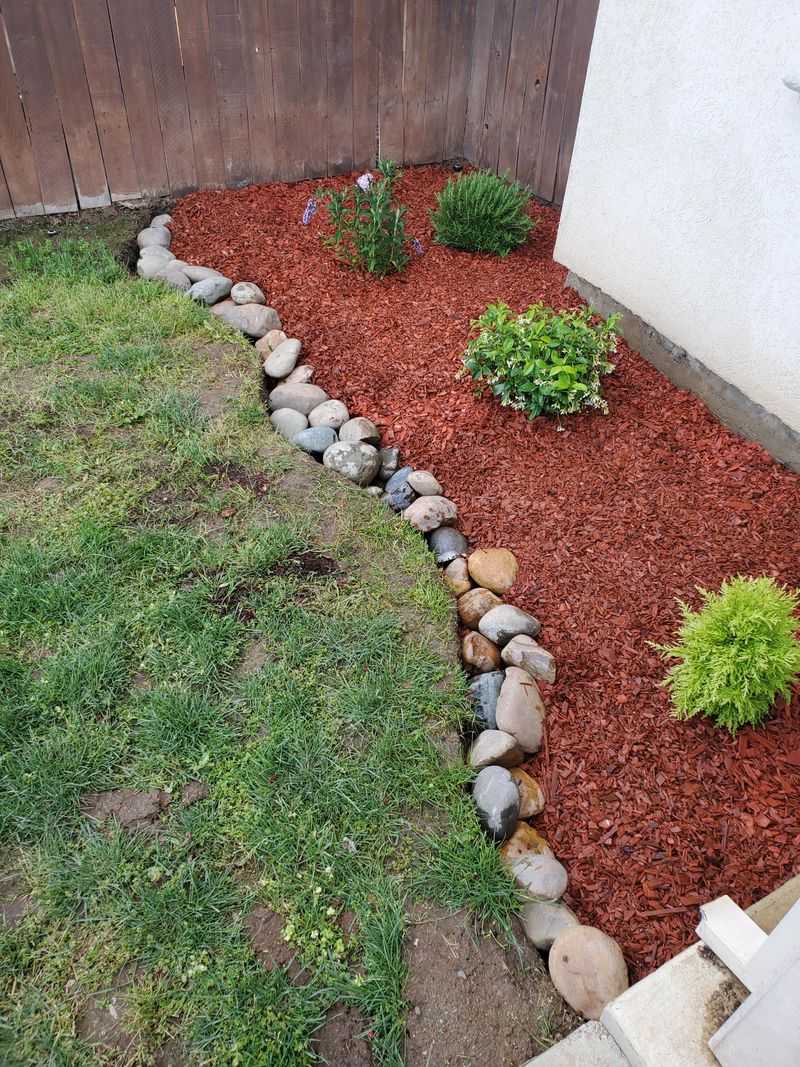
Skipping edging is another moisture-robbing mistake many gardeners overlook. Without a border, mulch spreads onto grass or paths and thins out right where your plants need it most.
Applying mulch on top of dry soil is counterproductive. Wet the soil thoroughly before laying any material so you are sealing in moisture rather than sealing out water.
Gaps in coverage are sneaky culprits that let heat sneak in and evaporate soil moisture fast. Check your beds from above and fill any bare spots you spot during the season.
Using colored or treated wood products near edible plants is a mistake worth avoiding. Certain dyes and chemicals can leach into soil and affect the flavor or safety of vegetables.
Avoiding these errors is just as important as applying mulch in the first place. Fix the mistakes and your garden holds moisture like a pro all summer.
How To Check If Your Mulch Is Still Working Mid-Summer
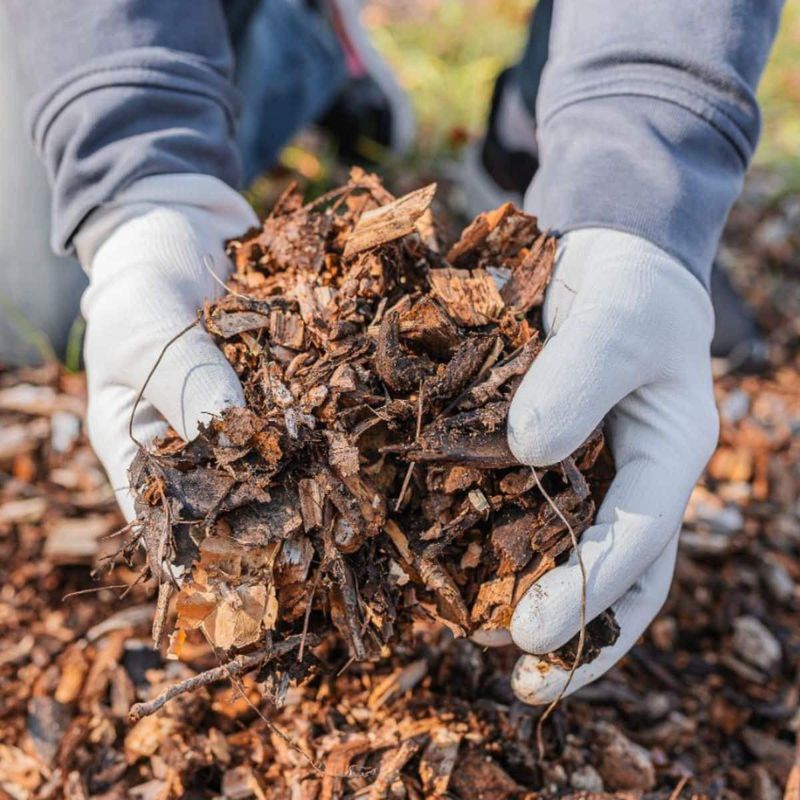
Mid-summer is the moment of truth for every garden bed you mulched back in spring. Heat, rain, foot traffic, and time all work together to break down your protective layer.
Start by pressing your hand firmly into the mulch surface. If it feels dry and crunchy all the way through, your layer has thinned out and needs a refresh.
Next, pull back the top layer and check the soil beneath. Moist, dark soil means your mulch is doing its job beautifully and roots are staying cool.
Dry, pale, or cracked soil just below the surface is a warning sign. Add another one to two inches of fresh material on top to restore your moisture barrier quickly.
Check for compaction by trying to push a finger into the mulch easily. If it resists or feels matted, break it up with a hand rake before adding anything new.
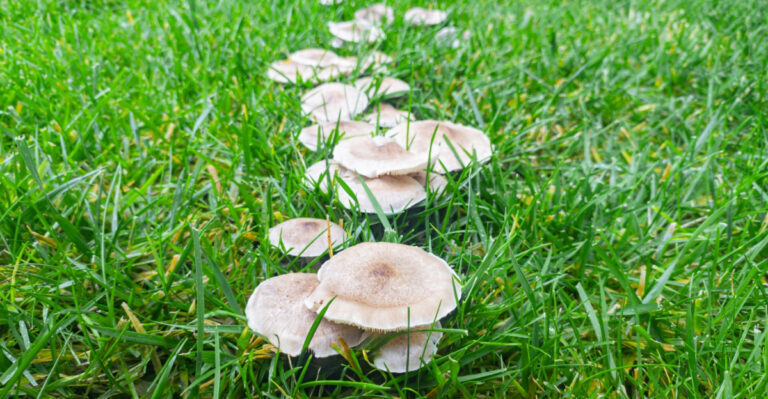
Look for signs of mold or fungal growth on older mulch surfaces. A little white mycelium is harmless and actually signals healthy decomposition happening underground.
Slimy or foul-smelling mulch is a different story and needs to be turned or replaced. That smell means anaerobic decomposition, which can harm rather than help your plants.
Check your mulch depth with a ruler or stick every four to six weeks. Organic materials break down steadily, and staying ahead of thinning keeps protection consistent all season.
The mulching trick only works if you maintain it through the hottest months. A quick mid-summer check keeps your garden strong when the heat is at its peak.