This Michigan Hydrangea Should Not Be Cut Back In August If You Want Better Blooms
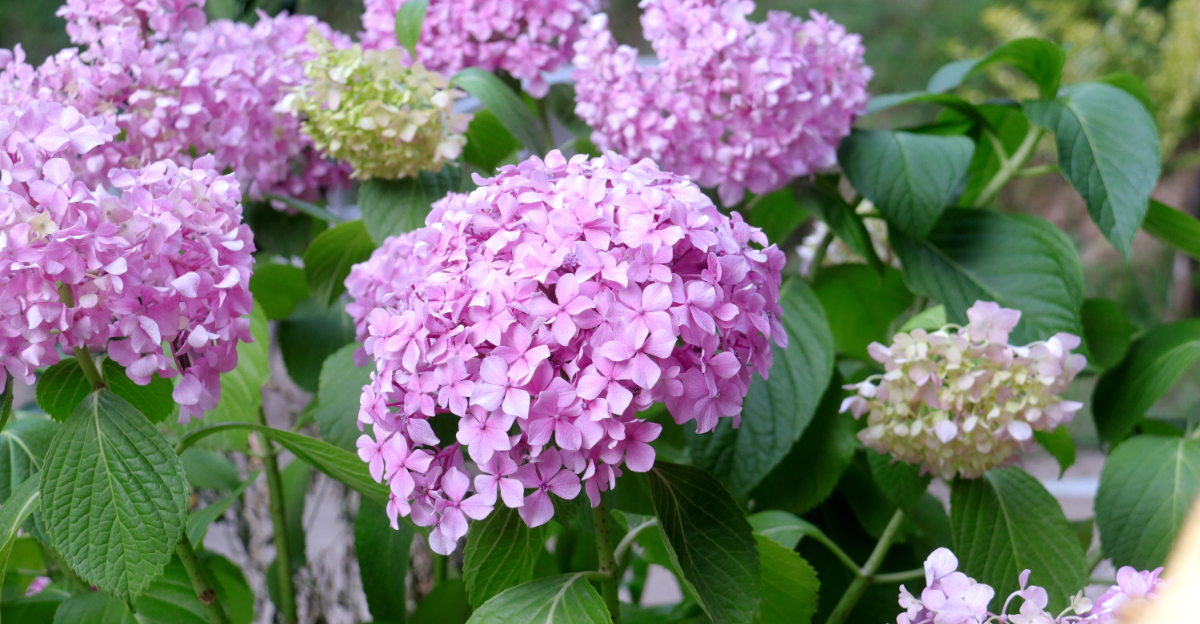
Late summer often triggers an urge to tidy up the garden, and hydrangeas are usually one of the first shrubs gardeners reach for with pruners in hand. It feels like the responsible thing to do, cleaning up fading blooms before fall settles in for good.
But one particular Michigan hydrangea variety punishes this exact instinct in a way most gardeners never see coming.
Cut at the wrong time, and you could be removing next summer’s entire flower show without realizing it until the blooms simply never show up.
This mistake is so common that even experienced gardeners fall into it year after year, wondering why results seem inconsistent.
The reason comes down to something specific about how this variety actually produces its flowers, a detail that changes everything about proper timing.
Understanding this now could save you from a disappointing, nearly bloomless summer next year. Sometimes the best thing you can do for a plant is simply leave it alone.
1. Bigleaf Hydrangea
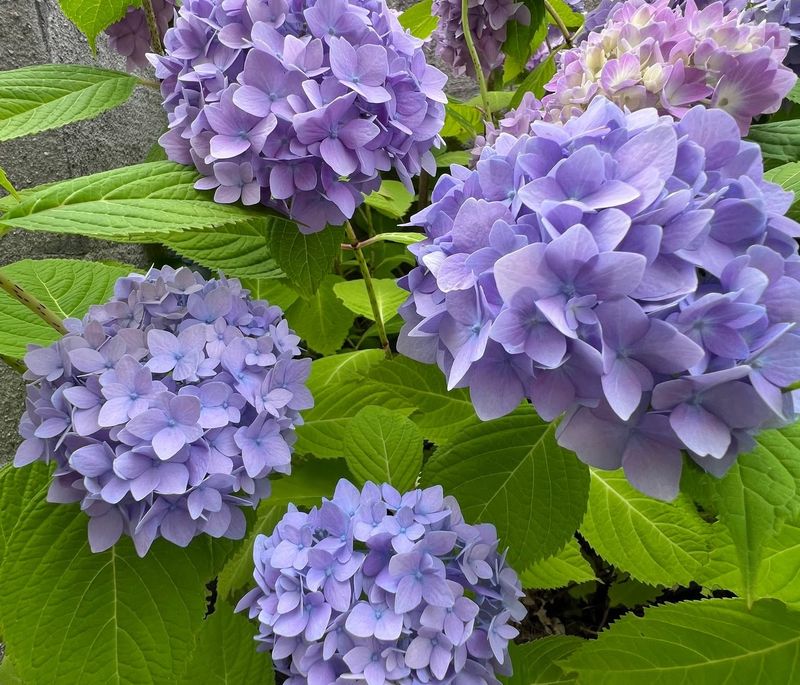
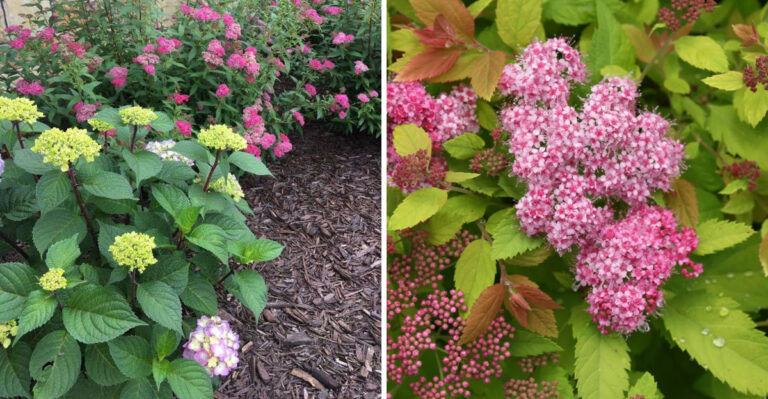
Bigleaf hydrangea, also called Hydrangea macrophylla, is the shrub most people picture when they think of hydrangeas. It has wide, shiny green leaves and giant flower clusters shaped like puffy balls or flat plates.
What makes this plant special in Michigan is how picky it can be about flowers. The soil can even change the color, turning blooms blue in acidic ground and pink in more alkaline soil.
That trick alone makes it a favorite for gardeners who love to experiment. Here is the part that trips up so many people. This hydrangea forms most of its flower buds on old wood, which means stems that grew the year before.
If you cut those stems at the wrong time, you accidentally remove next season’s flowers before they ever open.
Timing matters more than almost anything else with this plant. A healthy, leafy bush that never blooms usually means someone pruned it during the wrong season. Once you learn the schedule, the guessing stops.
Think of your hydrangea like a plant that plans ahead. It starts working on next year’s show long before you might expect. Understanding that habit changes how you care for it.
The good news is that bigleaf hydrangeas are not fussy about much else. Give them morning sun, afternoon shade, and steady moisture, and they stay happy.
Master the pruning window, and you unlock the full flower power this shrub has been holding back all along.
2. Prune Right After Blooming
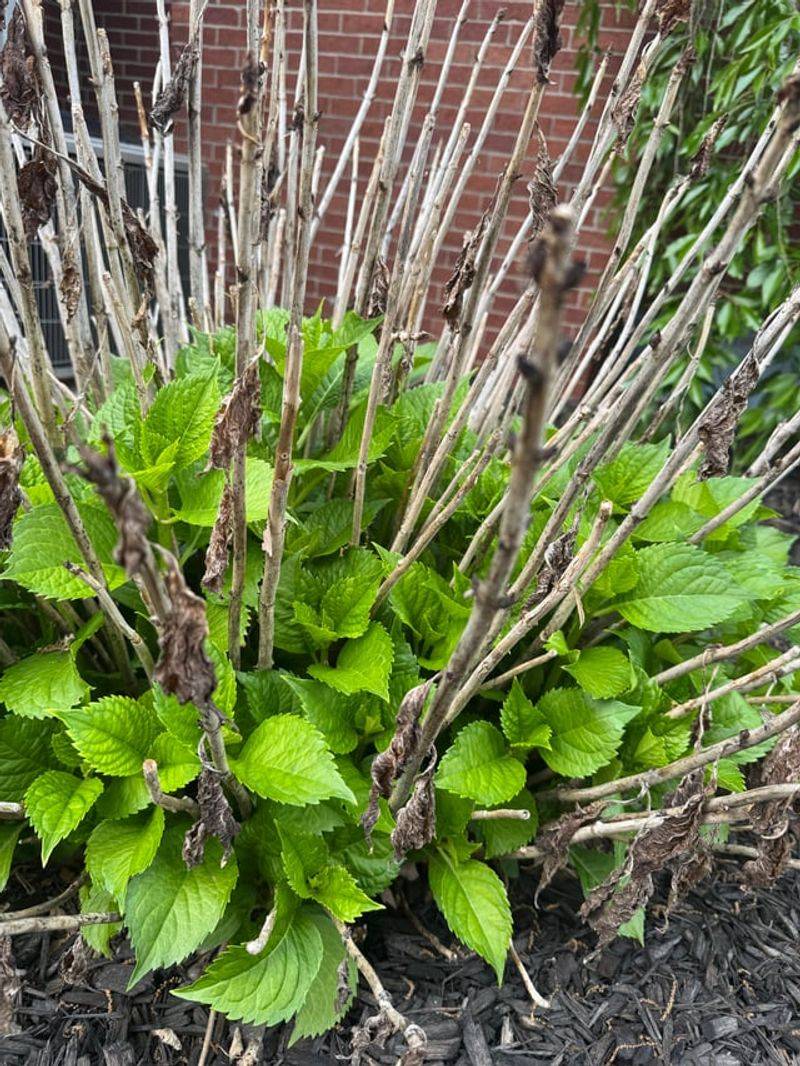
The safest time to shape a bigleaf hydrangea is right after the flowers fade in summer. During that short window, the plant has finished showing off but has not yet started building next year’s buds.
Snip away any tired flower heads and thin out crowded stems while you have the chance. Cutting just above a healthy pair of leaves keeps the shrub tidy and encourages strong growth.
Waiting even a few extra weeks can cost you flowers. Many gardeners feel tempted to grab the shears whenever a stem looks messy. Resist that urge outside of the summer window.
Your Michigan Garden Changes Every Week. Your Plan Should Too.
Gardening in Michigan changes quickly throughout the season. Every Friday you’ll receive a simple weekly plan showing exactly what to plant, prune, fertilize, harvest, and protect so you never miss the right timing.
The plant does not need constant fussing, and every cut you make later in the season may remove a future bloom.
A good rule to remember is simple. When the last petals turn brown and papery, that is your cue to prune.
Move quickly and finish the job while the plant is still in its resting mode between flowering and bud building.
You can also use this moment to remove any weak or crossing branches. Opening up the center lets air and light reach the whole plant, which helps prevent leaf spots and mildew.
Keep your cuts light and thoughtful. Bigleaf hydrangeas respond best to gentle shaping rather than heavy chopping.
A little trim right after blooming keeps the shrub full, healthy, and ready to burst with color again next year. Get the timing right, and pruning becomes the easiest part of hydrangea care.
3. Finish Before August
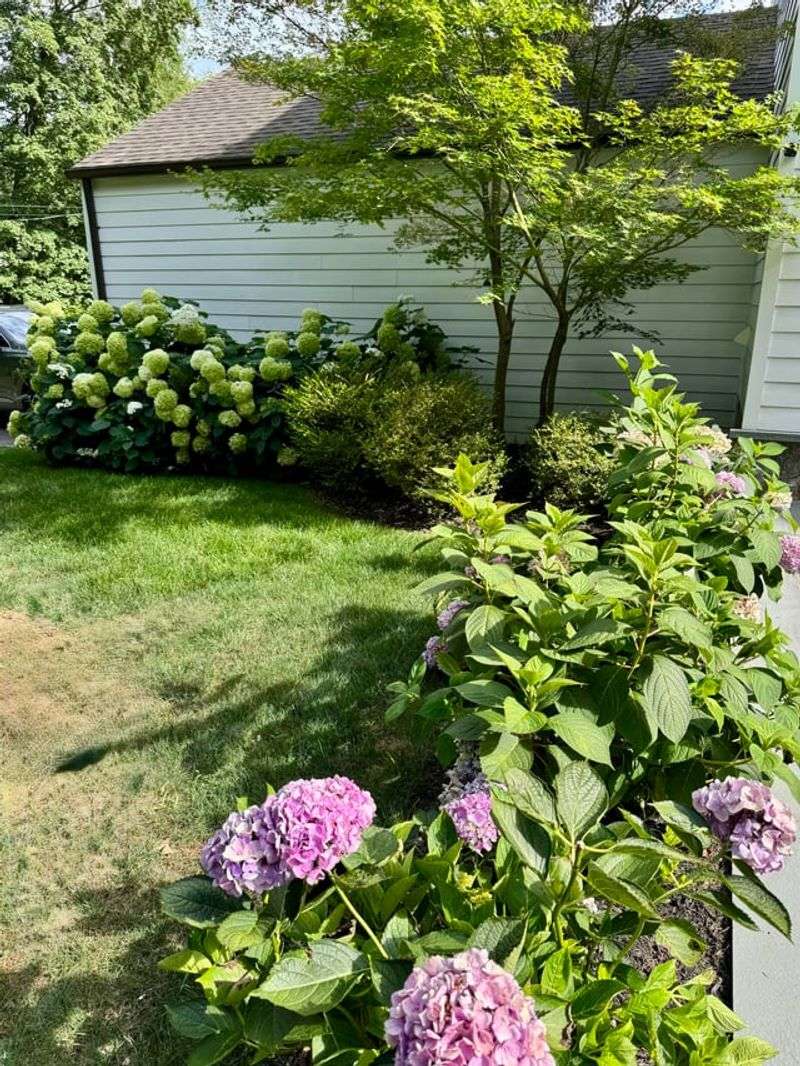
If you plan to trim your bigleaf hydrangea, wrap up the work before August arrives. Late summer is when the plant quietly switches gears and starts preparing for the following year.
By early August, tiny flower buds begin forming inside the stems. You cannot see them yet, but they are there, tucked away and waiting for spring. Cutting after this point means slicing off buds you did not even know existed.
Think of late July as your deadline. Anything you want to shape, thin, or shorten should happen by then. Once the calendar flips, put the shears away and let the plant do its thing.
This one habit separates gardeners who get big, showy blooms from those who wonder why their bush stays green and empty. The plant is not broken. It simply lost its buds to a poorly timed cut.
In Michigan, summers can feel short, so it helps to mark the window on a calendar. Blooming usually winds down in July, giving you a tight but clear stretch to finish pruning.
There is no need to rush around in a panic. Just stay aware of the season and treat August as a hands-off month for cutting. Water, mulch, and enjoy the plant instead.
Respecting this deadline pays off in a big way. When spring comes, your hydrangea will be loaded with buds that survived the summer untouched, ready to open into the full, colorful display you have been hoping for.
4. Next Year’s Buds Grow Early
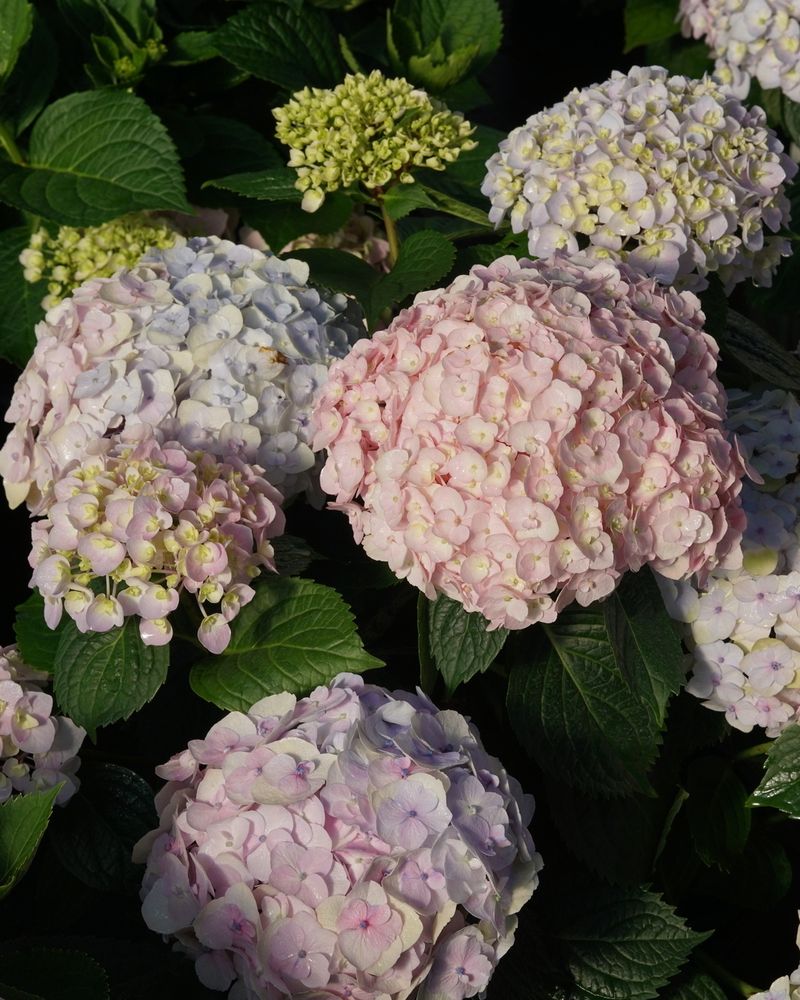
Here is a surprising fact about bigleaf hydrangeas. They start building next year’s flowers during August and September, long before winter even shows up.
While you are enjoying the last warm days of summer, the plant is busy at work inside its stems. Small buds form and settle in for a long rest. Those buds carry the promise of next year’s blooms.
This early planning is why timing your cuts matters so much. The flowers you will admire next June were actually decided the previous late summer.
It is a slow, patient process that rewards gardeners who leave the plant alone at the right moments.
Understanding this habit changes how you see your shrub. That green, quiet bush in September is not just resting. It is holding the entire next season inside its branches.
Because the buds sit on old wood, protecting those stems becomes your main job through fall and winter. Every branch you keep is a branch that could bloom.
Gardeners sometimes clean up their yards in autumn and trim shrubs without thinking. With bigleaf hydrangeas, that tidy habit backfires. You would be cutting away the very buds the plant just finished making.
So when late summer rolls around, shift your mindset from shaping to protecting. Give the plant water during dry spells and a layer of mulch to keep roots comfortable.
Once you know the buds form early, the whole care routine starts to make sense. Patience now means a flower-packed shrub later.
5. Late Pruning Removes Flowers
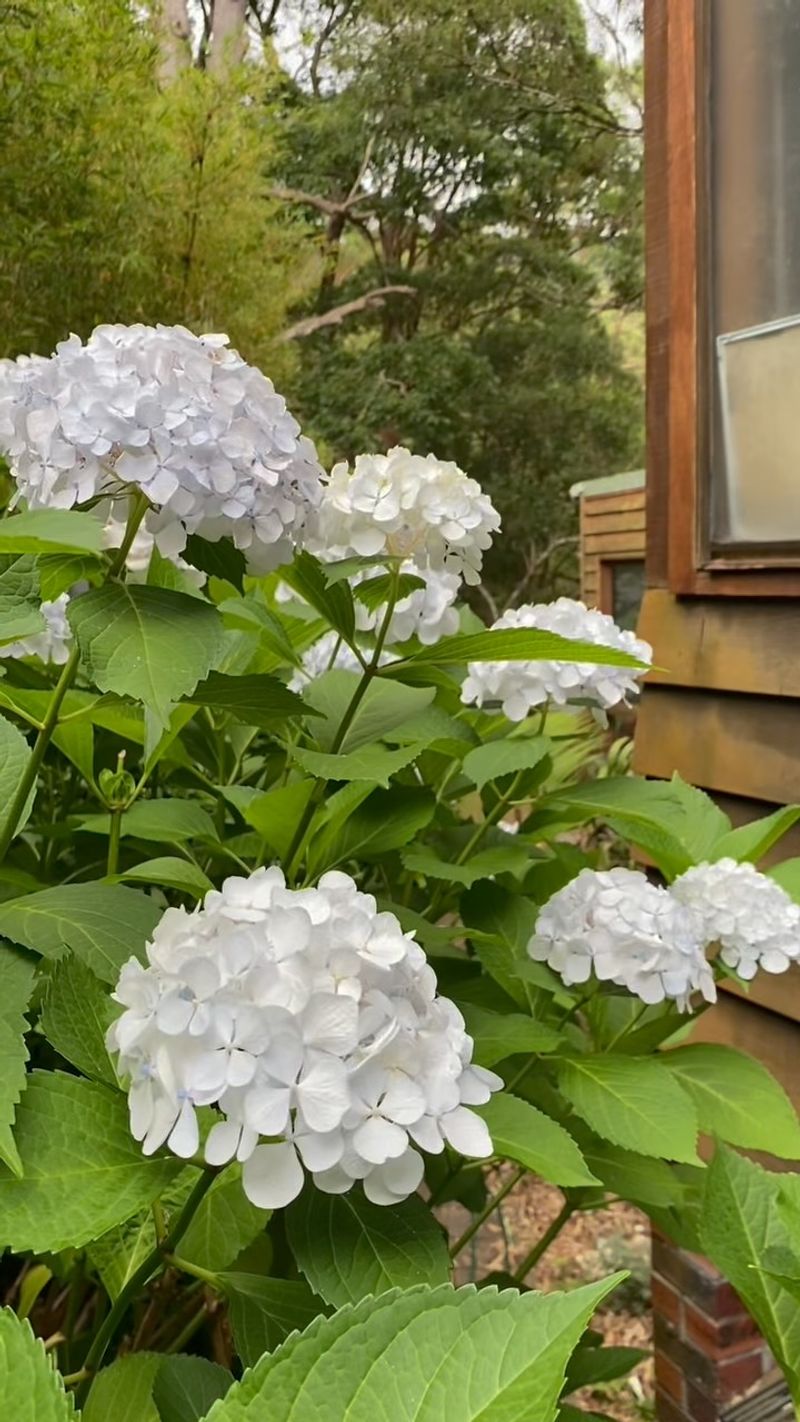
Pruning in fall or spring feels natural, but with bigleaf hydrangeas it usually leads to disappointment. Those old stems you cut are the ones carrying next year’s flower buds.
Picture cleaning up the garden on a crisp autumn day. You spot the bare hydrangea stems and decide to shorten them for a neater look. Without realizing it, you just removed the buds that formed back in late summer.
The same trap waits in spring. The stems look brown and lifeless before leaves appear, so gardeners assume they are worthless and chop them down. Then the plant grows lush and green but never flowers.
That empty, leafy result confuses a lot of people. The plant looks perfectly healthy, yet the blooms are missing. The reason almost always traces back to a fall or spring cut.
Old wood is precious on this shrub. Even bare, brownish stems that seem finished are often full of sleeping buds ready to wake up.
A helpful trick is to check for green when you scratch a stem lightly with your fingernail. If you see green underneath, that stem is alive and likely holding buds. Leave it be.
The best plan is to save all your pruning for that summer window right after blooming. Skip the tempting cleanup cuts in cooler months.
Once you break the habit of fall and spring trimming, your hydrangea gets a real chance to shine. Protecting old wood is the single easiest way to guarantee more flowers.
6. Do Not Cut It Back Every Year
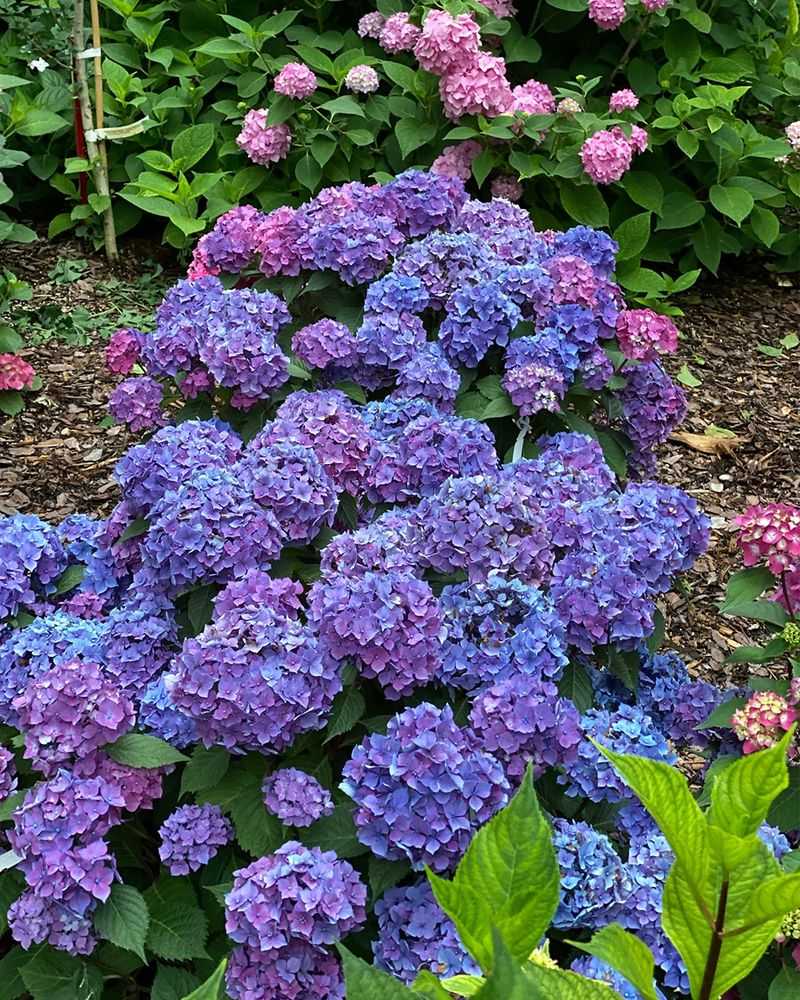
Some plants beg for a yearly haircut, but bigleaf hydrangea is not one of them. A healthy, happy shrub often blooms best when you barely touch it.
Many gardeners believe every plant needs annual pruning to stay in shape. With this hydrangea, that belief actually works against you. The more you cut, the fewer flowers you may see.
Instead of pruning out of habit, only trim when there is a real reason. Maybe a branch has gotten damaged over winter, or a stem is crossing awkwardly through the center. Those are good moments to reach for the shears.
Leave the rest alone. A shrub that keeps its old wood keeps its buds, and that means more blooms waiting for you each spring.
Think of it like light maintenance rather than a yearly overhaul. Remove what is clearly broken, thin out a crowded spot if needed, and step back.
This hands-off approach saves you time and effort too. Instead of stressing over cutting schedules, you can spend that energy on watering and mulching.
If your plant is getting too tall or wide for its space, do the shaping during that summer window right after flowers fade. Even then, keep the cuts modest.
A bigleaf hydrangea left mostly alone tends to reward you with fuller growth and richer color. Less really is more with this shrub. Trust the plant to do its job, and it will fill your garden with blooms year after year.
7. Michigan Winters Matter Too
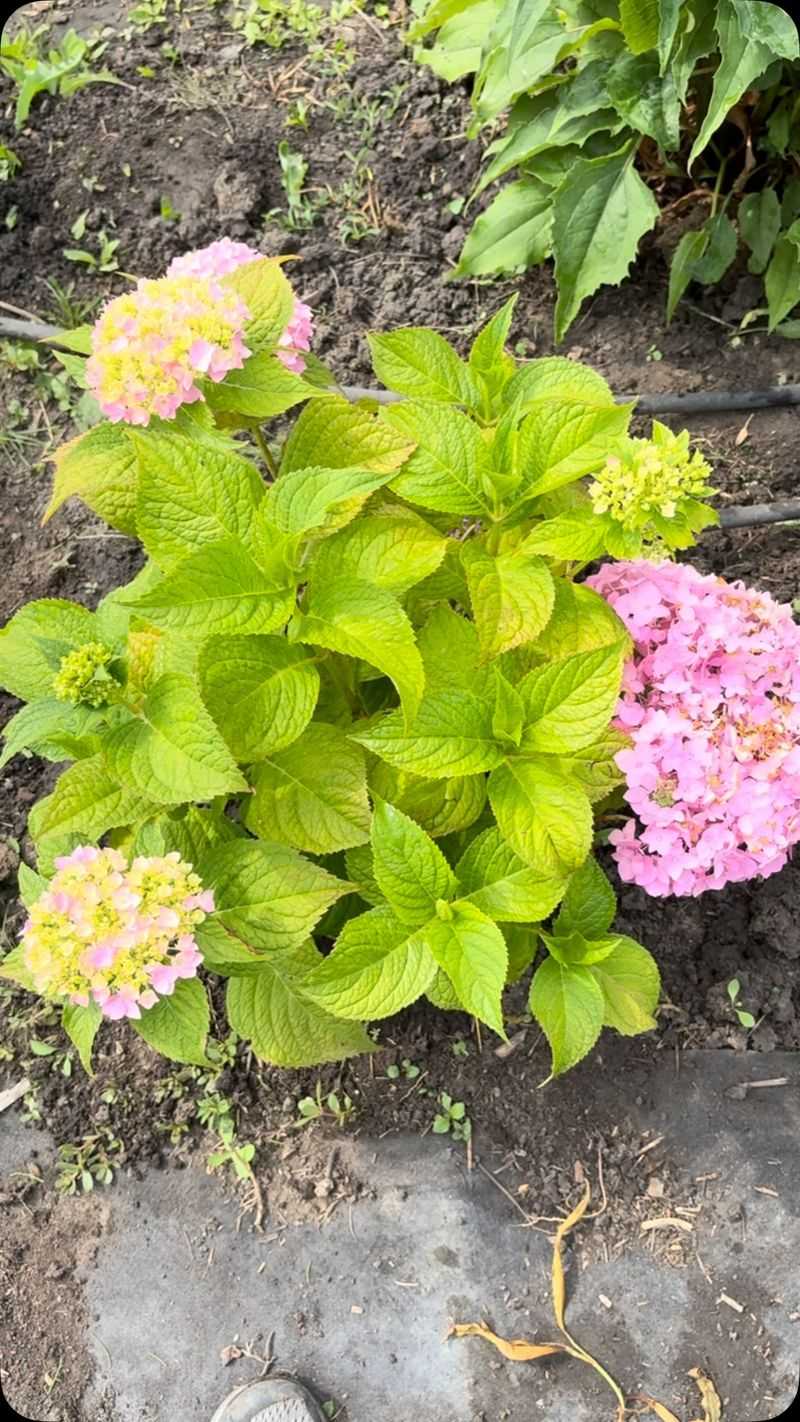
Even perfect pruning cannot fully protect a bigleaf hydrangea from a harsh Michigan winter. Cold temperatures can harm the flower buds sitting on those old stems.
Michigan winters bring deep freezes, icy winds, and big swings between warm and cold days. All of that stress can damage the tender buds tucked inside the branches.
You might do everything right during the growing season and still see fewer blooms if a rough winter moves through. It is not your fault, just the weather being tough on a plant that prefers milder conditions.
The good news is that you can help your shrub survive the cold. A thick layer of mulch around the base keeps roots warmer and steadier through freezing spells.
Some gardeners wrap their hydrangeas in burlap or build a simple cage filled with leaves for extra protection. These little barriers shield the buds from harsh wind and sudden temperature drops.
Planting location helps too. A spot near the house or a fence, sheltered from cold winds, gives your hydrangea a better shot at keeping its buds safe.
Snow can actually be a friend here. A blanket of snow acts like insulation, tucking the plant under a cozy cover during the coldest stretches.
Pay attention to where you place your shrub and how you protect it each fall. Combine smart winter care with proper summer pruning, and you give your Michigan hydrangea the best possible chance to bloom big and bright.
8. Know If Yours Rebloom
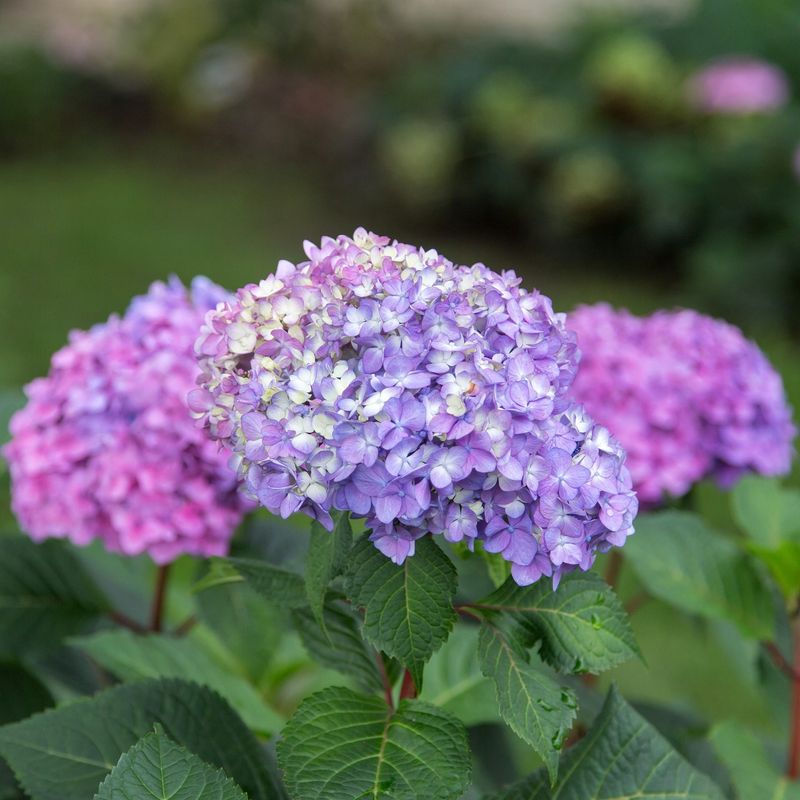
Not every bigleaf hydrangea plays by the same rules. Some newer types, like the popular Endless Summer, can bloom on both old and new growth.
That double ability is a game changer for anyone who worries about pruning mistakes. If a spring cut or a rough winter harms the old stems, these reblooming varieties simply flower on fresh growth instead.
The result is a plant that keeps producing color even after setbacks. You get flowers earlier from old wood and later from new stems, stretching the show across more of the season.
Knowing which type you own really matters. A classic bigleaf hydrangea can lose all its blooms from one bad trim, while a reblooming type shrugs off the same mistake.
When you buy a new hydrangea, check the label or ask the nursery if it reblooms. That single piece of information tells you how forgiving your plant will be.
Reblooming kinds are a smart pick for Michigan gardens where cold winters can harm old buds. Even if winter takes a toll, new growth steps in to save the flower display.
You still get the best results by pruning in that summer window and protecting the plant through winter. But with a reblooming variety, small slip-ups feel much less scary.
Figure out whether your shrub reblooms, and you will know exactly how careful to be. Either way, understanding your specific plant is the final key to enjoying big, beautiful hydrangea flowers every year.