This August Lawn Habit Is Quietly Inviting Armyworms Into Florida Yards
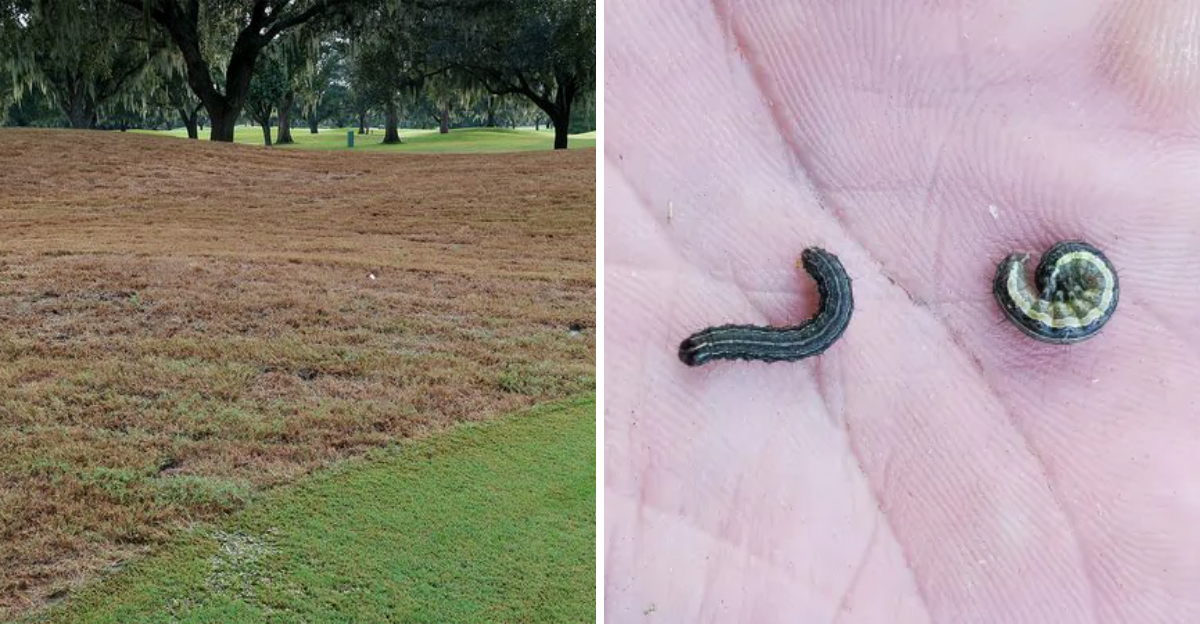
Your lawn is running an armyworm invitation program right now and you set it up yourself. Not on purpose.
Through one August habit that feels like the right call and lands on the wrong side of what armyworms are actually looking for in a Florida yard this time of year. Armyworms do not wander.
They follow conditions, and August creates those conditions with a consistency that makes Florida lawns one of the more reliable destinations on their calendar.
One specific habit accelerates that process in ways that show up in the grass before anyone connects the maintenance routine to the damage appearing in it.
The habit is common. The timing is everything.
And the lawn that keeps running it through August keeps having the same conversation about armyworms every September without ever figuring out why they keep coming back. This is why.
1. That Lush Green Lawn Can Catch A Moth’s Eye
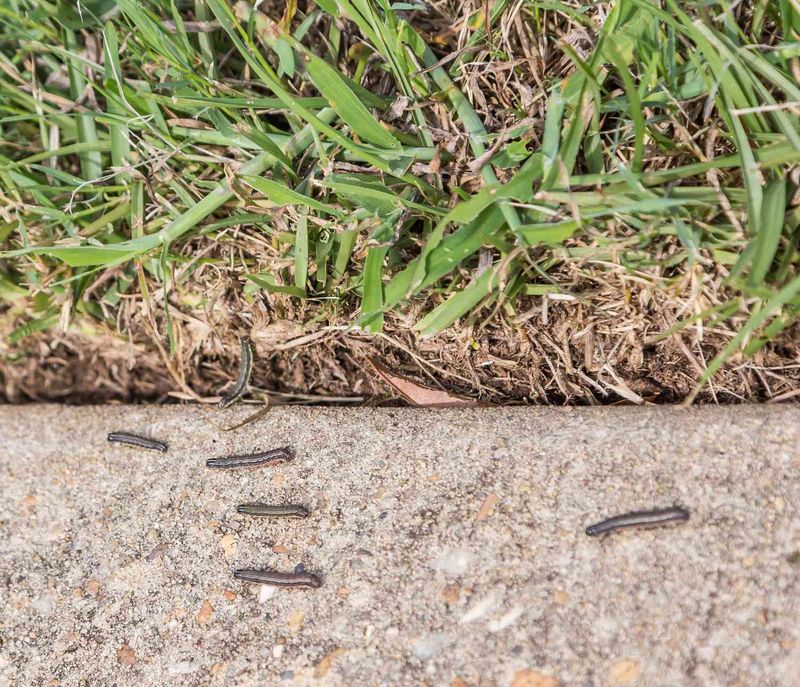
A freshly fertilized lawn in August can look like a homeowner’s proudest achievement. The grass is green, the blades are upright, and everything appears to be thriving.
But underneath that picture-perfect surface, something more complicated may be unfolding.
Fall armyworms, known scientifically as Spodoptera frugiperda, are a leaf-feeding caterpillar species that can cause significant turf damage during late summer.
Research from University of Florida IFAS Extension indicates that rapidly growing, succulent grass foliage can be more susceptible to feeding by leaf-chewing insects.
The key distinction here is susceptibility, not direct attraction. There is no well-supported scientific evidence that nitrogen fertilizer acts as a chemical signal that draws adult armyworm moths to a specific yard.
What extension sources do support is that softer, fast-growing leaf tissue is generally easier for caterpillars to feed on and digest.
A lawn pushed into a rapid growth phase with excess nitrogen may simply offer less resistance to feeding larvae that are already present in the area.
Adult moths select egg-laying sites based on a range of environmental cues, and researchers continue studying those preferences.
So an immaculate lawn is not automatically heading for trouble. Overly forced growth can increase the lawn’s vulnerability to feeding.
That gives homeowners a practical reason to avoid pushing turf too aggressively during peak armyworm season.
2. Too Much Nitrogen Creates Tender New Growth
Reaching for the fertilizer bag in August feels like a logical move when summer heat has left the grass looking pale and thin. The problem is not fertilizing itself.
The real concern is applying far more nitrogen than the turf actually needs at that time of year.
According to UF/IFAS Extension guidance, excessive nitrogen can push grass into a rapid flush of soft, succulent new growth. That kind of foliage has a higher water content and thinner cell walls compared to grass growing at a steady, moderate pace.
Leaf-feeding insects, including caterpillars like Spodoptera frugiperda, can feed more easily on that type of tissue.
Different grass species have specific nitrogen needs, and those needs shift by season, soil type, and local conditions.
Your Florida Garden Changes Every Week. Your Plan Should Too.
Gardening in Florida changes quickly throughout the season. Every Friday you’ll receive a simple weekly plan showing exactly what to plant, prune, fertilize, harvest, and protect so you never miss the right timing.
Florida homeowners should follow the UF/IFAS fertilization recommendations for their exact turf species rather than applying a general heavy rate.
Many counties also have fertilizer blackout periods tied to the rainy season, so checking local ordinances before applying is essential.
Moderate, timely fertilization that keeps grass growing at a normal rate is a very different practice from aggressively overloading the lawn with nitrogen. One approach supports steady turf health.
The other can produce the kind of soft, rapidly growing foliage that may be more vulnerable when leaf-feeding pests are active nearby. Knowing that difference is the first step toward smarter late-summer lawn care.
3. August Is Prime Time To Start Watching
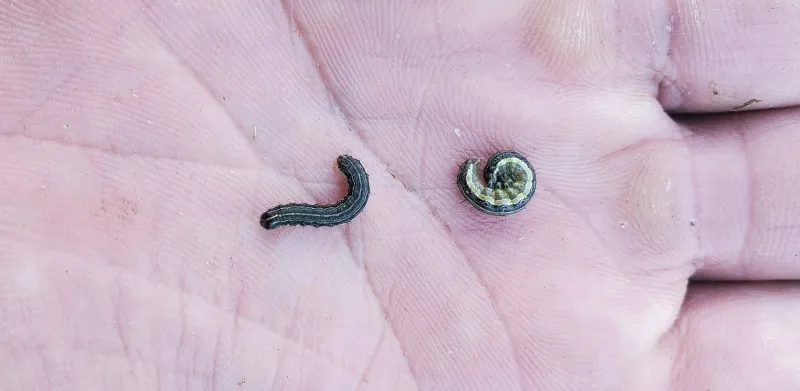
Late summer in Florida brings predictable heat, afternoon rain, and something many homeowners overlook entirely: a significant uptick in fall armyworm activity. Spodoptera frugiperda can appear outside August.
However, UF/IFAS Extension identifies late summer and early fall as the period when populations often build to damaging levels across much of the state.
Adult moths are most active at night. Females can lay hundreds of eggs in masses on surfaces near or above the turf.
Once eggs hatch, the young larvae begin feeding almost immediately. Early instars cause relatively minor surface damage, but as larvae grow through their later stages, feeding intensity increases sharply.
By the time large, obvious brown patches appear, the larvae are often well into their development.
That lifecycle progression is exactly why waiting for visible widespread damage is a losing strategy. A lawn that looked fine on Monday can show noticeable thinning by the following weekend if a large group of larvae is actively feeding.
Populations can vary significantly by region, year, and local conditions, so no two August seasons are identical.
Checking the lawn regularly during late summer, rather than only when something looks wrong, puts homeowners in a much stronger position. A quick visual scan a couple of times each week takes very little time.
Catching early signs of feeding before a large area is affected makes a real difference in how manageable the situation becomes.
4. Bermudagrass Can Be Especially Tempting
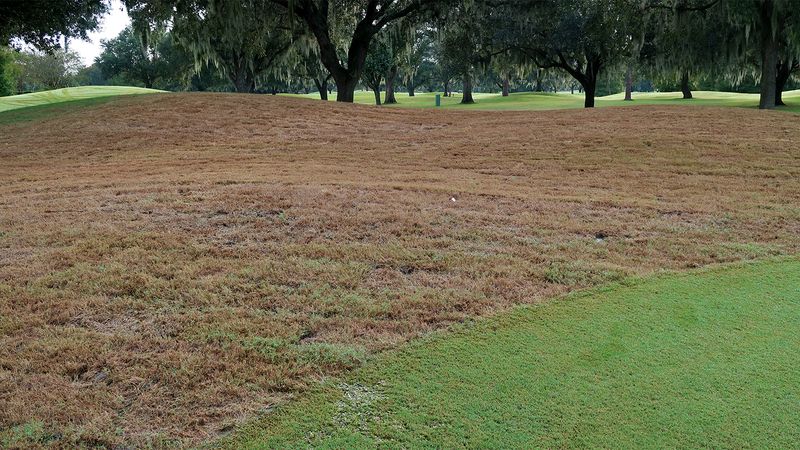
Not every grass type faces the same level of risk from Spodoptera frugiperda. Bermudagrass is widely recognized by university extension sources as one of the turf species that fall armyworms feed on heavily.
UF/IFAS Extension lists bermudagrass among the grasses most commonly affected during peak armyworm seasons in the Southeast.
That does not mean bermudagrass owners should panic or consider replacing their turf. Bermudagrass is a popular, drought-tolerant choice for Florida homeowners, and it has many practical advantages.
The important takeaway is that if your lawn is bermudagrass, you have a specific reason to scout more carefully during late summer when armyworm populations are building.
Other commonly grown turf species can also be affected. St. Augustinegrass, which is one of the most widely planted grasses in Florida, can experience fall armyworm feeding as well.
Bahiagrass and zoysiagrass are additional species that may be targeted, though feeding pressure and damage levels can vary. UF/IFAS guidance is the most reliable source for understanding how each species typically responds.
Knowing which turf species you have growing in your yard sharpens your scouting focus. A homeowner with bermudagrass in a region where armyworm populations are active has a practical reason to inspect more frequently during August and into September.
Identifying your grass correctly is a small step that pays off when pest pressure increases and early detection matters most.
5. Brown Patches Can Spread Surprisingly Fast
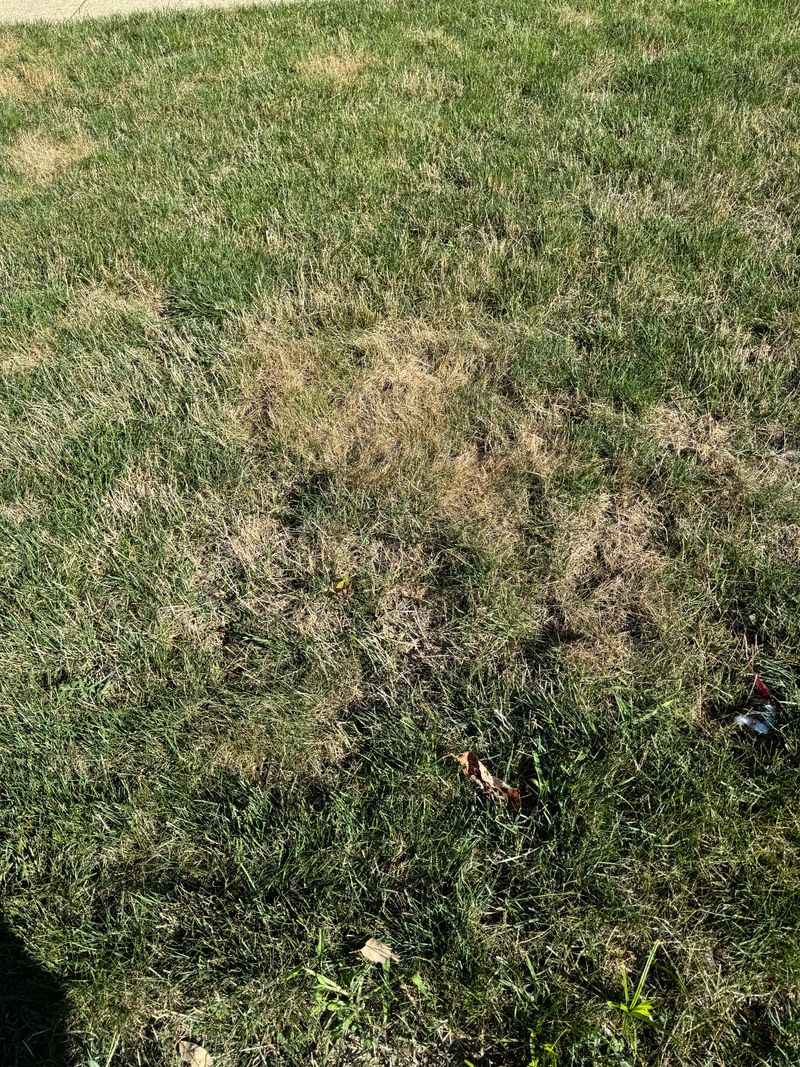
A surprising patch of discoloration in an otherwise green lawn can stop a homeowner in their tracks.
Before assuming the worst, it helps to understand what armyworm feeding actually looks like at different stages, and how to tell it apart from other common problems.
Early Spodoptera frugiperda feeding often starts with a window-pane effect, where young larvae scrape the surface of grass blades without chewing all the way through. The damaged areas may look slightly silvery or bleached.
As larvae grow larger, they begin consuming entire blades. Areas of turf can shift from slightly off-color to noticeably thinned in a short period when a significant number of larvae are feeding together.
However, not every brown patch is armyworm damage. Drought stress, irrigation problems, fungal disease, and chinch bugs can all produce discoloration patterns that look similar from a distance.
Chinch bugs are a particularly common cause of brown patches in St. Augustinegrass, and they require a completely different response than caterpillar feeding.
Getting down close to the turf and examining what is actually happening at the soil and blade level is the only reliable way to tell the difference. Look for chewed blade tips, frass on the soil surface, or actual larvae before drawing any conclusions.
Treating the wrong pest wastes time and money, and it does nothing to address the actual problem affecting your lawn.
6. Bird Activity Can Give The Problem Away
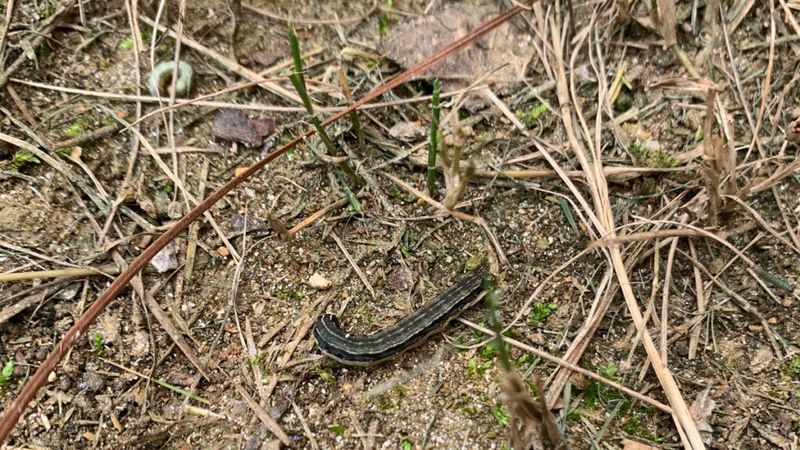
A bird feeding on the lawn is not unusual on its own. But a sudden gathering of birds working systematically across the turf, especially in late summer, is worth a second look.
Extension resources and entomologists note that birds will actively forage in turf when insects are near the surface. Starlings, grackles, and egrets are among the species that may respond to caterpillars and other insects.
This kind of bird activity can serve as an informal early warning. Several birds pecking persistently at the same area of grass can be a useful clue.
They may be responding to something in the turf that is not yet visible from a standing position. That does not confirm armyworms are present.
Birds feed on a wide range of soil insects and grubs, so their activity alone is not a diagnosis.
What bird foraging should prompt is a closer inspection of that specific area. Part the grass blades with your hand or a stick and look at the thatch layer and soil surface.
Check for larvae, chewed plant material, or small pellets of frass. A soap flush involves mixing a small amount of dish soap with water and pouring it over a square foot of turf.
It can bring hidden larvae to the surface, making them easier to see and count.
Think of bird activity as a nudge to go investigate rather than proof of a specific problem. Observant homeowners who notice behavioral cues like this often catch pest activity earlier than those who only check the grass when it already looks damaged.
7. Early Scouting Beats Waiting For Bare Patches
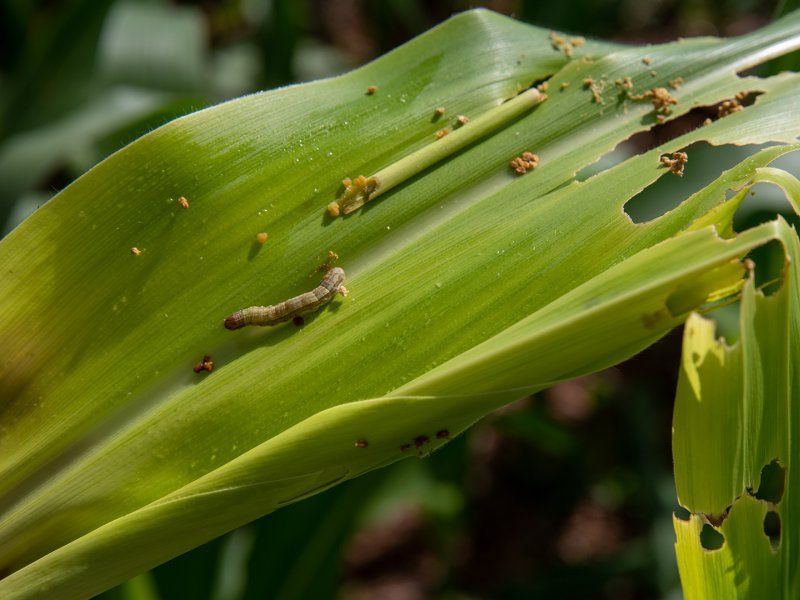
A small clue in the grass can mean everything when it comes to catching fall armyworm feeding before it spreads across a large area. UF/IFAS Extension supports a soap flush as a practical scouting method for detecting larvae in turf.
Mix about two tablespoons of dish soap into a gallon of water and pour it slowly over a one-square-foot area of lawn. Larvae will move to the surface within a few minutes if they are present.
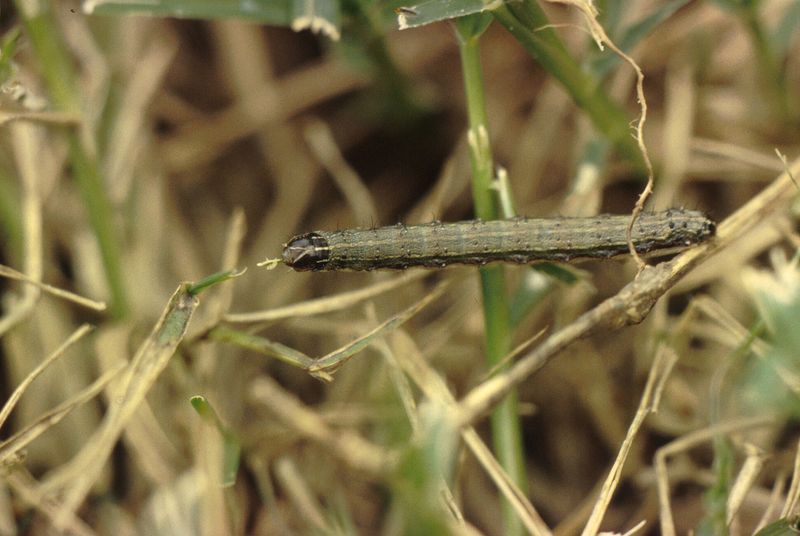
Fall armyworm larvae have a few useful identification features. Mature larvae are typically one to one-and-a-half inches long and range from greenish to brownish in color.
They have a distinct inverted Y-shaped marking on the front of the head capsule. A row of dark spots runs along each side of the body.
No single marking is completely foolproof for identification, so looking at the overall pattern together gives a more reliable result.
Seeing an adult moth flying near the lawn at night is not a reason to spray immediately. Adult moths do not feed on grass.
Only larvae cause turf damage, and scouting for larvae is the correct next step after noticing a moth.
UF/IFAS guidance suggests that treatment may be warranted when scouting reveals several larvae per square foot, but confirming the pest identity first is essential.
Inspecting the turf a couple of times per week during late summer takes only minutes and can prevent a manageable situation from turning into a much larger problem.
8. Feed The Lawn Without Pushing Excess Growth
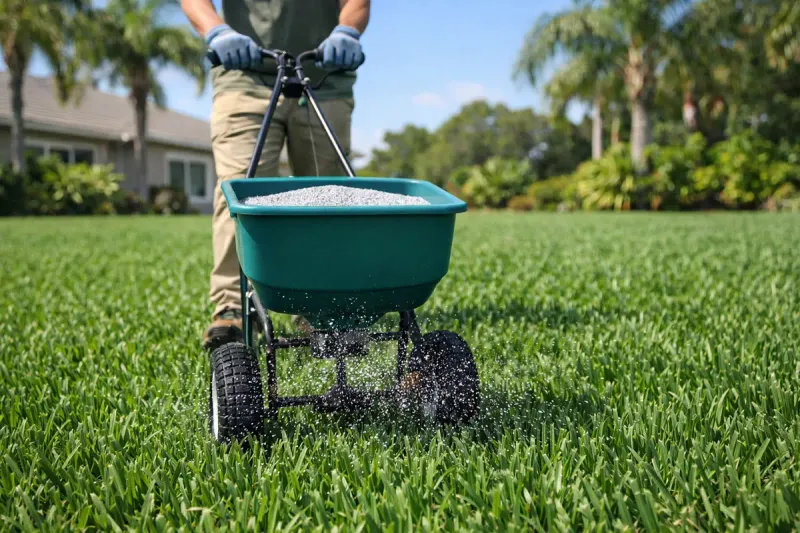
Putting the fertilizer bag away entirely is not the answer. Florida lawns need consistent nutrition to stay strong, recover from summer stress, and resist problems of all kinds.
The goal is feeding the turf appropriately, not starving it into weakness.
UF/IFAS Extension provides fertilization guidelines for each major Florida turf species, including St. Augustinegrass, bermudagrass, bahiagrass, and zoysiagrass.
Those guidelines account for the growth habits of each grass type, the season, and the typical soil conditions found across different regions of the state.
Following species-specific recommendations produces steady, moderate growth rather than a sudden flush of overly soft foliage.
Soil testing is one of the most practical tools a homeowner can use before applying any fertilizer. Knowing what your soil actually needs prevents unnecessary applications and helps avoid the kind of excess that can push grass into rapid, soft growth.
Many Florida counties also have seasonal fertilizer restrictions, so checking local rules before applying is a smart habit year-round.
Tying everything together, the real takeaway from this article is straightforward. Fertilize according to your turf type and local guidance, and scout the lawn regularly during late summer.
Confirm the pest before taking action, then respond promptly when larvae are actually found. Proper nutrition builds a resilient lawn.
Excessive nitrogen does not make turf stronger. It just makes it softer at exactly the wrong time of year.