What To Leave In Your Georgia Yard This August To Keep Monarchs Coming Back All Season
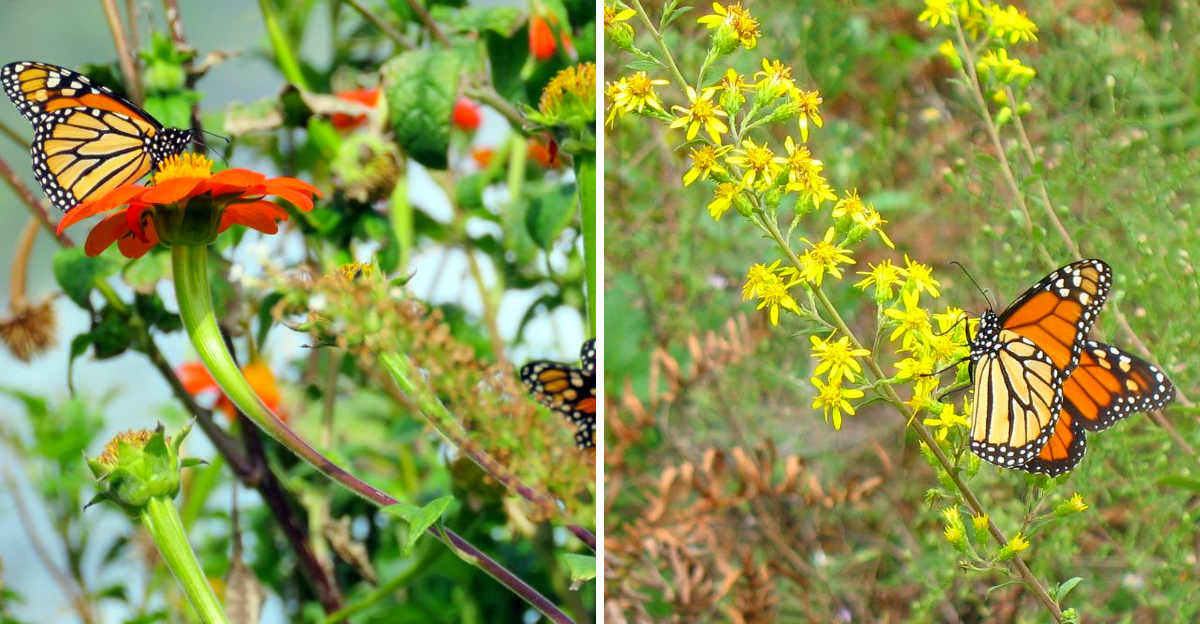
August is one of the more interesting months to watch for monarchs in a Georgia yard, sitting right at that overlap between late summer breeding and the early edges of fall migration.
Some monarchs are still laying eggs, caterpillars are still feeding, and adults are starting to fuel up for the long journey ahead, all happening at the same time in the same landscape.
That makes August a genuinely useful month to have the right plants in place, because monarchs need two very different things depending on their life stage.
Caterpillars are completely dependent on milkweed, while adult monarchs are out there sipping nectar from whatever flowers can keep up with their energy demands.
A yard that offers both, along with a few undisturbed habitat spots, can become a meaningful stop for monarchs moving through Georgia during this critical window.
1. Native Milkweed Supports Monarch Caterpillars
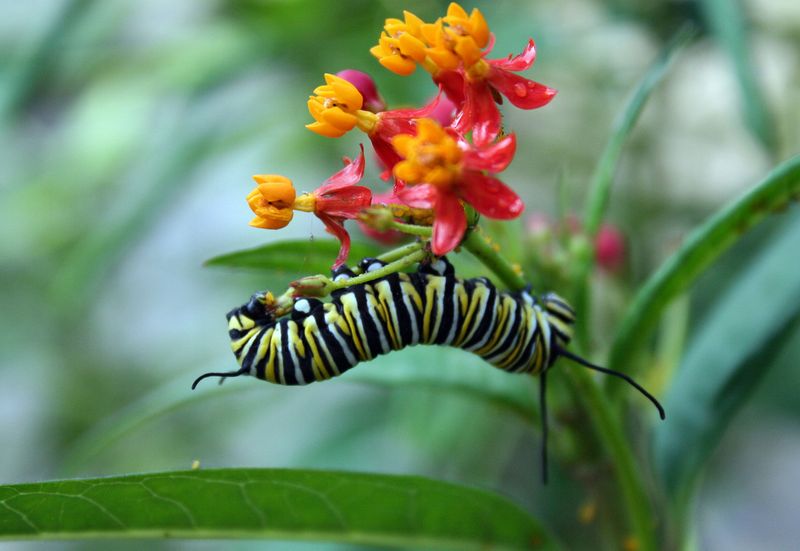
Milkweed does something no ordinary flower can. Monarch females lay their eggs on it, and the caterpillars feed only on milkweed foliage.
Without it, the caterpillar stage cannot happen. Even milkweed that looks a little worn by late summer may still provide useful foliage for developing caterpillars.
Watching for eggs and caterpillars before trimming plants can help gardeners avoid removing active habitat.
For Georgia yards, native, regionally suited milkweeds are the better choice. Species should be matched to your local soil, moisture, sunlight, and part of the state, since what thrives in the mountains may struggle in the coastal plain.
It helps to remember that native milkweed and tropical milkweed are not interchangeable.
Current Extension and monarch conservation guidance raises concerns that tropical milkweed can stay green late into the season in warmer areas, which may encourage monarchs to linger and can allow a harmful parasite to build up on the plants.
Because of that, many experts suggest leaning toward native species and, where tropical milkweed is grown, managing it carefully. Still, this is not a reason to pull out healthy native milkweed just because August has arrived.
If your native milkweed is still standing and being used by caterpillars, leaving it in place is one of the most valuable things you can do this month. Nectar flowers feed adults, but they cannot replace milkweed as a host plant.
Keeping that foliage available helps support the next round of caterpillars as Georgia moves toward the fall migration season.
2. Joe-Pye Weed Offers August Nectar
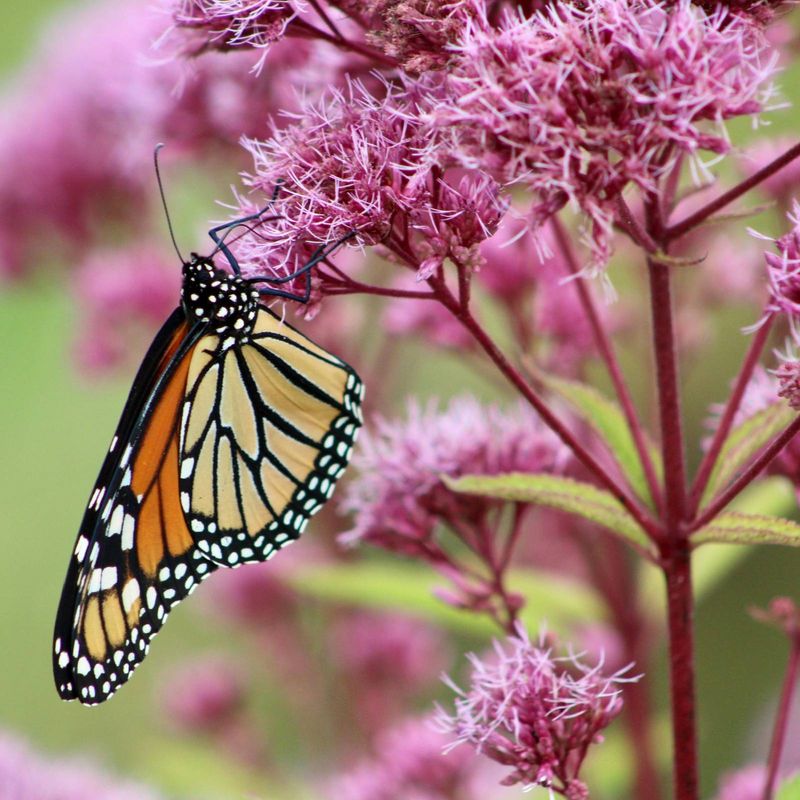
Tall clusters of dusty pink blooms tend to catch the eye in late summer, and Joe-Pye weed is often the plant behind them. During August, when adult monarchs and other butterflies are searching for energy, these flowers can be a welcome nectar stop.
Their broad flower clusters can also provide feeding space for several pollinators at once. That makes an established patch especially useful when fewer summer flowers are still producing abundant nectar.
Depending on the species, Joe-Pye weed often flowers from around July into August in Georgia, which lines up nicely with the timing when monarchs are active and migration is drawing closer.
Your Georgia Garden Changes Every Week. Your Plan Should Too.
Gardening in Georgia changes quickly throughout the season. Every Friday you’ll receive a simple weekly plan showing exactly what to plant, prune, fertilize, harvest, and protect so you never miss the right timing.
One thing worth keeping in mind is that not every Joe-Pye species wants the same conditions. Several prefer sunny spots with moist soil rather than dry, quick-draining garden beds, so placement matters if you want strong bloom.
Because these plants vary, it helps to check the needs of the specific species you are growing instead of assuming they all behave alike. The reward for matching the plant to the right spot is a taller, healthier stand loaded with flowers.
The main advice for August is simple: if your Joe-Pye weed is still blooming, resist the urge to cut it back. Those active flowers are the part that feeds adult monarchs.
Trimming healthy, flowering plants removes nectar right when butterflies can use it. Leaving them standing helps keep your Georgia yard useful to monarchs moving through.
3. Goldenrod Carries Nectar Into Fall
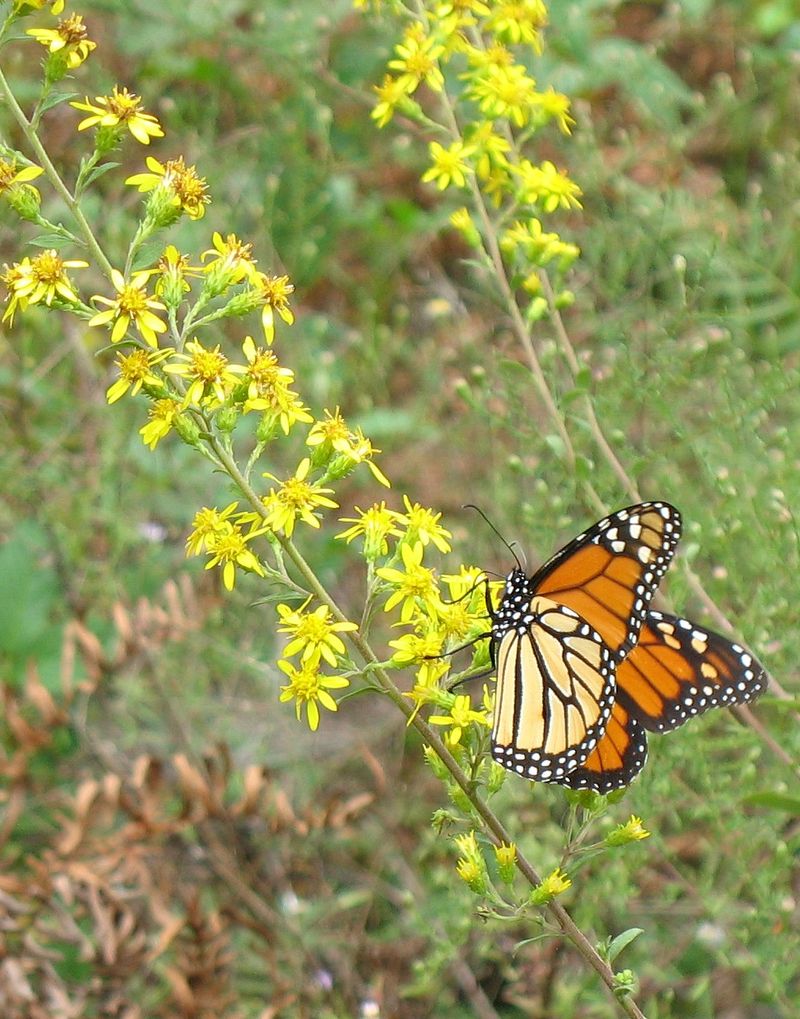
Bright yellow plumes of goldenrod are one of the signatures of the shift from summer toward fall in Georgia. As monarch migration becomes more active, these plants can be an important source of late-season nectar for the adults on the move.
Goldenrods are not all the same, though. Different Solidago species bloom at somewhat different times and prefer different sites, with some liking sunnier, drier ground and others tolerating a range of conditions.
Because of that variety, it is worth remembering that not every goldenrod is already flowering heavily in August. Some are still developing their buds and will open later, right as migrating monarchs pass through.
That timing is exactly why patience pays off. Preserving developing goldenrod this month helps make sure flowers are ready when the demand for nectar climbs during the fall movement.
Contrary to an old myth, goldenrod is not usually the cause of hay fever. Its pollen is heavy and carried by insects rather than the wind, so it is a friend to pollinators rather than a nose problem.
Leaving goldenrod standing rather than cutting it back keeps a valuable nectar supply in your Georgia yard. Combined with other blooms, it helps provide the kind of steady, changing flower supply that supports monarchs as the season shifts.
4. Late-Blooming Asters Feed Migrating Monarchs
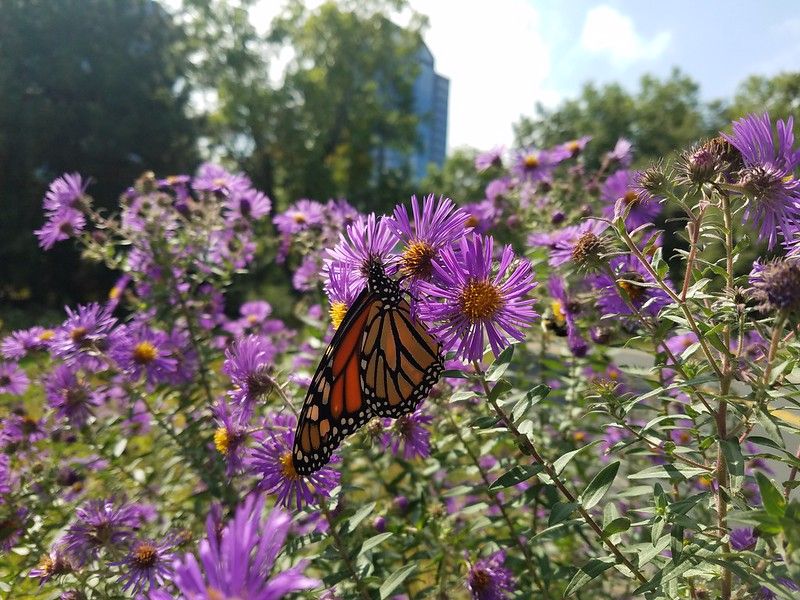
Soft purple and white daisy-like flowers appearing as the days shorten are often native asters, and they play a quiet but important role. These plants help stretch nectar availability from late summer into fall, right when monarchs need fuel for migration.
Many native asters are still growing and forming buds in August rather than showing full color. That is a key detail, because cutting them back this month can remove the very flowers that would become valuable later in the season.
Bloom timing varies quite a bit among aster species, so some may open earlier while others wait for cooler weather. The main point of leaving them alone is not that every aster is already flowering, but that you are protecting the coming late-season supply.
Think of asters as a bridge. As earlier bloomers fade, asters help carry the nectar season forward for adult monarchs and other pollinators.
It is worth being clear that asters are nectar plants, not host plants. They feed grown butterflies but do not replace milkweed for caterpillars.
For August, the practical move is to hold off on trimming healthy asters. By letting them develop, you help ensure your Georgia yard offers fresh flowers just as migrating monarchs are searching for energy on their journey south.
5. Blazing Star Adds Late-Summer Nectar
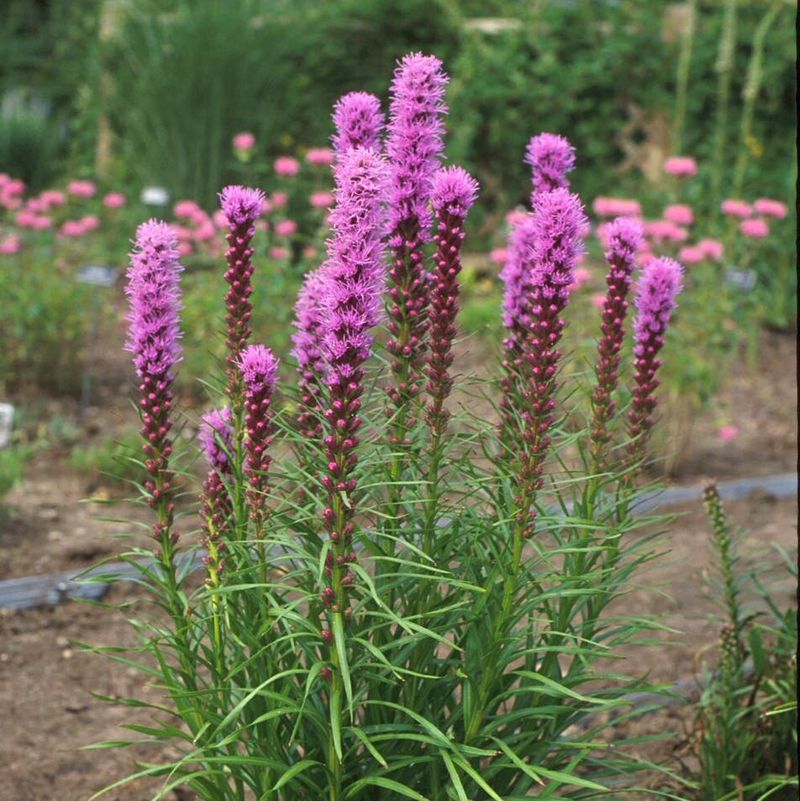
Spikes of feathery purple flowers standing upright in a sunny garden usually belong to blazing star, or Liatris. Several Georgia-native species make useful nectar plants during late summer, drawing in adult monarchs and many other butterflies.
Depending on the species and where you garden, blazing stars such as tall blazing star or pink-scale blazing star can bring color and nectar during this stretch of the season.
Their flowering periods and habitat preferences differ, so it helps to choose species suited to your region and soil.
Most Liatris favor sunny sites, and their preferences for moisture can vary from one species to another. Matching the plant to the conditions in your part of Georgia gives you a stronger, more reliable bloom.
An important reminder is that the useful resource for monarchs is the active flower, not a dried-out stalk. Once the blooms fade, their nectar value fades too.
That is why leaving healthy, flowering blazing star in place through August matters. Cutting it while it is still blooming removes nectar that adults could be using.
Like the other flowers on this list, blazing star supports grown butterflies rather than caterpillars.
Paired with milkweed and a mix of other blooms, it helps build the changing nectar supply that makes a Georgia yard more useful to monarchs during the shift toward fall.
6. Mexican Sunflowers Draw Adult Monarchs
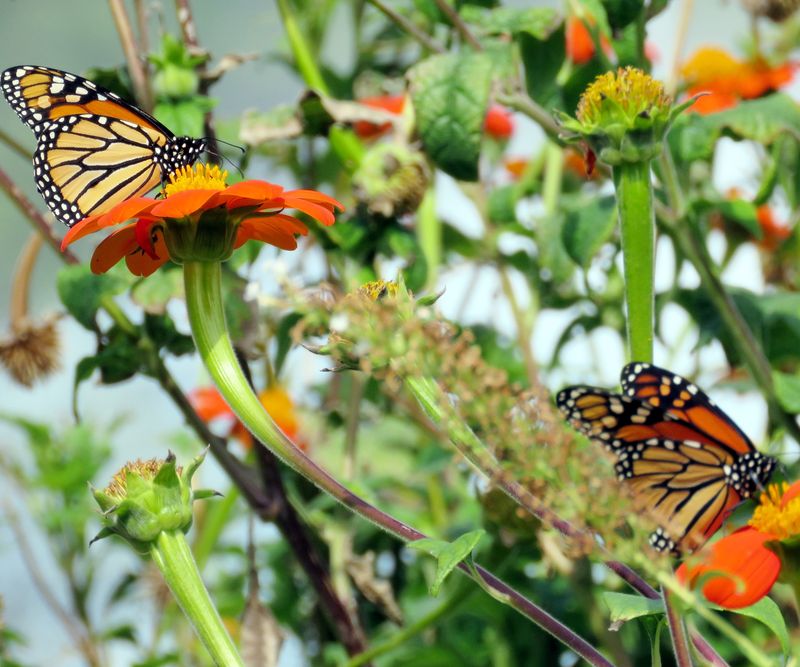
Bold orange blossoms towering over a summer garden bed are often Mexican sunflowers, or Tithonia rotundifolia. They have a strong reputation for pulling in adult monarchs and other butterflies looking for nectar.
Their large, open flower heads make nectar accessible to a range of visiting butterflies. A patch with flowers at different stages can also help extend nectar availability as older blooms fade and new ones open.
It is worth being upfront that this plant is not native to Georgia. It is grown as an annual and is included here because credible Extension guidance points to its value as a butterfly nectar plant, not because it belongs to the native landscape.
When Mexican sunflowers are healthy and blooming heavily in August, they can offer plenty of nectar for grown monarchs. Letting them keep flowering through the month adds another energy source right when butterflies are active.
Keep in mind that this plant serves adults only. It is a nectar source, not a host plant, so monarch caterpillars will not feed on it the way they do on milkweed.
Because it thrives in heat and sun, Mexican sunflower often performs well during Georgia’s warm late summer. Regular deadheading of spent blooms can encourage even more flowers as the weeks go on.
The takeaway for August is simple: if your Tithonia is thriving, let it bloom. Combined with native flowers and milkweed, it helps fill out a varied nectar supply that makes your Georgia yard more useful to passing monarchs.
7. Healthy Zinnias Extend The Nectar Supply
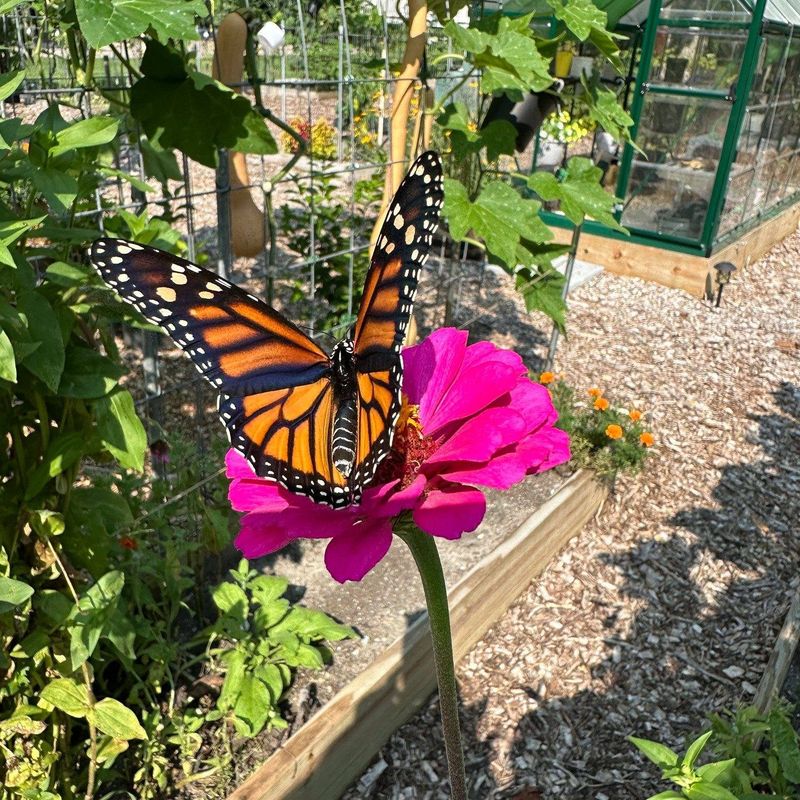
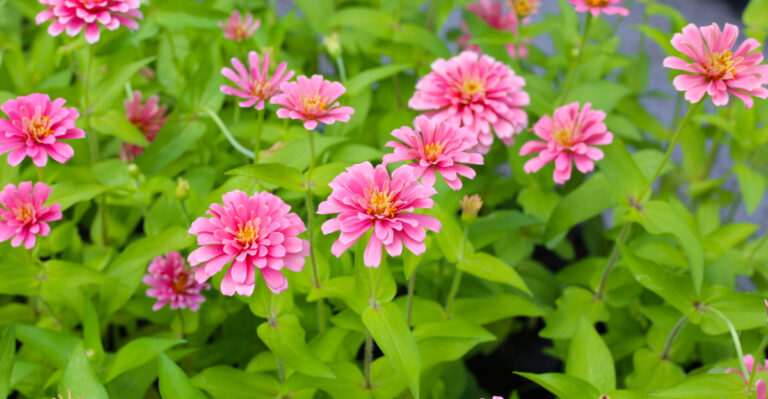
Rows of cheerful, brightly colored zinnias are a familiar sight in Georgia flower beds, and butterflies seem to appreciate them as much as gardeners do. Their open, flat blooms make easy landing pads for adult monarchs seeking nectar.
Zinnias are cultivated annuals rather than native plants, but they earn their spot because Extension guidance supports their value as butterfly nectar flowers. In August, actively blooming zinnias can supplement the nectar available in a garden bed.
One point to be clear about is that zinnias feed adults only. They are nectar plants, not host plants, so they do not support monarch caterpillars the way milkweed does.
To keep them working for butterflies, the goal is healthy, actively flowering plants. Deadheading spent blooms and giving them water during dry spells can help them keep producing new flowers.
Dried seed heads, by contrast, do not offer the same benefit to monarchs. The nectar comes from fresh, open blooms, so tired or finished flowers are far less useful.
How long zinnias keep going depends on weather, plant health, and normal seasonal growth, so results will vary from yard to yard.
Even so, maintaining a patch of blooming zinnias alongside native flowers and milkweed helps round out the succession of nectar that makes a Georgia yard more useful to monarchs.
8. Sunny Meadow Patches Protect Butterfly Habitat
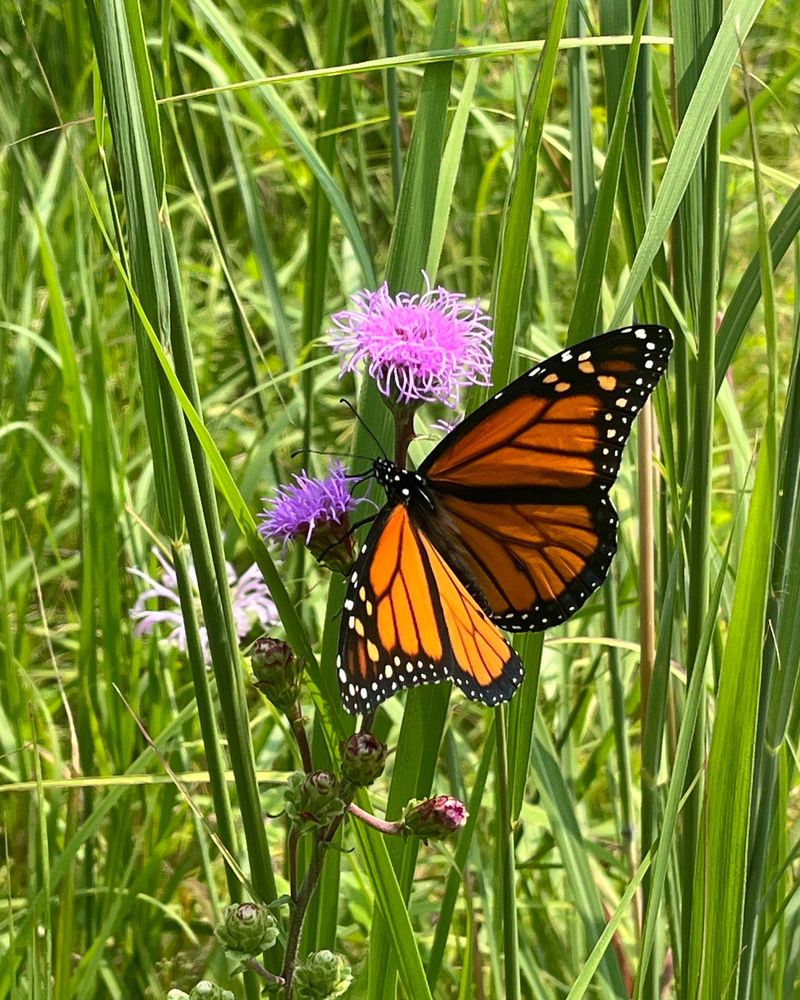
An unmowed corner of the yard buzzing with insects can look messy to some, but to butterflies it can be prime real estate.
A small sunny area holding milkweed, nectar flowers, and other suitable plants offers far more habitat value when it is not mowed over and over during the active season.
Extension guidance supports keeping designated butterfly habitat areas unmowed and delaying mowing until later in the season where it makes sense. Frequent mowing can remove eggs, caterpillars, and the flowers adults rely on.
You do not need to let your whole property grow wild to make a difference. A garden edge, a back corner, or a small meadow patch set aside as habitat can do a lot of good while keeping the rest of the yard tidy.
Careful management also means going easy on broad pesticide use in these spaces. Sprays applied across larval habitat and actively visited flowers can harm monarch caterpillars and other beneficial insects.
Following current Extension and conservation advice, it is wise to protect areas where caterpillars feed and where butterflies gather nectar. Thoughtful, targeted care beats blanket treatments.
By leaving a small sunny habitat zone intact through August, you give monarchs a safer place to feed, lay eggs, and rest. It helps make your Georgia yard more useful as the season moves toward fall migration.