The One Thing North Carolina Lawns Need Now Before Fall Armyworms Strip Them Bare
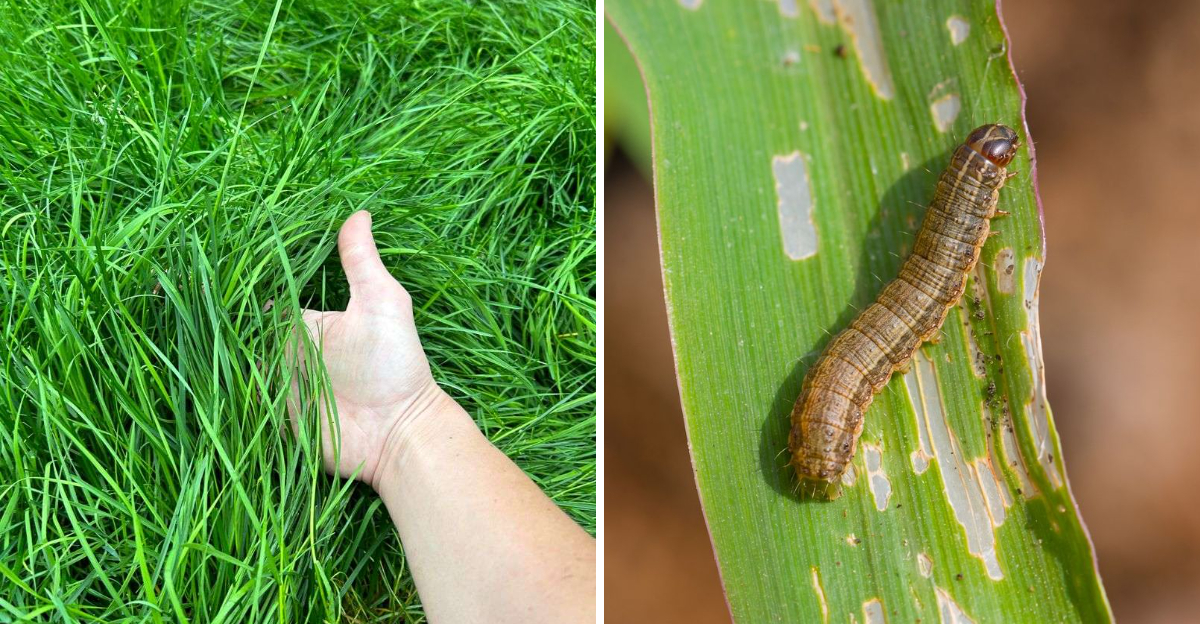
Fall armyworms move through North Carolina lawns fast, sometimes turning a healthy green yard brown within just a few days once they arrive in force. Most homeowners don’t notice anything wrong until the damage is already widespread and hard to reverse.
There’s one simple step that makes a real difference in how much of your lawn survives their arrival, yet it rarely makes it onto anyone’s late summer checklist. It has nothing to do with expensive treatments or complicated timing charts.
Once you understand exactly what these pests are looking for, protecting your lawn becomes a lot more straightforward. Many homeowners are shocked at how fast a healthy lawn can disappear once armyworms settle in.
Catching this now, before an infestation takes hold, could save you from a much bigger recovery project later this fall.
1. Scout The Lawn Now
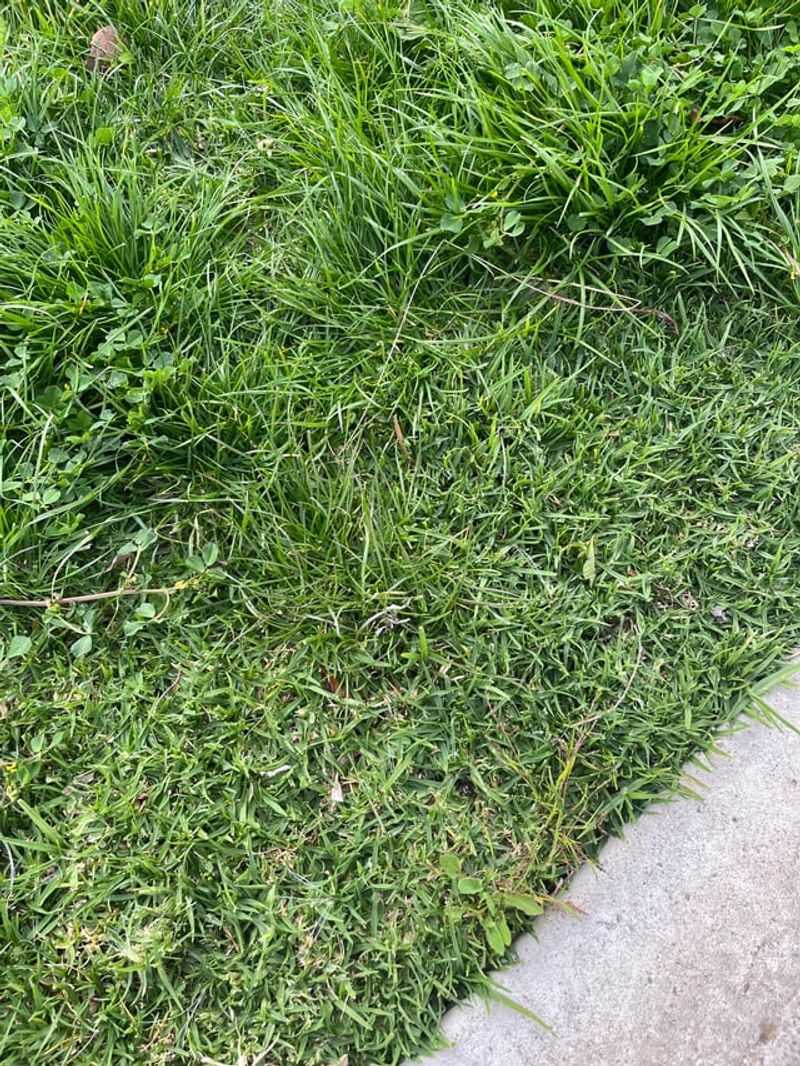
Waiting until you see brown spots usually means the trouble already started. Fall armyworms can chew through healthy turf faster than most people expect, so checking early gives you the upper hand.
Walk your yard a few times each week and get close to the grass. Bend down and part the blades near the soil, since young caterpillars hide low where it stays cool and moist.
Look for tiny green or brown worms, small holes in the grass, and little bits of what looks like sawdust, which is actually their waste.
Pay special attention to spots that get lots of sun and warmth. Warm, open areas often draw the first wave of feeding.
If you catch even a few small caterpillars during a scout, you can treat a small area instead of the whole lawn later.
Keep a simple habit of scouting during your regular yard time. When you water, mow, or grab the mail, take a minute to peek at the grass. This easy routine helps you notice changes quickly.
Early scouting also saves money and effort. Handling a light problem is far cheaper than repairing bare patches or laying new sod. A few minutes of looking now can protect weeks of hard work you put into your yard.
Think of scouting as your first line of defense. The sooner you spot these hungry visitors, the easier your job becomes and the greener your lawn stays through the fall season.
2. Check Morning And Evening
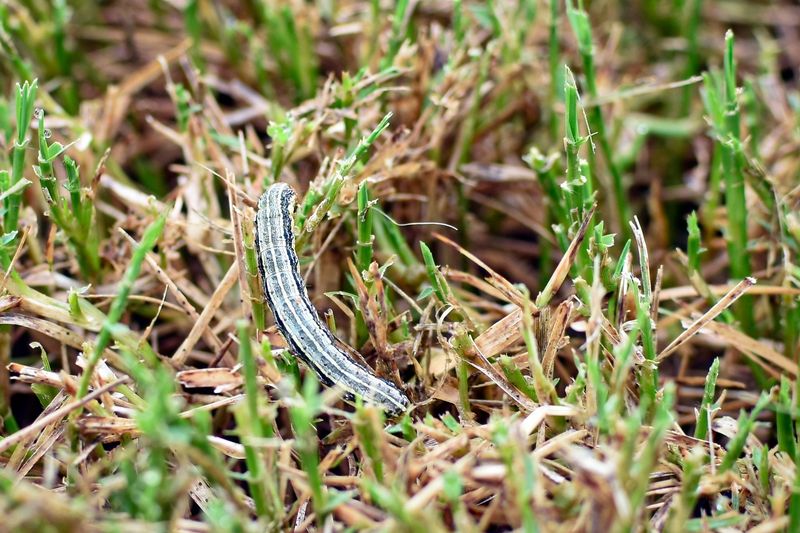
Timing your search makes a huge difference. Fall armyworms hate the hot midday sun, so they hide deep in the grass when temperatures climb. Trying to find them at noon usually leaves you frustrated.
Cooler parts of the day are when these caterpillars come out to feed. Early morning and late evening give you the best chance to catch them moving across the blades where you can actually see them. That is when their activity peaks.
Morning offers another bonus. Dew on the grass can make it easier to spot the worms, their trails, and the damage they leave behind. The soft light also helps you notice color changes in the turf.
Your North Carolina Garden Changes Every Week. Your Plan Should Too.
Gardening in North Carolina changes quickly throughout the season. Every Friday you’ll receive a simple weekly plan showing exactly what to plant, prune, fertilize, harvest, and protect so you never miss the right timing.
Evening checks work well too, especially after a warm day. As the sun drops, the caterpillars grow bolder and climb higher on the grass. A flashlight can help you spot them once the light fades.
Try to build both checks into your daily rhythm. A quick morning look before work and an evening glance after dinner keep you informed without much effort. You will start to notice patterns and problem areas fast.
Skipping the hottest hours also saves you from wasted time and confusion. You might think your lawn is fine at noon, only to find crowds of caterpillars at dawn.
Checking at the right moments gives you a true picture of what is happening. Cool, quiet mornings and calm evenings are your secret weapon for staying ahead of these sneaky feeders.
3. Try A Soap Flush
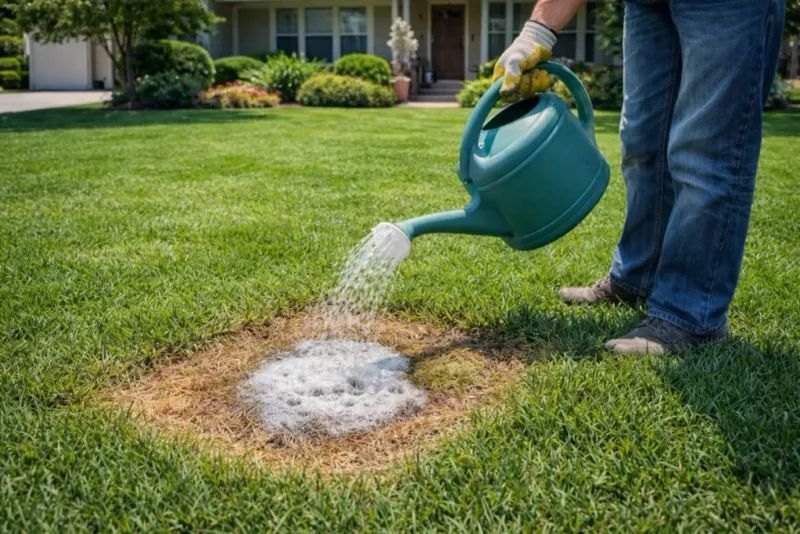
One of the easiest tricks in the book uses stuff you already have at home. A soap flush brings hidden caterpillars up where you can count them, and it costs almost nothing.
Mix a couple of tablespoons of dish soap into a gallon of water. Pour it slowly over a small square section of lawn, about one to two feet on each side. The mild soap irritates the worms and makes them uncomfortable in the soil.
Within a few minutes, any fall armyworms in that spot will wiggle up to the surface. You can watch them climb the grass blades where they are easy to see and count. It is a simple way to know for sure if they are present.
Pick a few different spots around your yard for the best results. Check sunny areas, shady corners, and places near garden beds. Testing several zones gives you a clearer idea of how many worms are around.
Counting matters more than you might think. If you find just one or two, you may only need to watch closely. Finding many in one square means it is time to act quickly.
The flush also works as a fun family science moment. Kids love seeing the worms appear, and it teaches them how to care for a yard.
Best of all, the soap does not harm your grass when used in small amounts. Rinse lightly afterward if you like, and your turf stays happy and healthy.
4. Look For The White Y
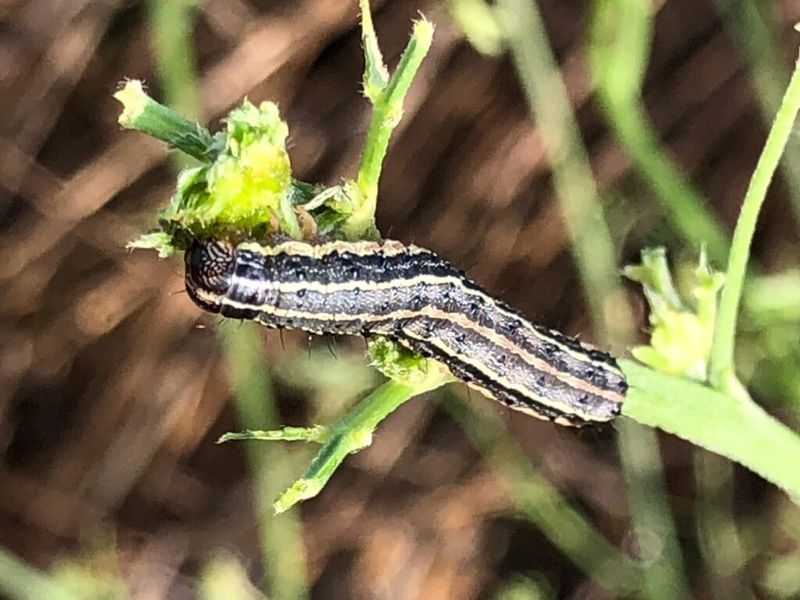
Not every caterpillar in your yard is a fall armyworm, so knowing the right one saves you trouble. These pests wear a special badge that makes them easy to name once you know what to look for.
Check the head closely and you will see a pale, upside down Y shape. This light colored marking stands out against the darker head and works like a fingerprint for this species. No other common lawn caterpillar carries the same clear sign.
Their bodies add more clues. Fall armyworms often show stripes running down their sides and a row of small dark bumps along the back. Colors range from green to brown, so the Y on the head is your most reliable check.
A magnifying glass or your phone camera zoom can help you see the mark clearly. Snap a photo and enlarge it if your eyes need a little help. The Y usually shows up even on smaller worms.
Getting the ID right keeps you from treating for the wrong bug. Many caterpillars are harmless or even helpful, so you do not want to bother them by mistake. Correct naming leads to smarter choices.
Teaching yourself this one feature builds real confidence. Once you spot the Y a few times, you will recognize it instantly during future scouts.
When neighbors ask what is chewing their grass, you can share this simple tip. That little white Y turns a mystery into an easy answer every single time.
5. Watch For Fast Moving Brown Patches
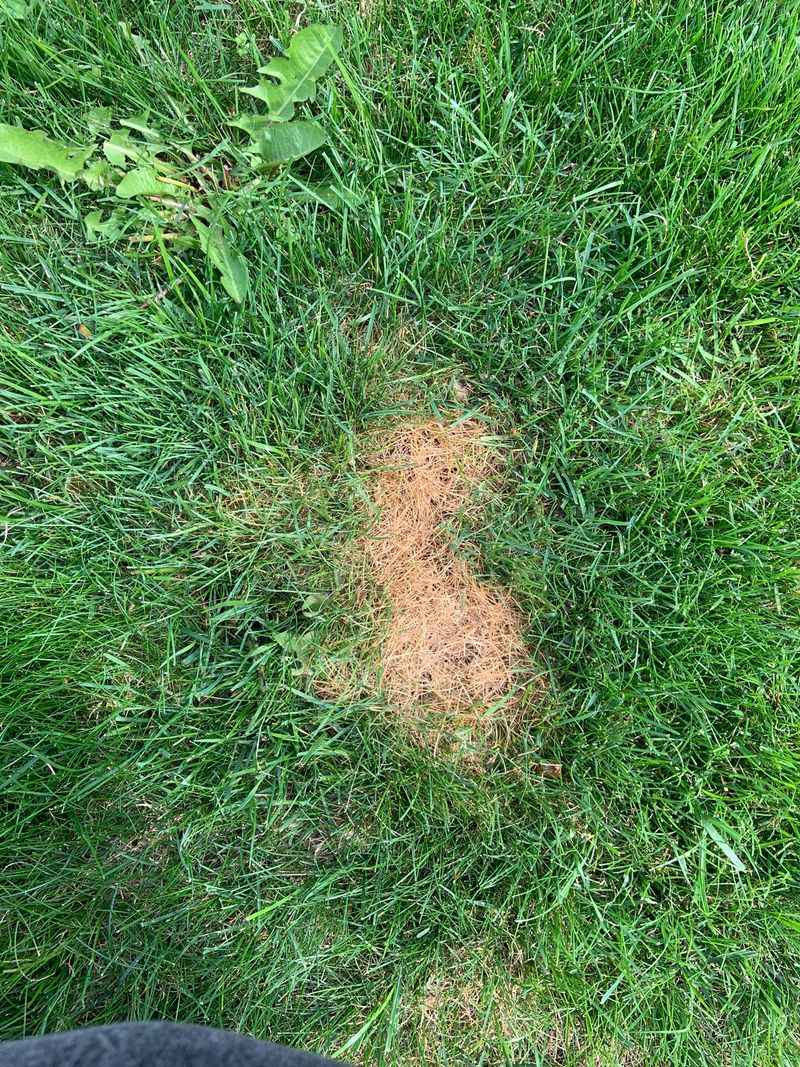
The name armyworm fits perfectly because these caterpillars feed like a marching army. They move across a lawn in a group, chewing everything in their path and leaving a trail behind.
What you often notice first is a strange line in the grass. On one side the turf looks green and healthy, while on the other side it turns brown and thin. That sharp edge is a classic sign of a feeding crowd on the move.
The brown area can grow fast, sometimes overnight. A patch that looked small in the evening may double by morning.
Because the worms travel together, damage spreads in a clear direction rather than in random spots.
Keep an eye on the border between good and bad turf. If that line shifts farther across your yard each day, the army is still marching and still hungry. Tracking it helps you see how quickly they are working.
Sometimes people blame the brown color on dry weather or heat stress. A quick look at the grass usually clears things up. If the blades are chewed and ragged instead of just wilted, caterpillars are the likely cause.
Marking the edge with a small flag or stick lets you measure the spread over a day or two. Watching that progress tells you how urgent the situation really is.
Catching the moving line early means you can stop the march before it reaches the rest of your beautiful green lawn.
6. Check New Sod Closely
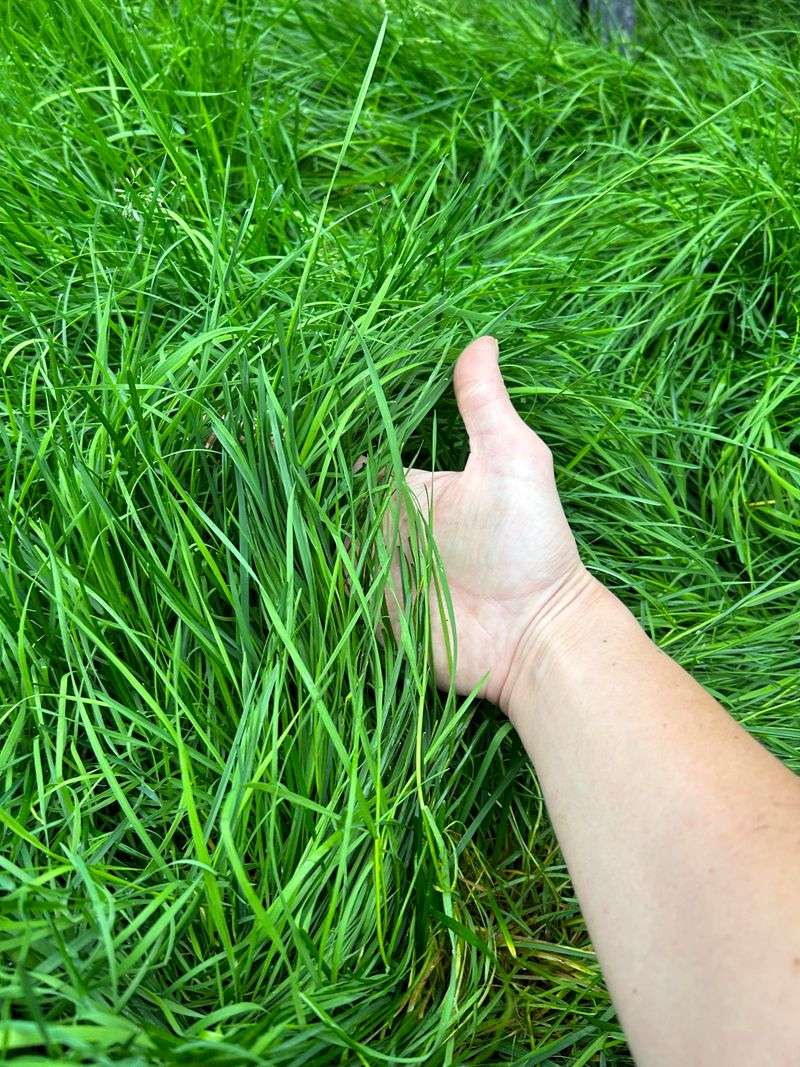
Fresh sod looks like a dream, all green and even. Sadly, that tender new grass is exactly what fall armyworms love, which makes new lawns a top target you should watch with extra care.
Young sod has soft, lush blades that are easy for caterpillars to chew. The roots are still settling in, so the grass cannot bounce back as quickly from feeding. A small problem can turn into big patches before the sod even takes hold.
New sod also sometimes arrives with hidden guests. Eggs or tiny worms can hitch a ride from the farm, so damage may show up soon after you lay it down. Checking right away helps you catch surprises early.
Give your fresh grass a close look every day for the first few weeks. Part the blades, peek at the soil, and watch for chewed edges or thinning spots. The extra attention pays off while the lawn is most fragile.
Water and warmth speed up the settling process, but they also make conditions comfy for caterpillars. Since new sod needs frequent watering, the moist ground can invite these pests to stay.
If you spot trouble on new sod, act fast. Protecting your investment now saves you from replacing damaged rolls later and starting all over.
Once the sod roots deeply and toughens up, it handles stress much better. Until then, treat those first few weeks as your most important watching period for a strong, lasting lawn.
7. Small Caterpillars Are Easier To Control
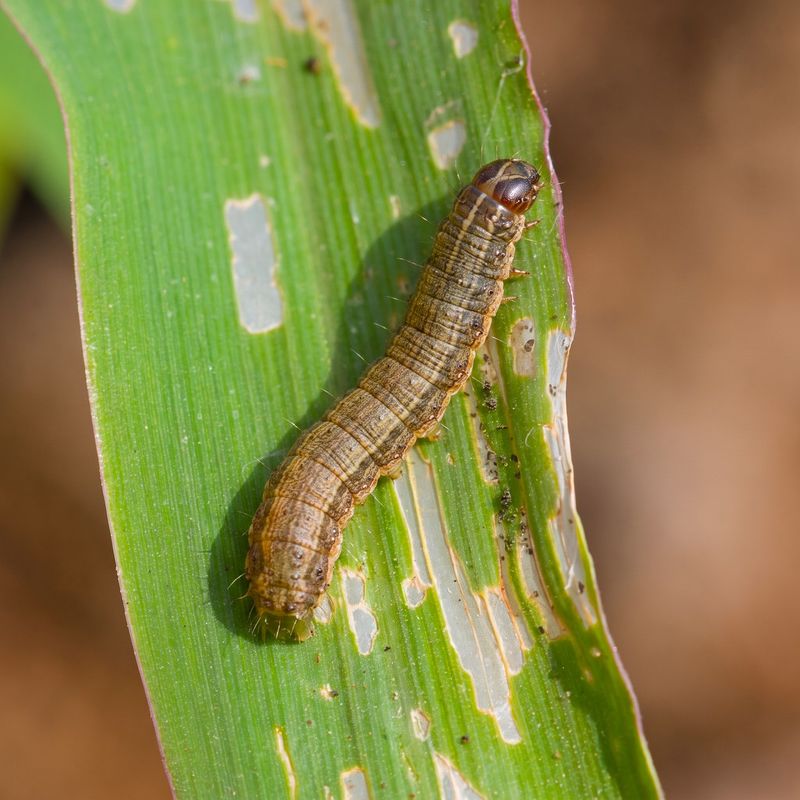
Size makes a surprising difference with these pests. Tiny young caterpillars are far simpler to manage than the big ones, so catching them small is a real win.
When fall armyworms are young, they eat very little and stay close together. Their bodies are soft and they have not built up much toughness yet. That means treatments and simple steps work much better against them at this stage.
As they grow, everything changes. Larger caterpillars eat a lot more each day, causing damage to speed up. They also become harder to manage, so waiting only makes your job tougher.
This is why scouting and quick action fit together so well. The sooner you find the little ones, the easier your response becomes. A small problem handled early rarely turns into a big headache.
Watch for the youngest worms during your soap flush or morning checks. They often look pale and skinny compared to the bigger, striped adults.
Spotting them at this point gives you the best window to act. Cost comes into play too. Handling a small group takes less product, less time, and less worry.
Letting them grow usually means more effort and more repair work later. Think of it like tackling a small mess before it spreads across the whole room. A little effort now goes a long way.
Keeping your eyes open for those tiny caterpillars is one of the smartest habits any North Carolina gardener can build this season.
8. Treat Only After You Confirm Them
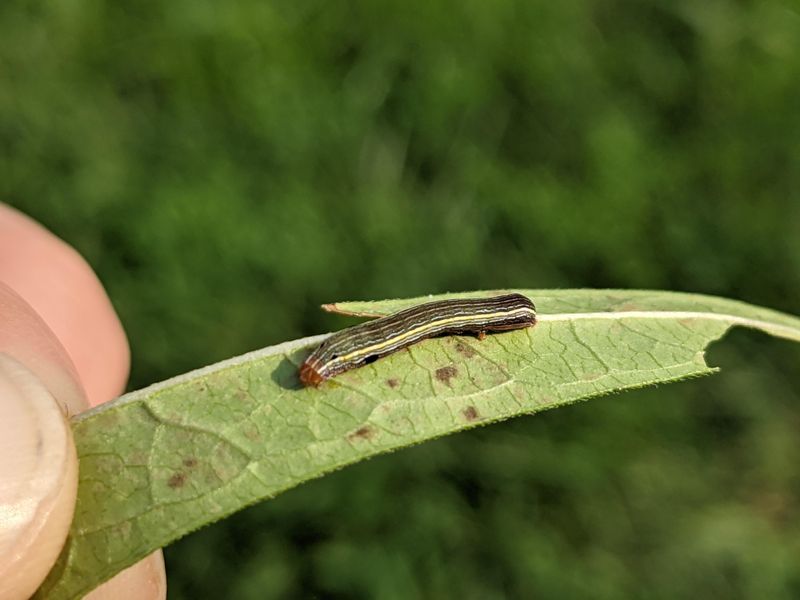
Jumping to spray before you know the cause is a common mistake. Smart lawn care starts with proof, so confirm that fall armyworms are really the problem before reaching for any product.
Use your scouting skills first. Check the grass, run a soap flush, and look for that white Y on the head. Once you clearly see the worms and their damage, you know treatment makes sense.
Treating without confirming wastes time and money. Brown grass can come from heat, dryness, or other bugs, so guessing may lead you down the wrong path. A quick check saves you from fixing the wrong thing.
When you do confirm them, choose a lawn product that lists fall armyworms right on the label. Reading the label carefully matters, since it tells you the correct amount and the safest way to apply it.
Following those directions protects your grass and your family. Only treat when the numbers call for it. A few caterpillars might not need any product at all, while a large, spreading group does.
Matching your response to the real level of trouble keeps things balanced. Applying products at the right time boosts results too. Cooler parts of the day often work best, lining up nicely with your morning and evening checks.
Taking this careful approach keeps your yard healthy and avoids needless spraying. With good scouting and smart choices, your North Carolina lawn can stay green and strong all the way through fall.