Things White Mushrooms In Your Pennsylvania Yard Might Be Telling You
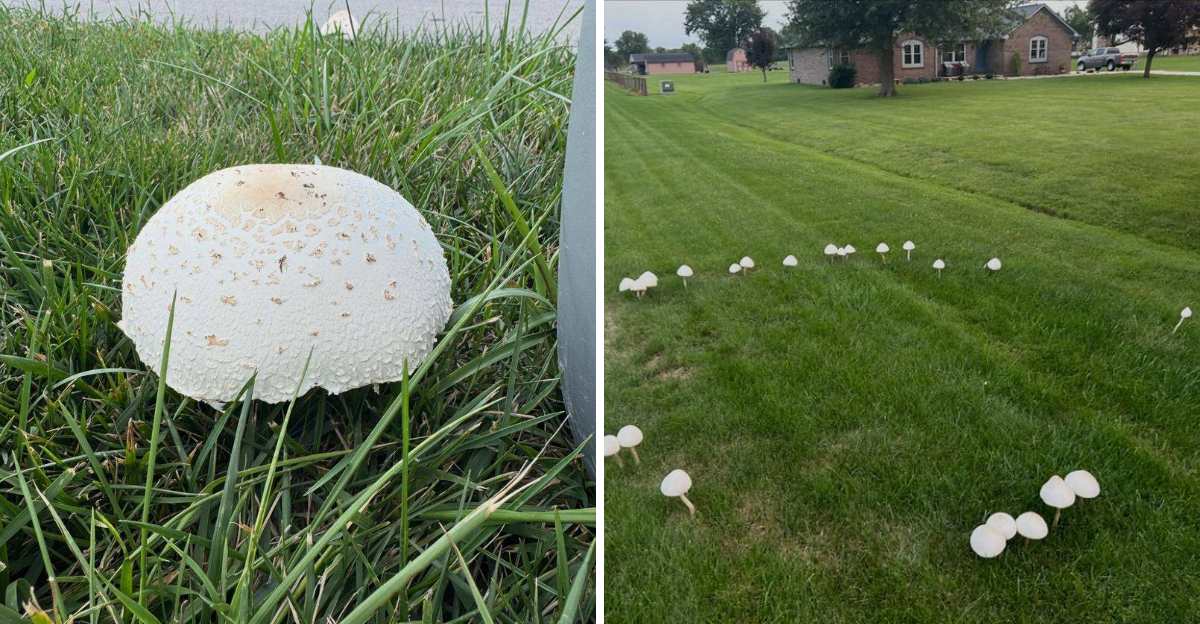
White mushrooms pushing up through your Pennsylvania yard overnight are one of those discoveries that stops people mid-step. One morning the lawn is clear, and the next there’s a cluster of them appearing out of nowhere like the ground decided to surprise you.
The first question most homeowners ask is whether they’re dangerous. But the more interesting question is what they’re actually telling you. Because they’re telling you something.
Mushrooms don’t appear randomly. They’re the visible fruiting bodies of a fungal network that has been living in your soil, often for years, and the conditions that trigger them to surface say something specific about what’s happening just below the ground in your Pennsylvania yard.
Some of what they signal is genuinely useful information for a gardener. Some of it points to conditions worth addressing. And occasionally, the picture they’re painting about your soil ecosystem is actually a good one.
1. Your Lawn Is Holding Plenty Of Moisture
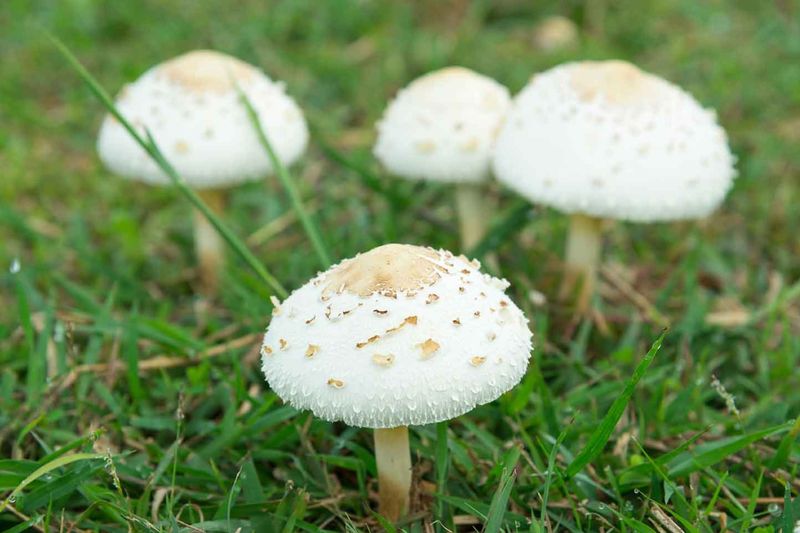
After a rainy week in Pennsylvania, white mushrooms seem to appear almost overnight. That is not a coincidence.
Mushrooms are a clear sign that your lawn is holding a lot of moisture, and fungi absolutely love wet conditions. They thrive when the soil stays damp for several days in a row.
Heavy rainfall, frequent watering, and high humidity all create the perfect environment for mushrooms to pop up. If you are seeing them often, your yard may have a drainage problem worth looking into.
Poor drainage keeps the soil wet long after rain has stopped, giving fungi the moisture they need to grow.
Check how water flows across your lawn after a storm. If puddles stick around for more than a day, water may be pooling in low spots.
Grading those areas or adding drainage solutions can help reduce the conditions that encourage mushroom growth.
You can also adjust your watering schedule. Watering deeply but less often encourages grass roots to grow deeper without keeping the surface constantly wet.
Early morning watering allows the sun to dry out the top layer of soil before nightfall. Aerating your lawn each fall or spring helps water move through the soil more efficiently. It reduces compaction and improves drainage over time.
A well-aerated lawn holds less standing moisture near the surface, which naturally cuts down on mushroom growth. Mushrooms are not harming your grass in this case.
They are simply letting you know that moisture levels in your yard are higher than your lawn may need.
2. Organic Matter Is Breaking Down Underground
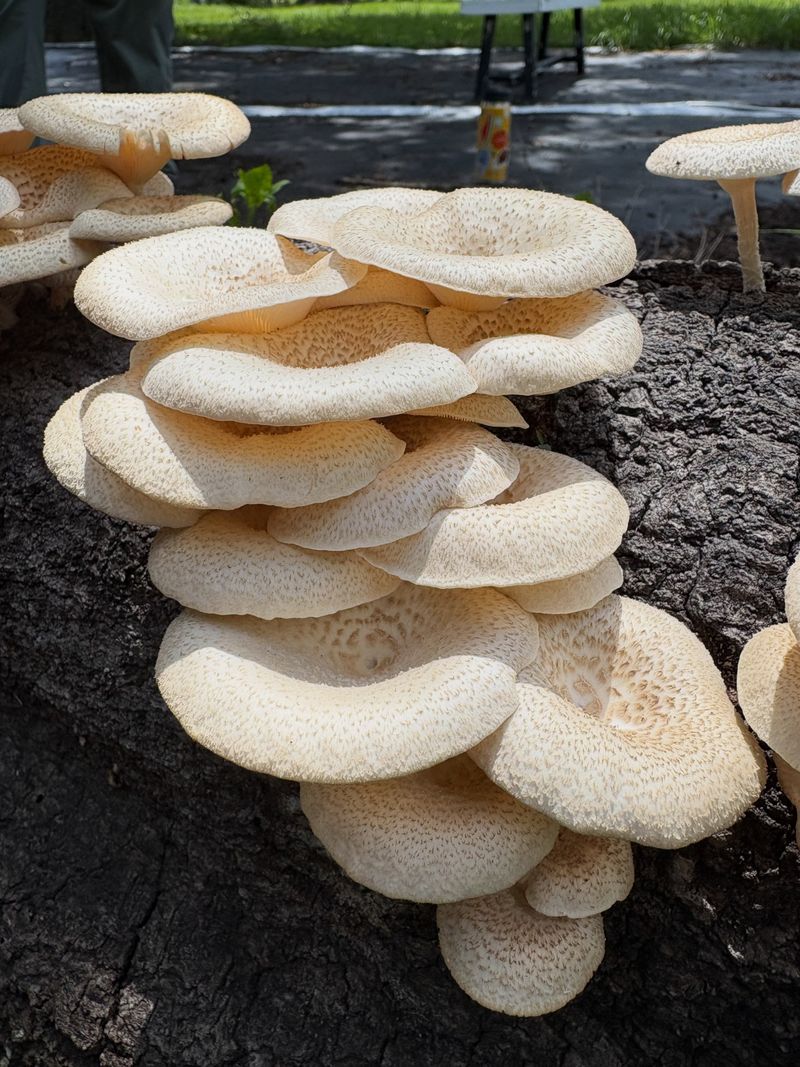
Mushrooms are nature’s cleanup crew, and spotting them in your yard often means something is breaking down beneath the surface. Fungi feed on dry organic material like old roots, buried logs, decomposing thatch, and leftover plant debris from seasons past.
The mushroom you see above ground is just a small part of a much larger organism doing important work below.
In Pennsylvania yards, buried wood is one of the most common reasons mushrooms appear. When a tree is cut down, the roots left in the ground continue to break down for years.
Your Pennsylvania Garden Changes Every Week. Your Plan Should Too.
Gardening in Pennsylvania changes quickly throughout the season. Every Friday you’ll receive a simple weekly plan showing exactly what to plant, prune, fertilize, harvest, and protect so you never miss the right timing.
Fungi move in to help speed up that process, and white mushrooms are a visible sign of that underground activity.
Thatch, which is the layer of dry grass and stems that builds up between the soil and living grass blades, can also fuel fungal growth.
A thick thatch layer traps moisture and provides plenty of organic material for fungi to consume. Dethatching your lawn every year or two can reduce this food source significantly.
Old garden beds, buried construction debris, and even leftover mulch from previous landscaping projects can all attract fungi. If mushrooms keep returning in the same spot, something underground is feeding them.
You may want to dig carefully in that area to see what is there. Removing buried organic material when possible is the most effective long-term solution. Once the food source is gone, the fungi have no reason to stay.
Think of mushrooms in this case as helpful workers letting you know that your soil is actively recycling nutrients back into the earth.
3. Old Tree Roots May Still Be In The Soil
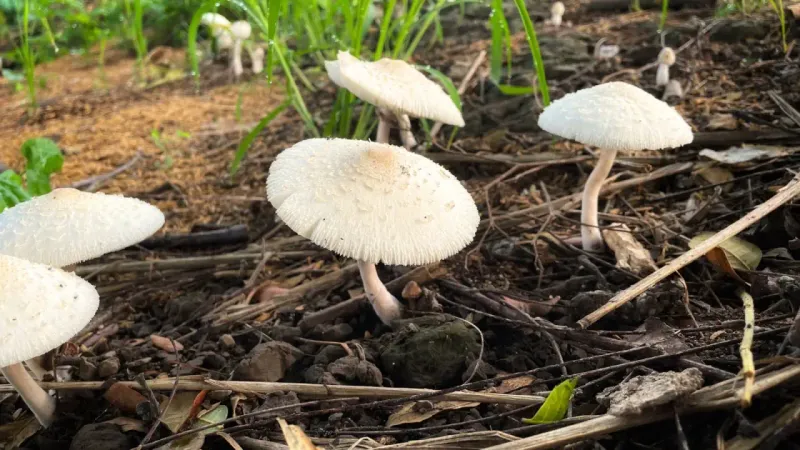
You may have had a tree removed years ago and assumed the problem was gone for good. But underground, the old roots are still there, slowly breaking down.
White mushrooms appearing in that same spot years later are a strong sign that fungi are feeding on those leftover roots, which is completely normal.
Tree roots can extend far beyond where the trunk stood. That means mushrooms might pop up several feet away from where the original stump was located.
Homeowners are sometimes confused because they cannot connect the mushrooms to any obvious source. Tracing them back to an old tree site often solves the mystery.
Stump grinding removes the visible portion of a tree, but it does not reach every root underground. Those remaining roots become a long-term food source for fungi.
Depending on the size of the original tree, this process can take anywhere from a few years to over a decade.
If mushrooms are growing near a former tree location, there is not much you need to do except wait. The fungi are helping to break down the roots naturally.
Over time, as the organic material disappears, the mushrooms will stop appearing on their own.
For faster results, some homeowners choose to have remaining roots excavated. This is a bigger project but eliminates the food source more quickly.
Either way, the presence of mushrooms near old tree sites is not a sign of lawn disease. Your yard is simply finishing a natural process that started the moment that tree came down. Patience is usually the best approach here.
4. Your Soil Has An Active Fungal Community
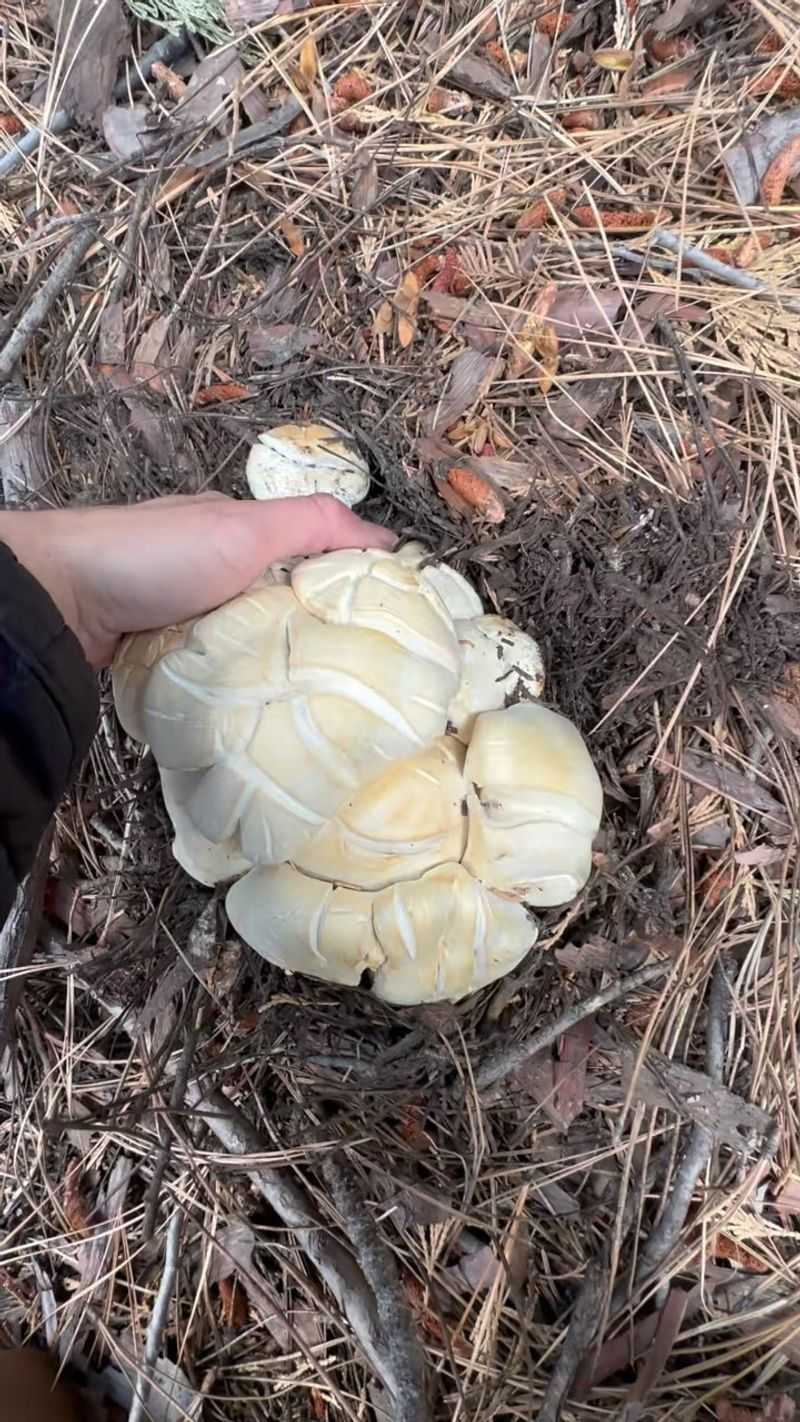
Most people only notice mushrooms when they pop up above the grass, but the real story is happening underground. What you see is called a fruiting body, and it is just the visible tip of a massive fungal network called mycelium.
This network can spread through your soil for dozens of feet in every direction, silently doing important work.
An active fungal community in your soil is actually a sign of a healthy ecosystem. Fungi break down organic matter, release nutrients, and even help grass roots absorb water and minerals more efficiently.
Many plants, including trees and lawn grasses, have a natural partnership with underground fungi that benefits both organisms.
In Pennsylvania, healthy soils tend to have rich fungal activity, especially in yards with established trees, mature gardens, or areas that have not been heavily treated with chemicals.
Fungicides and excessive fertilizers can reduce fungal populations, sometimes disrupting the natural balance your soil depends on.
So when mushrooms appear, try not to panic. They are a signal that your soil is alive and working.
A biologically active lawn is often more resilient than one that has been stripped of its natural microorganisms through heavy chemical use.
If you want to reduce mushroom growth without harming your soil health, focus on improving drainage and removing organic debris rather than reaching for a fungicide. Keeping your lawn mowed regularly also helps, since shorter grass dries out faster.
The fungal community below your feet is one of your lawn’s most valuable hidden assets, and the mushrooms above are just its way of saying hello.
5. A Ring Of Mushrooms Could Be Fairy Ring
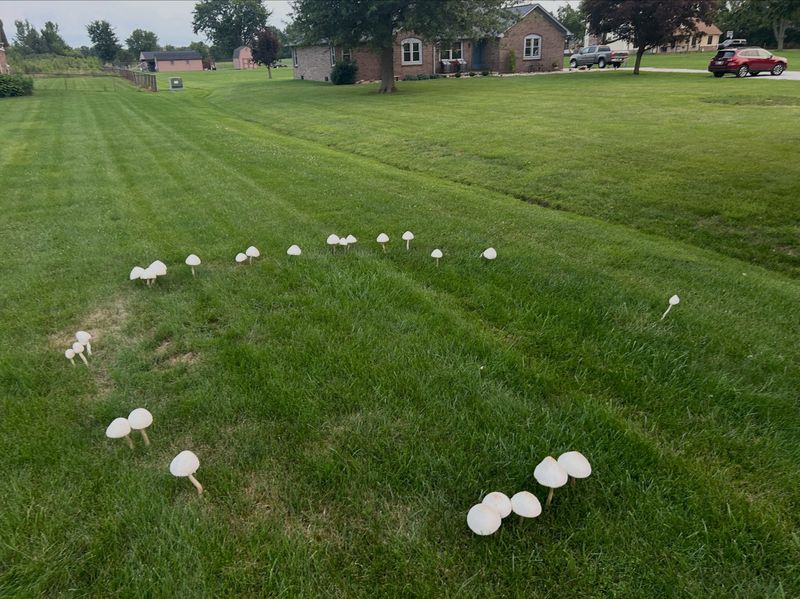
Finding a perfect circle or curved arc of white mushrooms in your yard is one of the more surprising things a Pennsylvania homeowner can discover. This pattern is called a fairy ring, and while the name sounds magical, the cause is actually rooted in science.
An underground fungal colony starts at a central point and slowly spreads outward in all directions, creating that circular shape over time.
Fairy rings can grow slowly, expanding just a few inches each year. Some rings in established lawns have been growing for decades without anyone realizing it.
The mushrooms appear along the outer edge of the underground fungal mass, which is where the most active growth is happening.
One of the most noticeable signs of fairy ring, besides the mushrooms themselves, is a band of darker green grass that follows the same circular path.
This happens because the fungi release nitrogen as they break down organic matter, which acts as a natural fertilizer for the grass directly above. Inside and outside the ring, the grass may look slightly different in color.
In some cases, fairy rings can cause a zone of grass to dry out or look patchy. The dense mycelium beneath the surface can sometimes block water from reaching grass roots. This is when the ring becomes more of a lawn care concern worth addressing.
Improving aeration and watering deeply can help break through that dense underground layer. Removing mushrooms as they appear prevents them from spreading spores.
Fairy rings rarely go away quickly, but consistent lawn care can reduce their impact on your yard over several seasons.
6. The Mushrooms Usually Are Not Destroying Your Grass
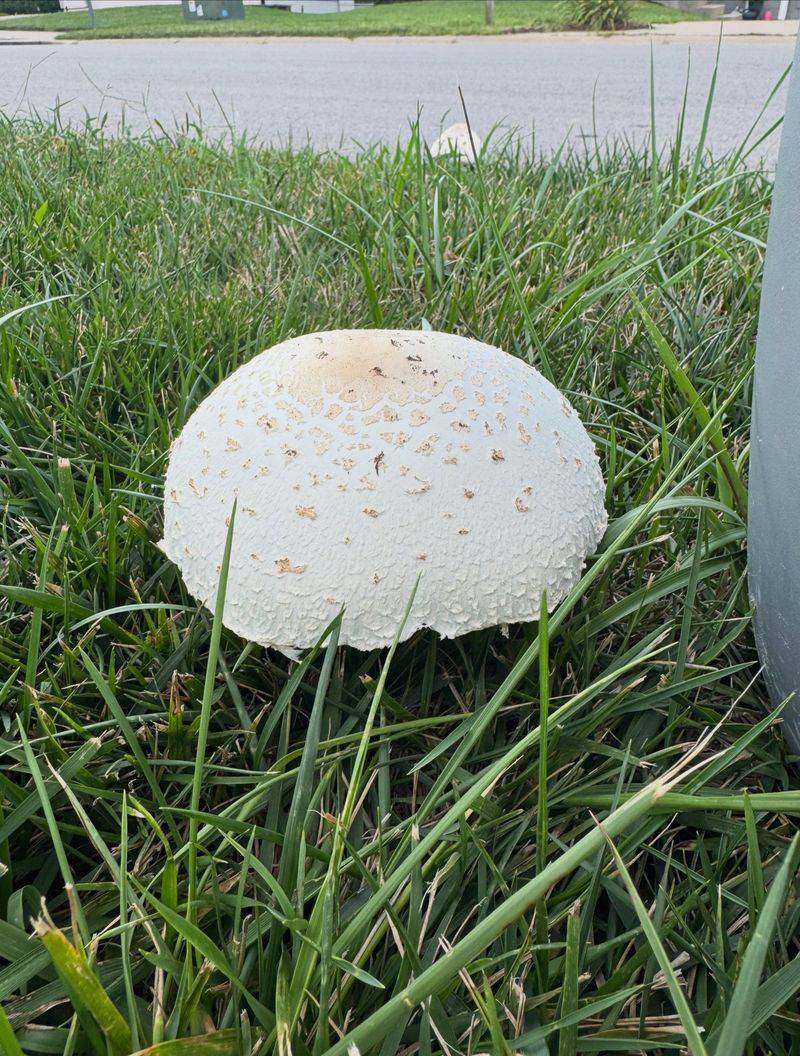
A lot of homeowners assume that mushrooms in the yard must mean something is wrong with the grass. The good news is that most lawn mushrooms are harmless decomposers.
They are feeding on buried organic matter, not on your living grass plants. Your turf is likely just fine, even if mushrooms are scattered across it.
Mushrooms that grow in random spots or clusters are usually saprotrophic fungi, which means they only consume already-dry material. They do not attack healthy grass roots or blades.
In fact, they may be quietly improving your soil by breaking down old organic debris and releasing nutrients that your grass can eventually use.
The confusion often comes from the fact that mushrooms appear at the same time as lawn problems like thinning grass or bare patches.
But those issues are usually caused by other factors such as shade, compaction, drought, or insects, not the mushrooms themselves. Blaming the mushrooms is like blaming the messenger for bad news.
If your grass looks healthy overall and mushrooms are simply appearing here and there, there is no urgent action needed. You can knock them over or remove them if they bother you, and that will not hurt your lawn at all.
Just wear gloves when handling them, since some species can irritate skin. Keeping your lawn well-maintained, well-drained, and free of buried debris is the most effective way to reduce mushroom growth over time. But if a few pop up after rain, take a breath.
Your grass is most likely doing just fine, and those mushrooms are simply part of your yard’s natural cycle.
7. White Mushrooms Are Not Automatically Safe
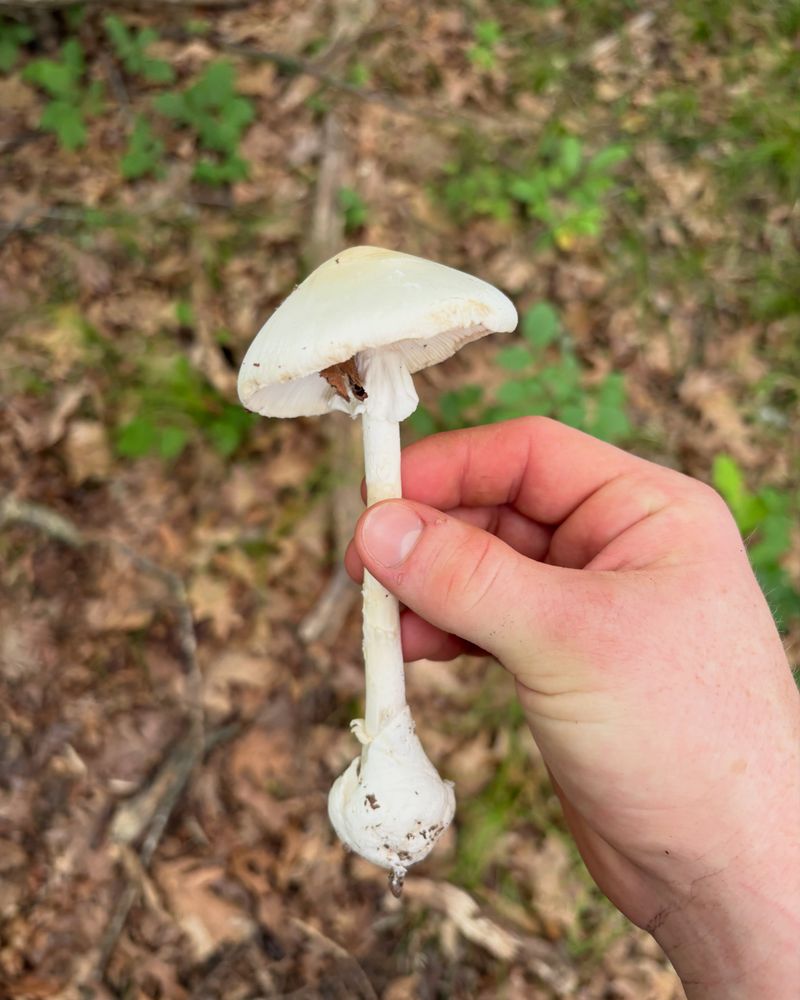
White mushrooms in your yard might look clean and harmless, but color alone tells you nothing about whether a mushroom is safe. Some of the most dangerous mushrooms in North America are bright white.
The destroying angel, for example, is a pure white mushroom that can cause serious organ failure in humans and animals if consumed. It grows in lawns and wooded edges across Pennsylvania.
Many people mistakenly believe that white mushrooms are safe because they resemble the ones sold in grocery stores. Wild mushrooms require expert identification, and even experienced foragers can make mistakes.
Two mushrooms can look nearly identical on the outside while being completely different species with very different effects on the body.
Children are especially at risk because they are curious and tend to pick up things they find outside. Pets, particularly dogs, are also known to sniff out and eat mushrooms they encounter in the yard.
Keep a close eye on both whenever white mushrooms are present, and remove the mushrooms promptly to reduce temptation.
Never use appearance, smell, or taste to judge whether a wild mushroom is safe. The only reliable method is identification by a trained mycologist or expert.
When in doubt, leave mushrooms alone and keep curious little ones and furry family members at a safe distance from any unidentified fungi in your yard.