These North Carolina Vegetables Actually Prefer Being Planted In Late August
Late August in North Carolina feels like summer is still very much in charge, and yet here is the thing nobody talks about enough: it is actually one of the most important planting windows of the entire year.
Cool season vegetables are not going to wait around for comfortable weather, and if you snooze on this window, your fall garden pays the price.
These crops need weeks of solid growth under their belt before the first frost shows up, which means the time to act is right now, not when it starts feeling like fall outside. One important heads up though: planting dates shift noticeably across North Carolina.
Western parts of the state often plant 10 to 20 days earlier, while the Coastal Plain can run 7 to 14 days behind Piedmont timing. Check your local NC State Extension calendar before you dig anything.
1. Radishes Fit Naturally Into The Final Days Of August
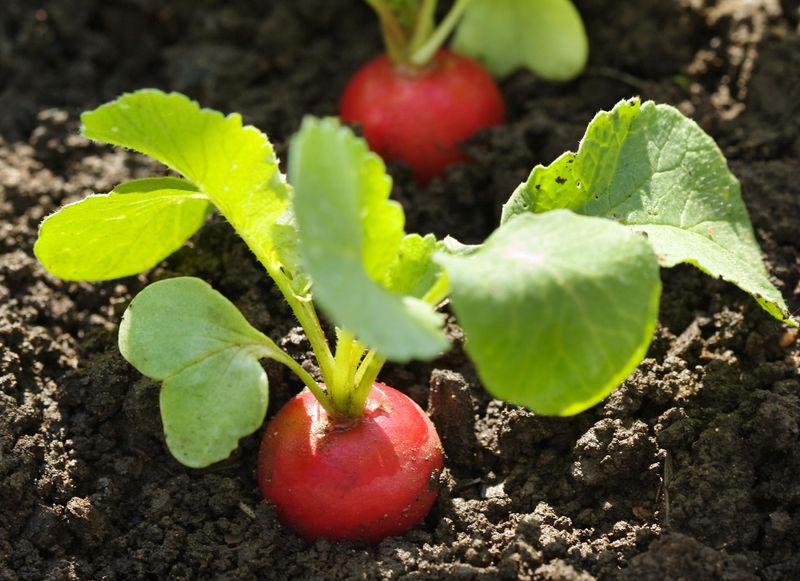
Few vegetables slide into the end of August as smoothly as radishes. That empty row where your summer squash wore out is practically ready-made for a quick fall crop.
Wayne County Cooperative Extension lists August 25 through September 15 as a recommended local fall planting window for radishes in the Goldsboro area, making late August a well-supported starting point for gardeners in that part of the state.
Radishes are direct-seeded, so there are no transplants to track down or harden off. You simply prepare the soil, sow the seed at the right depth, and keep moisture consistent.
Their relatively short crop cycle compared with many other fall vegetables is part of what makes them a practical late-planting choice.
That said, your actual harvest timing will depend on the cultivar you choose, local weather, soil conditions, and how well moisture is managed after seeding.
NC State’s fall planting guidance for central and eastern North Carolina also includes radishes among vegetables suited to fall production.
August soil can still be warm and dry, which means consistent watering after sowing is especially important for good germination.
Gardeners in western North Carolina may want to start a bit earlier than the Wayne County example suggests, while those in the Coastal Plain might have a slightly wider window.
Check your regional Extension calendar to find the planting dates that match your specific county and growing conditions.
2. Spinach Can Take Advantage Of The Late-Summer Transition
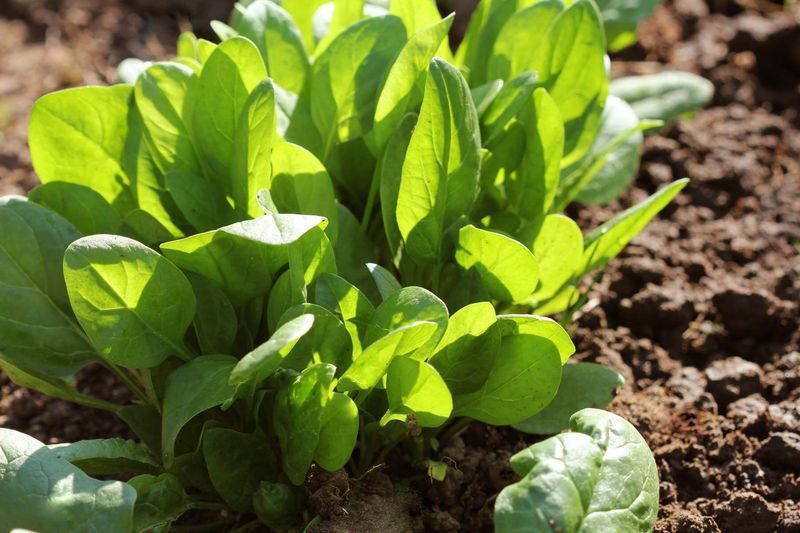
Pulling out the spinach seed packet in late August feels a little optimistic when the thermometer is still climbing into the upper 80s, but the timing actually lines up with Wayne County Extension’s recommended local fall planting window of August 25 through September 15.
That window places spinach firmly in the late-August conversation for gardeners in that part of North Carolina.
There is an important catch worth understanding before you rush to sow. The same Extension guidance notes that spinach can experience poor germination when soil temperatures are above roughly 85 degrees Fahrenheit.
Late August soil can easily exceed that threshold, especially in the Piedmont and Coastal Plain. That means the calendar window and the actual soil conditions do not always line up perfectly.
Your North Carolina Garden Changes Every Week. Your Plan Should Too.
Gardening in North Carolina changes quickly throughout the season. Every Friday you’ll receive a simple weekly plan showing exactly what to plant, prune, fertilize, harvest, and protect so you never miss the right timing.
Monitoring soil temperature and watching the forecast matters more than simply planting because the date arrives.
In some years, waiting until early September within that local window may produce better germination results than sowing at the very start of the window. Spinach is direct-seeded rather than transplanted, so getting seeds to sprout reliably is the first challenge.
Keeping the seedbed consistently moist during warm weather helps, and some gardeners use light shade cloth to reduce soil surface temperature.
Western North Carolina gardeners may find that soil cools earlier, making their late-August window more favorable for germination than in the eastern or central parts of the state.
3. Turnips Still Have Time To Produce A Fall Crop
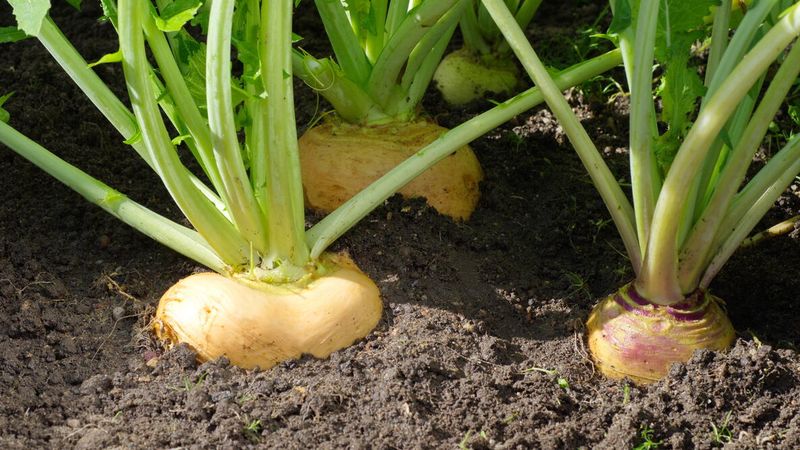
By the time August 20 rolls around, some gardeners assume the fall planting window has barely started, but for turnips it is already well underway.
Wayne County Extension recommends August 20 through September 15 as the local fall planting period for turnips in the Goldsboro area, placing them among the more flexible crops when it comes to late-summer sowing.
Turnips are typically direct-seeded into prepared garden beds rather than started as transplants.
Turnips are generally considered a shorter-season vegetable compared with crops like broccoli or cabbage.
That shorter maturity window is one reason NC State’s fall gardening guidance suggests that quick-maturing crops like turnips and leafy greens can sometimes be seeded a bit later in the fall planting sequence than longer-maturing varieties.
In the Piedmont, NC State notes that seeding some of these quicker crops may be pushed toward around September 1 without sacrificing a successful fall harvest.
That flexibility should not be taken as permission to plant turnips at any point in the fall, however. Regional frost timing and cultivar maturity still shape the outcome.
Longer-maturing varieties need an earlier start than quick-maturing ones, and gardeners in the mountains of western North Carolina will generally need to sow earlier than those in the Piedmont or Coastal Plain.
Checking the recommended dates for your specific region through your local Cooperative Extension office will give you a more reliable target than any statewide generalization.
4. Broccoli Can Get A Head Start On Cooler Fall Weather
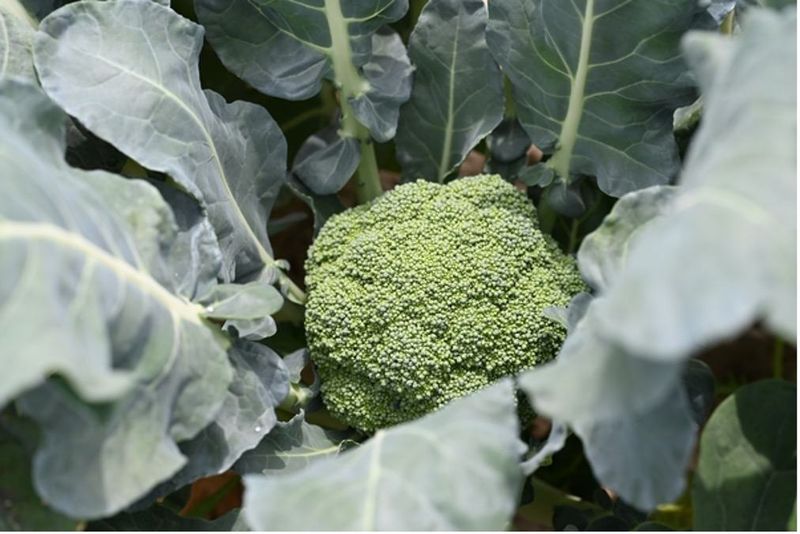
Setting out broccoli transplants in late summer requires a bit more planning than direct-seeding a quick crop like radishes, but the timing makes sense when you understand how broccoli fits into a fall planting schedule.
Wayne County Extension lists August 15 through September 15 as its recommended local fall planting window for broccoli, with late August falling right in the middle of that range.
One detail that matters a great deal here is the difference between setting out transplants and starting from seed.
NC State’s regional planting calendars use transplant dates for broccoli in many of their recommendations, which means seeds for those transplants need to be started several weeks before the outdoor planting date.
If you are buying transplants from a local garden center, you are working with the transplant timeline. If you plan to grow your own starts, count back far enough to have healthy seedlings ready when the outdoor window opens.
Broccoli timing also varies considerably across North Carolina. Western North Carolina gardeners generally follow a different and earlier schedule because fall arrives sooner in the mountains.
Late August should not be treated as the recommended planting time for every county in the state. Warm conditions in late summer can still stress young broccoli plants, so keeping transplants well-watered during establishment is worth the extra effort.
Always cross-check your timing with the NC State planting calendar that applies to your region rather than relying on a single statewide recommendation.
5. Kale Establishes Well During The Late-Summer Planting Window
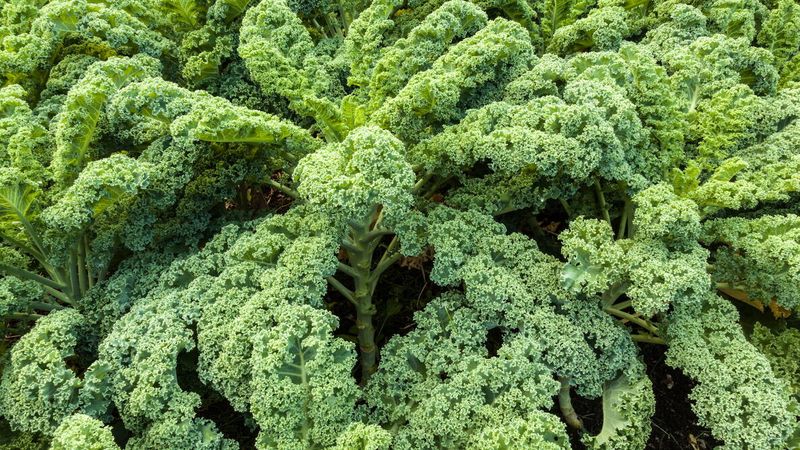
There is something satisfying about getting kale into the ground while summer is still technically in charge.
Wayne County Extension lists August 15 through September 15 as its recommended local fall planting window for kale, which puts late August squarely in the middle of a productive establishment period for this leafy green in that part of North Carolina.
Kale is a cool-season vegetable, and NC State includes it among crops suited to fall garden production. Establishing plants in late summer gives kale time to develop before temperatures drop more significantly into fall.
The idea is not that kale magically benefits from a specific calendar date, but rather that the weeks between a late-August planting and the arrival of consistently cooler weather allow roots and leaves to develop at a useful pace.
Late August can still bring heat, and young kale plants will need reliable moisture during that early establishment period.
Whether you are setting out transplants or direct-seeding, keeping the soil from drying out completely is important for getting plants off to a solid start.
Gardeners in western North Carolina may find that their fall season arrives earlier, making a planting date before late August more appropriate for their region. Those in the Coastal Plain might have a slightly longer warm-season window.
As with every crop on this list, your county Extension office or the NC State regional planting calendar for your area is the most reliable resource for pinning down the right date.
6. Collards Can Be Set Out Before August Comes To A Close
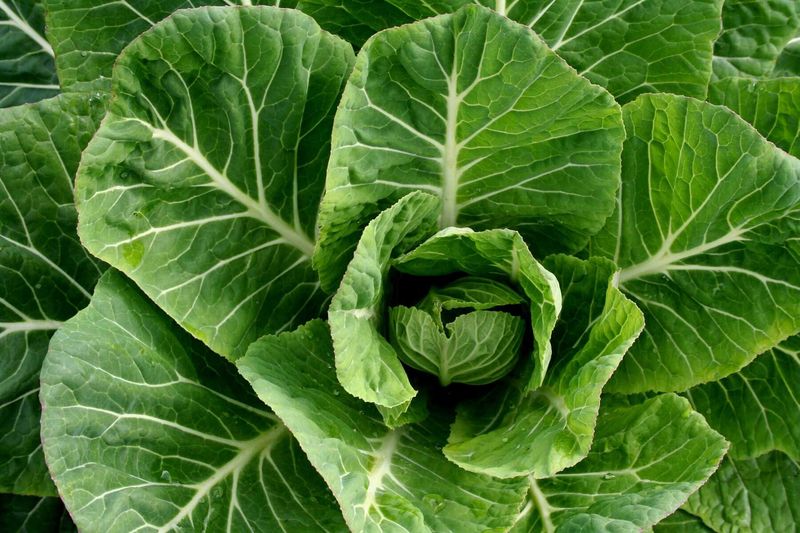
Collards have been a fixture in North Carolina gardens for generations, and late August is a meaningful part of their fall planting calendar.
Wayne County Extension lists August 15 through August 31 as its recommended local fall planting window for collards, which means the final stretch of August is particularly relevant for gardeners using those dates as a guide.
Collards are a cool-season crop grown widely in fall gardens, and the North Carolina Extension Gardener Handbook identifies them as a fall-garden vegetable worth considering for home production.
For fall crops, direct seeding can be a practical option when there is enough consistent moisture available for seedlings after germination.
That moisture piece matters more than many gardeners realize, because late-August soil can be dry and warm, creating a challenging environment for young seedlings trying to establish in open ground.
If you are using transplants rather than direct-seeding, the planting date and the method work differently, and those two approaches should not be treated as interchangeable when you are planning your timing.
Gardeners in western North Carolina will likely need to work with an earlier schedule than the Wayne County example suggests, since fall arrives sooner in the mountains.
Those in the Coastal Plain may have a bit more flexibility at the end of the window.
Either way, the Wayne County dates are a local reference point rather than a statewide standard, so confirm the right timing with your regional Extension resources before finalizing your plan.
7. Cabbage Fits The Late-August Schedule In Many North Carolina Gardens
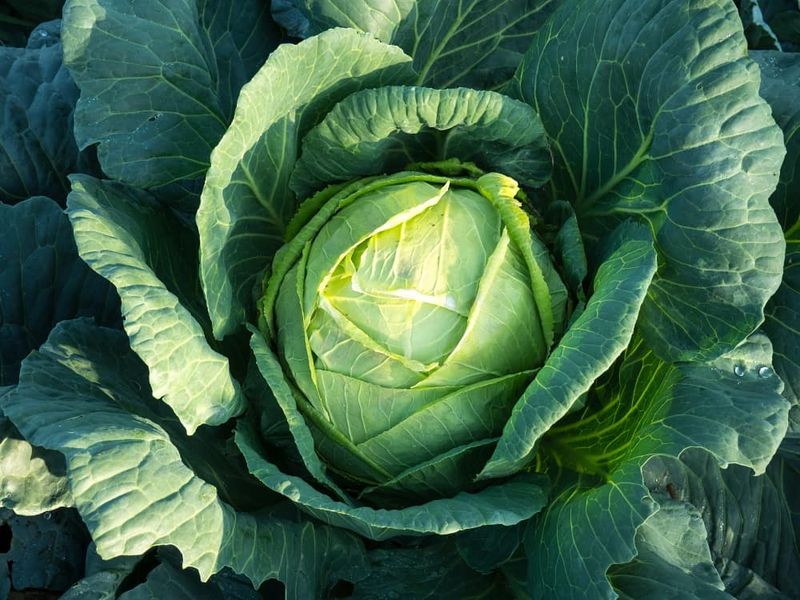
Walking into a garden center in mid-to-late August and spotting cabbage transplants on the shelf is a reliable signal that fall planting season has arrived.
Wayne County Extension recommends August 15 through August 31 as the local fall planting window for cabbage in the Goldsboro area, which makes the closing days of August an active period for getting this crop into the ground in that region.
Cabbage is a cool-season vegetable, and its presence on a late-August planting list reflects the fact that transplants need time to settle in and grow before cooler fall conditions take hold.
NC State’s regional planting calendars use a “T” designation to indicate transplant dates for cabbage in many of their recommendations.
That detail is worth paying attention to, because it means the August dates refer to setting out transplants outdoors, not to starting cabbage seed in the garden. Seeds for transplants need to be started several weeks earlier to have healthy starts ready at the right time.
Gardeners in western North Carolina typically need to follow an earlier schedule than what Wayne County’s late-August window suggests, since the mountains experience earlier falls and shorter growing seasons.
Cabbage transplants set out in late August in the Piedmont or eastern parts of the state will face warm soil and possibly dry conditions, so watering during establishment is important.
Treat the Wayne County dates as a useful local example and verify the best timing for your specific county through NC State Extension resources.
8. Cauliflower Can Start Growing As Summer Begins To Ease
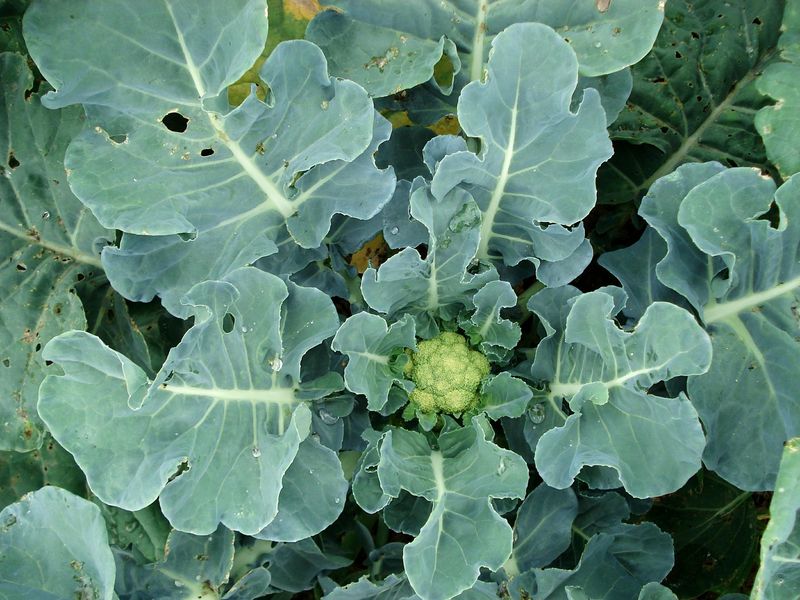
Cauliflower is sometimes described as the more demanding cousin of broccoli, and its fall planting schedule reflects that reputation.
Wayne County Extension lists August 15 through August 31 as its recommended local fall planting window for cauliflower, placing it in the same late-August range as cabbage and collards for gardeners in that area of North Carolina.
Like cabbage and broccoli, cauliflower is typically established from transplants rather than direct-seeded into the fall garden, and that distinction matters when you are planning your dates.
Setting transplants outdoors in late August is different from starting seeds at that time, and gardeners who plan to grow their own starts need to count back far enough to have sturdy seedlings ready when the outdoor window opens.
Buying established transplants from a local supplier simplifies that part of the process considerably.
Warm conditions can still be present during late August, and cauliflower transplants will need consistent moisture and attention during establishment.
Cauliflower is not equally straightforward to grow in every part of the state, and regional timing plays a real role in success.
Gardeners in western North Carolina generally need to work with an earlier schedule than the Wayne County window suggests. Those in the Coastal Plain may find that conditions shift more gradually.
As with every crop on this list, the Wayne County dates serve as a verified local example rather than a recommendation for every North Carolina county, so use your regional NC State planting calendar for the most accurate guidance.