Do Not Wait Until Fall To Plant These Perennial Vegetables In North Carolina
Most vegetable planting advice revolves around yearly replanting, leaving gardeners locked into the same repetitive cycle every single season.
But a handful of vegetables actually skip that cycle entirely, coming back reliably year after year once established in the right spot. The catch is that these particular plants need to go into the ground now, well before the fall planting rush most gardeners wait for.
Miss this specific window, and you could be waiting an entire extra year before getting a real harvest.
Once established, these vegetables demand far less effort than the typical replant and restart routine most gardens rely on.
Many North Carolina gardeners have never even considered adding perennial vegetables to their beds, missing out on years of easier harvests.
Understanding this timing now could completely change how much yearly work your vegetable garden actually requires.
1. Start Kale Before Fall
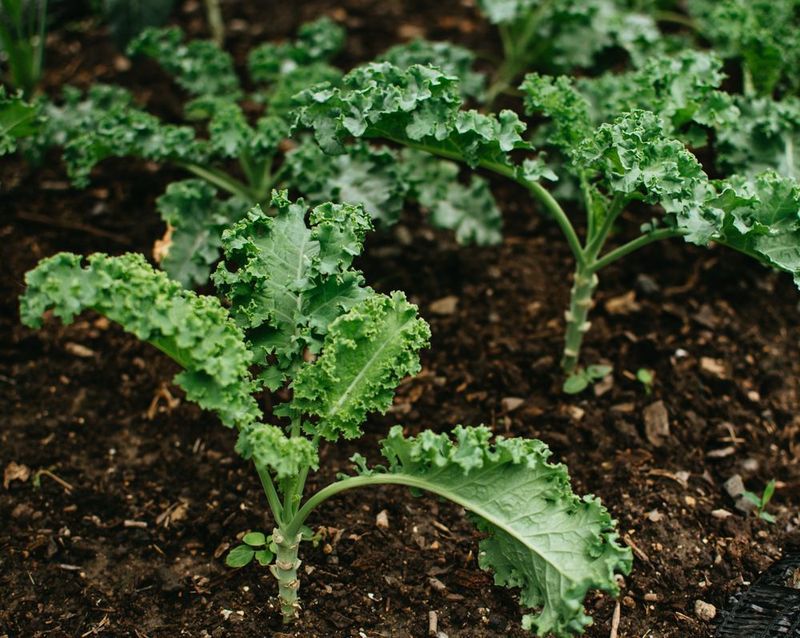
Kale has earned its reputation as one of the toughest, most rewarding greens you can grow. When you plant it in August, you give the seedlings a running start toward a long and productive season.
Warm August soil helps kale seeds sprout quickly and pushes young transplants to establish fast. By the time cooler air rolls in, your plants will already be sturdy and ready to thrive.
Cool weather is where kale truly shines. The leaves grow sweeter and more tender once temperatures drop, and many gardeners say frost-touched kale tastes far better than summer kale.
Plant your kale about eighteen inches apart in a spot that gets plenty of sun. Rich soil with a bit of compost mixed in will keep the leaves growing full and healthy.
During the hot end of summer, mulch around the base of each plant. A layer of straw or shredded leaves keeps the soil cool and holds moisture, which young kale really appreciates.
Harvesting is simple and generous. Pick the lower leaves first and let the top keep producing, and a single plant can feed you for months.
Kale also handles North Carolina winters remarkably well. In many parts of the state, it keeps growing right through the cold, giving you fresh greens when little else is available.
Starting now means you skip the fall planting rush and enjoy an earlier, bigger harvest. Your future self, standing in a frosty garden picking dinner, will thank you.
2. Broccoli Needs The Head Start
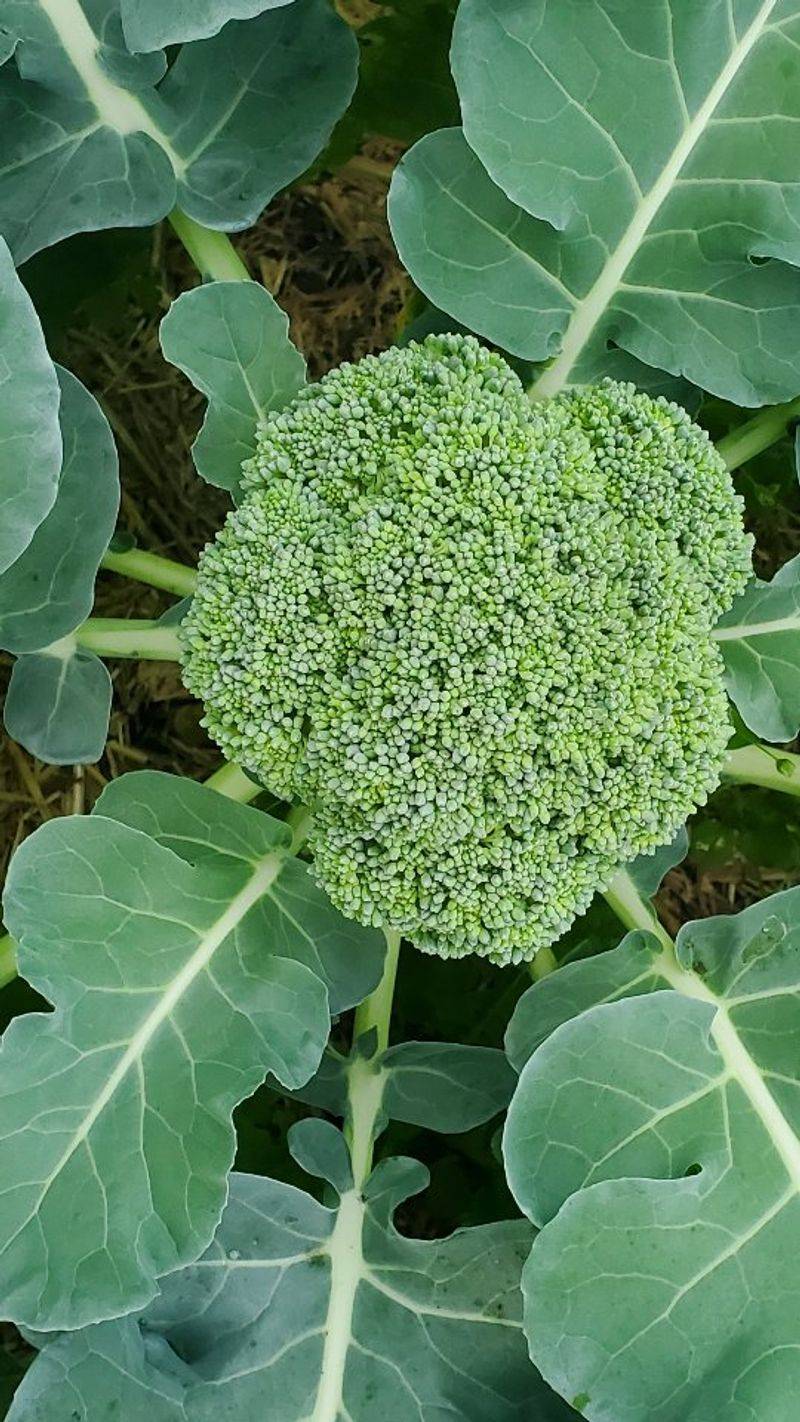
Broccoli is a cool-season crop with a bit of a timing puzzle. It likes chilly weather to form its heads, but it needs warm soil to get growing in the first place, which makes August the ideal planting window.
Waiting until true fall arrives is a common mistake. By then the soil has cooled and the days are shorter, leaving broccoli without enough time to reach a good size before hard frosts hit.
Give broccoli a head start now and the plants will build strong leaves and roots during the warm weeks. Then, as temperatures fall, they shift their energy into forming those tasty green heads.
Your North Carolina Garden Changes Every Week. Your Plan Should Too.
Gardening in North Carolina changes quickly throughout the season. Every Friday you’ll receive a simple weekly plan showing exactly what to plant, prune, fertilize, harvest, and protect so you never miss the right timing.
Set your transplants about eighteen inches apart in a sunny, well-drained bed. Broccoli is a heavy feeder, so mixing compost or a balanced fertilizer into the soil pays off with bigger heads.
Consistent water is key during August heat. Dry spells can stress young broccoli and lead to small, loose heads, so keep the soil evenly moist.
Watch for aphids and cabbage worms, which enjoy broccoli as much as you do. A gentle spray of water or a row cover can keep these pests in check.
Once you cut the main head, do not pull the plant. Most varieties keep producing smaller side shoots for weeks, stretching your harvest well into the cooler months.
Plant now and you will be rewarded with crisp, homegrown broccoli that beats anything from the store, right in time for hearty fall meals.
3. Do Not Delay Brussels Sprouts
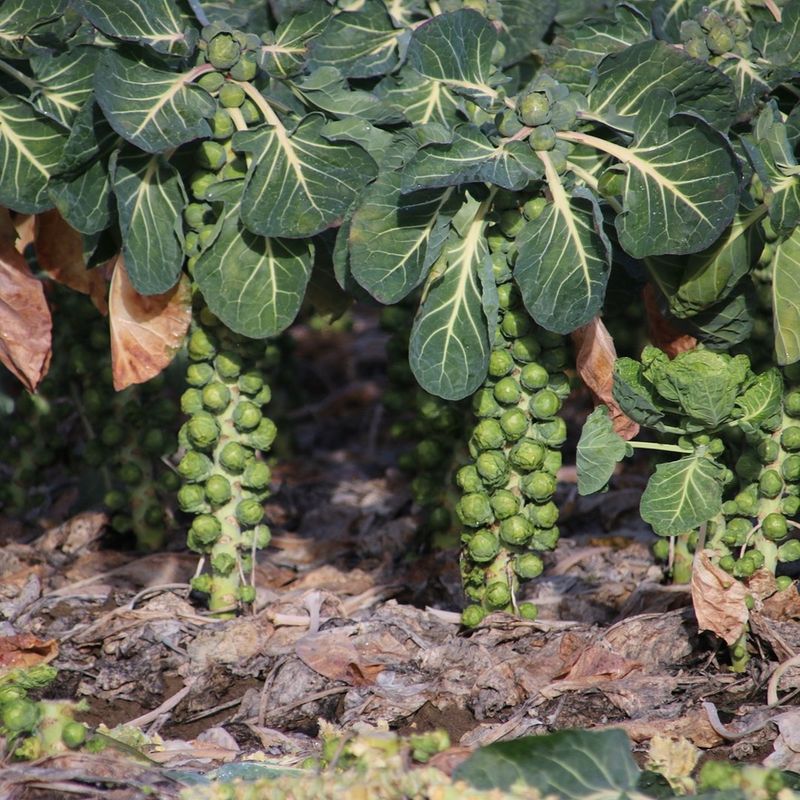
Brussels sprouts test a gardener’s patience, and that is exactly why timing matters so much. These plants take a long time to mature, sometimes ninety days or more, so an August start is truly important.
Plant too late and the sprouts simply will not have enough time to develop before deep winter. Getting them in the ground now gives them the full stretch of growing days they crave.
The reward is worth the wait. Brussels sprouts grow tall and produce dozens of little cabbage-like buds along a single stalk, and they taste sweetest after a touch of frost.
Space your transplants about two feet apart, since these plants grow big and need room to breathe. Firm soil helps support the tall stalks as they climb through the season.
Feed them well throughout their long journey. A steady supply of nutrients keeps the plants strong enough to hold all those sprouts without flopping over.
Staking can help in windy spots. As the stalk grows heavy with sprouts, a simple stake keeps everything upright and healthy.
When harvest time comes, pick from the bottom of the stalk first. The lower sprouts mature earliest, and working your way up gives you a steady supply for weeks.
Cooler fall air in North Carolina brings out their best flavor, transforming any bitterness into a nutty sweetness. Start them in August and you will enjoy fresh, tender sprouts right through the chilly holiday season, straight from your own backyard.
4. Get Collards Growing Now
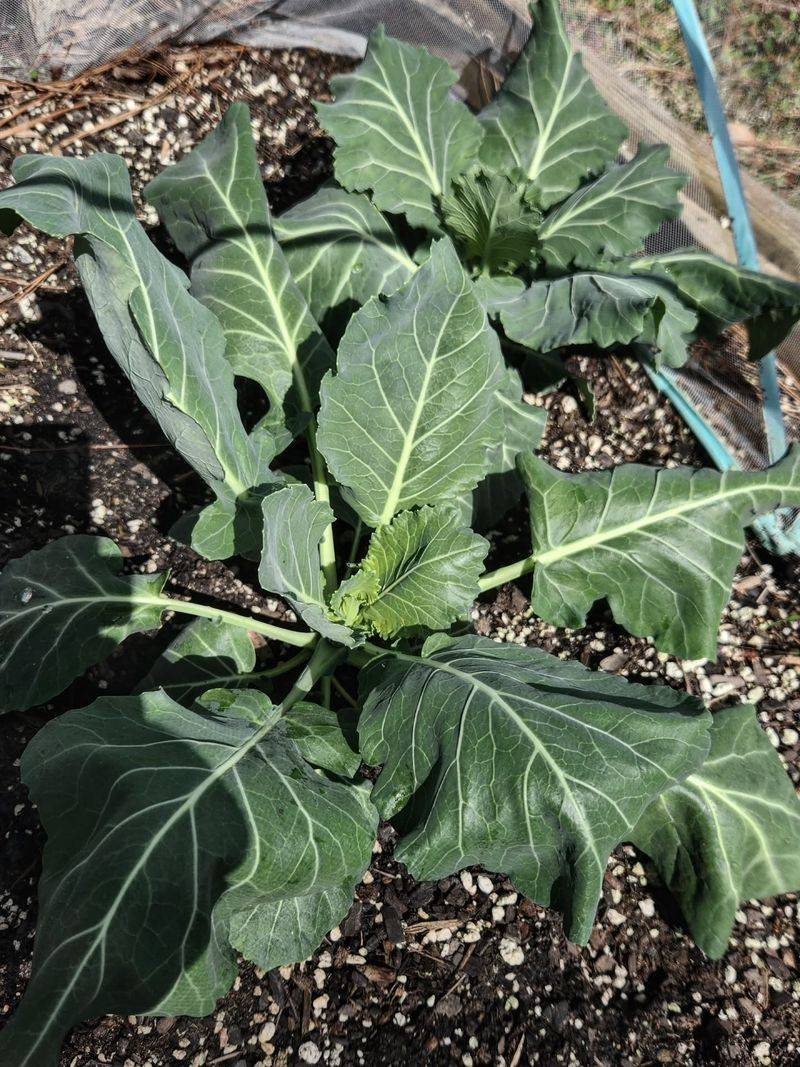
Collards are a true Southern favorite, and August is the perfect moment to tuck them into your garden. Planting now gives the young plants several weeks of warm soil to build strong roots before the weather cools down.
Strong roots make a huge difference later. When temperatures drop in fall, collards that already have a solid foundation can focus their energy on growing thick, tender leaves instead of struggling to get started.
Here is a fun bonus about collards. A light frost actually sweetens their flavor, turning some of the starches into sugar. That means the leaves you harvest in late fall will taste milder and richer than ones picked in summer heat.
Space your seedlings about two feet apart so each plant has plenty of room to spread. Collards grow big, and crowding them only leads to smaller leaves and more pests.
Water them well during those first hot August days. The soil dries out fast in late summer, so a steady drink helps the young plants settle in without stress.
Keep an eye out for cabbage worms, which love collard leaves. A quick check every few days lets you pick off any hungry visitors before they cause trouble.
By starting in August, you set yourself up for months of harvests. You can pick the outer leaves and let the center keep growing, giving you fresh greens well into winter across most of North Carolina.
5. Sow Carrots While There Is Time
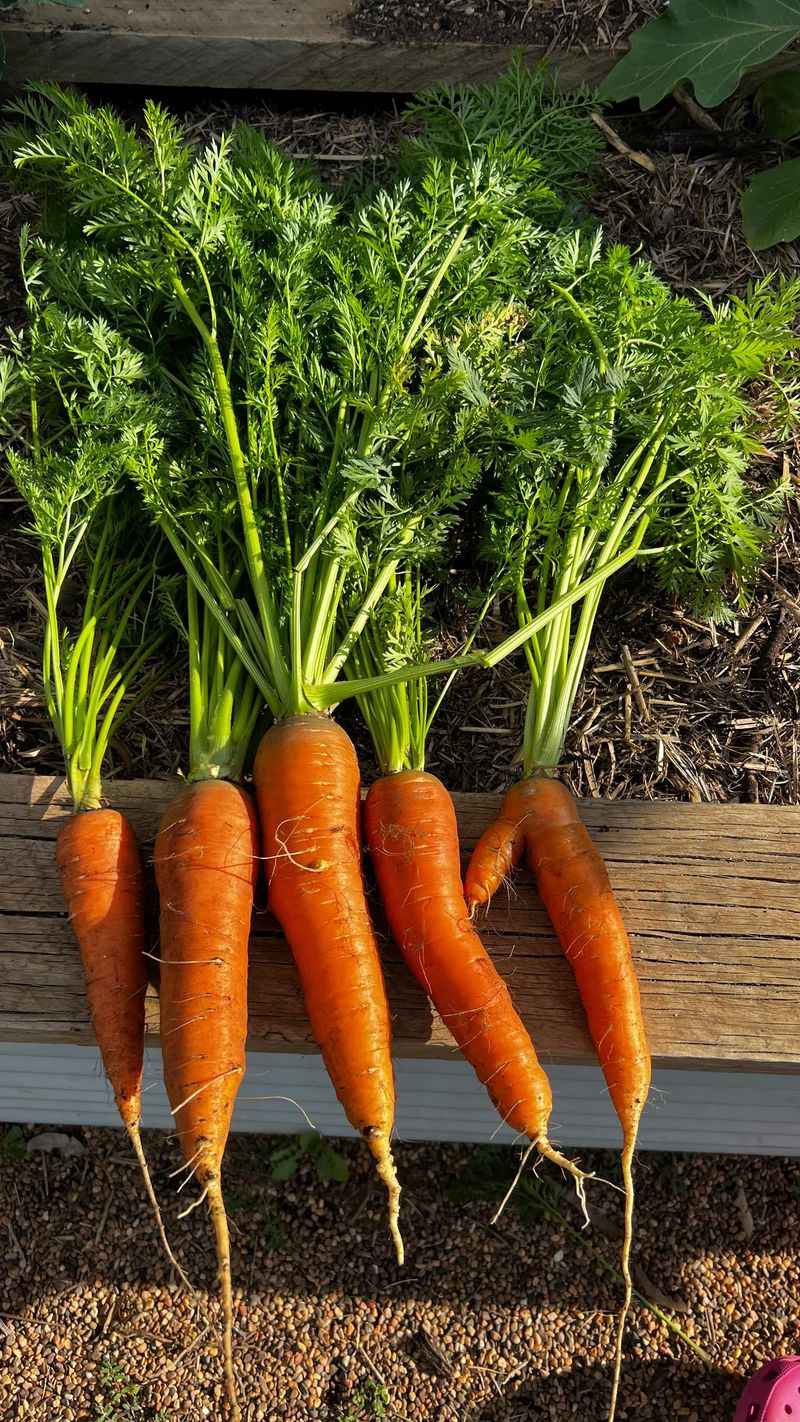
Carrots reward gardeners who plan ahead, and August sowing sets them up perfectly. These sweet roots need a good stretch of growing time, so planting seeds now beats waiting until the weather turns cold.
Cold soil slows carrots to a crawl. If you wait too long, the roots stay small and never reach their full, crunchy potential before winter arrives.
Sowing in August lets the seeds sprout in warm soil, then finish growing as the air cools. That cooler finish actually makes carrots taste sweeter and more flavorful.
Loose, sandy soil is the secret to long, straight carrots. Rocks and clumps cause the roots to twist and fork, so take a little time to break up the soil before planting.
Keep the top layer of soil moist until the seeds sprout. Carrot seeds are tiny and can dry out fast, so a gentle daily sprinkle during hot spells helps them along.
Once the seedlings appear, thin them out so each carrot has room to grow. Crowded carrots stay skinny and stunted, and thinning is well worth the effort.
Patience pays off here. Carrots take a couple of months to mature, but the flavor of a freshly pulled root far outshines anything from a grocery bag.
A light frost in fall only improves them, adding an extra note of sweetness. Plant now and you will be pulling colorful, crisp carrots from the ground just as the cool season settles over North Carolina.
6. Get Beets In The Ground
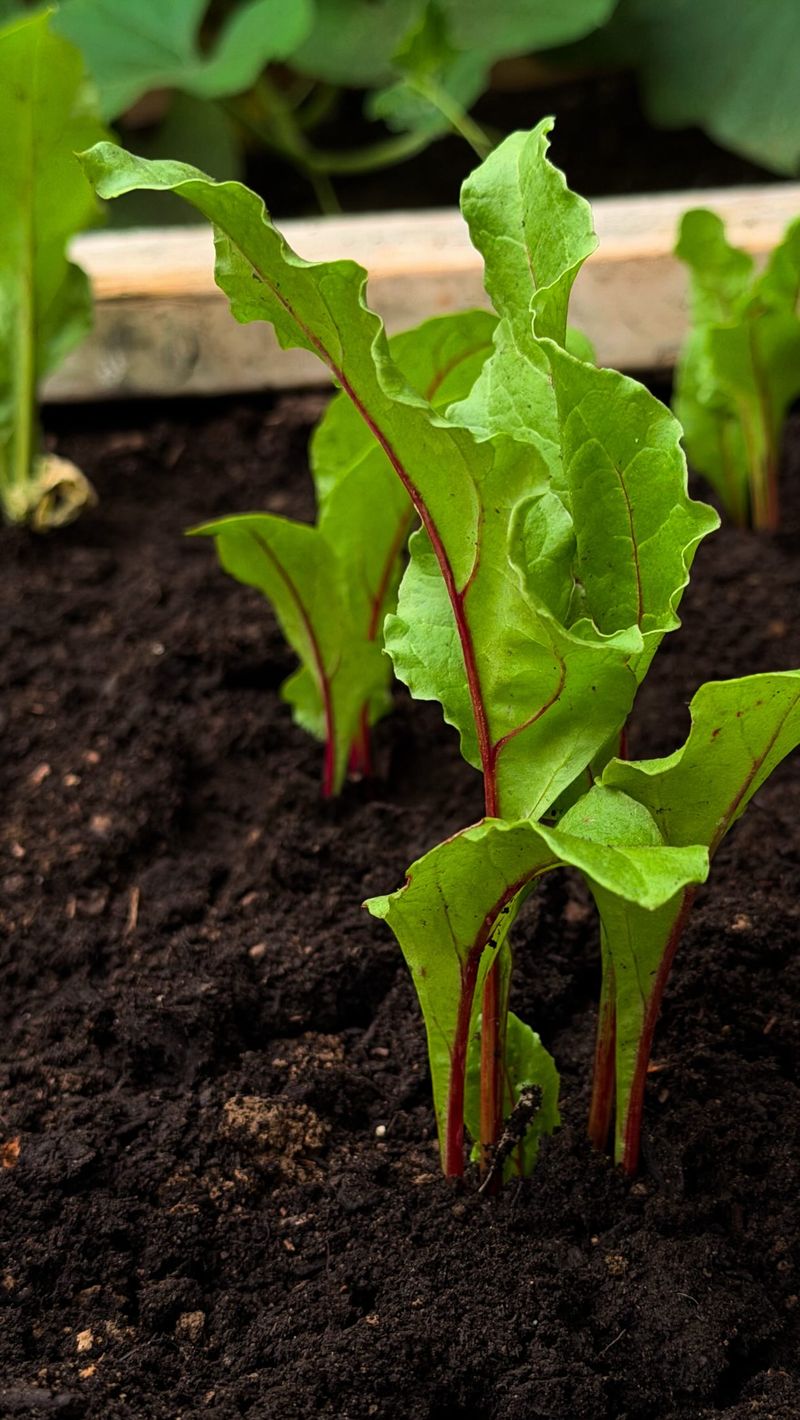
Beets are a double treat, giving you both tasty roots and edible leafy greens from a single plant. August is a wonderful time to plant them for a fall garden in North Carolina.
Warm soil helps beet seeds germinate quickly and evenly. Getting them started now means the plants have plenty of time to size up before colder days arrive.
What makes beets so friendly for fall is how they handle changing weather. They grow happily in the warm end of summer and keep going as temperatures drop, sweetening up along the way.
Plant the seeds about an inch apart in loose, rich soil. Each beet seed is actually a little cluster, so you will likely need to thin the seedlings for the best roots.
Do not toss those thinnings. The young leaves are delicious in salads, giving you an early harvest while the roots keep growing underground.
Steady moisture keeps beets tender and smooth. Uneven watering can make the roots tough or cracked, so aim for consistent, gentle watering through the dry spells.
Beets are not fussy about attention, which makes them a relaxing crop for busy gardeners. Once they settle in, they mostly take care of themselves.
In about two months, you can start pulling round, colorful roots for roasting, pickling, or tossing into soups. A cool fall only deepens their earthy sweetness, so planting in August gives you the best of both worlds, tender greens now and hearty roots later.
7. Start Kohlrabi Before It Gets Late
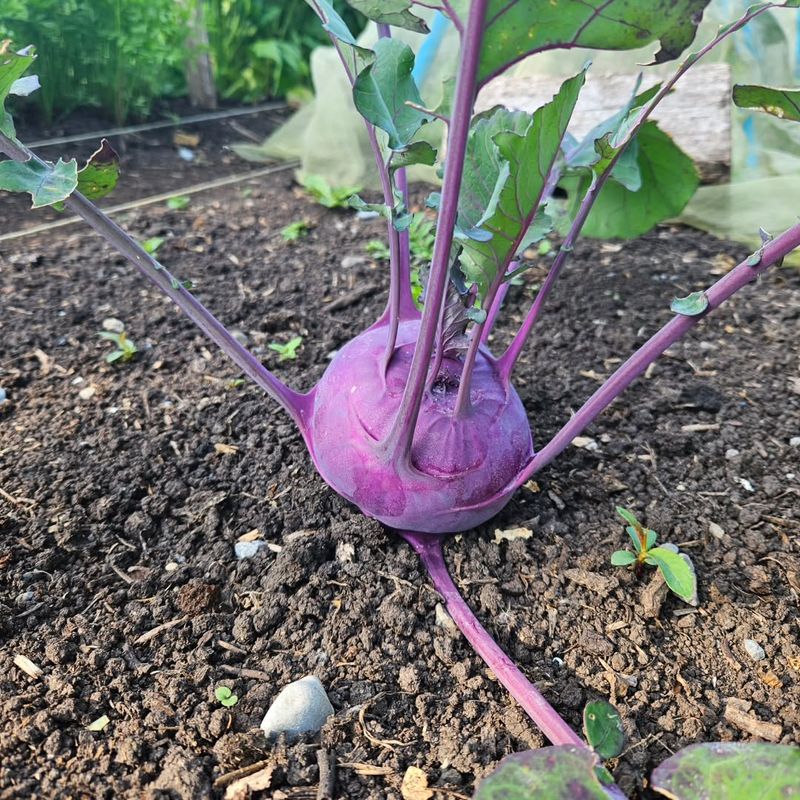
Kohlrabi might be the quirkiest vegetable on this list, with its odd round bulb that grows right above the soil. Planting it in August gives this space-alien-looking crop time to mature during the cool fall days it loves.
Cool weather brings out the best in kohlrabi. When the bulbs form in mild temperatures, they stay crisp, mild, and sweet instead of turning woody or sharp.
Starting now is smart because kohlrabi grows fairly fast but still needs a comfortable window. An August planting lets the plants establish in warmth and then bulb up as the air cools.
Give each plant about six inches of space in loose, fertile soil. The bulbs need room to swell, and crowded plants tend to stay small.
Water regularly to keep the bulbs tender. Dry stretches can make kohlrabi tough and stringy, so steady moisture is your friend here.
Harvest the bulbs when they reach about the size of a tennis ball. Waiting too long makes them fibrous, so smaller is usually better for flavor and texture.
Here is a fun tidbit. Kohlrabi tastes like a cross between a mild cabbage and a sweet apple, and it is wonderful raw, roasted, or added to stir-fries.
Do not forget the leaves either, since they cook up much like collards or kale. By planting in August, you set the stage for a strange but delicious harvest that will surprise anyone who tries it fresh from your fall garden.
8. Plant Swiss Chard For Fall
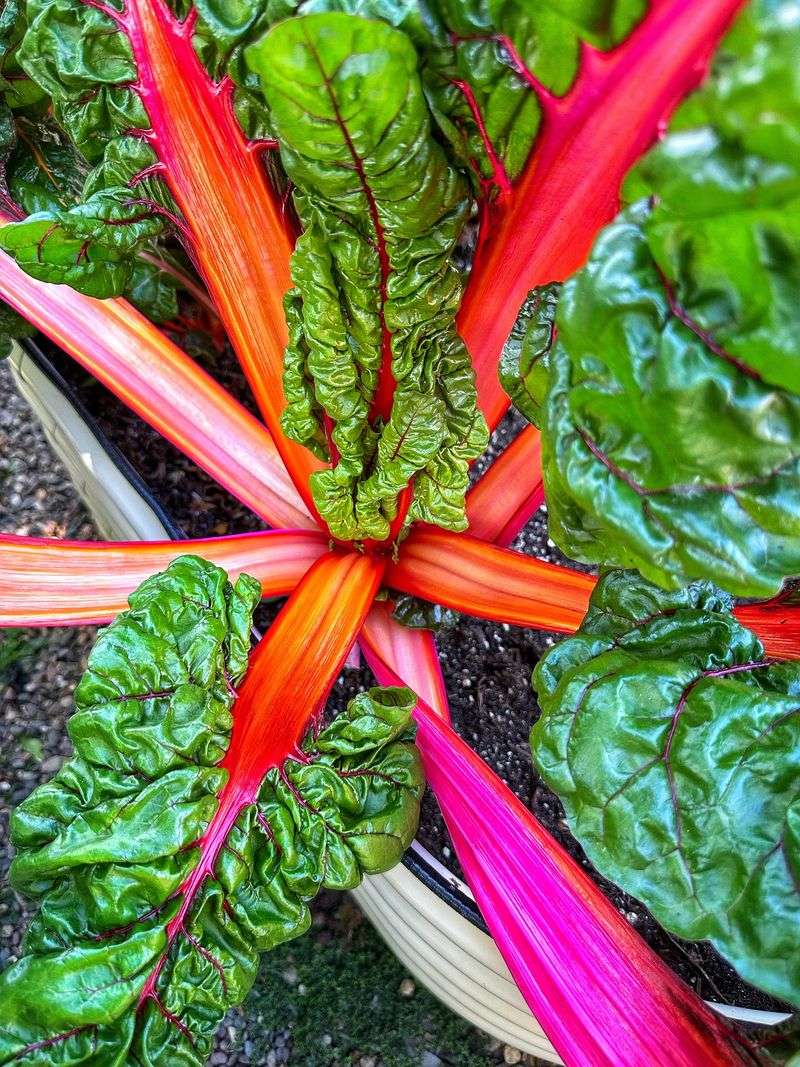
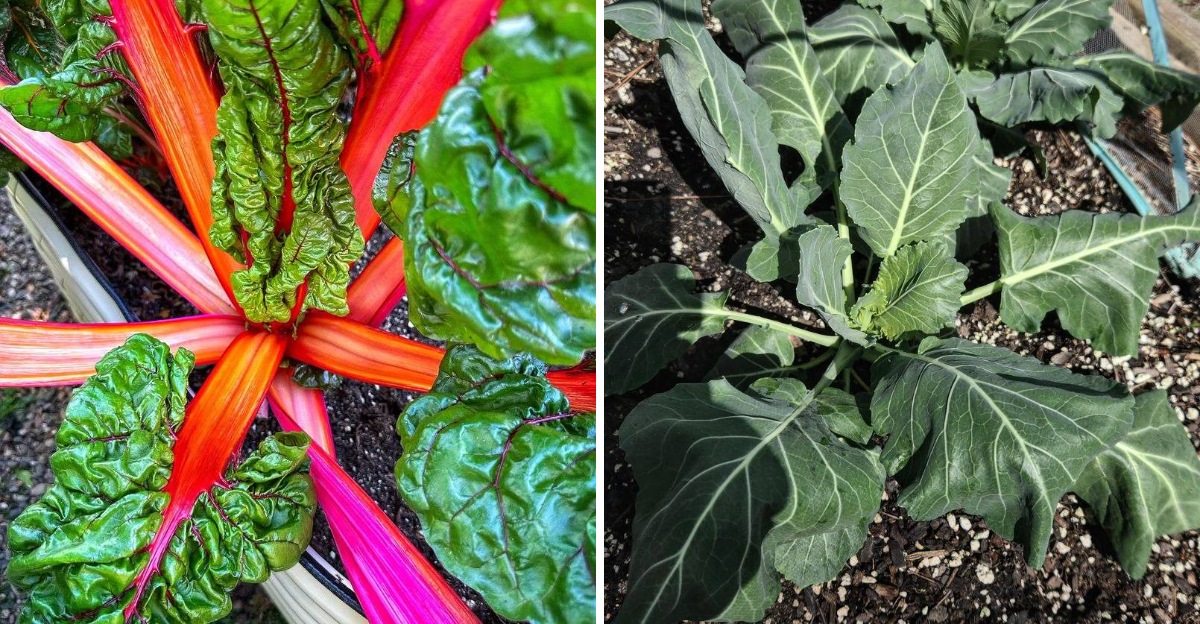
Swiss chard brings a splash of color to any garden with its bright stems in shades of red, yellow, and pink. It is one of the most forgiving crops you can plant in August, happy in both warm and cool weather.
Unlike some greens that fade in the heat, chard keeps producing through the last stretch of summer. As the days cool, it simply keeps right on going without missing a beat.
That flexibility makes chard a fantastic bridge crop. You can start harvesting leaves within a few weeks and continue picking well into the cooler fall months.
Sow the seeds about a foot apart in rich, well-drained soil. Chard grows large and leafy, so giving it space helps each plant reach its full, bushy size.
Keep the soil evenly moist during hot August days. Regular watering keeps the leaves tender and encourages steady new growth from the center of the plant.
Harvest the outer leaves first and let the middle keep growing. This cut-and-come-again style means one planting can feed you for a very long time.
Chard rarely bolts or turns bitter the way some greens do, which makes it wonderfully low-stress for beginners. It just keeps giving as long as you keep picking.
Those colorful stems are as tasty as they are pretty, cooking up sweet and tender in soups and stir-fries. Plant it now and you will enjoy vibrant, nutritious greens straight through the shift from summer to a crisp North Carolina autumn.