Why Your Florida Yard Is Missing Earthworms And What Finally Brings Them In
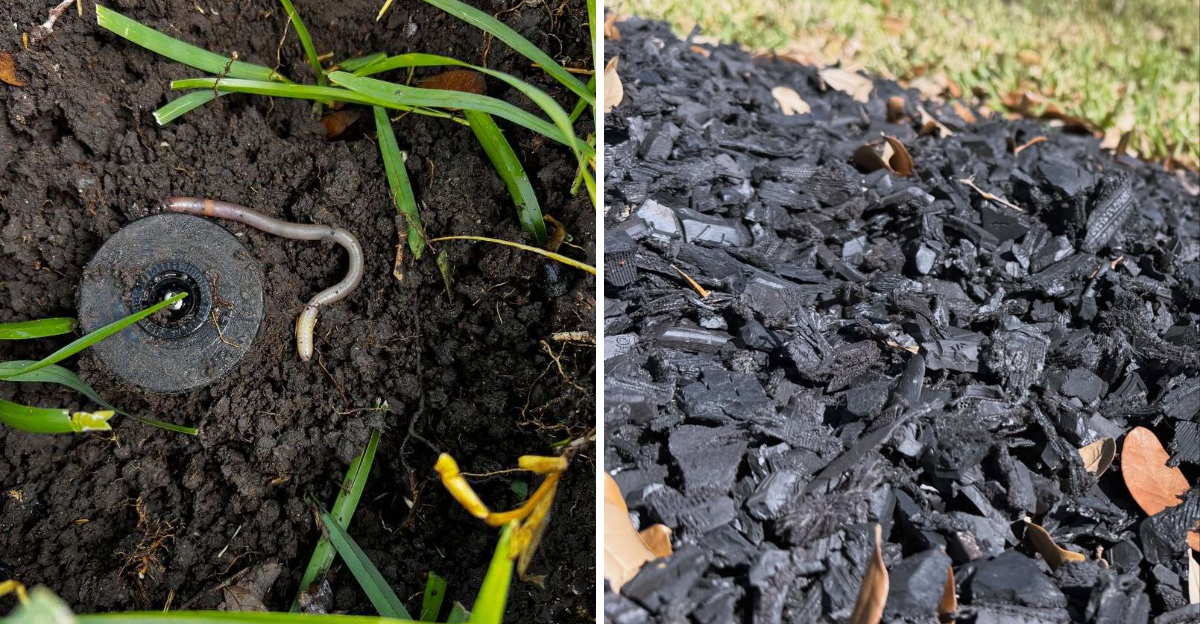
Florida soil can look perfectly fine until you dig into it.
The shovel goes in easily. The sand falls apart. Roots are there. But the wriggling little workers gardeners expect to see are nowhere around.
That absence feels strange, especially after years of hearing that earthworms are a sign of healthy soil.
So where did they go?
In many Florida yards, the better question is what would make them want to stay.
Heat, fast-draining sand, long dry stretches, and very little organic material can leave the upper soil surprisingly unfriendly to life that prefers moisture and food close by.
The fix is not buying a container of worms and dumping them into the bed.
It starts with changing the habitat underneath your plants.
Cooler soil, steadier moisture, less disturbance, and a reliable supply of decaying organic material can slowly shift what happens below the surface.
You may not notice the change overnight.
But once the soil improves, the first clues can appear after rain, and they are worth looking for.
1. More Organic Matter Gives Earthworms Something To Stay For
Florida sand is not famous for holding onto much.
Water drains quickly. Nutrients move with it. Organic material can disappear faster than gardeners expect in a warm climate. That leaves earthworms with a pretty unimpressive pantry.
Finished compost starts changing that.
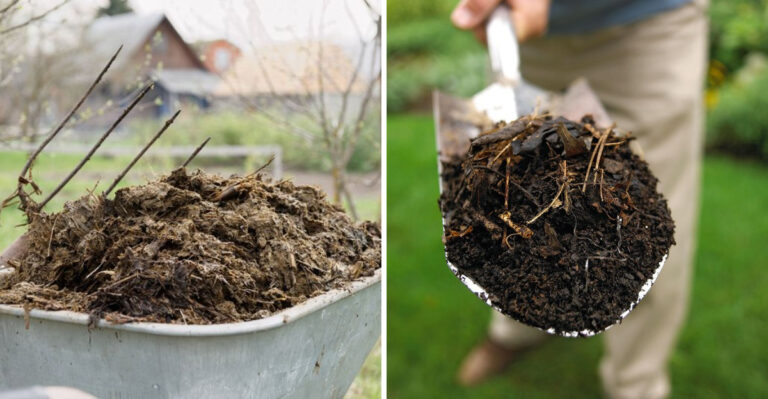
Spread a layer across established garden beds and let it become part of the soil over time. Compost adds organic material, improves moisture retention, and supports the microbes and fungi that make a soil food web more active.
Repeated additions matter more than one heroic weekend.
Florida heat speeds decomposition, so organic matter needs regular replacement. A fresh top-dressing each season can do more than one giant load dumped into the bed and forgotten for years.
Grass clippings, shredded leaves, aged wood chips, and properly finished backyard compost can all contribute to the supply.
Keep the goal simple. You are feeding the soil, not trying to manufacture worms on command.
As conditions improve, earthworms already living nearby have more reason to explore and remain in the bed. Richer soil also benefits roots, microbes, and moisture retention even before you spot a single worm.
That makes compost useful regardless of who moves in first.
Build the buffet and let the underground guests find it on their own schedule.
Florida sand may be quick to lose nutrients, but your garden does not have to keep serving an empty table.
2. Keep The Topsoil From Baking Dry
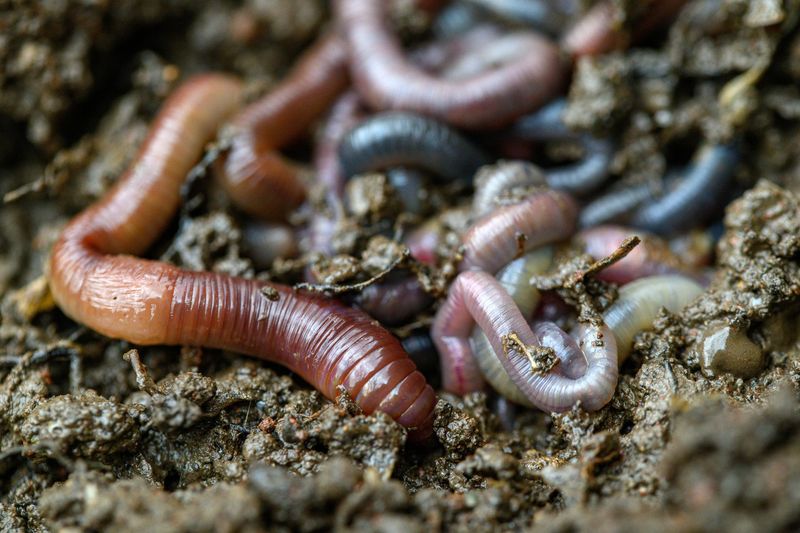
Dry Florida topsoil can become a rough neighborhood for an earthworm.
Earthworms need moisture against their skin to function properly. When the upper few inches of soil dry out hard during hot weather, worms may move deeper or abandon that zone altogether.
The answer is not constant soaking.
Aim for soil that stays lightly moist below the surface without becoming waterlogged. A handful should feel more like a wrung-out sponge than dripping mud or loose beach sand.
Check before watering instead of trusting a fixed schedule. Push a finger or small trowel into the bed and feel several inches down. The surface can look dry while useful moisture remains underneath.
Your Florida Garden Changes Every Week. Your Plan Should Too.
Gardening in Florida changes quickly throughout the season. Every Friday you’ll receive a simple weekly plan showing exactly what to plant, prune, fertilize, harvest, and protect so you never miss the right timing.
Drip irrigation can help because it puts water near the root zone without soaking every leaf and walkway. Deep, less frequent watering also encourages moisture to stay available farther below the surface.
Pair that approach with organic matter and mulch, and the bed loses water more slowly between irrigation days.
Local watering rules still matter, so follow restrictions where you live instead of increasing irrigation blindly.
You are not creating a worm spa.
You are simply preventing the topsoil from swinging between soaked and bone dry every few days.
That steadier environment helps plants too, which makes this one of those garden changes where everyone underground gets a better deal.
Even earthworms appreciate a little climate control when Florida summer turns the soil into a skillet.
3. Use Mulch To Protect The Soil Surface
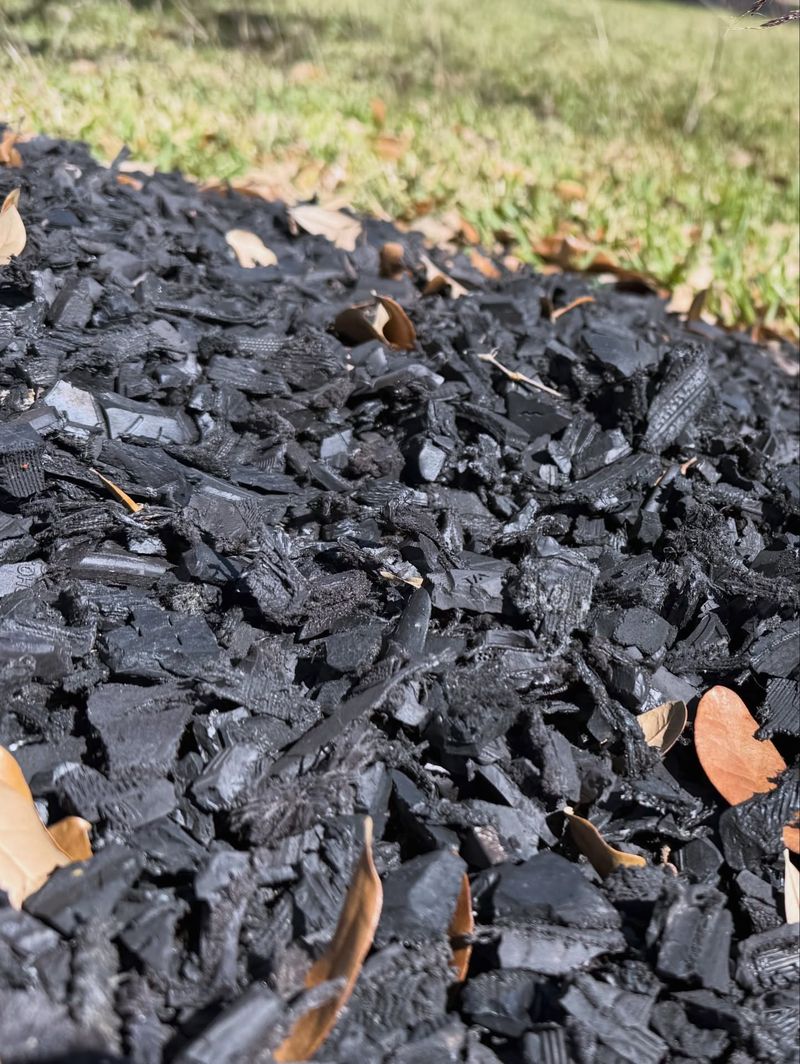
Bare Florida soil can heat up fast enough to make the whole upper layer feel hostile.
Organic mulch changes the surface without asking you to rebuild the entire bed.
Spread roughly two to three inches of material such as pine bark, wood chips, shredded leaves, or pine straw across the soil.
That layer shades the ground, slows evaporation, and reduces the temperature swings that happen between a hot afternoon and a cooler night.
Keep mulch a few inches away from trunks and plant stems.
Piling it directly against bark traps moisture where you do not want it and can create new problems while you are trying to solve an old one.
As mulch breaks down, it adds more organic material to the surface. Microbes and fungi get more to work with, and the soil beneath gradually becomes darker, softer, and better at holding moisture.
That is the kind of environment earthworms can use.
Mulch does not guarantee a worm population, and one fresh layer will not transform sterile sand by next Tuesday. It simply makes the soil less exposed and more biologically active over time.
Refresh the layer when it thins instead of letting the bed return to bare sand.
This is one garden habit that works quietly while you do something else.
The mulch shades the soil, feeds the surface, and reduces water loss.
Basically, your dirt gets a sun hat, and Florida gives it plenty of reasons to wear one.
4. Stop Disturbing Every Inch Of Soil
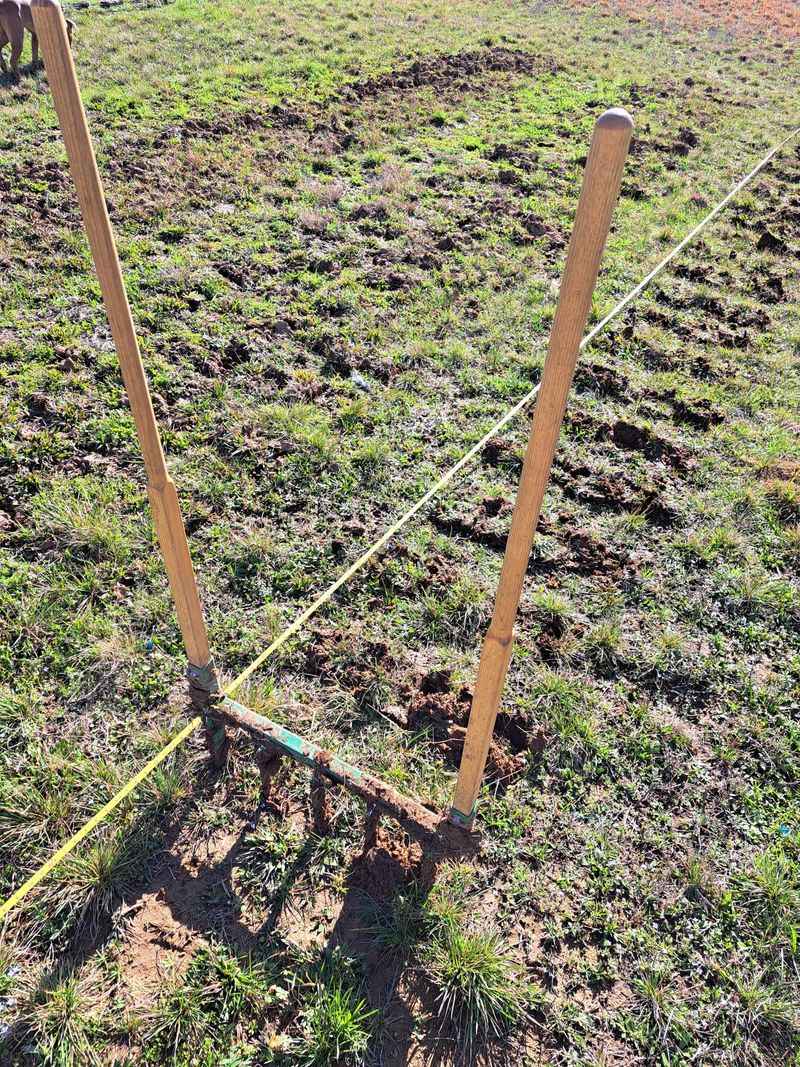
A freshly tilled bed looks productive enough to deserve applause.
The soil is fluffy. The rows are neat. Everything feels ready.
The underground community may have a different opinion.
Earthworms create tunnels as they move through soil, and those channels help with water movement, air exchange, and root growth.
Repeated deep tilling can destroy those pathways and disrupt the layers and fungal networks that build slowly between seasons.
That does not mean a shovel can never touch the garden again.
New beds sometimes need preparation, and compacted areas may need attention. The bigger change is avoiding the habit of turning every inch of soil simply because another planting season arrived.
Established beds can often be top-dressed with compost and mulch instead. Let roots, microbes, weather, and soil organisms gradually move organic material downward.
Raised beds make this especially easy because you can keep your feet out and work from the edges.
For occasional loosening, a garden fork can open compacted areas with less flipping and mixing than aggressive tilling.
The soil gets a chance to develop structure instead of restarting every few months.
That stability matters for earthworms, but it helps plenty of other organisms too.
You do not need to keep the bed perfectly untouched.
Just stop treating the soil like cake batter that needs another round with the mixer.
Sometimes the best improvement comes from giving the underground crew fewer renovations to survive.
5. Let Leaves Break Down Where They Help
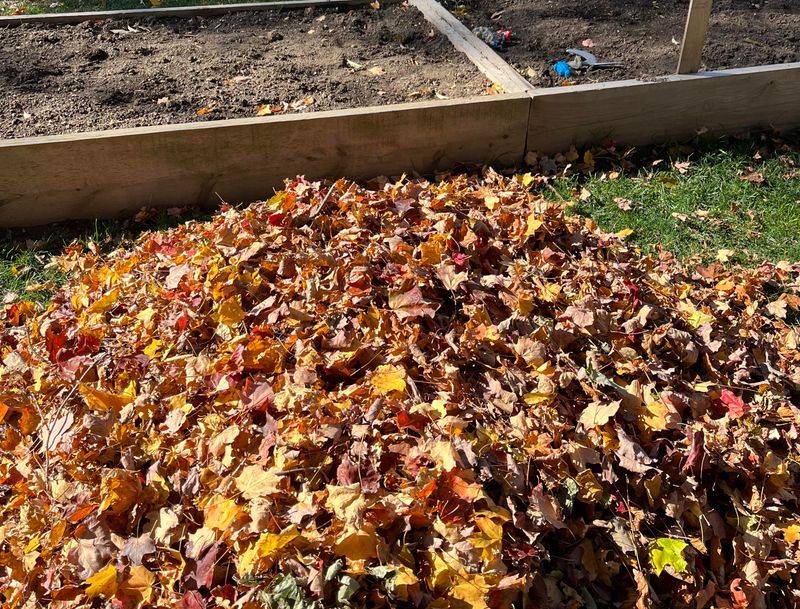
Florida yards throw away an impressive amount of potential soil food every year.
Leaves fall, get raked into bags, and disappear down the street.
In garden beds, some of that material could be doing useful work right where it landed.
Fallen leaves slowly break down into dark organic material that helps soil hold moisture and feeds microbes, fungi, and other decomposers. Those changes can make the surface more inviting to earthworms over time.
You do not need to bury the whole yard under a foot of leaves.
Use them where they make sense. Under trees, along shrub borders, and in naturalized beds, a modest layer can work like free mulch. Shredding larger leaves helps them settle and decompose faster.
Turfgrass is different. Thick mats of whole leaves can smother grass, so rake or shred them there rather than letting a heavy layer sit untouched.
Garden beds give you more flexibility.
Spread the leaves loosely, keep them away from trunks and crowns, and let weather begin the breakdown.
South Florida gardeners may get this material at odd times because leaf drop does not always follow the classic northern autumn calendar. The principle stays the same whenever leaves arrive.
You paid nothing for them, and the tree already delivered them.
Using some on site keeps organic matter cycling through the yard instead of exporting it every season.
The curb does not need all your leaves.
Your soil would like to file a claim for a few.
6. Build Garden Beds With Finished Compost
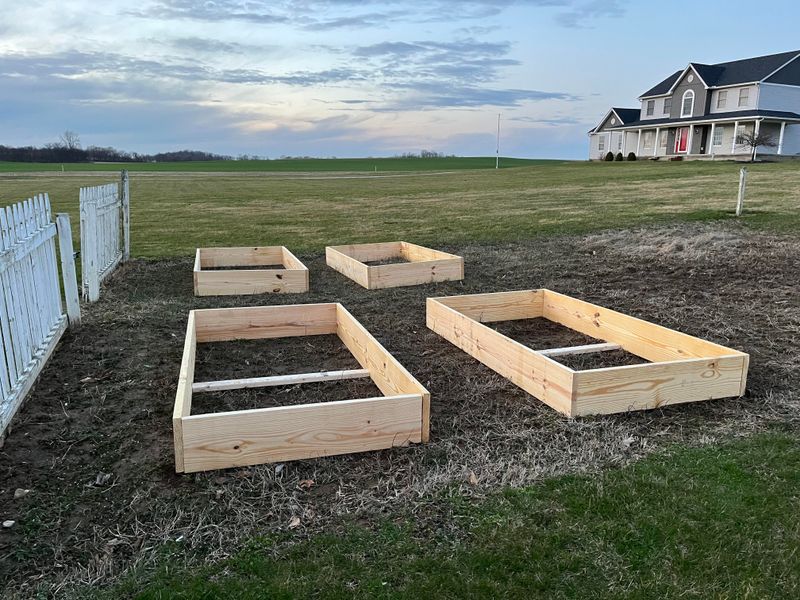
Finished compost gives Florida gardeners a shortcut toward better soil without pretending the job is finished.
The word “finished” matters.
Properly composted material has already gone through most of the active breakdown process. It should look dark, smell earthy, and no longer resemble yesterday’s salad scraps.
Add that material to sandy beds and several things begin improving at once.
The soil can hold more moisture. Nutrients do not disappear quite as quickly. Microbial activity gets more fuel. The overall texture becomes friendlier to roots and soil organisms.
For a new bed, mixing compost with existing soil can create a useful starting point without replacing the native soil completely. In established beds, top-dressing works well and causes less disturbance.
Avoid filling a garden with pure compost and assuming more is automatically better. Plants still need a balanced growing medium with drainage and structure.
The real advantage comes from repeated, sensible additions.
Earthworms benefit because the habitat starts offering food and more stable moisture. That is very different from buying worms and hoping they somehow repair poor soil for you.
Habitat comes first.
A sandy bed with almost no organic matter gives worms little reason to stay, no matter how enthusiastically you introduce them.
Build better soil and the entire bed improves before the first earthworm ever appears.
That is a much better bargain than paying for a bucket of temporary tenants.
7. Skip Dumping Worms Into Bad Soil
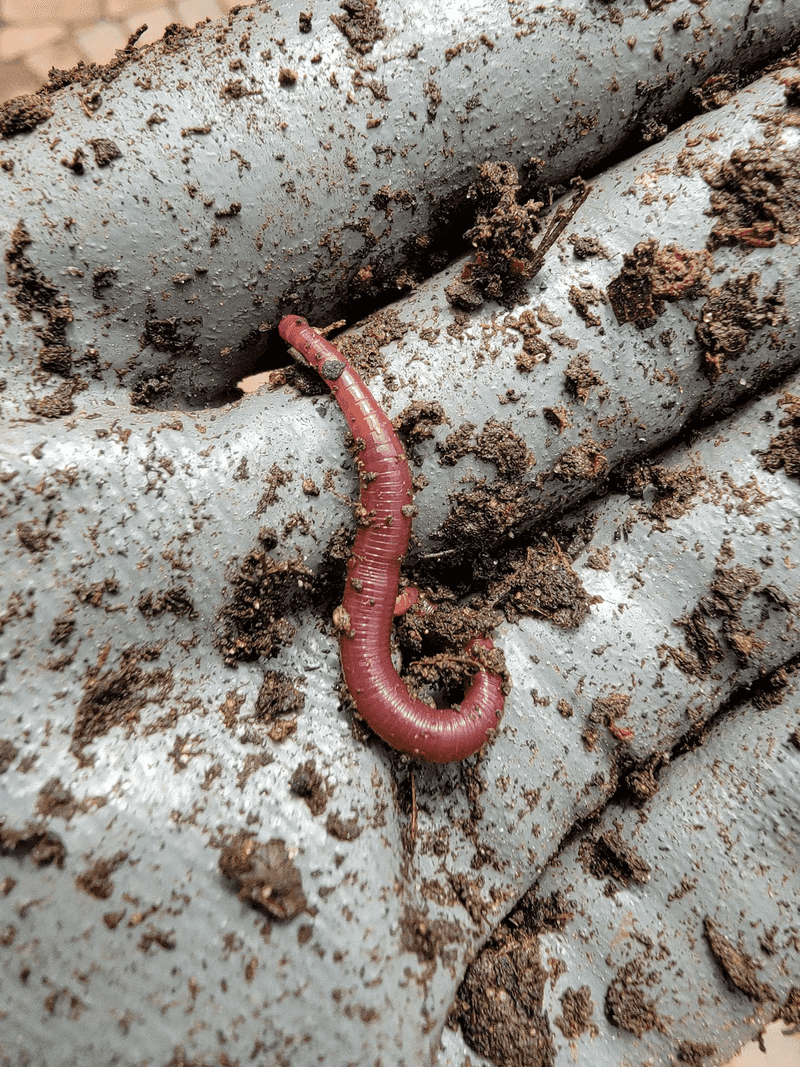
Buying worms feels like the fastest possible answer to a wormless garden.
Florida soil has a way of ruining that shortcut.
The red wigglers commonly sold for worm bins, Eisenia fetida, are composting worms. They thrive in rich layers of decomposing organic material, not in hot, sandy mineral soil with very little food.
Release them into a poor garden bed and you have not fixed the problem.
You have simply moved the worms into it.
Keep red wigglers where they shine, inside a managed vermicomposting system with moisture, bedding, and food scraps. Their castings can later become a useful soil amendment.
For the yard itself, spend the money on habitat instead.
Add finished compost. Keep organic mulch on the surface. Maintain reasonable soil moisture. Reduce unnecessary disturbance.
Those changes help create conditions that soil-dwelling earthworms can use if suitable species are already present nearby.
It also avoids the assumption that more earthworms automatically equal better soil in every Florida setting. The main goal should be healthier garden soil, not hitting a worm quota.
Watch plant growth, moisture retention, soil texture, and biological activity together.
A garden can improve long before worms become obvious.
So skip the dramatic worm release.
Buying tenants before repairing the house rarely ends well.
Make the bed worth living in first, then let the underground population respond to the conditions you actually created.
8. Watch For Worm Activity After Rain
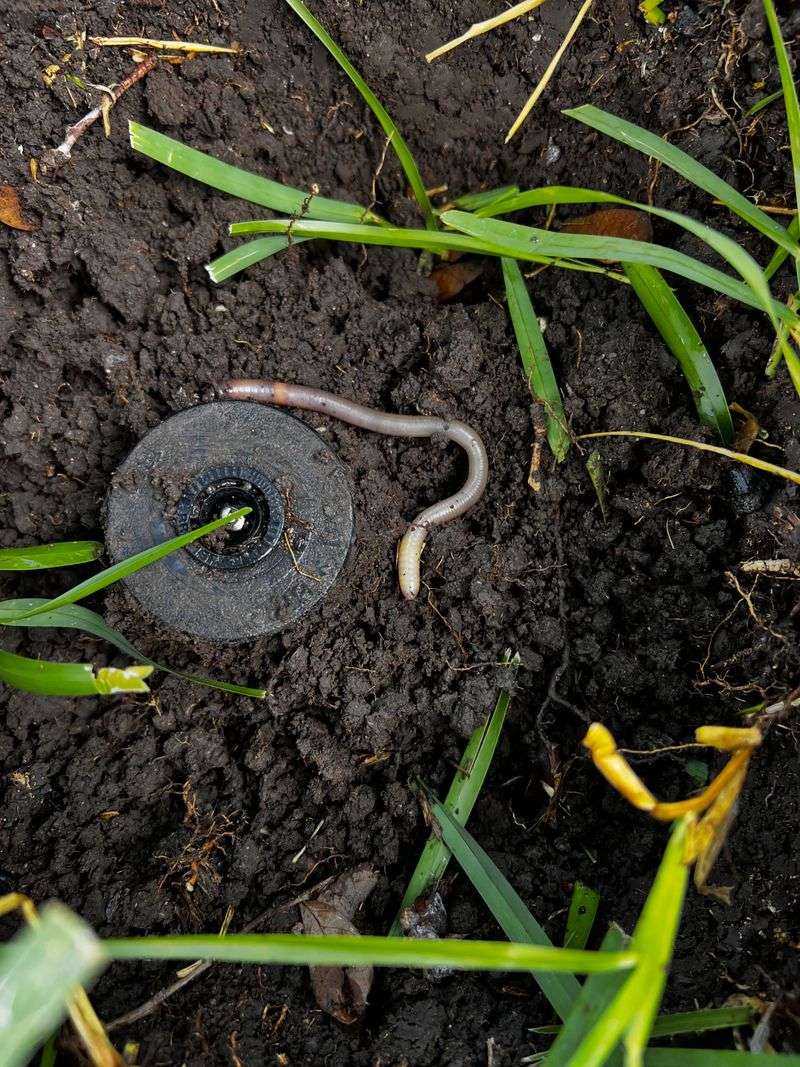
Rain gives you one of the best chances to see what has been happening below the mulch.
After a good Florida shower, the soil cools, moisture moves into the upper layers, and earthworms that stayed deeper during dry weather may become easier to spot.
Do not look only for worms.
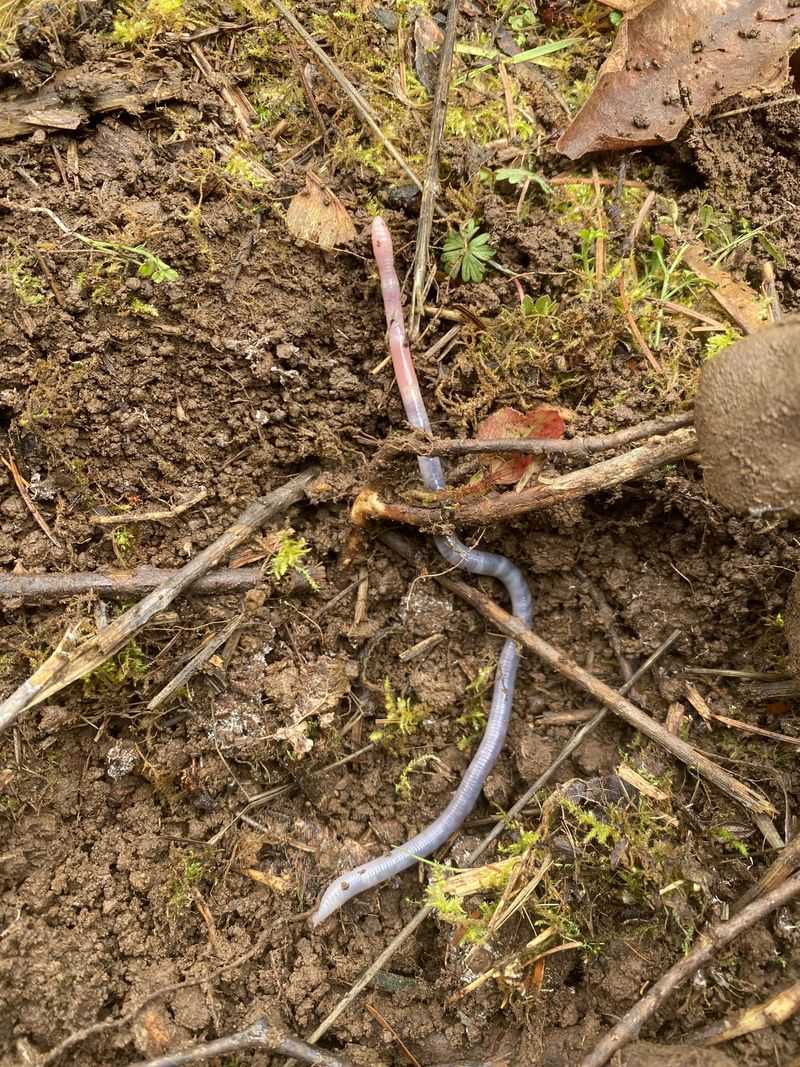
Small piles of dark, crumbly castings near the surface can be another clue. They often look slightly different from the surrounding sand and may appear around tiny burrow openings.
Finding a few castings is worth noticing when the same bed used to look dry and biologically quiet.
Keep expectations realistic, though.
One season of compost and mulch is not likely to turn pale Florida sand into the worm-filled soil you see in gardening videos from completely different climates.
Soil improvement is slower and much more interesting than that.
Notice how quickly water disappears after irrigation. Check whether the bed stays moist longer beneath mulch. Look for darker organic material, fungal threads, insects, and roots moving through the soil.
A simple garden journal can make those changes easier to recognize from year to year.
Write down when compost goes on, when mulch gets refreshed, and what you notice after summer rain.
The first worm is fun.
The bigger victory is realizing the soil itself has changed enough to support more life.
That is when an empty shovel of sand starts becoming a much better story.