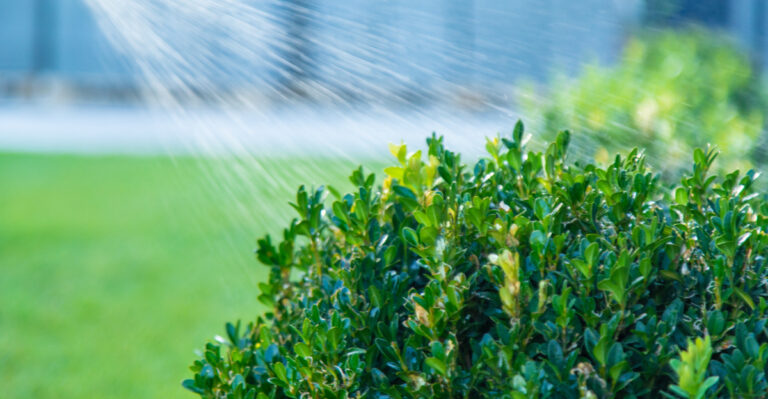
9 Gardening Tricks That Help Your Plants Grow Faster And Fuller In Michigan
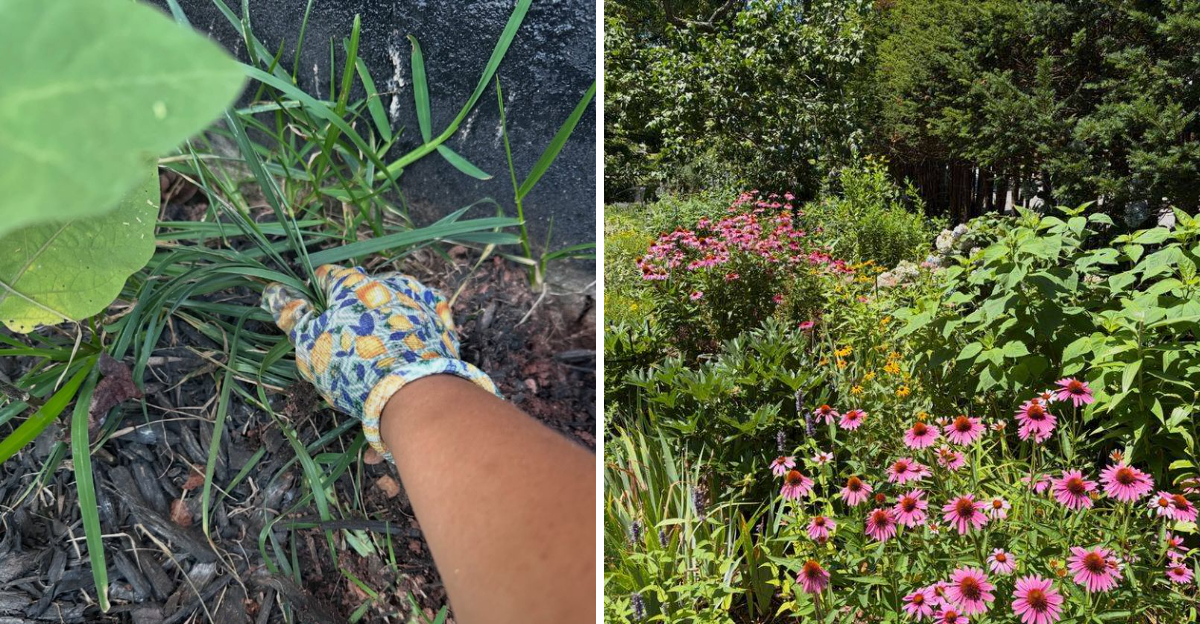
Every Michigan gardener wants bigger, fuller plants without waiting an entire extra month to see real results.
Most people assume the answer lies in more fertilizer or more frequent watering, throwing extra effort at the problem without much to show for it.
But a handful of simple, often overlooked tricks can genuinely speed up growth and improve fullness without adding much extra work at all.
Some of these methods take just a few minutes, yet make a noticeable difference within weeks rather than months.
Many gardeners are surprised to learn how much of a difference small adjustments can make compared to simply doing more of the same. Once you start using even a few of these tricks, the difference becomes obvious fairly quickly.
This list could completely change how you approach your garden for the rest of the season.
1. Feed The Soil With Compost
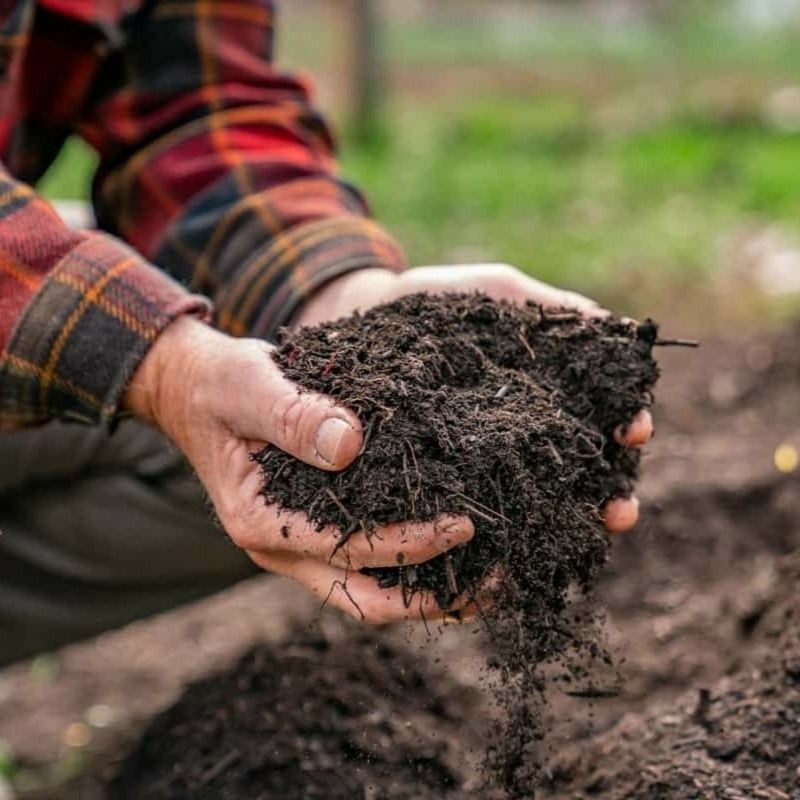
Great plants start with great soil, and compost is one of the best gifts you can give your Michigan garden. Finished compost is dark, crumbly, and full of the good stuff that plants love.
When you mix it into your beds, you feed the tiny living things that keep soil healthy. Michigan soil can swing between sandy and heavy clay. Sandy soil lets water rush through too fast, while clay holds too much and stays soggy. Compost helps balance both.
It acts like a sponge in sandy spots and loosens tight clay so roots can spread out. Organic matter from compost also holds onto nutrients that would normally wash away with our spring rains.
That means your plants get a steady supply of food instead of a quick burst that fades. Roots stay fed, and growth stays strong all season long.
You do not need anything fancy to start. Kitchen scraps like veggie peels, coffee grounds, and eggshells work great, along with fallen leaves in autumn. Michigan gives you plenty of leaves, so put them to use.
Spread a couple of inches of compost over your beds each spring and gently work it in. You can also top-dress around plants during the growing season for an extra boost.
Over time, compost turns tired dirt into rich, living soil. Your plants will reward you with fuller leaves, brighter blooms, and stronger stems. It is a small habit that pays off big.
2. Water The Roots Deeply
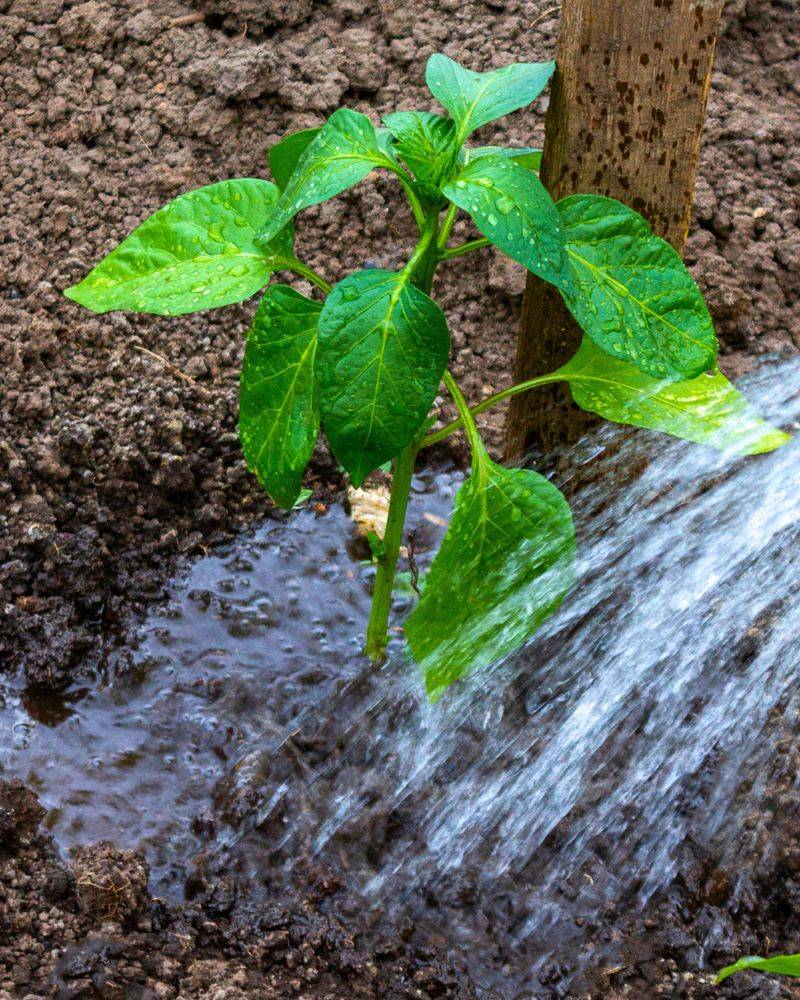
Splashing a little water on your plants every day feels helpful, but it can actually hold them back. Quick, shallow watering only wets the top of the soil. The roots stay near the surface, chasing that thin layer of moisture instead of growing down deep.
Deep watering works so much better. When you soak the soil until water reaches the active root zone, roots stretch downward to find it. Those deeper roots keep plants steady during hot, dry Michigan summers.
Think of it like this: strong roots build strong plants. A plant with a deep root system can pull moisture from below even when the top of the soil feels dry. That means less stress and steadier growth.
Your Michigan Garden Changes Every Week. Your Plan Should Too.
Gardening in Michigan changes quickly throughout the season. Every Friday you’ll receive a simple weekly plan showing exactly what to plant, prune, fertilize, harvest, and protect so you never miss the right timing.
Aim to water fewer times but longer each time. A slow, deep soak once or twice a week usually beats a light sprinkle every day. Stick your finger a few inches into the soil to check if it is dry down low.
Morning is the best time to water in Michigan. Plants get a good drink before the day heats up, and leaves dry off, which helps keep fungus away. Watering at the base instead of over the leaves also keeps moisture where it counts.
A soaker hose or drip line makes deep watering easy and saves you time. It sends water right to the roots with less waste. Give your plants a real drink, not just a splash, and watch them settle in and thrive.
3. Cover The Soil With Mulch
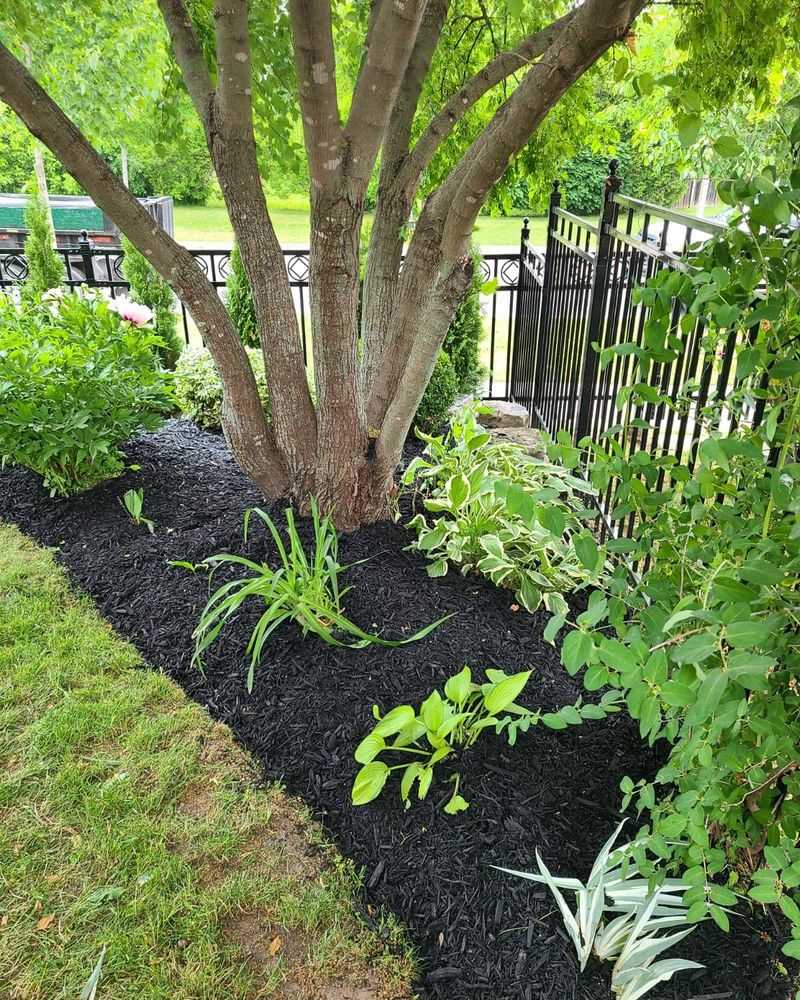
Bare soil bakes in the sun, dries out fast, and grows weeds like crazy. A simple layer of mulch fixes all three problems at once. It is one of the easiest ways to help your Michigan plants stay happy.
Organic mulch, like shredded bark, wood chips, straw, or chopped leaves, acts like a cozy blanket over the soil. It keeps roots cooler during summer heat and holds moisture in so you water less often. Plants under mulch feel far less stress.
Michigan summers can turn hot and dry in a hurry, then swing back to soggy after a storm. Mulch smooths out those ups and downs by steadying the moisture and temperature around the roots. That steady comfort helps plants grow fuller.
Weeds also have a much harder time pushing through a thick mulch layer. Fewer weeds means less competition for water and food, plus less work for you on your hands and knees.
Spread mulch about two to three inches deep around your plants. Keep it pulled back a couple inches from stems and tree trunks so it does not trap too much moisture against them.
As organic mulch breaks down over time, it feeds the soil too, adding that rich organic matter your plants crave. It is a two-in-one helper.
Refresh your mulch once a year, usually in spring, and your beds will look tidy while your plants quietly grow stronger underneath. Little effort, big payoff.
4. Test Before You Fertilize
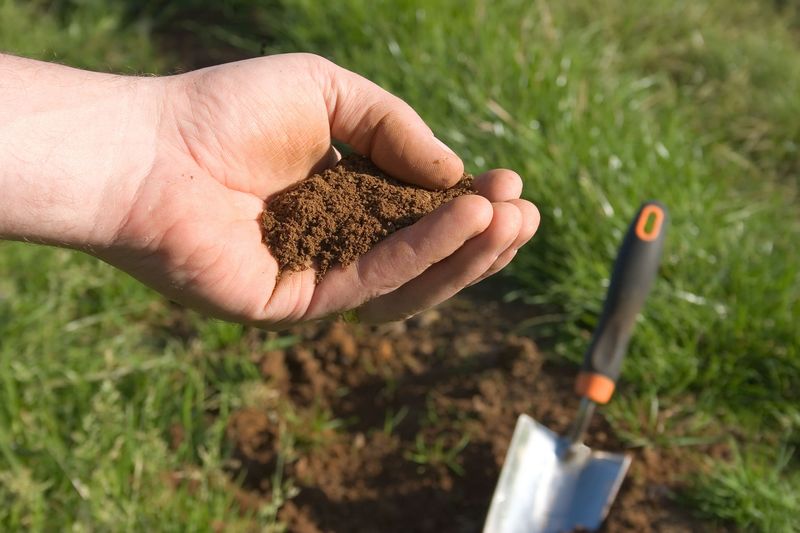
Guessing what your soil needs is a bit like shopping without a list. You might grab things you do not need and forget what really matters. A soil test takes the guessing out of gardening.
Michigan State University Extension offers affordable soil tests that tell you exactly what is going on underground. You send in a small sample, and the results show your nutrient levels and pH. That single report can change how you garden.
Here is why it helps so much. Plants can only use nutrients when the soil pH is in the right range. If your soil is too acidic or too alkaline, food just sits there unused, no matter how much you add.
The test tells you whether you need to add lime to raise pH or something else to lower it. It also shows if you are short on nutrients like nitrogen, phosphorus, or potassium. Instead of dumping random fertilizer, you feed your soil what it actually lacks.
That saves you money and protects nearby lakes and streams from runoff. Michigan has a lot of water to look after, and smart feeding keeps it clean.
Testing every few years keeps you up to date, since soil changes over time. Spring or fall is a great time to grab a sample.
Once you know your numbers, feeding your garden becomes simple and accurate. Your plants get exactly what they need, and they respond with healthier, fuller growth.
5. Pick The Right Spot

Even the healthiest plant will struggle in the wrong place. A sun-lover stuck in the shade grows leggy and weak, while a shade plant baking in full sun gets scorched. Matching plants to their spot is one of the smartest moves you can make.
Every plant has needs when it comes to light, soil, moisture, and space. Some crave six hours of sunshine, while others prefer a shady corner. Before you plant, watch how the sun moves across your yard during the day.
Soil matters just as much. Michigan yards can have soggy low spots and dry sandy patches all in one property. Put moisture-loving plants where water gathers, and drought-tough plants where the ground dries fast.
When a plant lands in the right home, it grows stronger with far less effort from you. You spend less time babying it and more time enjoying it. That is the beauty of good placement.
Give each plant room to reach its full size too. Read the plant tag to learn how tall and wide it will get, then plan your spacing.
Think about wind and cold spots as well. A sheltered corner near your house can protect tender plants from harsh Michigan winds and late frosts.
Taking a little time to plan pays off all season. Plants in the right spot resist stress, shrug off pests better, and fill out beautifully. Work with your yard instead of against it, and gardening suddenly feels a whole lot easier.
6. Give Plants Room
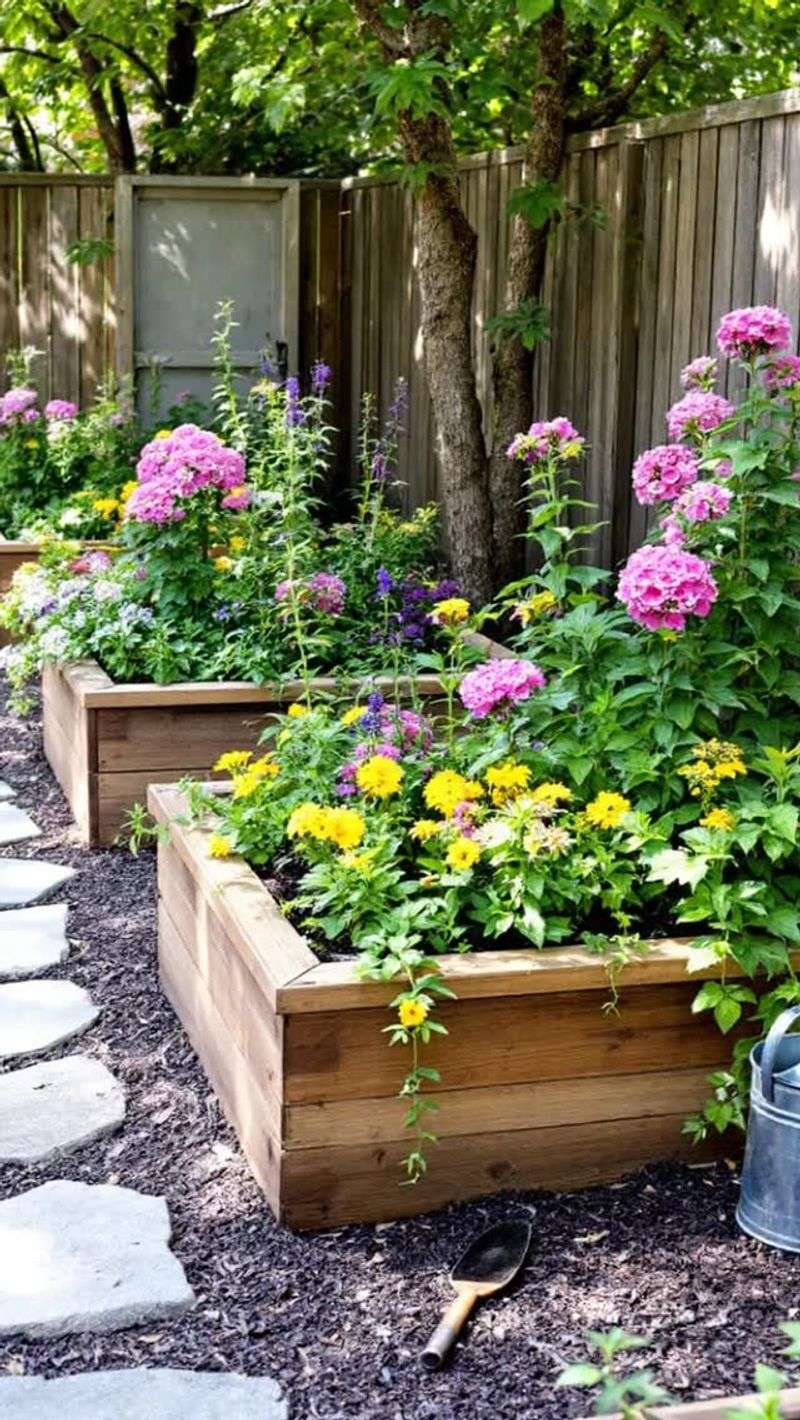
It is tempting to pack plants close together for an instant full look. But crowding backfires fast. Plants squished side by side fight each other for light, water, and food, and none of them win.
Proper spacing gives each plant the room it needs to grow to its full mature size. Roots spread out below the soil, and leaves stretch out above without bumping into neighbors. That freedom leads to bigger, healthier plants.
Air movement is another huge reason to spread things out. When plants sit too close, air gets trapped and leaves stay damp. That damp, still air invites mildew and other fungus problems that can spread quickly.
Good spacing lets breezes flow through, drying leaves and keeping disease away. In humid Michigan summers, that airflow makes a real difference for tomatoes, squash, and flowers alike.
Sunlight reaches more of each plant too. Instead of tall plants shading out shorter ones, everyone gets their fair share of light. More light means more energy and fuller growth.
Check the plant tag for spacing directions before you dig. Those tiny seedlings look lonely with gaps between them, but they fill in fast once they take off.
If your bed already feels crowded, thin out the weakest plants to give the rest a chance. It feels tough at first, but the survivors thrive.
Giving plants their space might be the most underrated trick around. A little breathing room now means a lush, thriving garden later, with less fuss and fewer problems.
7. Pull Weeds Early
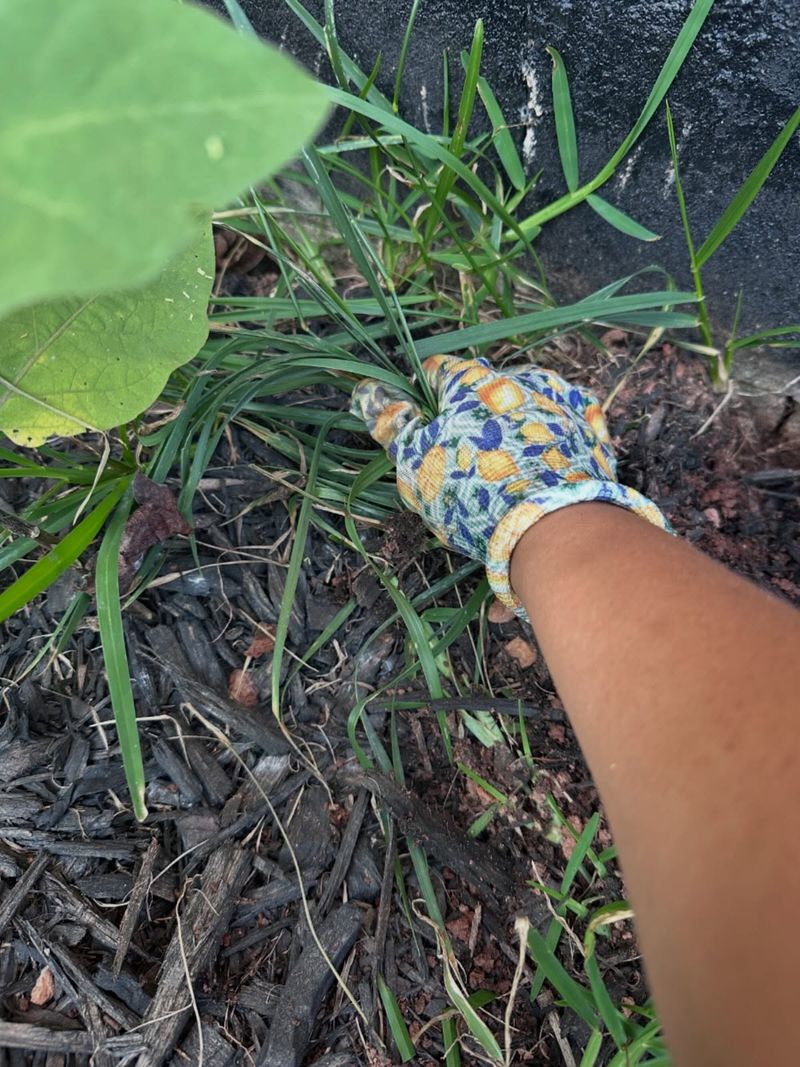
Weeds are sneaky. One day you spot a few tiny sprouts, and the next they seem to take over the whole bed. Catching them early keeps your garden from turning into a battle.
Those weeds are not just ugly. They are thieves. Every weed soaks up water, nutrients, and sunlight that your plants need to grow. They also crowd out the space your garden plants want for their roots.
Small weeds are easy to pull. Their roots are shallow, and they slide right out of moist soil with a gentle tug. Wait too long, and those same weeds grow deep, stubborn roots that fight back.
Pulling weeds after a rain makes the job even easier, since soft soil lets roots release cleanly. A few minutes here and there beats an entire weekend of hard work later.
Getting weeds out before they flower is key. Once they set seed, they scatter hundreds of new weeds across your bed, and the problem multiplies fast.
Mulch teams up nicely with weeding too. A thick layer blocks new weeds from sprouting, so you have fewer to pull in the first place.
Make a habit of a quick weed check every few days. Stroll through your garden, tug out anything new, and enjoy the peace of a tidy bed.
Your plants notice the difference right away. With no weeds stealing their share, they get all the food, water, and light they need to grow strong and fill in beautifully.
8. Stop Overfeeding Plants
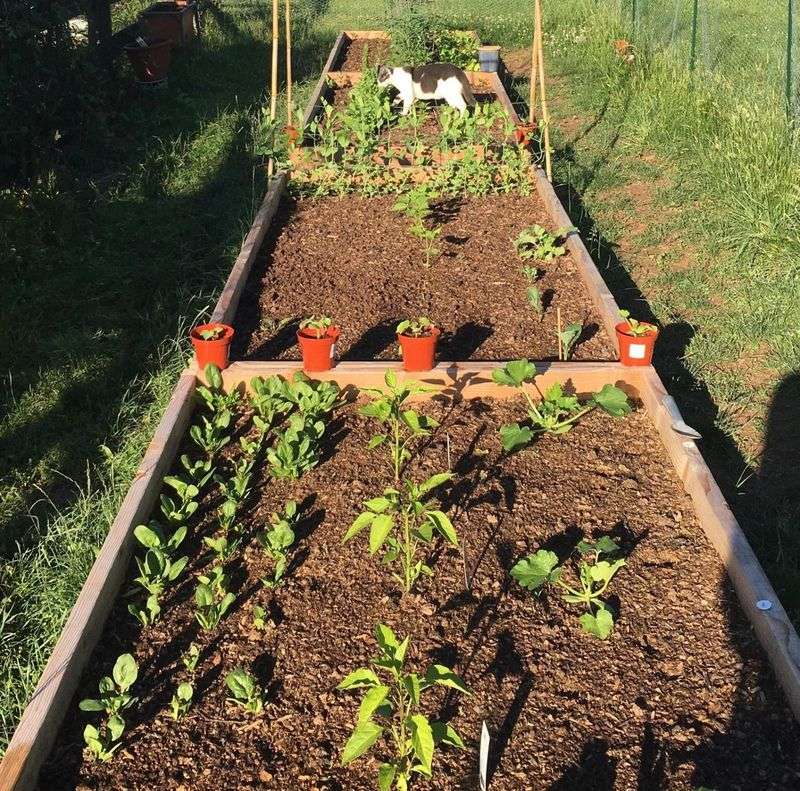
More food must mean faster growth, right? Not with plants. Piling on extra fertilizer is one of the most common mistakes gardeners make, and it can hurt more than help.
Too much fertilizer can burn roots and stress your plants. Instead of lush growth, you get scorched leaf edges and weak, floppy stems. Plants can only use so much at a time, and the rest becomes a problem.
Extra nitrogen often pushes lots of leafy growth but few flowers or fruit. So your tomato plant grows huge and green while giving you hardly any tomatoes. That is not the goal.
The leftover fertilizer does not just disappear either. Rain washes it out of the soil and into Michigan’s lakes, rivers, and groundwater, where it causes algae blooms and other trouble.
Feeding based on real needs is the smarter path. That is where a soil test comes in handy, showing you exactly what your plants are missing instead of guessing.
Follow the directions on the label and resist the urge to add a little extra. The recommended amount is there for a reason. When it comes to fertilizer, less is often more.
Slow-release and organic options feed gently over time, which keeps plants steady without sudden bursts. Compost also delivers nutrients naturally and safely.
Pay attention to how your plants look and grow. Healthy green leaves and steady progress mean you are on track. Feed with care, and your garden stays balanced, strong, and full.
9. Let Michigan Natives Do The Work
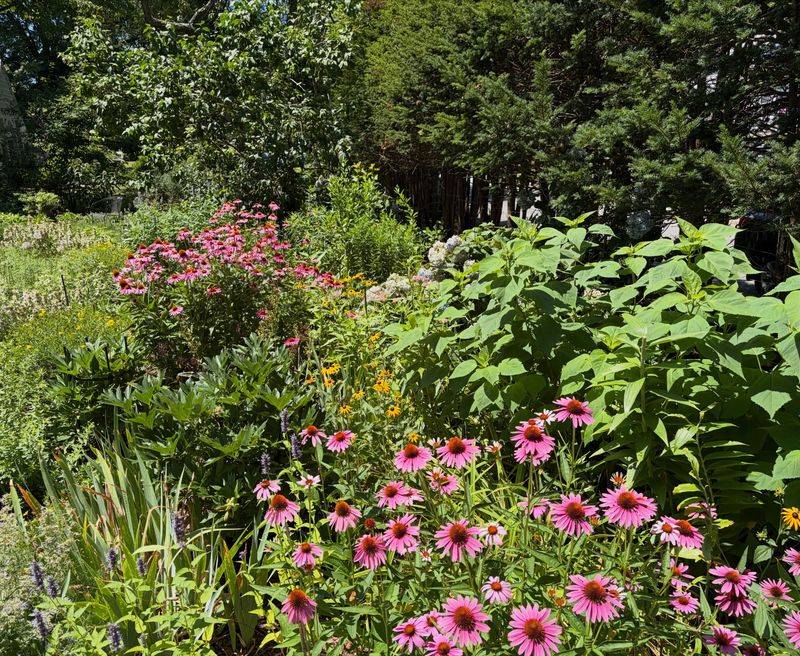
Some of the toughest, prettiest plants for your garden are the ones that grew here long before any of us. Michigan native plants are built for this state, and they make gardening feel almost effortless.
Because natives evolved with our weather, soil, and seasons, they already know how to handle it all. Cold winters, hot summers, and everything in between are no problem for them. Once they settle in, they mostly take care of themselves.
That means less watering for you. After their first year of getting established, many native plants find their own moisture with deep, hardy roots. During a dry Michigan stretch, they keep going while fussier plants wilt.
Natives also need little to no fertilizer. They are used to our natural soil, so they grow strong without extra feeding. That saves you money and cuts down on runoff too.
Try favorites like purple coneflower, black-eyed Susan, milkweed, and wild bergamot. They burst with color and fill in fast, giving you that lush, full look with hardly any fuss.
Pollinators adore them. Bees, butterflies, and hummingbirds flock to native blooms, turning your garden into a lively, buzzing hangout. Milkweed even feeds monarch caterpillars.
These plants also support local birds and helpful insects, building a healthier little ecosystem right in your yard. Nature does the heavy lifting for you.
Plant a few natives this season and watch how easily they thrive. Fuller gardens, happier wildlife, and less work all in one smart choice.