The Michigan Bulbs Worth Planting Now For A Show-Stopping Spring
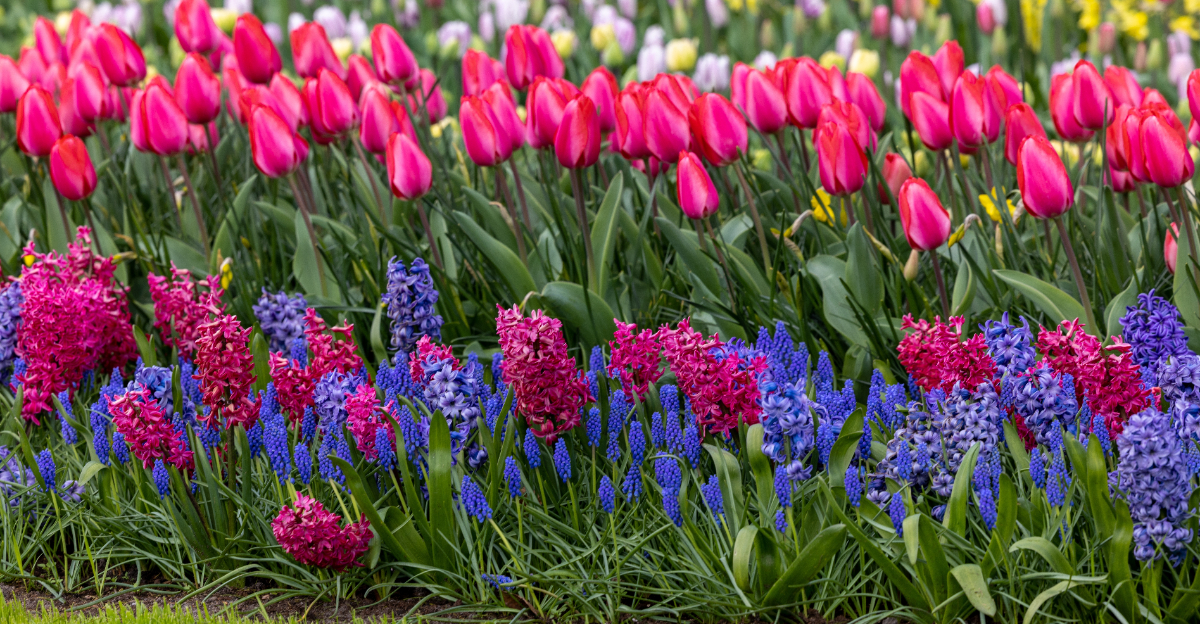
Spring color feels impossibly far away during the last stretch of Michigan summer, making bulb planting the last thing on most gardeners’ minds right now.
But the bulbs that create the most dramatic spring displays actually need to go into the ground well before anyone starts thinking about spring at all.
Wait too long, and you miss the narrow window that gives these bulbs enough time to properly establish before winter arrives.
Get the timing right, and you set up a spring display that completely overshadows anything planted later in the season. Many gardeners underestimate just how much of spring’s success depends on decisions made months earlier.
Understanding which bulbs deserve this early attention could make all the difference in how your yard looks come April and May. This is the kind of planning that pays off in a big way, even though the reward feels distant right now.
1. Tulips Bring The Big Color
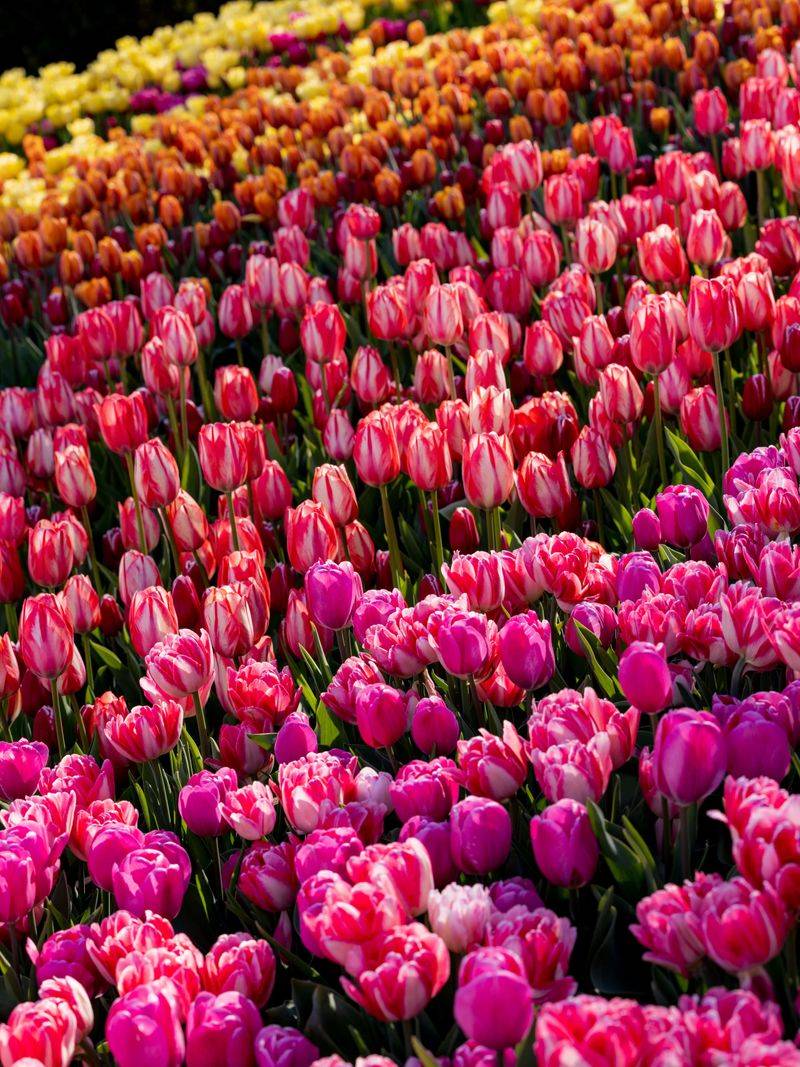
Few flowers make a bolder statement than tulips standing tall in a spring garden. Planted in fall, they soak up Michigan’s cold months and burst open with color right when everyone is hungry for it.
Tulips come in nearly every shade you can imagine, from fiery reds to soft pastels and even stripes.
That range lets you paint your yard however you like, whether you want a rainbow mix or a tidy row of one color. Plant them about six to eight inches deep and point the pointy end up so the stems grow straight toward the sun.
Michigan’s chilly winters actually work in your favor here. Tulips need a long cold period to trigger their blooms, and our state delivers that naturally every year. Gardeners in warmer places have to fake it by chilling bulbs in the fridge, so count yourself lucky.
For the strongest show, group tulips in clusters instead of spacing them far apart. A tight bunch reads as a big splash of color from across the yard, while scattered ones can look lonely.
Fun fact: tulips once caused a wild trading craze in Holland during the 1600s, when a single rare bulb could cost more than a house.
You do not need to spend a fortune, though. A simple bag from the garden center gives you plenty of bang for very little money, and the payoff each April feels like pure magic.
2. Daffodils Come Back Strong
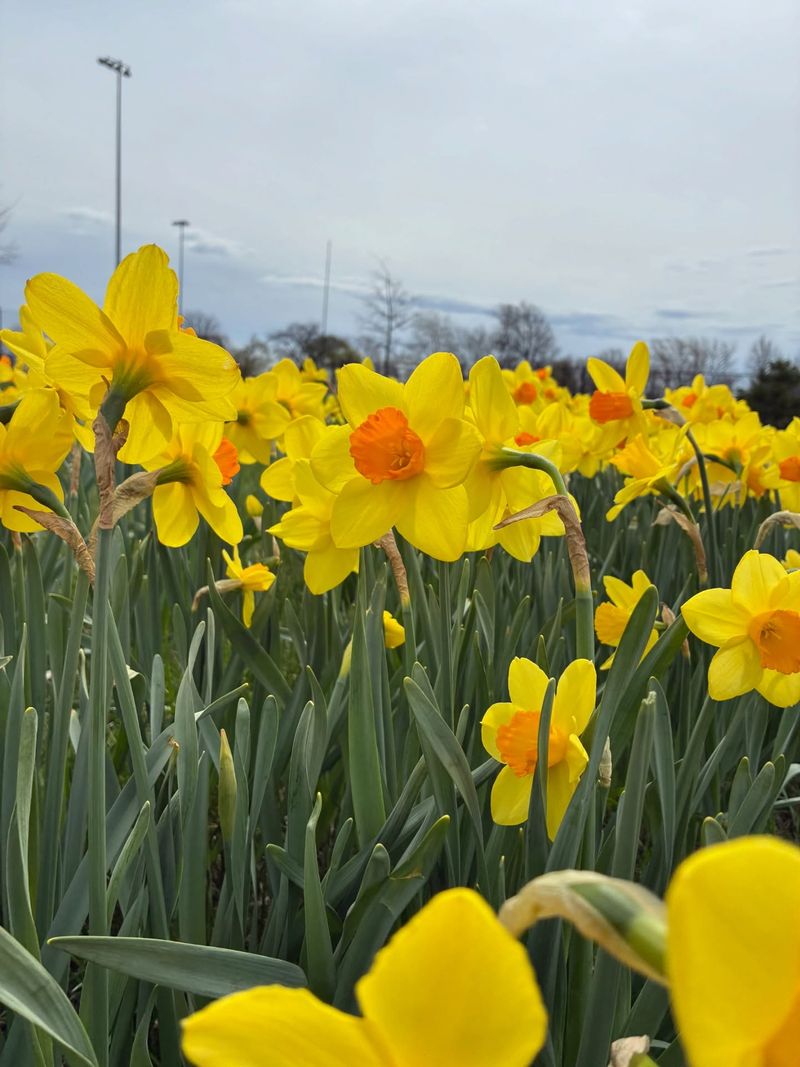
If you want a flower that shows up year after year without any fuss, daffodils are your best friend. These sunny yellow trumpets pop up early and keep coming back like clockwork. What makes daffodils so dependable is how tough they are.
Squirrels and other critters tend to leave them alone because the bulbs taste bitter to them. That means the bulbs you plant this fall have a real shot at surviving to bloom for many springs in a row.
Plant daffodils about six inches deep in a spot that gets plenty of sun. They are not picky about soil as long as water does not pool around them. Soggy ground can rot the bulbs, so pick a well-drained area or add a little sand to loosen heavy clay.
Your Michigan Garden Changes Every Week. Your Plan Should Too.
Gardening in Michigan changes quickly throughout the season. Every Friday you’ll receive a simple weekly plan showing exactly what to plant, prune, fertilize, harvest, and protect so you never miss the right timing.
Michigan gardeners love daffodils because they naturalize, which is a fancy way of saying they spread on their own over time.
A handful of bulbs today can become a whole drift of gold within a few years. Just leave the leaves alone after the flowers fade, since those green blades feed the bulb for next season.
Beyond the classic yellow, daffodils come in white, orange, and creamy blends with ruffled centers. Mixing a few types stretches your bloom time across several weeks.
Their bright faces also signal to everyone that winter has finally loosened its grip. Nothing lifts the mood quite like a cluster of daffodils nodding in the spring breeze after months of gray skies.
3. Crocus Starts The Show Early
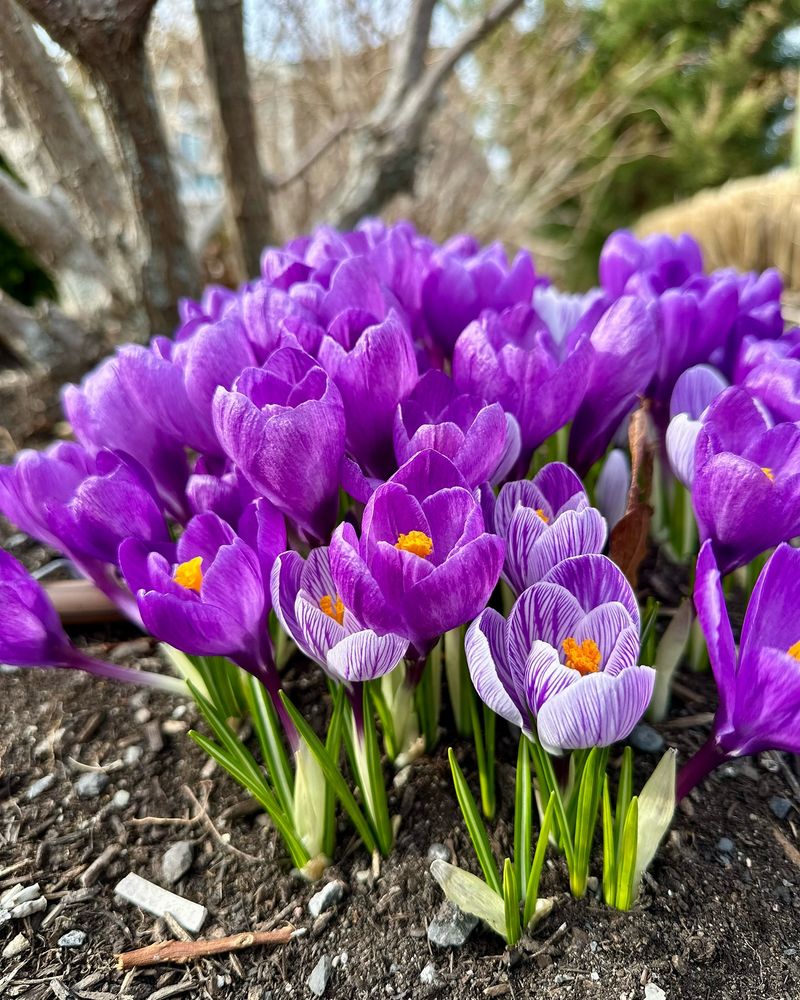
Long before most plants even think about waking up, crocus flowers push through the cold ground and sometimes right through leftover snow. Their bravery makes them one of the most cheerful sights of the whole season.
Crocus bulbs are small, which means planting them is quick and easy. Tuck them just three to four inches deep, and scatter a bunch together for the best effect. Because each flower is tiny, a big group looks far more impressive than a few loners.
These little bloomers matter for more than just looks. When they open in late winter, they offer some of the first food around for early bees.
Pollinators that stir on warm days rely on that early nectar, so your crocus patch does double duty as a snack bar for hungry insects.
Michigan’s freeze and thaw cycles suit crocus just fine. They are built to handle chilly nights and can bounce back after a light frost. You can even plant them right in your lawn, where they will pop up before the grass needs its first mowing.
Colors range from deep purple and gold to soft lavender and white, often with pretty veined petals. Some types even have a light honey scent if you lean in close.
Once they finish flowering, they quietly fade and rest underground until next year. Plant a generous handful this fall, and you will get a front-row seat to the very first act of spring long before your neighbors see any color.
4. Hyacinths Bring Color And Fragrance
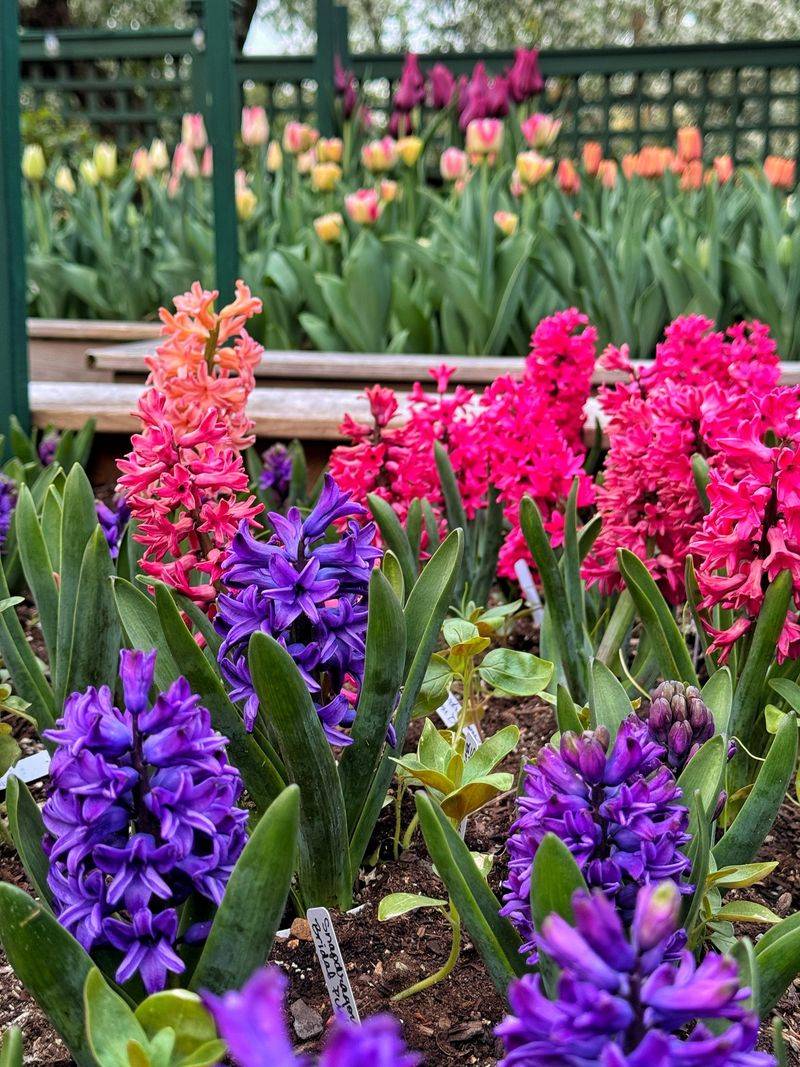
Close your eyes near a blooming hyacinth and the sweet perfume alone tells you spring has arrived. These flowers pack a serious punch for both your eyes and your nose.
Each hyacinth stalk holds dozens of tiny star-shaped florets crammed tightly together into a thick, colorful spike.
The blooms come in rich purples, pinks, blues, whites, and even soft yellows. Line a few along a walkway, and every trip to the mailbox becomes a treat.
Plant hyacinth bulbs about six inches deep in fall, pointy side up. They like sunny spots with soil that drains well, much like their tulip and daffodil cousins. A little mulch on top helps protect them through Michigan’s coldest stretches.
One thing to know is that the bulbs can make some people’s skin itch, so slipping on garden gloves while planting is a smart move. It is a small step that keeps the whole job comfortable.
Hyacinths tend to put on their biggest display the first spring after planting. In the years that follow, the flower spikes may grow looser and smaller, which many gardeners actually find charming and more natural looking.
Their strong scent also makes them wonderful for cutting. Snip a few stems, pop them in a vase, and your kitchen fills with fragrance for days.
For a real showstopper, plant them in tight groups of the same color rather than mixing every shade together. That solid block of color and perfume creates a spot in your yard that people will not be able to walk past without stopping.
5. Alliums Add Giant Flower Globes
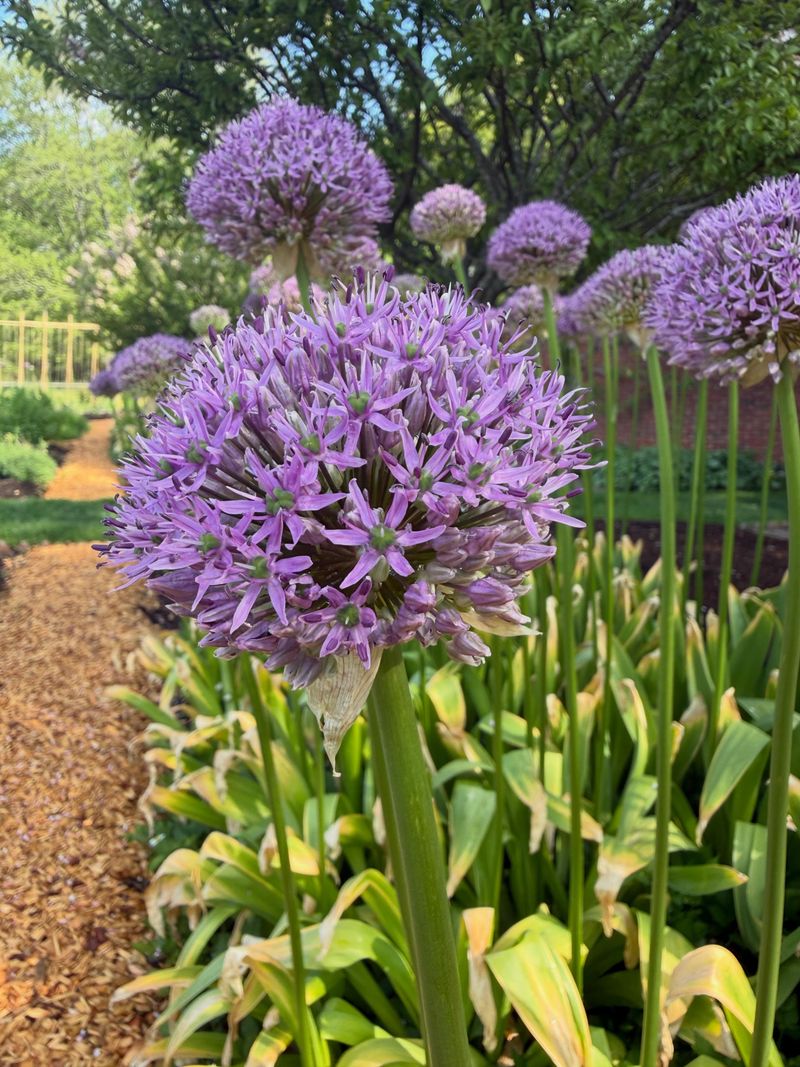
Picture a garden full of purple globes floating on tall stems like something from a storybook. That is the magic alliums bring to the late spring show.
Alliums belong to the onion family, but do not let that fool you. Their flowers are pure drama, forming perfect round balls made of hundreds of tiny blooms. Some varieties grow softball sized, while giant types can reach the size of a grapefruit or bigger.
Because they bloom later than tulips and daffodils, alliums help bridge the gap between spring and summer. Just as your earlier flowers start to fade, these globes rise up to keep the color going strong.
Bees and butterflies adore them. Those round heads are packed with nectar, so on a sunny day your alliums will hum with happy pollinators drifting from floret to floret.
Plant the bulbs about three times as deep as they are tall, usually around six to eight inches for the bigger kinds. They prefer full sun and soil that does not stay wet, which keeps the bulbs firm and healthy.
Deer and rabbits usually skip them thanks to that mild oniony smell, so they stay looking sharp all season. That is a big win in areas where hungry wildlife munches everything else.
Even after the blooms fade, the dried seed heads keep their shape and look great swaying in the breeze. Plant a cluster of alliums this fall and give your garden a bold, sculptural finish that turns heads well into early summer.
6. Grape Hyacinths Fill The Gaps
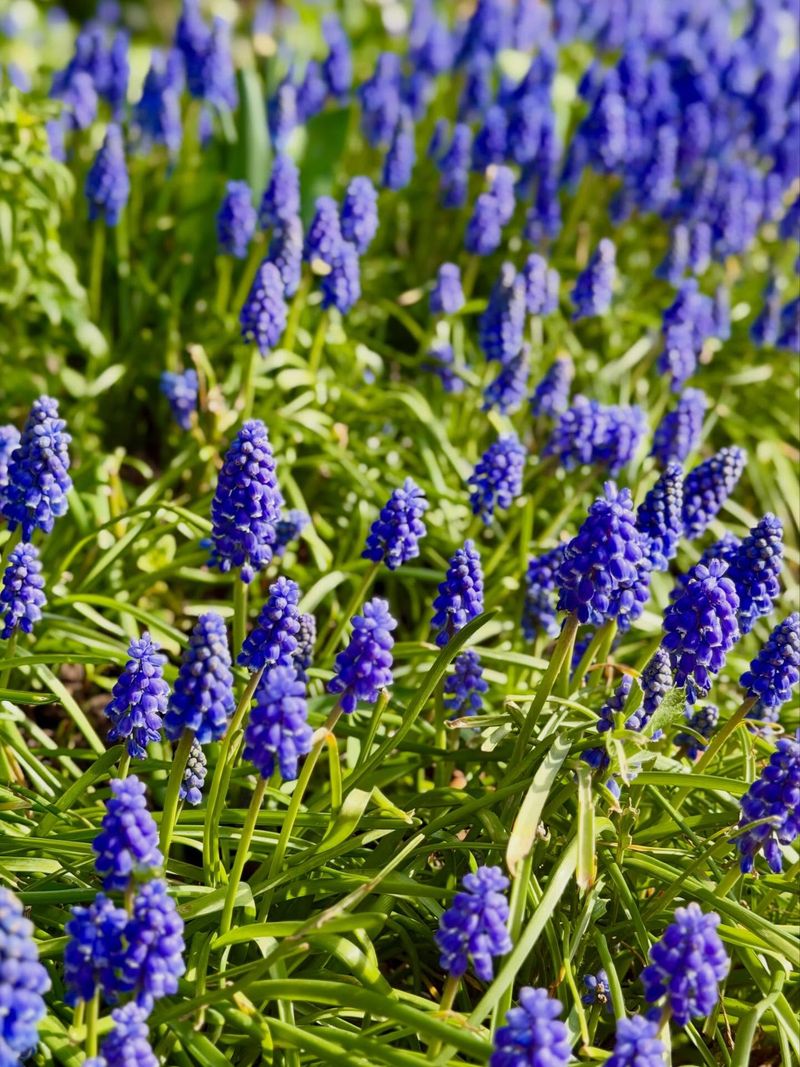
Small but mighty, grape hyacinths prove that you do not need big flowers to make a big impression. These little blue clusters look just like tiny bunches of grapes turned upside down. Their real superpower is filling empty spaces.
Tuck them between taller bulbs like tulips and daffodils, and they weave a low carpet of blue or purple that ties the whole bed together. Bare patches vanish, and your garden looks fuller and more planned.
Grape hyacinths, sometimes called muscari, are cheap and easy to plant in big numbers. Since the bulbs are so small, you can drop dozens into the ground in no time. Plant them about three inches deep and give them a sunny or lightly shaded spot.
Michigan’s cold winters suit them perfectly, and they come back reliably each spring. Over time they spread into thick drifts that look like a river of blue winding through your yard.
Here is a handy trick many gardeners love. Grape hyacinth leaves often sprout in fall, giving you a green preview of exactly where the flowers will appear. That makes it easy to plan around them when you add other bulbs.
The blooms also last a good while, holding their color for weeks instead of fading fast. Bees appreciate them too, buzzing among the tiny bells on warm days.
For the biggest wow, plant grape hyacinths in long ribbons or wide patches rather than single dots. A sweeping mass of blue creates depth and draws the eye across your entire spring garden.
7. Snowdrops Wake Up The Garden
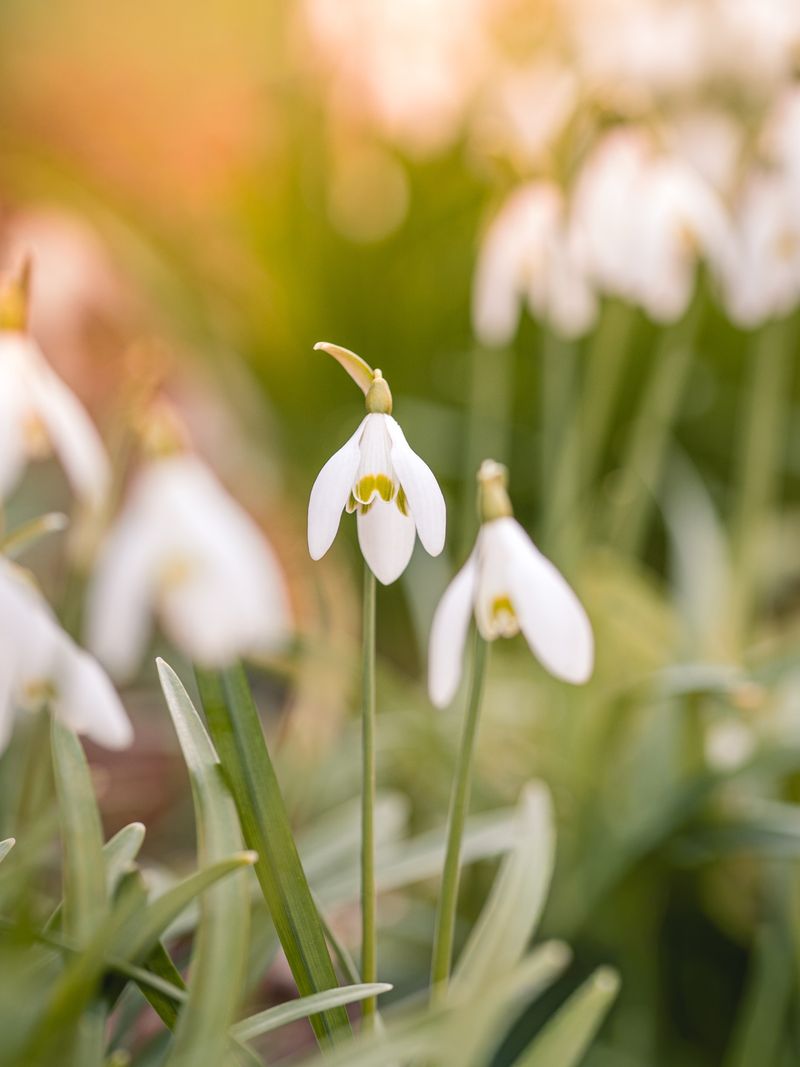
When the ground is still frozen hard and everyone else is waiting for warmth, snowdrops quietly steal the spotlight. These delicate white bells are often the very first flowers to appear each year.
Snowdrops are famously tough. They can push up through frozen soil and even bloom while snow still lingers, nodding their little heads as if to say winter is nearly over. For a Michigan gardener starved for color, that early sign of life feels like a gift.
Each stem carries a single dainty flower shaped like a teardrop, pure white with a tiny green mark on the inner petals. Up close they are surprisingly detailed, rewarding anyone who bends down for a look.
Plant snowdrop bulbs in fall about three inches deep in soil that stays a bit moist but never waterlogged. They do well under trees or along the edges of beds where they get sun before the leaves come out overhead.
One thing worth knowing is that snowdrops prefer not to dry out completely, so planting them soon after you buy them helps them settle in. They may take a season to get going, but patience pays off.
Over the years, snowdrops multiply into charming little colonies that return earlier and earlier in your gardening heart. Many families pass along clumps to friends and neighbors as a sign of hope.
Add a patch near your front door, and you will have a cheerful welcome waiting the moment Michigan starts leaning toward spring, weeks before anything else dares to bloom.