Why Cluster Flies Keep Showing Up Inside Wisconsin Homes In November
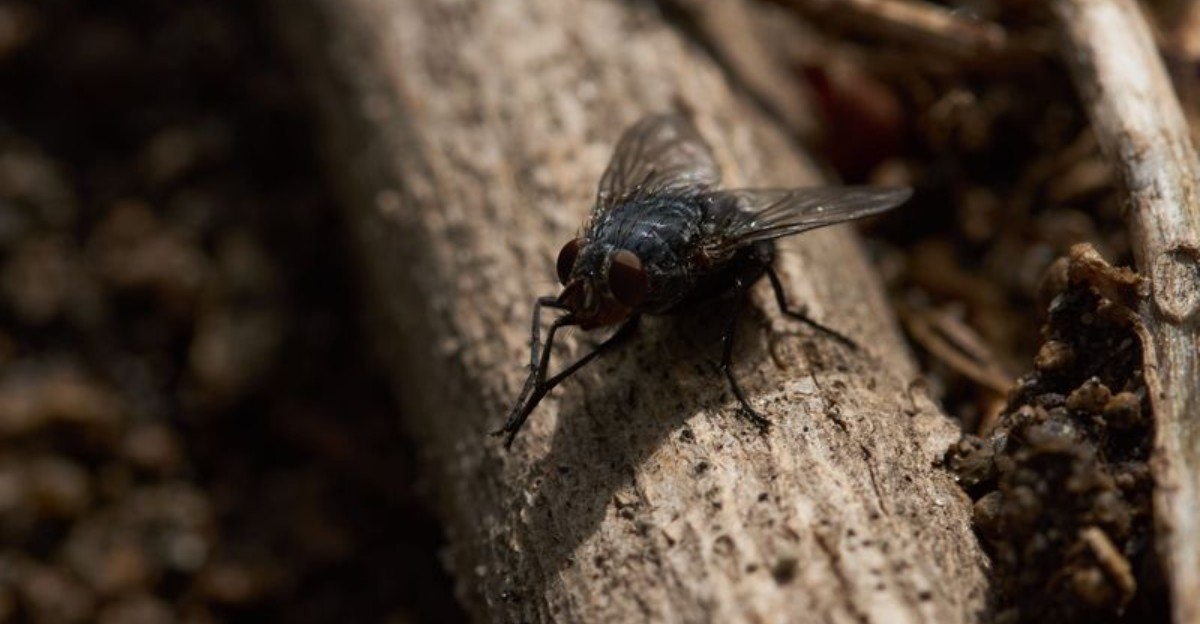
Flies are gathering on your windowpane, and they arrived with intention. Wisconsin homes attract cluster flies each year for specific reasons.
Cold weather forces these insects to search for reliable warmth. Sunlit walls pull them in long before autumn officially begins.
Their bodies detect small temperature shifts earlier than you notice. Instinct guides them toward narrow gaps hidden along your siding.
Cracks near your foundation quietly become entry points overnight. Attics offer exactly the shelter these flies seek.
Nothing about their steady approach feels careless or accidental. Every move they make follows a distinct seasonal pattern.
Local structures provide ideal conditions for this recurring cycle. Recognizing their pattern changes how you handle your property.
Timing plays a bigger role than most homeowners assume. Windows across Wisconsin homes become especially attractive entry points.
You may have unknowingly welcomed these visitors inside. Ignore this pattern, and your home may become their winter shelter again next year.
1. Access Points Near Chimneys And Vents
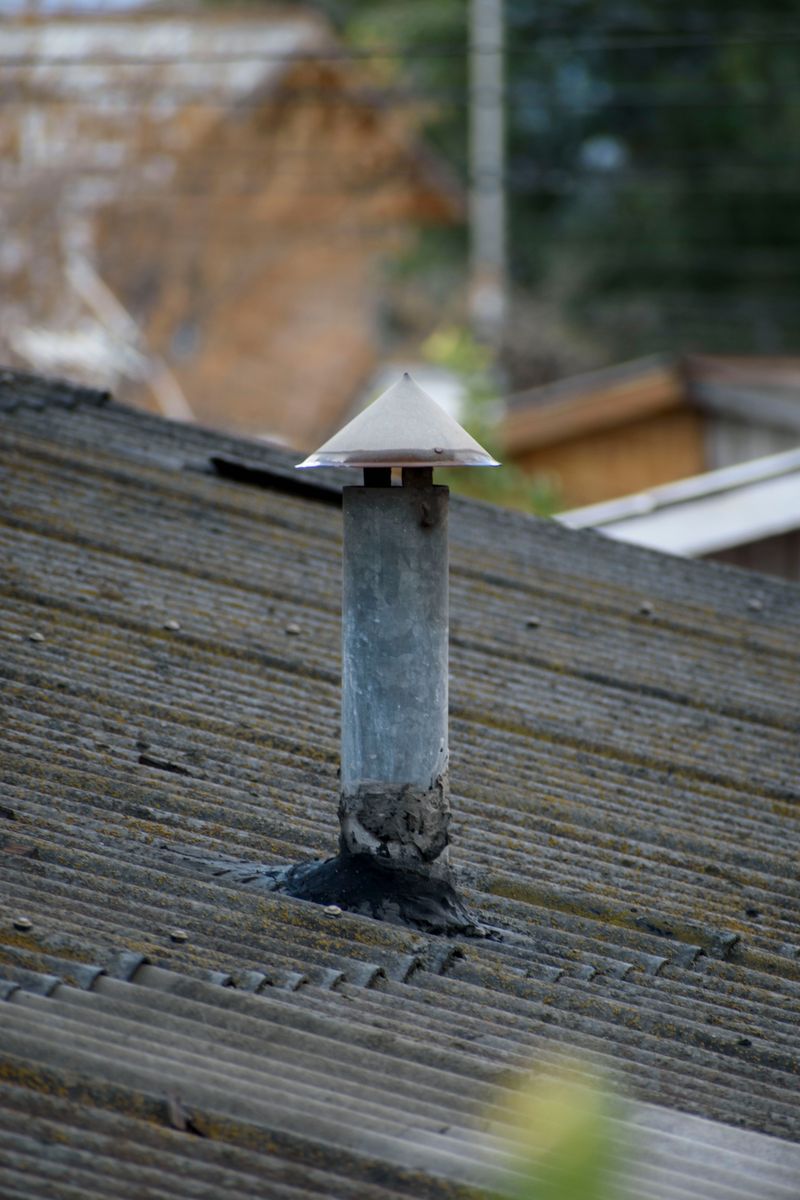
Chimneys are a common entry point. Cluster flies consistently seek out warm, protected openings, and chimneys are among the most popular ones as autumn winds down.
The gap between a chimney cap and the flue is often wider than it looks. Even a narrow opening gives these slow-moving flies enough room to squeeze inside.
Vents are just as inviting. Soffit vents, gable vents, and dryer exhausts all create pathways that cluster flies use once temperatures begin to fall.
Many homeowners never inspect these spots until flies are already inside. In early November, a quick visual check on a calm, dry day can show you which openings were used this season and which ones still need attention.
Chimney caps with fine mesh screens are one of the most effective fixes available. They limit entry without affecting airflow or function.
Vent covers with tight screening work the same way for bathroom and kitchen exhausts. Hardware stores carry affordable options that install in minutes.
Cluster flies are not fast or aggressive, but they are determined. They will return to the same entry point year after year if nothing changes.
If climbing onto your roofline feels unsafe, a professional service can inspect these hard-to-reach areas for you.
November is a sensible time to schedule that visit, since the weather is cool, schedules are often more open, and any repairs will be ready well before next season begins.
Sealing chimneys and vents before the deep winter freeze is one of the smartest moves a Wisconsin homeowner can make. Take a gentle walk around your roofline this weekend, and note anything to fix on the next dry day.
2. Dark Spots Away From Daily Activity
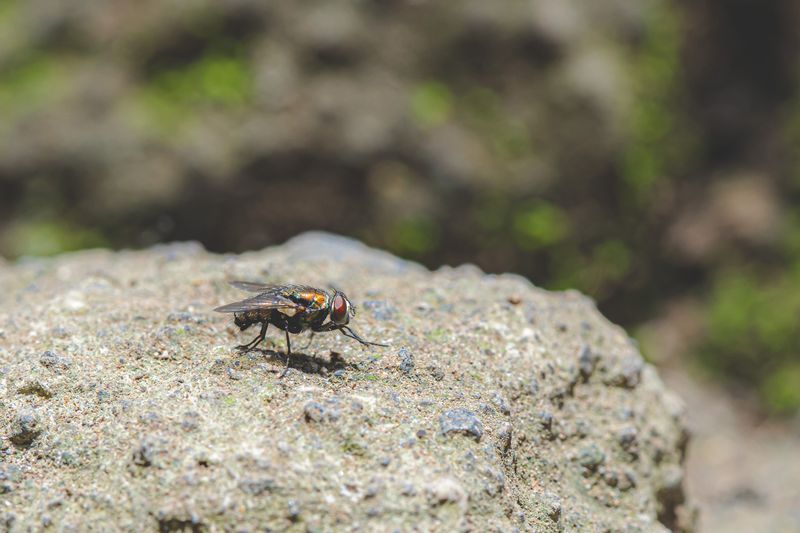
Cluster flies are not looking for your kitchen. They want quiet, undisturbed darkness where foot traffic is almost nonexistent. Attic corners, crawl spaces, and storage rooms check every box on their wish list.
These spots stay calm and shadowy for weeks at a time. Unlike house flies, cluster flies are not attracted to food. They are drawn to shelter, and dark areas feel safe and protected to them.
You might not notice them for weeks. By the time you spot a cluster in November, dozens more could already be tucked behind boxes or insulation.
Basements with low lighting and minimal use are also popular gathering zones. Any space that stays dim and still becomes a potential hotspot.
Regular checks in these overlooked areas pay off. A quick flashlight scan once a week throughout November can help you find a small cluster early and handle it gently before it grows.
Cluster flies often gather in groups, which is exactly how they earned their name. One fly finding a dark spot signals others to follow.
Keeping storage areas tidy and reducing clutter removes many of the sheltered pockets these flies prefer. Improving airflow and adding fresh light to dim corners can quietly make hidden spaces noticeably less inviting as winter settles in.
A vacuum with a hose attachment is a simple, tidy tool for collecting any flies you find in these quiet corners. Empty the bag or canister outdoors afterward so they do not wander back inside.
Knowing where they hide is half the challenge. The other half is making those spots less appealing through light, airflow, and physical barriers. Small, steady habits through November make the biggest difference.
3. Gaps Near Rooflines To Enter Through
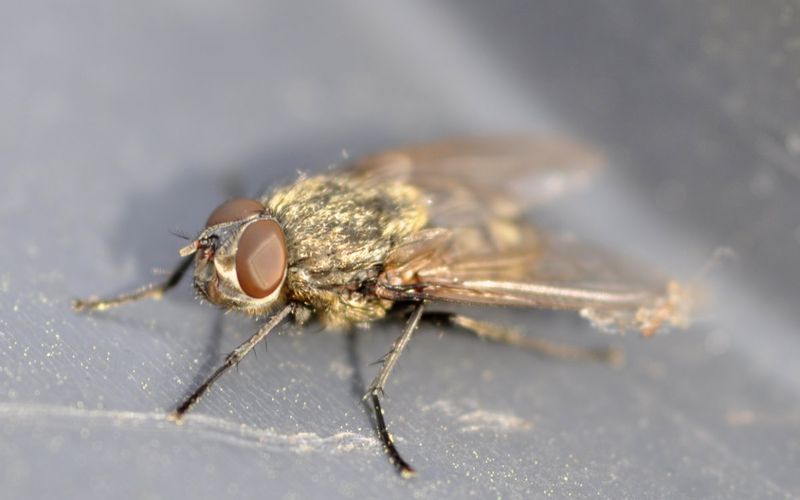
Rooflines are full of tiny gaps that most people never think about. Cluster flies consistently find these cracks.
The area where the fascia board meets the soffit is a classic weak spot. Wood shrinks and warps over time, opening up gaps that were not there before.
By November, most cluster flies have finished their search for overwintering sites, and the roofline gaps they chose often lead directly to wall voids and attic spaces that stay warm for months.
Even a small gap is more than enough for these flies to get through. They are not built for speed, but they are built for squeezing into tight spaces.
Wisconsin homes with older wood trim are especially vulnerable. Decades of freeze-thaw cycles create natural separation that no amount of paint can fully fix.
Walking around your home and looking up at the roofline takes about ten minutes. That ten minutes could prevent months of dealing with indoor visitors.
Pick a mild, dry November afternoon, since caulk and sealants cure best when temperatures stay above the minimum listed on the label.
Foam backer rod and exterior caulk are two affordable tools for closing these gaps. Both are available at any local hardware store and apply easily. Metal flashing installed along roofline seams adds an extra layer of protection.
A yearly inspection prevents small gaps from becoming larger ones. Do not wait for the flies to show you where the gaps are.
If the weather turns too cold for sealing, make a list now and finish the work in spring, so your roofline is fully ready before the next fall.
4. Safe Spots To Overwinter Until Spring
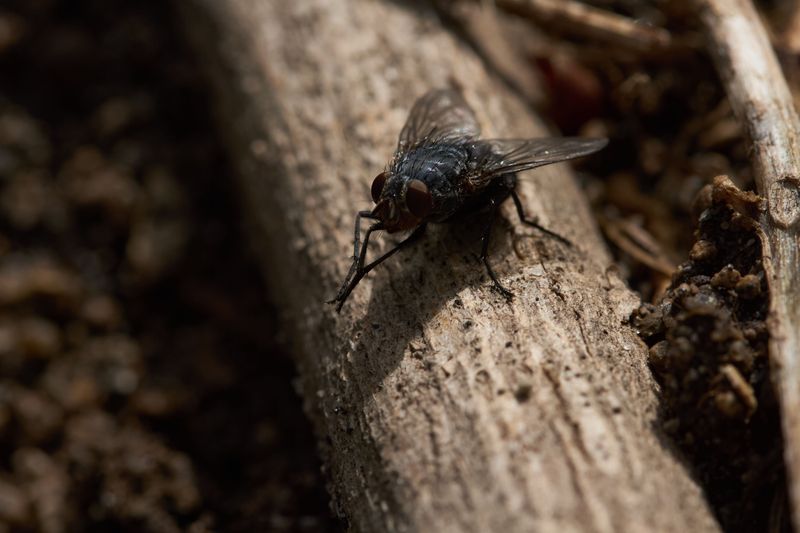
Cluster flies are playing a long game. Their entire autumn mission is finding a safe place to survive the cold months ahead.
Wisconsin winters bring extended freezing temperatures, and these insects respond to that shift early. They begin scouting for overwintering spots while temperatures are still comfortable in late summer, and by November most have chosen a spot.
A home offers exactly what they need: stable temperatures, protection from wind, and enough space to cluster together in large groups.
Wall voids are among their top choices. The insulation inside walls holds heat and keeps the air around it from dropping to low levels.
Attics are another prime location. The layered insulation and limited airflow create a microclimate that feels almost tropical compared to a frozen Wisconsin field.
Cluster flies do not breed indoors. They simply wait out the cold and become active again when spring warmth arrives.
This is why homeowners often see them near windows on sunny days in winter and early spring. The warmth of sunlight wakes them up before spring officially begins.
Cracks around foundation vents and utility pipe entries provide additional pathways these flies use to reach protected wall cavities. Sealing these openings in November helps prevent additional flies from joining the group during mild spells.
Preventing further overwintering starts with blocking access as early as you can. Once flies are inside the walls, removal becomes more involved, so patience and a steady routine go a long way.
If a few flies wake up on a warm afternoon, simply guide them outside or collect them with a vacuum.
5. Protection From Dropping Night Temperatures
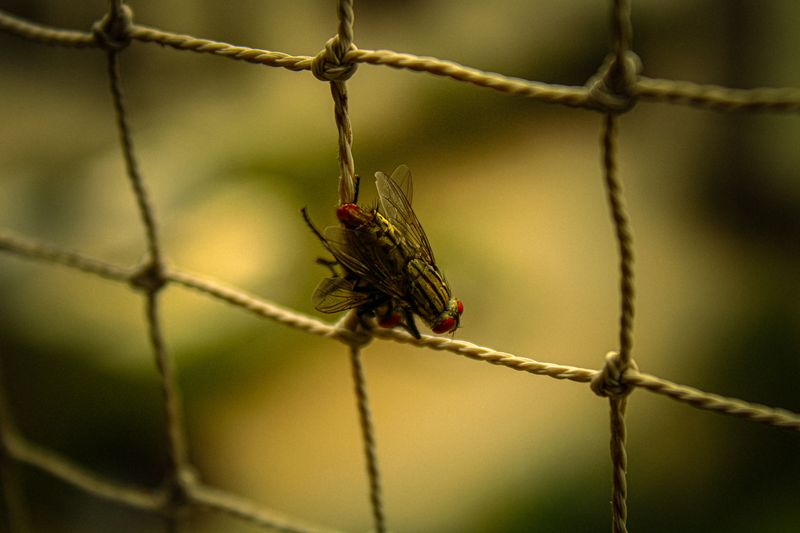
November nights in Wisconsin are crisp. Daytime highs may stay mild on some days, but temperatures can drop fast once the sun goes down.
Cluster flies feel that shift immediately. Their bodies are cold-blooded, which means they cannot regulate internal heat on their own.
When night air cools below comfortable levels, these insects look for insulated spaces. Your home radiates warmth long after sunset, making it a likely target.
The south and west sides of a house absorb the most heat during the day. Flies gather on these warm surfaces as the evening chill begins. From there, they look for gaps and cracks to slip through before temperatures drop further.
This pattern repeats predictably each year. Homeowners who notice flies on their siding at dusk, even in November, are seeing this behavior in real time. Those flies are not just resting; late arrivals may still be scouting entry points.
Turning off exterior lights when you do not need them can reduce the number of flies drawn to your walls. Porch lights, garage lights, and even bright indoor lamps near windows can unintentionally pull flies closer to your exterior walls after dark.
Switching to yellow bug bulbs on exterior fixtures may help reduce this nightly draw. Light attracts insects, which increases the chance of accidental entry.
Since November evenings arrive early, it helps to use timers so lights are only on when truly needed.
Managing evening temperatures around your home is not possible, but managing access points absolutely is. Seal up gaps during the milder days of the month, before the hardest freezes arrive.
6. Cracks Around Windows And Siding
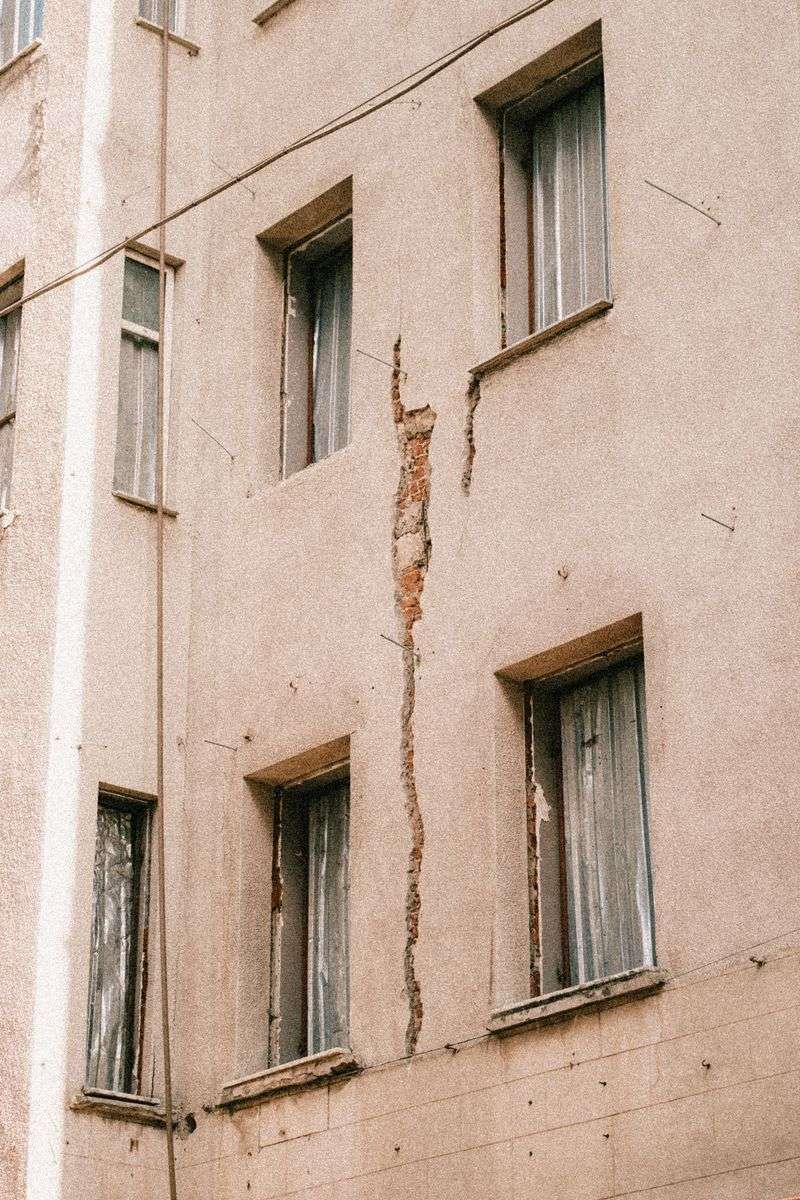
Caulk deteriorates over time. Around windows and siding, it dries out, shrinks, and cracks, leaving behind tiny pathways for cluster flies. Most homeowners do not notice these cracks until something starts coming through them.
By November, cluster flies may have already found gaps that go unnoticed. Window frames are especially prone to separation over time.
Wood expands in summer heat and contracts in winter cold, slowly pulling away from surrounding siding.
Even vinyl siding can develop gaps at the seams. These spaces might look cosmetic, but to a cluster fly, they are a front door.
Running your finger along the edge of a window frame is a simple test. If you feel a draft or see daylight, a fly can find its way through.
Re-caulking windows every few years is a routine maintenance task that pays dividends beyond pest prevention. It also improves energy efficiency and keeps moisture out. On a mild November day, a low-temperature exterior caulk can be a handy choice.
Storm windows and weatherstripping provide an extra barrier that further reduces the chances of flies finding their way indoors. Inspecting these areas each spring helps catch changes early, and a second look in early fall keeps everything ready.
For siding gaps, expanding foam or exterior-grade caulk can close off access points quickly. Both products are easy to apply and hold up through Wisconsin winters.
Cluster fly visits in Wisconsin homes can often be traced back to gaps around window frames, siding, or chimneys. Fix the crack, and you often resolve the situation at its source. Even a few small repairs this month can make next fall much calmer.
7. Shelter Inside Wall Voids And Attics
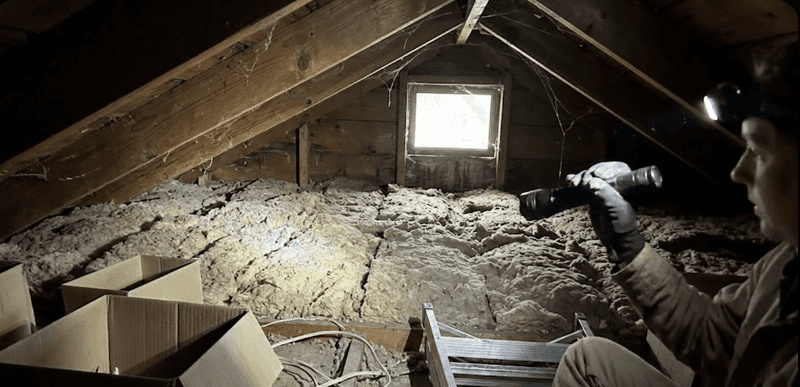
Once inside, cluster flies head straight for the walls and attic. These spaces offer exactly the kind of shelter they are built to seek out.
Wall voids are warm, dark, and completely undisturbed. For a cluster fly, the space between drywall and exterior sheathing offers ideal shelter.
Attics offer even more favorable conditions. Insulation holds ambient heat, rafters provide resting spots, and the limited foot traffic means no disturbances all winter long.
Cluster flies are not destructive in the way termites or carpenter ants are. They do not chew through wood or damage insulation directly.
Older homes with original construction often have larger gaps around plumbing and wiring that lead directly into these hidden wall spaces. Sealing these smaller openings closes off another route these insects use.
However, their presence in large numbers creates its own kind of challenge. Large numbers of flies can attract other insects, and the sheer volume can feel overwhelming come spring.
Homeowners sometimes discover large numbers of sluggish flies near attic windows in winter and early spring. Those flies spent the entire season just a few feet above the living space.
Attic insulation also plays a role in how many survive. Well-insulated attics create warmer conditions, which may make them more attractive to overwintering flies.
Sealing attic vents and checking for wall gaps in November helps limit late arrivals and prepares your home for next fall.
If flies are already in the walls, remain calm. Keep an eye on windows during sunny days, collect any visitors with a vacuum, and plan your sealing work for the next dry stretch.
8. Warmth From Sun-Facing Walls Before Fall
South-facing walls act like solar panels, even in November. They soak up heat on sunny days and stay warm into the late afternoon.
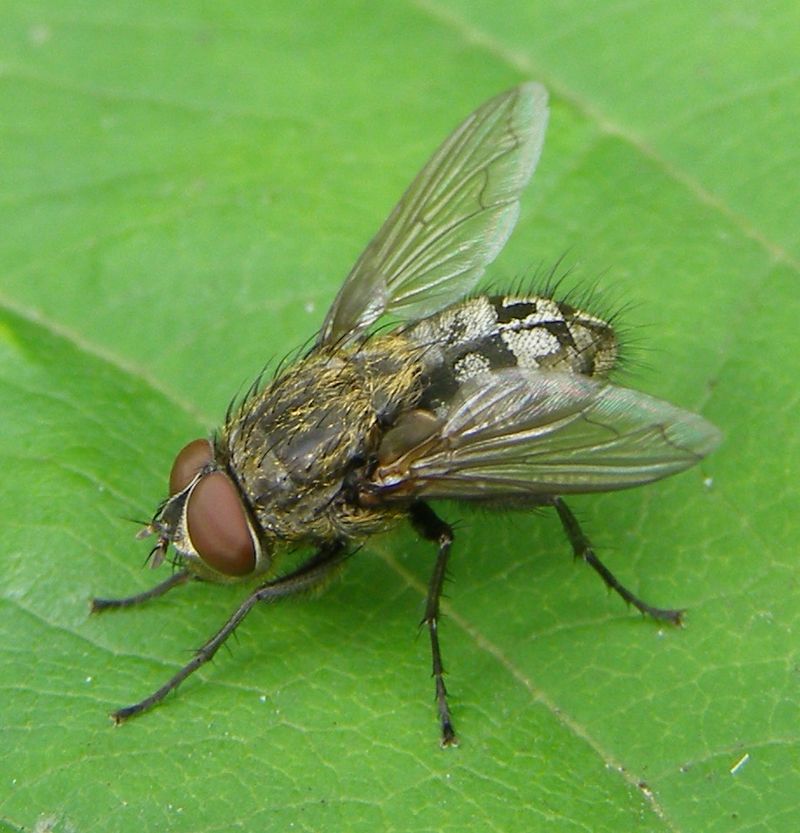
Cluster flies showing up in Wisconsin homes in November often start right here, on a warm sunny wall. This behavior reflects their instinct to seek warmth by resting on sun-heated surfaces.
The warm wall surface triggers their instinct to settle and rest. As the sun moves and the wall cools, the flies begin searching for a way inside. They follow the heat gradient right toward any gap they can find.
Homes with large south-facing surfaces tend to attract more cluster flies than shaded properties. More sun exposure means a bigger and longer-lasting heat signal.
Homeowners can test this effect themselves by touching different exterior surfaces late in the afternoon on a sunny day. The warmest spots are usually where flies gather first and linger longest.
Painting south-facing walls a darker color can actually make this worse. Darker surfaces absorb more heat and hold it longer into the evening.
Light-colored or reflective exterior paint reduces surface heat and makes your walls slightly less attractive to basking insects.
It is a small change with a noticeable effect, and a good project to plan for spring when painting conditions are ideal. In the meantime, a quick check of the sunniest wall each week in November can show you where to focus your sealing efforts.
Cluster flies showing up in Wisconsin homes in November often starts right here, on a warm sunny wall. Addressing that warmth source is the first step toward a calmer spring.