Those Brown Patches In Your Massachusetts Lawn Could Mean Something Bigger
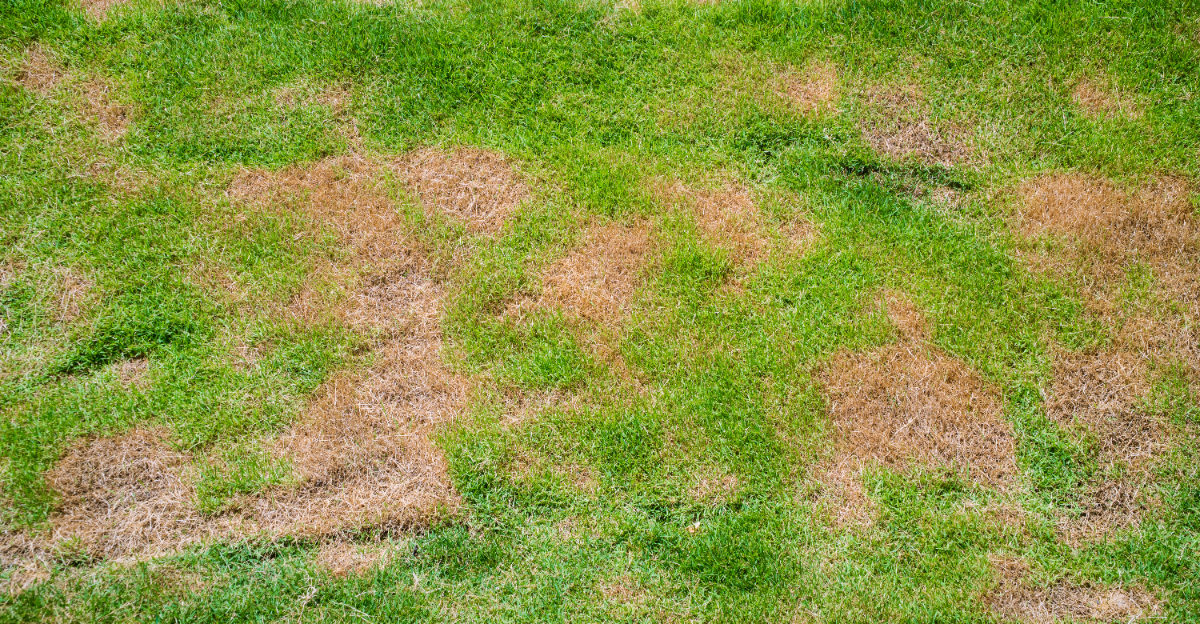
The lawn looked fine on Tuesday. By Friday, a whole section had turned the color of wet cardboard.
Nobody plans for that kind of shift. It just shows up, uninvited, right in the middle of your week.
Heat gets the blame almost automatically. Massachusetts soil rarely lets things stay that simple, though, especially with clay underneath holding onto moisture longer than it should.
Grass doesn’t fail without a reason. Something is always driving the change, even when the yard refuses to explain itself.
Humidity, drainage, and shifting temperatures all play a part behind the scenes. None of them act alone, and none of them announce themselves clearly.
The real story sits just below the surface, waiting to be read correctly. Here’s what that brown patch is actually trying to tell you, and how to answer back.
The Real Cause Hiding Beneath Those Weak Spots In Your Grass
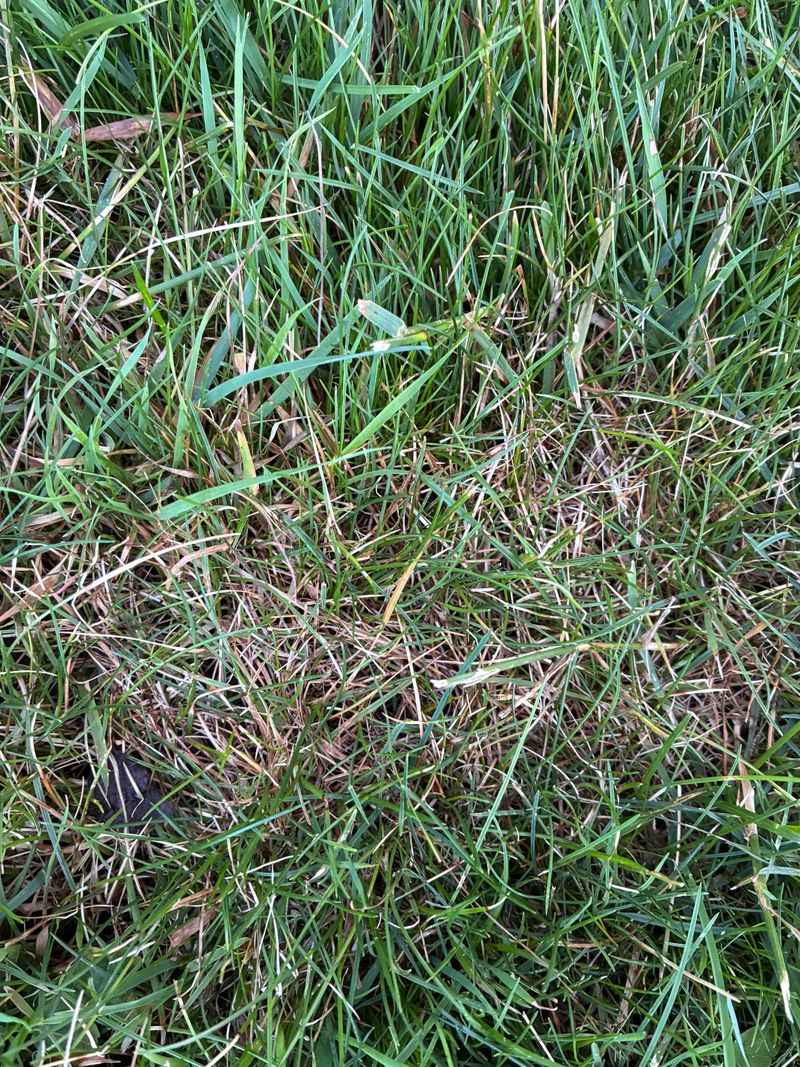
Something is eating your lawn from the inside out. Something invisible is working against your grass long before the color ever changes.
Fungal disease is the most common hidden cause. Organisms like brown patch fungus and dollar spot thrive in the moist, warm conditions that New England summers deliver.
These fungi spread through the soil and attack grass blades before you ever see damage above ground. By the time the grass turns tan or straw-colored, the fungus has already been active for days.
Grub damage is another sneaky culprit. Japanese beetle larvae chew through grass roots just below the soil surface, cutting off water and nutrient supply to entire sections of turf.
You can test for grubs by grabbing a section of brown grass and pulling gently. If the turf peels back like a loose carpet, grubs are almost certainly the cause.
Soil compaction is a third factor that most homeowners overlook. Heavy foot traffic and clay-rich New England soil press together over time, blocking roots from getting air and moisture.
Compacted soil also holds water in the wrong places, creating soggy pockets that invite disease. A simple soil probe or screwdriver test can reveal how hard your ground has become.
Knowing the root cause changes everything about how you treat the problem. Guessing leads to wasted money and a lawn that keeps getting worse.
Warm Humid Nights Create Ideal Conditions For This Problem
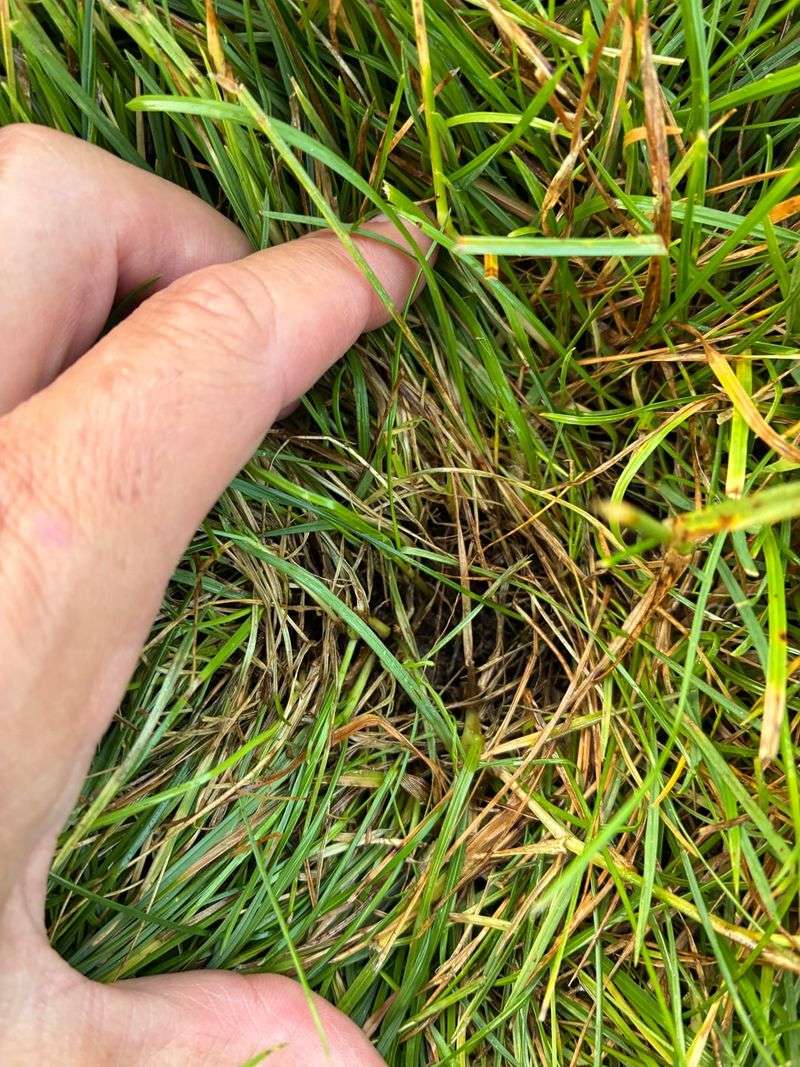
Sticky summer nights in Massachusetts are not just uncomfortable for you. They are basically a welcome mat for lawn disease.
Brown patch fungus, one of the most destructive turf diseases in the Northeast, thrives when nighttime temperatures stay above 70 degrees. Pair that with humidity above 80 percent and you have a recipe for rapid spread.
The fungus releases spores that travel through water droplets, foot traffic, and even your lawn mower. One infected area can spread to neighboring grass surprisingly fast under the right conditions.
Massachusetts summers between July and September hit that risky temperature and moisture window almost every year. Coastal towns and low-lying areas with poor drainage face the highest risk because moisture lingers longer.
Your Massachusetts Garden Changes Every Week. Your Plan Should Too.
Gardening in Massachusetts changes quickly throughout the season. Every Friday you’ll receive a simple weekly plan showing exactly what to plant, prune, fertilize, harvest, and protect so you never miss the right timing.
Evening watering habits make this worse. Grass blades that stay wet overnight give fungal spores the moisture they need to germinate and spread across your turf.
Switching your irrigation schedule to early morning reduces leaf wetness by the time night falls. Even a small timing change can dramatically lower your lawn’s disease risk.
Tall grass also traps humidity close to the soil surface. Keeping your lawn mowed to the right height, around 3 to 3.5 inches for cool-season grasses, improves airflow and reduces that trapped moisture.
Understanding the weather patterns in your region helps you stay one step ahead. Warm nights are a warning signal worth taking seriously before the damage spreads.
Signs This Goes Beyond Simple Drought Stress
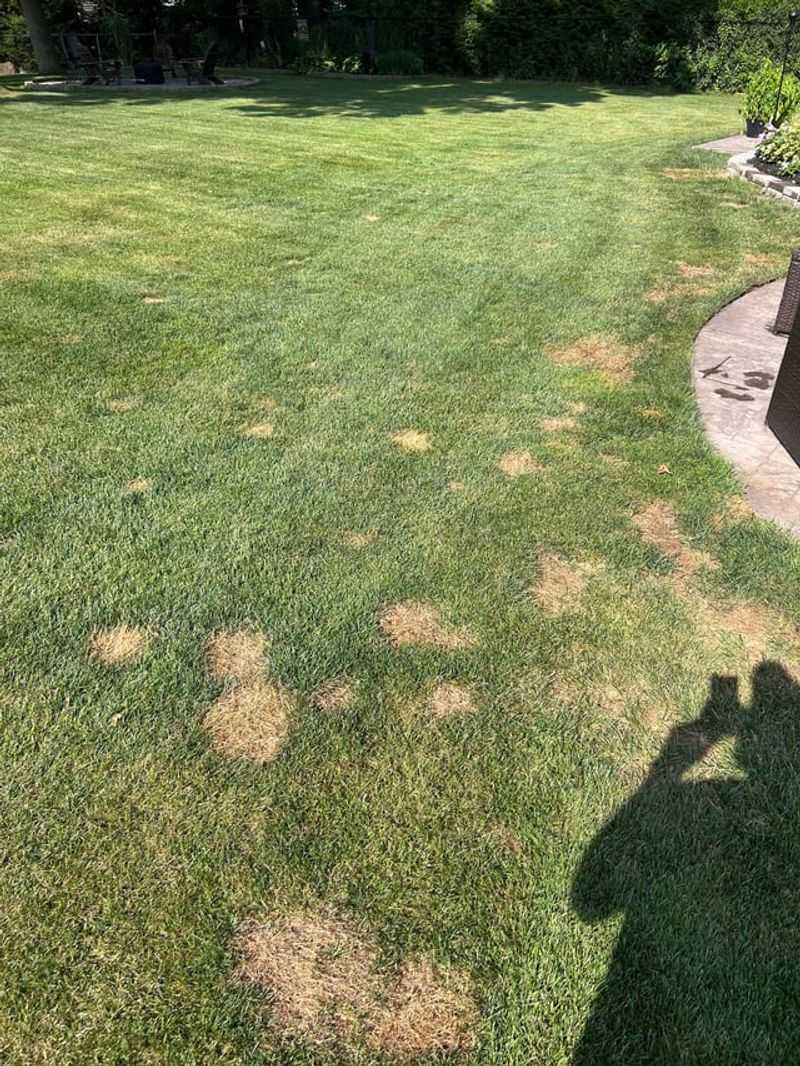
Drought stress and fungal damage can look almost identical at first glance. Knowing the difference saves you from treating the wrong problem entirely.
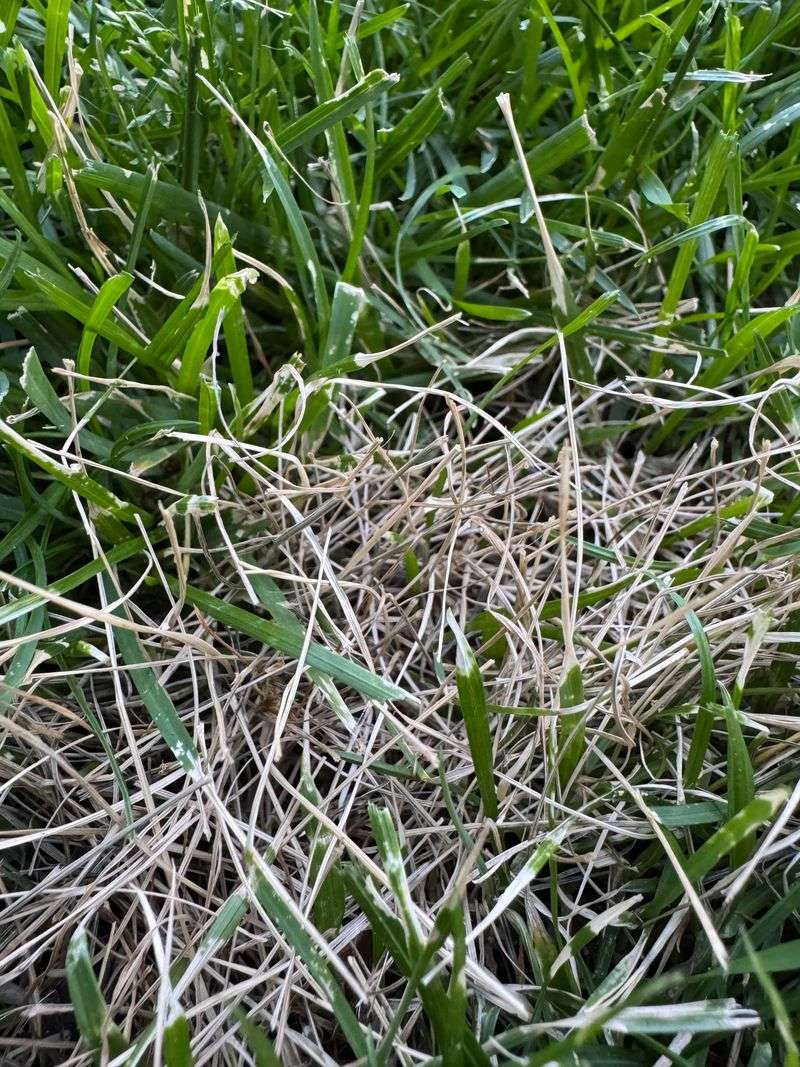
Drought-stressed grass turns brown uniformly across a wide area, usually during a dry stretch without rain. The pattern is spread out and irregular, following sun exposure or slope rather than forming defined shapes.
Fungal disease creates circular or ring-shaped patterns that stand out clearly against healthy green grass. Those distinct edges are a major clue that something biological is at work.
Another sign is the texture of the affected blades. Drought-stressed grass feels dry and crispy, while fungally infected grass often feels slimy or matted, especially in the early morning hours.
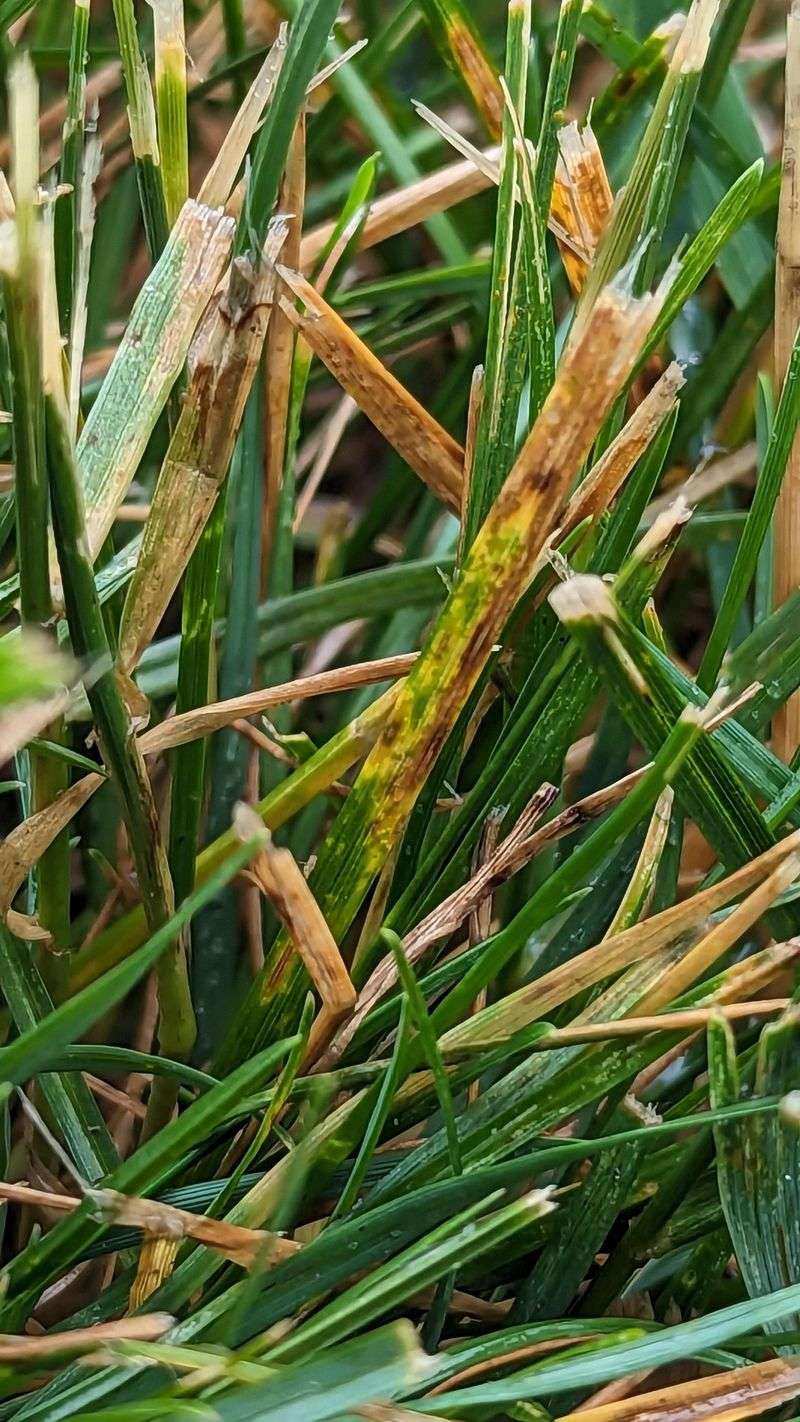
Check the color closely too. Drought damage tends to produce a uniform tan or gray-brown shade across the blades. Fungal damage often shows darker brown lesions with tan centers or a water-soaked appearance near the edge of the patch.
Grub damage adds another layer of confusion. Grub-affected areas feel spongy underfoot and the grass pulls up easily because the roots are gone. Drought-stressed grass resists pulling because the roots are still intact.
Timing also matters. If your brown patches appeared after a stretch of wet, warm weather rather than a dry spell, disease or pests are far more likely than drought.
Accurate diagnosis is the first step toward real recovery. Treating drought stress with fungicide, or fungus with extra watering, will only make your lawn worse.
Steps To Stop It Before It Reaches Healthy Grass
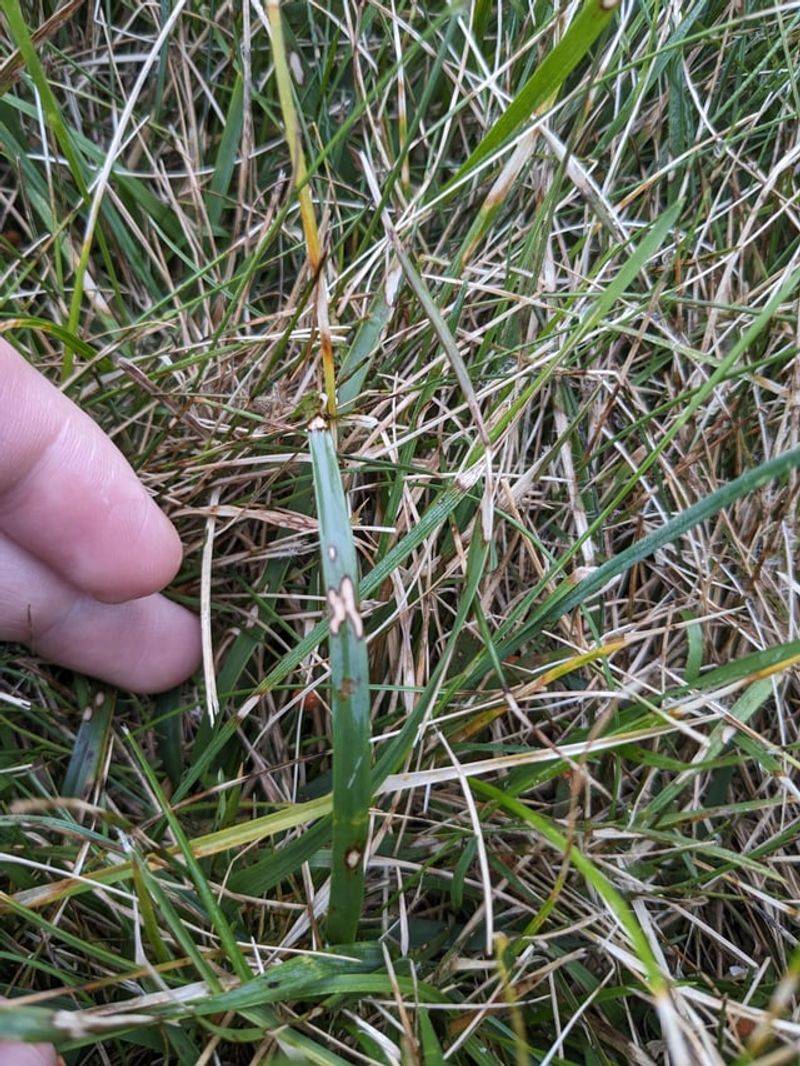
Speed matters when disease or pests start spreading across your turf. Acting within the first few days of spotting a problem can mean the difference between a small patch and widespread damage.
Start by stopping unnecessary foot traffic across the affected area. Fungal spores and grub activity spread through movement, so keeping people and pets off the damaged zone slows the progression.
Next, adjust your mowing routine immediately. Mow the healthy sections of your lawn first and the affected area last to avoid carrying spores on your mower blades into clean turf.
Clean your mower deck with a disinfectant spray after each use during an active outbreak. This one step alone can prevent cross-contamination across different parts of your yard.
Avoid applying nitrogen-heavy fertilizer when disease is active. Nitrogen pushes fast, lush growth that fungal organisms love to feed on, essentially turning your lawn into a buffet.
If grubs are the issue, apply a biological control like beneficial nematodes in late summer when larvae are young and close to the soil surface. Nematodes are safe for pets, kids, and garden plants.
For fungal issues, a preventive fungicide applied around the edge of the healthy grass creates a barrier that slows outward spread. Always read the label and follow local guidelines for application rates.
Acting fast and smart protects the healthy grass you still have. Every day of delay gives the problem more ground to claim.
Treatment Options That Actually Restore The Damage
With the cause confirmed, treatment becomes a focused mission rather than guesswork. The right product applied at the right time can bring your lawn back faster than most people expect.
For fungal disease, contact fungicides like azoxystrobin or propiconazole are widely available at garden centers and work well on common New England turf diseases. Apply them in the early morning when temperatures are cooler and the product absorbs better.
Reapplication every 14 to 21 days is often necessary during active disease pressure. One treatment rarely solves the problem completely, especially during prolonged warm and wet stretches.
After the fungal activity slows, overseed the damaged areas with a disease-resistant grass variety. Tall fescue blends perform well in Massachusetts and hold up better against future outbreaks.
For grub damage, a curative grub control product containing trichlorfon works quickly on active larvae. Apply it when grubs are still near the surface, typically August through early September in most parts of the state.
Water the product in thoroughly after application so it reaches the root zone where grubs are feeding. Dry application without watering reduces effectiveness significantly.
Topdressing repaired areas with compost after overseeding improves soil structure and gives new seedlings a nutrient-rich environment to establish quickly. Thin layers work better than heavy applications that smother seeds.
Consistent follow-through over several weeks turns a damaged lawn into a recovering one. Patience combined with the right products delivers real, lasting results.
Long-Term Lawn Habits That Prevent A Repeat
Fixing the problem once is satisfying. Making sure it never comes back is even better.
Core aeration is one of the most powerful long-term habits for Massachusetts lawns. Aerating in early fall breaks up compacted soil, improves drainage, and allows air and nutrients to reach the root zone more effectively.
Healthy roots resist disease and drought far better than shallow, stressed ones. Aeration once a year can transform the resilience of your entire lawn over just two or three seasons.
Soil testing is another habit worth building into your annual lawn care routine. Massachusetts soil is often acidic, and low pH weakens grass while creating conditions where fungal organisms thrive more easily.
Lime applications based on a soil test bring pH back into the ideal range of 6.0 to 7.0 for most cool-season grasses. Balanced soil grows stronger, denser turf that crowds out weeds and resists disease naturally.
Watering deeply but infrequently trains grass roots to grow deeper into the soil. Deep roots access moisture and nutrients that surface-level roots cannot reach during dry or stressful periods.
Choosing the right grass seed for your specific yard conditions matters more than most people realize. Shady spots need shade-tolerant varieties, while sunny open areas perform best with drought-tolerant blends suited to New England climates.
This kind of damage rarely stays permanent when the right habits take over. Smart habits built over time create a lawn that bounces back stronger every single season.