This Beautiful Alabama Wildflower Is Secretly A Parasite
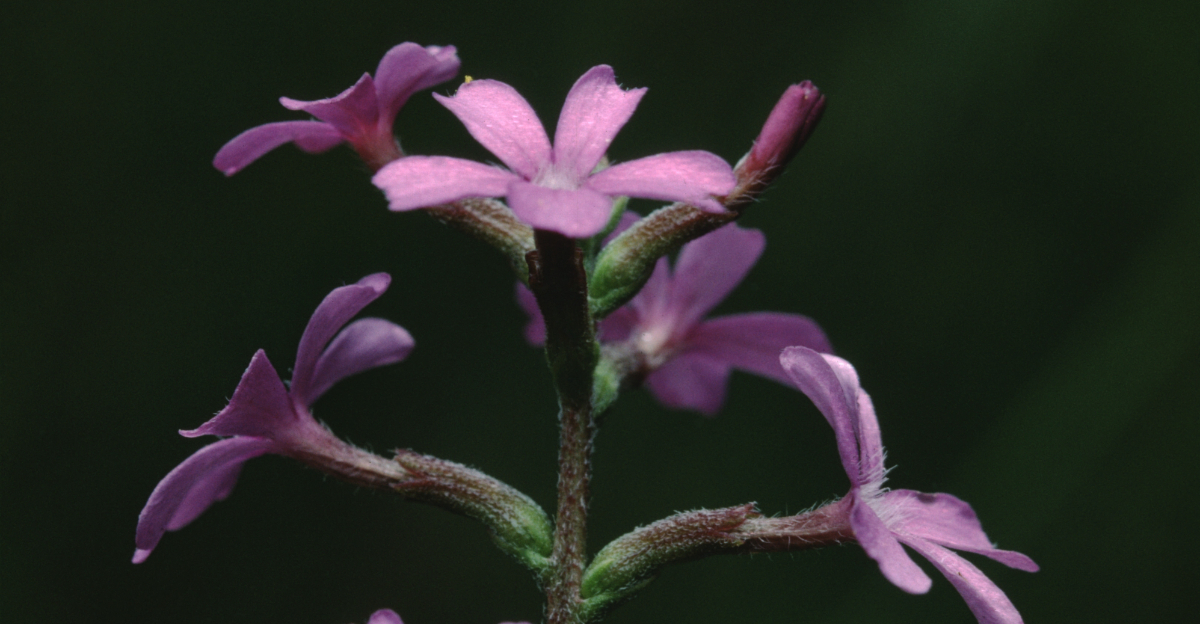
You spot them fast: violet blooms tilting toward Alabama sunlight. Nothing about this flower hints at its hidden talent.
Meadows across the state conceal this secret in plain view. Botanists gave it a name far too gentle.
Reality shifts once you look beneath the surface. Roots reach sideways and connect directly into neighboring plants. Water, minerals, and sugars flow straight into this plant without permission.
Hosts rarely show any visible sign of what you’re witnessing. Researchers studying Alabama grasslands call this behavior remarkably effective. Photosynthesis still happens, yet this species resists full dependence on it.
Every root nearby becomes a possible connection you might overlook. Few wildflowers pair such beauty with such quiet cunning. Grasses and sedges nearby all fall within reach.
None of them notice you watching or the exchange occurring. Curiosity grows the moment you understand what you’re really seeing. Stopping now means you’ll miss everything that follows.
What Alabama Wildflower Secretly Steals Nutrients From Its Neighbors
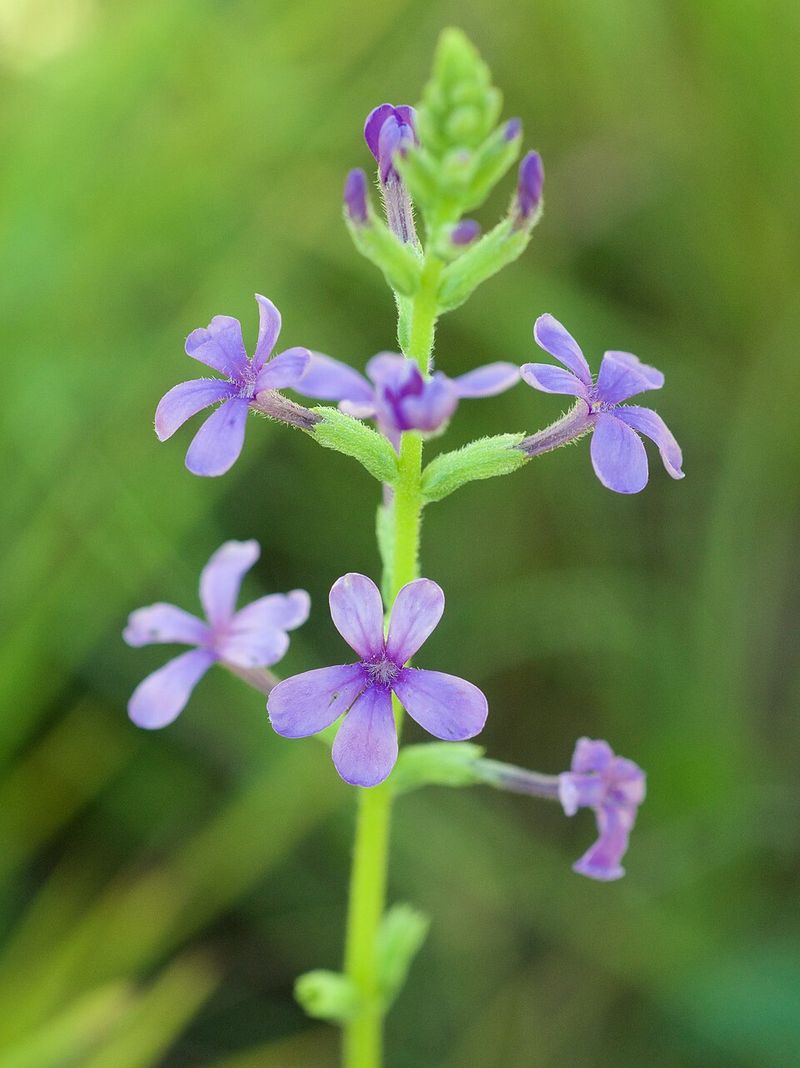
Most wildflowers mind their own business. American bluehearts, however, are playing an entirely different game.
This striking blue-flowered plant grows across Alabama’s open meadows and longleaf pine savannas. At first glance, it looks like any other cheerful wildflower brightening up a summer field.
But underground, bluehearts are secretly tapping into the root systems of neighboring plants. Scientists classify them as hemiparasites, meaning they steal some nutrients while still producing their own food.
The plant targets grasses and other herbaceous species growing nearby. It sends out specialized root structures called haustoria that latch onto host roots and pull out water and minerals.
This behavior gives bluehearts a competitive edge in nutrient-poor soils. Longleaf pine savannas, where bluehearts thrive, tend to have sandy, low-nutrient ground that challenges most plants.
By supplementing their diet through parasitism, bluehearts can bloom even when resources are scarce. That is partly why their vivid purple-blue flowers appear so reliably each summer.
Interestingly, bluehearts do not destroy their hosts outright. They take just enough to survive and flourish without wiping out the plants they depend on.
This balancing act makes them a fascinating subject for botanists studying plant relationships. Alabama’s bluehearts remind us that even the prettiest wildflowers can have surprising survival strategies hidden just below the surface.
How American Bluehearts Attach To Host Plant Roots
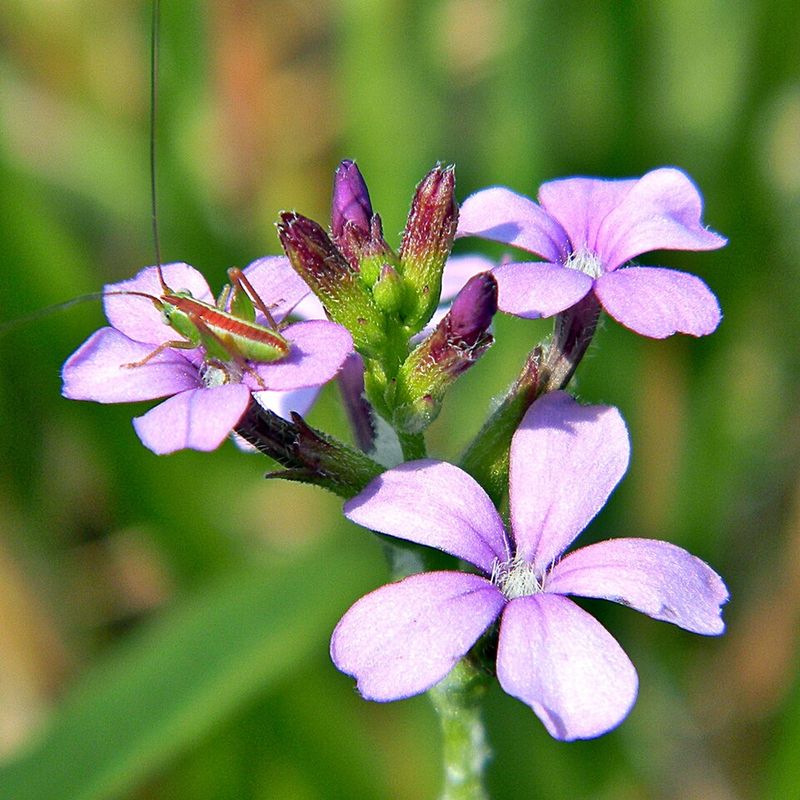
The secret weapon of American bluehearts is invisible to the naked eye. It all happens underground, where the plant grows tiny root extensions called haustoria.
Haustoria are specialized organs that parasitic plants use to penetrate host roots. They work almost like a needle, pushing through the outer layer of a neighboring plant’s root system.
Once inside, haustoria form a direct connection to the host’s vascular tissue. That tissue carries water, sugars, and minerals throughout a plant, making it the perfect target for a nutrient thief.
Bluehearts tend to favor grasses as their primary hosts. Studies suggest they connect most readily to common meadow grasses, which are abundant in Alabama’s open habitats.
Your Alabama Garden Changes Every Week. Your Plan Should Too.
Gardening in Alabama changes quickly throughout the season. Every Friday you’ll receive a simple weekly plan showing exactly what to plant, prune, fertilize, harvest, and protect so you never miss the right timing.
The connection is not always immediately damaging to the host. In fact, lightly parasitized grasses sometimes show little visible stress, especially in wetter growing seasons.
However, during droughts, bluehearts pull harder on their hosts for water. A stressed host plant may show signs of wilting or slowed growth when bluehearts are actively feeding nearby.
In garden settings, ornamental grasses planted near bluehearts may show reduced vigor over time, consistent with how haustoria-based nutrient draw typically affects host plants.
Understanding how haustoria work helps explain why bluehearts are so successful in tough environments. Their underground strategy is biologically efficient, converting shared root resources into their own nutrient supply.
Why This Species Still Photosynthesizes On Its Own
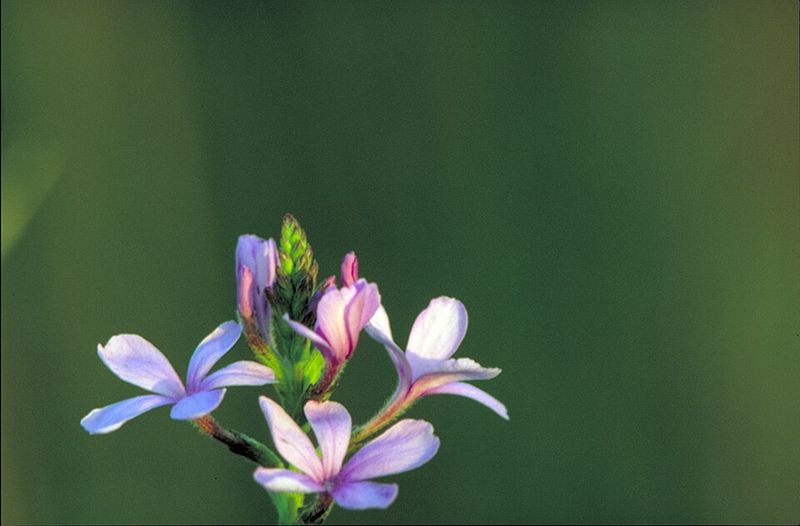
Stealing from neighbors sounds like a full-time job, but bluehearts still pull their own weight. Unlike full parasites, they keep their green leaves working hard all season long.
Green leaves contain chlorophyll, the pigment that captures sunlight and converts it into food through photosynthesis. Bluehearts produce plenty of chlorophyll, making them capable of generating a solid portion of their own nutrition.
This dual strategy is what earns them the label of hemiparasite. The prefix “hemi” means half, so hemiparasites are only halfway dependent on a host plant for survival.
Being partially self-sufficient gives bluehearts flexibility. If they cannot find a suitable host, they can still survive on photosynthesis alone, though they may not grow as vigorously.
Research shows hemiparasitic plants often grow faster and flower more abundantly when connected to a host. The extra boost of stolen nutrients supercharges their development during the growing season.
Bluehearts’ green stems and lance-shaped leaves are efficient solar collectors. They position themselves in open, sunny habitats where light is plentiful and photosynthesis can run at full capacity.
This combination of self-made food and supplemental stealing makes bluehearts surprisingly resilient. They can adapt to changing conditions better than plants that rely entirely on one food source.
Seeing their lush green foliage alongside those brilliant blue blooms, you would never guess they were running two separate survival systems at once. That efficiency is notable among wildflowers.
Where To Spot Bluehearts Blooming Across Alabama
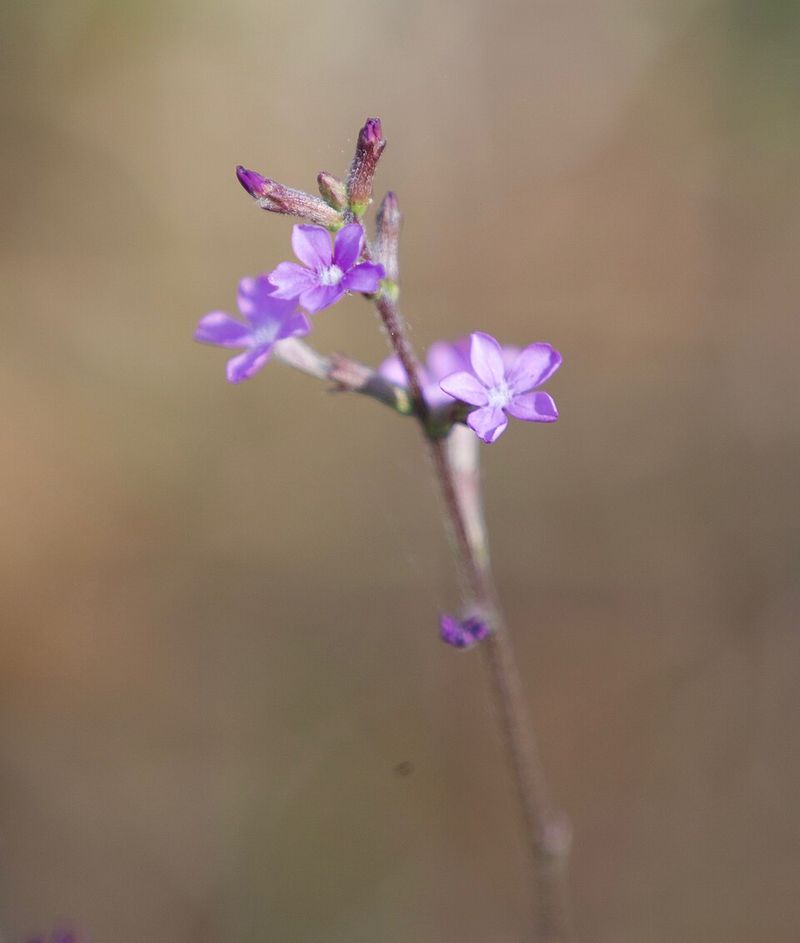
Pack a pair of comfortable walking shoes and head to an open field. American bluehearts typically bloom from summer into early fall across Alabama’s sunnier landscapes.
Longleaf pine savannas are the top destination for finding these blooms. Longleaf pine savannas in south Alabama, including areas near Conecuh National Forest, offer suitable habitat for bluehearts.
They also pop up along roadsides, in old fields, and in wet pine flatwoods. Anywhere with sandy, well-drained soil and plenty of sunshine is fair game for a bluehearts sighting.
The flowers grow on tall, slender stems, often reaching one to three feet high. That height helps them stand out among surrounding grasses, making them easier to spot from a short distance.
Morning is the best time to observe them, when the light is soft and the blooms are fully open. The tubular, two-lipped flowers are a rich blue-violet that practically glows in morning sunshine.
Bluehearts tend to grow in loose clusters rather than dense mats. Scanning a meadow for scattered spikes of purple-blue color is the most reliable way to locate them.
Photography enthusiasts love capturing bluehearts against golden grass backgrounds. The color contrast makes for striking nature photos without needing any special equipment.
If you spot bluehearts in the wild, take a moment to appreciate what is happening underfoot. That stunning display of blue flowers is powered, at least in part, by an underground nutrient transfer.
Risks Of Planting Bluehearts Near Other Garden Plants
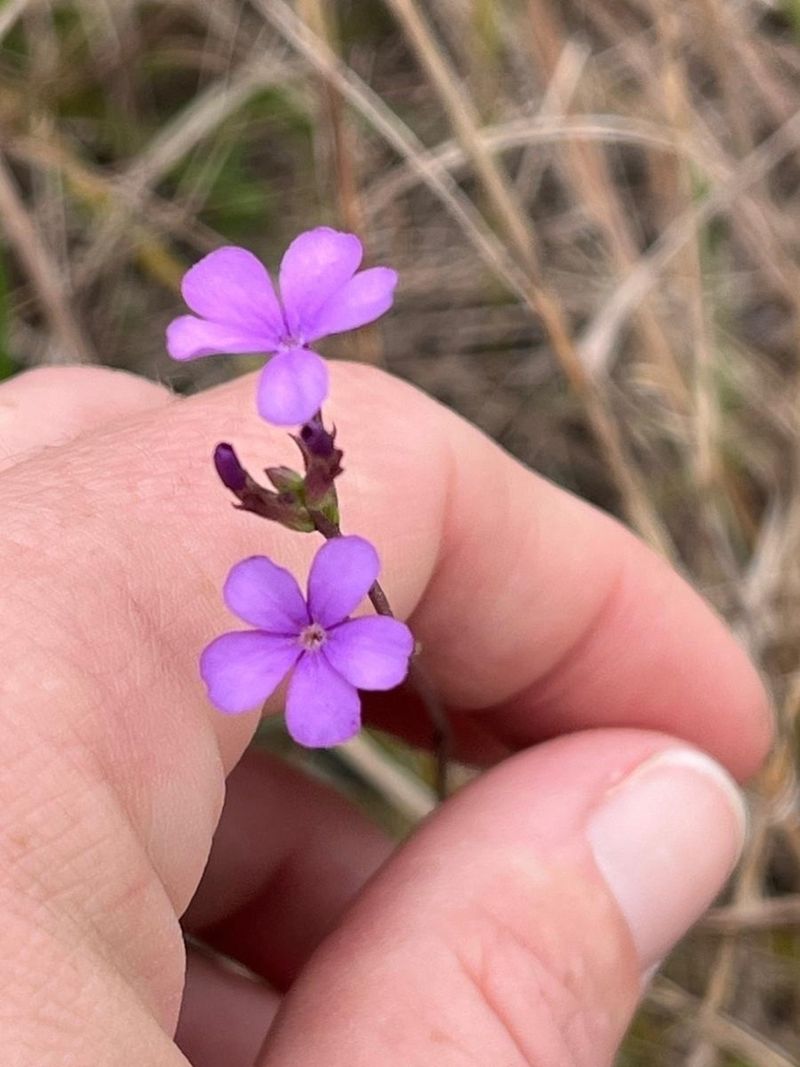
Bluehearts are undeniably beautiful, but bringing them into a garden requires some careful thought. Their parasitic habits do not disappear just because they are planted in a tidy flower bed.
Ornamental grasses are particularly vulnerable when bluehearts are growing nearby. Over one or two seasons, you may notice your grasses looking thinner or less vigorous than expected.
Bluehearts tend to seek out the nearest available grass roots to parasitize. In a garden setting, that means your carefully tended ornamental specimens could become unwilling hosts.
Perennial wildflowers planted close by may also experience slower growth. While bluehearts prefer grasses, they have been observed connecting to other herbaceous roots when grasses are not accessible.
One practical solution is creating a buffer zone. Planting bluehearts in a container or raised bed with a root barrier can limit their underground reach significantly.
Another option is grouping them with tough, fast-growing native grasses, such as little bluestem, which tend to tolerate competition well in mixed plantings.
Avoid placing bluehearts near prized specimen plants or slow-growing natives that cannot afford the extra competition. The risk of stunted growth is simply too high in close quarters.
With thoughtful placement, bluehearts can absolutely earn a spot in a native plant garden. The key is respecting their nature and giving neighboring plants enough space to hold their own against this charming but resourceful wildflower.
Comparing Bluehearts To Other Parasitic Wildflowers
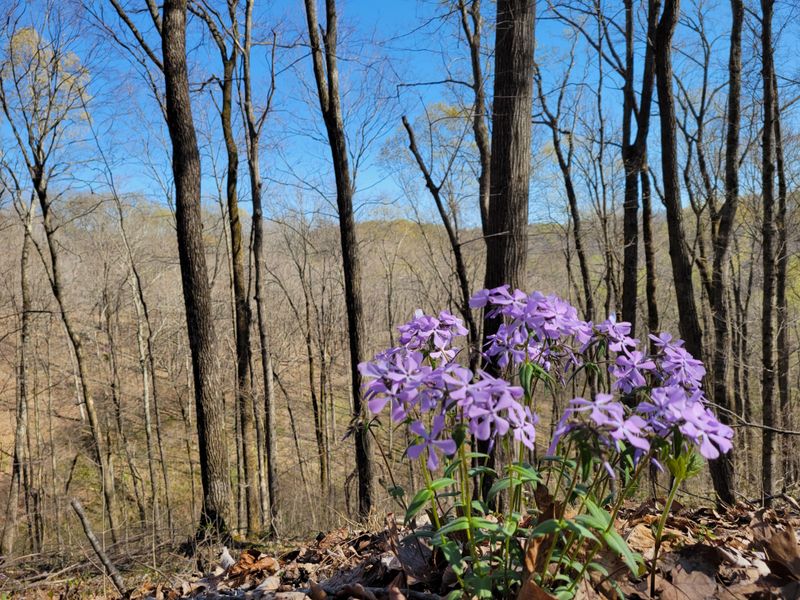
American bluehearts are not the only wildflower running a secret operation underground. The plant world has a surprisingly long list of parasitic species, each with its own unique strategy.
Indian paintbrush, a beloved wildflower of prairies and open woodlands, is also a hemiparasite. Like bluehearts, it uses haustoria to tap into nearby grasses while still photosynthesizing on its own.
Witchweed species (Striga spp.), a tightly regulated holoparasite historically found in limited areas of the Carolinas, take parasitism further than bluehearts, relying almost entirely on host plants for nutrition.
Dodder is another notorious example, with its orange, thread-like stems visible twisting around host plants above ground. Unlike bluehearts, dodder has essentially no functional leaves and cannot photosynthesize at all.
Mistletoe, familiar to anyone who has spent a holiday season indoors, is a classic aerial hemiparasite. It attaches to tree branches rather than roots, siphoning water and minerals from the host.
What sets American bluehearts apart from these relatives is their subtlety. Their parasitism is entirely underground and low-impact, making them far less damaging to surrounding plants than species like dodder.
Bluehearts also support pollinators actively, offering nectar to bees and butterflies that visit their blue blooms. That ecological contribution adds nuance to their role as hemiparasitic plants.
Among parasitic wildflowers, bluehearts strike a remarkable balance between self-interest and ecological participation.
Alabama’s beautiful blue-flowered plant turns out to be one of the Southeast’s most biologically nuanced wildflowers.