These New York Native Plants Are Too Rare To Touch
Somewhere in a New York bog, a flower blooms once and disappears forever. You could walk past it and never notice.
Rarity never announces itself with fanfare or warning signs. Botanists spend entire careers chasing species you will never see.
Wetlands hide roots once valued above gold and silver combined. Hillsides shelter orchids so fragile your footstep could end them.
Every native species carries a story of survival and disappearing habitat. New York hides secrets you drive past without ever noticing.
Scientists track populations you will not see again in your lifetime. Distance between you and extinction keeps shrinking every single year.
These plants refuse to tolerate carelessness disguised as curiosity. Protection demands knowledge you likely have not yet earned.
Nothing about these species feels ordinary or replaceable. Time keeps moving forward while their numbers keep declining. Once you see what you are about to lose, you cannot look away.
1. Pink Lady’s Slipper
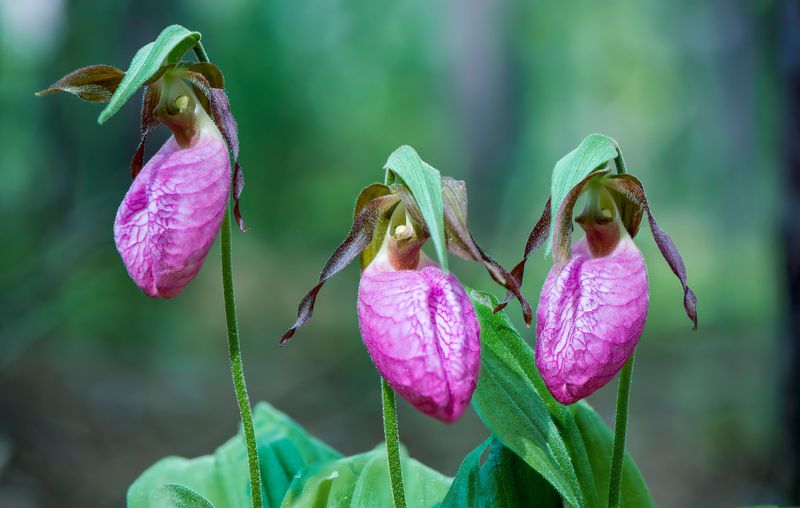
Spotting a pink lady’s slipper in the wild feels like finding hidden treasure. This stunning native orchid, known scientifically as Cypripedium acaule, blooms in late spring across acidic forest floors.
The flower’s balloon-shaped pink pouch is designed to trap and guide bees through a clever pollination maze. Bees enter easily but must work hard to escape, picking up pollen along the way.
What makes this plant so fragile is its relationship with a specific soil fungus. Without that fungus, the seed cannot sprout, making transplanting almost always fatal.
It can take well over a decade for one plant to produce its first flower. That kind of patience deserves serious admiration from anyone who stumbles across it.
Picking or digging up a pink lady’s slipper is restricted in New York, where native orchids are generally protected as exploitably vulnerable species, and doing so is deeply harmful to the plant’s survival.
Always check current DEC guidelines before assuming a specific protection status. Each plant removed from the wild is essentially gone forever, since it cannot survive without its fungal partner.
These rare New York native plants thrive in undisturbed pine and oak woodlands with little foot traffic. If you see one blooming, step back, take a photo, and leave it exactly where it stands.
2. Showy Lady’s Slipper
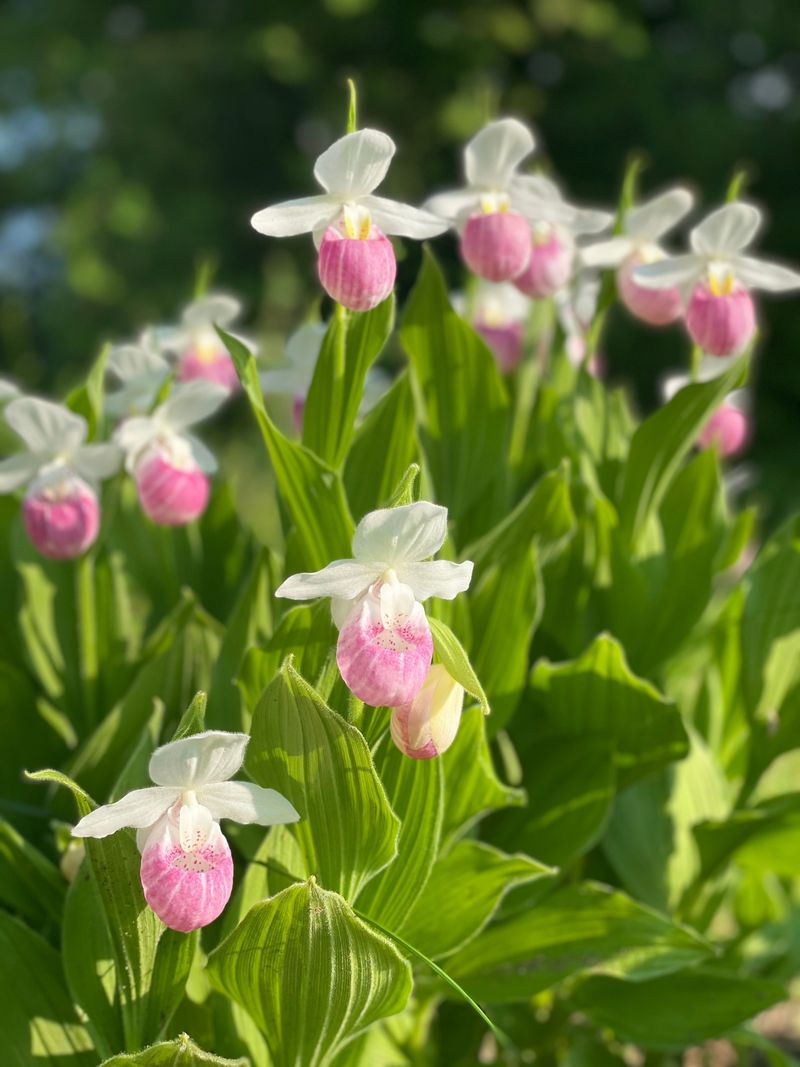
Nothing in a New York bog prepares you for the sight of a showy lady’s slipper. Cypripedium reginae is widely considered one of the largest native orchids in North America, and it earns every bit of that reputation.
Its blooms are white with a bold pink or rose-colored pouch that practically glows in shaded wetlands. People who encounter it for the first time often stop walking entirely, just to stare.
This orchid grows in calcium-rich fens, bogs, and swampy woodlands, places that are increasingly rare themselves. Habitat loss has pushed showy lady’s slipper populations to the edge in many parts of the state.
The plant also has a sneaky defense mechanism worth knowing. Its fine stem hairs can cause a skin rash similar to poison ivy in sensitive individuals, so hands-off is truly the safest policy.
Your New York Garden Changes Every Week. Your Plan Should Too.
Gardening in New York changes quickly throughout the season. Every Friday you’ll receive a simple weekly plan showing exactly what to plant, prune, fertilize, harvest, and protect so you never miss the right timing.
Like its pink cousin, this species depends on a soil fungus for germination and long-term survival. Removing it from the ground almost always dooms that individual plant, since it cannot survive without its fungal partner.
These rare New York native plants are generally protected under state regulations covering exploitably vulnerable species, though exact status can vary, so confirm current DEC listings before relying on this alone.
Violating those protections can carry real penalties, so verify current rules before assuming any plant is fair game.
Seeing a showy lady’s slipper in full bloom is a moment worth remembering for any nature lover. Treat every sighting like the rare gift it truly is.
3. Yellow Lady’s Slipper
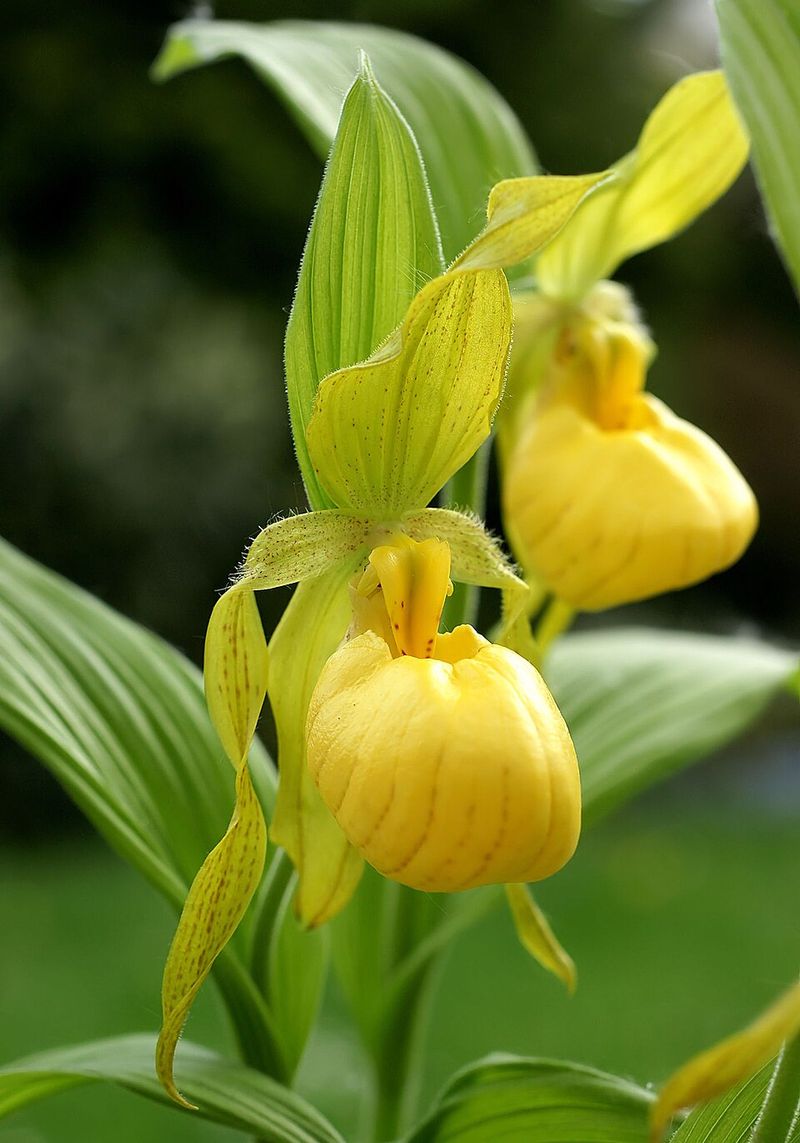
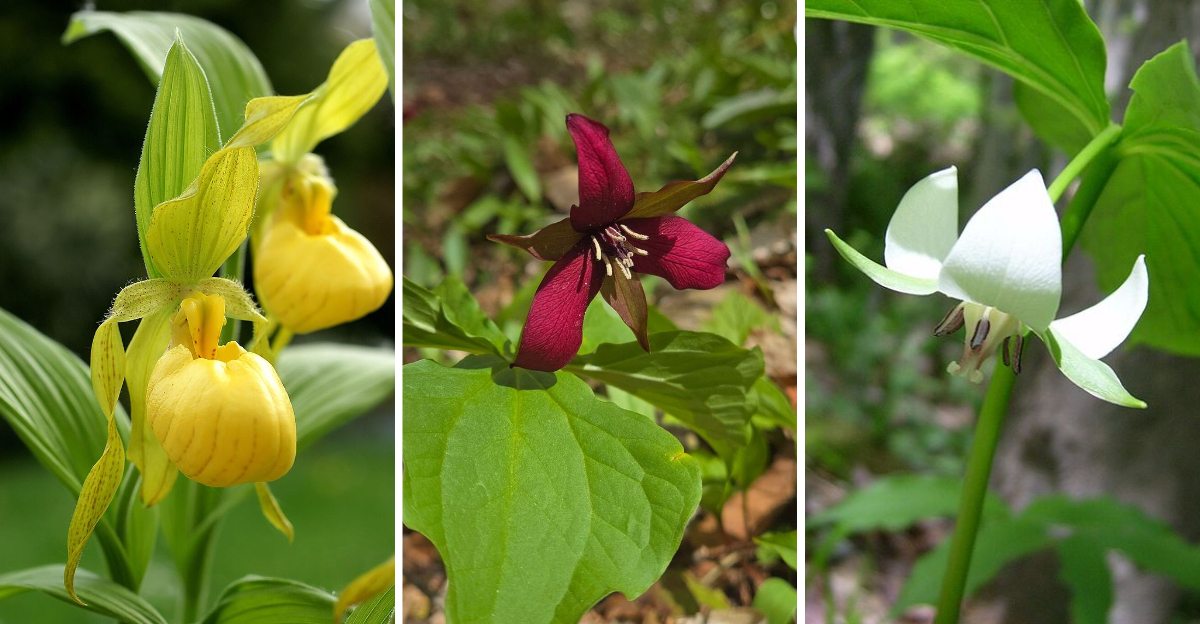
Bright yellow in a shadowy forest is a combination that stops hikers cold in their tracks. The yellow lady’s slipper, Cypripedium parviflorum, pulls off that trick with effortless drama every spring.
Its golden pouch and twisted, ribbon-like petals make it look almost too exotic to be a North American wildflower. Yet it is entirely native and has been growing in New York’s forests for thousands of years.
Two varieties exist: the small yellow and the large yellow, both found in New York’s rich woodland soils. Both prefer shaded slopes, stream banks, and moist upland forests with good organic matter underfoot.
Like all lady’s slippers, this species relies on a mycorrhizal fungus to germinate and grow. That dependency makes it nearly impossible to cultivate outside its native environment without expert intervention.
Populations have declined sharply due to habitat destruction, illegal collection, and deer browsing. Deer find the leaves quite tasty, which adds another layer of pressure to already stressed communities.
These rare New York native plants generally fall under state protections for exploitably vulnerable species, and collection without authorization is typically prohibited, though it is worth confirming current DEC status directly.
Even well-meaning gardeners who dig them up are contributing to the species’ decline. A yellow lady’s slipper blooming in the wild is a reminder that some things cannot be owned. They can only be witnessed, appreciated, and left exactly where nature placed them.
4. Nodding Trillium
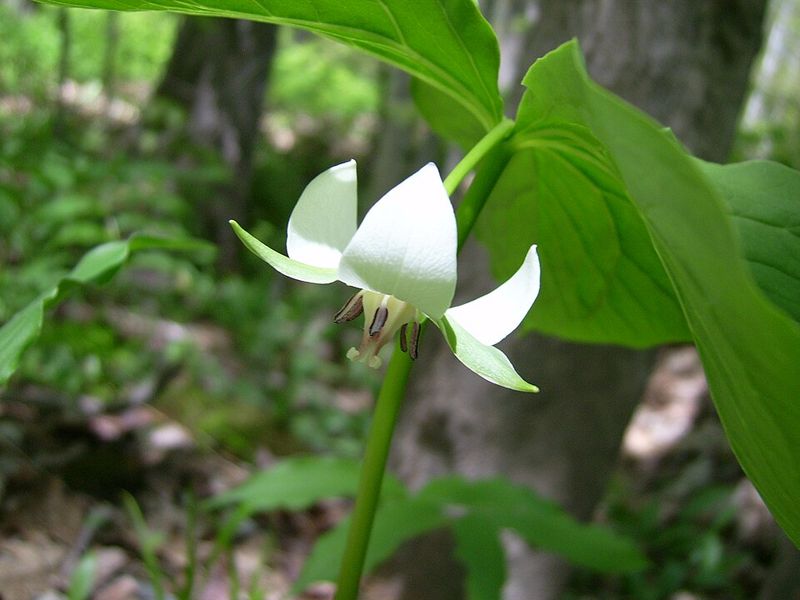
Subtle and a little shy, the nodding trillium hides its flower beneath its own leaves like it does not want to be noticed. Trillium cernuum earned its name from the way its white bloom droops downward on a curved stem.
This modest wildflower grows in rich, moist woodlands across northern and central New York. It prefers the deep shade of maple and beech forests, where the soil stays cool and damp well into summer.
Unlike showier wildflowers, the nodding trillium does not announce itself from across the trail. You have to crouch down and lift a leaf to fully appreciate its delicate, nodding bloom.
Trilliums as a group are notoriously slow growers, and the nodding variety is no exception. A seed can take many years to produce a flowering plant, making every adult specimen precious.
Ants play a surprising role in spreading trillium seeds across the forest floor. The seeds have a fatty coating that ants find irresistible, and they carry them back to their nests, inadvertently planting new colonies.
These rare New York native plants are sensitive to trail erosion, invasive species, and deer pressure. Protecting the forests they call home is the most effective conservation strategy available.
The nodding trillium rewards patience and a willingness to look closer. Sometimes the most extraordinary things in nature are the ones that do not shout for your attention.
5. Toad-Shade Trillium
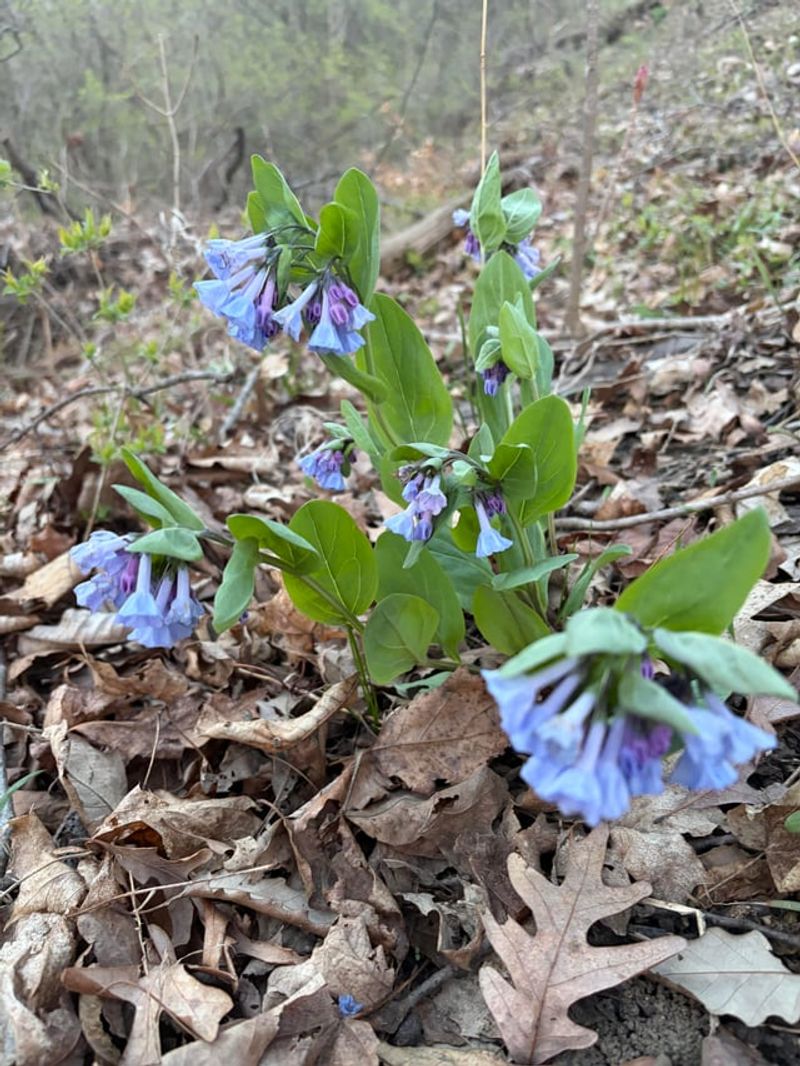
Dark, dramatic, and a little mysterious, the toad-shade trillium looks like something from a shaded, quiet forest. Trillium sessile gets its common name from the mottled, toad-skin-patterned leaves that frame its brooding maroon flower.
Unlike most trilliums, its flower sits directly on the leaves with no stem connecting them. That stalkless bloom gives it a bold, compact appearance that stands out even in a crowded woodland understory.
The flower produces a faint scent that mimics rotting organic matter, which attracts flies and beetles as pollinators. It is a clever trick that works beautifully, even if it does not smell like roses.
Toad-shade trillium prefers rich, well-drained deciduous forests with plenty of leaf litter. In New York, it occupies a fairly limited range, making each population ecologically significant.
Like all trilliums, this species grows at a painfully slow pace and recovers poorly from disturbance. A single footstep through a colony can set back decades of growth in a matter of seconds.
These rare New York native plants are threatened by habitat fragmentation and invasive garlic mustard. Garlic mustard releases chemicals that disrupt the soil fungi trilliums depend on, creating added pressure.
The toad-shade trillium does not need your admiration to survive, but it does need your restraint. Walk around it, not through it, and it will keep blooming long after you have gone home.
6. Red Trillium
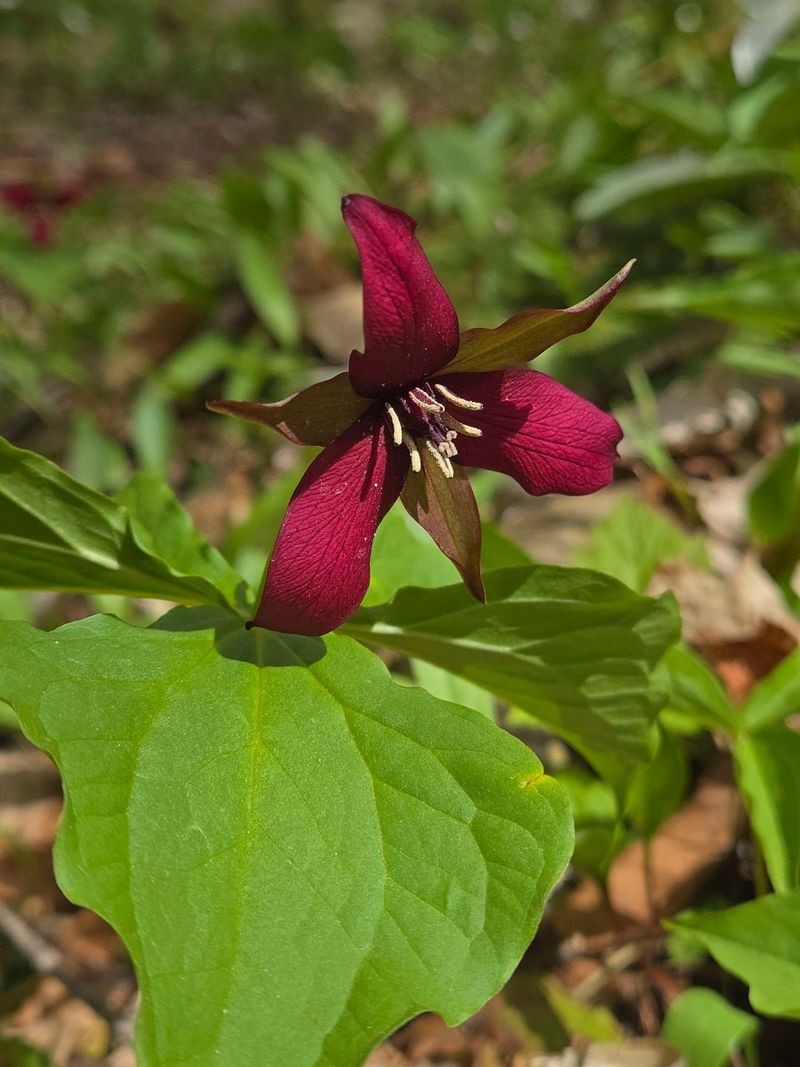
The name alone is enough to make you curious. Red trillium, Trillium erectum, is commonly known as wakerobin and is a distinct species from the nodding trillium.
Its deep red or maroon flower sits upright above the leaves, unlike its nodding relative, and often carries a faint, unpleasant scent that draws in fly pollinators.
This plant favors cool, moist, north-facing slopes and stream corridors, including areas in the Adirondacks and Catskills. It is rarely abundant anywhere it grows, which makes each sighting genuinely worth noting.
Wakerobin has a long history in American folk herbalism, though modern guidance warns strongly against using it without expert knowledge. The plant contains compounds that can cause reactions if handled or ingested improperly.
Beyond its medicinal history, this species plays an ecological role in seed dispersal, again thanks to ants. Those industrious insects carry seeds far from the parent plant, slowly expanding the colony over generations.
These rare New York native plants face pressure from deer, invasive species, and shrinking forest patches. Conservation efforts focused on large, connected forest blocks give this species its best chance at long-term survival.
Red trillium asks very little of you. Give it space, and it will quietly do what it has done for thousands of years.
7. Red Baneberry
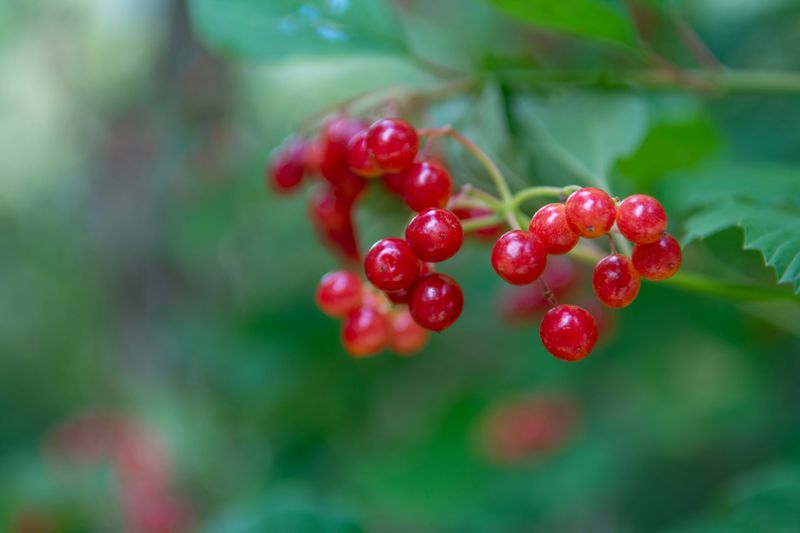
Few plants in a New York forest manage to look both beautiful and dangerous at the same time. Red baneberry, Actaea rubra, pulls off that combination with clusters of glossy scarlet berries that practically beg to be touched.
Do not touch them. Even a small number of berries can cause serious cardiac symptoms if eaten, and the roots and leaves are equally toxic.
Despite its hazards, red baneberry is a fascinating and ecologically valuable native plant. Birds eat the berries without any ill effects and spread seeds widely across the forest floor.
The plant blooms in late spring with small white flowers arranged in a feathery cluster above deeply cut, compound leaves. By midsummer, those flowers transform into the vivid red berries that give the species its striking reputation.
Red baneberry grows in rich, shaded woodlands and along stream banks throughout much of New York. Populations have declined in areas where deer pressure, logging, and invasive species have degraded forest understories.
These rare New York native plants are protected in several counties and should never be collected or transplanted without authorization. Their presence in a forest is often a sign of high ecological quality.
Seeing red baneberry in the wild is a striking sight with a built-in lesson about respecting nature’s boundaries. Admire it freely, photograph it enthusiastically, and walk away with your hands in your pockets.
8. American Ginseng
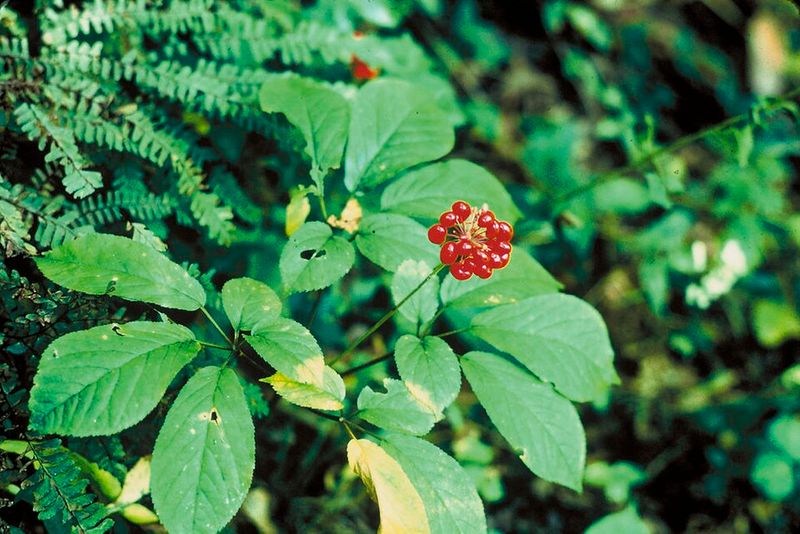
Few plants carry as much history, mystery, and controversy as American ginseng. Panax quinquefolius has been harvested, traded, and coveted for centuries, both for its cultural significance and its supposed health benefits.
Its forked root has been compared to the human form, which contributed to its long-standing cultural significance in traditional medicine across multiple cultures. That fame is also the primary reason it is now so hard to find in the wild.
American ginseng grows in rich, shaded hardwood forests, often on north- or east-facing slopes with deep, well-drained soil. In New York, it once thrived across much of the state, but overharvesting has reduced it to scattered, hidden populations.
Poaching remains a serious threat, with illegal harvesters targeting even protected areas inside state forests and parks. Getting caught digging ginseng without following permit and season requirements can result in penalties, so check current DEC regulations before digging.
The plant grows slowly, taking five to ten years to reach reproductive maturity. Removing adult plants from the wild erases decades of growth and disrupts the local seed bank.
Wild American ginseng harvest in New York is tightly regulated under state and federal rules tied to its international trade status.
Specific requirements, including harvest season dates and certification, are set by the DEC, so check official guidance before digging. Buying cultivated ginseng rather than wild-harvested root is the most responsible consumer choice available.
American ginseng is a plant that has survived centuries of human pressure, but it cannot survive indefinitely without our help. Protecting it now means future generations get to discover it too.