This Desert Shrub Can Add Privacy Without Overwhelming A Small Arizona Yard
Creating privacy in a small yard gets tricky when every plant seems determined to take over. The right desert shrub can provide coverage without making limited space feel even tighter.
Size matters just as much as appearance when choosing plants for compact landscapes. A beautiful shrub quickly becomes frustrating when constant trimming is needed to keep it contained.
That makes certain native choices especially useful for Arizona homeowners with smaller outdoor spaces. One option offers a practical balance between screening and manageable growth.
Before planting a bulky hedge along your patio or property line, consider how large it will eventually become. Planning for mature size can save plenty of work later.
A well-chosen shrub should make your yard feel more comfortable, not crowded. Privacy does not require sacrificing every open corner.
The right choice can give you both.
1. Little-Leaf Cordia Can Create A Natural Privacy Screen
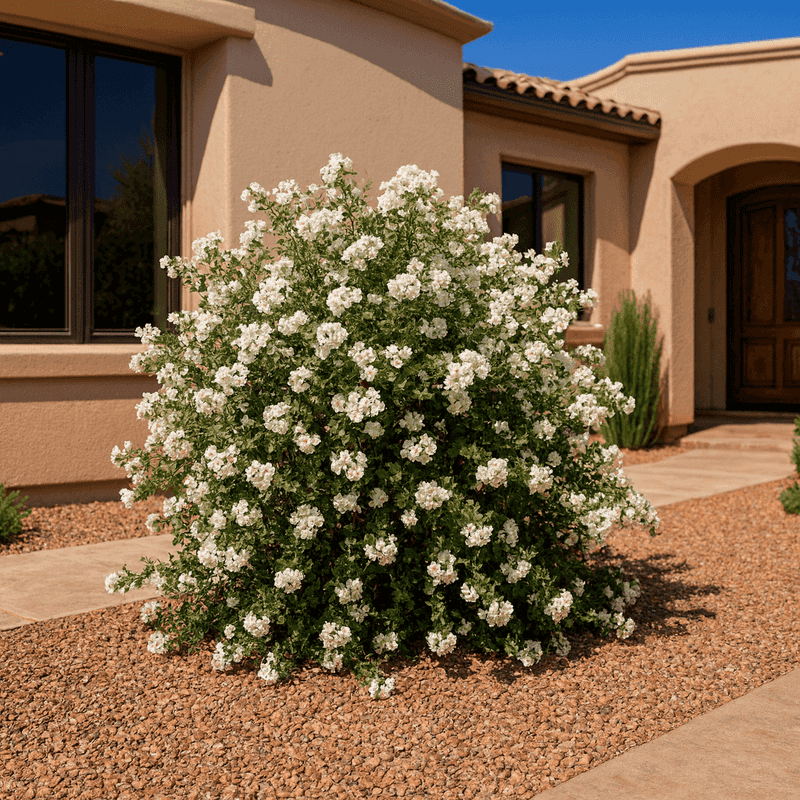
Solid fences are not the only way to block a neighbor’s view. Little-Leaf Cordia grows dense enough to form a living wall that actually looks good in a desert yard.
Its branching structure fills in gradually, creating a layered screen that softens the boundary between properties. Unlike a hard fence, it moves slightly in the breeze and blends into the surroundings naturally.
For smaller yards, that kind of visual barrier matters. A fence can feel like a wall closing you in, while a shrub screen keeps things feeling open and breathable.
Little-Leaf Cordia typically reaches six to eight feet tall and can spread just as wide under favorable conditions. That size works well along a property line without pushing into walkways or neighboring spaces.
Planting a row with roughly four to five feet between each shrub gives them enough room to fill in without overcrowding. Over time, the canopies overlap and form a continuous screen.
Results vary depending on soil quality, watering habits, and sun exposure. Expect gradual growth rather than quick coverage.
Patience pays off with this shrub, and the end result tends to look far more natural than a standard wood or block wall.
2. Its Growth Works Best With Enough Space
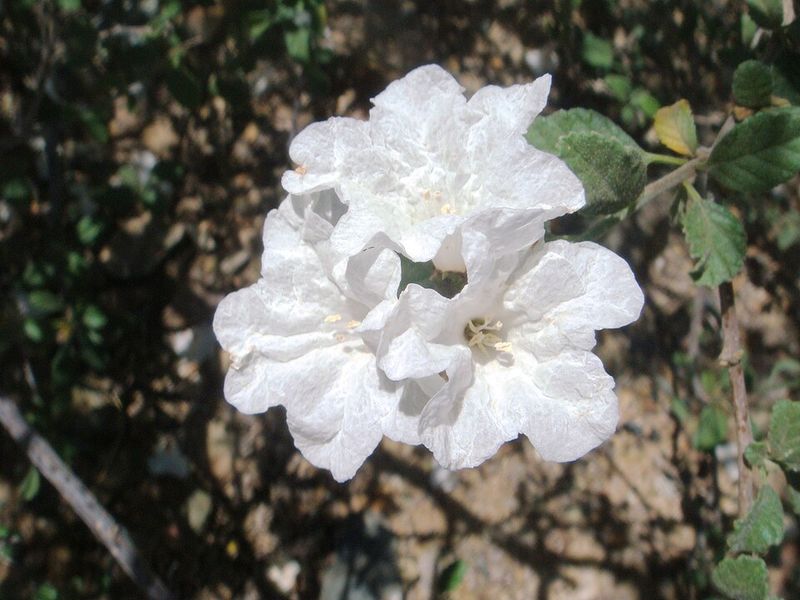
Crowding this shrub is one of the most common mistakes people make with it. Little-Leaf Cordia needs breathing room to develop its full, rounded shape.
Planted too close to a wall or another plant, it tends to grow unevenly. One side gets shaded out, and the canopy ends up lopsided rather than full.
Spacing plants four to five feet apart in a row gives each one room to spread. That gap fills in within a couple of growing seasons under decent conditions.
In a small yard, it helps to map out the mature spread before planting. A shrub that reaches six feet wide needs clearance on both sides to look its best and stay healthy.
Avoid planting directly against a block wall if you can. Heat radiates off masonry in summer, and that extra warmth can stress plants that are still getting established.
Your Arizona Garden Changes Every Week. Your Plan Should Too.
Gardening in Arizona changes quickly throughout the season. Every Friday you’ll receive a simple weekly plan showing exactly what to plant, prune, fertilize, harvest, and protect so you never miss the right timing.
A few feet of buffer between the shrub and any hard surface makes a real difference. Air can circulate, roots have room to spread laterally, and the plant fills out more evenly over time.
Growth rate depends on watering frequency and soil conditions.
In well-draining soil with occasional deep watering, Little-Leaf Cordia tends to establish steadily without needing constant attention.
3. Gray-Green Leaves Give The Screen A Softer Look
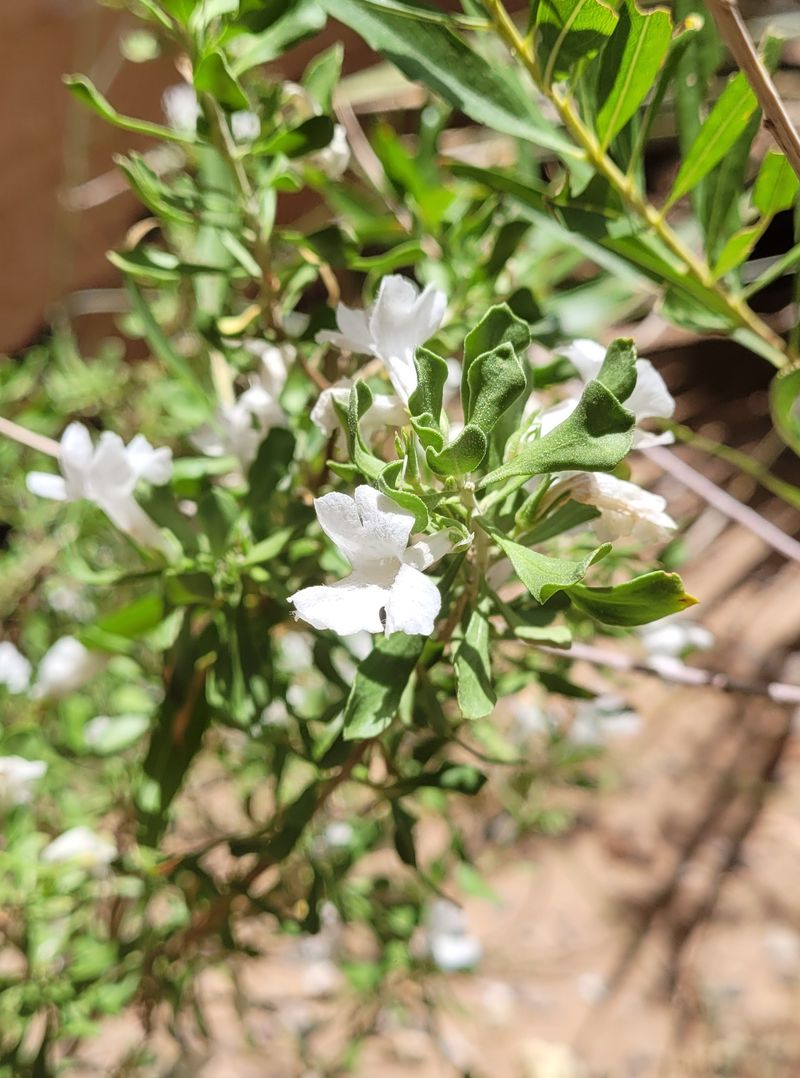
Bright green plants can look out of place in a desert yard. Little-Leaf Cordia sidesteps that problem with foliage that actually matches the muted tones of the surrounding landscape.
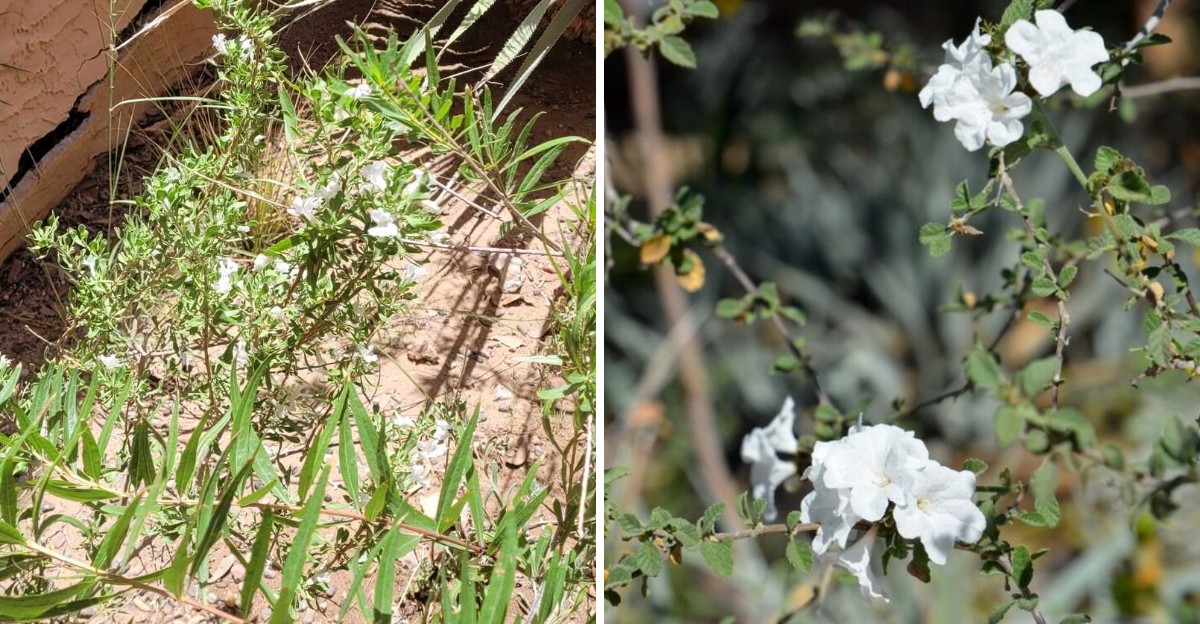
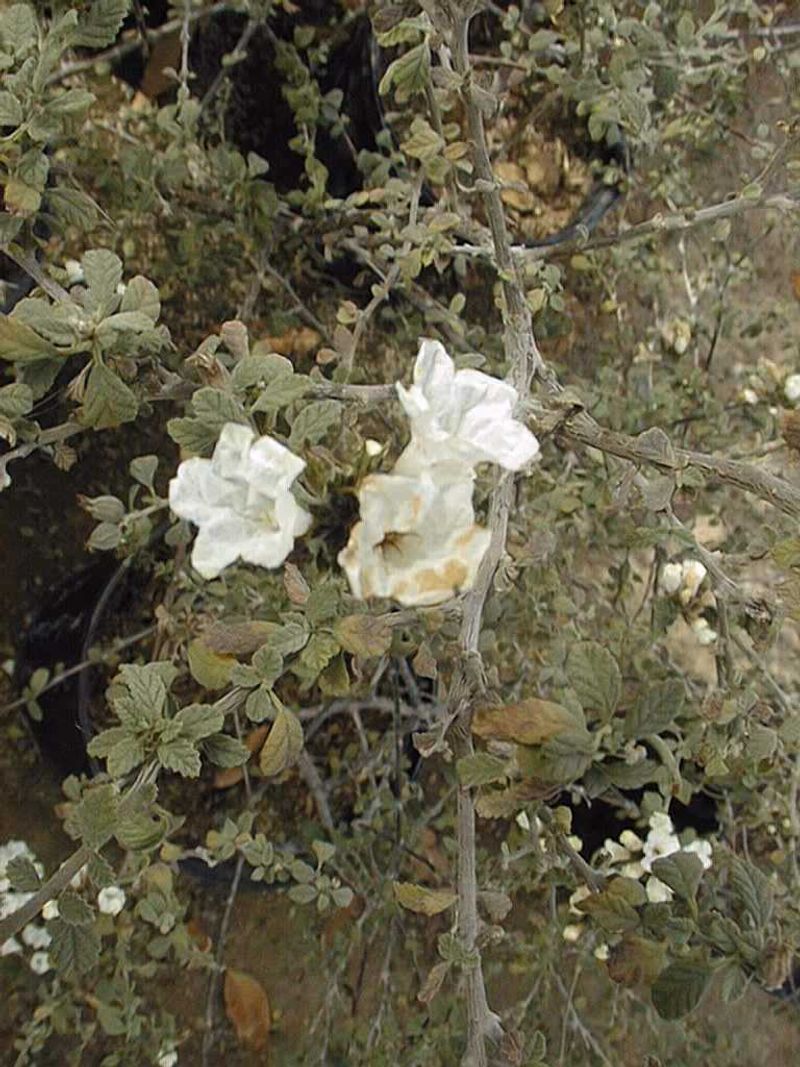
Its leaves are small, slightly rough in texture, and carry a gray-green color that reads as calm and natural rather than flashy. That quality makes it easy to pair with other desert plants without clashing.
Against a tan or brown block wall, the foliage color stands out just enough to look intentional. It does not compete with the background but still creates clear visual separation.
Smaller leaves also mean less debris to deal with.
Larger-leafed shrubs can drop a lot of material, especially after wind or a monsoon storm. Little-Leaf Cordia keeps cleanup relatively manageable.
The leaf texture has a slightly sandpapery feel, which is a natural adaptation to hot, dry conditions. That roughness helps the plant reduce moisture loss during intense heat.
From a design standpoint, the soft color works well in yards with gravel, flagstone, or decomposed granite ground cover. It ties into the overall palette without needing extra plants to bridge the visual gap.
Color consistency stays fairly steady year-round in mild winters, though some leaf drop can occur during cold snaps depending on how low temperatures fall in a given season.
4. White Flowers Add Color From Spring Into Fall
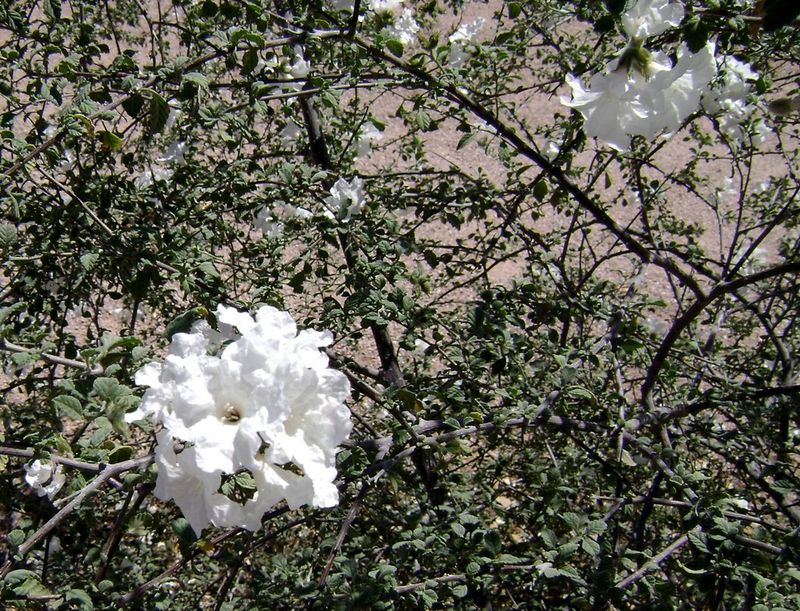
White flower clusters appear on Little-Leaf Cordia starting in spring and can continue sporadically into fall depending on temperatures and moisture.
That extended bloom window is a real bonus in a yard that might otherwise look dry and colorless for months.
The flowers are small and grouped in clusters at the branch tips. Up close they look delicate, but from a distance the clusters read as bright white against the gray-green foliage.
Pollinators notice them quickly. Bees and butterflies tend to visit regularly during active bloom periods, which adds movement and life to a yard without any extra effort on your part.
Blooming tends to slow during the peak of summer heat, which is normal for many desert plants. Once temperatures ease slightly in late summer, flowering often picks back up before the season ends.
No deadheading is required to keep blooms coming. Little-Leaf Cordia cycles through on its own schedule without needing much intervention from the gardener.
From a design angle, white flowers pair well with almost any yard color scheme. Whether your space leans toward earthy tones or has brighter accent plants, the white blooms fit in without creating visual conflict.
Expect some variation in bloom intensity from year to year.
Rainfall, temperature swings, and overall plant health all influence how heavily the shrub flowers in any given season.
5. Full Sun Helps This Shrub Grow Well
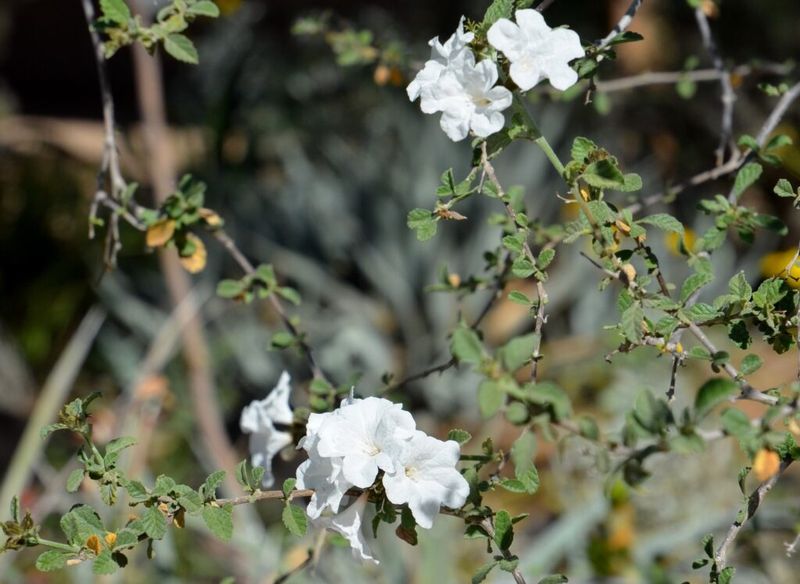
Shade is not a friend to this plant. Little-Leaf Cordia performs best in full sun, meaning at least six hours of direct sunlight per day, and ideally more.
In shadier spots, growth tends to slow and the canopy thins out. A sparse screen does not do much for privacy, which defeats the whole purpose of planting it in a row.
Most Arizona yards get plenty of direct sun, which actually puts this shrub in a good position. South or west-facing exposures work especially well for strong, consistent growth.
East-facing spots can work too, though the plant may grow a bit slower with only morning sun. North-facing areas are the least ideal and often produce the weakest results.
Reflected heat from walls or paving adds intensity to sun exposure.
In those spots, the shrub generally handles it well once established, though newly planted specimens may need more frequent watering during the first summer.
Choosing the right location before planting saves a lot of frustration later. Moving an established shrub is harder than getting placement right from the start.
Sun exposure also affects flowering. Plants in full sun tend to produce more flower clusters than those in partial shade.
If blooms matter to you, prioritize the sunniest spot available in your yard.
6. Established Plants Handle Dry Conditions Well
Getting through the first year or two is the hardest part. Once Little-Leaf Cordia puts down a solid root system, its need for supplemental water drops considerably.
During establishment, watering once or twice a week in summer helps the roots develop properly. Letting the soil dry out completely between waterings encourages roots to reach deeper rather than staying near the surface.
After two to three growing seasons, most plants can get by on significantly less irrigation.
In some low-desert areas, established shrubs survive on rainfall alone during cooler months, though summer watering still helps maintain appearance and bloom production.
Deep, infrequent watering is more effective than light, frequent watering. Shallow watering keeps roots near the surface where they are more vulnerable to heat and drought stress.
Soil drainage matters a lot here. Little-Leaf Cordia does not tolerate standing water or consistently soggy soil.
Sandy or rocky soils common in desert landscapes actually suit it well.
A layer of gravel or decomposed granite mulch around the base helps retain some moisture and keeps soil temperatures more stable. Organic mulch can work too, though it breaks down faster in desert heat.
Water needs vary by location, season, and individual plant size. Observing the plant and adjusting based on how it looks is more reliable than following a fixed watering schedule.
7. Light Pruning Helps Maintain Its Natural Shape
Heavy shearing is not the move with this shrub.
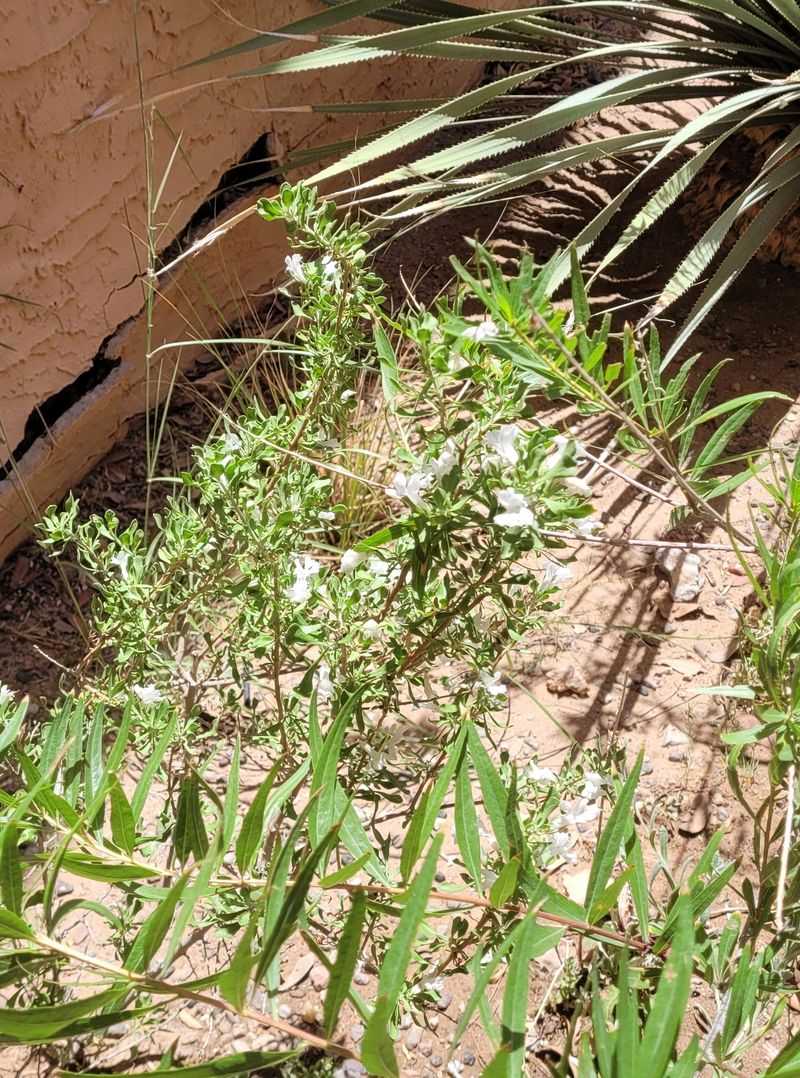
Little-Leaf Cordia responds much better to light, selective pruning that works with its natural branching pattern rather than forcing a boxy shape onto it.
Shearing it into a formal hedge removes the flowering branch tips and reduces blooms significantly. That trade-off is rarely worth it, especially when the plant looks better with a relaxed, natural form.
Light pruning works best in late winter or early spring before new growth kicks in.
Removing a few wayward branches at that point keeps the shape tidy without disrupting the upcoming bloom cycle.
Crossing branches or any growth heading toward a walkway can be trimmed back as needed throughout the year. Spot pruning like that is low-impact and easy to manage with basic hand pruners.
Avoid cutting back more than about a third of the plant at one time. Removing too much at once can stress the shrub and slow recovery, particularly during hot summer months.
Pruning tools should be clean and sharp before use. Dull blades tear rather than cut cleanly, which creates rough wounds that take longer to heal and can invite pests or pathogens.
Over time, minimal pruning keeps the shrub looking intentional without requiring much ongoing effort. That low-maintenance quality is one of the reasons it suits smaller desert yards so well.