Why Costa’s Hummingbirds Keep Returning To Some Arizona Yards
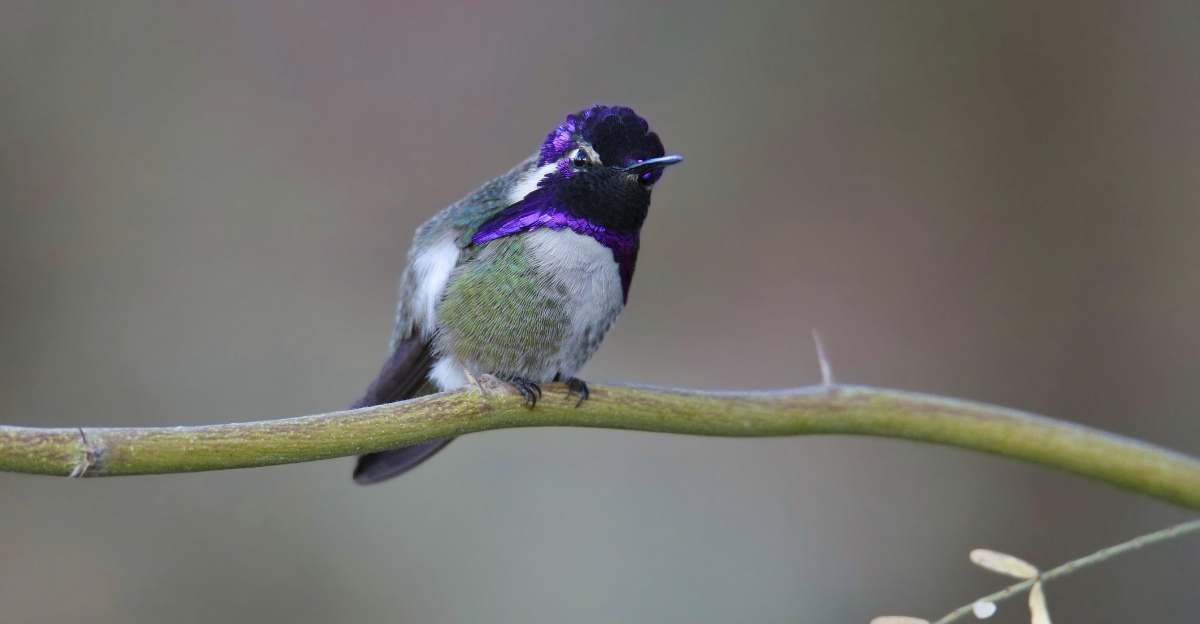
Some yards seem to catch the attention of Costa’s hummingbirds again and again, while others rarely get a visit. That difference is not always as mysterious as it seems.
These tiny desert birds are selective about where they spend their time. Certain surroundings simply offer more of what makes a stop worthwhile.
Your Arizona yard could already have features that influence whether a hummingbird lingers or quickly moves along. Small details can matter more than an elaborate landscape.
Before changing everything to attract these visitors, pay attention to what successful spaces have in common. The answer goes beyond adding something colorful and hoping they notice.
Their repeated visits can reveal plenty about what makes an outdoor space genuinely useful. Once you understand that connection, familiar backyard features start looking different.
There is a reason certain yards stay on their route.
1. Reliable Nectar Gives Costa’s Hummingbirds A Reason To Return
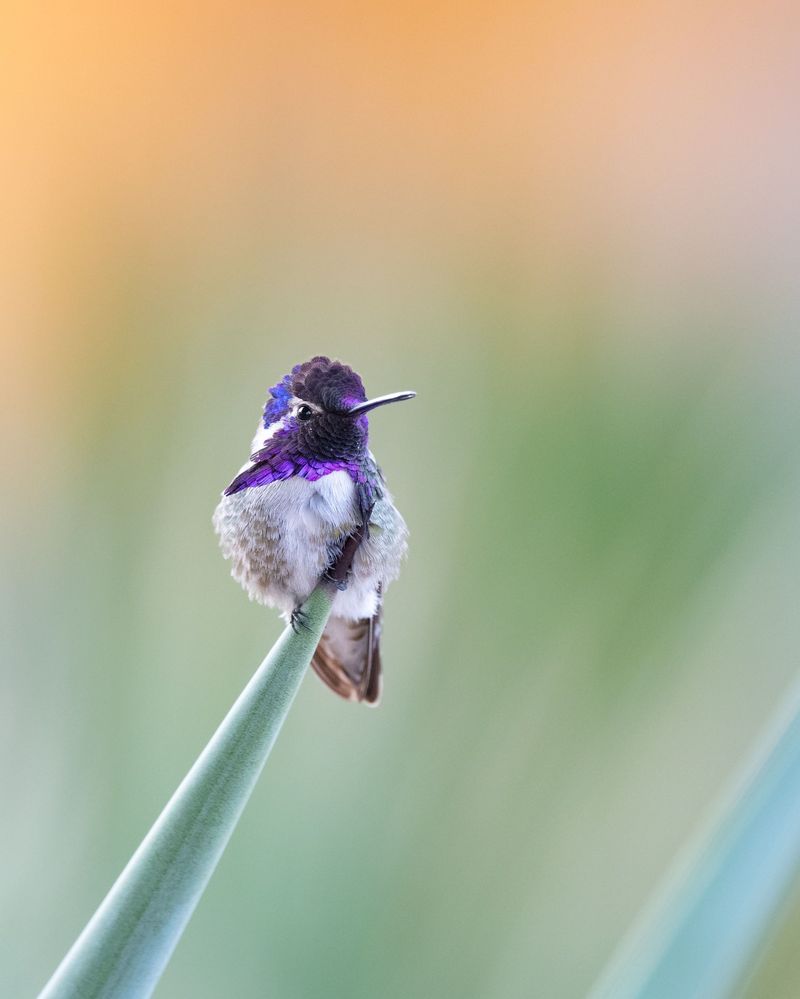
A feeder with fresh nectar is one of the strongest signals a yard sends to a returning Costa’s hummingbird. Consistency matters more than quantity.
If the feeder is refilled on a regular schedule, these birds learn quickly that your yard is a dependable food stop.
Plain sugar water works well. Mix one part white granulated sugar with four parts water.
Avoid red dye, honey, or artificial sweeteners. Those additives can be harmful and offer no real benefit to the bird.
In warmer months, nectar spoils faster than most people expect. Changing the feeder every two to three days in summer heat prevents fermentation.
A cloudy or syrupy solution should be replaced right away.
Placement also plays a role. Hanging feeders in a shaded spot during peak afternoon heat slows spoilage.
Placing them near natural cover, like a shrub or small tree, gives the bird a nearby perch to rest between sips.
Costa’s hummingbirds have strong spatial memory. Once they associate a specific feeder location with a reliable reward, they will check that spot on future visits.
Keeping the feeder in the same place season after season reinforces that habit over time.
2. Native Flowers Match Their Desert Feeding Habits
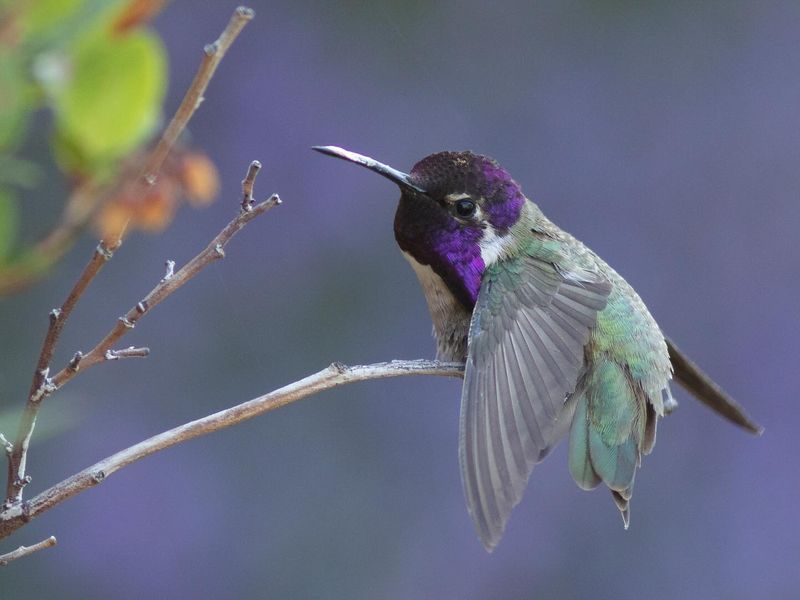
Tubular flowers shaped for long beaks are not a coincidence in desert plant evolution.
Native plants and hummingbirds developed alongside each other over thousands of years, and that relationship shows in how well certain blooms match Costa’s feeding style.
Chuparosa is one of the most reliable native choices in the Sonoran Desert region. It blooms in late winter and early spring, which lines up with the Costa’s active season in many parts of Arizona.
Penstemon species also attract them well, with tall spikes of red or pink tubular flowers.
Desert willow is another solid option. Its orchid-like blooms appear in late spring and can continue into summer depending on water and conditions.
Agave flower stalks also draw hummingbirds, though agave blooms only once per plant.
Planting a variety of natives that bloom at different times gives Costa’s hummingbirds a reason to revisit across multiple months. A yard that offers only one brief bloom period may see fewer return visits than one with staggered flowering.
Your Arizona Garden Changes Every Week. Your Plan Should Too.
Gardening in Arizona changes quickly throughout the season. Every Friday you’ll receive a simple weekly plan showing exactly what to plant, prune, fertilize, harvest, and protect so you never miss the right timing.
Soil type, sun exposure, and watering habits all affect how well native plants perform. Choosing species suited to your specific microclimate gives them the best chance of producing consistent blooms that hummingbirds can count on.
3. Tiny Insects Add An Important Source Of Food
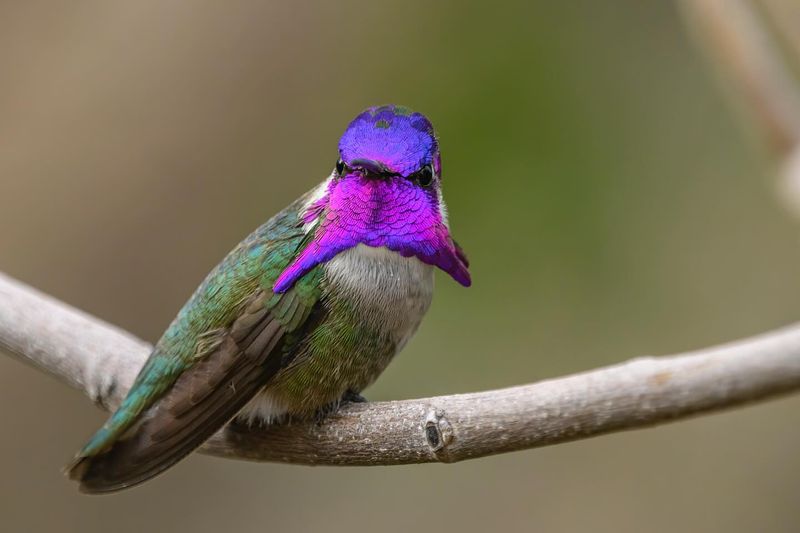
Nectar gets most of the attention, but protein is just as critical to a hummingbird’s survival. Insects and spiders make up a significant part of their diet, especially during nesting season when females need extra nutrition.
Costa’s hummingbirds catch small insects mid-air, pluck them from leaves, and sometimes pull spiders from webs. Gnats, aphids, and tiny flies are common targets.
A yard with natural insect activity offers a food source that no feeder can fully replace.
Bare soil patches, leaf litter, and dense native plantings all support insect populations. Yards that are heavily manicured with synthetic turf or gravel with no organic material tend to have lower insect activity, which can make them less appealing over time.
Keeping some natural mess in corners of the yard, like fallen leaves or a small brush pile, encourages the kind of invertebrate life that hummingbirds actively hunt. It does not need to look untidy.
Even a contained area works.
Spider webs also serve a secondary purpose. Hummingbirds collect spider silk to build their nests.
A yard with active spiders offers both a food source and a nesting material, making it twice as useful to a bird scouting for a home base.
4. Shrubs And Trees Give Them Places To Rest
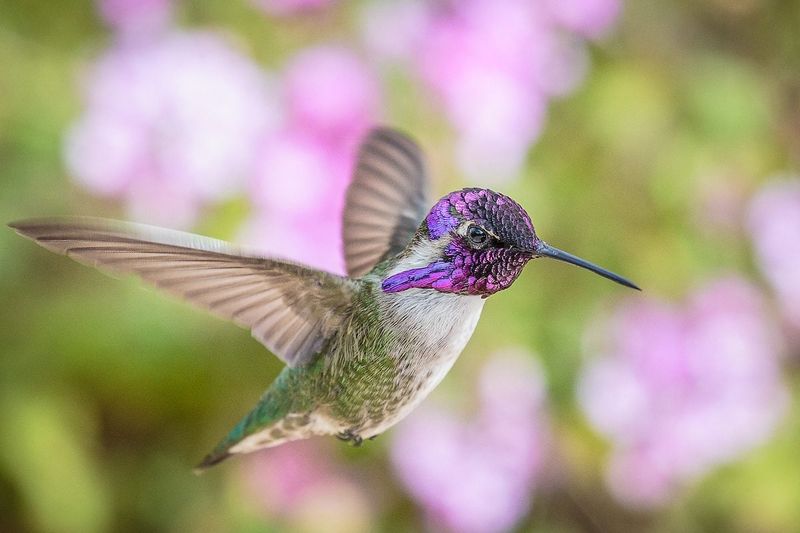
Hummingbirds burn energy at a remarkable rate. Between feeding bursts, they need spots to perch and recover.
A yard with no resting cover forces them to keep moving, and they may not bother coming back.
Thin, exposed branches work best for perching. Costa’s hummingbirds prefer spots with a clear view of the surrounding area.
They are territorial and like to watch over their feeding zones from a high vantage point.
Desert shrubs like brittlebush, creosote, and desert broom offer natural perching structure. Small native trees like palo verde or desert ironwood also provide branch tips that work well.
Overly dense or bushy plants with no open branches are less useful for perching.
Shade matters too. In the intense midday heat common across the Southwest desert, a bird resting in full sun is under stress.
Shrubs that offer dappled shade give hummingbirds a cooler place to sit between active periods.
Spacing plants thoughtfully creates a yard with both open flight paths and shaded resting zones. A mix of low shrubs and taller trees at varying heights gives the bird options.
Yards that offer this kind of layered structure tend to hold hummingbird interest longer than those with only flat, open ground.
5. Water Features Can Offer A Place To Bathe
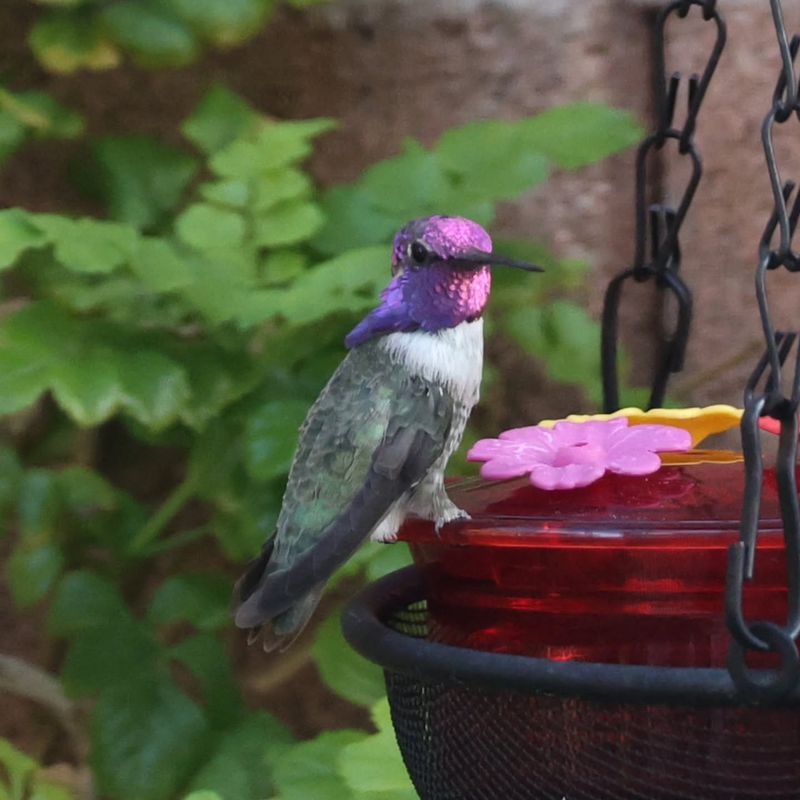
Hummingbirds do not bathe the way larger birds do. They prefer to fly through fine mist or brush against wet leaves rather than sit in standing water.
A standard deep birdbath will rarely attract them.
A mister or dripper attachment added to a shallow basin works much better. The moving water catches their attention from a distance, and the fine spray is the right texture for how they like to clean their feathers.
Solar-powered misters are easy to set up and need no wiring.
Leaf baths are another option. Broad-leafed plants that hold morning dew or misting spray can act as natural bathing stations.
Placing a mister near a large-leafed shrub gives hummingbirds a surface to roll across and preen from.
Water also serves as a signal. Costa’s hummingbirds are drawn to the sound of moving water, especially in dry desert conditions.
A yard with an audible water source can attract birds that might not have noticed it otherwise.
Keeping the water source clean is worth the effort. Stagnant or algae-covered water is less appealing.
Rinsing shallow basins every couple of days keeps the feature functional. In summer heat, water evaporates fast, so checking levels regularly helps maintain the attraction.
6. Avoiding Pesticides Helps Protect Their Food Supply
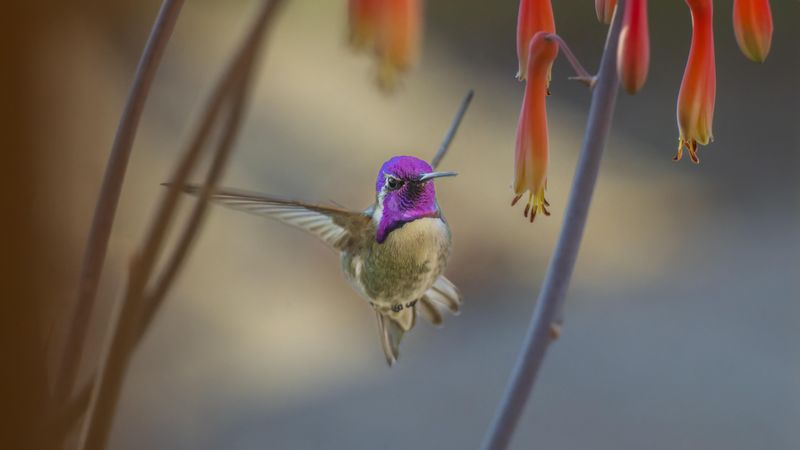
Spraying pesticides can quietly reduce the insect population that hummingbirds depend on for protein. Even products labeled as low-impact can affect small invertebrates that these birds actively hunt.
A yard that gets regularly treated may offer nectar but not much else nutritionally.
Systemic pesticides are a particular concern. These are absorbed by plants and can show up in pollen, nectar, and the insects that feed on treated vegetation.
For a bird visiting flowers repeatedly, repeated exposure adds up over time.
Switching to physical pest control methods helps. Removing aphid clusters by hand, using a strong water spray to knock pests off leaves, or introducing beneficial insects like ladybugs reduces pest pressure without chemical side effects.
Tolerating some insect activity in the yard is part of the trade-off. A few aphids on a shrub are not a crisis.
They are also a food source. Accepting a small level of pest presence keeps the natural food web intact.
Organic mulch, compost, and healthy soil biology support the kinds of microorganisms and insects that eventually feed hummingbirds. Building a yard ecosystem rather than sterilizing it tends to produce better results for wildlife over time.
7. A Sheltered Yard Makes Repeat Visits More Likely
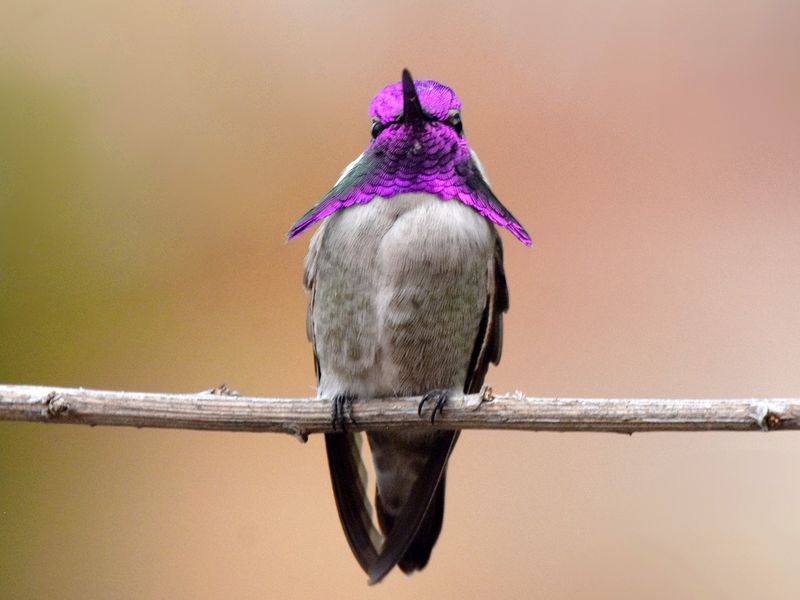
Wind exposure is something most people overlook when setting up a hummingbird-friendly space. Costa’s hummingbirds are small and lightweight.
Strong, steady wind makes hovering at a feeder or flower physically difficult and draining.
A yard sheltered by a fence, wall, or dense shrub border on the windward side creates calmer conditions. Even partial wind blocking can make a noticeable difference in how comfortable the space feels to a small bird.
Noise levels matter too. Yards with frequent loud disturbances, like barking dogs or heavy foot traffic near feeders, can discourage repeat visits.
Placing feeders and water features in quieter corners of the yard gives birds a low-stress feeding zone.
Cats are a real concern for any ground-level or low-perching bird. Keeping feeders at a height that is not easily accessed, and discouraging cats from spending time near bird activity areas, reduces risk without requiring major changes to the yard layout.
A sheltered yard feels safe to a hummingbird. Safety and food together are what bring them back.
When a bird finds a spot with reliable nectar, resting cover, water, insects, and low disturbance, it builds a mental map of that location.