Smokybrown Roaches Love This Part Of Georgia Yards And Most Homeowners Overlook It
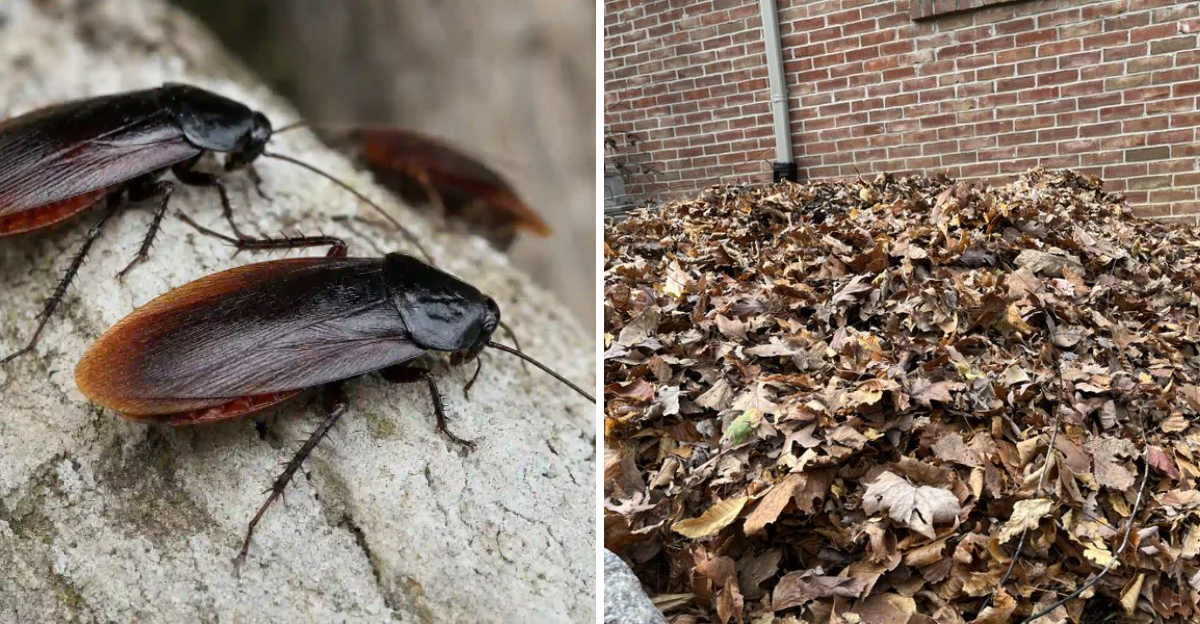
You can keep your home spotless and still find smokybrown roaches hanging around outside. The reason may be hiding in a part of your yard you rarely inspect.
These outdoor roaches prefer places that offer moisture, shade, and plenty of shelter. Georgia yards can provide exactly those conditions without looking especially messy or neglected.
Look beyond the obvious areas when checking where they might be gathering. One familiar feature can quietly create the protected environment they prefer.
Ignoring that spot can make your usual cleanup efforts feel surprisingly ineffective. Knowing where to focus your attention makes the job much more manageable.
You do not need to tear apart your landscaping or completely change your yard. Start by understanding what makes certain spaces especially appealing.
That overlooked corner may explain why smokybrown roaches keep showing up nearby.
1. Damp Mulch Beds Attract Smokybrown Roaches
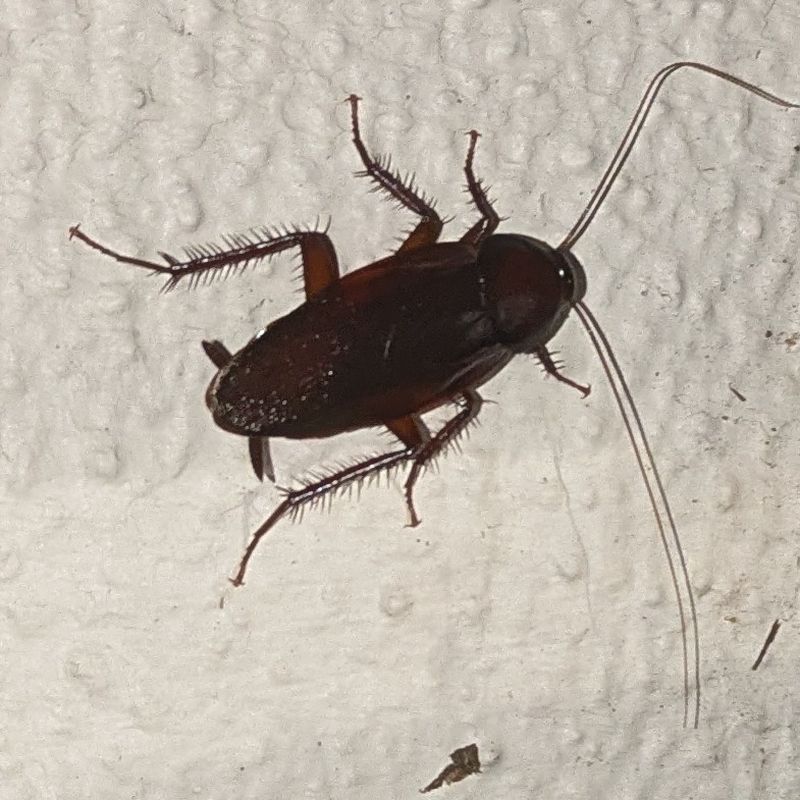
Wet mulch is one of the biggest roach magnets in any yard. Smokybrown roaches need moisture to survive, and a freshly watered mulch bed gives them exactly that.
Most homeowners never connect their mulch to their roach problem.
Mulch holds water well, which is great for plants but bad when it comes to pest control. Wood chips and bark stay damp long after watering or rain, creating a cool, moist layer underneath.
Smokybrown roaches move right in without hesitation.
Roaches do not need standing water. Even slightly damp soil under mulch is enough to keep them comfortable.
Beds that stay wet for days at a time are especially risky.
Replacing standard wood mulch with rubber mulch or gravel can reduce moisture retention significantly. These alternatives do not hold water the same way organic mulch does.
Fewer wet spots means fewer places for roaches to settle.
Turning your mulch regularly also helps. Flipping it over exposes the damp bottom layer to sunlight and air.
That drying effect can disrupt the moist conditions roaches depend on.
Keeping mulch dry is not always possible, especially during rainy seasons in Georgia. But reducing how long it stays wet can make a noticeable difference.
2. Frequent Watering Can Keep Their Hiding Spots Moist

Watering your yard feels like good yard care, but it can quietly support a roach problem. Smokybrown roaches are drawn to moisture, and frequent watering keeps the ground around your home consistently damp.
That is a setup they take full advantage of.
Overwatering is one of the most common habits that fuels outdoor roach activity. When mulch beds stay wet day after day, the conditions underground stay perfect for roaches.
Cutting back on water frequency can help break that cycle.
Drip irrigation is a smarter option than overhead sprinklers for pest management. It puts water directly at plant roots instead of soaking the surface.
That keeps the top layer of mulch drier and less attractive to roaches.
Morning watering is generally better than evening watering. Watering in the morning gives the sun time to dry out the surface before night.
Roaches are most active after dark, so wet mulch at night is a real problem.
Your Georgia Garden Changes Every Week. Your Plan Should Too.
Gardening in Georgia changes quickly throughout the season. Every Friday you’ll receive a simple weekly plan showing exactly what to plant, prune, fertilize, harvest, and protect so you never miss the right timing.
Check how long your sprinkler system runs each zone. Many systems run longer than necessary, leaving beds soaked for hours.
Shortening run times can reduce surface moisture without stressing your plants.
Roaches are opportunistic. Wherever moisture lingers, they will find it.
3. Thick Mulch Gives Them Plenty Of Shelter
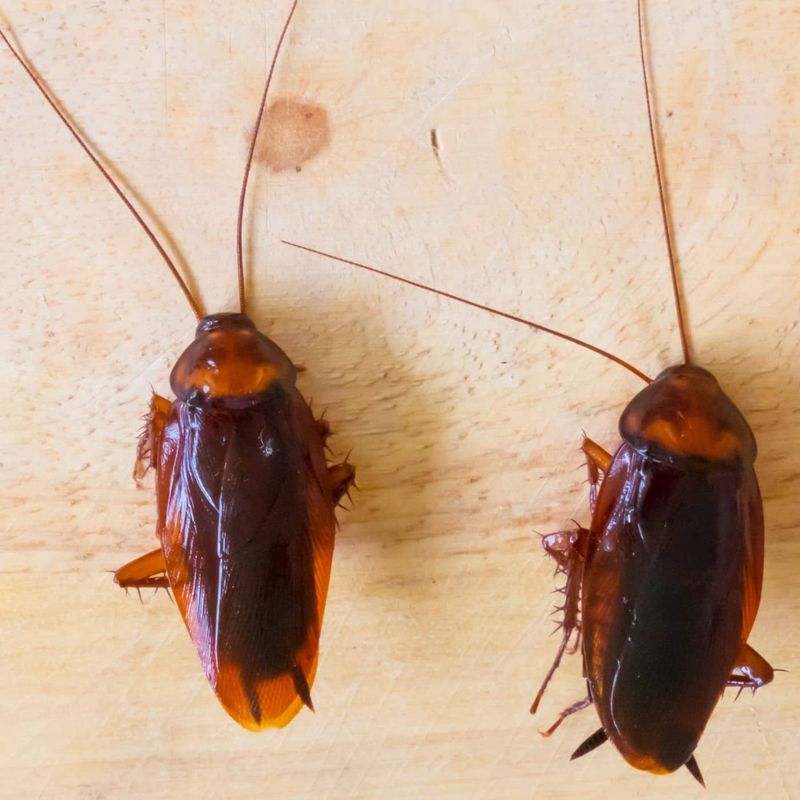
A thick mulch layer feels like good landscaping, but it can quietly become a roach shelter. Smokybrown roaches love depth.
The thicker the mulch, the more protected space they have underneath. Most pest experts suggest keeping mulch no deeper than two to three inches.
When mulch piles up four or more inches deep, the bottom layer stays dark and compressed. Air barely moves through it.
Moisture gets trapped, and roaches settle into those pockets without much disturbance.
Thick mulch also raises the soil temperature slightly, which roaches appreciate in cooler months. It acts almost like insulation for them.
Beds that stay warm and damp year-round are especially problematic near foundations.
Pulling mulch back a few inches from your home’s foundation can reduce roach pressure noticeably. A gap of six inches or more between mulch and your exterior wall removes easy access to your home.
Roaches are less likely to cross open, dry ground.
Raking mulch out to a thinner, even layer improves airflow through the bed. Better airflow means faster drying.
Faster drying means fewer conditions roaches can rely on.
Refreshing mulch seasonally rather than piling on new layers over old ones also helps. Old mulch compacts and holds more moisture over time.
4. Leaf Litter Can Draw Them In Too
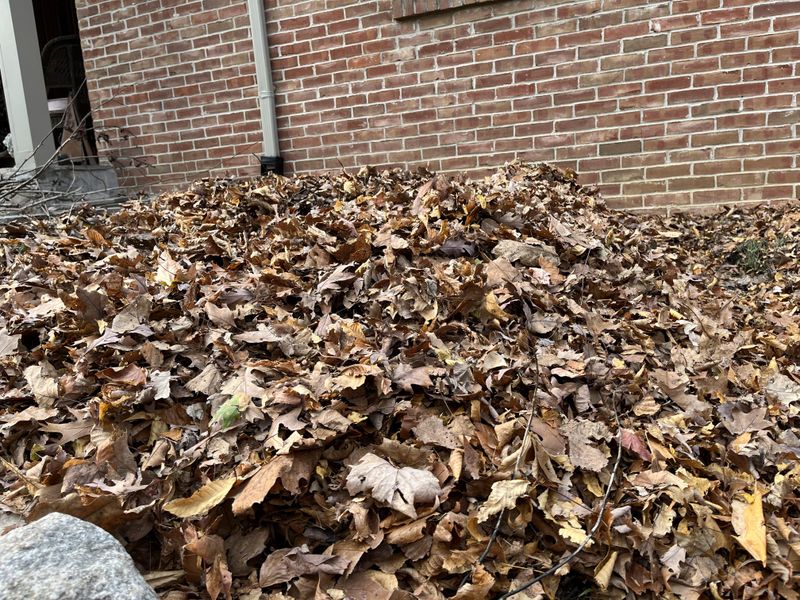
Fallen leaves might seem harmless, but they create real problems when they pile up. Smokybrown roaches love leaf litter almost as much as mulch.
Leaves trap moisture, break down slowly, and form dense mats that are hard to see under.
Leaf piles near fences, garden beds, or the base of trees are common roach hangouts. The decomposing organic material stays soft and damp underneath even when the top looks dry.
Roaches move through those layers easily and quietly.
Gutters full of wet leaves also deserve attention. Leaf buildup in gutters creates moist, dark pockets right along your roofline.
Smokybrown roaches are strong fliers and can access gutters with no trouble at all.
Raking and bagging leaves regularly is one of the simplest steps you can take. Letting them sit for weeks gives roaches time to settle in.
Staying on top of leaf removal removes one more reason for roaches to linger near your home.
If composting, keep the compost bin well away from your house. Decomposing plant matter is attractive to smokybrown roaches.
A bin sitting right next to your foundation is practically an invitation for them.
Clearing leaf debris from around shrubs and along fence lines also matters. Roaches do not just stay in one spot.
5. Mulch Near Your Home Needs Attention
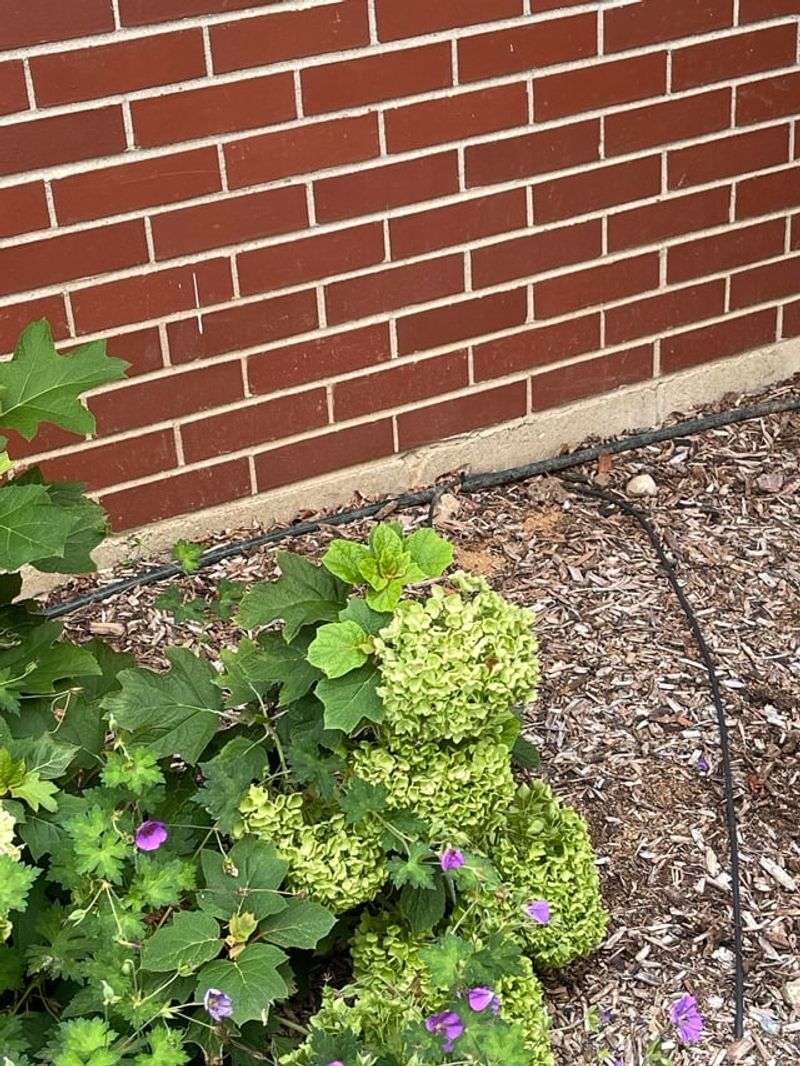
Placement matters just as much as depth when it comes to mulch. Mulch that runs right up against your home’s foundation creates a direct bridge for roaches.
Smokybrown roaches are capable fliers, but they also crawl along foundation edges with ease.
Any gap in your foundation, no matter how small, becomes a potential entry point. Roaches sheltering in mulch just inches from your wall have very little distance to travel.
That proximity is a serious problem that many homeowners underestimate.
Pulling mulch back at least six inches from exterior walls is a widely recommended practice. That open gap of soil or gravel slows roaches down.
Dry, exposed ground is far less appealing to them than covered, moist mulch.
Check along your entire foundation, not just the front of the house. Side yards and back beds are often ignored.
Roaches do not care about curb appeal. They will use any accessible mulch bed regardless of where it sits.
Sealing foundation cracks before the roach season peaks is also worth doing. Mulch near the home combined with entry gaps makes infestation much more likely.
Addressing both issues together gives you better results than tackling just one.
In Georgia, where humidity stays high for much of the year, mulch near foundations stays damp longer than in drier climates. That extended moisture window gives roaches more time to establish themselves.
6. Drier Conditions Make Yards Less Inviting
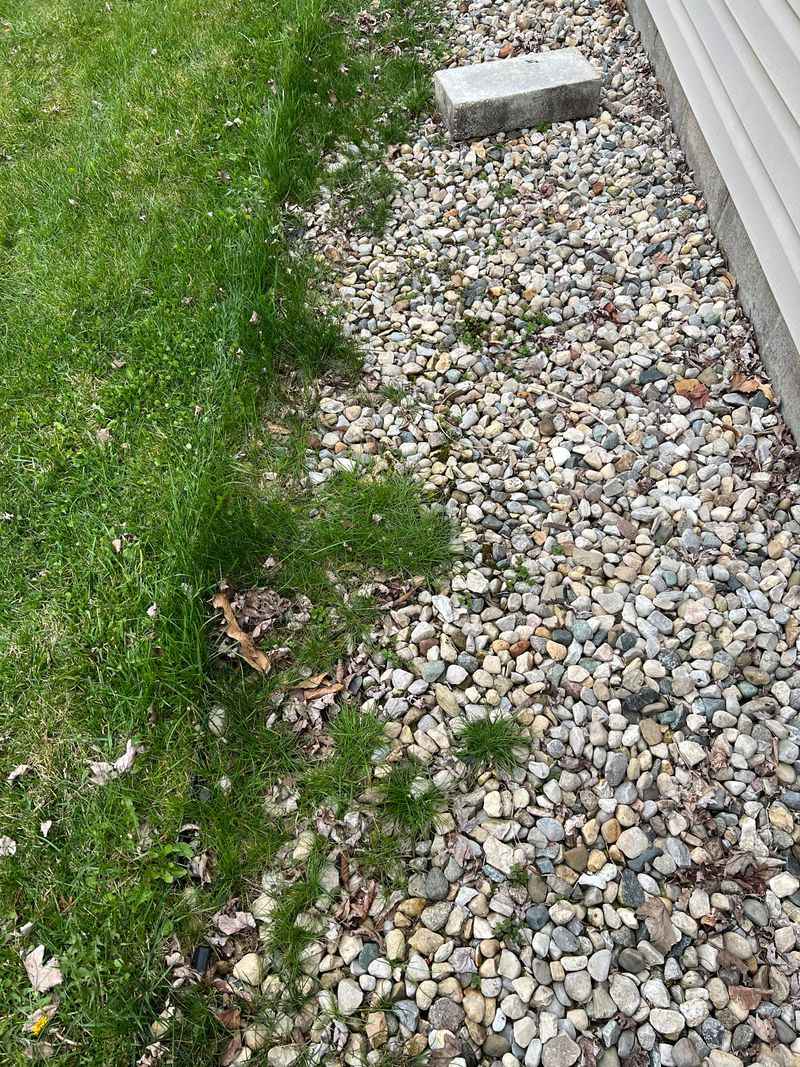
Moisture is the single biggest factor that makes a yard roach-friendly. Smokybrown roaches struggle in dry environments.
Reducing moisture across your yard is one of the most effective ways to make it less attractive to them.
Start by checking for drainage issues. Low spots in the yard that collect water after rain create persistent wet zones.
Filling those areas or improving grading helps water move away from your property instead of pooling near your home.
Gutters and downspouts play a bigger role than most people realize. Clogged gutters overflow and dump water along your foundation.
Downspouts that drain too close to the house keep soil and mulch near your walls wet for extended periods.
Extending downspouts at least five feet from your foundation can help redirect water away from problem areas. That small change keeps foundation beds drier after rain.
Drier beds mean fewer roach-friendly conditions right outside your door.
Improving airflow around dense shrubs and plants also helps. Overgrown vegetation traps humidity and shade, slowing down drying after watering or rain.
Trimming plants back creates more open space where sunlight and air can reach the soil.
7. Small Changes Can Reduce Roach Activity
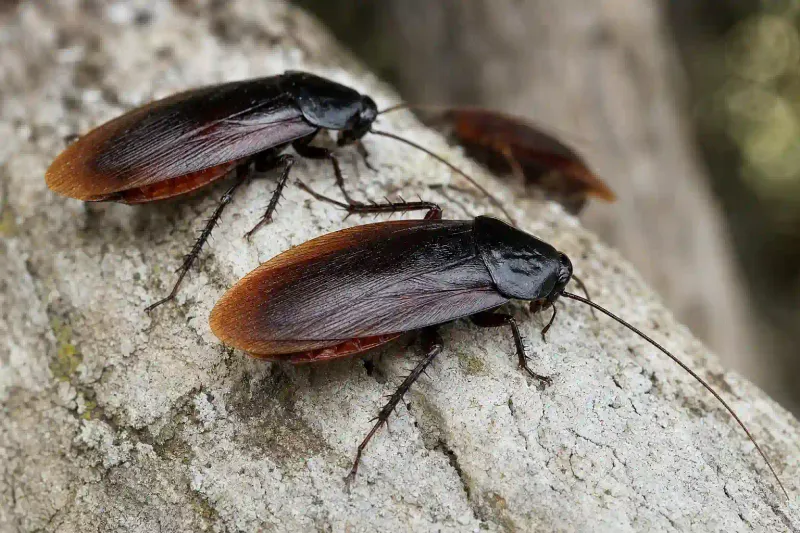
Big pest problems do not always need big solutions. Smokybrown roach activity around your yard often responds well to small, consistent habits.
Changing a few things you already do can shift conditions enough to matter.
Start with your outdoor lighting. Roaches and the insects they feed on are drawn to bright white lights at night.
Switching to yellow or amber bulbs near entry points reduces that attraction. It is a minor swap with a practical payoff.
Store firewood away from your house. Wood piles stacked against an exterior wall give roaches a warm, sheltered spot just feet from your door.
Moving firewood at least 20 feet away removes one more harborage point from near your home.
Check your outdoor trash cans regularly. Unsecured lids and food residue inside bins attract roaches.
Rinsing bins and using tight-fitting lids cuts down on the food sources that bring roaches closer to your living space.
Fixing outdoor water leaks matters too. A dripping spigot or a cracked irrigation line keeps soil wet in one spot constantly.
That persistent moisture is exactly what smokybrown roaches seek out.
None of these steps alone will solve a serious roach problem. Used together, though, they create yard conditions that are noticeably less roach-friendly over time.