This Is The Next Step For Confederate Jasmine After Flowering Ends In Georgia
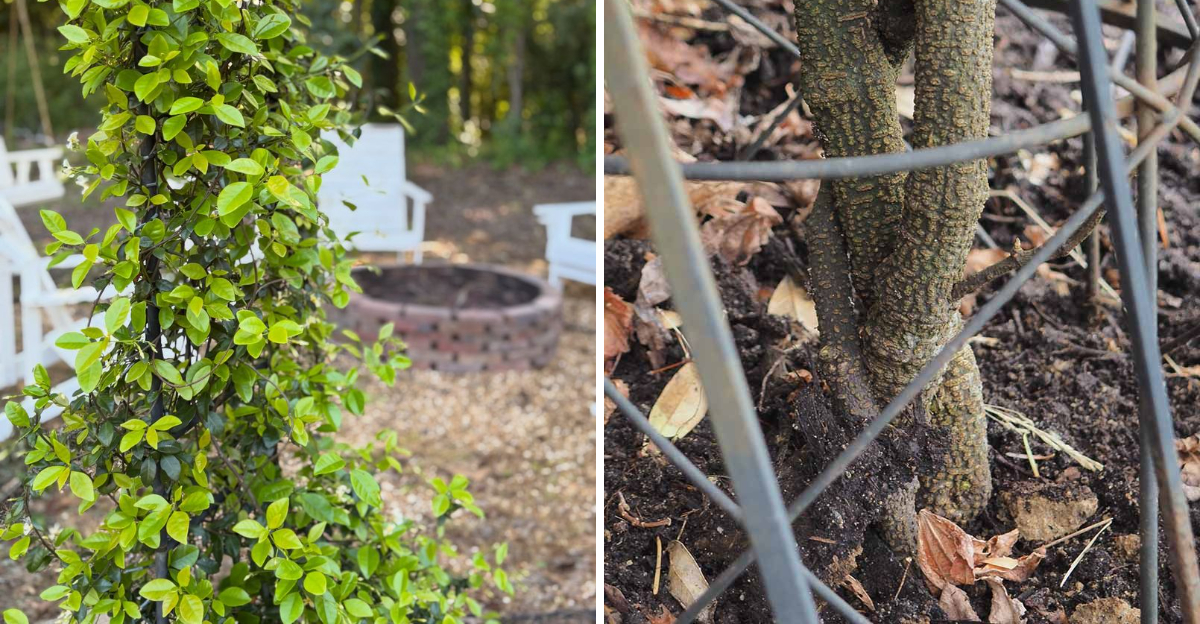
Once Confederate jasmine finishes flowering, it can quickly turn into a mass of long, wandering vines. That change is your signal to give the plant some well-timed attention.
In Georgia, this vigorous climber has plenty of growing time left after its fragrant display fades. What you do next can influence how tidy and manageable it stays.
Do not simply ignore those stretching stems until they become harder to control. This is a useful moment to look closely at the plant’s shape.
A little attention now can guide fresh growth without turning the job into a major project. The key is knowing which task belongs after flowering.
Timing matters because Confederate jasmine follows its own seasonal rhythm. Working with that pattern makes routine care much easier.
Your vine has finished its show, but its season is far from over.
1. Give Confederate Jasmine A Light Trim After Flowering
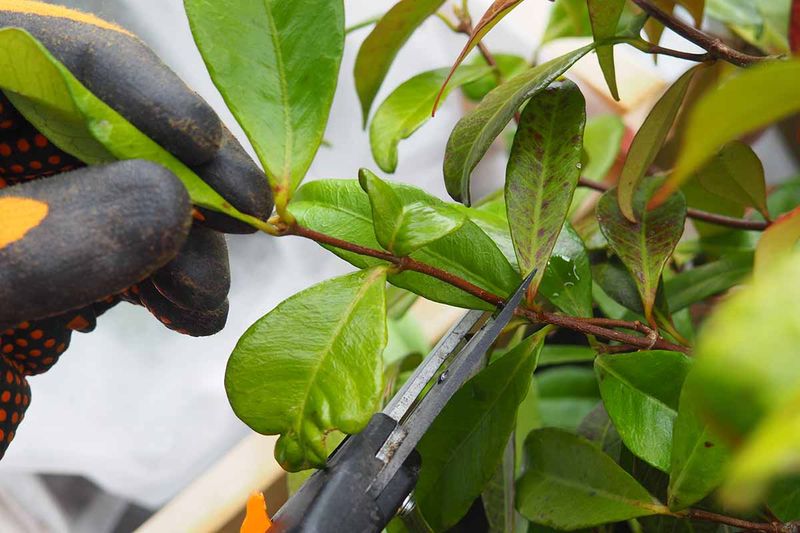
Right after the last blooms drop, grab your hand pruners and get moving. A light trim at this stage sets the whole plant up for a stronger growing season ahead.
Post-bloom pruning is not about cutting the plant back hard. Just snip off the tips of branches that look scraggly or stretched out.
Removing spent flower clusters also helps the plant stop spending energy on seed production.
Focus on the outer edges of the vine where growth tends to get loose and floppy. A few well-placed cuts can reshape the plant without stressing it too much.
Pruning right after flowering works well because the plant has not yet started pushing strong new growth for summer. Catching it at this stage gives new shoots a better chance to fill in evenly.
Clean cuts heal faster than torn or jagged ones. Sharp blades matter more than most people realize, so wipe your pruners down before you start.
Dull tools can crush stems instead of cutting them cleanly, which makes recovery slower.
Timing matters in Georgia’s climate. Summers heat up fast, so finishing your trim before intense heat arrives gives the vine time to bounce back while temperatures are still manageable.
A light touch now pays off through the rest of the season.
2. Start With Long And Unruly Stems
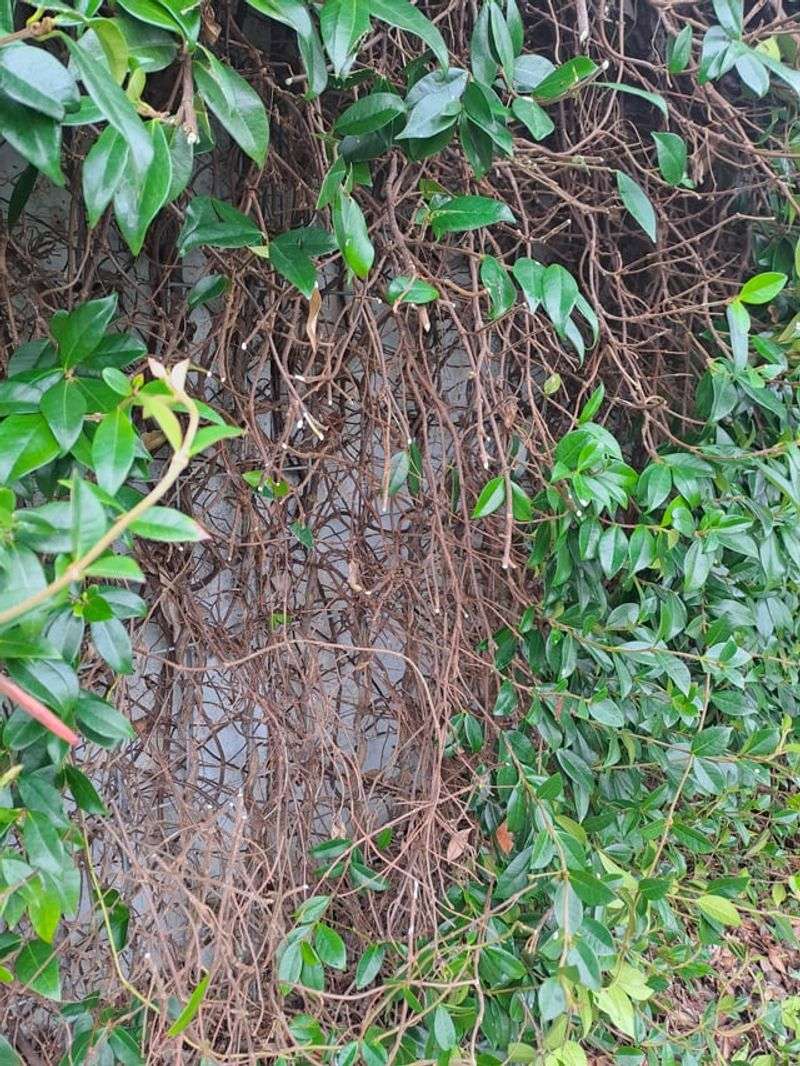
Long, wild stems are the first thing worth tackling after your jasmine finishes blooming. Skipping them means the plant gets messier and harder to manage as summer moves along.
Look for stems that have stretched well beyond the main body of the plant. These are usually the ones flopping off fences or hanging down awkwardly from trellises.
Cutting them back to a more reasonable length helps the whole vine look tidier without removing too much.
Not every long stem needs to go. Some of them are still firmly attached and growing in a good direction.
Use your judgment and only remove the ones that are clearly out of place or headed somewhere unhelpful.
Pulling on stems before cutting is a bad idea. Confederate jasmine can grab onto nearby plants, gutters, or siding without you noticing.
Your Georgia Garden Changes Every Week. Your Plan Should Too.
Gardening in Georgia changes quickly throughout the season. Every Friday you’ll receive a simple weekly plan showing exactly what to plant, prune, fertilize, harvest, and protect so you never miss the right timing.
Gently trace each stem before snipping so you know exactly where it ends.
Once the longest stems are handled, step back and look at the overall shape. Unruly growth often masks a solid, healthy structure underneath.
Clearing away the excess reveals what you are actually working with.
In Georgia’s humid summers, dense tangled growth can trap moisture and encourage fungal issues. Thinning out the longest stems now improves airflow before the hottest months arrive, which tends to keep the plant in better condition overall.
3. Remove Crowded Growth To Make More Space
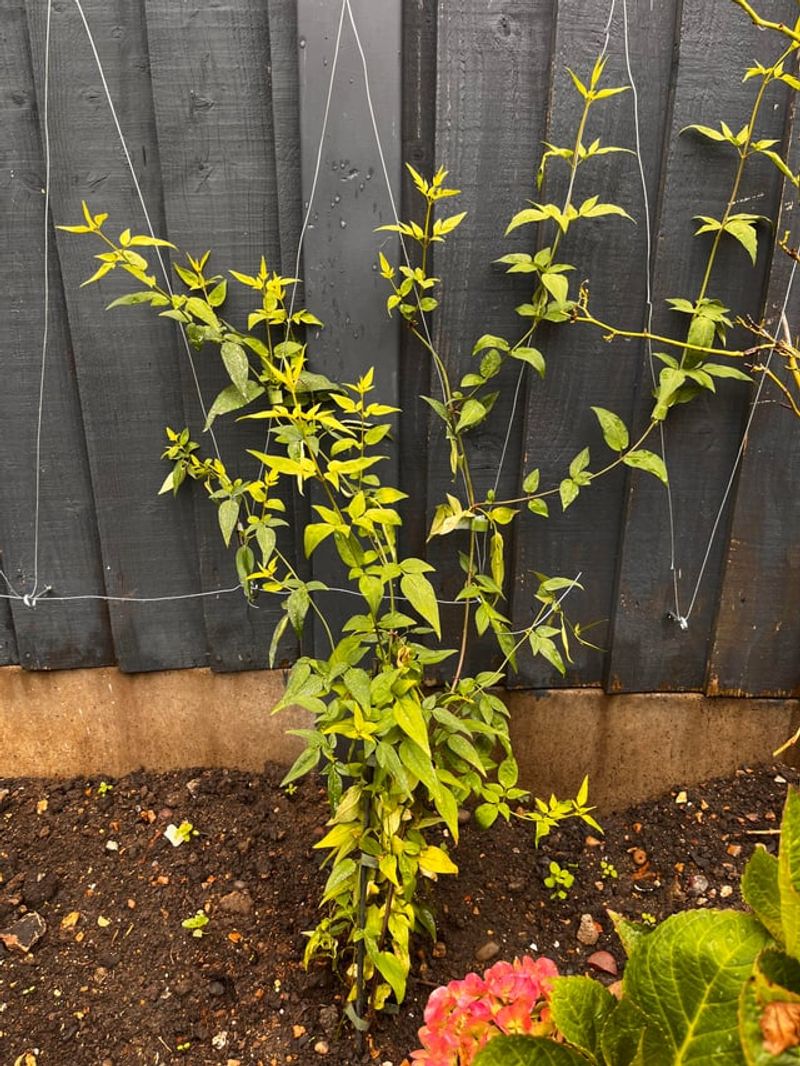
Crowded vines are a real problem that sneaks up on you. When stems pile on top of each other, airflow drops and the whole plant becomes more vulnerable to issues down the line.
After blooming ends, push aside the outer layer of the vine and look at what is happening inside. Thick clusters of crossing stems and old woody growth are exactly what you want to thin out.
Removing these opens the plant up without changing its overall size much.
Crossing stems rub against each other as they grow. That constant friction can damage the outer layer of the stem over time.
Cutting out the worst offenders now prevents that kind of wear from becoming a real problem later.
Crowded growth also makes it harder for light to reach the inner part of the plant. Stems that stay in low-light conditions tend to stay weak and rarely bloom well the following season.
Opening things up gives those inner shoots a fighting chance.
Work slowly when thinning crowded areas. Confederate jasmine stems can be brittle in spots, especially older woody sections.
Rushing through this step often leads to accidentally snapping stems you actually wanted to keep.
Thinning out crowded growth is especially useful heading into a Georgia summer. Better airflow through the vine helps manage the humidity that builds up during the warm months ahead.
4. Put Loose Vines Back On Their Support
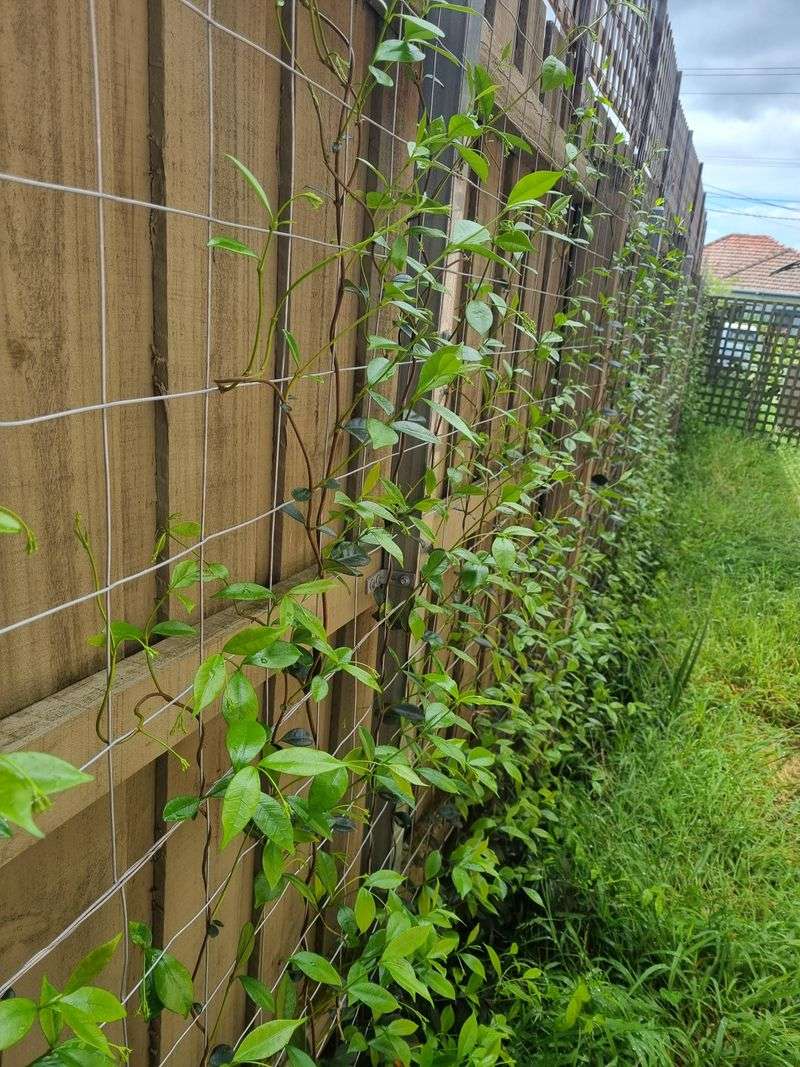
Blooming season is hard on a vine. By the time flowering wraps up, plenty of stems have likely slipped off their support or grown in directions you never intended.
Walk the full length of your trellis, fence, or pergola and look for vines that have come loose. Gently guide them back into place before they get any longer.
Loose stems that drag on the ground are more likely to pick up soil-borne issues or get stepped on.
Soft garden ties work well for reattaching stems without cutting into the bark. Zip ties and wire can be too rigid and may cause damage as the stem grows thicker over time.
Stretchy plant tape or strips of old cotton fabric are easy, affordable options.
Attach stems loosely enough that the vine has a little room to move. Tying too tightly restricts growth and can leave marks on the stem.
A snug but gentle hold is the goal.
Check the support structure itself while you are at it. Posts shift, nails pull loose, and wooden trellises can warp over a wet winter or spring.
Fixing the support now is much easier than doing it after the vine has grown back over everything.
Redirecting growth at this stage also shapes the plant for next year’s blooms. Stems trained along a support tend to produce more flower buds than ones left to sprawl freely on the ground.
5. Avoid Cutting Too Much At Once
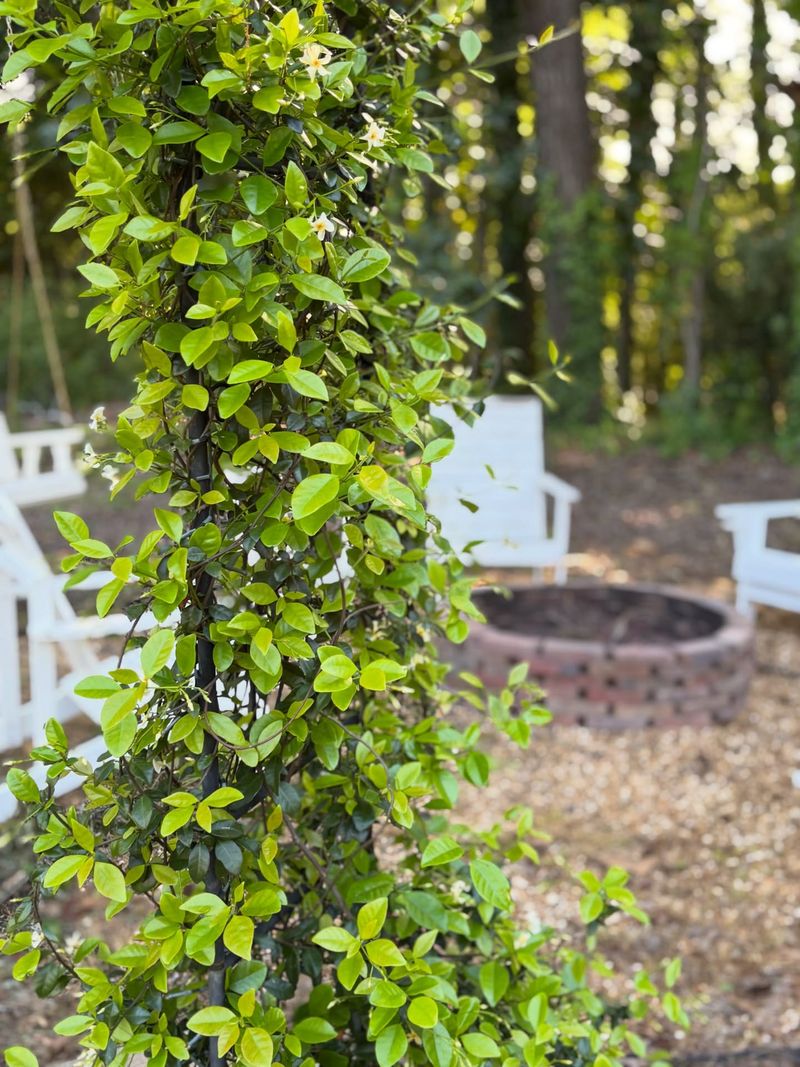
Heavy pruning right after blooming can set the plant back more than most people expect. Confederate jasmine needs its leaves to keep producing energy through summer, so removing too much foliage at once puts real strain on the plant.
A general rule of thumb is to avoid removing more than about one-third of the plant at any single session. Going beyond that can leave the vine struggling to recover, especially as summer heat builds.
Patience matters here. If the plant needs significant reshaping, spread that work across a few weeks rather than doing it all at once.
Giving the vine time to adjust between sessions tends to produce better results than one aggressive cut.
Stems that look slightly rough or sparse are not necessarily worth removing. Confederate jasmine often sends out new growth from older-looking wood.
Cutting those stems prematurely can remove potential growth points you did not know were there.
Overcutting is an easy mistake to make when a vine looks overgrown. The urge to clean everything up in one afternoon is understandable, but restraint usually leads to a healthier plant by fall.
Watch the plant for a week or two after trimming. New growth emerging from the cut points is a good sign that the vine is recovering well.
If growth seems slow, hold off on any additional cuts until conditions improve.
6. Water Thoroughly After Trimming
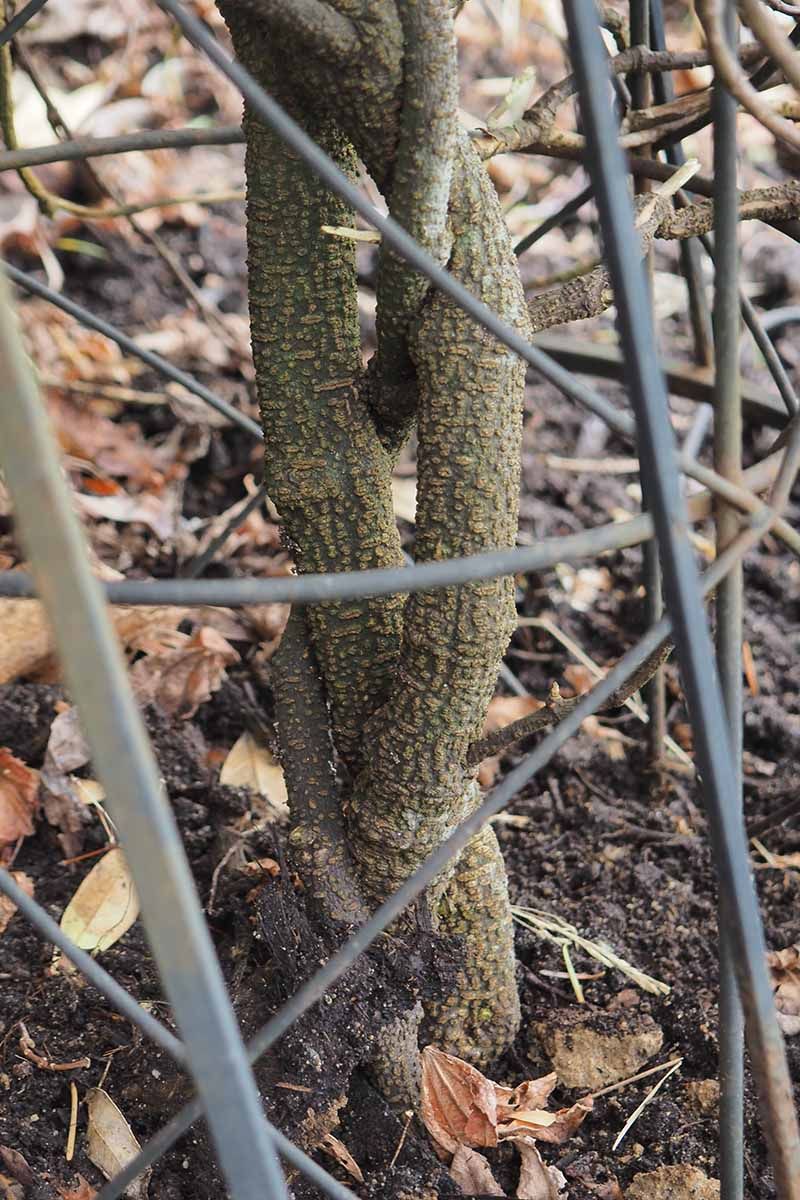
Pruning puts stress on any plant, and Confederate jasmine is no different. A good deep watering right after you finish trimming helps the vine recover faster and start pushing out new growth.
Shallow watering is not enough after a trim. Aim to soak the soil several inches deep so the roots get access to moisture well below the surface.
A slow, steady stream at the base of the plant works better than a quick spray from a distance.
Frequency depends on your soil type and recent rainfall. Sandy soils drain faster and may need watering every few days during dry stretches.
Clay-heavy soils hold moisture longer, so letting the top layer dry slightly before watering again can prevent sitting water around the roots.
Avoid watering the leaves directly, especially in the afternoon. Wet foliage in hot weather can encourage fungal problems that are harder to manage once they take hold.
Mulching around the base of the plant right after watering helps retain soil moisture longer. A two to three inch layer of organic mulch keeps the root zone cooler and reduces how often you need to water during warm months.
Consistent moisture in the weeks after pruning supports healthy regrowth. A vine that gets enough water bounces back more quickly and tends to produce stronger new stems heading into the rest of the growing season.
7. Skip Heavy Feeding Right After Blooming
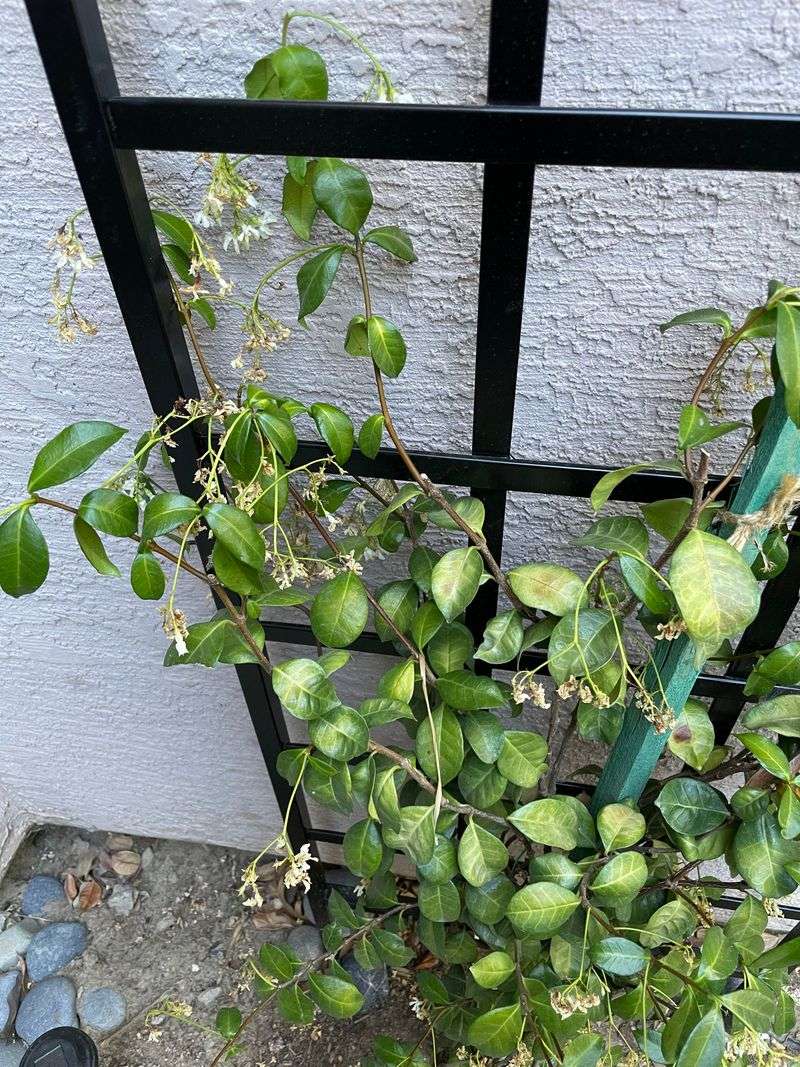
Fertilizing right after your jasmine finishes blooming might seem like a good idea, but heavy feeding at this stage can cause more trouble than it solves.
A burst of nitrogen too soon pushes fast, soft new growth that may not harden off well before summer heat peaks.
Soft new growth is more susceptible to pest pressure and environmental stress. Letting the plant settle for a few weeks before feeding gives the stems time to firm up naturally after the energy spent on flowering.
If you want to feed, a light application of a balanced slow-release fertilizer is a reasonable option. Something with roughly equal parts nitrogen, phosphorus, and potassium is less likely to push lopsided growth than a high-nitrogen formula.
Avoid heavy granular fertilizers applied directly against the base of the stems. Fertilizer burn on roots is a real concern, especially in warmer soil.
Keeping applications a few inches away from the main stem helps reduce that risk.
Soil quality plays a big role in how much supplemental feeding Confederate jasmine actually needs. In Georgia, many garden soils are rich enough that established vines do not need much fertilizer at all during the growing season.
When in doubt, hold off. An established vine that looks healthy and is producing solid new growth likely has enough nutrients already.
Feeding is most useful for younger plants or vines growing in noticeably poor soil.
8. Let New Growth Fill In Naturally
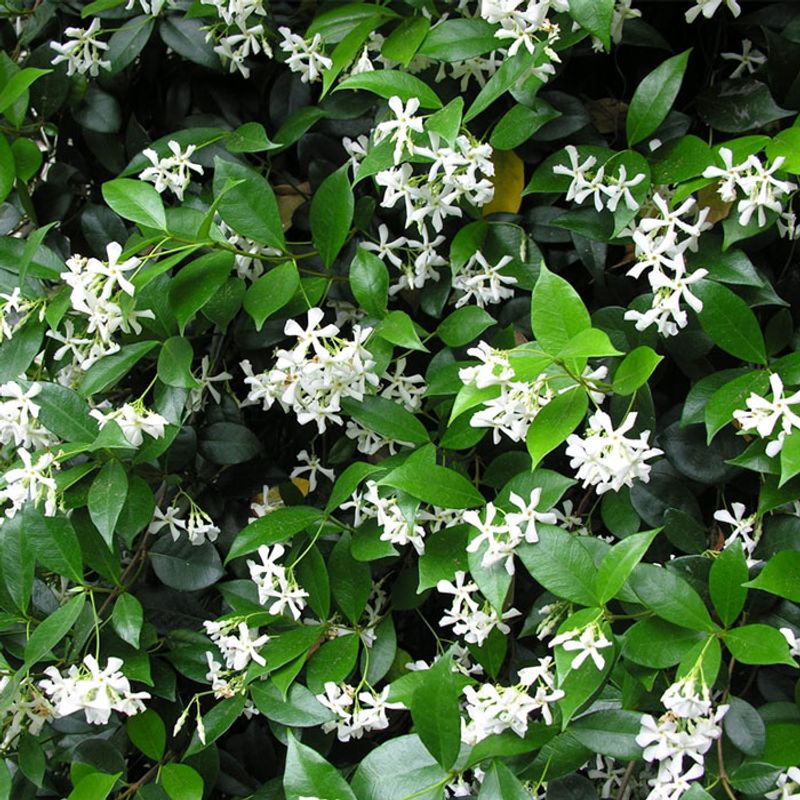
After you have trimmed, watered, and tidied up the vine, the best thing you can do is step back and let the plant do its thing. Confederate jasmine is a vigorous grower, and new growth typically shows up on its own without much encouragement.
Resist the urge to keep adjusting or cutting as new stems emerge. Repeated interruptions slow the plant down and prevent it from establishing a strong new flush of growth.
Give it a few weeks of uninterrupted time to push out fresh shoots.
New growth on Confederate jasmine tends to come in quickly during the warm months that follow blooming. Stems can extend noticeably within just a few weeks under good conditions.
Watching that happen is one of the more satisfying parts of growing this vine.
Some areas of the plant may fill in faster than others. That is completely normal.
Older wood sometimes takes longer to respond than younger, more flexible stems. Uneven regrowth usually sorts itself out over the course of a season.
Keep an eye on new growth without hovering over it. Check for any stems that start growing in a problematic direction and gently redirect them before they get too long.
By late summer across Georgia, a well-tended vine should look noticeably fuller and more structured than it did right after blooming ended. Consistent, hands-off patience is genuinely one of the most useful tools a gardener has.