Georgia Homeowners Are Finding This Invasive Shrub At Their Property Lines And Most Have No Idea
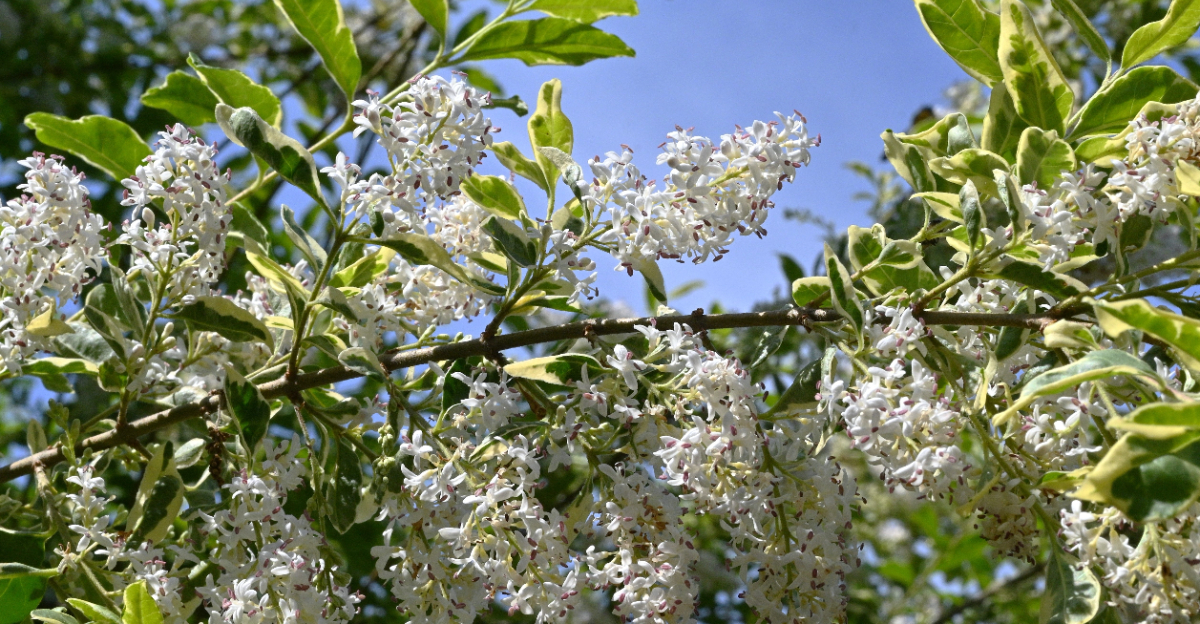
Property lines have a way of hiding surprises. A shrub can sit quietly along a fence row or wooded edge for years without attracting much attention.
It blends into the background, grows a little larger each season, and eventually becomes part of the landscape that nobody thinks twice about.
The problem is that not every plant growing along a property boundary belongs there. Some spread slowly enough to avoid notice at first.
By the time they stand out, they may already be established in several places and much harder to remove. That is one reason certain invasive plants continue showing up in unexpected locations.
In Georgia, a particular shrub is appearing along property lines often enough to catch the attention of landowners, gardeners, and landscape professionals.
Many people walk past it without realizing what it is.
Others mistake it for a harmless native plant. Knowing how to recognize it can prevent a much bigger problem later on.
1. Chinese Privet Spreads Quickly Beyond Yard Boundaries
Walk your fence line right now. Chances are, something is already growing there that you did not plant.
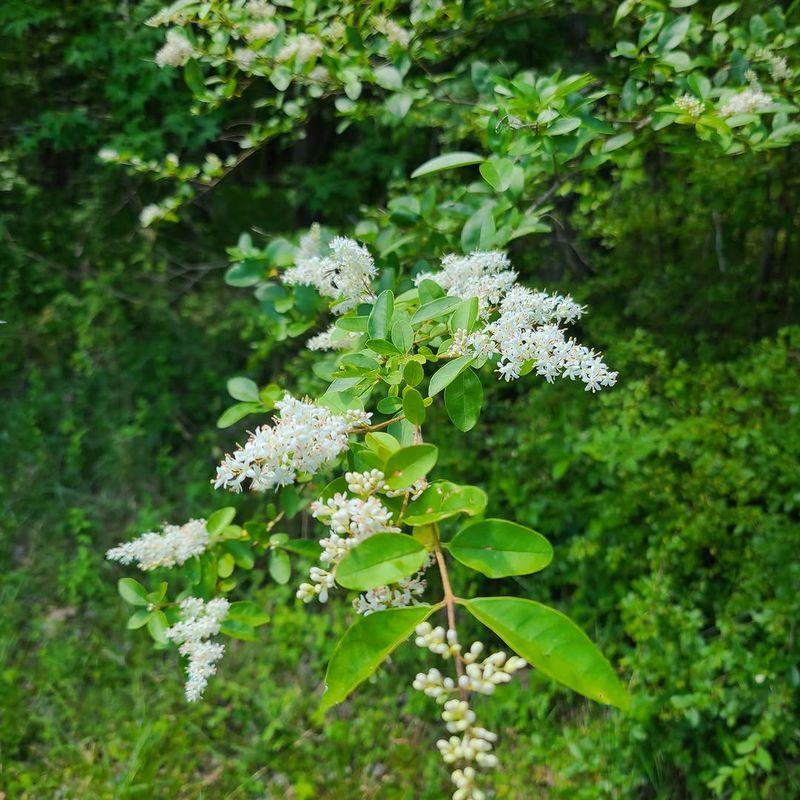
Chinese privet is showing up on property edges all across the South, and most homeowners never notice it until the shrub is already well established.
Privet grows fast. Under decent conditions, it can put on several feet of new growth in a single season.
It does not need rich soil, full sun, or regular water to thrive. Disturbed ground near fence lines, drainage areas, and shaded edges gives it exactly what it needs.
It spreads both underground and above. Root systems expand laterally while seeds drop and sprout nearby.
Within a few seasons, what looked like a single shrub becomes a wall of dense green growth stretching along your entire property line.
Neighbors often have no idea the shrub is spreading from their side either. Privet does not respect boundaries.
It moves from yard to yard, lot to lot, without any help from the homeowner.
Catching it early is the best move. Younger plants are easier to remove and have not yet built deep root systems.
Waiting even one full season gives the shrub more time to anchor itself and branch outward.
2. Birds Help Carry The Seeds Into New Areas
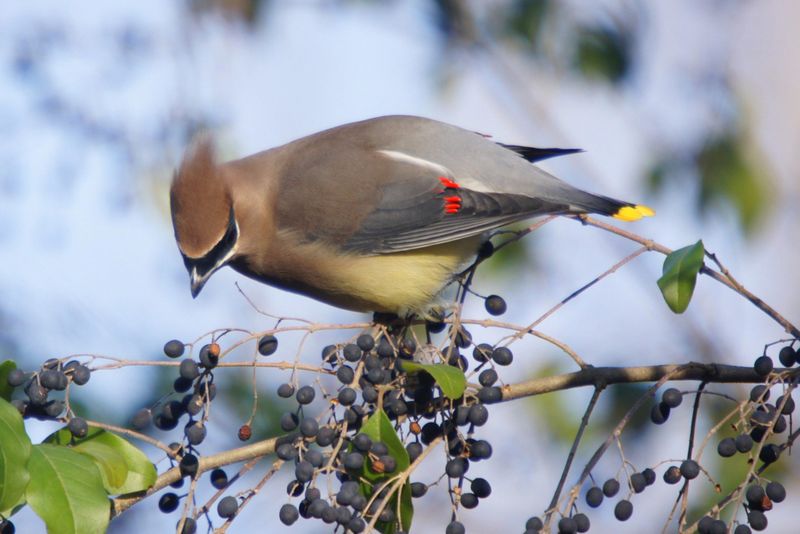
Birds are doing something helpful for themselves and harmful for your yard at the same time. When Chinese privet produces its small dark berries in late fall, birds eat them eagerly.
Seeds pass through undigested and get dropped in new locations, sometimes far from the original plant.
A single shrub can produce hundreds of berries in one season. Mockingbirds, robins, cedar waxwings, and starlings are among the most common visitors.
They move quickly through a yard and leave seeds scattered across a wide area before you even realize what happened.
Seeds dropped near fence lines, under trees, or along creek edges sprout when conditions are right. Moist soil and partial shade give them a strong start.
Once sprouted, seedlings blend in easily with other low vegetation and often go unnoticed for months.
Your Georgia Garden Changes Every Week. Your Plan Should Too.
Gardening in Georgia changes quickly throughout the season. Every Friday you’ll receive a simple weekly plan showing exactly what to plant, prune, fertilize, harvest, and protect so you never miss the right timing.
Privet berries are not safe for people or pets, so resist any urge to leave fruiting shrubs in place thinking they provide good wildlife value. Native berry-producing shrubs offer birds the same food source without the invasive spread.
Removing fruiting privet before berries fully ripen cuts off the seed supply. Bag clippings carefully and do not compost them.
Even clipped branches with berries can still drop viable seeds if left on the ground.
3. Dense Thickets Can Crowd Out Native Plants
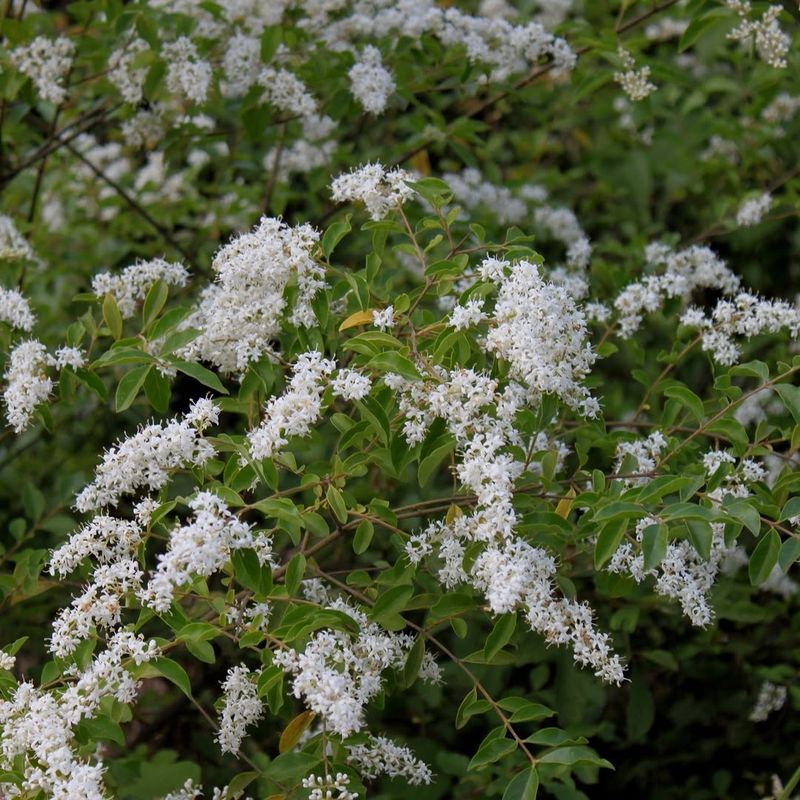
Privet does not share space. Once it establishes in an area, it shades out lower-growing native plants and outcompetes them for moisture and nutrients.
Wildflowers, native ferns, and young tree seedlings all struggle to survive underneath a dense privet canopy.
Leaf litter from privet breaks down differently than native leaf litter. It changes soil chemistry in ways that favor the privet itself and make conditions harder for native species to recover even after the shrub is removed.
Restoration after heavy privet invasion takes real effort and time.
Woodland edges and creek banks are especially vulnerable. These are the spots where native understory plants like spicebush, beautyberry, and native viburnums would naturally grow.
Privet moves in fast and crowds them out before they have a chance to establish.
Property owners sometimes mistake a dense privet thicket for a natural hedgerow. It looks green and full, so it seems fine.
But underneath that wall of leaves, the native plant community has often been completely replaced.
Restoring an area after privet removal means replanting with native species suited to that specific light and moisture condition. Bare ground left behind after removal will not stay bare.
Something will fill it. Planting intentionally with natives gives those plants a head start over whatever else might try to move in.
Acting quickly after removal is just as important as the removal itself.
4. The Shrub Can Be Difficult To Remove Once Established
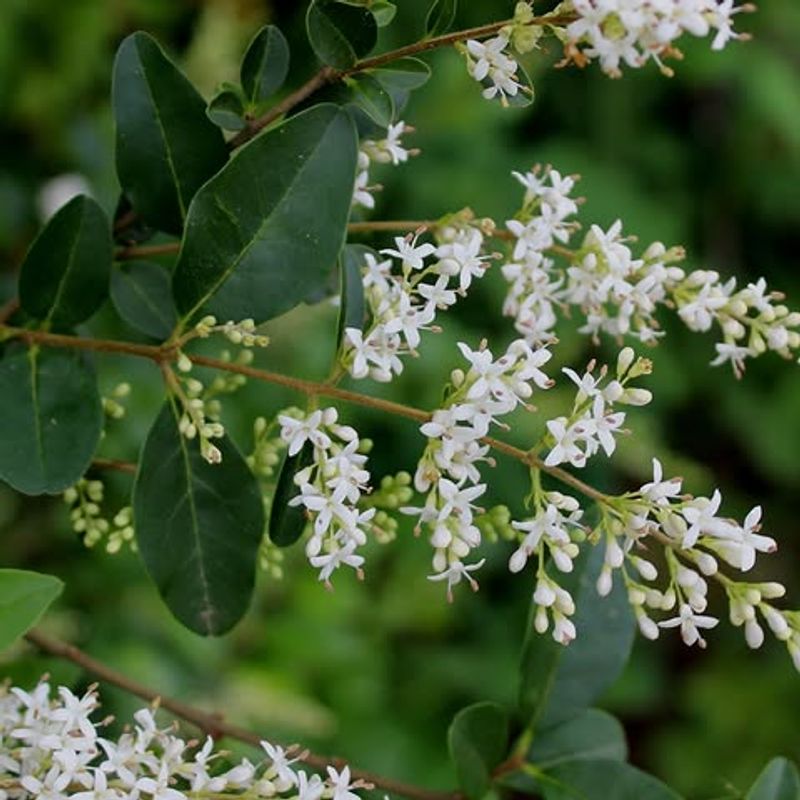
Pulling a small privet seedling takes about ten seconds. Dealing with an established shrub that has been growing for three or four years is a completely different situation.
Roots go deep and wide. Stems get woody and thick.
A hand trowel will not cut it at that stage.
Cutting privet at the base without treating the stump almost always leads to regrowth. New sprouts emerge from the root crown within weeks.
Some homeowners cut the same shrubs back repeatedly over several seasons without ever fully removing them because the roots are still alive underground.
Mature privet can develop multiple trunks branching from a single root system. Removing all of them at once while also addressing the root is the only reliable approach.
Leaving even one trunk behind gives the plant enough energy to bounce back quickly.
Digging out the root ball works well for younger established plants. For larger, older shrubs, a combination of cutting and stump treatment is often more practical.
Consulting your local cooperative extension office can help you understand what options are approved and appropriate for your specific situation.
Timing removal correctly also helps. Late winter or early spring, before the plant leafs out fully, is a good window.
Roots have less stored energy at that point.
5. Small Seedlings Are Easier To Manage Early On
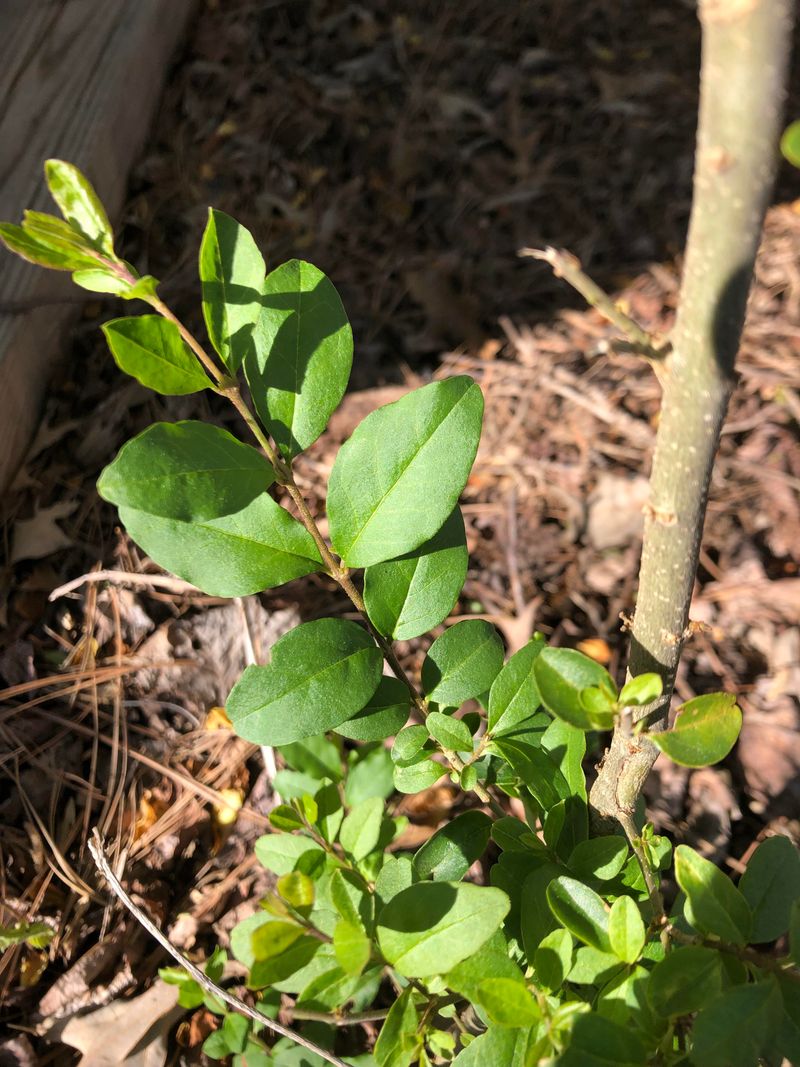
Catching privet early is one of the biggest advantages a homeowner can have. Seedlings in their first season have shallow roots and come out of the ground with minimal effort.
A quick pull after rain, when soil is soft, removes the whole plant cleanly.
Young privet looks similar to several other common shrubs. Oval, glossy leaves and a slightly waxy surface are good clues.
Seedlings often appear in shaded spots near fence lines, under trees, or along edges where birds perch and drop seeds.
Check these areas in spring and again in early fall. Two scouting passes per year is usually enough to catch new seedlings before they become a bigger problem.
Keeping a small hand tool nearby while doing yard work makes it easy to pull them on the spot.
Do not leave pulled seedlings on the ground. Even small plants with berries can still drop viable seeds after being uprooted.
Bag them up and put them in the trash rather than the compost pile.
Staying consistent over two or three years dramatically reduces the seedling count. Each year that passes without new plants establishing means fewer seeds getting dropped the following season.
Progress is real, even if it feels slow at first.
6. Repeated Cutting Is Usually Needed For Control
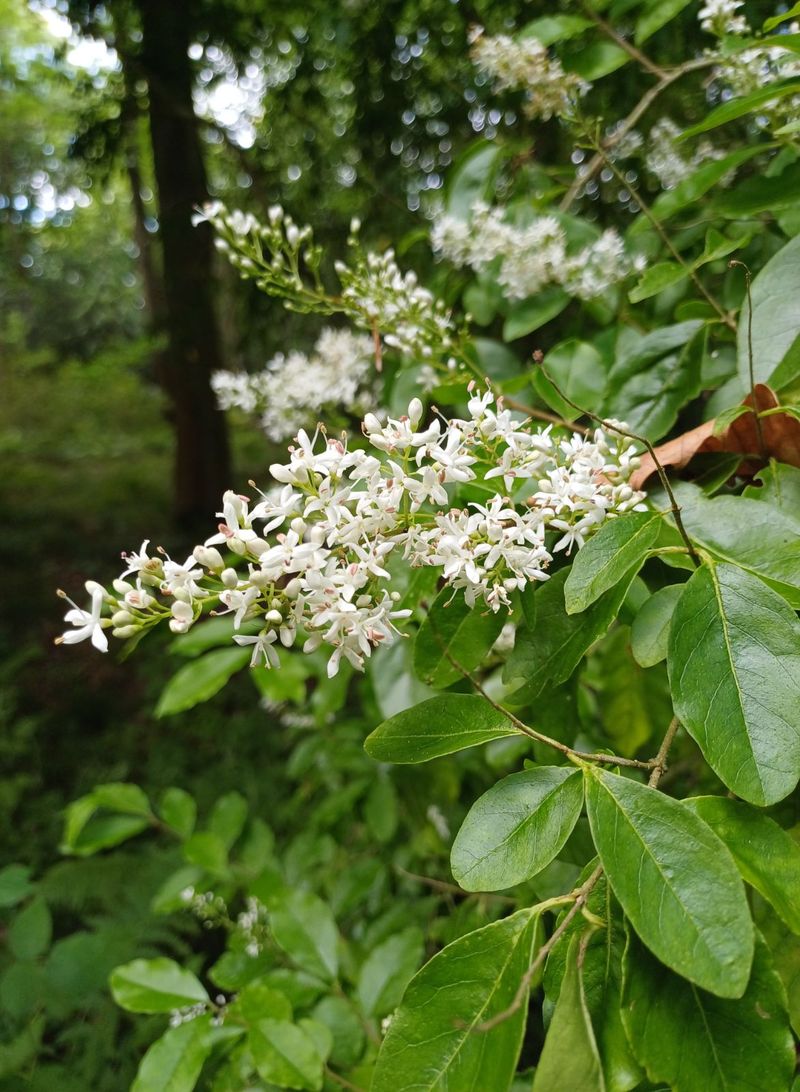
One cut is rarely enough. Privet responds to cutting by pushing out new growth from the base, often coming back thicker than before.
Homeowners who cut it once and walk away usually find a fuller, more stubborn shrub waiting for them the next season.
Consistent follow-up is what actually makes a difference. Cutting regrowth repeatedly throughout the growing season weakens the root system over time.
Each new flush of growth draws on stored energy in the roots. Keep cutting it back and eventually the plant runs low on reserves.
Use sharp loppers or a pruning saw for woody stems. Dull tools make the work harder and leave ragged cuts that take longer to address.
Wearing gloves and eye protection is a smart habit when working in dense shrub growth.
Some areas require multiple seasons of repeated cutting before regrowth slows noticeably. That timeline depends on how established the plant was and how consistently you follow up.
Skipping a season lets the plant rebuild energy and sets the process back considerably.
A practical approach is to schedule cutting sessions every six to eight weeks during the active growing season. Mark it on a calendar so it does not get forgotten.
Treating it like any other seasonal yard maintenance task makes it easier to stay on track.
7. Native Alternatives Can Fill The Same Landscaping Role
Privet got popular as a hedge plant for a reason. It grows fast, stays dense, and provides good privacy.
But native shrubs can do the same job without the invasive spread, and many of them offer wildlife benefits that privet simply does not.
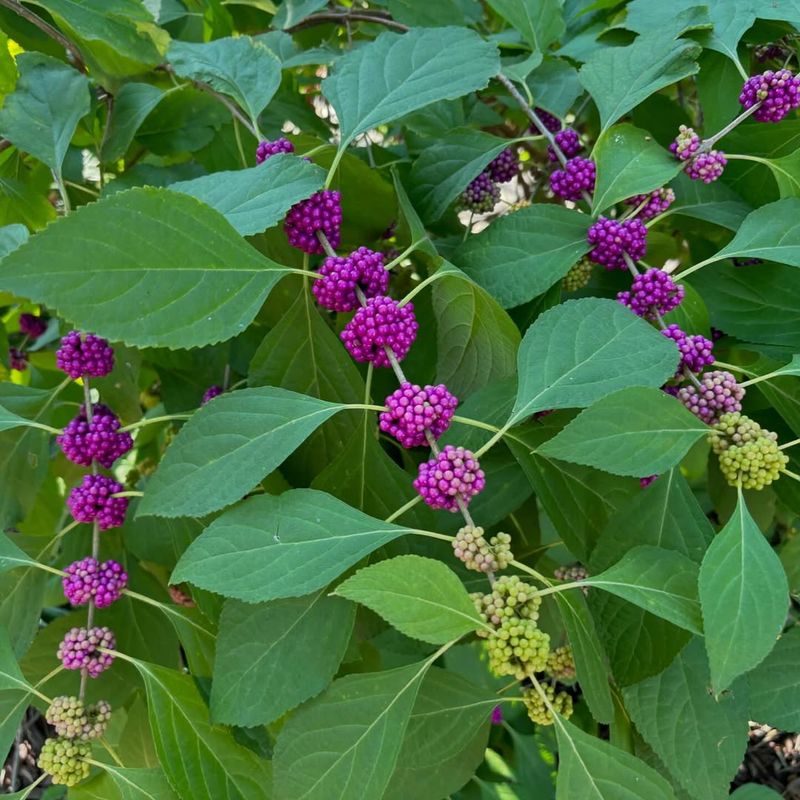
American beautyberry grows well in partial shade and produces striking purple berries in fall. Native viburnums offer dense foliage with white spring flowers and berries that birds love.
Inkberry holly stays evergreen and handles wet or dry conditions without much fuss.
Sweetshrub works well along shaded borders and produces fragrant reddish-brown flowers in spring. Native azaleas add seasonal color while supporting local pollinators.
None of these plants spread aggressively or produce seeds that birds carry into neighboring properties uninvited.
Spacing and soil prep matter when establishing native shrubs as a hedge or screen. Give plants enough room to spread naturally.
Amending soil with compost at planting time helps roots establish faster, especially in compacted or clay-heavy ground common across many parts of the region.
Replacing privet with natives is a long-term investment. Natives often grow more slowly in their first year while establishing roots.