This Native Georgia Shrub Handles Damp Garden Spots Better Than Many Popular Choices
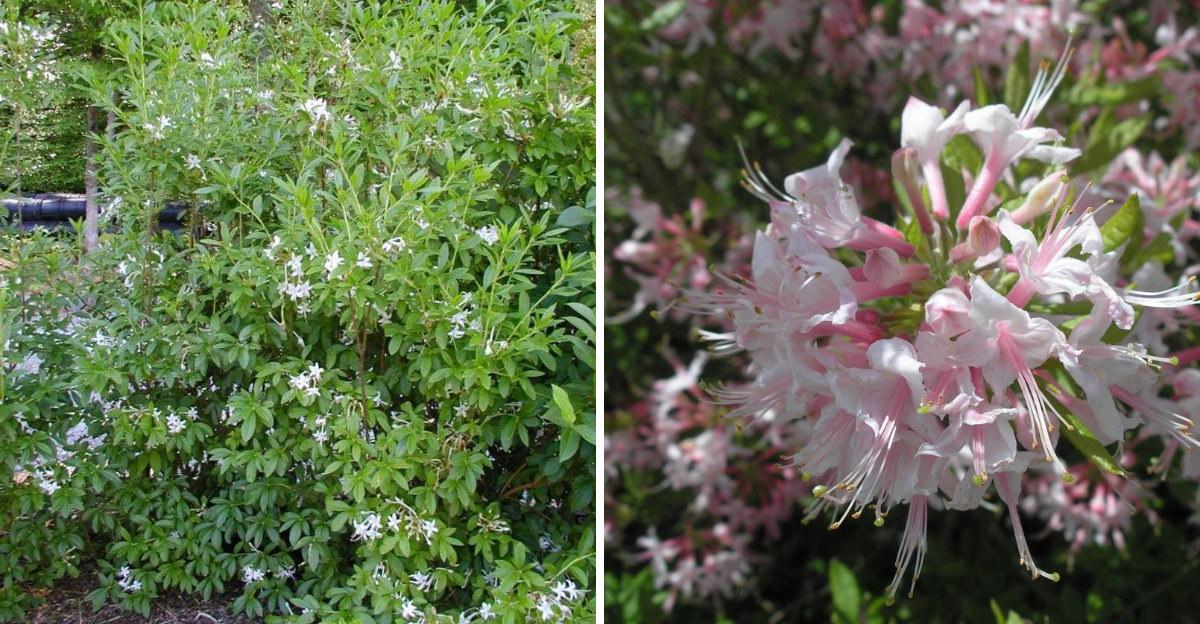
A soggy corner of your yard does not have to stay bare or become a constant gardening headache. The right shrub can turn that difficult space into something worth noticing.
Georgia gardens often have low areas where moisture lingers after rain. Many familiar landscaping favorites simply struggle when their roots stay wet for too long.
Instead of fighting those conditions, work with them by choosing a shrub naturally suited to wetter ground. One native option stands out beautifully in these challenging spaces.
It brings more than toughness to the garden, adding seasonal interest without demanding perfectly dry soil. That combination makes it especially useful around troublesome damp areas.
Before planting another familiar shrub there, consider what the location actually needs. Matching the plant to the soil can make care much easier.
Your damp garden spot may have a surprisingly attractive solution waiting.
1. Swamp Azalea Is Built For Soggy Garden Spots
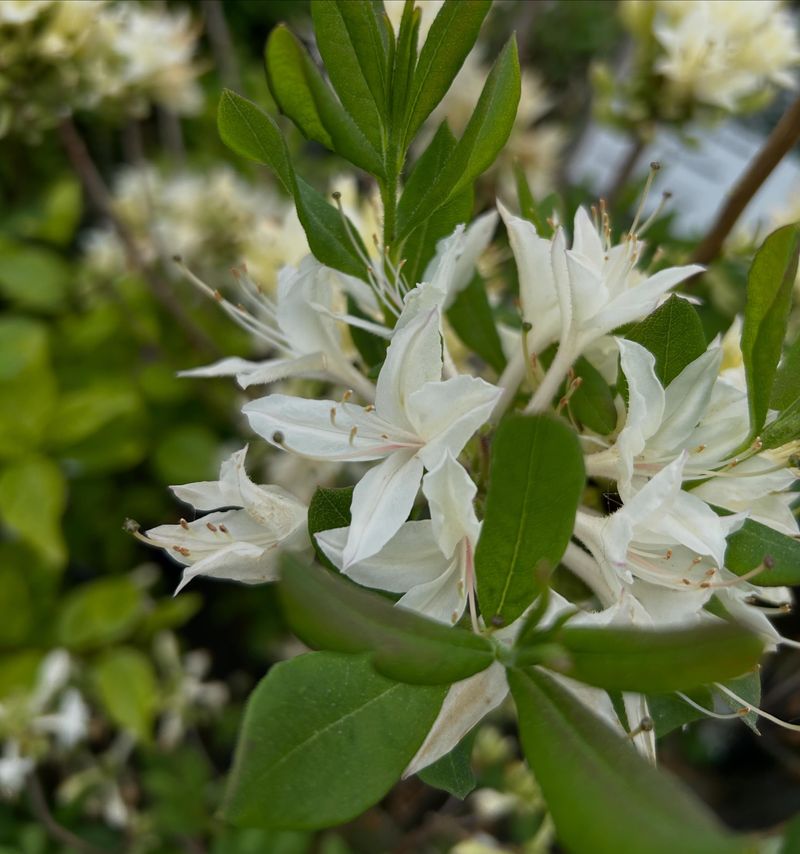
Wet ground stops most shrubs cold. Swamp azalea, known botanically as Rhododendron viscosum, was shaped by nature to handle exactly those conditions.
It grows wild along stream banks, pond edges, and low wetland areas across the eastern United States.
Most ornamental shrubs suffer when water pools around their base. Root rot sets in fast, and the plant weakens.
Swamp azalea sidesteps that problem because it evolved in naturally saturated environments over a very long time.
Gardeners in Georgia often struggle to find shrubs that perform well in low spots without extra drainage work. Swamp azalea fills that gap without demanding much intervention.
It handles periodic flooding and extended moisture far better than boxwood, loropetalum, or many other popular choices.
Planting it in a naturally wet area means working with your landscape instead of fighting it. No need to haul in extra soil or build raised beds just to keep a shrub alive.
Let the site conditions do the work for you.
Swamp azalea can reach six to eight feet tall in ideal conditions, though growth rates vary by soil and light. Its upright, open form fits naturally into rain gardens, woodland borders, and low-lying bed edges where water tends to collect after storms.
2. Its Roots Handle Moist Soil Better Than Many Shrubs
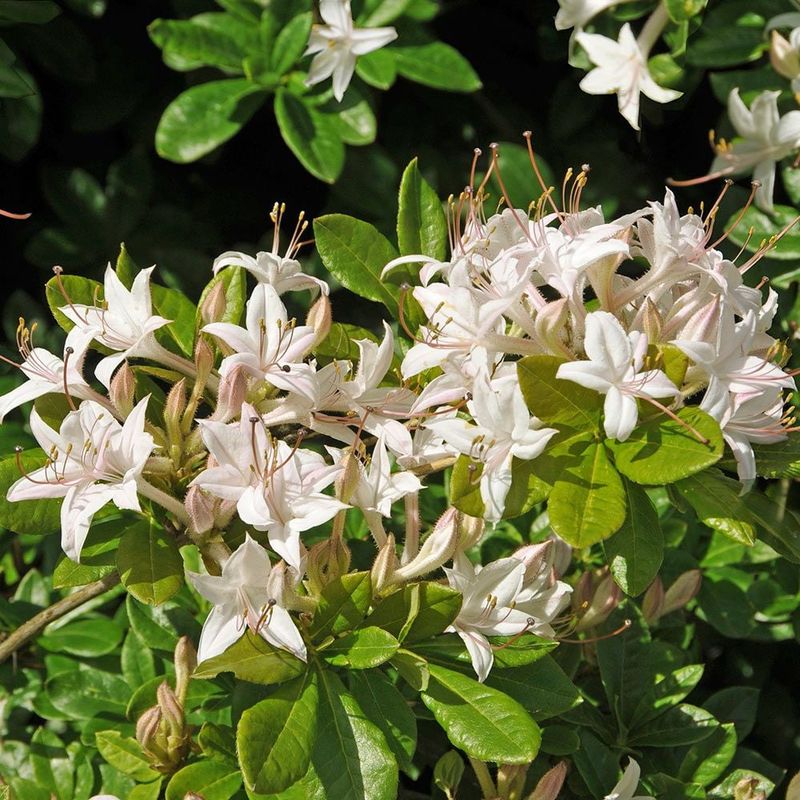
Root health is everything when soil stays wet. Swamp azalea roots are naturally adapted to low-oxygen, high-moisture soil conditions that would stress most common landscape plants within weeks.
Typical shrubs need well-drained soil because waterlogged ground cuts off the oxygen their roots depend on. Prolonged wet conditions can lead to root rot, which weakens the plant steadily.
Swamp azalea handles those same conditions with far less damage.
Its fibrous, shallow root system spreads near the soil surface. That placement lets roots access oxygen even when lower soil layers stay saturated.
It is a practical adaptation that gives the shrub a real advantage in wet spots.
Sandy loam mixed with organic matter tends to support the best root development. Heavy clay can still work, but drainage does matter even for moisture-tolerant plants.
Completely stagnant water with zero movement can still create challenges over time.
Your Georgia Garden Changes Every Week. Your Plan Should Too.
Gardening in Georgia changes quickly throughout the season. Every Friday you’ll receive a simple weekly plan showing exactly what to plant, prune, fertilize, harvest, and protect so you never miss the right timing.
Gardeners often assume any native plant will handle any wet condition without limits. Swamp azalea is tough, but it performs best in moist-to-wet soil rather than permanently flooded ground.
Knowing that difference helps set realistic expectations before planting.
Matching the right plant to the right spot reduces long-term maintenance. Swamp azalea in appropriate moist soil rarely needs much fussing once it settles in and begins to establish its root zone fully.
3. Partial Shade Can Help Swamp Azalea Thrive
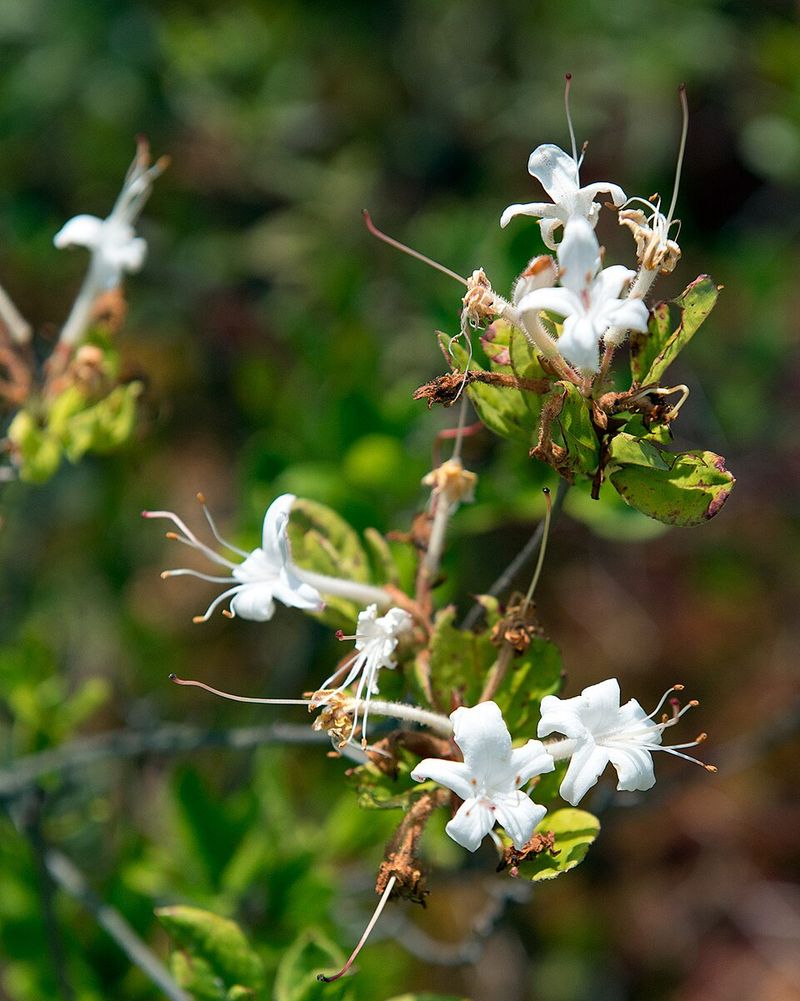
Shade gets a bad reputation in gardening circles, but swamp azalea actually welcomes it. Growing naturally under woodland canopies, this shrub is wired for filtered light rather than harsh afternoon sun.
Full sun can work in cooler parts of its range, but in the Southeast, intense summer heat combined with direct sun can stress the foliage.
Leaf scorch becomes more likely when the plant is exposed to full afternoon sun without enough soil moisture to compensate.
Partial shade, especially in the afternoon, keeps the plant cooler and reduces moisture loss through leaves. Morning sun followed by afternoon shade often produces the most consistent results in hot, humid climates like those found across Georgia.
Woodland edges make excellent planting sites. Tall pines or deciduous trees create a natural light filter that mimics the conditions swamp azalea grows in naturally.
That setup tends to produce steady growth and reliable blooming over time.
Avoid planting directly beneath dense evergreen canopies where little light reaches the ground. Too much shade limits flowering and can slow growth noticeably.
A balance between protection and adequate light gives the best outcome.
Pairing swamp azalea with taller native trees creates a layered planting that looks natural and functions well. It suits low-maintenance landscape designs that aim to work with existing site conditions rather than constantly fighting them.
4. Fragrant White Blooms Arrive Later Than Many Azaleas
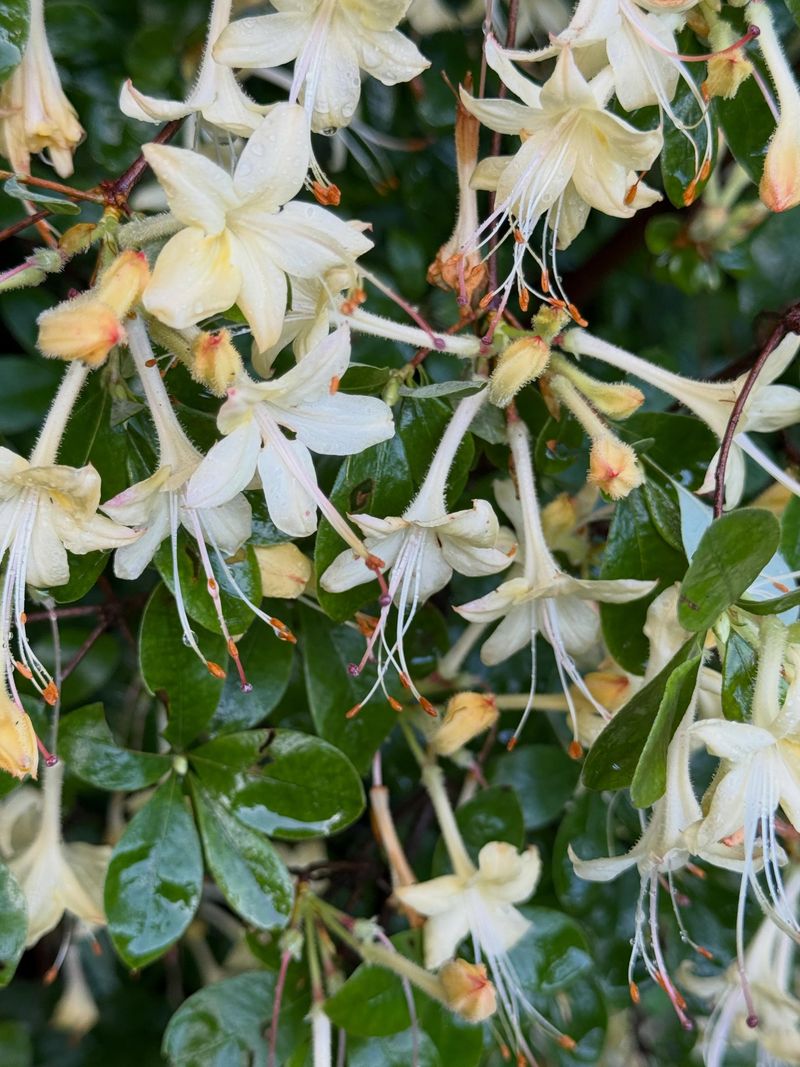
Bloom timing sets swamp azalea apart from almost every other azalea you will find at a garden center. Most azaleas peak in early spring and fade fast.
Swamp azalea waits until late spring or early summer, then delivers its flowers when few other shrubs are blooming.
White tubular flowers with long, extended stamens open in clusters. Each flower has a sticky, slightly glandular texture on the petals, which is part of what gives it the species name viscosum, meaning sticky.
That detail is easy to notice when you touch the blooms.
Fragrance is one of the strongest selling points. Swamp azalea carries a sweet, spicy scent that some people compare to cloves or honeysuckle.
It can carry on the breeze, making it noticeable even from a distance on warm evenings.
Planting it near a patio, path, or window lets you enjoy that fragrance without going far. Evening hours often bring the scent out more noticeably, especially during warm and humid conditions common in Southern summers.
Late bloom timing also benefits pollinators. Native bees, butterflies, and hummingbirds visit the flowers during a period when many other nectar sources have already faded.
That makes swamp azalea a genuinely useful plant for supporting local wildlife.
Few shrubs offer this combination of late season color, strong fragrance, and wildlife support in a package that also tolerates wet soil reliably.
5. Acidic Soil Can Make A Noticeable Difference
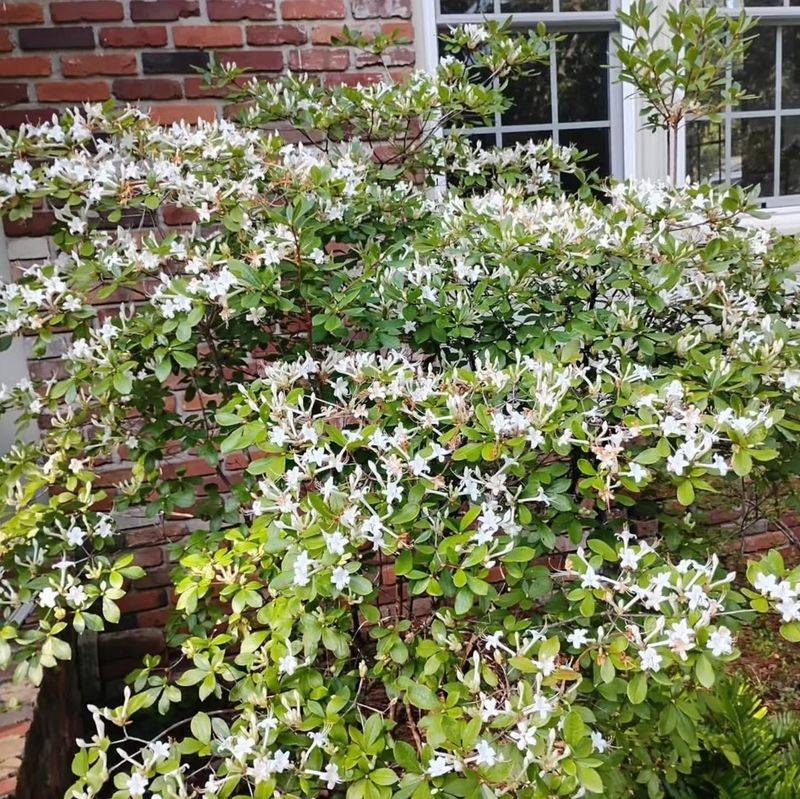
Soil pH is not just a technical detail for serious gardeners. For swamp azalea, it directly affects whether the plant thrives or just survives.
Acidic soil, somewhere between pH 4.5 and 6.0, is the sweet spot for this shrub.
Alkaline soil locks up iron and other nutrients the plant needs. Leaves may turn yellow between the veins, a condition called chlorosis, even when fertilizer is applied.
Getting the pH right often solves that problem before it starts.
Much of the Southeast naturally has acidic soil, which gives swamp azalea a built-in advantage in many yards across the region. A simple soil test, available through most county extension offices, confirms whether your site falls within the right range.
Sulfur can be worked into the soil before planting to lower pH if needed. Acidic mulches like pine bark or pine needles also help maintain lower pH levels over time as they break down slowly.
Avoid using lime near swamp azalea. Lime raises pH and can push the soil outside the range where the plant absorbs nutrients efficiently.
That small mistake can affect performance for a full growing season or longer.
Getting soil pH right before planting takes less effort than correcting problems after the fact. A quick test and a small soil amendment can make a measurable difference in how well the shrub performs over its first few years.
6. Mulch Helps Its Shallow Roots Hold Moisture
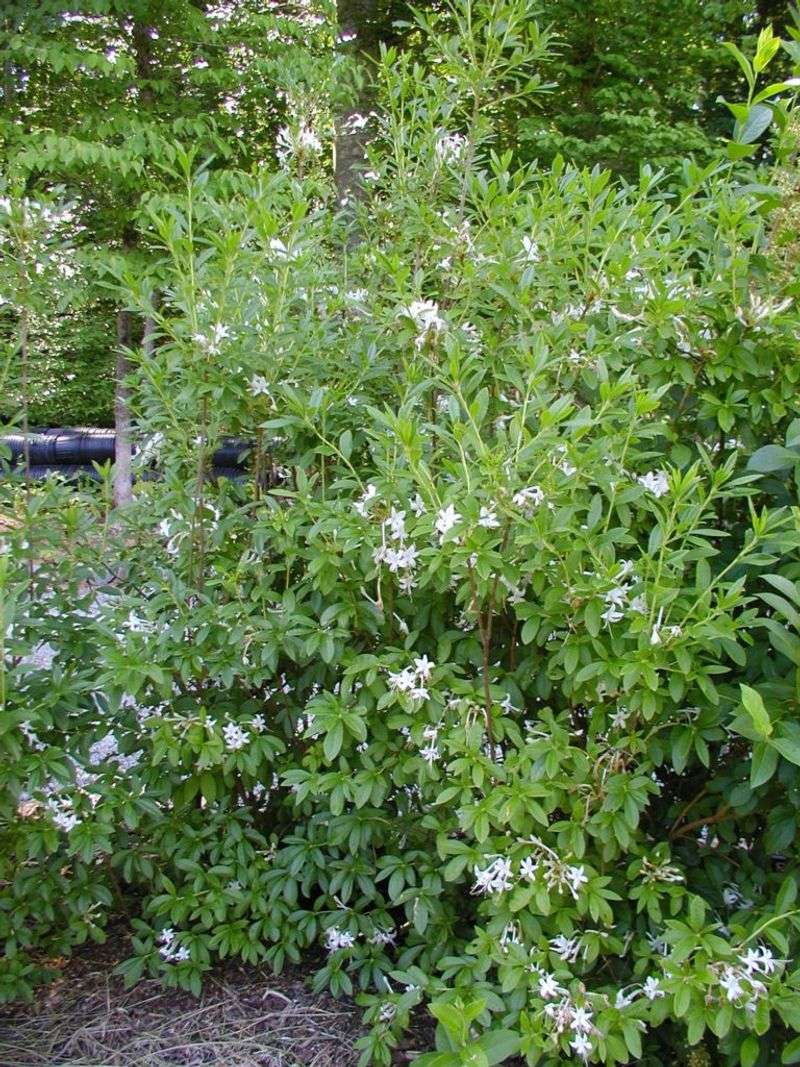
Shallow roots need protection. Swamp azalea roots sit close to the soil surface, which makes them more vulnerable to temperature swings, soil compaction, and moisture loss than deep-rooted plants.
A layer of organic mulch, two to three inches deep, insulates those roots and holds soil moisture between rain events. Pine bark, shredded leaves, or pine straw all work well and break down slowly enough to provide lasting coverage.
Keep mulch pulled back from the base of the stem. Piling it directly against the bark traps moisture against the wood and can encourage rot or pest activity over time.
A small gap of a few inches is enough to prevent that issue.
Mulch also suppresses weeds, which compete with shallow roots for water and nutrients. Fewer weeds around the base of the plant means less hand-pulling and less disturbance to the root zone during the growing season.
Refreshing mulch once a year, typically in early spring, keeps the layer functional. Over time, organic mulch breaks down and adds organic matter to the soil, which slightly improves soil structure and supports beneficial soil organisms.
Pine straw is a popular choice in Georgia yards because it is locally available and breaks down at a manageable rate. It also fits naturally into the aesthetic of woodland-style garden beds where swamp azalea looks most at home.
7. Give It Room To Form A Full Shrub
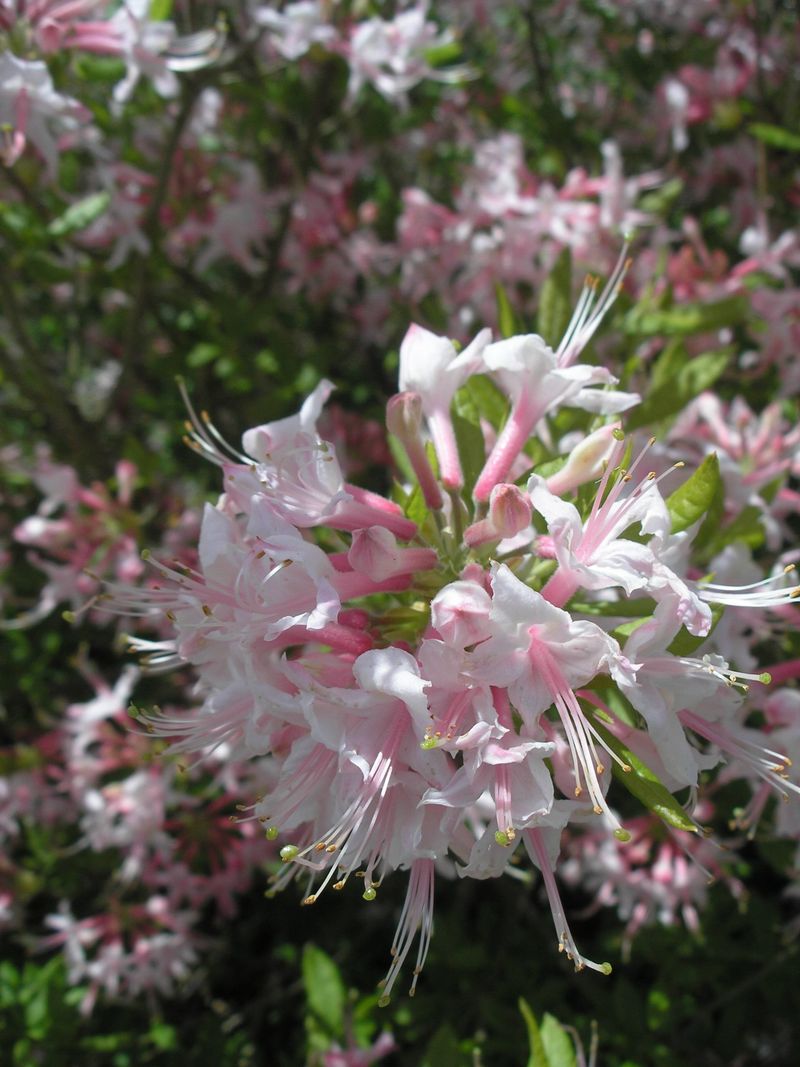
Crowding a swamp azalea is one of the most common mistakes people make with it. Planted too close to other shrubs or structures, it cannot develop its natural open, arching form without competing for light and airflow.
Mature plants can spread four to six feet wide, sometimes wider in ideal conditions. Spacing them at least five to six feet apart from neighboring plants gives each shrub room to branch outward without crowding.
That spacing also improves air circulation, which reduces fungal issues.
Pruning is rarely needed if the plant has enough room to grow naturally. Heavy pruning can actually reduce flowering, since swamp azalea sets flower buds on old wood.
Cutting back hard in late summer or fall removes buds that would have opened the following season.
Light shaping right after flowering is the safest approach if any trimming is needed.
Removing damaged or crossing branches at that time keeps the plant tidy without taking away healthy growth that can support next season’s blooms.
Natural form is part of what makes this shrub appealing. Its loose, layered branching fits beautifully into informal garden styles, rain gardens, and native plant landscapes without looking stiff or over-managed.
Giving it space from the start saves effort later. A well-placed swamp azalea in the right spot with enough room can grow into an impressive, long-lived focal point in a low-maintenance landscape across the Southeast.