The One Thing Georgia Camellia Owners Should Do In July To Protect Next Winter’s Blooms
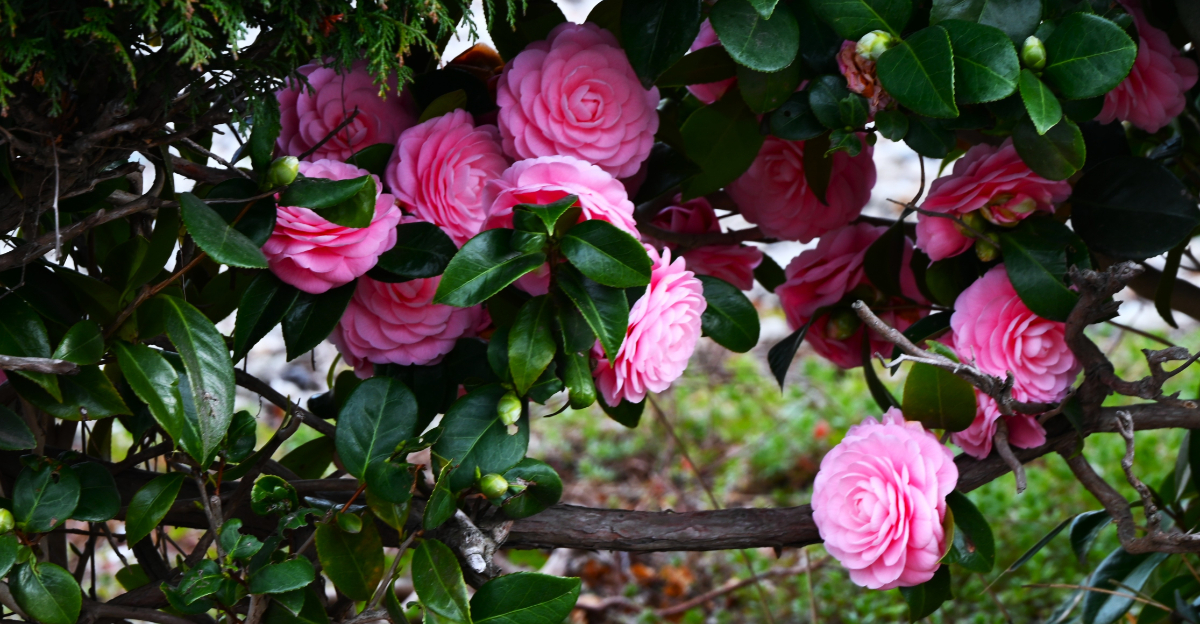
It is easy to think the work is done once the flowers are gone. After months of beautiful blooms, most camellias settle into the background while attention shifts to everything growing through summer.
That is exactly why one important task is so often missed.
July may not seem like a critical month for camellias, but what happens now can influence how the plant performs when cooler weather returns.
A small decision during the middle of summer can have a much bigger impact than many people realize.
Waiting too long or taking the wrong approach may affect the display you were hoping to enjoy next season.
Georgia gardeners who understand this timing give their camellias a better chance to produce a full, colorful show. It only takes one simple step, but doing it at the right moment makes all the difference.
1. Keep The Root Zone Cool With A Fresh Layer Of Mulch
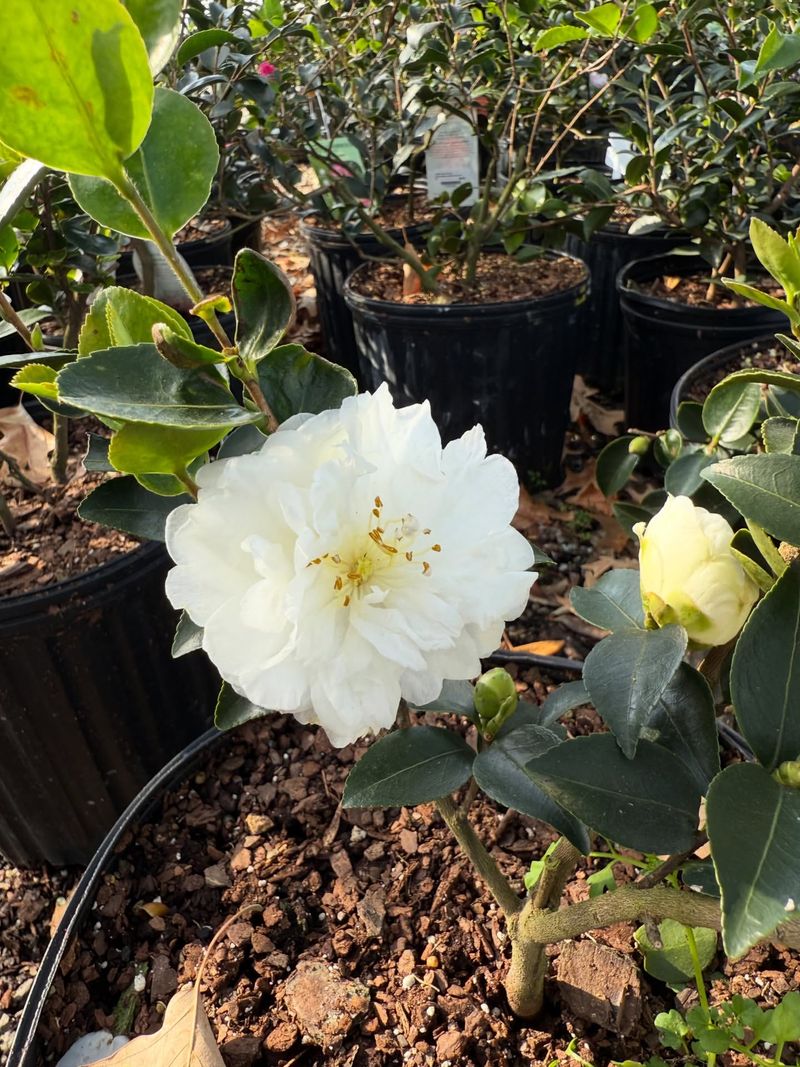
Mulch might be the most underrated tool a camellia grower has in July. A fresh 3 to 4 inch layer of pine straw or wood chips around the base of your plant does something no fertilizer or spray can replicate: it keeps soil temperatures from spiking.
Camellia roots are shallow. When soil gets too hot, root activity slows, water uptake drops, and bud formation suffers.
Roots sitting in overheated soil simply cannot support healthy flower buds developing above ground.
Pull mulch a few inches away from the main stem to prevent rot. Spread it out wide, covering the full root zone, which typically extends past the drip line of the plant.
Pine straw works especially well in the Southeast because it breaks down slowly and resists washing away during summer storms. Wood chip mulch is also effective and holds moisture well between waterings.
Consistent soil moisture is just as important as keeping things cool. Mulch slows evaporation dramatically, meaning your plant stays hydrated longer between rain events or irrigation cycles.
Gardeners across Georgia who skip summer mulching often notice fewer blooms by February.
Adding a fresh layer now, before the hottest weeks arrive, gives roots the stable environment they need to support strong bud development through fall and into winter.
2. Water Deeply Before Summer Drought Stresses The Plant
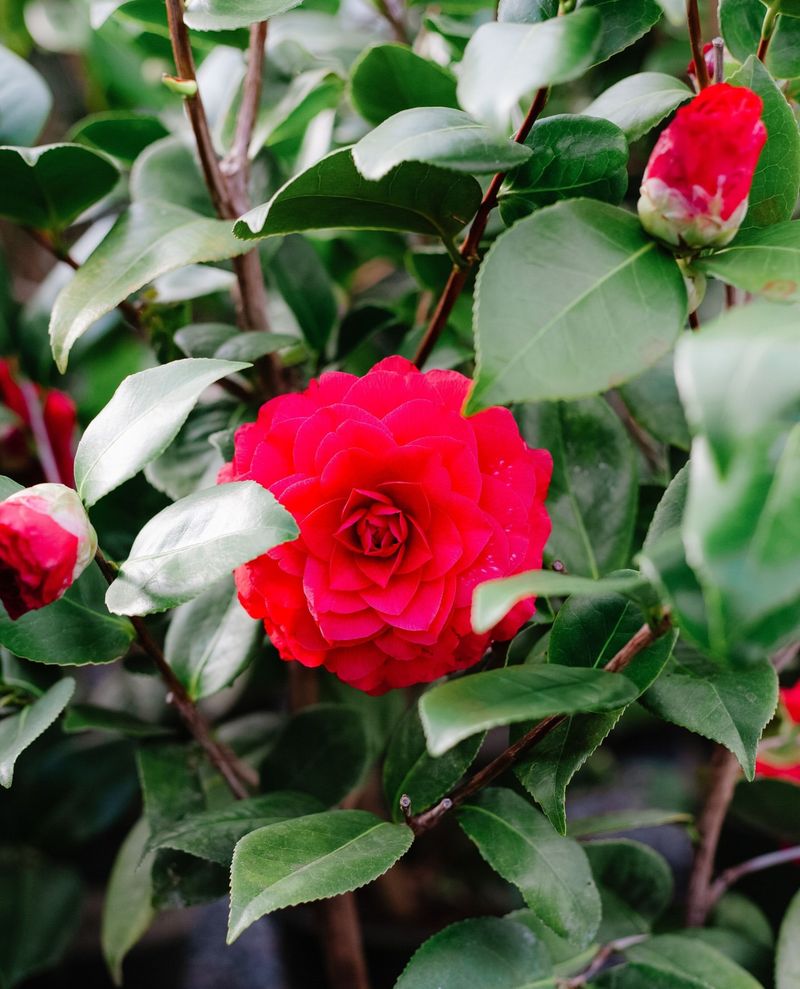
Deep watering in July can make a big difference in how your camellia performs next blooming season. While the plant may not be covered in flowers now, it is putting energy into developing the buds that will open during the cooler months.
Dry soil during this stage can interrupt healthy growth and place unnecessary stress on the plant.
Camellias grow best when moisture reaches deep into the root zone instead of only wetting the surface.
A slow, thorough watering once or twice a week is usually more beneficial than light daily watering, although rainfall, soil type, and weather conditions should always guide your schedule. The goal is to keep the soil evenly moist, not constantly wet.
Check the soil before watering by feeling a few inches below the surface. If it feels dry, it is time to water again.
Your Georgia Garden Changes Every Week. Your Plan Should Too.
Gardening in Georgia changes quickly throughout the season. Every Friday you’ll receive a simple weekly plan showing exactly what to plant, prune, fertilize, harvest, and protect so you never miss the right timing.
Heavy clay soils found in many parts of Georgia hold moisture longer than sandy soils, so they usually need watering less often.
Water early in the morning whenever possible. This gives moisture time to soak into the soil before the hottest part of the day and allows leaves to dry quickly if they become wet.
Avoid letting the plant go through repeated cycles of drying out and soaking again.
Keeping soil moisture consistent throughout July helps support healthy roots and gives developing flower buds the steady conditions they need for a better bloom display next winter.
3. Avoid Pruning Once Flower Buds Begin Forming
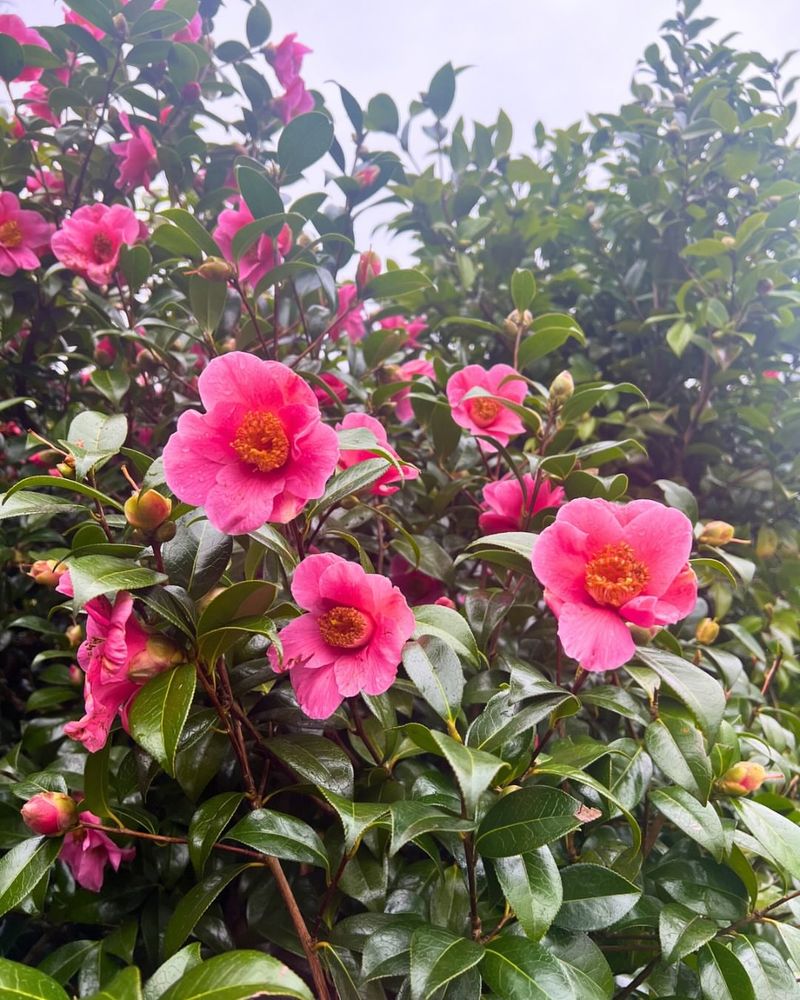
Many people assume summer is a good time to tidy up a camellia, but this is when extra caution matters most. By midsummer, many camellias have already started forming the flower buds that will open during the next blooming season.
Cutting branches now can remove those buds before they ever have a chance to bloom.
Flower buds usually develop at the tips of healthy new growth. They may be small and easy to overlook in July, making it surprisingly easy to prune away next winter’s flowers without realizing it.
If your shrub needs major shaping, wait until after it finishes blooming. Pruning at that time gives the plant plenty of opportunity to produce new growth and set fresh flower buds before the next season.
It is still fine to remove damaged, broken, or diseased branches whenever you notice them.
These cuts help keep the plant healthy and do not affect flowering the way heavy pruning can.
If a branch is rubbing against another or creating a problem, make only the smallest cut necessary.
Avoid thinning or reshaping the entire plant during summer.
Leaving healthy new growth in place allows developing flower buds to mature naturally, helping your camellia produce a fuller and more colorful display when blooming season returns.
4. Maintain Even Soil Moisture Through Hot Weather
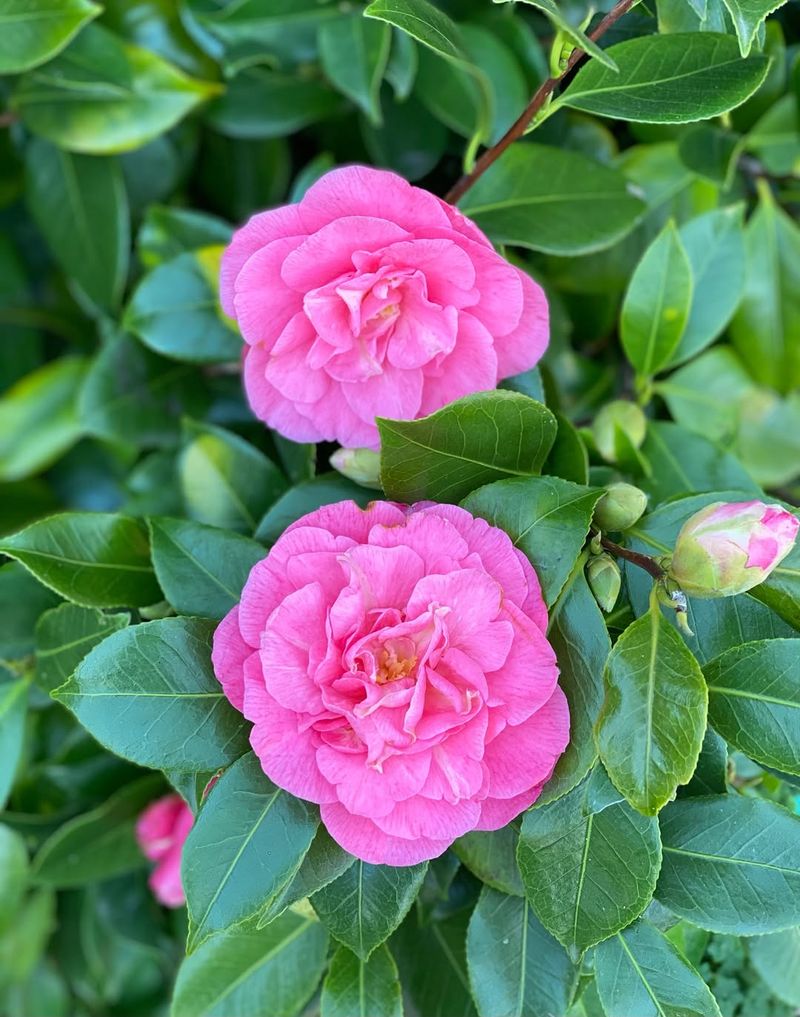
Keeping the soil evenly moist throughout summer is one of the best ways to support healthy camellia growth.
The goal is not to keep the ground constantly wet, but to prevent it from swinging between being soaked after a storm and bone dry a few days later. Those sudden changes can place unnecessary stress on the plant while flower buds are developing.
Camellias perform best in soil that stays consistently damp but drains well. Once the roots begin drying out, the plant has to shift energy toward coping with stress instead of supporting healthy bud development.
Repeated dry periods may also lead to leaf drop and weaker growth.
Check the soil regularly instead of watering on a fixed schedule. Push your finger a few inches into the ground or use a moisture meter if you have one.
If the soil feels dry below the surface, it is time to water.
Mulch can help keep moisture levels more stable by slowing evaporation, especially during long stretches of hot weather. A layer of organic mulch also reduces temperature swings around the roots, helping the soil stay cooler for longer.
Pay close attention after heavy rain as well. Good drainage is just as important as regular watering because camellias do not tolerate waterlogged soil.
5. Skip Heavy Fertilizing During Peak Summer Heat
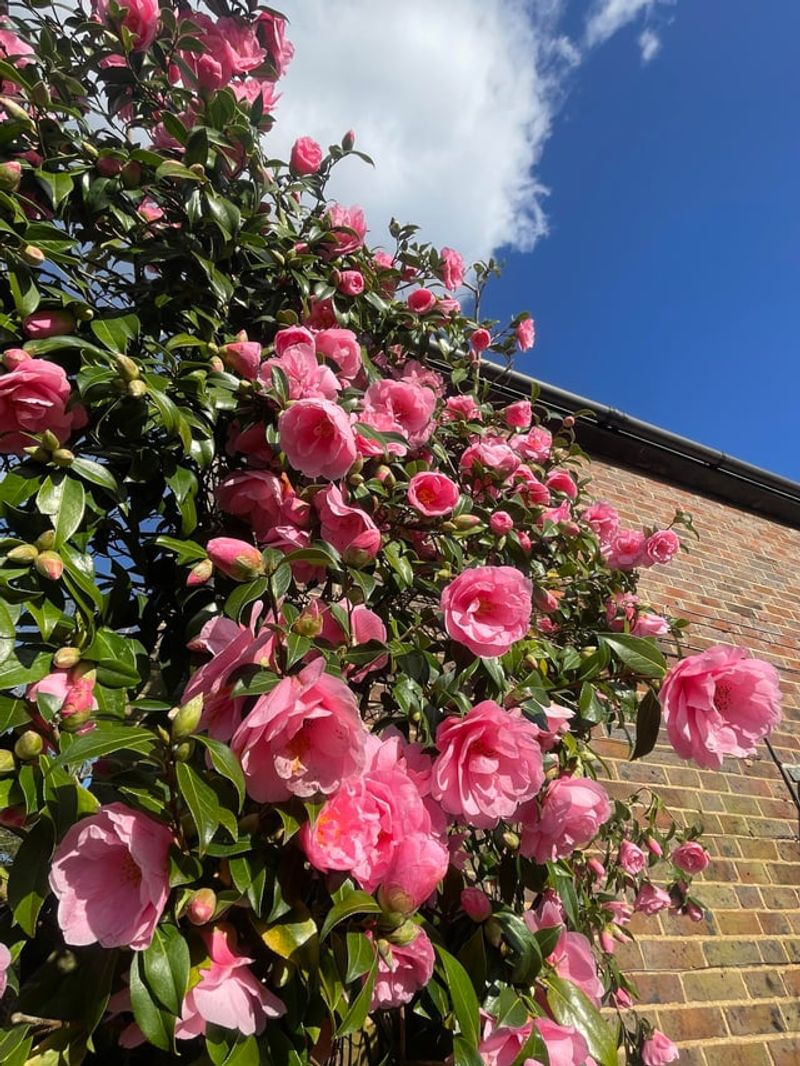
It can be tempting to give a camellia extra fertilizer during summer, especially if you want more flowers next season. In most cases, though, July is not the time for heavy feeding.
Applying too much fertilizer while the plant is dealing with intense heat can encourage tender new growth that is more easily stressed.
Camellias benefit most from fertilizer earlier in the growing season, after flowering and as new growth begins. By midsummer, the focus should be on maintaining healthy roots and developing flower buds instead of pushing rapid leafy growth.
If your plant looks healthy and has already been fertilized earlier in the year, it usually does not need another heavy application.
Too much nitrogen late in the season can interfere with normal growth and may reduce flower bud quality by encouraging the plant to produce more leaves instead.
Keep an eye on the foliage rather than reaching for fertilizer automatically.
Pale leaves, poor growth, or other signs of nutrient problems may have causes unrelated to fertilizer, including watering issues or soil pH.
If you believe your camellia truly needs nutrients, use a fertilizer made for acid-loving plants and follow the label directions carefully. Avoid overfeeding, and never apply more than recommended.
6. Check Leaves Regularly For Tea Scale
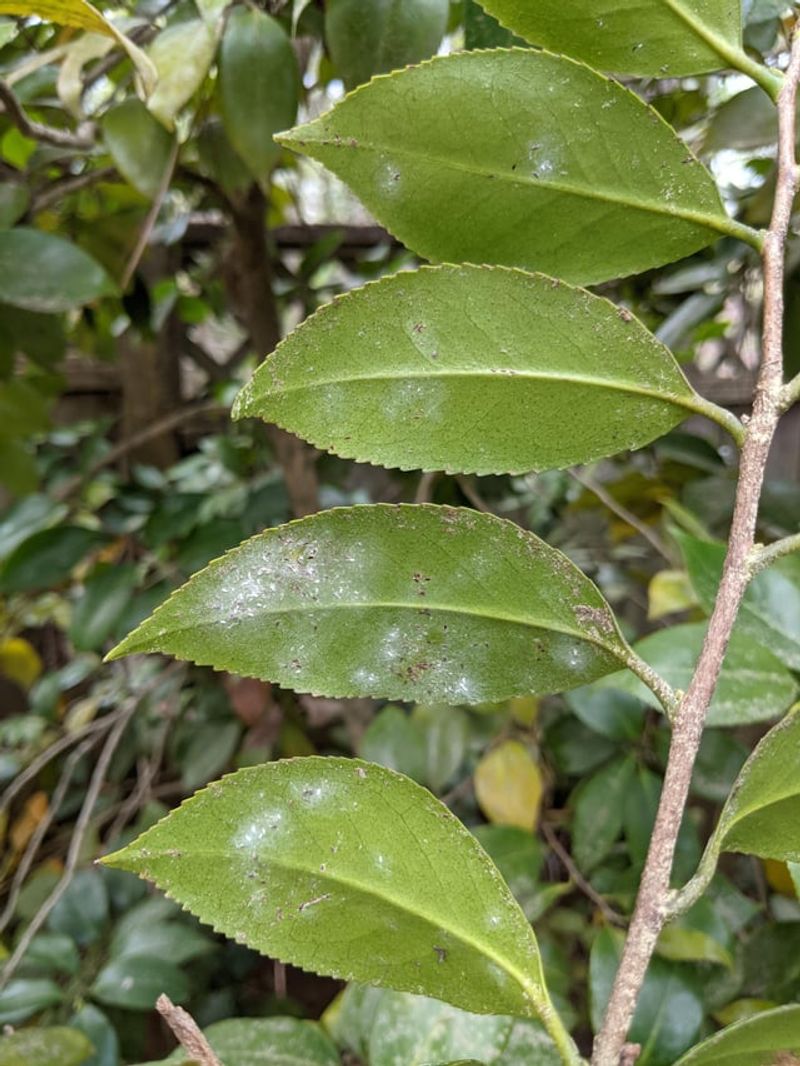
Healthy leaves play an important role in supporting next season’s flowers. That is why it is worth taking a few minutes every couple of weeks to inspect your camellia during summer.
Catching problems early gives you a much better chance of keeping the plant vigorous while flower buds continue to develop.
Tea scale is one of the most common pests found on camellias. It usually feeds on the undersides of leaves, where small white, brown, or tan scale insects can easily go unnoticed.
As they feed, leaves may develop yellow spots on the upper surface before gradually losing their rich green color.
Turn a few leaves over and look closely, especially on older foliage. If you notice scale insects, remove heavily infested leaves when practical and consider treating the plant with horticultural oil according to the product label.
Good coverage of the undersides of the leaves is important because that is where the insects gather.
Avoid treating during the hottest part of the day, as high temperatures can increase the risk of leaf injury with horticultural oils. Early morning or evening applications are generally safer when conditions allow.
Keeping tea scale under control helps your camellia maintain healthy foliage throughout the growing season.
7. Protect Developing Buds From Prolonged Heat Stress
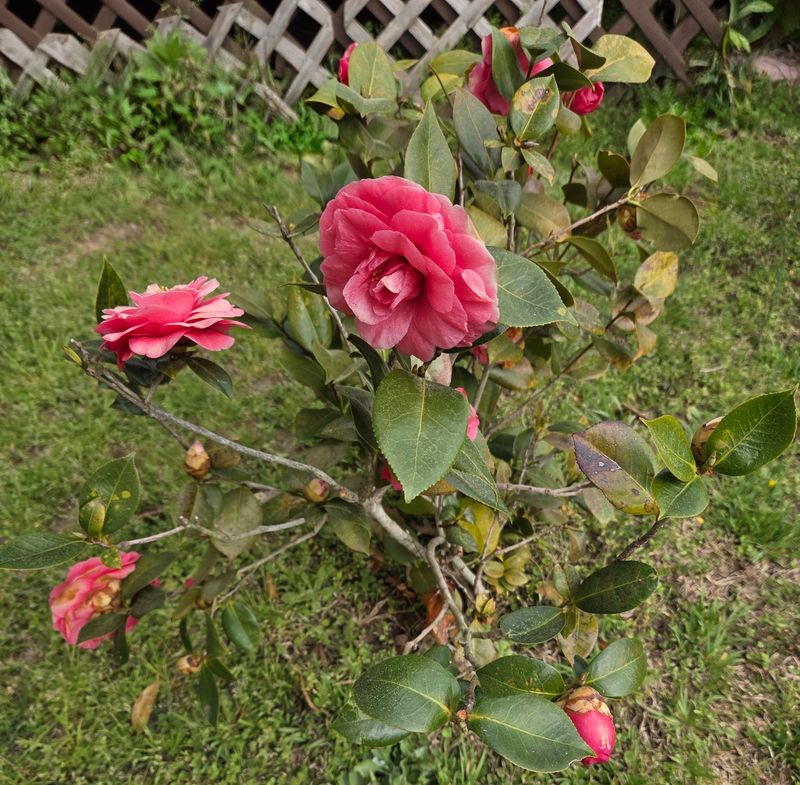
By July, many camellias are already developing the flower buds that will open during the next blooming season. Although these buds are small, they are sensitive to prolonged periods of heat combined with dry soil.
When the plant experiences repeated stress, bud development may be affected, leading to fewer or lower-quality blooms.
The best way to protect developing buds is to reduce overall stress on the plant. Consistent watering, a layer of mulch, and avoiding unnecessary pruning all help camellias cope with long stretches of hot weather.
Healthy roots and leaves are essential because they provide the water and energy needed to support bud growth.
If your camellia grows in a location with intense afternoon sun, temporary shade during extreme heat can also help reduce stress.
Plants growing in containers may need extra attention since the soil warms and dries much faster than it does in the ground.
Keep an eye on the weather during extended heat waves. Checking soil moisture more often and watering deeply when needed is usually far more effective than frequent light watering.
Avoid making major changes to the plant while temperatures remain high.
A healthy camellia is much better equipped to continue developing strong flower buds through summer.