Plants For Oregon Gravel Gardens That Do Not Flop Over After Rain
Gravel gardens look effortlessly cool when everything is standing tall, airy, and perfectly at home among the stones.
Then Oregon rain arrives, and suddenly a few plants are sprawled across the ground like they stayed out way too late. So much for that crisp, architectural look.
The challenge is finding plants that can handle the unusual combination a gravel garden throws at them. They may face dry, sunny conditions for long stretches, then get hit with enough rain to test every stem in the bed.
A plant that looks fantastic during a dry spell can become considerably less impressive after a soaking.
Structure matters just as much as flowers or foliage in this kind of planting. Upright growth, sturdy stems, mature size, and the way a plant carries itself after wet weather can determine how polished the whole space feels.
A gravel garden should not need emergency staking every time the clouds open. Choosing plants with a little backbone can keep the design looking intentional even after Oregon weather gives it a thorough drenching.
1. Sea Holly Stays Upright Even After A Soaking
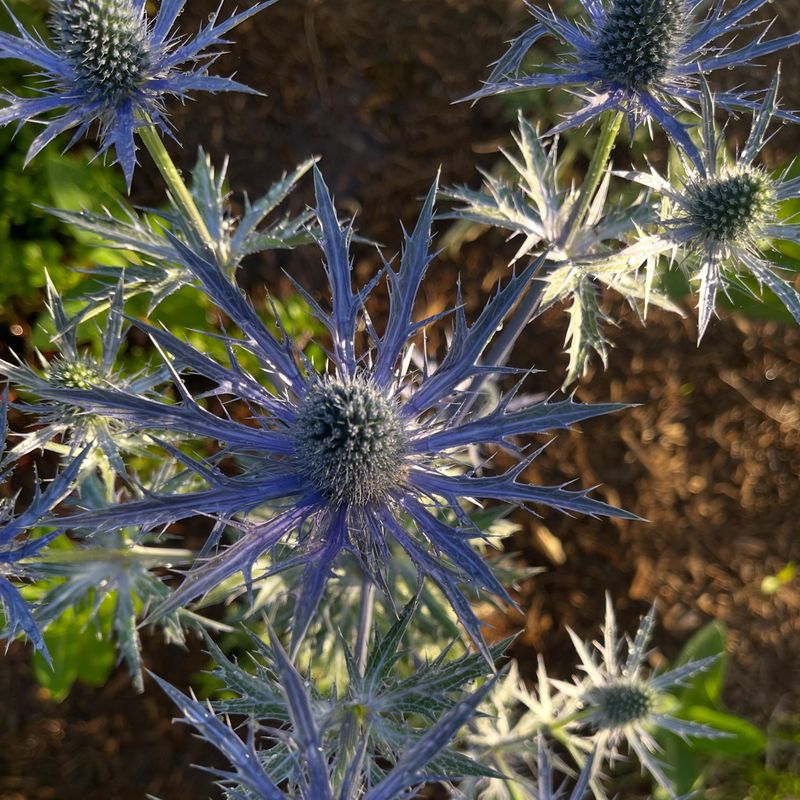
Few plants in the gravel garden world are as tough and eye-catching as sea holly. Known botanically as Eryngium, this plant has a reputation for staying perfectly upright no matter how hard the rain falls.
Its stiff, branching stems are almost woody, which means they do not bend or buckle under the weight of water.
Sea holly thrives in poor, well-drained soil, making it a natural fit for gravel beds. The spiky blue or silver flower heads are striking and unusual.
They catch the light beautifully and add a metallic shimmer to the garden. Even after a heavy overnight rain, the stems stay straight and the blooms look sharp.
One reason sea holly holds up so well is that it actually prefers lean conditions. Rich, moist soil can cause it to grow too fast and become floppy.
In gravel, the plant stays compact and sturdy. The roots go deep, anchoring the plant firmly in the ground.
Pollinators love sea holly. Bees and butterflies visit the flowers all summer long.
The blooms also dry beautifully on the plant, giving the garden structure and interest well into fall.
Planting sea holly in a sunny gravel bed with good drainage is the simplest way to enjoy this plant at its best. It rarely needs staking, dividing, or extra care once it is established.
2. Red Hot Poker Holds Its Shape Through Wet Weather
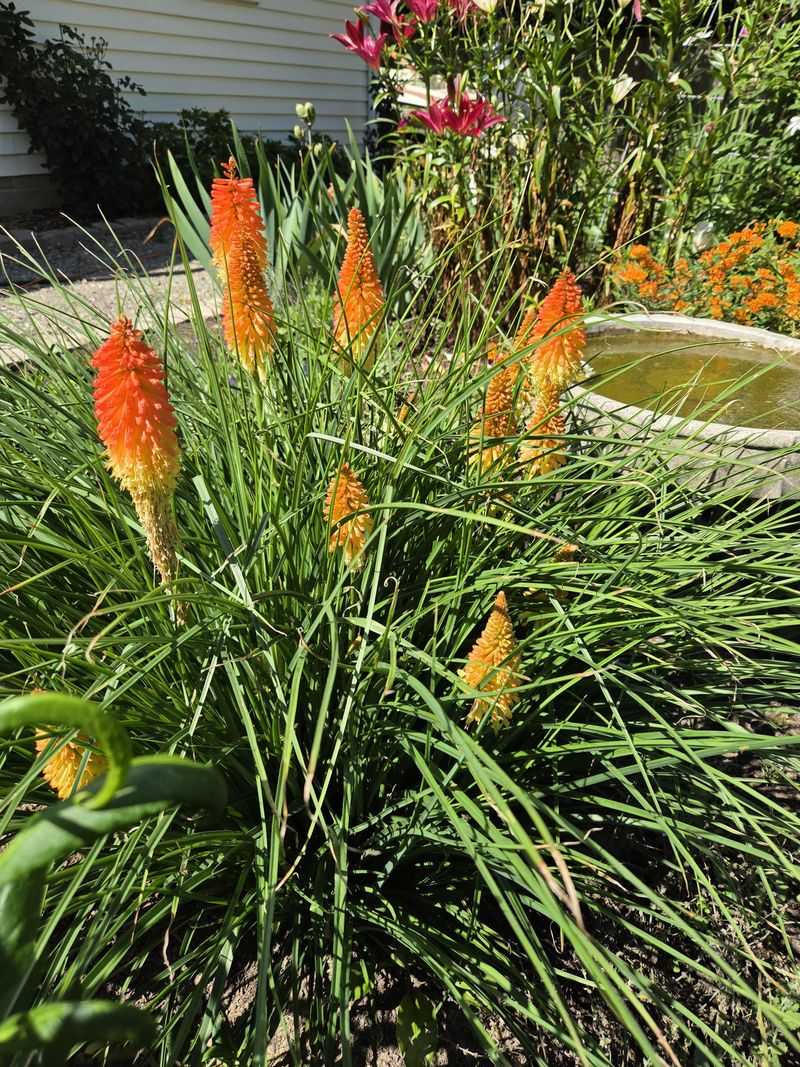
Bold, tall, and almost impossible to knock over, red hot poker is a showstopper in any gravel garden.
The flower spikes shoot straight up from a clump of grassy leaves, reaching heights of two to four feet. Even after a heavy rain, those spikes stay firmly pointed at the sky.
Kniphofia, the botanical name for red hot poker, grows from thick, fleshy roots that anchor it deep in the soil. This root system gives the plant incredible stability.
Water simply runs off the narrow leaves and drains away through the gravel, so the plant never becomes waterlogged or top-heavy.
Your Oregon Garden Changes Every Week. Your Plan Should Too.
Gardening in Oregon changes quickly throughout the season. Every Friday you’ll receive a simple weekly plan showing exactly what to plant, prune, fertilize, harvest, and protect so you never miss the right timing.
The flowers come in fiery shades of orange, red, and yellow, often all on the same spike. Hummingbirds are huge fans of these blooms and will visit the garden regularly when red hot poker is in flower.
The blooming season stretches from early summer into fall, depending on the variety.
Gravel gardens in the Pacific Northwest are a great match for red hot poker because the sharp drainage prevents root rot during wet winters. Once established, this plant is very drought-tolerant and asks for very little attention.
Cutting back the old flower spikes keeps the clump looking tidy. New varieties stay more compact than older types, which makes them even better suited to smaller gravel beds without any risk of flopping.
3. Lavender Cotton Keeps A Compact, Mounded Form
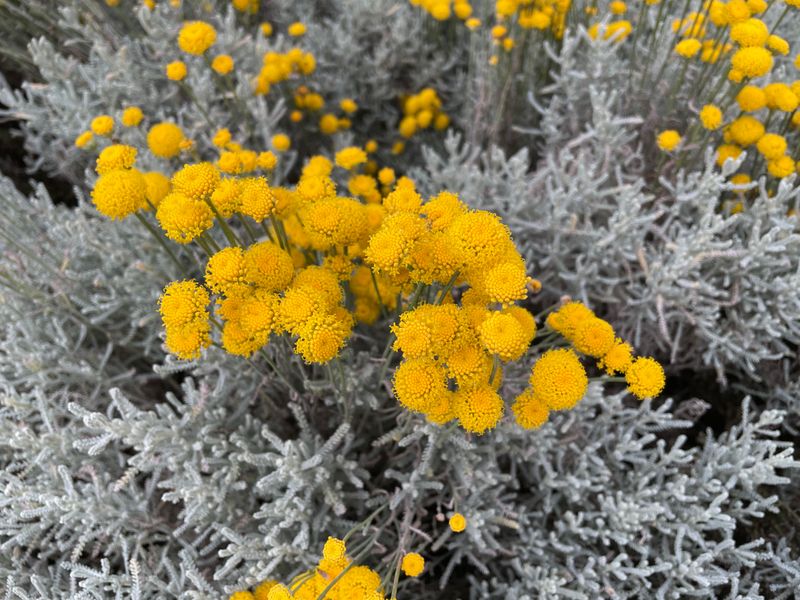
Lavender cotton is one of those plants that looks like it was shaped by hand. The silvery-gray foliage forms a tight, rounded mound that stays neat and compact through rain, wind, and heat.
Botanically known as Santolina chamaecyparissus, this Mediterranean native is built for tough conditions and thrives in gravel with almost no fuss.
The secret to its sturdy shape is the fine, aromatic foliage that repels water rather than absorbing it.
After a rainstorm, the leaves shed moisture quickly and the mound snaps right back to its original form.
There is no drooping, no splaying, and no messy collapse like you might see with softer perennials.
In late spring and early summer, small yellow button flowers appear above the foliage on short, stiff stems. The contrast between the silver leaves and bright yellow blooms is cheerful and bold.
After flowering, a light trim keeps the mound looking sharp and prevents any woody, open growth from developing.
Lavender cotton is also deer-resistant, which is a big bonus for Oregon gardeners dealing with wildlife pressure. The strong herbal scent keeps browsing animals away.
Plant it along the edge of a gravel bed where the mounded form can be appreciated up close.
Full sun and excellent drainage are the only real requirements. Once settled in, lavender cotton practically takes care of itself through the seasons.
4. Blue Oat Grass Stays Stiff Instead Of Sprawling
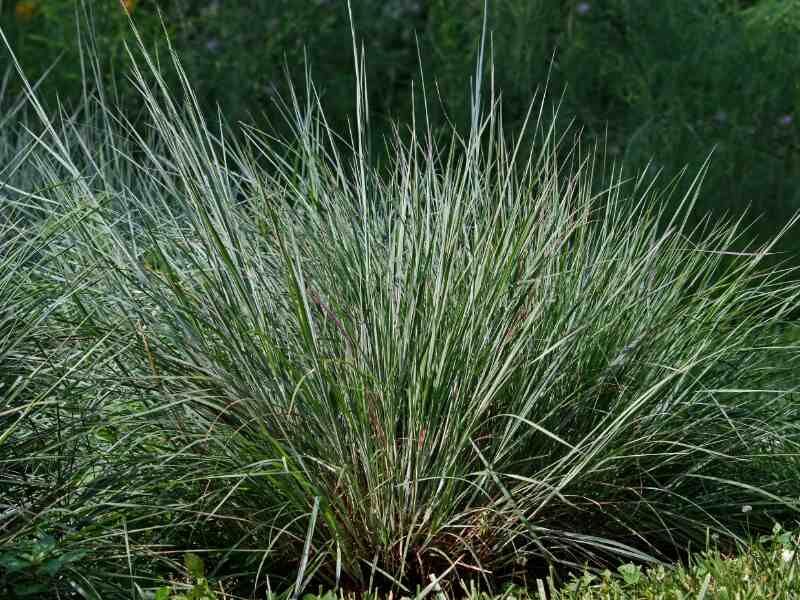
Not all ornamental grasses hold their shape after a soaking rain. Many flop outward and create a messy, sprawling clump that is hard to fix without cutting the whole plant back.
Blue oat grass is a welcome exception to that pattern, and gravel garden enthusiasts love it for exactly that reason.
Helictotrichon sempervirens produces stiff, blue-silver blades that stand upright in a neat, arching clump. The key word here is stiff.
Unlike soft-leafed grasses that go limp when wet, blue oat grass has a firm texture that keeps its shape through all kinds of weather. Rain rolls right off the blades instead of weighing them down.
The color is one of the best features of this grass. The cool blue-silver tone pairs beautifully with warm-toned gravel and with plants that have purple, orange, or deep green foliage.
It creates contrast without clashing. In late spring, slender seed heads rise above the clump on tall stems, adding extra height and movement to the garden.
Blue oat grass prefers full sun and sharp drainage. Wet, heavy clay soil is its one real weakness, but gravel beds provide exactly the conditions it loves.
Once established, it is quite drought-tolerant and needs very little water during dry summers.
Dividing the clump every few years keeps it vigorous and prevents the center from going bare. It is a reliable, low-effort plant that earns its place in any gravel planting.
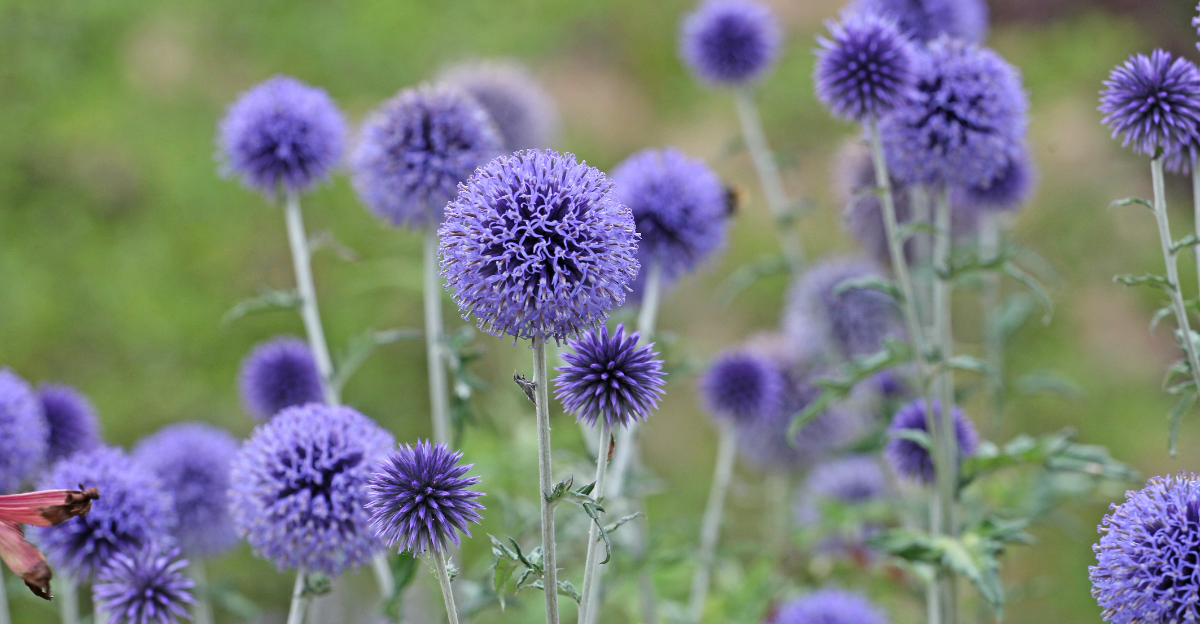
5. Globe Thistle Keeps Its Strong Upright Stems
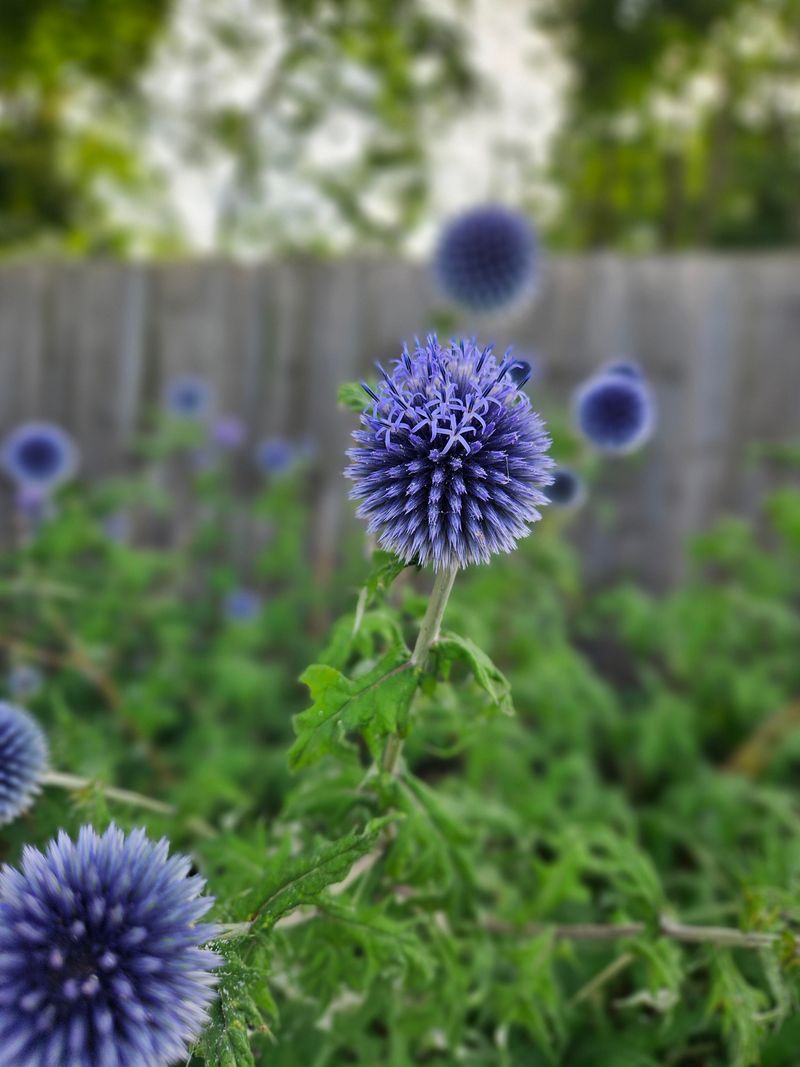
There is something almost architectural about globe thistle. The round, spiky flower heads sit on top of tall, rigid stems like little blue planets on poles.
Even after a heavy downpour, those stems do not bend or lean. They stay exactly where they are, which is a rare and valuable quality in a garden plant.
Echinops ritro, the most common species for garden use, grows two to four feet tall. The stems are strong and slightly woolly, which helps them resist the weight of rainwater.
The deeply cut, gray-green leaves are also tough and do not wilt or collapse when wet. The whole plant has a rugged, no-nonsense quality that suits gravel gardens perfectly.
The metallic blue flower heads are a magnet for bees. On a warm summer day, the buzzing around a patch of globe thistle can be almost musical.
Butterflies visit too, and the dried seed heads attract finches later in the season. Leaving the stems standing through fall and winter adds structure to the garden when other plants have faded.
Globe thistle spreads slowly from a central taproot that goes deep into the soil. This deep root is part of what makes the plant so stable in wind and rain.
Gravel beds with good drainage are ideal. Poor soil is not a problem at all since globe thistle actually performs better when not overfed. A sunny spot is the main requirement for strong flowering each year.
6. Rock Rose Handles Gravel Beds Without Flopping Apart
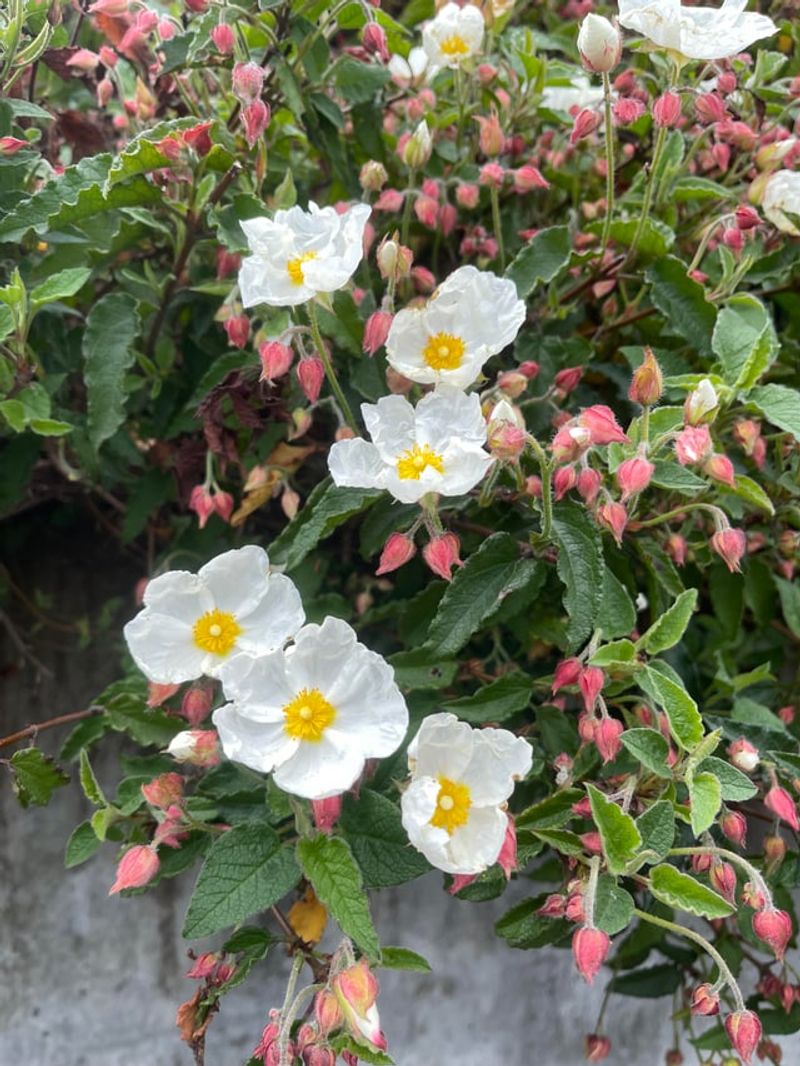
Warm, papery flowers and a naturally compact habit make rock rose one of the most satisfying shrubs for a gravel garden.
Cistus, the genus name, includes a range of species and hybrids that share one important trait: they hold their shape beautifully without any staking, cutting back, or propping up after rain.
Rock rose has a woody base that keeps the plant anchored and upright. The stems branch outward and upward in a rounded form that stays tidy through wet weather.
Unlike softer perennials, the woody structure means rain weight does not cause the plant to splay or collapse. It bounces right back to its natural shape after any storm.
The flowers are short-lived, each bloom lasting just a day. But the plant produces so many buds that it stays covered in color for weeks.
Shades of pink, white, and magenta are common, often with a dark spot at the base of each petal. The blooms have a delicate, crinkled look that is surprisingly beautiful in a gravel setting.
Rock rose is native to the Mediterranean region, where dry summers and rocky soil are the norm.
Oregon winters can be wet, but as long as the drainage is sharp, rock rose handles the moisture without trouble.
It does not like heavy clay or standing water. Plant it in a sunny gravel bed with good air circulation. Once established, it rarely needs watering and asks for very little from the gardener.
7. Spurge Keeps Its Structure After Summer Rain
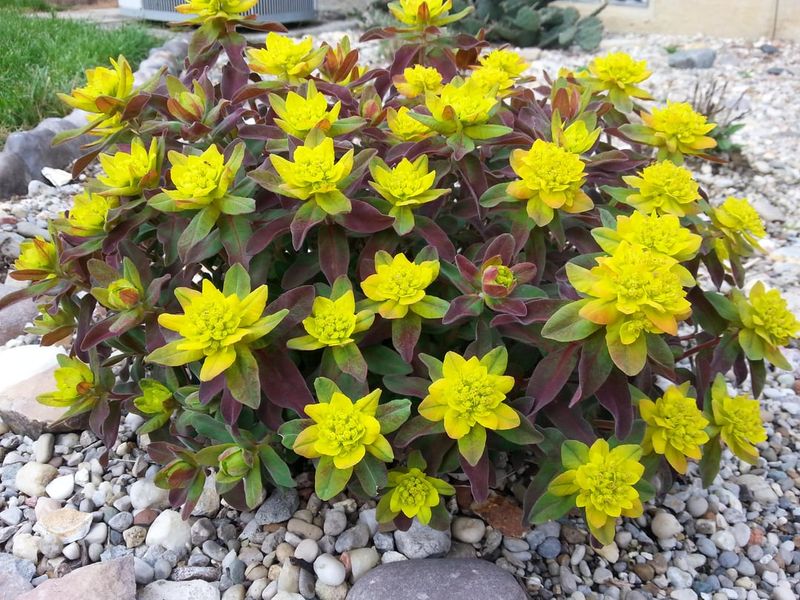
Chartreuse, architectural, and almost indestructible, spurge is one of those plants that gravel garden designers reach for again and again.
Euphorbia is a large genus with many garden-worthy species, and most of them share the same upright, structured habit that holds firm even after a summer rainstorm rolls through.
The stems of spurge are thick and somewhat succulent, which means they hold their shape under the weight of rainwater without bending.
The flower bracts, which are the showy chartreuse or lime-yellow parts that most people think of as flowers, are stiff and long-lasting.
They stay bright and upright for weeks, adding bold color to the garden from early spring onward.
One thing worth knowing about spurge is that the milky sap inside the stems is irritating to skin. Wearing gloves when cutting it back is a smart habit.
But aside from that small precaution, spurge is a very easy plant to grow. It thrives in poor, well-drained soil and full sun, exactly the conditions that a gravel bed provides.
Many spurge varieties are evergreen or semi-evergreen, which means they provide structure and color during winter months when other plants have disappeared. Euphorbia characias and its cultivars are especially popular for this reason.
They form bold, upright clumps that look good year-round. After the flower bracts fade, cutting the old stems to the base encourages fresh new growth and keeps the plant looking its best season after season.
8. Jerusalem Sage Stays Sturdy In Lean, Gravelly Soil
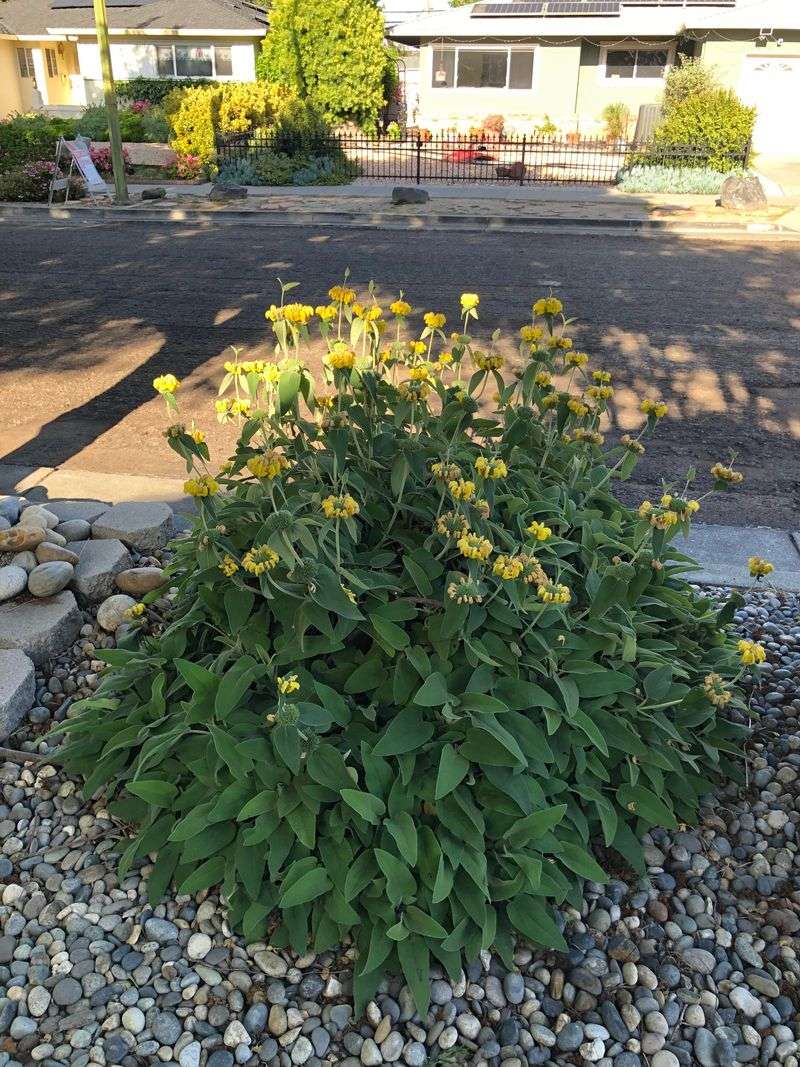
Whorls of bright yellow flowers stacked up tall, woolly stems give Jerusalem sage a look that is both wild and wonderfully organized.
Phlomis fruticosa is the botanical name, and this Mediterranean shrub has been grown in dry, rocky gardens for centuries.
It thrives on neglect and actually performs better in lean, gravelly soil than in rich, moist ground.
The stems of Jerusalem sage are covered in soft, silver-gray wool that gives the whole plant a felted texture. This woolly coating serves a real purpose.
It helps the plant shed water quickly and prevents the stems from becoming waterlogged after rain. Even during Oregon’s wet season, the stems stay firm and upright without any support.
After the yellow flowers fade, the seed heads remain on the plant in attractive whorled clusters.
Many gardeners leave them standing through fall and winter because they add interesting texture and catch morning light beautifully. Birds occasionally pick at the seeds too, adding a little extra life to the garden.
Jerusalem sage grows into a rounded shrub about three to four feet tall and wide. It fills space confidently without spreading aggressively.
A hard cut-back every few years keeps the plant from becoming too woody and encourages fresh, vigorous growth from the base. Full sun and sharp drainage are the key requirements.
Given those two things, Jerusalem sage will reward you with decades of reliable, upright beauty in any gravel garden without asking for much in return.