The Most Useful Native Wildflower You Can Plant In Texas
Finding a native wildflower that genuinely earns its place in a Texas summer garden is harder than it sounds.
The heat is relentless, most flowering plants are running out of steam by August, and the pollinators that depend on those blooms are still very much looking for their next meal.
Enter Gregg’s Mistflower, and honestly, its timing alone deserves some serious appreciation.
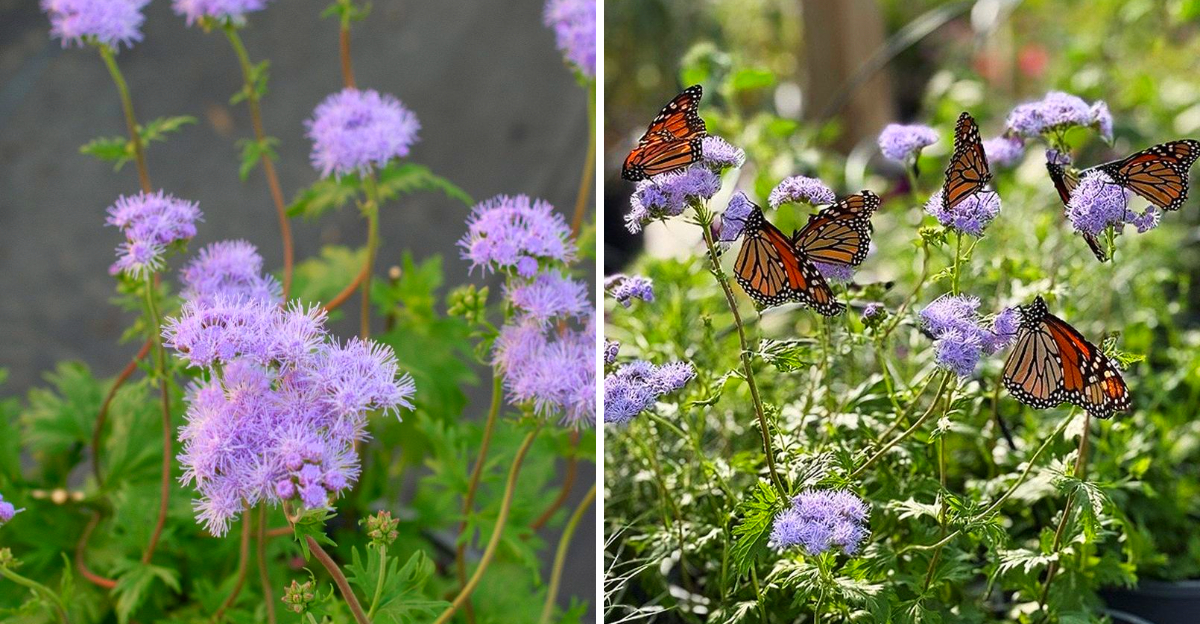
Those soft blue-purple blooms arrive right when the floral options in most gardens are getting thin, filling a gap that very few other native plants step up to cover.
Butterflies and bees notice immediately, which makes the whole thing even more satisfying to watch. Is it officially the most useful native wildflower in Texas?
That is a conversation worth having, and the combination of extended bloom time, real pollinator value, and landscape versatility makes a pretty compelling case.
1. Late-Summer Blooms That Keep Nectar Available For Visiting Pollinators
By the time August rolls around, many flowering plants have already wrapped up for the season. Lawns look tired, perennial borders thin out, and the pollinators that depend on flowers for food start searching harder for open blooms.
That gap in available nectar is exactly where Gregg’s Mistflower steps in and earns its reputation.
When conditions are suitable, this late-summer bloomer begins pushing out soft blue-purple flower clusters and continues well into fall.
That timing matters because butterflies, native bees, and other visiting pollinators still need reliable nectar sources during those warmer months.
A garden that offers blooms when others do not becomes a genuinely valuable stop for local wildlife.
Gregg’s Mistflower grows naturally in portions of western Texas and has been widely adopted in gardens across much of the state.
Its late-season flowering fits naturally into pollinator planting plans because it bridges the time between summer bloomers and the end of the growing season.
Gardeners who notice a drop in butterfly activity during August and September often find that adding this plant brings more consistent pollinator visits to their yard.
Actual pollinator activity depends on local habitat, weather patterns, and what other plants are nearby.
Gregg’s Mistflower cannot single-handedly replace a full pollinator garden, but when planted thoughtfully in suitable conditions, it can meaningfully extend the window of nectar availability during a season when that support is most needed.
2. Butterflies Find A Valuable Food Source In Its Blue-Purple Flowers
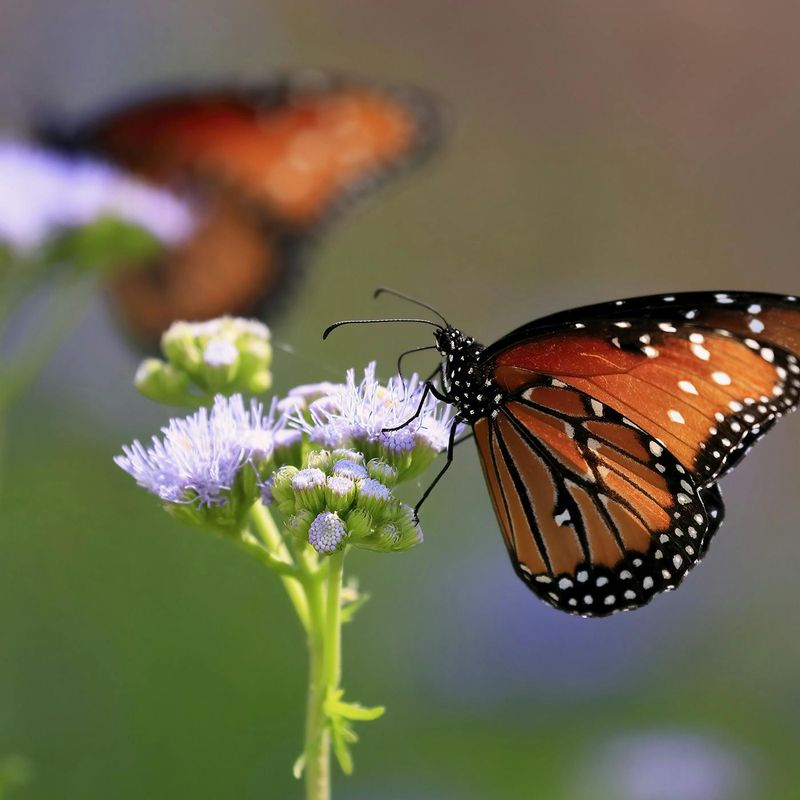
Watch a patch of Gregg’s Mistflower on a warm afternoon and you will likely notice it does not stay quiet for long.
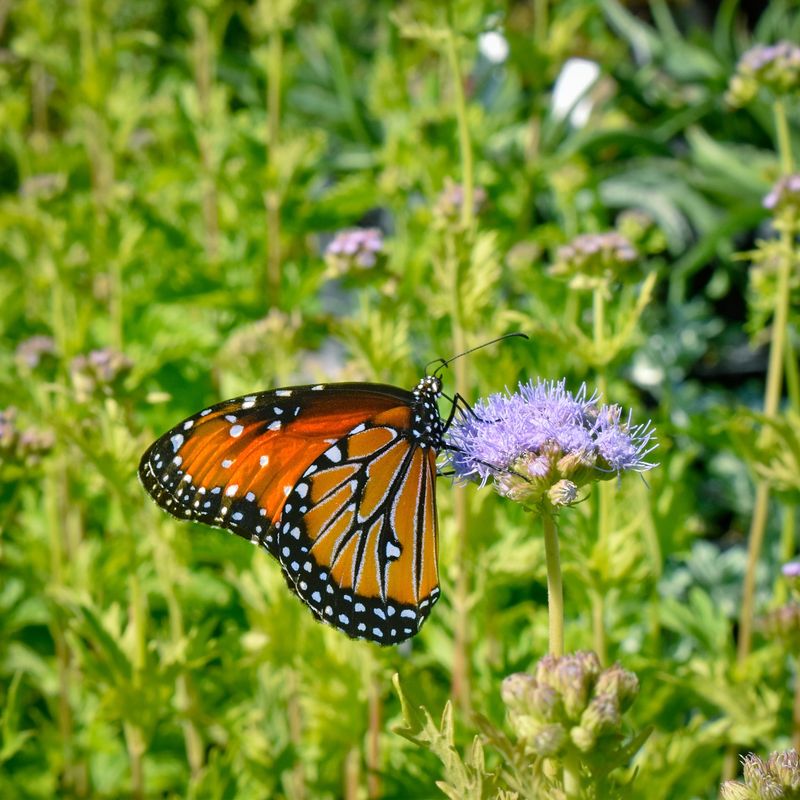
The dense clusters of small blue-purple blooms act as a reliable landing spot for adult butterflies searching for nectar, and the visual result can be genuinely impressive for anyone interested in supporting local butterfly populations.
Several butterfly species have been observed visiting Gregg’s Mistflower, including swallowtails, queens, skippers, and various brush-footed butterflies.
The flower structure and color appear well-suited to butterfly feeding habits, making it a practical addition to any pollinator-focused planting.
That said, butterfly visits are never guaranteed and depend heavily on regional habitat, local population levels, weather conditions, and what other resources are available nearby.
Your Texas Garden Changes Every Week. Your Plan Should Too.
Gardening in Texas changes quickly throughout the season. Every Friday you’ll receive a simple weekly plan showing exactly what to plant, prune, fertilize, harvest, and protect so you never miss the right timing.
Gregg’s Mistflower is a nectar plant, meaning it feeds adult butterflies but does not serve as a host plant where butterflies lay eggs or where caterpillars feed.
A complete butterfly garden would include both nectar plants like this one and appropriate host plants for species you hope to support.
Thinking of this plant as one important piece of a larger butterfly habitat plan is the most accurate and useful way to approach it.
For gardeners in Texas who want more butterfly activity during late summer and fall, adding Gregg’s Mistflower to a sunny or partly shaded bed with good drainage can be a straightforward and rewarding step toward a more wildlife-friendly yard.
3. Adult Monarchs Can Refuel On Its Nectar-Rich Blooms
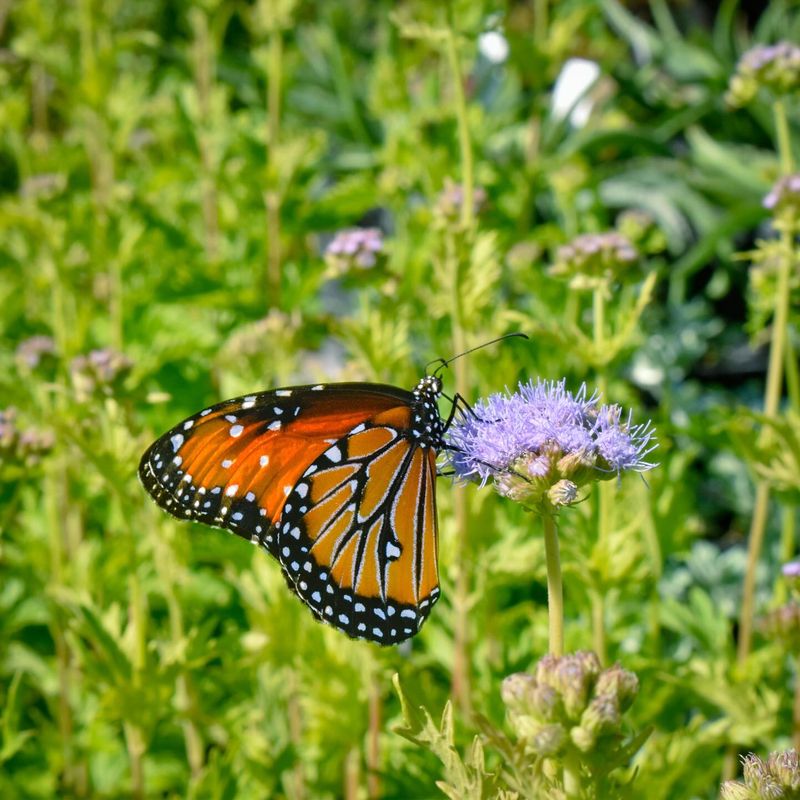
Few moments in a garden feel as exciting as spotting a monarch butterfly pausing to feed on a flower during its long fall migration. Monarchs passing through each autumn are on an incredible journey, and finding nectar along the way is essential to fueling that trip.
Gregg’s Mistflower blooms during exactly the period when many monarchs are moving through the region.
As a nectar plant, Gregg’s Mistflower can provide adult monarchs with energy during migration stops.
Its late-summer and fall bloom timing lines up well with the monarch migration window, making it a thoughtful addition to any garden designed with migrating butterflies in mind.
Gardeners who have added this plant to their landscapes sometimes report monarch visits during peak migration weeks.
One important distinction to understand is that Gregg’s Mistflower is not a milkweed plant and cannot replace milkweed in a monarch garden. Monarchs need milkweed species specifically as host plants where females lay eggs and where caterpillars feed and grow.
Gregg’s Mistflower supports adult monarchs by providing nectar, which is a different but equally meaningful role in the broader picture of monarch conservation.
Supporting monarchs well means combining appropriate milkweed species with a variety of nectar plants that bloom across different seasons.
Gregg’s Mistflower fits naturally into that kind of diverse planting plan and can be a genuinely useful part of a Texas garden designed to help migrating monarchs along their route.
4. Months Of Flowers Add Lasting Color To Texas Gardens
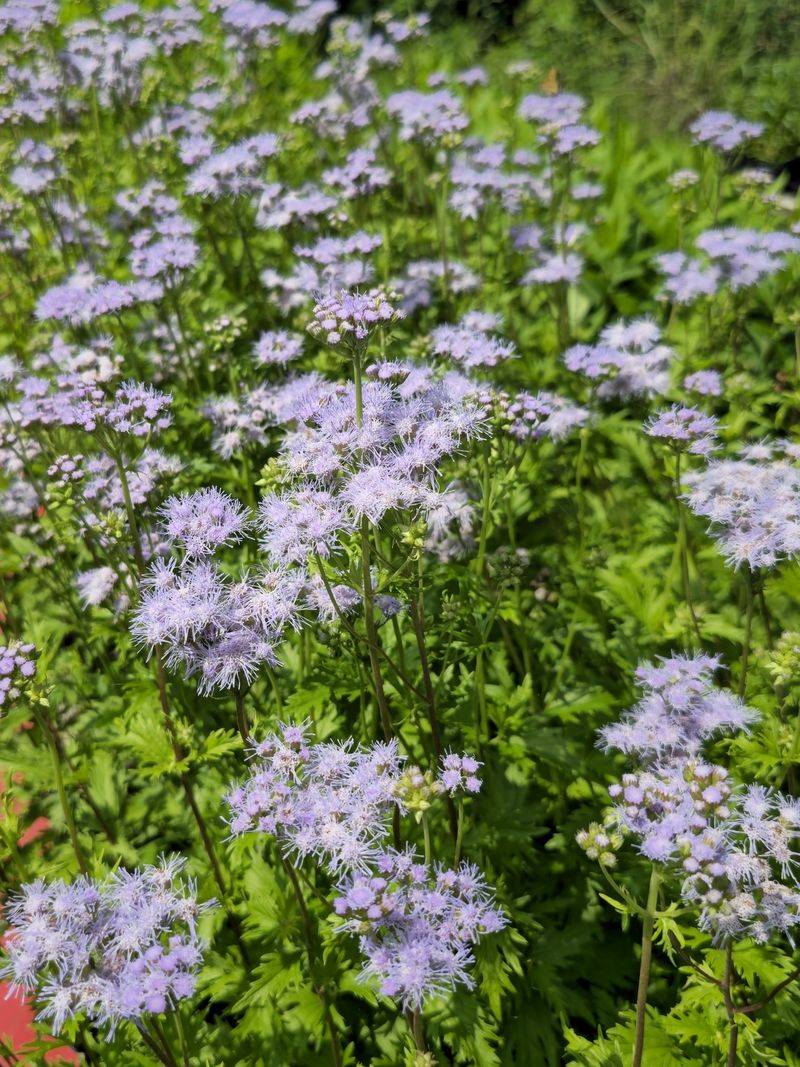
One of the most practical qualities a flowering plant can offer a gardener is a long bloom season, and Gregg’s Mistflower delivers on that front when conditions are right.
Rather than putting on a short burst of color and disappearing, this native perennial can produce flowers from spring into fall under suitable growing conditions, with the strongest and most visible flowering typically happening during the late summer and fall months.
That extended bloom period is genuinely useful for creating a garden that holds visual interest across multiple seasons. Many flowering plants popular in Texas yards peak in spring and then fade before summer heat sets in.
Having a plant that gains momentum as other flowers slow down helps fill a color gap that can otherwise leave garden beds looking sparse during late summer and early fall.
It is worth keeping in mind that bloom timing and duration can vary depending on your region, local weather patterns, rainfall, irrigation practices, and how well-established the plant is.
A young plant in its first season may produce fewer flowers than a well-rooted one that has settled in over a couple of growing seasons.
Patience during establishment is part of getting the most from this native wildflower.
For gardeners across the state who want consistent seasonal color without relying entirely on annual replanting, Gregg’s Mistflower offers a low-input option that rewards thoughtful placement with months of blue-purple blooms and steady pollinator activity through some of the warmest parts of the year.
5. Low-Maintenance Growth Makes It A Practical Native Choice
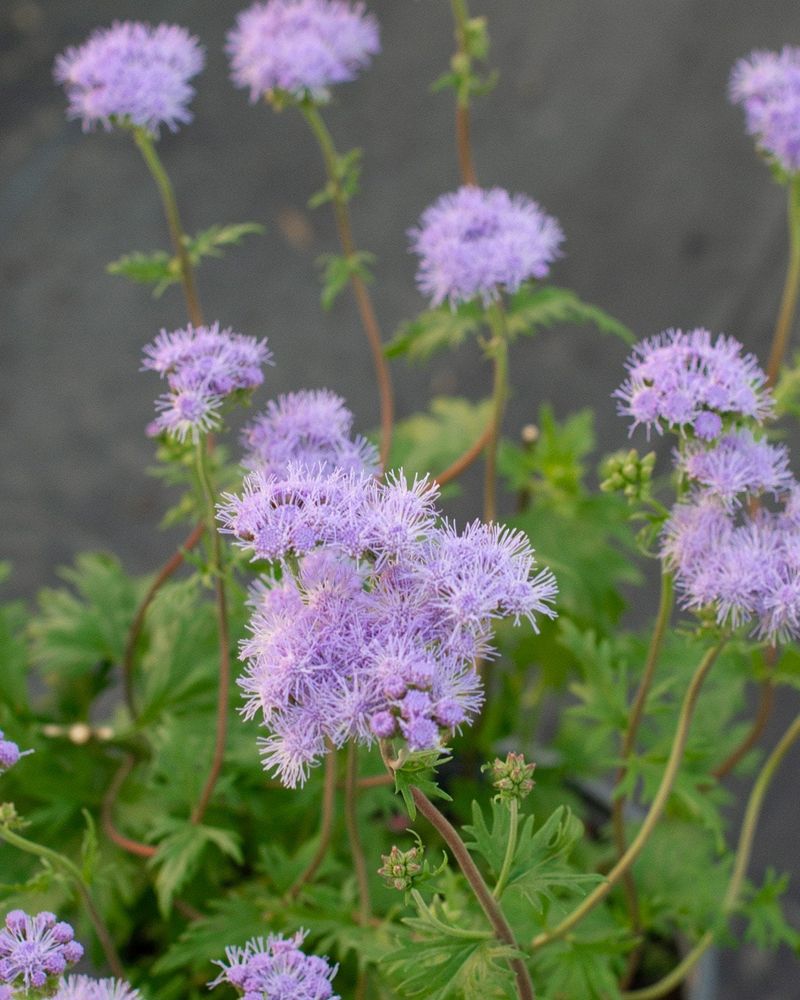
Not every gardener has hours to spend watering, fertilizing, and pruning. For people who want a rewarding landscape without intensive upkeep, choosing plants that are well-adapted to local conditions makes a real difference.
Gregg’s Mistflower has developed an honest reputation among native plant enthusiasts as a relatively low-maintenance option once it gets established in a suitable spot.
This plant tends to perform well in full sun to partial shade and prefers well-drained soils, which suits many growing environments across the region.
It shows reasonable tolerance for the dry spells that are common across much of the state, though like any plant it benefits from regular watering during its first growing season while roots are still developing.
Describing it as maintenance-free would not be accurate, but compared to many ornamental plants, its care requirements are genuinely manageable.
Once established, Gregg’s Mistflower can handle intense summer heat without the consistent hand-holding that thirstier ornamentals often demand.
Light trimming after flowering can encourage a tidier appearance and may support fresh growth, but the plant does not require elaborate pruning schedules to remain healthy and productive.
Soil drainage matters more than soil richness for this native. Heavy clay soils that stay wet can cause problems, while rocky or sandy soils with good drainage tend to suit it well.
Gardeners who match this plant to appropriate conditions in Texas and give it a solid establishment period are generally rewarded with a resilient, blooming perennial that carries its weight in the landscape year after year.
6. Blue-Purple Flower Clusters Bring More Life To Landscape Beds
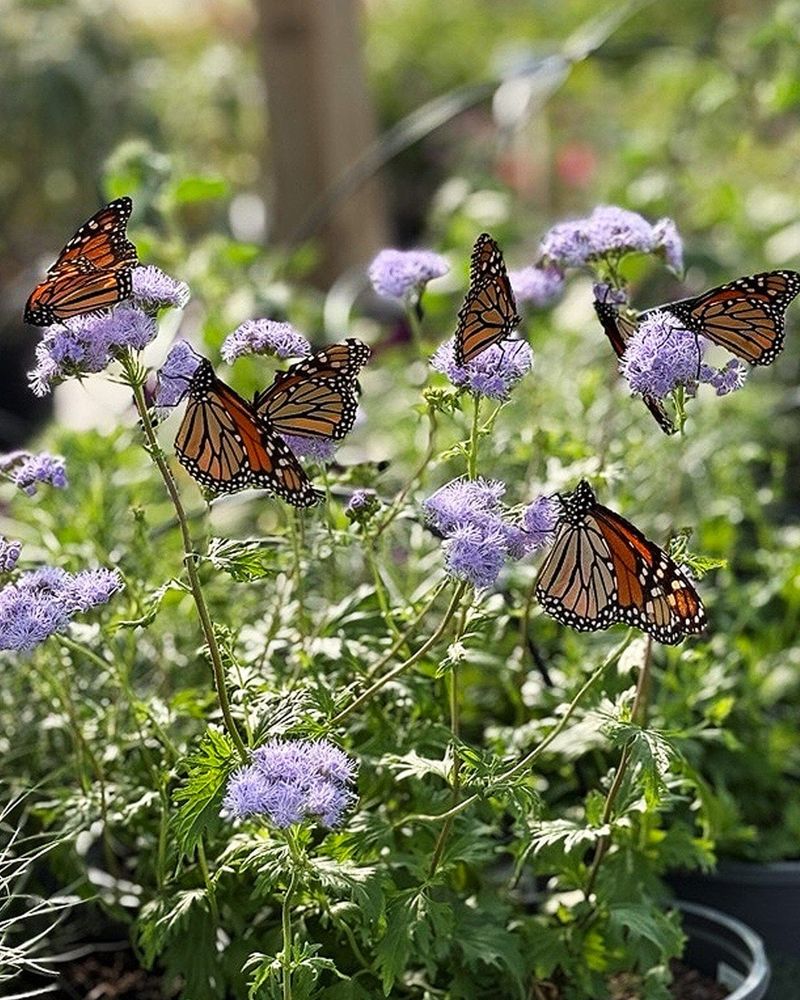
Color in a Texas garden during late summer is not always easy to come by, and that is part of what makes Gregg’s Mistflower stand out from a purely ornamental standpoint.
The plant produces dense, fuzzy clusters of small blue-purple flowers that create a soft, airy texture in garden beds and borders.
That color and texture combination works well alongside the warm yellows, oranges, and golds that often dominate Texas fall plantings.
Landscape designers and home gardeners alike have found that Gregg’s Mistflower fits naturally into pollinator gardens, native plant borders, and naturalized areas where a relaxed, wildlife-friendly aesthetic is the goal.
Its flower color tends to stand out against green foliage and earthy soil tones, making it visually effective even when planted in modest quantities.
Pairing it with plants that have contrasting textures or warm-toned blooms can create a layered, dynamic look in a Texas garden bed.
Beyond the visual appeal, the activity that the flowers bring adds another layer of life to any planting.
Watching butterflies, native bees, and other insects move through clusters of blue-purple blooms creates a sense of energy and movement that static ornamental plantings simply cannot replicate.
That combination of color and wildlife activity is part of what makes this native wildflower feel genuinely rewarding to grow.
Gregg’s Mistflower does not suit every landscape style, and it works best in settings where a naturalistic or wildlife-friendly design is welcome. In the right context, though, its seasonal color contribution is both practical and genuinely attractive.
7. A Spreading Growth Habit Helps Fill Open Garden Spaces
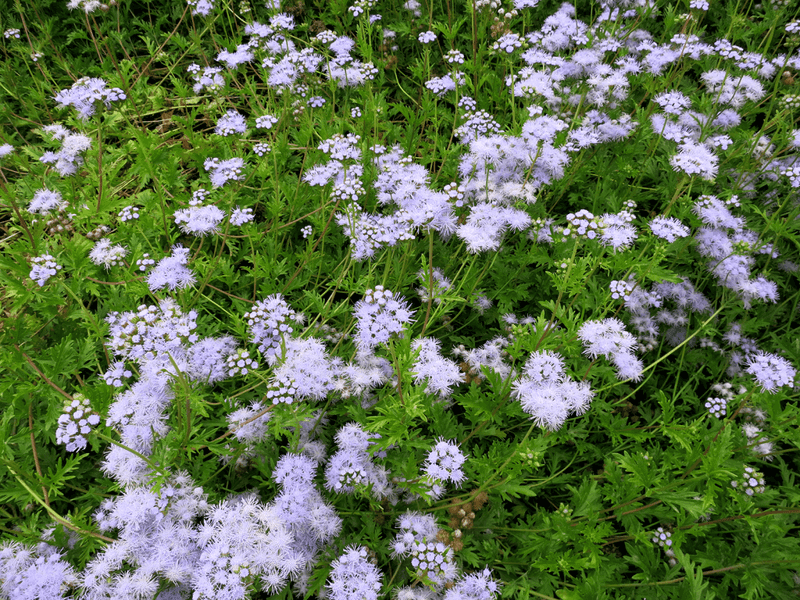
Some plants stay politely in their assigned spot season after season, while others have bigger ambitions.
Gregg’s Mistflower falls into the second category, and understanding that tendency before planting helps gardeners make the most of what this native wildflower naturally does well.
Over time, Gregg’s Mistflower spreads through underground rhizomes, gradually expanding outward from its original planting location.
This growth habit can be genuinely useful in open garden spaces where the goal is to establish a naturalized planting, cover bare ground, or create a larger patch of pollinator-friendly blooms without purchasing dozens of individual plants.
A few well-placed starts can fill a meaningful area over several growing seasons.
That spreading tendency does require some thoughtful placement, especially in more structured or formal garden designs where contained plants are preferred.
Gardeners who want Gregg’s Mistflower near other perennials or in a defined border should plan for some management over time to keep it from crowding neighboring plants.
Physical barriers or occasional division can help manage its spread if needed.
Based on credible Texas native plant sources, Gregg’s Mistflower is not classified as invasive in Texas. Its spreading behavior is characteristic of many native rhizomatous perennials and is considered manageable in most home garden settings.
For Texas gardeners looking to fill a larger open area with a native plant that provides seasonal color and pollinator value, this spreading habit is often seen as a feature rather than a drawback, as long as expectations are set realistically from the start.
8. Native Roots Make It A Strong Fit For Pollinator-Focused Landscapes
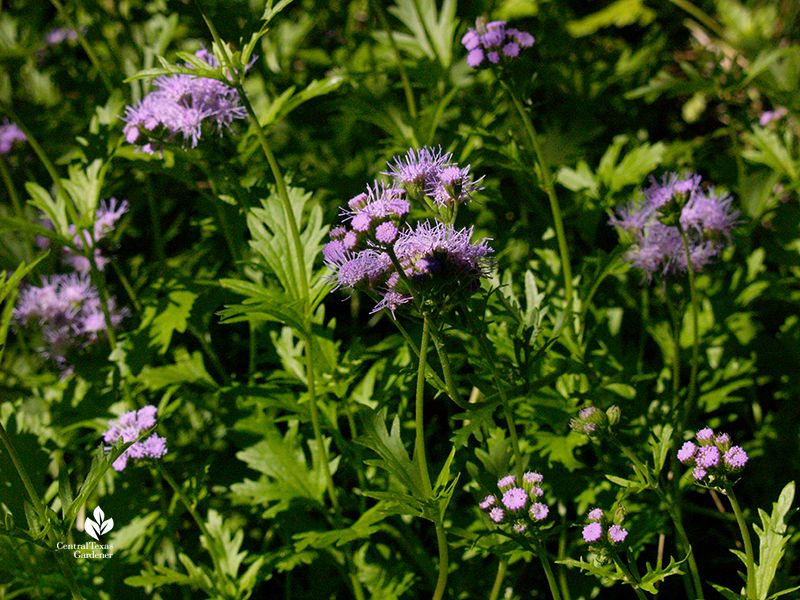
Building a garden that genuinely supports local wildlife means thinking beyond individual plants and considering how different species work together across the seasons.
Gregg’s Mistflower earns its place in pollinator landscapes not just because of its own qualities, but because of how well it fits into a broader planting strategy designed to support butterflies, bees, and other native wildlife throughout the year.
Its natural distribution is centered in western parts of the state, though it has been successfully grown in gardens across a much wider range of regions.
Gardeners should consider their specific location, soil type, and climate zone before planting, since regional suitability varies.
Checking with local AgriLife Extension resources or native plant societies can help determine whether Gregg’s Mistflower is a strong fit for your specific area.
No single plant creates a complete pollinator habitat on its own.
A well-rounded pollinator garden combines nectar plants that bloom across different seasons, host plants that support caterpillars and other larvae, and structural plants that provide shelter and overwintering habitat.
Gregg’s Mistflower contributes meaningfully to that mix by covering the late-season nectar gap, but it works best as part of a thoughtfully assembled plant community.
For gardeners ready to move beyond basic landscaping and create something that genuinely supports local pollinators, Gregg’s Mistflower is a strong and practical starting point.
Its native roots, seasonal value, and adaptability make it worth considering in Texas when building a landscape that does more than just look good.