The Native Texas Plant That Covered Prairies Before Settlement And Is Coming Back
Before Texas was a patchwork of ranches, farms, and suburban neighborhoods, much of its open land looked very different from anything most people alive today have ever seen.
Vast native prairies stretched across the landscape, dominated by plants that evolved over thousands of years alongside the soils, the rainfall patterns, and the wildlife of this region.
Most of those plants disappeared when the land was converted, overgrazed, or built over. One of the most significant is quietly coming back.
There’s a native Texas plant that once covered enormous stretches of the state’s open prairies and has been largely absent from residential and managed land for generations. It’s not a delicate wildflower requiring careful preservation.
It’s a substantial, ecologically powerful plant that built the deep, carbon rich soils Texas grasslands were known for, fed the wildlife that shaped this landscape, and anchored entire prairie ecosystems before settlement changed everything.
Big Bluestem Was Once A Prairie Powerhouse
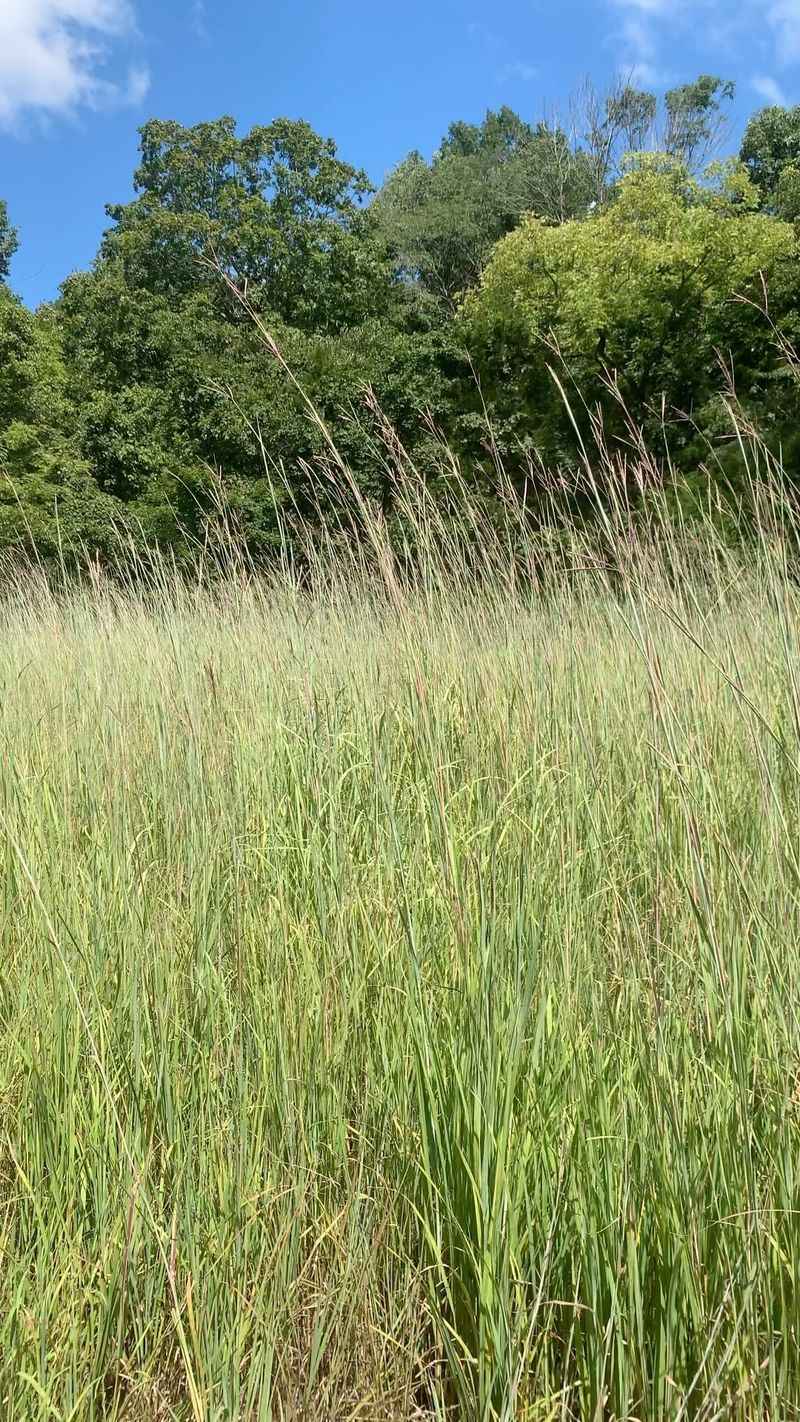
Imagine standing in a sea of grass so tall it brushed against your shoulders. That was the reality across historic Texas tallgrass prairies, where big bluestem (Andropogon gerardii) ruled the land.
This grass was one of the most dominant plants in the region. It grew thick and tall, sometimes reaching six feet or more.
Settlers who first traveled through Texas wrote about grass that could hide horses and cattle.
Big bluestem helped shape entire ecosystems. It gave the prairie its structure and worked alongside other native grasses and wildflowers.
Together they formed a living community that supported countless animals and insects.
When large amounts of land were plowed for farming and building, these prairies shrank fast. What once covered wide stretches of Texas became rare and scattered. Big bluestem lost much of its home.
Still, the plant left a lasting mark on Texas history. It reminds us of a time when nature stretched as far as the eye could see.
People who study prairies often call big bluestem the king of grasses because of how important it was.
Understanding its role helps us appreciate what native grasslands offered. They were not empty fields but rich, busy places full of life. Big bluestem stood at the center of it all.
Today, seeing even a small patch of this grass connects us to that older Texas. It is a reminder of a wild and beautiful landscape worth remembering and, when possible, bringing back for future generations to enjoy.
Its Deep Roots Built Stronger Soils
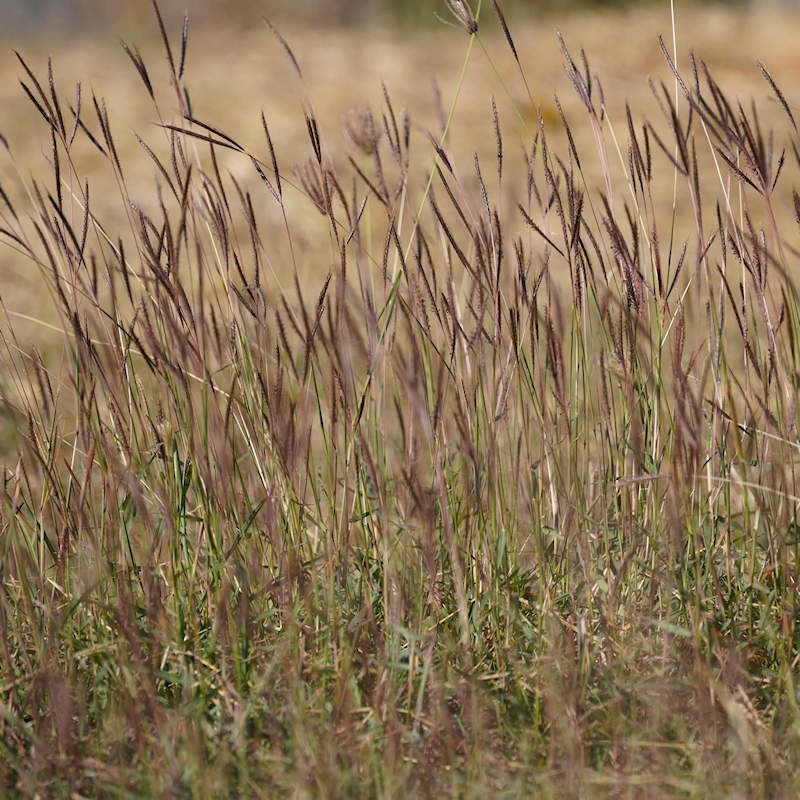
What you see above ground is only part of the story with big bluestem. Beneath the surface, this grass grows an amazing network of roots that reaches deep into the earth.
These roots can stretch several feet down. That depth gives the plant a powerful hold on the soil. During heavy rains, the roots help keep dirt in place instead of washing away.
Strong roots also make the soil healthier over time. As older roots break down, they add organic material back into the ground. This helps the soil hold water and nutrients better, which benefits nearby plants too.
Your Texas Garden Changes Every Week. Your Plan Should Too.
Gardening in Texas changes quickly throughout the season. Every Friday you’ll receive a simple weekly plan showing exactly what to plant, prune, fertilize, harvest, and protect so you never miss the right timing.
Deep roots give big bluestem a special ability to handle tough Texas weather. When the sun beats down and rain stays away for weeks, this grass keeps going. Its roots reach moisture that shorter plants simply cannot touch.
Because of this, big bluestem survives long dry spells that would harm many other plants. It stays green while gardens and lawns turn brown. That toughness made it a natural fit for the hot, unpredictable climate of the prairie.
Farmers and scientists have long admired how these roots improve land. Healthy soil built by native grasses can support crops, hold carbon, and stay productive for years.
For anyone thinking about planting big bluestem, the underground strength is a huge plus. You get a plant that mostly takes care of itself once it settles in.
The roots do the hard work, building better ground season after season while the grass stands tall in the Texas sun.
Restoration Projects Are Bringing It Back
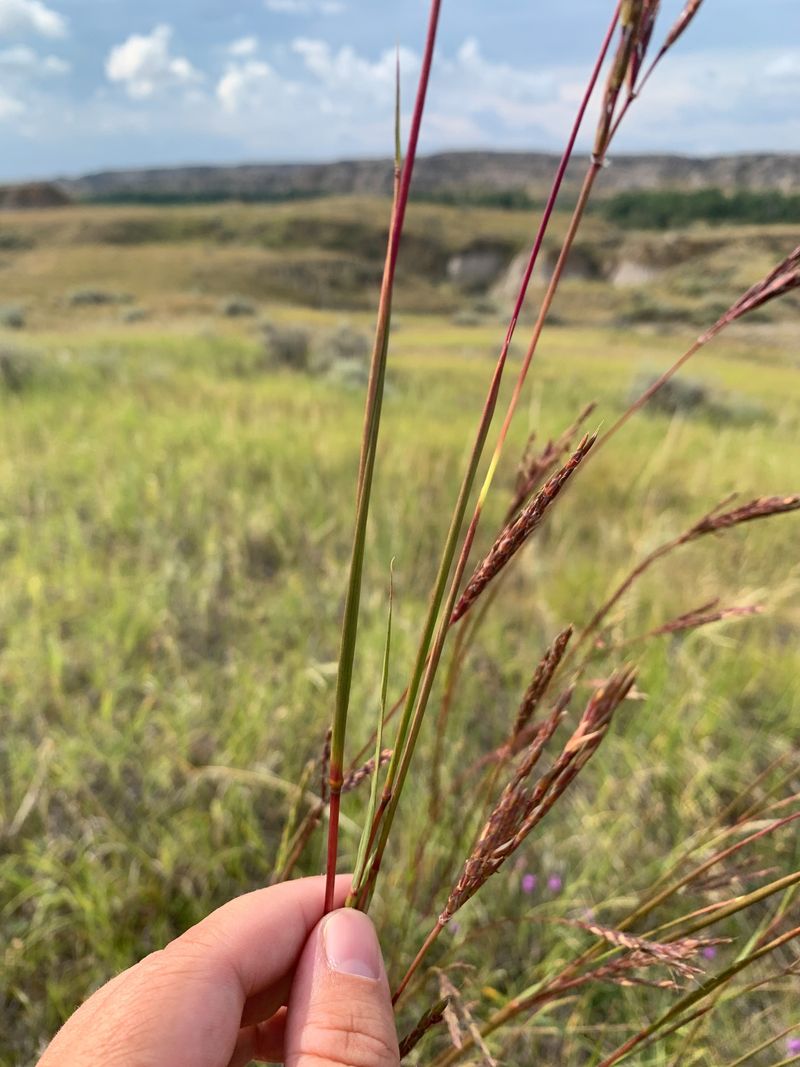
Here is the exciting part of the story. After years of decline, big bluestem is returning to Texas landscapes thanks to hardworking conservation groups.
These groups collect seeds from remaining native plants and grow them into new prairies. They plant big bluestem in fields, parks, and protected areas. Slowly, the tall grass is reclaiming ground it once covered.
Restoration work takes patience. Volunteers clear invasive plants, prepare the soil, and scatter native seeds.
Then they wait, sometimes for a few seasons, as the young grasses take hold and grow strong.
Big bluestem plays a key role in these projects. It helps replace grassland plants that vanished when prairies were lost.
As it grows, it creates a foundation for other native species to return too. Bringing back this grass does more than restore beauty. It rebuilds entire habitats. Insects, birds, and small animals slowly come back to areas that once seemed empty.
Many restoration sites now serve as living classrooms. Students and visitors can walk through restored prairies and see what Texas looked like long ago. These places spark curiosity and teach people why native plants matter.
Groups across the state share seeds and knowledge to spread the effort. Each new prairie, big or small, adds up to real change over time.
If you want to help, many organizations welcome volunteers for planting days. Even joining once can make a difference.
Watching big bluestem sway again in the Texas wind proves that lost landscapes can heal when people care enough to bring them back.
It Supports Texas Wildlife
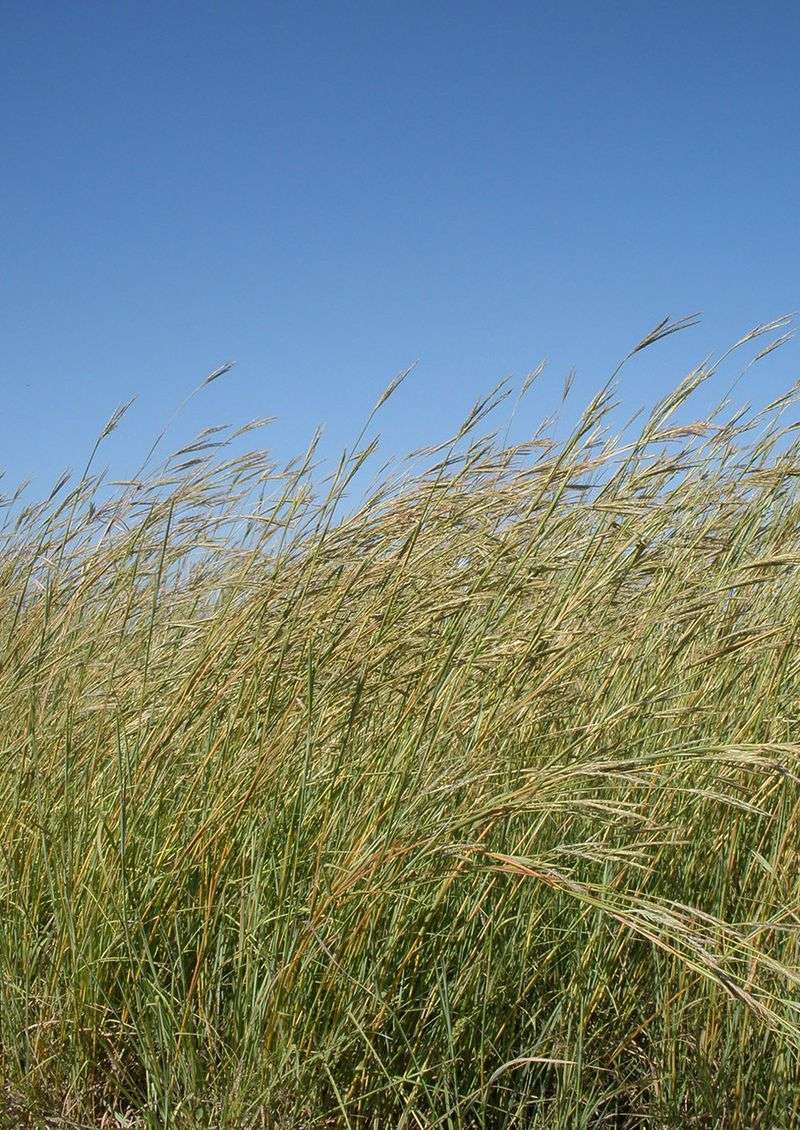
Picture a busy little world hidden among tall grass stems. Big bluestem creates exactly that kind of home for many Texas creatures.
The tall stems offer shelter and shade. Insects crawl and rest among the blades, safe from larger predators. Small animals use the thick growth as a hiding spot and a place to move around unseen.
Birds especially love big bluestem. The grass provides cover where they can build nests and stay protected. Some ground-nesting birds depend on tall native grasses like this one to raise their young.
Seeds from the plant become a food source too. During cooler months, when other food grows scarce, seeds and dried plant material help animals find something to eat. This steady supply keeps wildlife healthy through tough seasons.
Insects that live in the grass matter more than many people realize. They become food for birds, lizards, and other animals. In this way, big bluestem supports a whole chain of life on the prairie.
Pollinators also benefit from the habitat. When big bluestem grows alongside native wildflowers, the combined space attracts bees, butterflies, and other helpful insects.
Restoring this grass means restoring homes for creatures that had nowhere to go when prairies shrank. Every stand of big bluestem becomes a small wildlife refuge.
For gardeners who care about nature, this is great news. Planting big bluestem invites birds and beneficial bugs right into your yard.
You get to watch a lively natural community form around a single native grass, proving that even one plant choice can support many living things.
It Adds Native Beauty To Landscapes
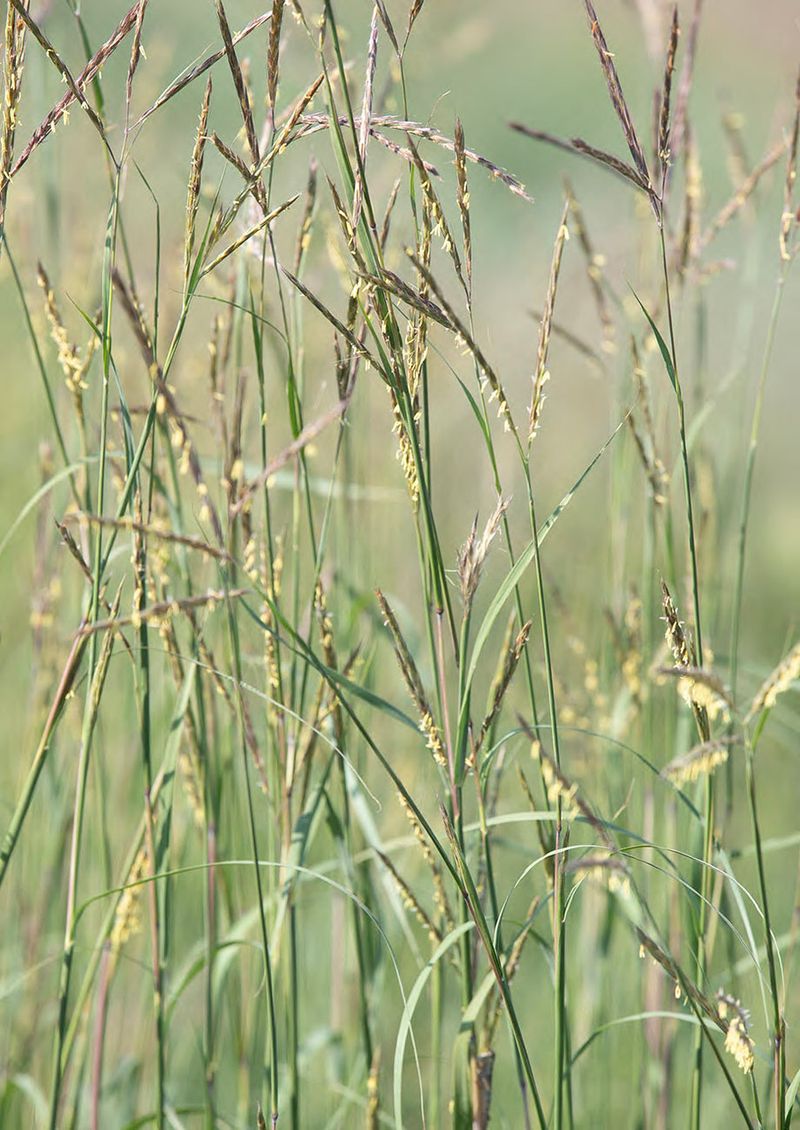
Beauty is another reason gardeners are falling in love with big bluestem again. This grass puts on a color show that changes with the seasons.
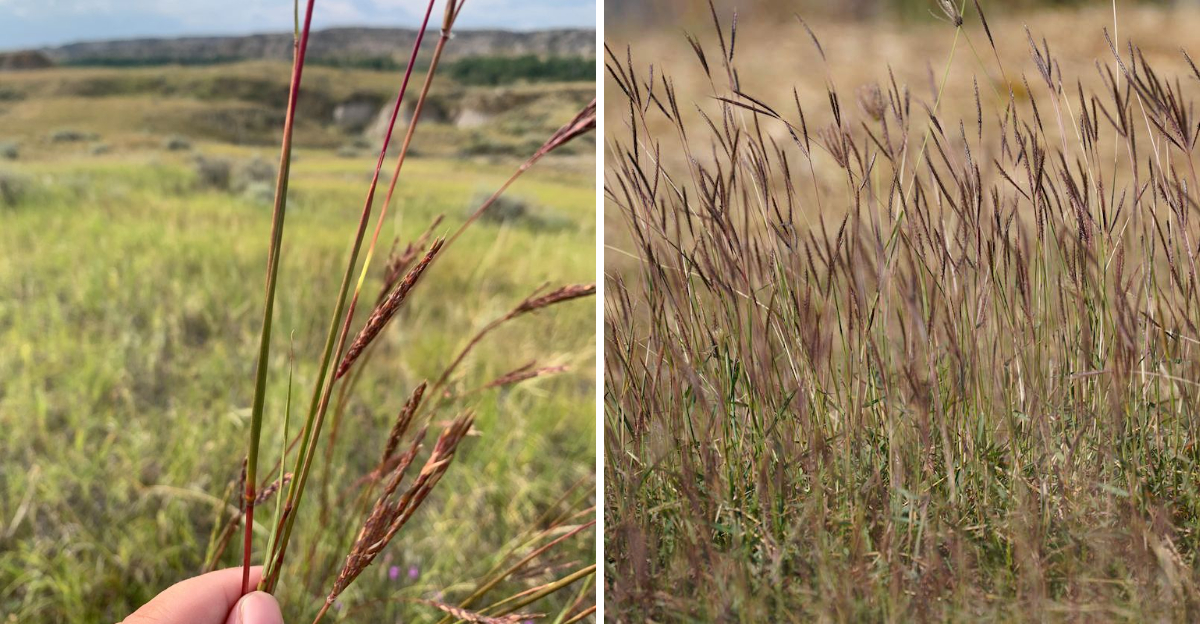
In summer, the leaves show a lovely blue-green shade. That cool color gives the plant its name and adds a soft, calm feel to any garden bed. The tall blades sway gracefully in the breeze.
As fall arrives, big bluestem transforms. The foliage shifts to warm shades of bronze and reddish copper.
Suddenly the same plant that looked cool and blue becomes rich and glowing in the autumn light.
Even winter has its charm with this grass. The standing stems hold their shape through the cold months. They add height, texture, and interest to gardens when most other plants have faded.
Those winter stems catch frost and morning light in beautiful ways. They also cast interesting shadows and give the yard a natural, wild look that store-bought plants often lack.
Landscapers use big bluestem to create movement and structure. Grouped together, the tall stems form a soft backdrop for shorter flowers and shrubs. Alone, a single clump becomes a striking focal point.
Because it is native, this grass fits right into Texas gardens without much fuss. It looks like it belongs, because it truly does.
Choosing big bluestem means picking a plant that stays interesting all year long. You get color in summer, warmth in fall, and texture in winter.
For anyone who wants a garden with natural beauty and low effort, this grass delivers something special in every season.
Plant It Where It Has Room To Grow
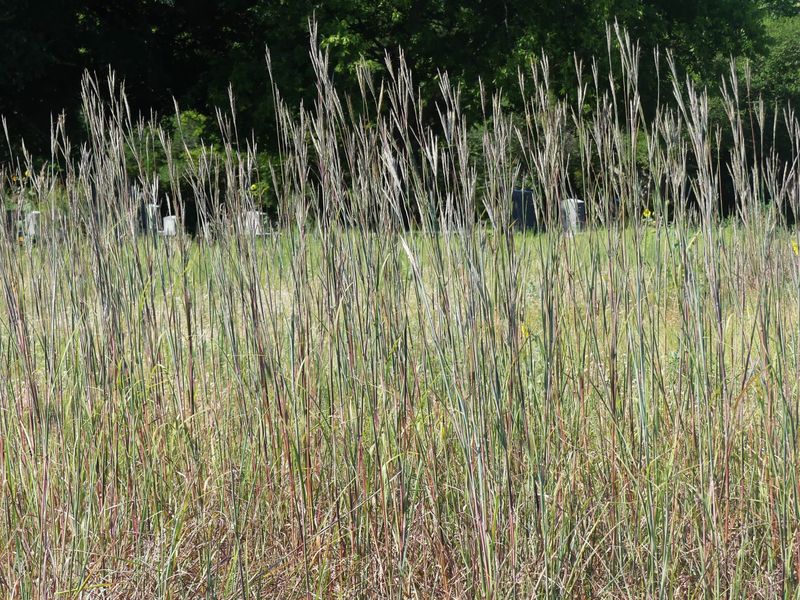
Before you plant big bluestem, know that it likes to make a statement. This grass grows tall and bold, so it needs the right spot to shine.
Mature plants can reach heights of five to seven feet. That is taller than most people.
Give it a place where it can stretch out without crowding smaller plants or blocking pathways.
Sunshine is the number one requirement. Big bluestem loves full sun and grows strongest in bright, open areas. Plant it where it gets plenty of light throughout the day for the best results.
Space matters too. Because it grows into a large, dramatic clump, leave room around each plant. Crowding it can limit its growth and hide its beautiful shape.
Good spots include the back of a garden bed, along a fence, or in a wide open area. Placing taller grasses behind shorter flowers creates a natural, layered look that feels balanced and full.
Once established, big bluestem needs very little care. Its deep roots handle heat and dry spells well, so you will not need to water it often. That makes it a smart pick for busy gardeners.
Many people cut the old stems back in late winter or early spring. This clears the way for fresh growth when warm weather returns.
Think of big bluestem as a grass that rewards patience and planning. Give it sun and space, and it will grow into a stunning native feature.
With the right spot, you can enjoy a piece of old Texas prairie right in your own yard for years to come.