What It Really Means When A Manatee Lingers Near Your Florida Dock
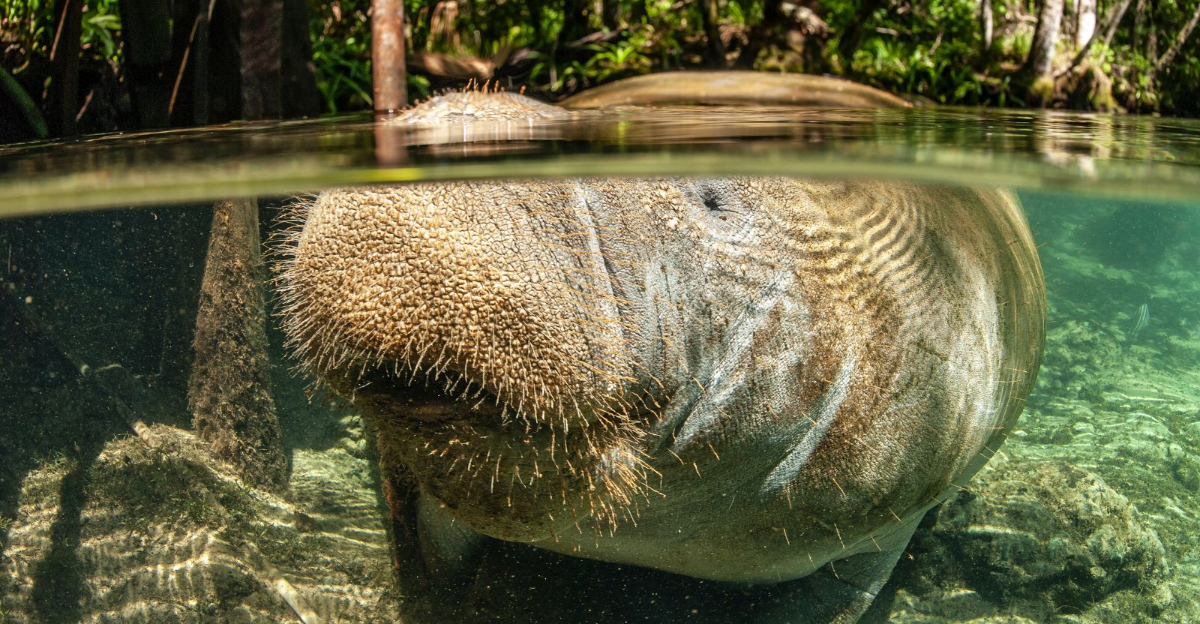
Few things stop a Florida dock day faster than spotting a large, slow-moving shape drifting just below the surface.
West Indian manatees are one of the most recognizable marine mammals in North America, and encounters near residential docks happen more often than most waterfront homeowners expect.
The moment one lingers nearby, the questions start. Is it okay? Should something be done? Is this normal?
The reassuring answer is that a manatee near your dock is not automatically a cause for concern.
These gentle animals use Florida’s rivers, canals, springs, and coastal waterways for a whole range of everyday activities, from resting and feeding to simply moving through familiar territory.
A dockside visit can reflect perfectly normal behavior rather than a signal that the animal needs human intervention. Knowing the difference matters quite a bit, both for the manatee and for the people watching from the dock.
1. The Dock Area May Provide A Quiet Resting Spot
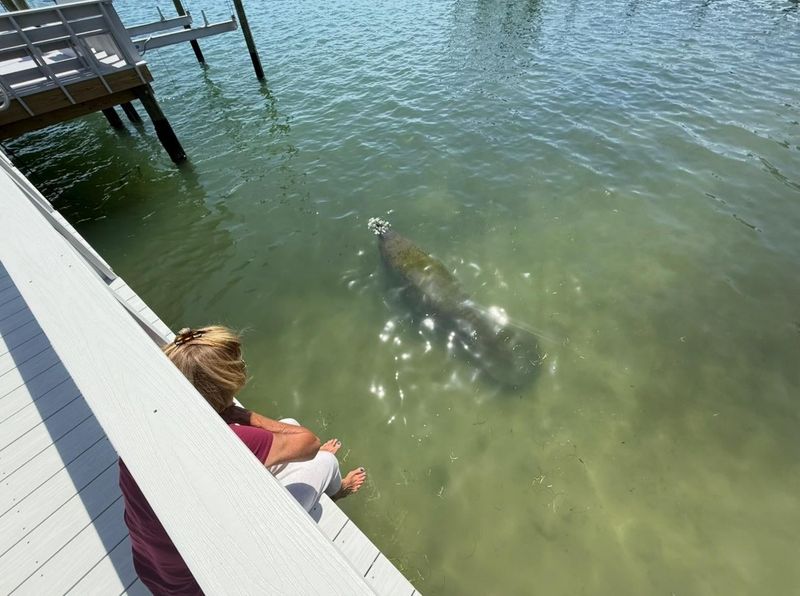
Calm, sheltered water near a dock can be surprisingly appealing habitat for a resting manatee. Manatees spend a significant portion of each day resting, and they tend to seek out areas where the water is quiet and boat traffic is minimal.
A dock tucked into a canal or a protected cove along a Florida waterway can offer exactly that kind of stillness.
During a rest period, a manatee may remain in the same general area for several hours. It will rise to the surface every few minutes to breathe, then sink back down slowly.
This pattern can look unusual to someone who has never observed it before, but it is entirely normal behavior for a healthy animal.
Manatees do not form attachments to specific docks or to the people who own them. If a manatee is resting near your dock, it likely chose that spot because the conditions suited its needs at that moment.
The water may be calm, the depth may be comfortable, and the area may be free from the kind of activity that tends to disturb resting wildlife.
Dock owners sometimes worry that a motionless manatee is sick or stranded, but a manatee that is breathing regularly and repositioning itself occasionally is most likely simply resting.
Watching quietly from a distance is the best way to appreciate the encounter without disrupting the animal’s natural behavior.
2. The Water May Offer A Good Feeding Area
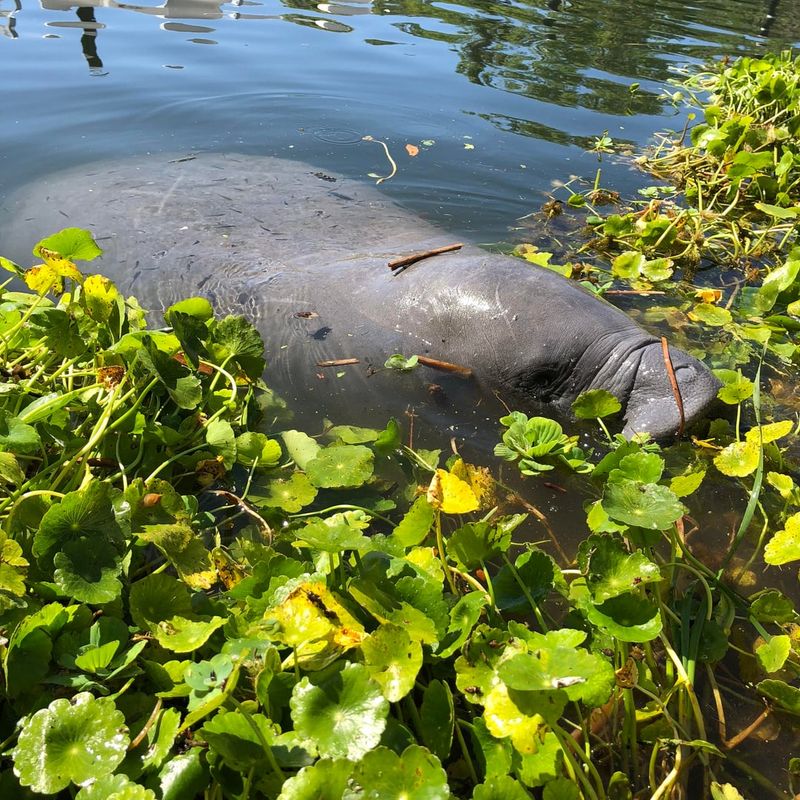
Seagrass beds, algae, and other aquatic vegetation grow in many of Florida’s shallow waterways, and manatees depend on these plants as their primary food source.
An adult manatee can consume a large amount of vegetation each day, so it tends to spend a considerable portion of its waking hours grazing.
If your dock sits near a stretch of water that supports healthy plant growth, a manatee may simply be taking advantage of a nearby food source.
Manatees are strict herbivores, meaning they feed entirely on plant material. They use their flexible lips to grasp and pull vegetation from the bottom or from the water column.
Your Florida Garden Changes Every Week. Your Plan Should Too.
Gardening in Florida changes quickly throughout the season. Every Friday you’ll receive a simple weekly plan showing exactly what to plant, prune, fertilize, harvest, and protect so you never miss the right timing.
In Florida’s coastal areas and river systems, common food sources include various species of seagrass, water hyacinth, and other submerged or floating plants.
It is worth noting that not every manatee near a dock is actively feeding. Without visible grazing activity, it is difficult to say for certain what the animal is doing.
Observing the water around the dock for signs of aquatic vegetation may give some clues about whether the area offers suitable foraging habitat.
Feeding manatees anything, including vegetables, garden plants, or other food items, is strongly discouraged.
Offering food to wild manatees can alter their natural behavior and draw them closer to boat traffic and other hazards, which creates unnecessary risks for the animals.
3. The Dock May Provide Shelter From Busy Waterways
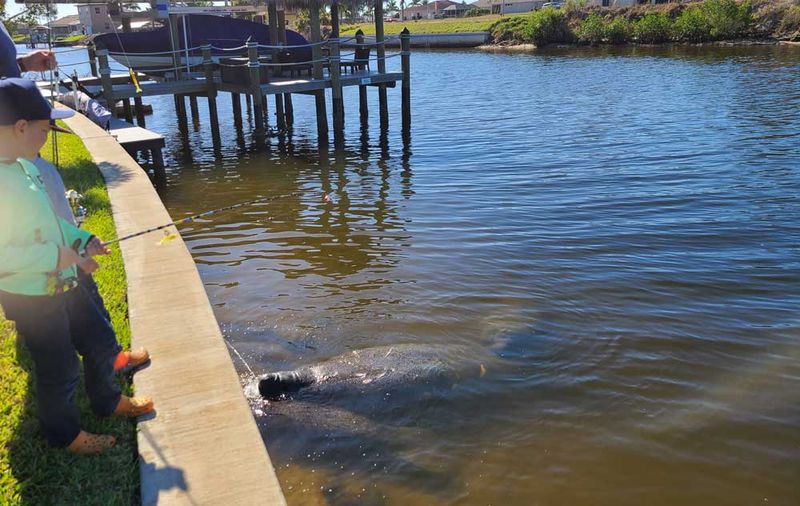
Busy boat channels, open bays, and high-traffic waterways are not always the most comfortable environments for manatees moving through Florida’s coastal and inland areas.
Areas near residential docks, particularly those located along quieter canals or protected coves, can offer a less disturbed stretch of water that suits a manatee’s preference for calmer conditions.
Manatees are not fast swimmers, and they tend to move at a leisurely pace through their habitat. When nearby waterways carry heavy boat traffic, a manatee may linger in a quieter area while activity in the main channel settles down.
A dock located along a side canal or a low-traffic stretch of water may simply fall within that quieter zone.
It would be an overstatement to say that manatees specifically seek out docks as shelter structures. What they may be responding to is the overall character of the habitat around a dock, meaning calm water, reduced noise, and less disturbance from passing vessels.
The dock itself may be incidental to the manatee’s presence rather than the reason for it.
Homeowners and boaters near Florida waterways can support manatee-friendly conditions by observing posted speed zones, reducing wake near areas where manatees are spotted, and avoiding activities that create unnecessary noise or disturbance in calm areas where these animals may be resting or moving through.
4. The Manatee May Be Resting Near The Surface
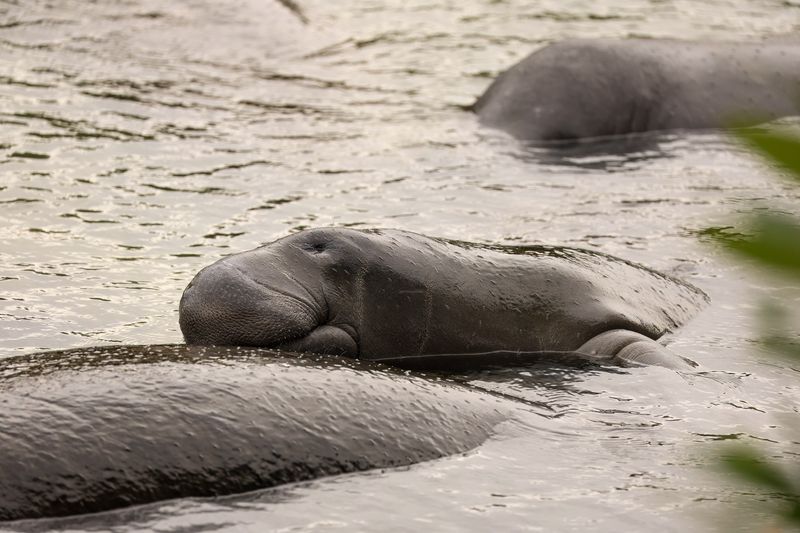
Watching a manatee float motionless just below the surface of the water near a dock can be a striking sight, especially if you are not familiar with their resting habits.
Manatees breathe air, and when they rest, they often position themselves at or just below the surface so they can breathe without much effort.
A resting manatee may take a breath every few minutes and then sink back down slowly, sometimes staying nearly still for extended periods.
This behavior is completely normal for a healthy manatee. The animal is not stranded, stuck, or in distress simply because it appears inactive.
Manatees are known to rest for several hours at a time, and a calm, slow-breathing animal near the surface is most likely doing exactly what it needs to do.
Signs that may indicate a manatee actually needs attention include visible injuries such as deep cuts or propeller wounds, entanglement in fishing line or rope, unusual listing or spinning in the water, or an animal that does not respond or move after an extended period.
If you notice any of these signs near your Florida dock, contacting the Florida Fish and Wildlife Conservation Commission’s Wildlife Alert Hotline is the appropriate step.
For a manatee that is simply floating and breathing near the surface, the best response is to watch quietly, keep pets and people out of the water, and allow the animal to rest undisturbed on its own schedule.
5. The Manatee May Be Following A Familiar Travel Route
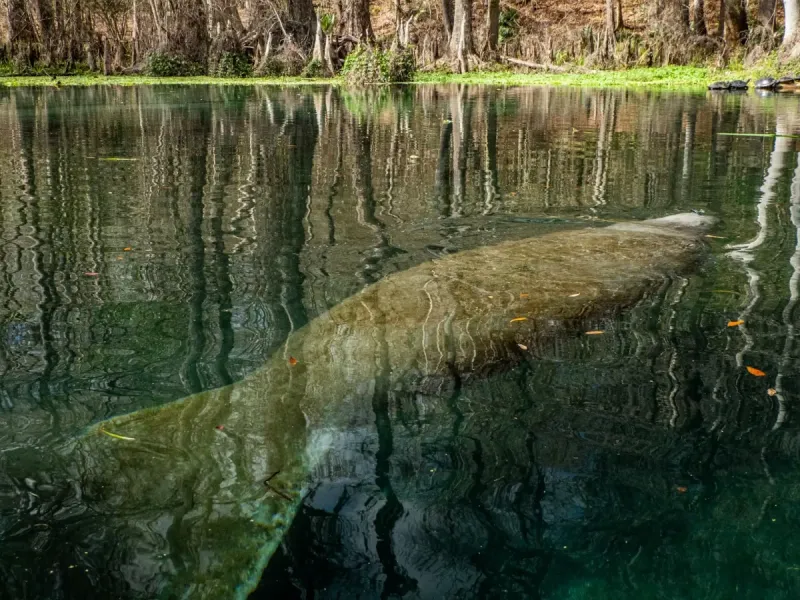
Manatees move through a range of habitats across Florida, including rivers, estuaries, coastal bays, springs, and canals. Their movements are often tied to the search for food, suitable water temperatures, and resting areas.
Some manatees travel recognizable corridors through the state’s waterways on a seasonal or even regular basis, and a dock that sits along one of those routes may see repeat visits from the same individual or from different animals passing through.
Repeated sightings of a manatee near the same dock do not necessarily mean the animal has claimed that location as a home base. It may simply mean that the waterway in front of your dock is part of a travel corridor that the animal uses regularly.
The interconnected canal systems, rivers, and coastal areas here create a network of routes that manatees navigate throughout the year.
Manatees are capable of traveling considerable distances, and their movement patterns can shift with the seasons. During warmer months, they tend to spread out across a wider range of coastal and inland waters.
As temperatures drop, they often move toward warmer areas such as natural springs or the warm-water outflows associated with certain industrial facilities.
Seeing the same manatee near your dock on multiple occasions is a completely normal part of living along Florida’s waterways. It reflects the animal’s natural use of the habitat rather than any special connection to your property or to you personally.
6. The Manatee May Be Taking Advantage Of Warm Water Conditions
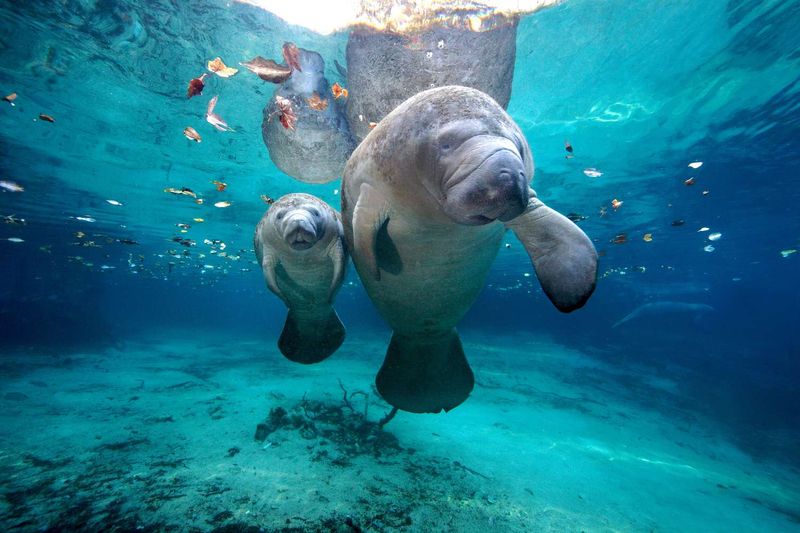
Manatees are sensitive to cold water temperatures and can experience a condition called cold stress syndrome when water temperatures drop too low. This becomes a concern during the cooler months, particularly from late fall through early spring.
During these periods, manatees tend to congregate near natural warm-water refuges such as freshwater springs, which maintain a relatively stable water temperature throughout the year.
Some canals and residential waterways may retain warmer water temperatures than nearby open bays or coastal areas, particularly in areas with limited tidal exchange or where water circulation is reduced.
A manatee may linger near a dock in one of these areas simply because the surrounding water is more comfortable than other nearby options during a cooler stretch of weather.
It is important to note that not every dock visit is temperature-related. During warmer months, water temperature is less of a factor, and manatees may be near a dock for entirely different reasons such as feeding, resting, or traveling.
Temperature-seeking behavior tends to be more noticeable during cold snaps or after extended periods of cooler weather.
Natural warm-water springs found at several Florida state parks and wildlife refuges provide the most reliable warm-water habitat for manatees during cold weather.
Docks and canals are not substitutes for these natural refuges, but they may offer slightly warmer conditions in certain situations during cooler periods.
7. A Dock Visit Does Not Mean The Manatee Needs Food Or Help
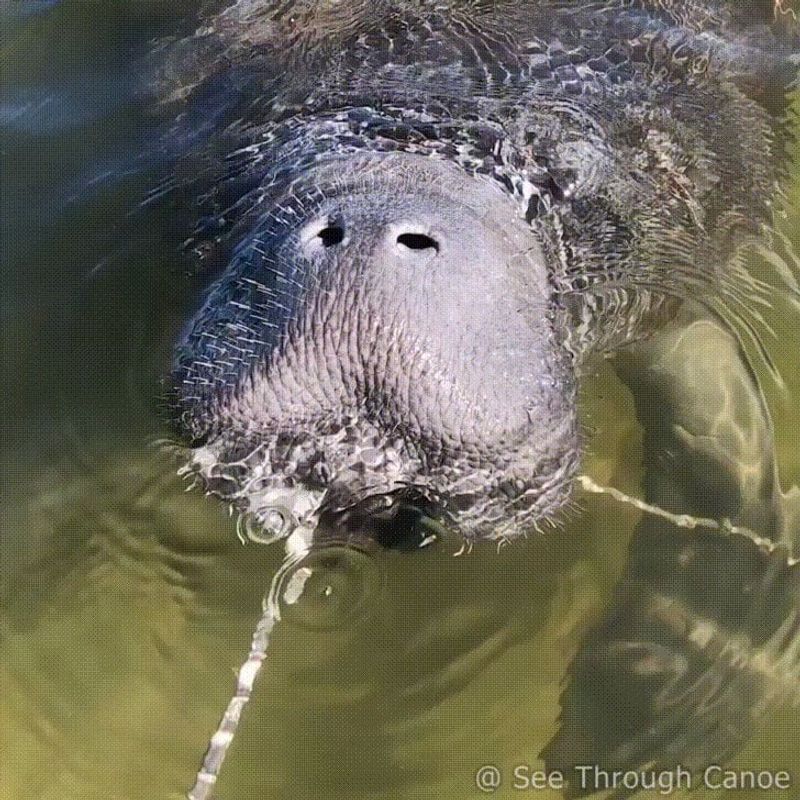
One of the most common reactions people have when a manatee lingers near their dock is the urge to help it in some way.
That instinct comes from a good place, but offering food, pouring fresh water into the area, or attempting to touch or guide the animal can actually cause harm rather than help.
Manatees that associate people or docks with food can begin to approach boats and high-traffic areas more frequently, which puts them at greater risk of injury.
Feeding wild manatees is not only discouraged but is also prohibited under federal and state law. The Marine Mammal Protection Act and Florida state regulations protect manatees from harassment, which includes actions that alter their natural behavior.
Offering food or fresh water to a manatee near your dock, even with good intentions, can fall under that category.
A manatee that is simply floating, moving slowly, or resting near your dock is not automatically an animal in need of rescue. Healthy manatees exhibit these behaviors as part of their normal daily routine.
The animal does not need food, water, or encouragement to move along.
If you observe a manatee with a visible injury, entangled in gear, showing signs of distress, or behaving in a way that seems clearly abnormal, the right step is to contact the Florida Fish and Wildlife Conservation Commission’s Wildlife Alert Hotline rather than attempting to intervene on your own.
8. The Best Response Is To Observe Without Disturbing
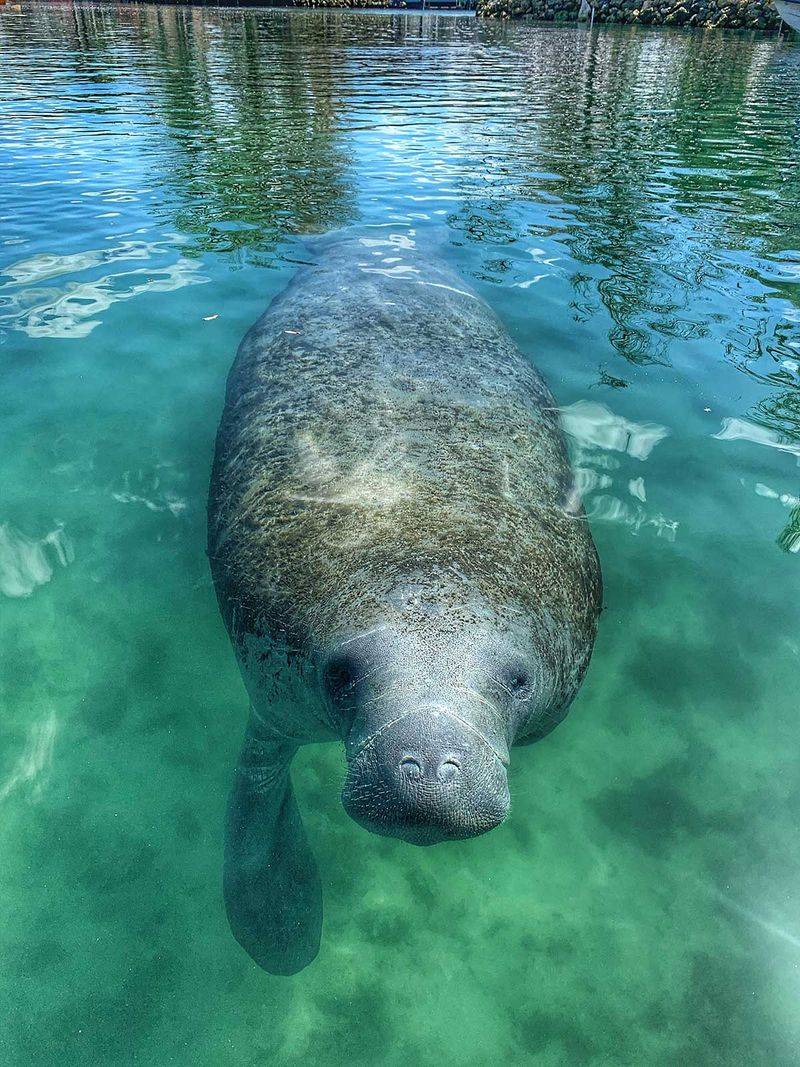
Few experiences along the waterway match the quiet pleasure of watching a manatee move through the water near your dock.
These encounters offer a rare, up-close look at one of the most recognized wildlife species in the state, and the best way to make the most of the moment is simply to watch without interfering.
Keeping a respectful distance, staying quiet, and resisting the urge to enter the water or reach toward the animal allows the manatee to behave naturally while you observe.
Boaters and dock owners can support manatee safety by reducing speed in areas where manatees are present, following posted manatee speed zone signs, and avoiding the creation of large wakes near animals that are resting or feeding.
Noise and sudden movements near manatees can cause them to flee, which disrupts their rest or feeding and may push them toward less safe areas.
Keeping pets away from the water when a manatee is nearby is also a reasonable precaution. Dogs that enter the water near a manatee can startle the animal and create a stressful situation for both the pet and the wildlife.
Living near the waterway means sharing that environment with the animals that call it home.
Manatees near a dock are a reminder of how rich and alive Florida’s aquatic ecosystems can be, and quiet, respectful observation is both the most enjoyable and the most responsible way to experience these encounters.