The Backyard Fruit Oregon Birds Strip First Before Gardeners Can Harvest It
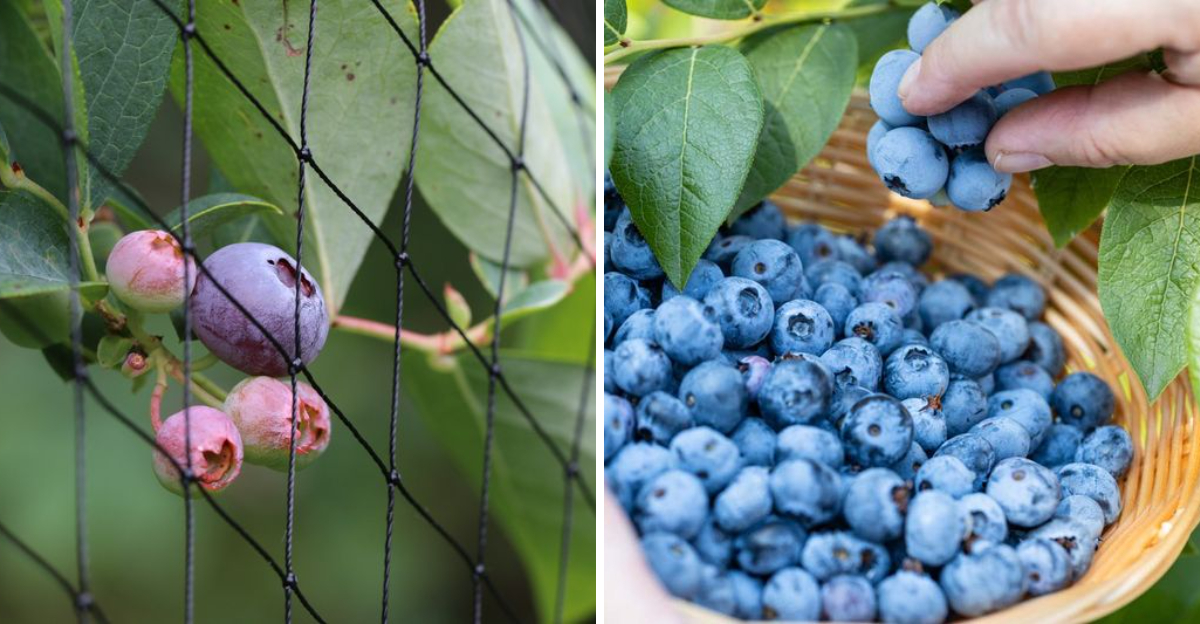
August can make an Oregon backyard feel ready to pay you back.
Branches are heavy. Fruit is coloring. A bowl is waiting on the kitchen counter, and one more warm day seems like all the crop needs.
Then morning arrives.
The branches look strangely light. A few stems are bare. Bits of fruit sit beneath the plants, and the visitors responsible are already somewhere else.
That disappearing act is not random.
Certain backyard crops become much easier for birds to spot as color, sugar, and softness change near harvest. Once a reliable food source is discovered, repeated visits can turn a promising crop into a very short race.
So which fruit tends to draw that attention first?
The answer is one Oregon gardeners often grow in open, easy-to-see clusters, exactly where hungry birds can monitor ripening progress almost as closely as the person who planted it.
A few well-timed steps can shift the advantage back before the backyard harvest becomes breakfast for somebody with wings. Before you reach the bowl.
1. Blueberries Turn Into A Bird Magnet As Soon As Color Deepens
The fruit reveal happens fast.
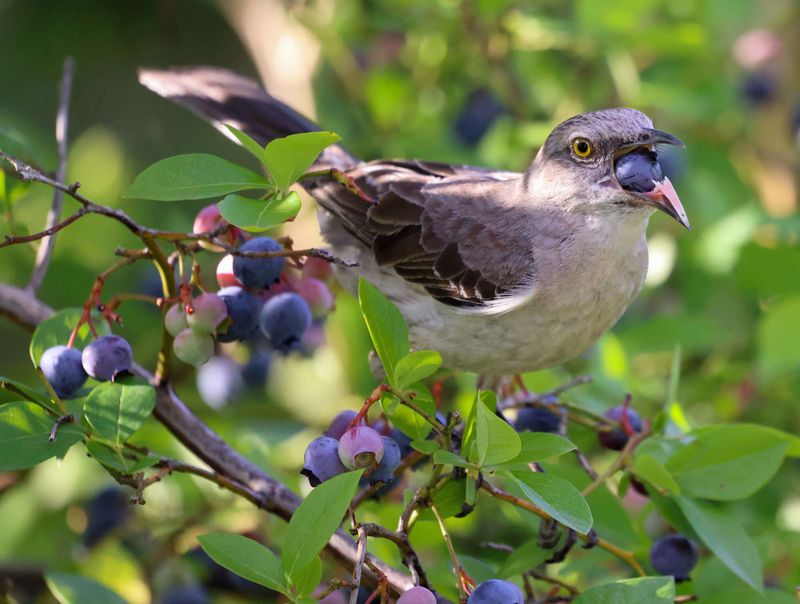
Blueberries are one of the easiest backyard crops for Oregon birds to notice once clusters begin shifting from green toward blue.
Robins, cedar waxwings, Steller’s jays, and other fruit-eating birds can learn where a productive bush sits and return as ripening continues.
That does not mean every bush gets stripped overnight.
Bird pressure varies with location, nearby habitat, alternative food sources, bush size, and how visible the crop is. A yard beside mature trees or open perches may see much more activity than a protected courtyard garden.
The color change is what should get your attention.
Start checking bushes frequently as the first berries begin to blue up. Do not wait for the entire crop to reach peak sweetness before deciding whether protection is necessary.
By then, birds may already have added the bush to their daily route.
Look for pecked berries, dropped fruit, missing clusters, or birds perching nearby before descending into the plant.
That early scouting gives you time to act before losses become obvious.
Blueberries do not need to be fully ripe to attract curiosity.
Once the bush starts advertising the harvest in blue, the neighborhood may notice before you have picked a single handful.
2. Protect Bushes Before Berries Fully Sweeten
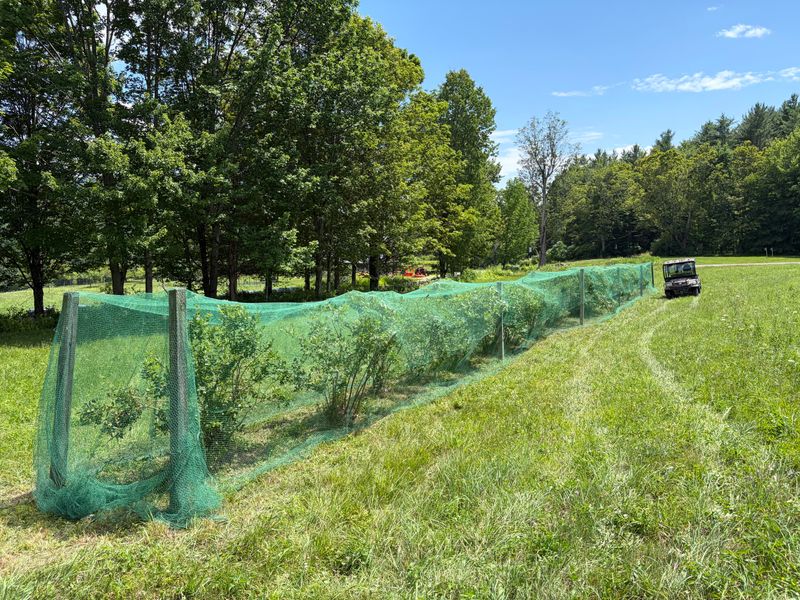
The easiest bird problem to manage is the one that has not become routine yet.
Once repeated visits start, birds can become surprisingly persistent around a productive blueberry bush. That is why protection works best before the crop reaches its sweetest stage, not after several mornings of obvious feeding.
Watch the first color change.
When scattered berries begin turning blue, get the barrier ready. A frame with bird-safe netting can be installed before the main flush ripens, giving you time to find loose edges, gaps, or sections that sag onto the branches.
Early protection also reduces temptation.
Birds that never get an easy first meal have less reason to keep checking the same plant. That does not guarantee they disappear, but it can keep the bush from becoming an established feeding stop.
Your Oregon Garden Changes Every Week. Your Plan Should Too.
Gardening in Oregon changes quickly throughout the season. Every Friday you’ll receive a simple weekly plan showing exactly what to plant, prune, fertilize, harvest, and protect so you never miss the right timing.
Do not cover plants while they are still depending heavily on pollinator access during flowering. The timing belongs after bloom, as fruit begins developing toward ripeness.
Keep harvesting access in mind too.
A barrier that takes twenty minutes to remove will become annoying during peak season. Build an opening you can reach easily, then close securely after every picking.
The goal is not to outsmart birds once.
It is to avoid teaching them that your blueberry bush is a dependable breakfast counter.
A little preparation before peak ripening makes that lesson much harder for them to learn.
3. Net Plants Before The First Big Bird Rush
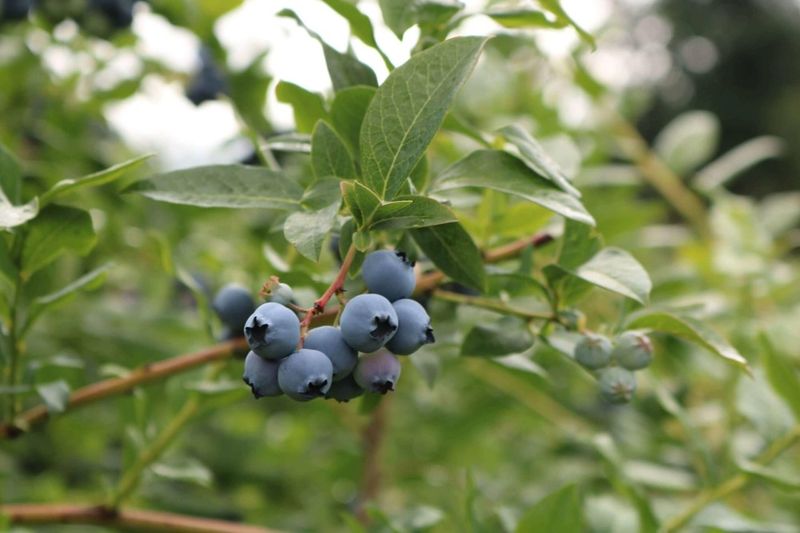
Loose netting can save berries and create a completely different problem at the same time.
Mesh draped directly over blueberry branches may sag, twist, or create pockets where birds can become tangled. It can also sit so close to the fruit that determined birds simply peck berries through the openings.
A supported frame works better.
Use hoops, stakes, PVC, conduit, or another simple structure to hold the net away from the foliage. The goal is a clear barrier around the bush rather than mesh wrapped through the branches.
Choose netting designed for bird exclusion and inspect it regularly for tears or loose sections.
The bottom edge deserves just as much attention as the top.
Robins and other birds can approach from the ground, so a beautifully covered canopy with an open base is not much of a barrier.
Secure the perimeter with clips, boards, weights, or garden staples while leaving yourself one deliberate access point for harvest.
Check the setup after wind.
Oregon summer weather can shift lightweight mesh, and one loose corner may be all a persistent bird needs.
A good barrier should protect fruit without becoming a hazard to wildlife.
That means taut enough to stay visible, supported enough to avoid tangles, and secure enough that birds cannot simply walk underneath.
The blueberry cage does not need to look elegant.
It just needs to stop functioning like a puzzle with an obvious answer.
4. Pick Ripe Berries On A Regular Schedule
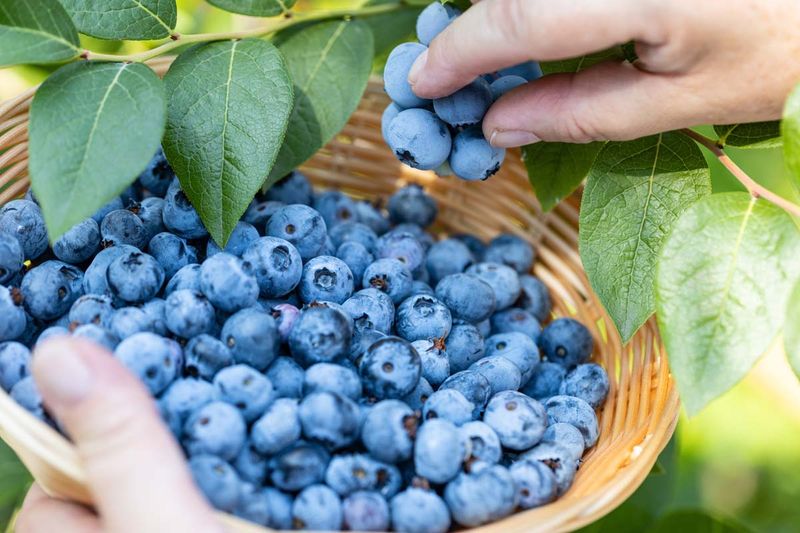
A ripe berry left on the bush is entering the most competitive part of the season.
Blueberries do not all ripen at once, which is good for gardeners and birds alike. That staggered schedule means the same bush can offer fresh fruit repeatedly over several weeks.
Use that to your advantage.
Check productive plants every couple of days during peak ripening rather than saving the whole job for the weekend. Fully ripe berries usually release easily with a gentle touch and have developed good color around the fruit.
Do not strip berries that are still firm and reluctant to detach just because they look blue from a distance. Some need additional time on the bush to finish developing flavor.
Morning harvests can be especially practical.
You get a chance to collect ripe fruit before another full day of bird activity, and cooler temperatures make the job more pleasant.
Look inside the canopy as well as along the outer branches. Birds often find exposed clusters first, while shaded fruit deeper in the bush can be easy for gardeners to miss.
Frequent picking does not eliminate bird pressure.
It simply shortens the amount of time prime fruit sits available between your visits.
During the heaviest ripening stretch, that can make a noticeable difference.
There is no prize for leaving a perfect berry hanging an extra three days.
Once it is truly ready, the safest storage place is probably not the branch.
5. Secure Netting All The Way Around
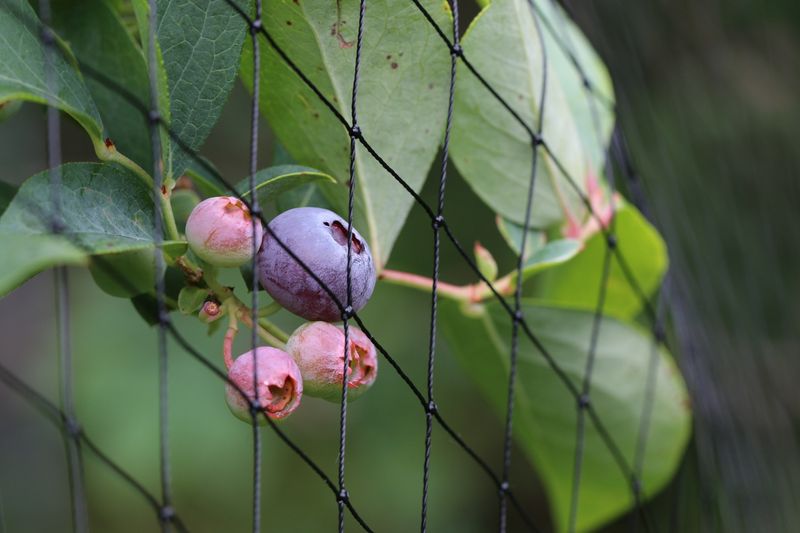
The most frustrating blueberry loss can happen beneath a barrier that looked completely secure from above.
Birds do not always attack from the air.
A robin can hop along the ground, find a loose edge, and walk directly under netting that covers the entire top of the bush. Once inside, getting back out may be harder, creating stress for the bird and chaos for the gardener.
Treat the perimeter like the actual doorway.
Pin or weight the net all the way around, paying special attention to corners and uneven ground. Small gaps can appear where mulch, rocks, raised-bed edges, or container rims keep the mesh from lying flat.
For potted blueberries, clips can fasten netting to a support frame or container structure without wrapping mesh tightly around the plant itself.
Keep one section easy for you to open.
A clearly defined harvest flap is much better than loosening random portions of the net every time you pick, then forgetting which edge was left unsecured.
Inspect the base after wind, irrigation, pets, or yard work. Anything that shifts the barrier can create a new opening overnight.
The goal is not to trap wildlife inside a cage. It is to make the outside boundary obvious and difficult to enter.
A bird that circles the bush and finds no easy gap will often move along. A bird that finds one loose corner may remember exactly where breakfast was served.
6. Move Scare Devices Before Birds Adjust
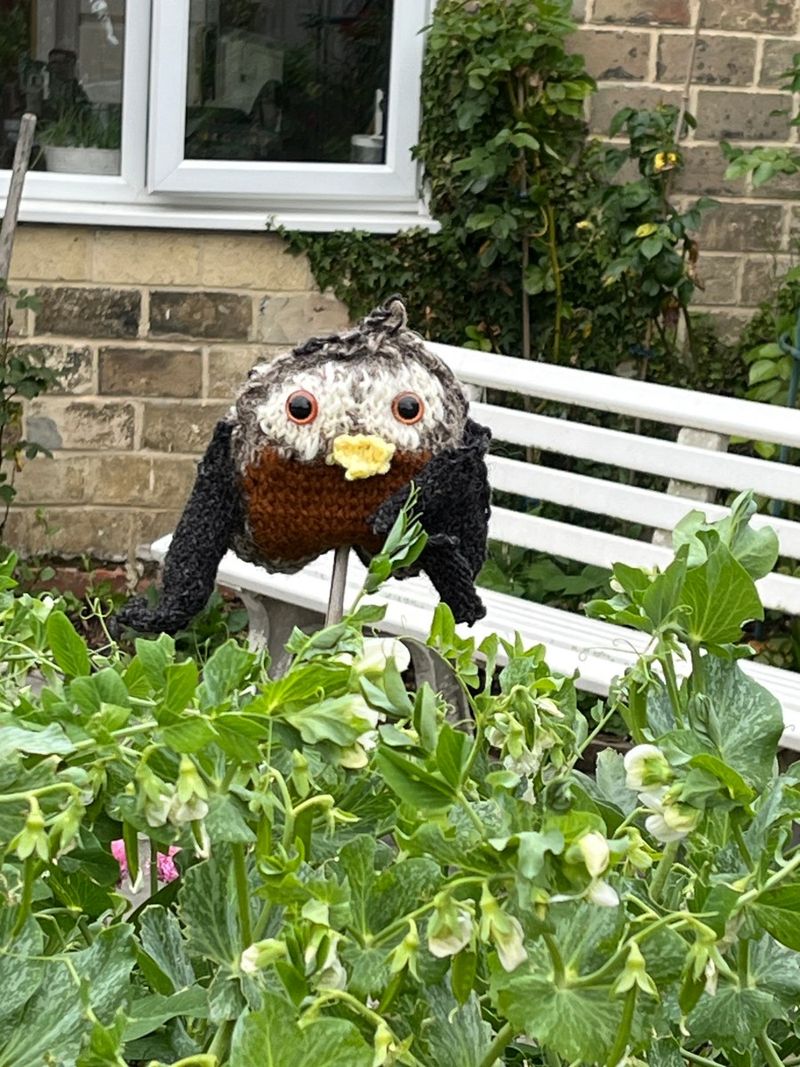
A plastic owl that never moves eventually becomes part of the scenery.
Birds are good at learning which threats are real and which ones simply sit beside the blueberry patch looking dramatic.
Reflective tape, pinwheels, predator shapes, and other visual scare devices may help for a while, but their usefulness often fades as birds become accustomed to them.
Movement buys more time.
Shift visual deterrents every few days. Change their height, angle, or position around the bush so the setup does not become predictable.
Reflective material that actually moves in a breeze is usually more disruptive than something hanging motionless from one branch.
Start before feeding becomes intense.
A scare device introduced after birds have already enjoyed several days of ripe berries has a harder job than one placed before the crop becomes familiar.
Do not rely on sound alone in a neighborhood.
Repeated noise can bother people long before it bothers persistent birds, and stationary sounds can also lose effectiveness as wildlife adjusts.
The stronger approach is to treat visual deterrents as backup for a physical barrier.
Netting protects the fruit directly. Moving objects add uncertainty around the outside.
That combination makes more sense than expecting one fake predator to patrol the crop for six straight weeks.
Birds are observant.
Any deterrent that never changes eventually tells them something useful: nothing bad happens here.
7. Combine Netting With Other Deterrents
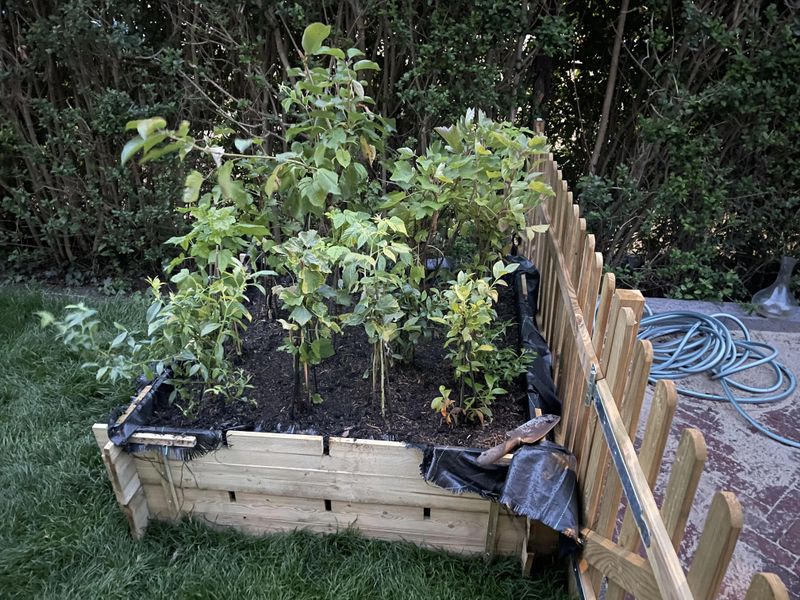
One trick rarely carries an entire blueberry harvest through the season.
Physical exclusion does the most dependable work, while quick harvesting and changing visual deterrents reduce the opportunities birds have around that barrier.
Layering those methods gives Oregon gardeners more flexibility than betting everything on one plastic owl or one loosely draped net.
Start with the net.
Support it away from the branches, secure the bottom, and inspect it after weather or yard activity. That handles the main job of keeping birds from reaching the fruit.
Then stay ahead of ripening.
Pick every few days during the busiest part of the season so fully ripe berries do not accumulate behind the barrier. Quick access makes this easier, which is another reason to build the netting setup with harvest in mind.
Use reflective tape, moving pinwheels, or another changing visual cue outside the protected area when bird pressure is especially high. Shift those devices regularly rather than leaving them in one permanent position.
No method makes a backyard invisible to wildlife.
Blueberries remain attractive because they are colorful, nutritious, and easy to eat. The realistic goal is to make your bushes harder to exploit than the alternatives nearby.
That is enough to change the harvest.
Birds can keep scouting the yard.
You just want them to discover that your blueberry patch has become the least convenient stop on the route.