Which Oregon Shrubs Should Be Pruned After Their Berries Are Finished
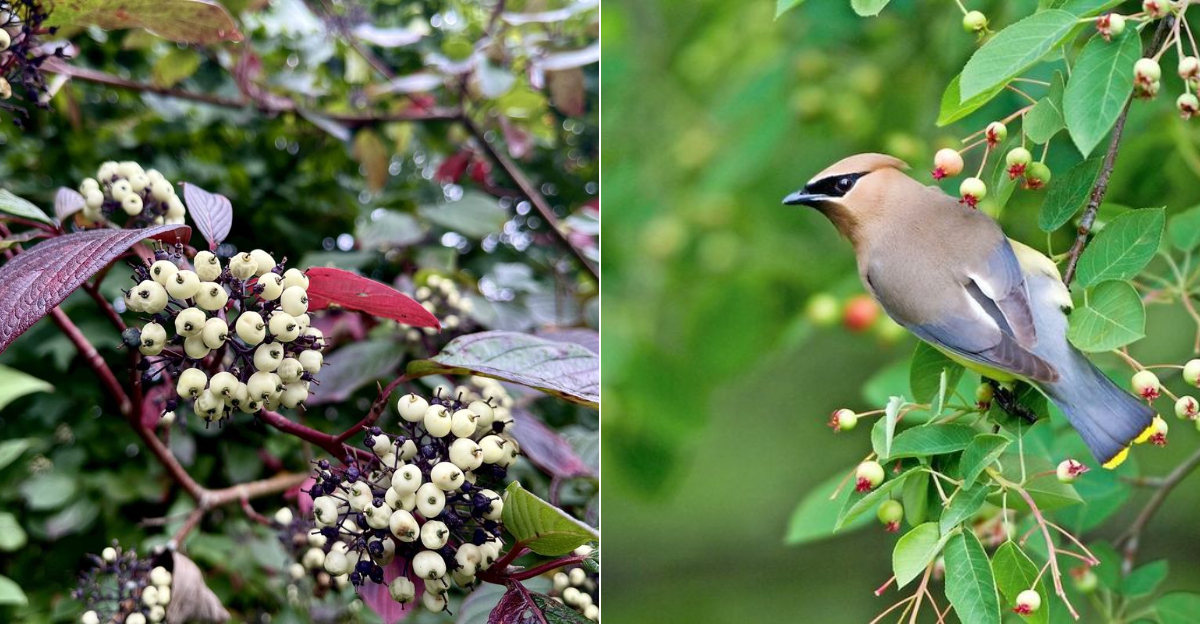
A shrub covered in bright berries can be one of the best parts of an Oregon garden. Those colorful little clusters add interest long after many flowers have faded, turning an ordinary corner of the yard into a snack stop for birds and a seasonal decoration for homeowners.
But once those berries have done their job, the pruning question starts creeping in. It can be tempting to grab the shears as soon as a shrub looks a little messy.
A few uneven branches, faded clusters, or wild-looking growth can make a cleanup feel overdue.
But timing matters, especially for shrubs that spend part of the year showing off their fruit.
Some plants benefit from attention after their berries are finished, while others may need a different approach depending on their growth habits and what you want from the plant next season.
Cutting at the wrong moment can change more than just the shape of the shrub. Before giving your berry-producing shrubs a trim, take a closer look at what is growing in your yard. That colorful display may be finished, but the next step deserves a little thought.
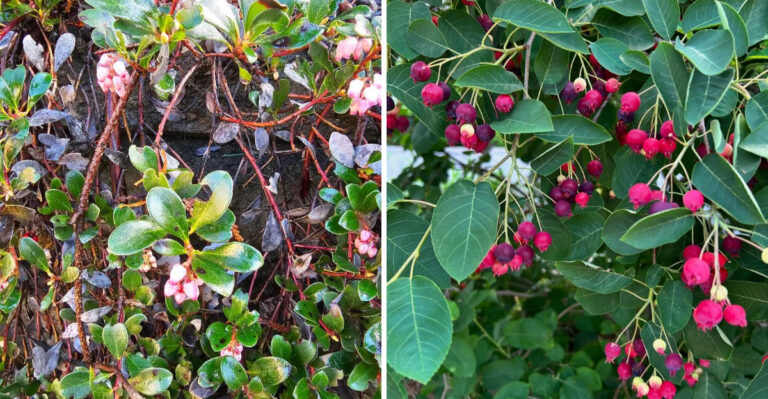
1. Evergreen Huckleberry Can Be Shaped After Berry Season
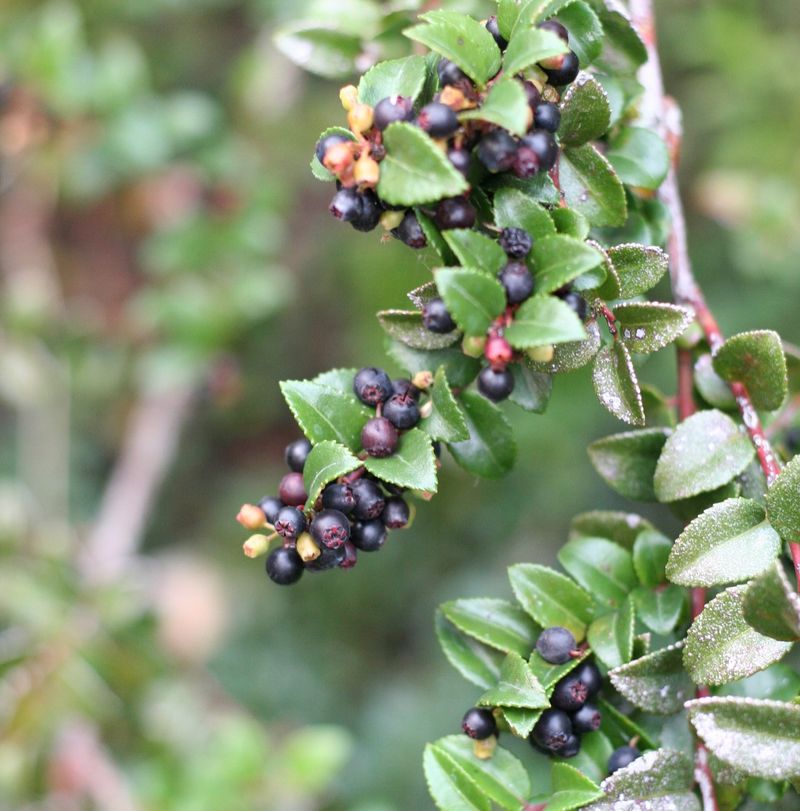
Glossy leaves and dark summer berries make this woodland favorite useful in every season. Once people and birds have gathered the fruit, a light shaping session can keep its naturally graceful form from becoming crowded.
Begin by removing broken, rubbing, or weak branches near their point of origin. Cut a few of the oldest stems close to ground level if the center looks packed, but leave plenty of leafy growth.
Avoid shearing the whole surface into a tight ball or box. Evergreen huckleberry responds better when individual branches are shortened just above a side shoot, which keeps the shrub looking soft and natural.
Clean, sharp bypass pruners work well on small stems. Use loppers only for thicker wood, and wipe the blades before moving between shrubs so plant problems are less likely to spread.
Late summer pruning is helpful after the berry crop has ended, yet heavy cutting should wait for cool, mild weather. Hot spells can stress freshly exposed leaves and dry the soil quickly.
Try not to remove more than one quarter of the living growth during one visit. An older, oversized shrub can be renewed over two or three years by taking out several large stems each season.
Finish with a layer of leaf mulch around the root area, keeping it away from the trunk. Water deeply during dry weeks, and skip heavy fertilizer because rich feeding can produce weak, floppy shoots.
2. Serviceberry Is Easier To Prune Once Birds Finish Feeding
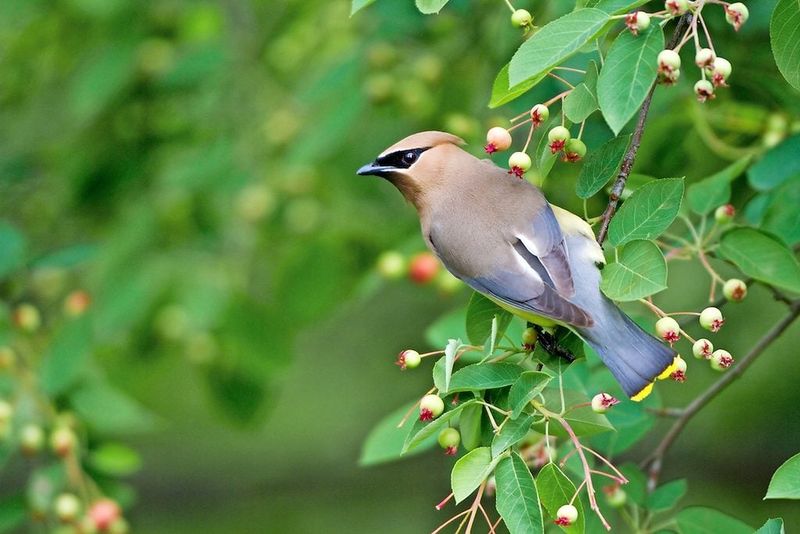
Few Oregon garden visitors announce berry season as loudly as birds gathering around a serviceberry. Giving them time to finish feeding protects a valuable food source and makes the branches easier to inspect afterward.
Look through the canopy before making any cuts. Branches that cross, scrape, lean into a walkway, or grow toward the center are sensible places to begin, especially when they block light and air.
Your Oregon Garden Changes Every Week. Your Plan Should Too.
Gardening in Oregon changes quickly throughout the season. Every Friday you’ll receive a simple weekly plan showing exactly what to plant, prune, fertilize, harvest, and protect so you never miss the right timing.
Serviceberry may grow as one small tree or as a many-stemmed shrub. Respect that natural habit instead of forcing every specimen into the same shape, since its open outline is part of its charm.
For a tree-like form, remove unwanted shoots around the base and keep several well-spaced main limbs. For a shrubby screen, retain strong young stems while cutting a few older trunks at soil level.
Make each cut just outside the raised branch collar rather than leaving a long stub. The collar helps seal the cut, and pruning paint is not needed for normal work on healthy wood.
Limit major thinning to roughly one fifth of the canopy in a season. Removing too much at once may cause a burst of upright shoots that look awkward and require more correction later.
After pruning, collect fallen fruit and clipped branches if leaf problems were present. Otherwise, add clean leaves as mulch, water during long dry periods, and enjoy the smooth gray bark that becomes more visible.
3. Snowberry Can Be Cleaned Up After Its White Berries Fade
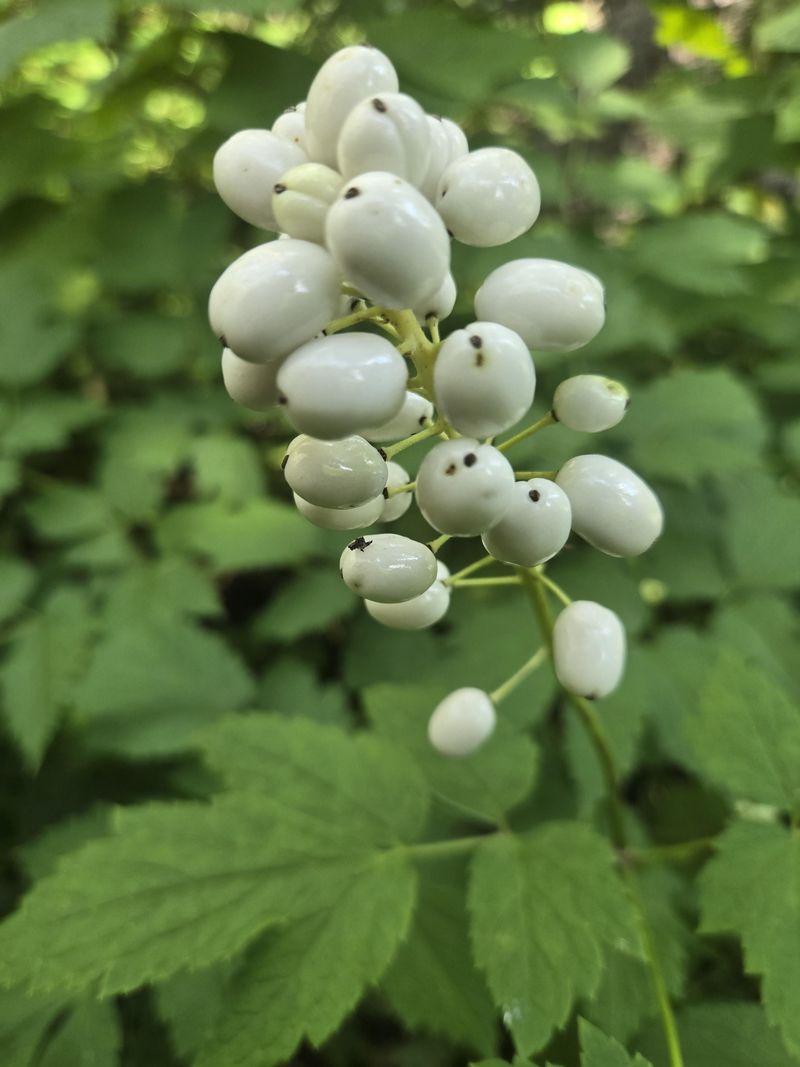
White berries can hang like tiny ornaments long after many flowers have vanished. Their display also feeds wildlife, so patience gives the shrub time to serve its purpose before cleanup begins.
When the berries soften, fade, or disappear, check the patch for weak and tangled canes. Remove damaged growth first, then thin stems that crowd neighbors or block a path.
Snowberry spreads through underground shoots and can form a wide colony. Pull or cut unwanted sprouts while they are young, and install a firm edge if the patch keeps moving beyond its planned area.
For routine care, shorten long arching branches to a strong side shoot. Selective cuts create a loose shape and preserve wildlife cover, while harsh surface shearing often leaves bare stems underneath.
An old, overgrown stand can handle stronger renewal work during its resting season. Cut part of the oldest growth near the ground this year, then repeat in later years until younger canes dominate.
Wear gloves because the berries are not meant for people to eat. Keep children from tasting them, and leave safe clusters for birds when the fruit still looks fresh and useful.
Snowberry usually needs little extra feeding in suitable soil. Spread compost or leaf mulch around the colony, water new plantings during dry weather, and keep mulch several inches away from stem bases.
Stand back before finishing and inspect the outline from different angles. A few uneven branches look natural, provide shelter, and are often better than a perfectly smooth wall.
4. Tall Oregon Grape Benefits From Post-Berry Pruning
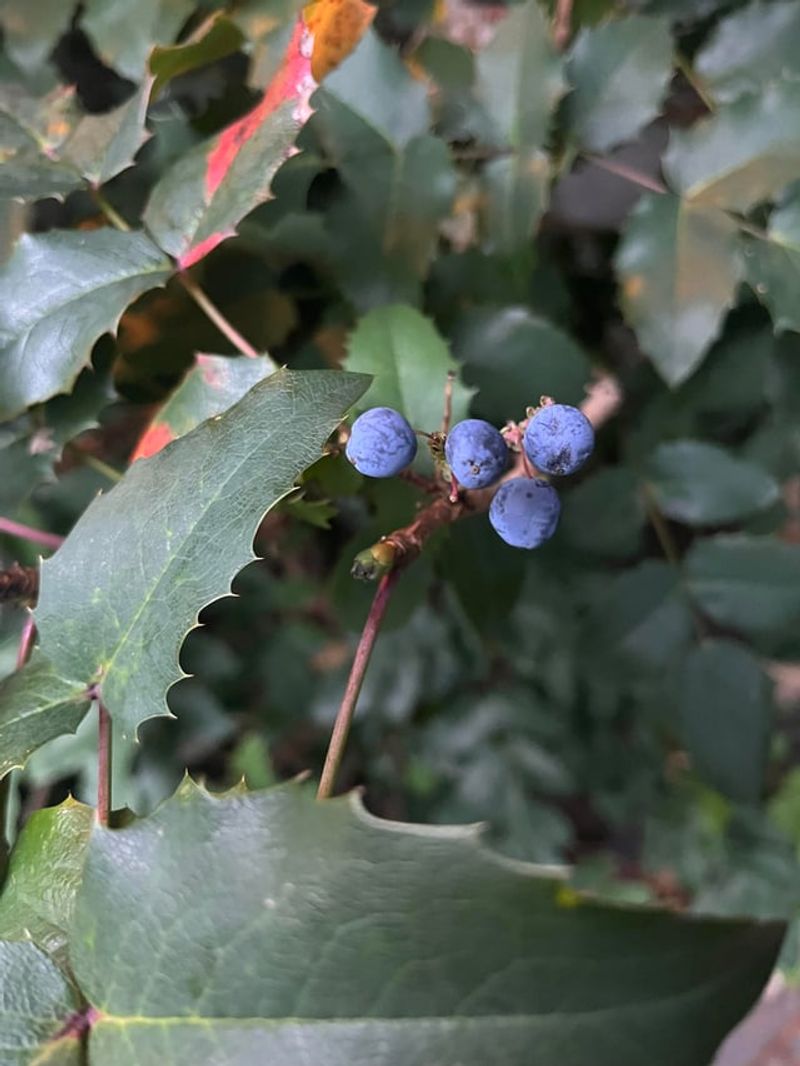
Bold, holly-like leaves can turn an ordinary shady corner into a lively green backdrop. After the blue berries are gone, careful pruning helps tall Oregon grape stay full without losing its rugged woodland character.
Start by studying how the upright stems rise from the base. Remove a small number of the oldest, tallest, or weakest canes near ground level to open space for fresh growth.
If one stem towers above the rest, shorten it just above a leafy side branch. Avoid cutting every stem to one height, since a layered outline looks better and provides more useful cover.
Thick gloves and long sleeves protect hands from the pointed leaf edges. Sharp bypass pruners handle younger stems, while clean loppers provide better control on older wood without crushing it.
Work slowly around flower buds and new shoots if pruning is delayed. Hard cutting may reduce the next crop, so spread major size control across several seasons instead of rushing the job.
Suckers can create a broad colony, which is welcome on slopes or beneath tall trees. Cut unwanted shoots below soil level when the plant begins crowding steps, windows, or smaller companions.
A light layer of bark, compost, or fallen leaves helps hold soil moisture. Water deeply during extended summer dryness, particularly after pruning, but allow the upper soil to drain between waterings.
Finish by removing clipped leaves from paths where their sharp tips could bother bare feet or pets. Leave the healthy interior open, uneven, and ready to support birds through changing seasons.
5. Twinberry Honeysuckle Can Be Cut Back After Fruit Drops
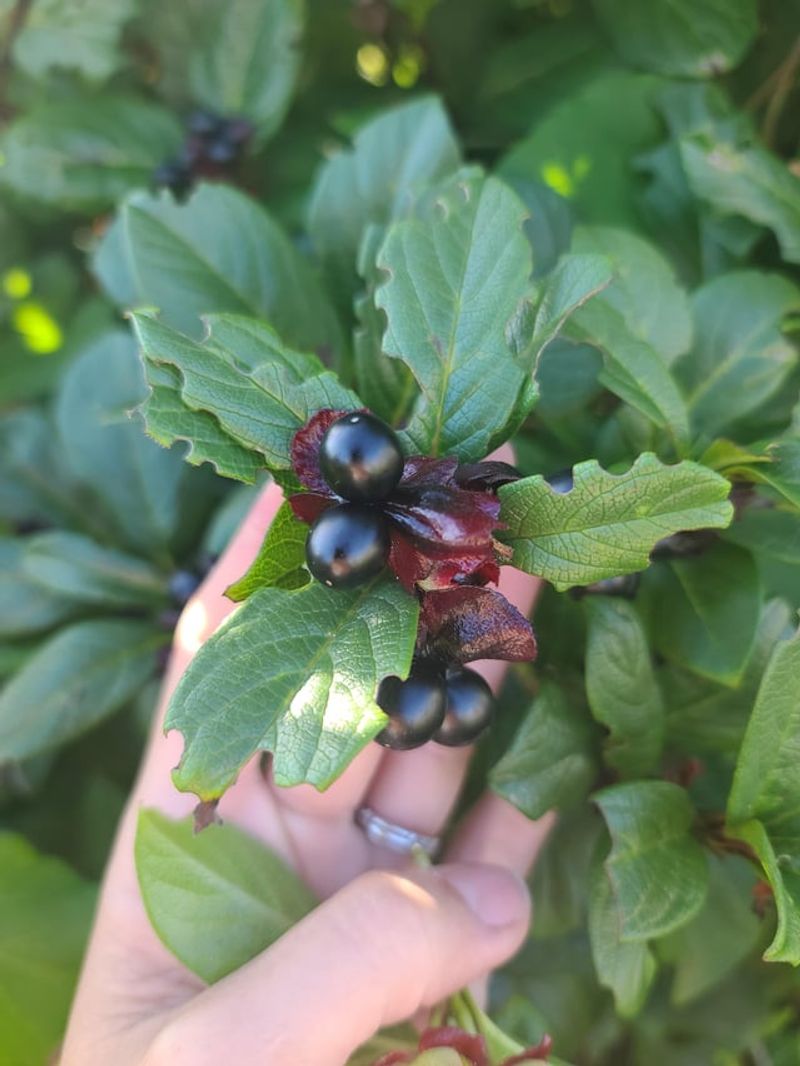
Paired black fruits give twinberry honeysuckle one of the garden’s most unusual late-season displays. Waiting until they drop lets birds feed first and prevents useful stems from being removed too soon.
Once fruiting ends, search for branches that lie on the ground, rub together, or crowd the center. Take out damaged pieces first, using cuts placed above healthy side shoots or near the base.
Older shrubs sometimes become tall and bare below. Removing several mature stems at ground level encourages younger canes, which can restore foliage near the bottom without flattening the whole plant.
Save plenty of branching wood because flowers form on established growth. A severe annual haircut may reduce blooms, berries, and nesting cover, so moderate thinning is usually the wiser choice.
Twinberry enjoys moist soil and often grows near streams, rain gardens, or damp woodland edges. Check soil moisture after pruning, especially where nearby tree roots compete for summer water.
Long branches may be shortened to face away from paths or buildings. Choose an outward-pointing bud or side branch, then make a clean angled cut without leaving several inches of bare stem.
Keep the base free from aggressive weeds, but do not dig deeply around the roots. A loose mulch of leaves or fine bark slows water loss and matches the shrub’s forest-edge setting.
Before packing away the tools, scan the canopy for old bird nests. Leave active nesting areas alone, clean the blades, and return later when wildlife activity has clearly ended.
6. Salal Is Better Trimmed After Its Berry Display Ends
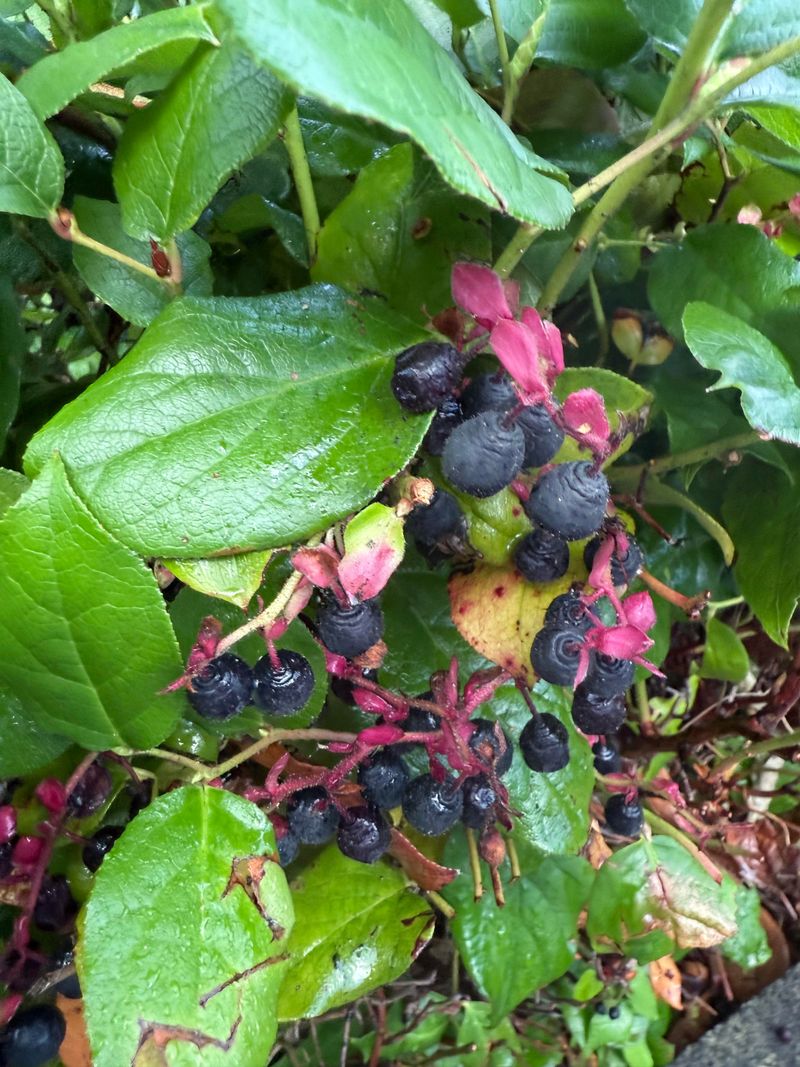
A glossy carpet of salal can make a shady garden feel green even during dark winter months. Its berries also support birds, so trimming is best saved until the main fruit display has ended.
Begin at the edge where stems reach into paths, steps, or neighboring plants. Follow each unwanted branch back to a side shoot or the ground instead of clipping only the leafy tips.
Selective pruning keeps leaves along the plant’s full depth. Repeated shearing creates a dense outer shell that shades the center, leaving hidden stems bare and making future cleanup harder.
Established patches often spread by underground growth. Use a sharp spade to separate small wandering sections, or cut new shoots regularly when the colony crosses its intended boundary.
Thin crowded areas by removing some older stems close to their origin. Light should reach between the leaves, but enough cover should remain to protect soil, shelter wildlife, and block unwanted weeds.
Salal handles dry shade after its roots become established, yet fresh cuts and hot weather can increase moisture needs. Water slowly during long dry spells and avoid keeping the ground constantly soggy.
Fertilizer is rarely needed in woodland soil. Leaf mold, fine bark, or compost offers gentle support, keeps roots cooler, and gives the planting a neat finish without pushing weak growth.
Use the clipped leafy branches in seasonal arrangements if they are clean and healthy. Their strong texture lasts well, turning routine garden care into useful material for simple indoor displays.
7. Red-Osier Dogwood Can Be Shaped After Fall Color And Fruit
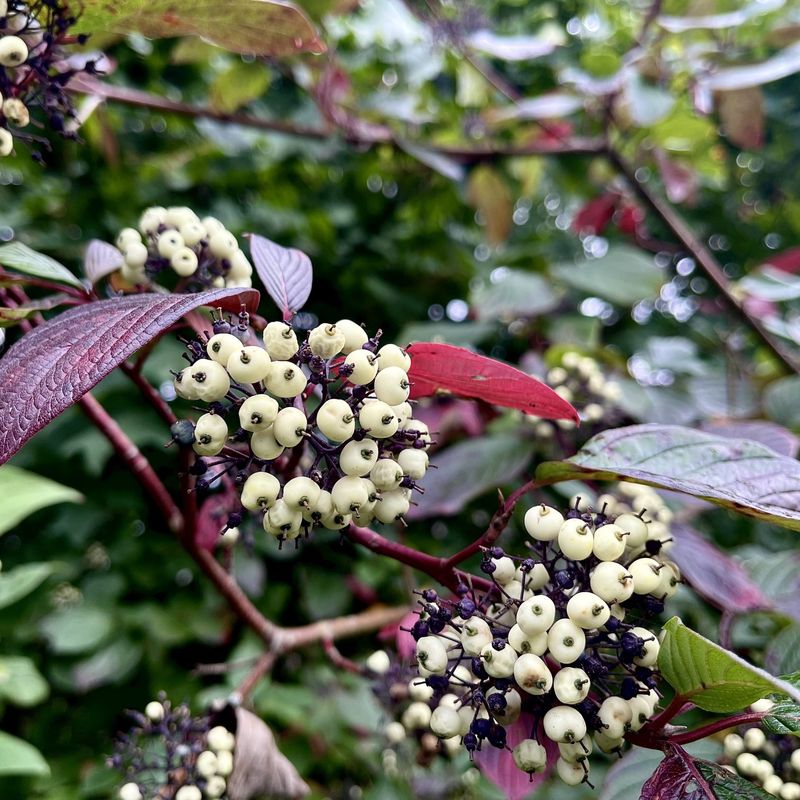
Winter sunlight can make red-osier dogwood stems glow like bright ribbons against a quiet garden. Good pruning protects that colorful show because young wood usually carries the strongest red tones.
Wait until the pale fruit is finished and autumn leaves have dropped before evaluating the framework. Bare branches reveal crowded centers, older gray stems, and shoots that lean into nearby plants.
For regular renewal, remove about one quarter of the oldest canes at ground level. New stems will rise from the base, keeping the display colorful while the remaining growth maintains size and shelter.
A crowded shrub may need work across several seasons. Cutting every stem at once removes height and wildlife cover, while gradual renewal creates a balanced mix of young and mature wood.
Long side branches can be shortened above an outward-facing bud. Keep cuts clean and slightly angled, and do not leave tall stubs that catch water or produce clusters of weak shoots.
Red-osier dogwood prefers moist ground and fits well beside ponds or in rain gardens. Provide deep watering during dry periods if the leaves curl, droop, or develop dry brown edges.
Watch for stems rooting where they touch damp soil. Clip those layers if spreading is unwanted, or carefully separate rooted sections to create new shrubs for erosion control elsewhere.
Finish by clearing problem leaves and canes from the area, then add a thin mulch layer. The open base will be easier to inspect, and fresh red stems will stand out when winter arrives.