What It Really Means When Pacific Tree Frogs Take Over Your Oregon Garden
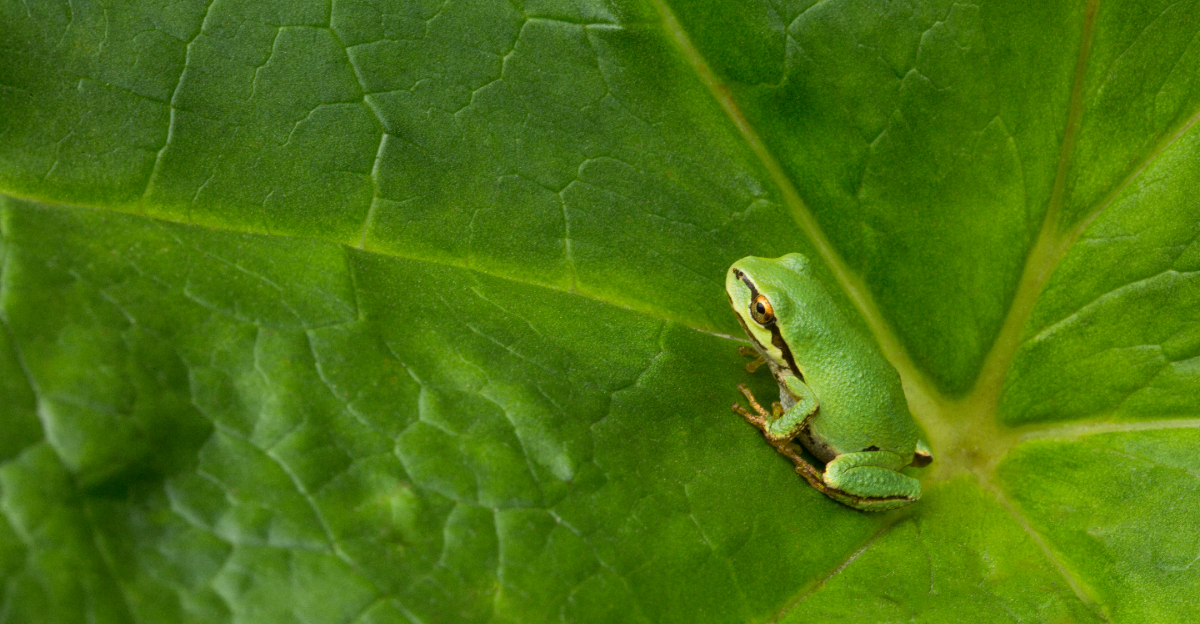
Pacific tree frogs can make an Oregon garden feel like it suddenly gained a soundtrack. One evening it is quiet, and the next it sounds like tiny frogs opened a nightclub.
Their arrival can feel funny, charming, or mildly suspicious, depending on how loud the chorus gets. But a frog-filled garden is usually telling you something about the space you have created.
It may also raise questions about moisture, bugs, pets, and what to do next. Before you start celebrating or worrying, it helps to understand what their takeover really means.
Your garden may be hosting more than noise. It may be showing signs of a wilder, healthier little ecosystem at work.
1. Tree Frogs Mean Your Garden Has Moist Shelter
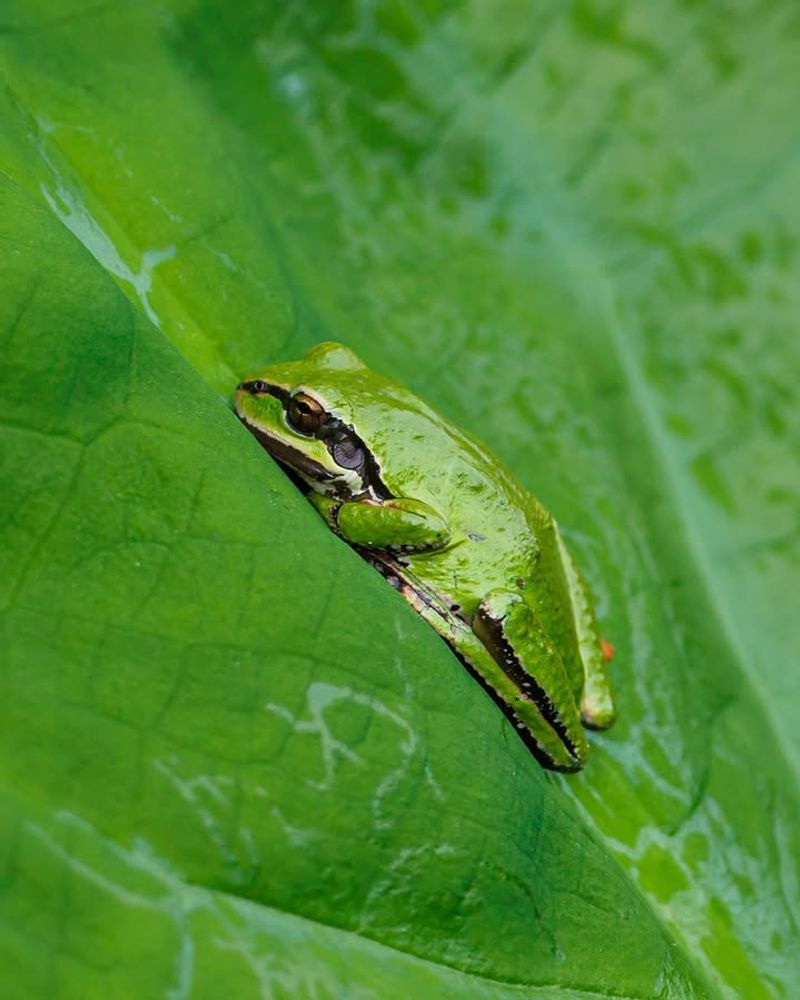
Finding a Pacific tree frog tucked under a leaf or hiding in a shaded corner of your Oregon garden is not random. These frogs are very selective about where they settle.
They look for places that stay cool and damp throughout the day, especially during warm summer months. If they are in your yard, your garden has exactly that kind of shelter.
Moisture is everything to a tree frog. Their skin absorbs water directly, so they need surroundings that stay humid.
Dense ground cover, thick mulch layers, and shaded garden beds all help hold moisture in the soil. Frogs pick up on that quickly and move toward it.
Shelter matters just as much as moisture. Frogs rest during the day in hidden spots away from direct sun.
Piles of leaves, low-growing shrubs, stacked garden stones, and even overturned pots create ideal resting places. If your garden has these features, you have accidentally built a frog hotel.
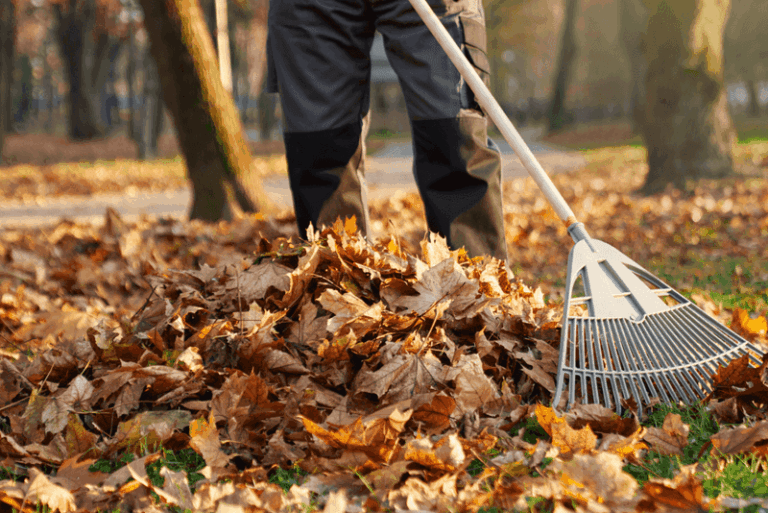
Keeping that shelter in place is easy. Avoid raking up every leaf pile.
Let ground cover plants grow a little fuller. Leave a few natural hiding spots around garden edges.
These small choices make a big difference for frogs and for other beneficial wildlife too. A garden with good moisture and natural shelter is a healthy, thriving space. The frogs are just there to confirm it.
2. They Show Up Where Insects Are Easy To Find
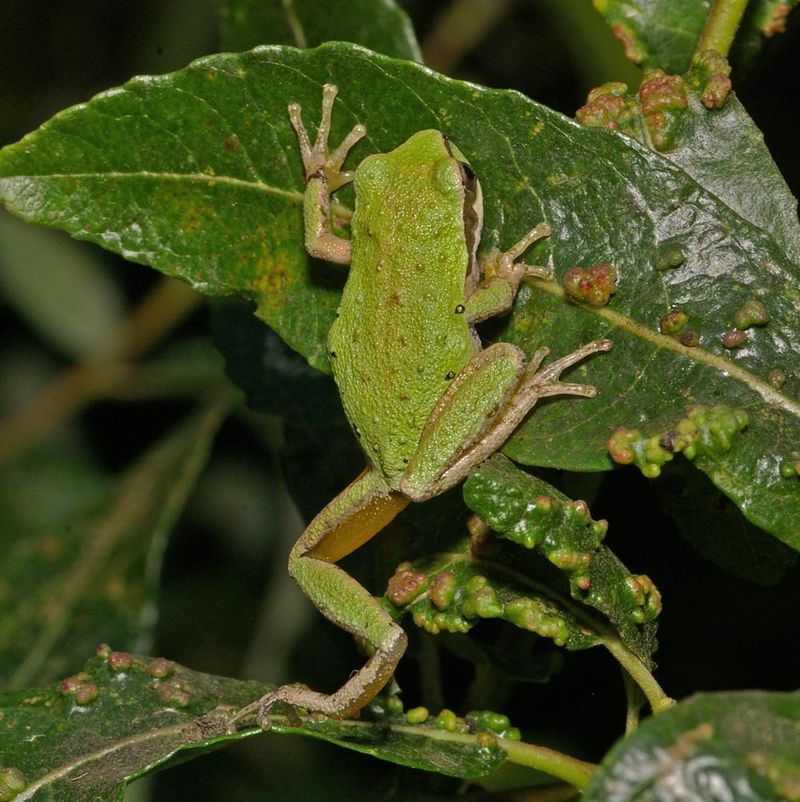
An Oregon garden full of frogs is also a garden full of bugs. That might sound alarming, but it is actually a sign of a healthy ecosystem.
Pacific tree frogs eat insects constantly, and they only stick around where food is easy to find. If they are visiting your yard regularly, your garden is producing a solid insect population.
These frogs are natural hunters. They eat moths, beetles, flies, mosquitoes, and many other small insects.
They hunt mostly at night, using their sticky tongues to catch prey quickly. A single frog can eat dozens of insects in one evening. That adds up to a lot of pest control without any effort from you.
Flowers, vegetable plants, outdoor lights, and standing water all attract insects. Frogs know this and position themselves nearby.
You might notice them clinging near porch lights or sitting at the edge of garden beds after dark. They are simply following their food source.
Your Oregon Garden Changes Every Week. Your Plan Should Too.
Gardening in Oregon changes quickly throughout the season. Every Friday you’ll receive a simple weekly plan showing exactly what to plant, prune, fertilize, harvest, and protect so you never miss the right timing.
Rather than seeing this as a bug problem, think of it as a working food chain. Your garden is producing enough insect life to support a predator.
That balance is actually what healthy gardens look like. Encouraging native plants that attract pollinators and beneficial insects will keep that cycle going.
The frogs will keep showing up as long as the food supply is there, and your plants will benefit from the natural pest reduction too.
3. Even Tiny Water Sources Can Draw Them In
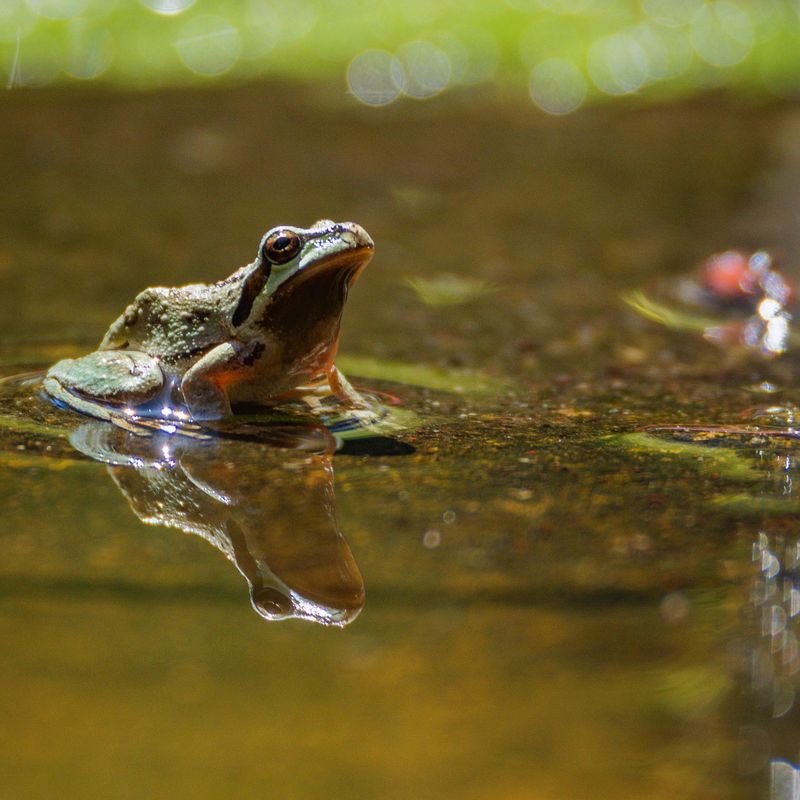
You do not need a pond to attract tree frogs. Even the smallest water source in your yard can bring them in.
A birdbath, a low dish set out for wildlife, a puddle that forms after rain, or water pooled in a plant saucer can all be enough to catch a frog’s attention. They are drawn to moisture in every form.
Pacific tree frogs breed in shallow, still water. They lay eggs in slow-moving or standing water, often in spots that are easy to overlook.
A clogged gutter, a tarp with water pooled on top, or even a wheelbarrow left outside can become a temporary breeding spot. If you have heard a chorus of frog calls near your house, check nearby for small water sources.
Frogs do not need deep water. They actually prefer shallow areas with some plant material nearby.
Adding a simple shallow dish or small water feature to your garden can actively encourage them to stay. Keep the water clean and change it regularly to prevent mosquito breeding.
If you want fewer frogs, simply reducing or covering small standing water sources will help. But if you enjoy having them around, even a small container of clean, shallow water placed near garden plants can make your yard feel like a frog paradise.
Small changes to water availability have a surprisingly big impact on how many frogs call your Oregon garden home.
4. Leafy Plants Give Frogs Daytime Cover
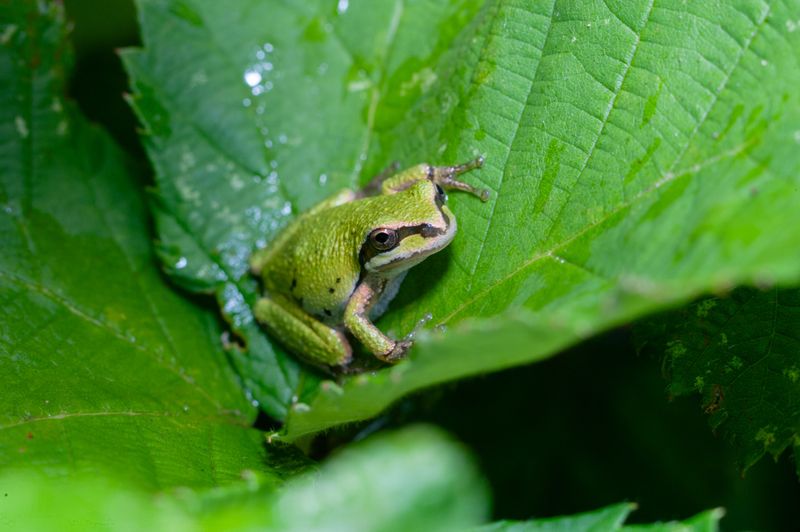
During the daytime, Pacific tree frogs are not usually hopping around. They are hiding.
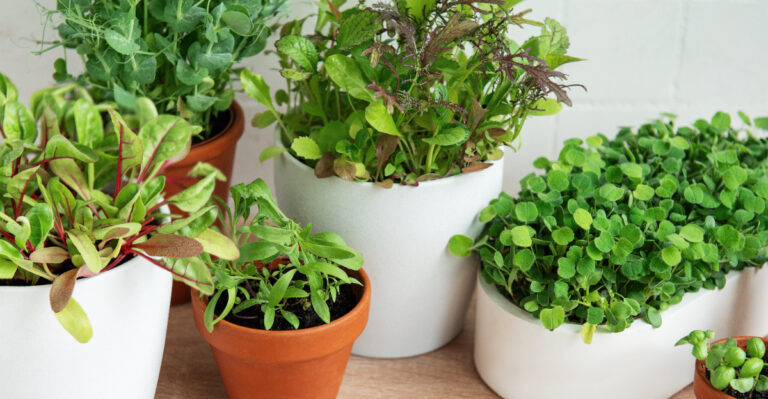
Broad-leafed plants offer the perfect canopy for a resting frog. Hostas, elephant ears, squash leaves, and large ferns are all popular resting spots.
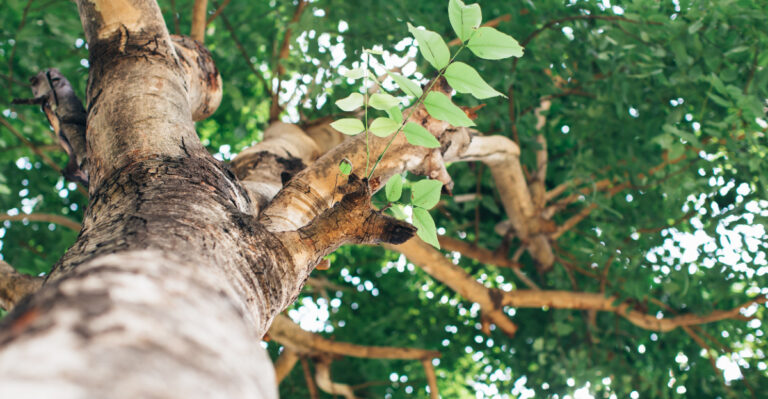
If your garden is full of leafy plants, frogs will use them as their daytime bedroom.
Frogs cling to the undersides of leaves using their specialized toe pads. This keeps them hidden from birds and out of direct sunlight.
The shade also helps them stay cool and hydrated. A frog resting under a big hosta leaf is doing exactly what it needs to do to survive a warm afternoon.
This is why you might lift a garden leaf and find a small frog staring back at you. It is not lost or confused.
It chose that spot on purpose. The leaf offered shade, moisture, and safety.
Thick garden plantings create a layered environment that frogs love, and the more variety you have in leaf size and shape, the more options frogs have for shelter.
Oregon gardeners who grow dense, leafy vegetables and ornamental plants often notice more frog activity than those with sparse, open garden layouts. If you want to support these little visitors, keep your leafy plants full and healthy.
Avoid trimming everything down too short. Letting some plants grow lush and full gives frogs the cover they need to stay comfortable and active in your yard.
5. Night Calls Are Normal During Breeding Season
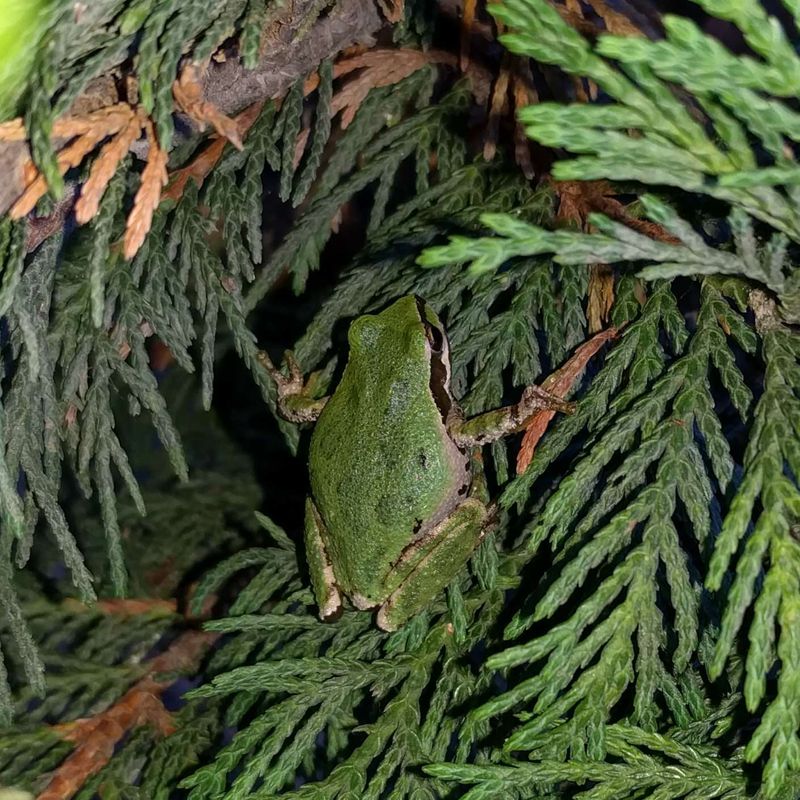
Few sounds are as loud and surprising as a chorus of Pacific tree frogs calling on a warm spring night. If your garden suddenly sounds like a pond, you are hearing breeding season in full swing.
Male frogs call out to attract females, and when several males call at once, the noise can carry far beyond your yard.
Breeding season in the Pacific Northwest typically runs from late winter through early spring. Warmer nights and rain often trigger calling behavior.
The calls are high-pitched and repetitive, often described as a rapid ribbit sound. This is actually the call most people associate with frogs in general, made famous in movies and nature recordings.
The noise can be startling if you are not expecting it, especially close to the house. Some people find it charming, while others find it keeps them up at night.
Either way, it is completely natural and temporary. Calling activity usually slows down once mating is complete and eggs have been laid.
There is no need to intervene during this time. The frogs are simply doing what they are built to do.
If the noise bothers you near windows or doors, a white noise machine or fan can help muffle the sound indoors.
The calling is a sign that your garden supports an active, reproducing frog population, which is a genuinely positive indicator of local wildlife health in your neighborhood.
6. They Help With Insects, Not Every Pest
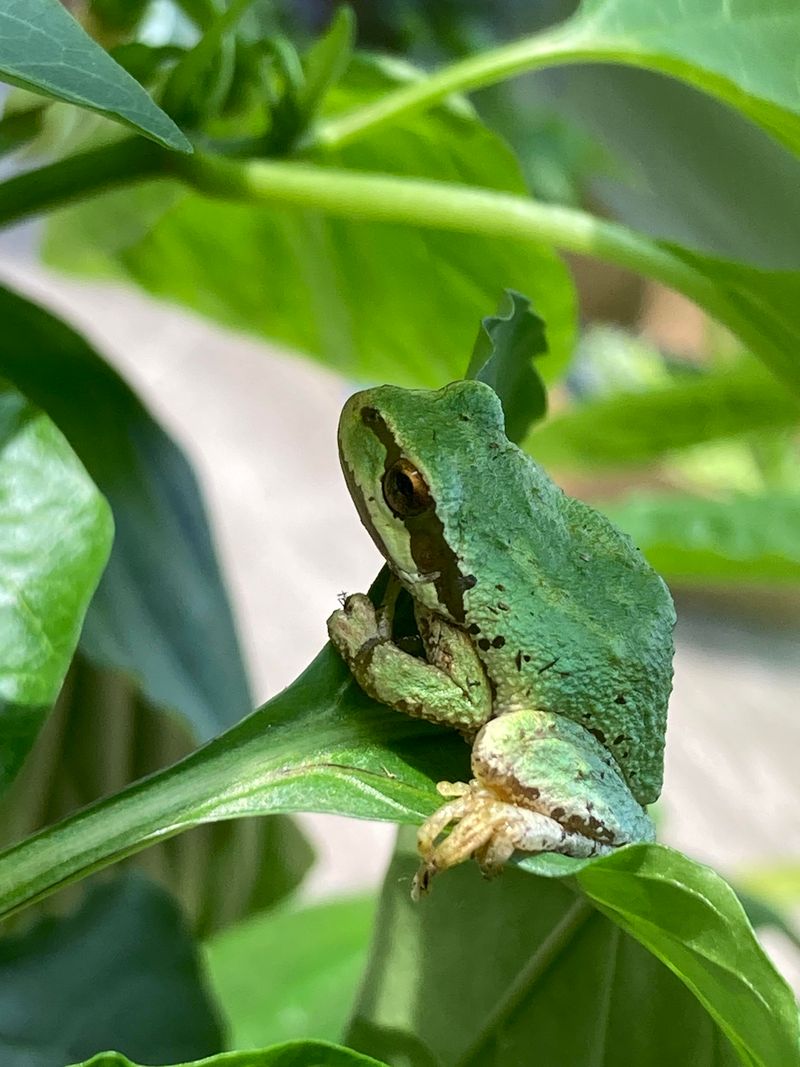
Pacific tree frogs are often celebrated as natural pest controllers, and that reputation is well earned. They eat a wide variety of insects, including mosquitoes, gnats, flies, and small beetles.
Having them in your garden does reduce certain pest populations, especially flying insects that are active at night. That is genuinely helpful for any gardener.
However, frogs do not eat every type of garden pest. Slugs, caterpillars, aphids, and spider mites are not typically on their menu.
So if your biggest garden problem is slug damage on your lettuce or aphids on your roses, tree frogs will not solve that for you. Their pest control benefits are real but limited to what they naturally hunt.
Frogs also do not eat constantly. They are opportunistic hunters who eat when prey is available and accessible.
On cool nights or during dry spells, their activity and appetite may slow down. Expecting them to eliminate all insect problems is unrealistic, but counting them as part of a broader pest management approach makes a lot of sense.
Combining frog-friendly gardening habits with other natural pest control methods gives you the best results.
Planting companion plants that repel certain insects, using physical barriers, and attracting other beneficial wildlife all work together.
Frogs are one helpful piece of a larger puzzle. Appreciate what they do offer, and fill in the rest with smart, chemical-free gardening strategies that support the whole ecosystem around your plants.
7. Pesticides Can Harm Frogs And Their Food
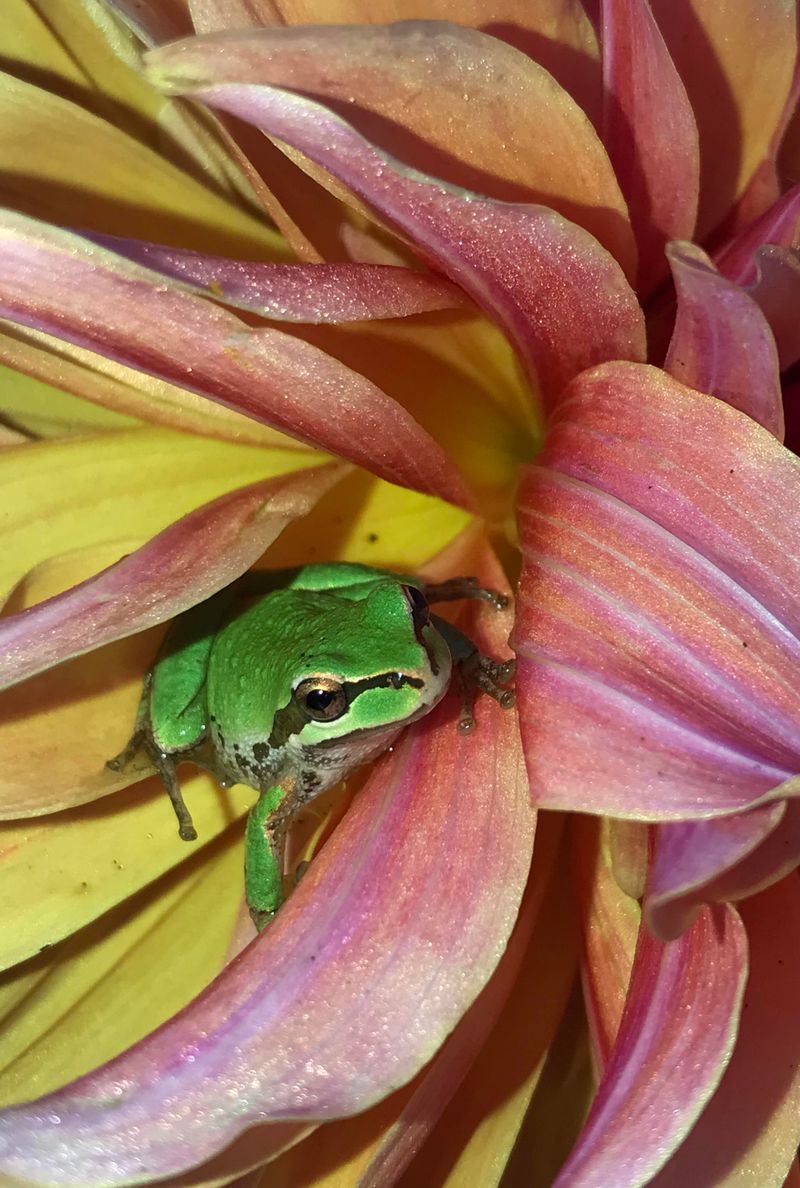
One of the most important things to know about having frogs in your Oregon garden is how sensitive they are to chemicals. Pacific tree frogs absorb substances directly through their skin.
That means pesticides, herbicides, and even some fertilizers can affect them quickly and seriously, even when applied at low levels.
Spraying insecticides does not just affect the bugs you are targeting. It also removes the insects that frogs depend on for food.
When the insect population drops sharply after a chemical application, frogs lose their food source. They may leave the garden or become weakened from lack of nutrition.
Either outcome disrupts the natural balance your garden has built.
Systemic pesticides are especially concerning. These chemicals are absorbed by plants and stay active in plant tissue.
Insects that feed on treated plants carry those chemicals in their bodies. When frogs eat those insects, they ingest the chemicals too.
The effect moves through the food chain in ways that are not always visible but are very real.
Switching to organic or integrated pest management approaches protects frogs and keeps your garden healthier overall. Neem oil, insecticidal soap, and physical pest barriers are all much safer options.
Spot-treating specific problem areas rather than blanket spraying also reduces chemical exposure significantly.
A frog-friendly garden is one where chemicals are used as a last resort, not a first response.
Your frogs are a sign that your garden is working, and protecting them means protecting that balance.
8. Cats Make Frog-Friendly Gardens Riskier
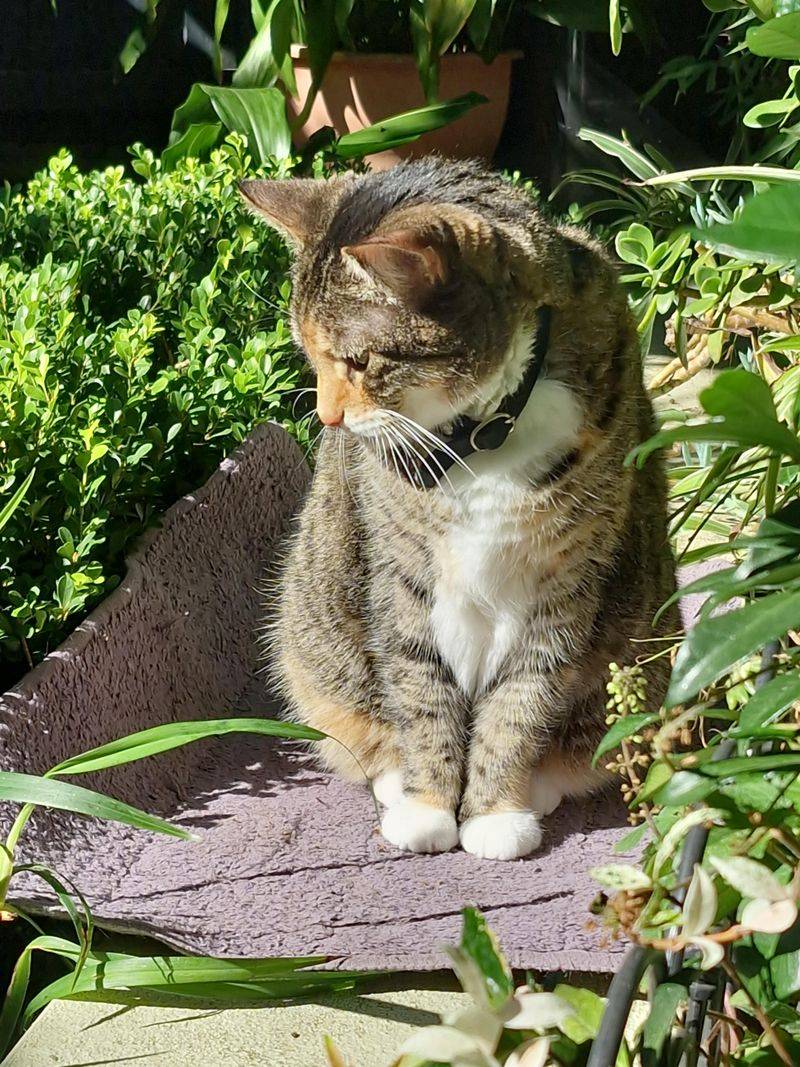
Outdoor cats are one of the biggest threats to small frogs in residential gardens. Cats are natural hunters, and a small, slow-moving frog hopping across a garden path is an easy target.
Even when a cat does not eat a frog, the act of catching and carrying it causes serious injury. Many frogs caught by cats do not survive the encounter.
Cats also disrupt frog behavior in indirect ways. A garden where a cat roams regularly becomes a stressful environment for frogs.
They may avoid certain areas, reduce their nighttime activity, or leave the garden entirely. That loss of frog activity also affects the insect balance your garden depends on.
If you have cats that spend time outdoors, creating a designated frog-safe zone in your garden can help.
Dense plantings, low barriers, or raised garden beds can make certain areas harder for cats to access.
Keeping cats indoors at night, when frogs are most active, makes the biggest difference of all.
This is not about blaming cat owners. It is about understanding the real impact outdoor cats have on local wildlife, including frogs.
Many wildlife organizations across the country highlight this issue because it affects bird and amphibian populations in neighborhoods everywhere.
Small steps like adding a cat enclosure, using motion-activated deterrents, or adjusting outdoor access times can protect the frogs that have chosen your garden as their home. It is a balance worth thinking about carefully.
9. Don’t Move Frogs Unless They’re In Danger
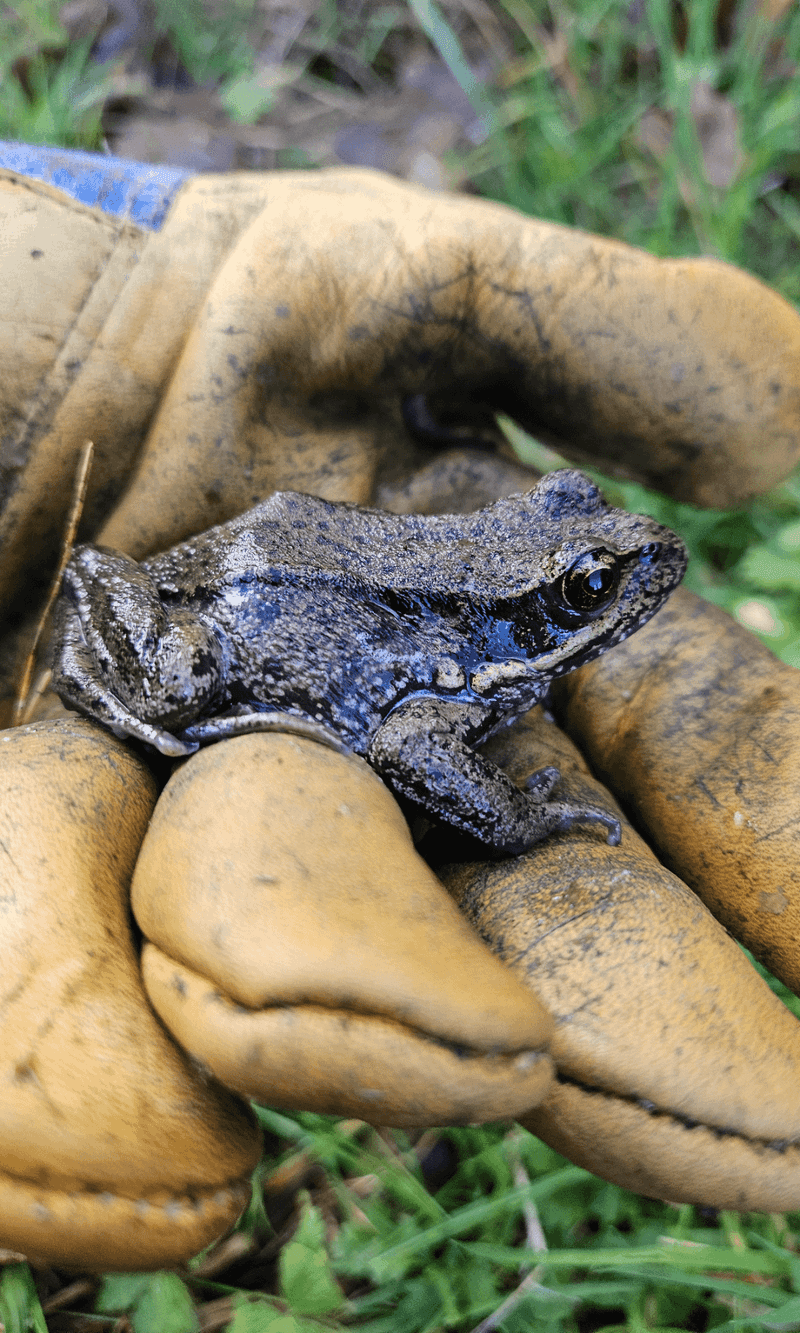
It is tempting to pick up a frog and move it to what seems like a better spot, especially if you find one in an unexpected place like a garage or near a busy path. But moving frogs, even with good intentions, can cause real problems.
Pacific tree frogs have strong homing instincts and are often exactly where they want to be.
Frogs carry natural oils and bacteria on their skin. When humans handle them, the oils and salts from our hands can disrupt the frog’s skin chemistry.
This does not always cause immediate visible harm, but it can affect their health over time. If you must handle a frog, wet your hands with clean water first to reduce the impact.
Relocating a frog to a different neighborhood or even a different part of your yard can disorient it. Frogs learn their local environment carefully.
Moving them far from where they were found may prevent them from finding food, shelter, or mates. In some cases, relocated frogs struggle to survive in unfamiliar surroundings.
The best approach is to observe and appreciate frogs without interference. If a frog is in immediate danger, such as trapped inside a building or in the path of lawn equipment, gentle relocation to the nearest safe garden area is appropriate.
Otherwise, trust that the frog found your garden for good reasons. Watching them without disturbing them is the most respectful and helpful thing you can do.
10. Check Pots, Hoses, And Watering Cans First
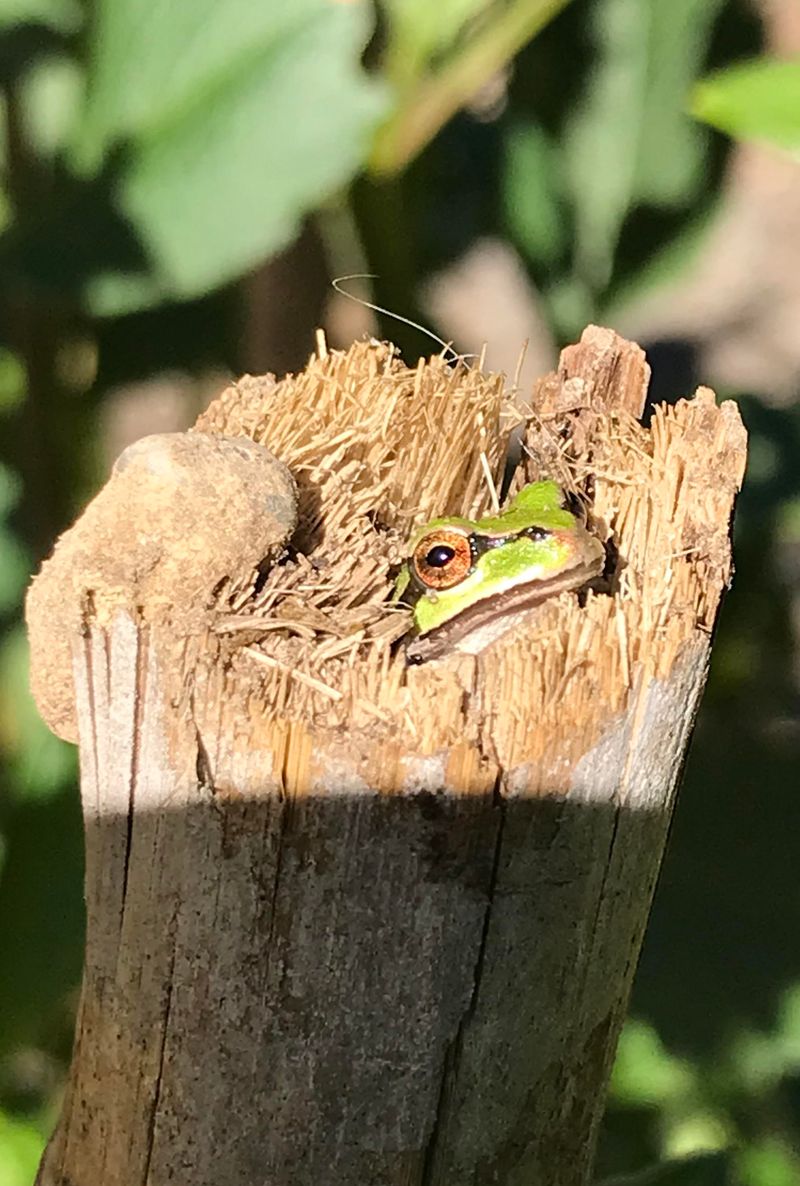
Before you grab that watering can or lift a pot off the ground, take a quick peek inside first. Pacific tree frogs are pros at finding cozy, dark, damp spaces to rest during the day.
Garden pots, rolled-up hoses, watering cans, and even folded tarps are among their favorite hiding spots. Gardeners discover frogs in these places more often than you might expect.
A frog hiding in a watering can is not doing anything wrong. It found a cool, shaded, moist space and made itself at home.
The problem comes when gardeners unknowingly use those tools without checking. A frog inside a hose can be harmed when water pressure is turned on.
A frog at the bottom of a pot can be crushed when it is picked up and set down roughly.
Getting into the habit of checking your tools before using them takes only a few seconds. Tip a watering can sideways before filling it.
Lift pots gently and look underneath before moving them. Unroll hoses slowly and check the ends before connecting them to a spigot.
These small habits protect the frogs that share your garden space.
This is also a fun discovery moment for kids who help in the garden. Finding a tiny frog tucked inside a pot makes gardening feel like an adventure.
Teaching children to check tools before using them builds awareness of local wildlife from an early age. It is a simple habit with real benefits for both you and the frogs living alongside you.