How To Cut Back Sword Ferns In Oregon Without Damaging Next Year’s Fronds

Sword ferns have a way of making Oregon gardens feel lush and wild, even when other plants are starting to lose their summer energy.
Those arching green fronds fill shady corners, soften woodland-style landscapes, and give the yard a natural look that is hard to fake.
Eventually, though, old fronds start looking tired. They turn brown, collapse outward, and make it tempting to grab the clippers for a quick cleanup.
After all, a little trimming seems like an easy way to refresh the whole planting area. Ferns, however, have their own schedule, and they are not always interested in our idea of a tidy garden.
The timing and method of cutting back sword ferns can influence how the plant looks when new growth appears.
What seems like harmless cleanup can affect the next season’s display if you are not paying attention to what is happening near the base of the plant.
Before removing those worn-out fronds, take a closer look at the fern’s structure and growth pattern. A careful approach can help keep the shady parts of your Oregon yard looking full, healthy, and ready for another season.
1. Remove Only The Old Brown Fronds First

Old brown fronds are the easiest place to start when cleaning up sword ferns. They are the ones that look dry, papery, or completely faded.
Removing them first gives you a clear view of what is healthy and what still needs attention.
Grab each brown frond near its base and pull gently. Sometimes they come away easily with just a tug.
If they resist, use a pair of sharp garden scissors or hand pruners to cut them off close to the stem without yanking on the crown.
Working slowly is important here. Rushing through this step can lead to accidentally grabbing a green frond along with a brown one.
Take your time and sort through the growth carefully.
Brown fronds no longer help the plant. They are not sending nutrients back into the roots or supporting new growth in any way.
Getting rid of them clears space for air to move through the plant more freely.
Good airflow reduces the chance of mold or rot building up around the base. This is especially helpful in the wet Pacific Northwest climate, where moisture can linger for weeks at a time.
Removing the dry material is one of the most helpful things you can do for your fern early in the season.
2. Avoid Cutting Fresh Green Growth

Fresh green fronds are the engine of the plant. They are actively making food through photosynthesis, which keeps the roots strong and healthy all season long.
Cutting them off too early is one of the most common mistakes gardeners make.
Even if a green frond looks a little ragged or has a few brown tips, it is still doing its job. A frond does not need to look perfect to be useful. As long as most of it is green and flexible, leave it alone.
Your Oregon Garden Changes Every Week. Your Plan Should Too.
Gardening in Oregon changes quickly throughout the season. Every Friday you’ll receive a simple weekly plan showing exactly what to plant, prune, fertilize, harvest, and protect so you never miss the right timing.
One helpful trick is to bend the frond gently. If it bends without snapping, it still has moisture and life in it. A truly finished frond will feel dry and brittle and will snap easily when bent.
Some gardeners want to tidy up the plant too quickly and end up cutting healthy fronds that had not yet run their course.
This sets the plant back and forces it to spend energy recovering instead of storing up nutrients for the next season.
Patience really pays off here. Waiting until fronds have fully browned and dried before cutting them means the plant gets every bit of benefit from each frond.
Green growth is precious, and protecting it is one of the simplest ways to keep your ferns thriving year after year without extra effort.
3. Wait Until New Fronds Have Finished For The Season
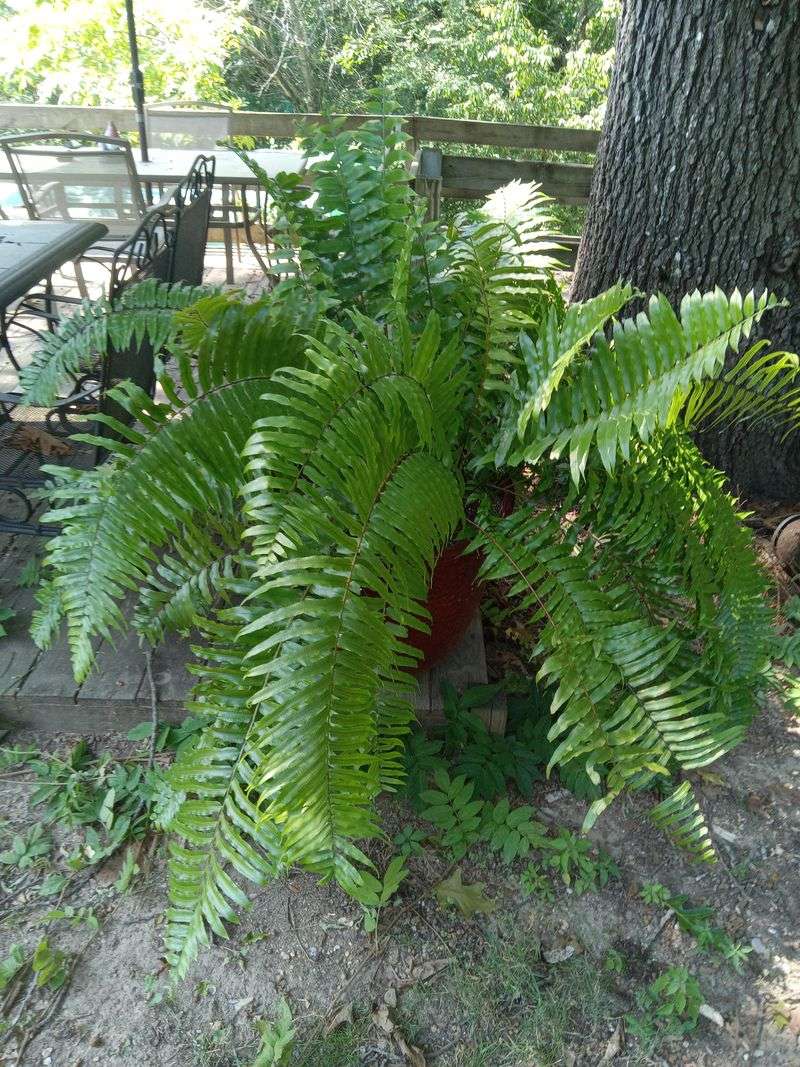
Timing matters more than most people realize when it comes to cutting back ferns. Sword ferns push out their new fronds in spring, and those fronds spend the rest of the growing season hardening off and storing energy.
Cutting before that process finishes can seriously weaken the plant. By late summer or early fall, most of the new fronds have reached their full size and are starting to slow down.
That is usually the earliest safe window for light cleanup work. Even then, it is best to focus only on the oldest and most worn-out growth.
Watching the plant closely helps you figure out when the season is winding down. The fronds stop unfurling, the color deepens, and the overall growth rate slows noticeably.
These are all signs that the plant is shifting into its resting phase. Cutting too early interrupts this process.
The plant may try to push out new growth to replace what was removed, which drains energy it needs for surviving cooler months ahead.
That extra stress shows up the following spring as sparse or weak new fronds. Letting nature set the schedule is always the smarter move.
The plant knows what it is doing, and working with its natural rhythm instead of against it leads to fuller, healthier growth every single year without any guesswork involved.
4. Cut Close To The Base Without Hitting The Crown

Where you make your cut is just as important as when you make it. Cutting too high leaves ugly stubs that take a long time to break down and can even invite pests.
Cutting in the wrong spot can nick the crown and cause serious problems for the plant.
The crown is the dense cluster of growth right at the center base of the fern. New fronds emerge from this spot every spring.
If the crown gets damaged, the plant may struggle to produce healthy new growth or may take several seasons to recover fully.
Aim to cut each frond about an inch or two above the soil line. This removes the frond cleanly while keeping the crown safe.
Use sharp pruners or scissors so you get a clean cut instead of a ragged tear that could invite disease.
Dull tools make the job harder and can crush the stem instead of cutting it. Crushed stems are slower to break down and can hold moisture in ways that encourage rot near the base.
Keeping your tools sharp is a small habit that makes a noticeable difference. Going slowly through this step and checking your position before each cut gives you the control you need.
A few extra seconds of care per frond adds up to a much healthier plant overall, and the results will be obvious the following spring when new growth appears strong and full.
5. Never Strip The Fern Down To Bare Ground
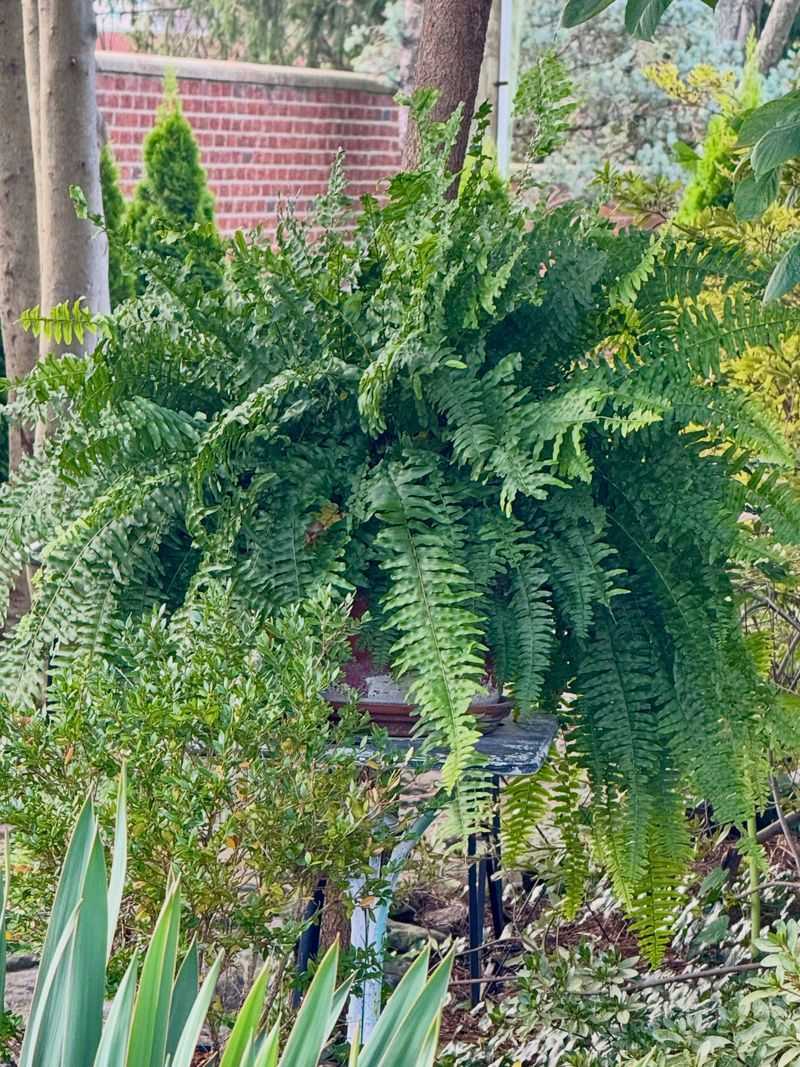
Stripping a fern all the way down to the soil might look tidy, but it puts the plant under serious stress.
Sword ferns are not designed to be cut back to bare ground and then expected to bounce back quickly. They need some foliage to stay functional even during their resting phase.
Leaving some fronds in place protects the crown from temperature swings, heavy rain, and drying winds. In Oregon, winter weather can shift quickly between freezing nights and mild, wet days.
That kind of variation is much easier for the plant to handle when it still has some protective growth in place.
A good rule of thumb is to never remove more than one-third of the plant at a time. This gives the fern enough leafy cover to keep the roots insulated and the crown sheltered.
It also keeps the plant looking natural rather than bare and sad.
Over-pruning is one of the leading reasons sword ferns fail to recover well in spring. Gardeners sometimes think they are helping by cutting everything back, but the opposite is true. Less is more when it comes to fern cleanup.
Keeping a light hand and stepping back often to check your progress helps prevent going too far. If you are ever unsure whether to cut a frond or leave it, leave it.
The plant will handle the rest on its own schedule without any extra help needed.
6. Leave Healthy Fronds To Feed The Plant
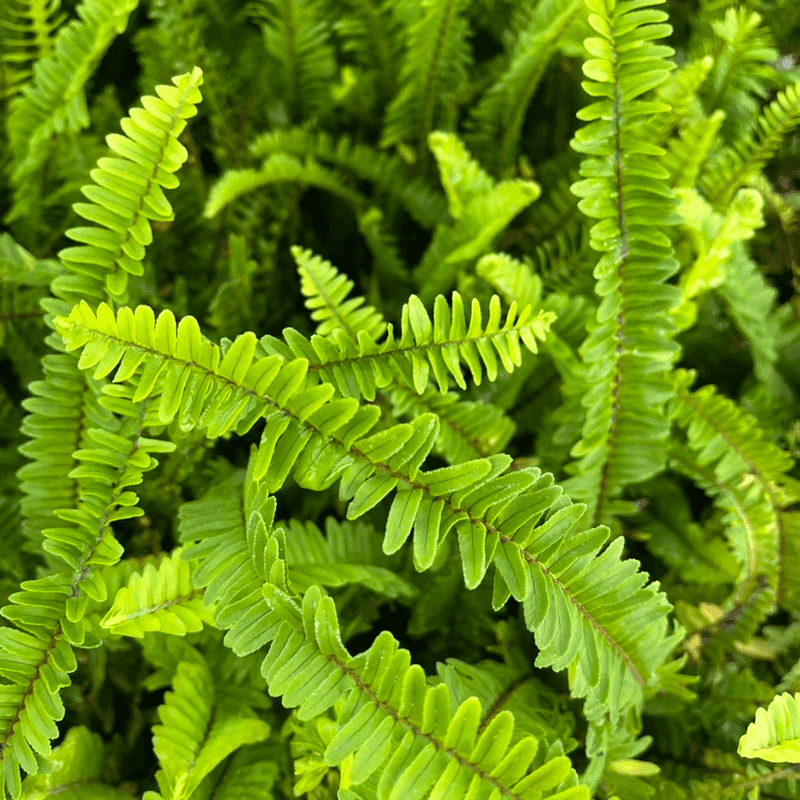
Healthy fronds are working hard even when they do not look particularly exciting. Every green frond is capturing sunlight and turning it into food that feeds the roots.
The more healthy fronds you leave on the plant, the more energy it can store for next year’s growing season.
Think of it like a bank account. Each healthy frond makes a small deposit of energy every day.
The more deposits the plant can make before winter, the stronger it starts out in spring. Cutting healthy fronds early is like withdrawing money before you have earned it.
When choosing which fronds to remove, always go for the oldest ones first. These are usually the outermost fronds, the ones that have been on the plant the longest.
They tend to be darker, more faded, or slightly flattened compared to the newer growth closer to the center.
Newer fronds near the center of the plant are usually more upright, brighter green, and more flexible. These are the ones worth protecting most carefully.
They are closest to the crown and most directly connected to next year’s emerging growth points.
Leaving a generous amount of healthy foliage in place also makes the plant look better through fall and winter.
Sword ferns are evergreen, which means they can add color and texture to your garden even in the coldest months.
Protecting that beauty starts with smart, selective pruning that respects what the plant still needs.
7. Late-Summer Cleanup Should Stay Light

Late summer is a popular time to tidy up the garden before fall arrives, but with sword ferns, restraint is the key.
The plant is still wrapping up its growing season during this time, and heavy cutting can interrupt that process at a critical moment.
A light cleanup means removing only the most obviously withered or damaged fronds. It does not mean going through the entire plant and cutting everything that looks less than perfect.
Quick, selective removal of the worst fronds is all that is needed at this stage. Many gardeners find it helpful to set a limit for themselves.
For example, removing no more than four or five fronds per plant during a late-summer session keeps things manageable and prevents over-cutting.
Having a clear stopping point makes it easier to stay disciplined. This is also a good time to clear away any debris that has piled up around the base of the fern.
Fallen leaves and twigs can hold excess moisture against the crown, which creates conditions that are less than ideal for the plant heading into fall.
Keeping the cleanup focused and brief protects the plant’s ability to finish its season strong.
A fern that gets to complete its natural cycle without interruption almost always produces more vigorous new fronds the following spring. A little patience in late summer pays off in a big way when warmer weather returns.
8. Protect The Center Where Next Year’s Growth Starts
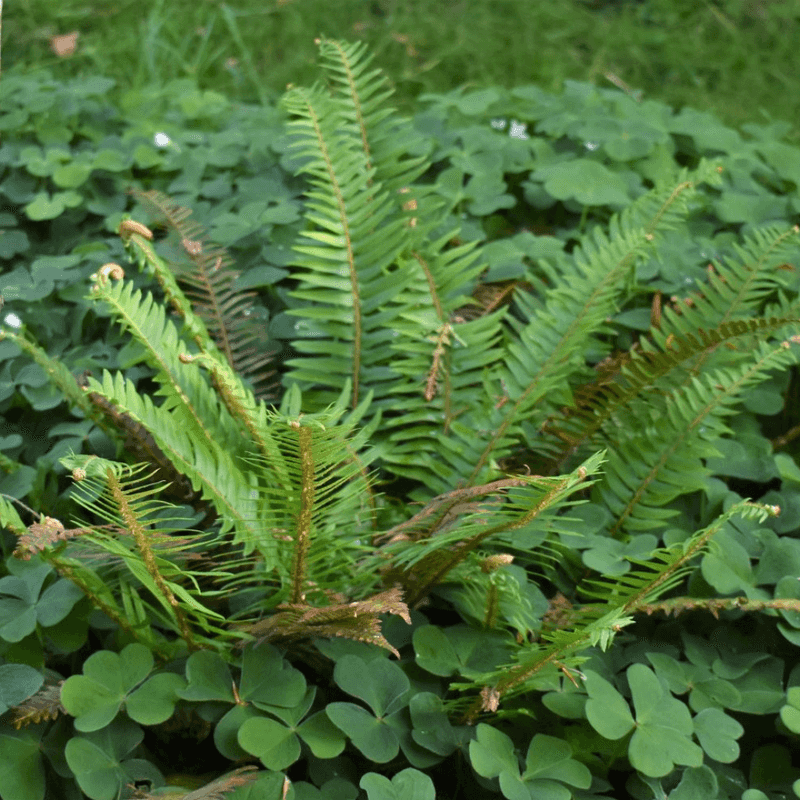
The center of a sword fern is where all the magic happens. Tiny coiled fiddleheads form there each year and eventually unfurl into the full fronds that give the plant its classic, sweeping look.
Protecting that center is the single most important part of any cleanup effort. Even a small amount of damage to the crown can delay or reduce new growth the following season.
Accidentally knocking it with a tool, stepping on it, or cutting too close can all cause problems that show up months later when the plant fails to fill in properly.
When working around the base of the plant, move carefully and deliberately. Avoid reaching across the crown to grab fronds on the other side.
Instead, walk around the plant and approach each frond from the most direct angle to avoid any unnecessary contact with the center.
After trimming, consider placing a light layer of compost or mulch around the outer edge of the plant, not on top of the crown.
This helps insulate the roots during cold snaps while keeping the center clear and open for new growth to emerge freely in spring.
In Oregon, late winter can bring unexpected cold spells that stress unprotected plants. A little extra care around the crown heading into those months can make a real difference.
Treating the center of your fern as the most valuable part of the plant will always lead to better results come spring.