The Best Flowering Houseplants To Color Your Texas Home
Most Texas homes do a great job of bringing color into the outdoor garden. But step inside and the story often changes.
Plenty of green, maybe some foliage plants doing their quiet work in the corners, but very little in the way of actual flowers.
It turns out that growing flowering houseplants indoors in Texas is not only possible but surprisingly rewarding once you match the right plants to the conditions your home actually provides. The right flowering houseplant changes a room.
Not in a subtle way either. A plant in full bloom sitting on a windowsill or a side table brings a warmth and life to an indoor space that no piece of decor fully replicates.
And unlike cut flowers that last a week before they’re done, the right flowering houseplant keeps going, blooming repeatedly and rewarding a little attention with a lot of color.
Texas homes have specific indoor conditions worth accounting for, and the plants that perform best here are worth knowing about before you bring anything home.
1. African Violet
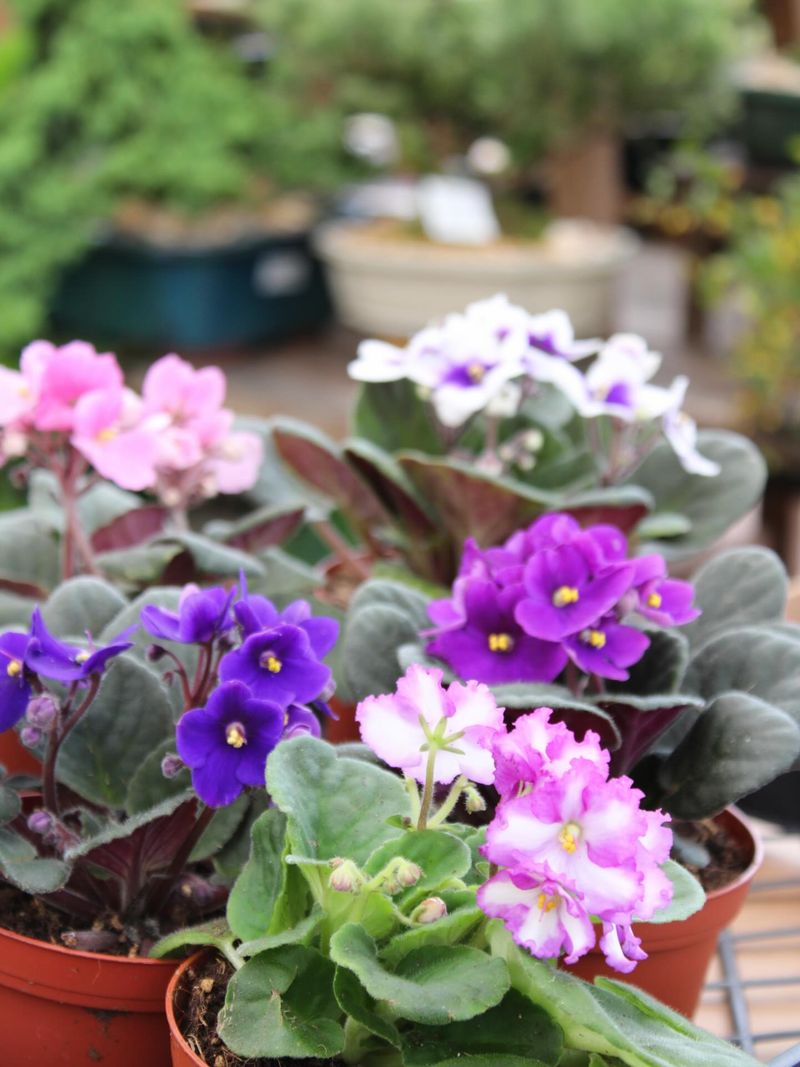
Few plants pack as much color into such a small package as the African Violet. Native to Tanzania in East Africa, this charming little plant has been a favorite of indoor gardeners for over a hundred years.
It produces clusters of velvety blooms in shades of purple, pink, white, and even blue, making it one of the most colorful plants you can grow inside your Texas home.
African Violets do best in bright, indirect light. A north or east-facing window works perfectly for them.
In Texas, where sunlight can be intense, avoid placing them in direct afternoon sun because the leaves can burn easily. A sheer curtain between the plant and the window is a simple way to protect it.
Watering is one of the most important parts of caring for an African Violet. Always water from the bottom by setting the pot in a tray of water for about 30 minutes, then removing it.
Getting water on the leaves can cause brown spots, which nobody wants. Use room-temperature water to avoid shocking the roots.
These plants prefer to stay a little root-bound, so do not rush to repot them into a much larger container. A snug pot actually encourages more blooming.
Feed them with a fertilizer made specifically for African Violets every two to four weeks during the growing season.
With consistent care, African Violets can bloom almost year-round. They are compact, affordable, and available at most garden centers and grocery stores across Texas. If you want steady color without a lot of effort, this plant is a wonderful place to start.
2. Anthurium
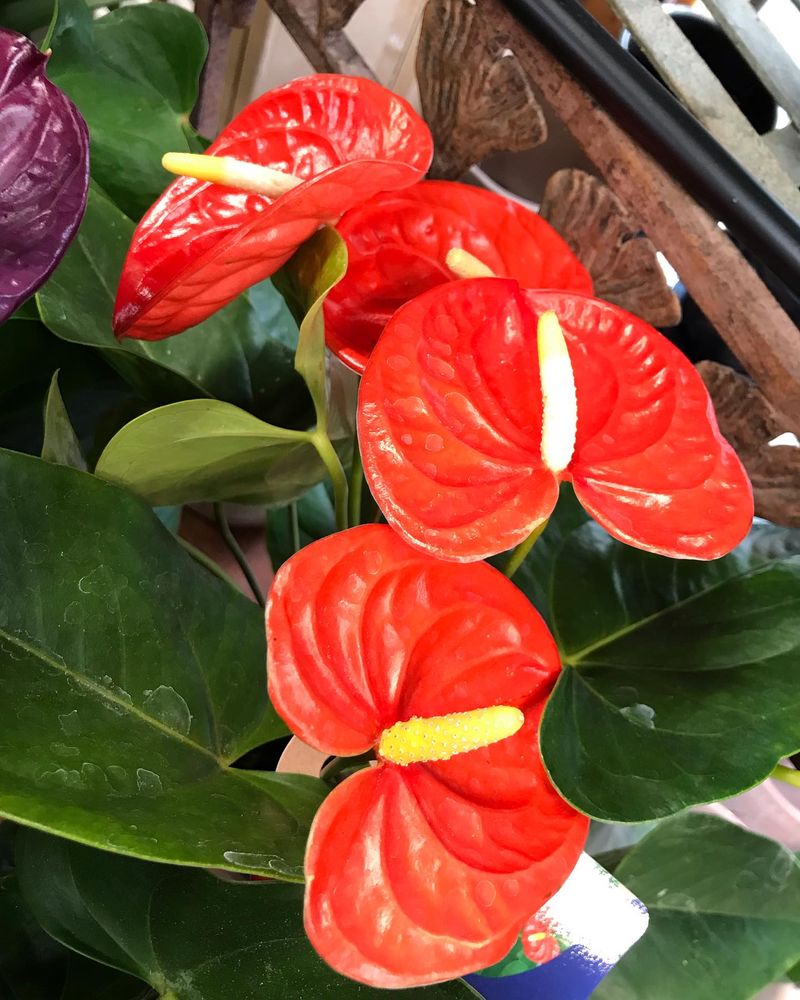
Walk into any home with an Anthurium on the shelf, and it is impossible not to notice it. Those bold, waxy spathes in red, pink, coral, and white look almost too perfect to be real.
Many people mistake them for flowers, but the spathe is actually a modified leaf. The tiny yellow or cream-colored spike in the center is the true flower part. Either way, the result is stunning.
Your Texas Garden Changes Every Week. Your Plan Should Too.
Gardening in Texas changes quickly throughout the season. Every Friday you’ll receive a simple weekly plan showing exactly what to plant, prune, fertilize, harvest, and protect so you never miss the right timing.
One of the best things about Anthuriums is how long those colorful spathes last. A single bloom can stay on the plant for two to three months, which means you get weeks of color without much effort.
For Texas homeowners who want low-maintenance beauty, that kind of staying power is hard to beat.
Anthuriums prefer bright, filtered light. They do well near a window with a sheer curtain or in a well-lit room that gets plenty of natural light without harsh direct sun.
In Texas summers, keep them away from south-facing windows where the afternoon heat and light can be overwhelming for the plant.
Watering should be done when the top inch of soil feels dry. Overwatering is the most common mistake people make with Anthuriums.
The roots need good drainage, so always use a pot with holes at the bottom. A well-draining potting mix made for tropical plants works best.
Feed your Anthurium a balanced liquid fertilizer once a month during spring and summer. Wipe the leaves occasionally with a damp cloth to remove dust and keep them looking glossy.
With the right care, this tropical beauty will reward you with bold, lasting color season after season.
3. Orchid (Phalaenopsis)
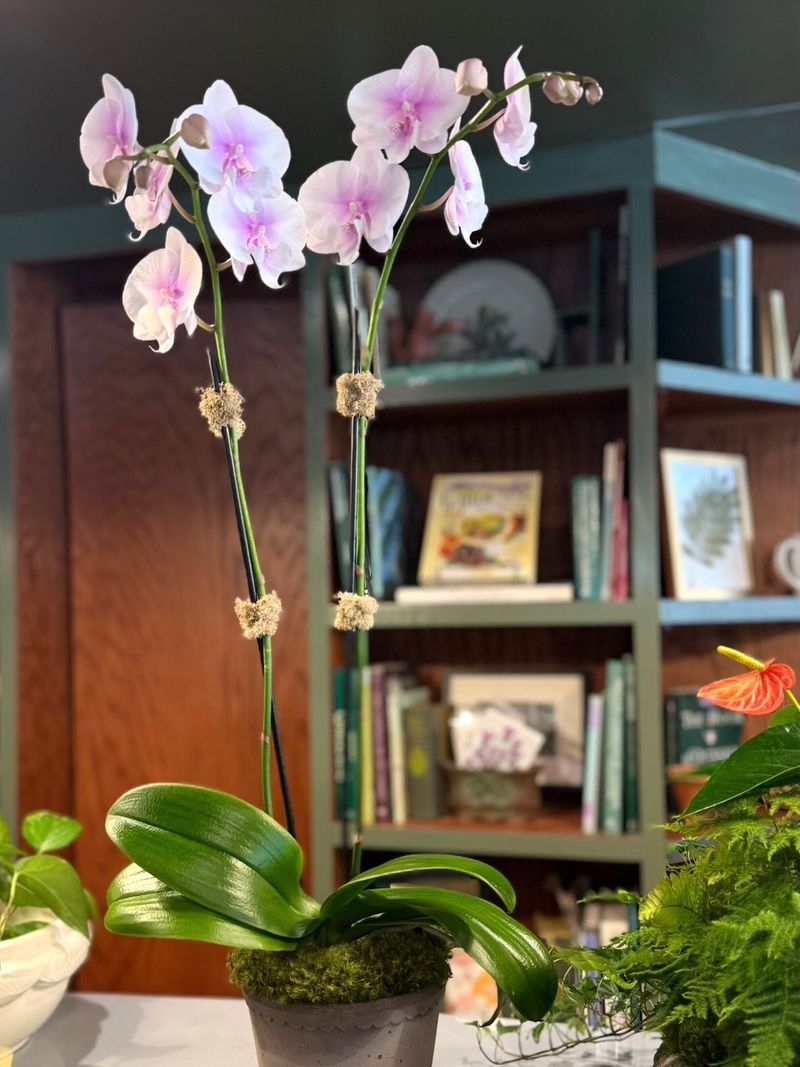
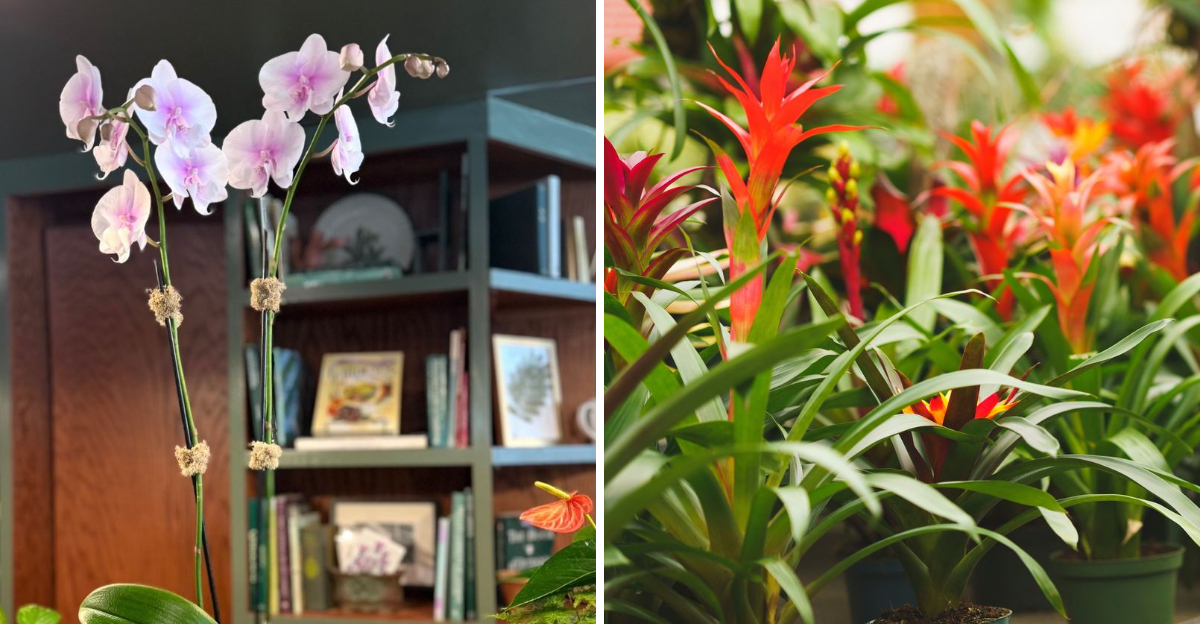
Orchids have a reputation for being difficult, but Phalaenopsis orchids, often called Moth Orchids, are actually one of the easiest flowering plants to grow indoors. They are the most popular orchid sold in the United States, and for good reason.
Their blooms are breathtaking, lasting anywhere from six weeks to several months on a single flower spike.
You can find Phalaenopsis orchids in nearly every color imaginable, from pure white and soft lavender to deep magenta and sunny yellow. Some even have spots or striped patterns on the petals.
Placing one on a dining table or bathroom counter instantly adds a touch of elegance to any room in your Texas home.
Light is key for these orchids. They prefer bright, indirect light, making an east-facing window an ideal spot.
Direct sunlight can scorch the leaves, but too little light will stop them from blooming. If your home does not get much natural light, a grow light placed nearby can make a big difference.
Watering correctly is where most people go wrong with orchids. Water your Phalaenopsis about once a week by running lukewarm water through the pot for about 30 seconds, then letting it drain completely.
Never let the roots sit in standing water. The roots should look silvery-green when healthy and dry.
After the blooms fall off, do not discard the plant. Cut the flower spike just above a node, and with patience and the right care, it will rebloom in a few months.
Fertilize monthly with a diluted orchid fertilizer to keep the plant strong and ready to flower again.
4. Christmas Cactus
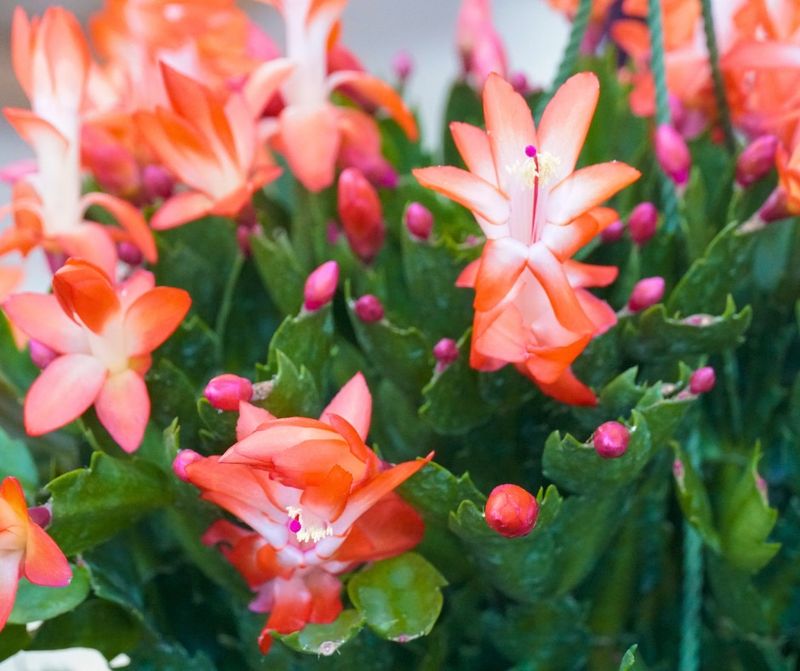
If you have ever seen a Christmas Cactus in full bloom, you know why so many Texas families have been passing them down from generation to generation. These plants can live for decades, and some heirloom specimens have been in families for 50 years or more.
That kind of history makes this plant feel extra special in any home. Despite its name, the Christmas Cactus is not a true desert cactus. It actually comes from the tropical rainforests of Brazil, where it grows on trees and rocks in humid, shaded environments.
Knowing that helps explain why it prefers conditions that are quite different from what most people expect from a cactus.
The blooms appear in shades of red, pink, orange, white, and purple, usually around the holiday season. To encourage blooming, the plant needs longer nights and cooler temperatures in the fall.
Placing it in a room that gets about 12 to 14 hours of darkness each night starting in October can trigger it to set buds for a stunning winter display.
Christmas Cacti prefer bright indoor light without harsh direct sun. A spot near a bright window with a sheer curtain is ideal.
Water the plant when the top inch of soil feels dry, and always use a pot with drainage holes. These plants do not like soggy soil, so avoid overwatering.
During the growing season in spring and summer, feed your Christmas Cactus a balanced fertilizer every two to four weeks.
Once it starts setting buds in fall, stop fertilizing and reduce watering slightly. With a little planning, you will enjoy a gorgeous burst of color every holiday season.
5. Peace Lily
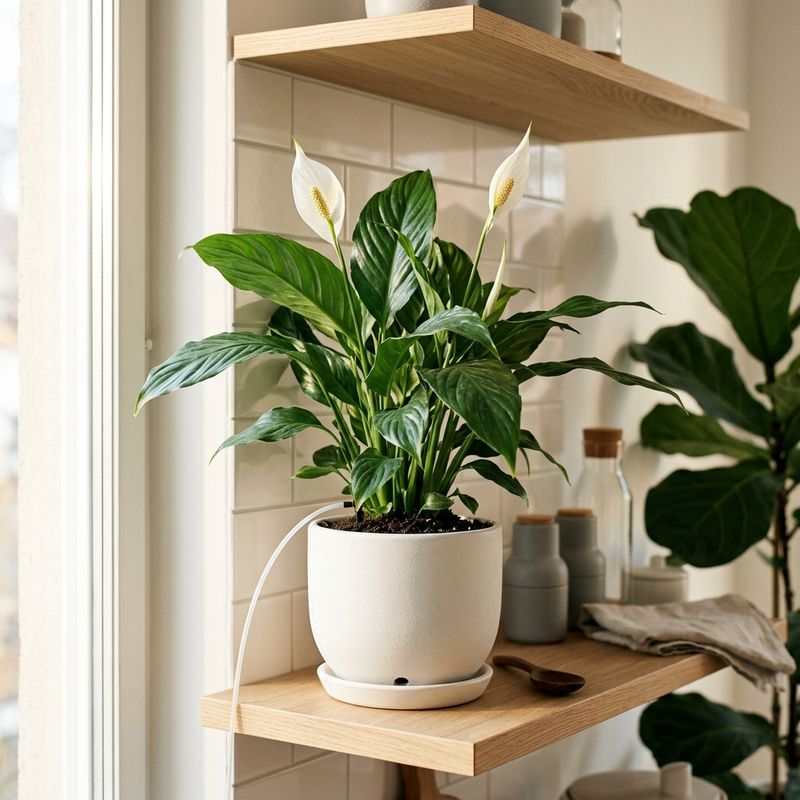
Not every room in your Texas home gets a flood of natural light, and that is exactly where the Peace Lily shines.
Most flowering houseplants need bright conditions to produce blooms, but the Peace Lily is one of the few that can flower in lower light environments. That makes it a smart and stylish choice for hallways, bathrooms, and cozy reading corners.
The blooms are clean and elegant. Each white spathe curves gently around a pale yellow spike, creating a look that feels both simple and sophisticated.
The deep green, glossy leaves add to the visual appeal even when the plant is not in bloom. It is the kind of plant that looks good in any style of home, from modern to rustic.
Peace Lilies are also known for their air-purifying qualities. Studies have shown that they can help remove certain indoor pollutants from the air, making them a practical as well as beautiful addition to your living space.
For families in Texas who spend a lot of time indoors during hot summers, that is a real bonus.
Watering is straightforward with this plant. Let the soil dry out slightly between waterings, and the plant will often droop slightly to let you know it is thirsty.
Water it thoroughly, and it will perk back up within a few hours. Avoid letting it sit in water, as the roots can rot quickly.
Feed your Peace Lily with a balanced liquid fertilizer once a month during spring and summer. Wipe the leaves with a damp cloth now and then to keep them looking their best.
This resilient, low-light bloomer is a great option for beginners and experienced plant lovers alike.
6. Bromeliad
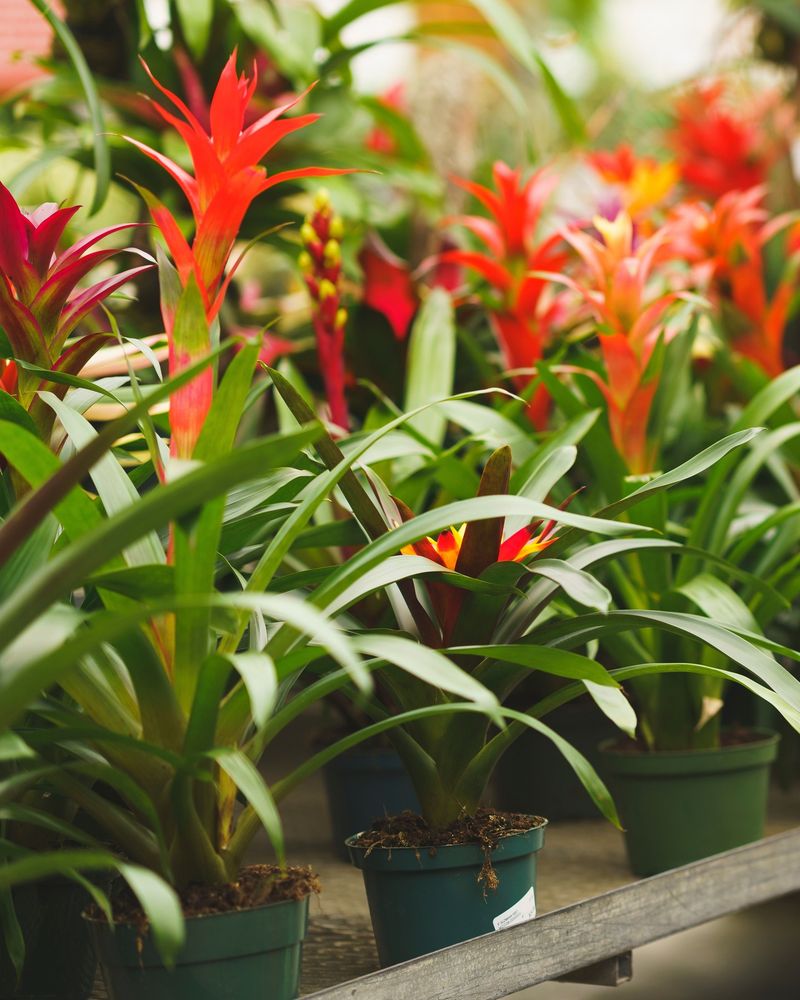
There is something undeniably tropical about a Bromeliad, and that bold, festive energy is exactly what makes it such a fun addition to a Texas home. These plants come in a wild range of colors, from fiery reds and oranges to electric pinks and sunny yellows.
The colorful part you see is not the actual flower but a modified leaf structure called a bract. The tiny true flowers are tucked inside.
Bromeliads are built for warm environments, which makes them a natural fit for Texas homes. They originally come from tropical regions of Central and South America, where they grow in humid, warm conditions.
Indoors, they thrive in the warm temperatures that most Texas households maintain year-round, especially during the long summer months.
One cool thing about Bromeliads is that many varieties have a central cup formed by their leaves. This cup naturally collects water in the wild.
You can water your Bromeliad by filling this cup and also watering lightly into the soil. Change the water in the cup every week or two to keep it fresh and prevent any buildup.
Bright, indirect light is ideal for most Bromeliad varieties. A spot near a sunny window that gets filtered light works well.
Direct harsh sunlight can fade the vibrant colors of the bracts, so a little shade protection goes a long way in keeping them looking their best.
Bromeliads typically bloom once, but the colorful bract display can last for months. After the main plant finishes, it produces offshoots called pups at the base.
You can separate these pups and pot them individually to grow brand-new plants. It is an easy and rewarding way to expand your indoor garden for free.
7. Kalanchoe
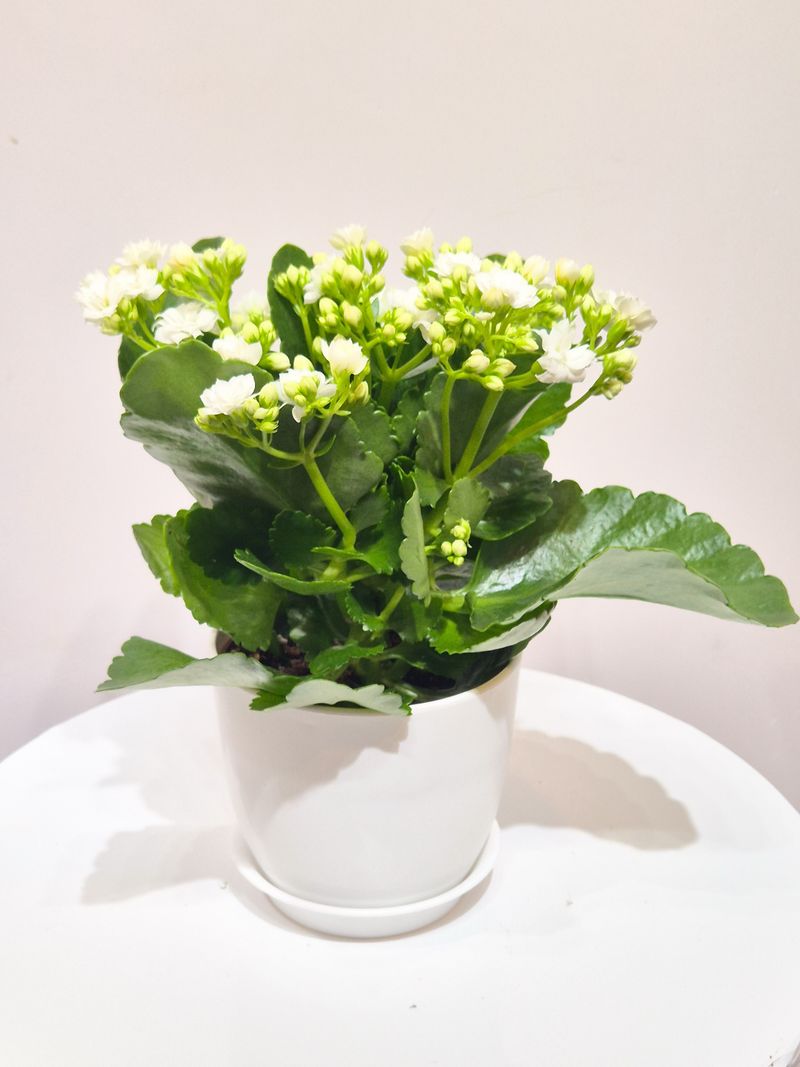
Kalanchoe is the plant that proves you do not need complicated care routines to enjoy big, beautiful blooms. Walk through any grocery store or garden center in Texas, and you will almost certainly spot one near the entrance.
Those cheerful clusters of tiny flowers in red, orange, yellow, pink, and white are hard to miss, and even harder to resist taking home.
What sets Kalanchoe apart from many other flowering houseplants is its succulent nature. The thick, waxy leaves store water, which means this plant is surprisingly forgiving if you occasionally forget to water it.
For busy Texas families juggling work, school, and everything in between, that kind of resilience is genuinely refreshing.
Kalanchoe loves bright light. A sunny windowsill that gets several hours of direct or bright indirect light each day is the perfect home for this plant.
In Texas, a south or east-facing window works beautifully. The more light it gets, the more it will bloom and the stronger the plant will grow overall.
Water your Kalanchoe only when the soil has dried out completely. Overwatering is the quickest way to run into trouble with this plant.
When you do water, do it thoroughly and let all the excess drain away. Never let the pot sit in standing water, as the roots are sensitive to soggy conditions.
After the blooms fade, trim off the spent flower clusters and move the plant to a darker spot for about six weeks. Limit watering during this rest period.
After that rest, bring it back to bright light, resume normal watering, and the Kalanchoe will reward you with a fresh round of cheerful blooms.