The Texas Plants That Can Repel Wasps From Getting Near The Porch
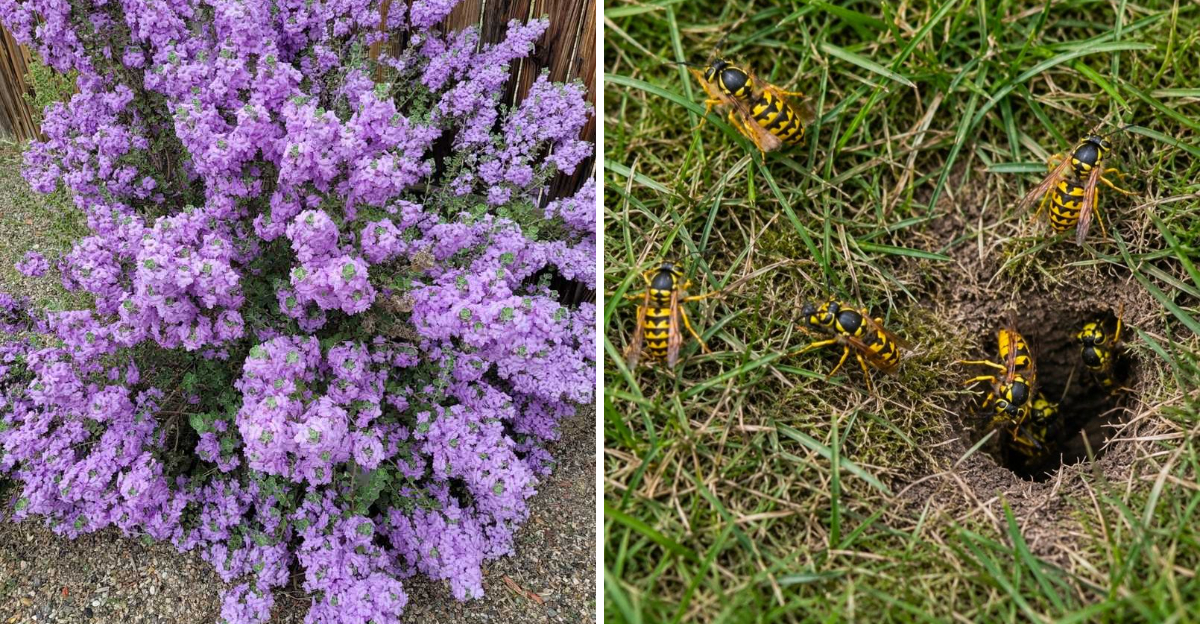
A Texas porch can become surprisingly uncomfortable once warm weather brings a steady stream of striped visitors.
At first, one circles the railing. Another checks the eaves. Then outdoor drinks, fruit, pet food, or a nearby nest can turn a quiet sitting area into somewhere everyone watches a little too carefully.
Most homeowners reach for a spray or start searching the roofline.
But another layer of defense can begin much closer to the chairs.
Several ordinary plants have something in common that has caught researchers’ attention, and placing the right ones around a porch may make the immediate area less attractive to certain wasps.
So which plants deserve the pots nearest the door?
The answer includes familiar herbs, sun-loving ornamentals, and a few choices that already thrive in Texas heat.
None replaces nest removal, sanitation, or exclusion.
Used thoughtfully, though, they can add one more reason for unwanted visitors to spend less time investigating the places where people want to relax during the busiest part of the long outdoor season.
1. Peppermint Brings Strong Mint Aroma To Shadier Porch Edges
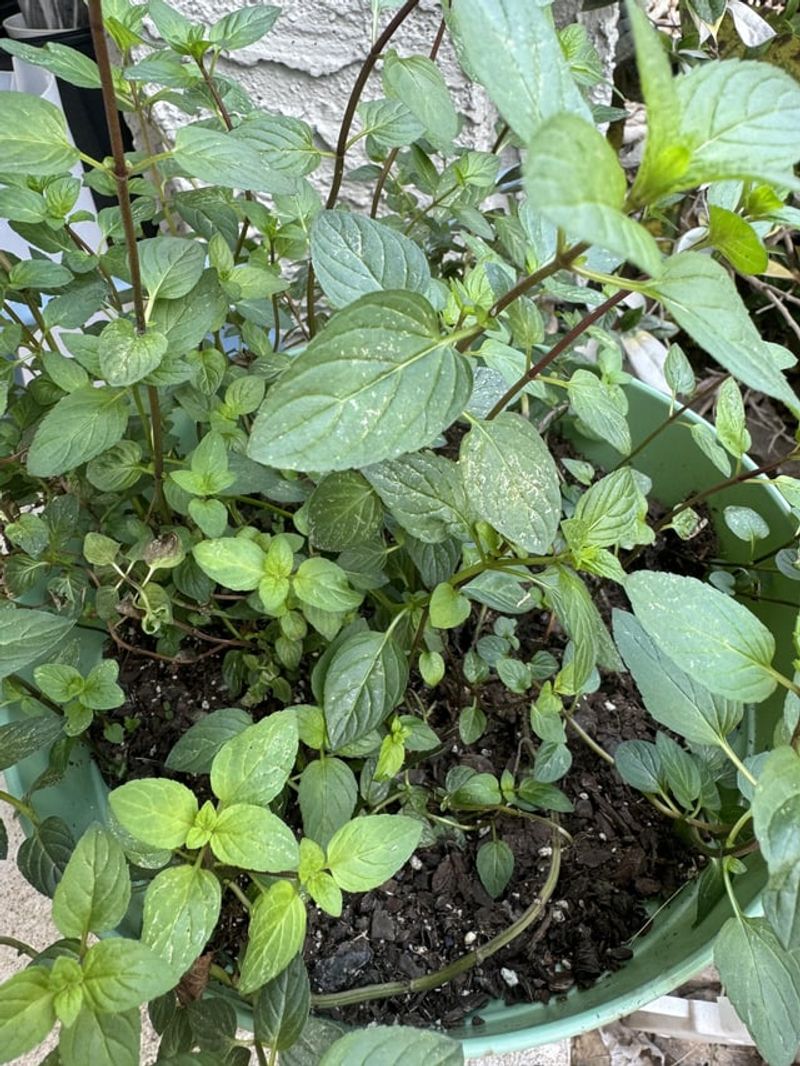
The easiest place to start is with a container of peppermint near a porch that gets morning sun and afternoon shade.
Its leaves are rich in volatile compounds, including menthol, and peppermint essential oil was among the oils that significantly reduced attraction by yellowjackets and paper wasps in field testing.
The important catch is concentration. Researchers tested essential oils, not a living mint plant, so the plant should be treated as a mild supporting deterrent rather than a botanical force field.
Texas conditions make container culture especially useful.
Peppermint prefers richer, consistently moist soil than Mediterranean herbs do, and Texas A&M notes that mints often perform better with afternoon shade and extra moisture.
A pot lets you keep those conditions close to the porch without allowing runners to wander through a bed.
Place it beside a seating area, doorway, or table rather than directly underneath an active nest site.
Lightly harvesting leaves keeps fresh growth coming and releases more aroma whenever stems are handled. Do not pour concentrated peppermint oil onto furniture, soil, pets, or skin.
The plant’s job is modest: add a scent wasps may find less attractive while the porch stays clean and food-free.
Peppermint can make the welcome mat smell better.
It cannot tell a determined colony where to live.
2. Spearmint Adds Another Mint Scent Wasps May Avoid
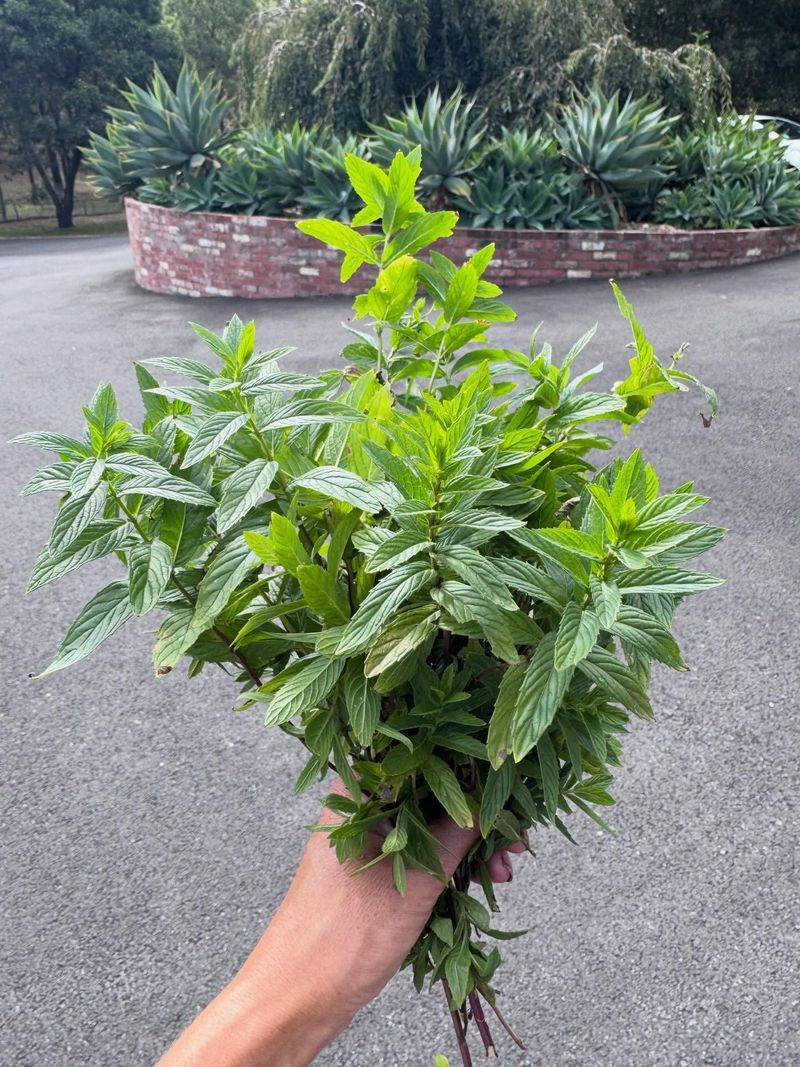
Another pot can carry the same strategy with a slightly different scent.
Spearmint contains carvone-rich aromatic oils rather than the menthol-heavy profile associated with peppermint. In the same field research on pestiferous social wasps, spearmint essential oil showed significant repellency.
That comes with one very important limitation: concentrated oil results do not prove that an untouched living plant will keep wasps away.
Spearmint is also easier than peppermint for many Texas gardeners.
Texas A&M describes it as one of the easiest mints to grow and recommends moisture plus some afternoon shade. In a hot inland yard, a porch edge with bright morning light can be kinder than a black pot baking in western sun.
Your Texas Garden Changes Every Week. Your Plan Should Too.
Gardening in Texas changes quickly throughout the season. Every Friday you’ll receive a simple weekly plan showing exactly what to plant, prune, fertilize, harvest, and protect so you never miss the right timing.
Keep spearmint contained.
Its underground stems can spread beyond the spot you intended, so a roomy container is usually easier to manage than an open bed. Water when the upper potting mix begins to dry, then let excess moisture drain freely.
Frequent clipping encourages leafy growth and gives you the strongest fragrance when the plant is brushed or harvested.
Do not crowd several wet mint pots against siding. Constant dampness around a structure creates a different pest problem.
Used neatly, spearmint adds fragrance without becoming a maintenance headache.
That is the balance you want near a porch: noticeable aroma, healthy foliage, and no new hiding place.
3. Lemongrass Gives Sunny Texas Porches A Strong Citrusy Presence
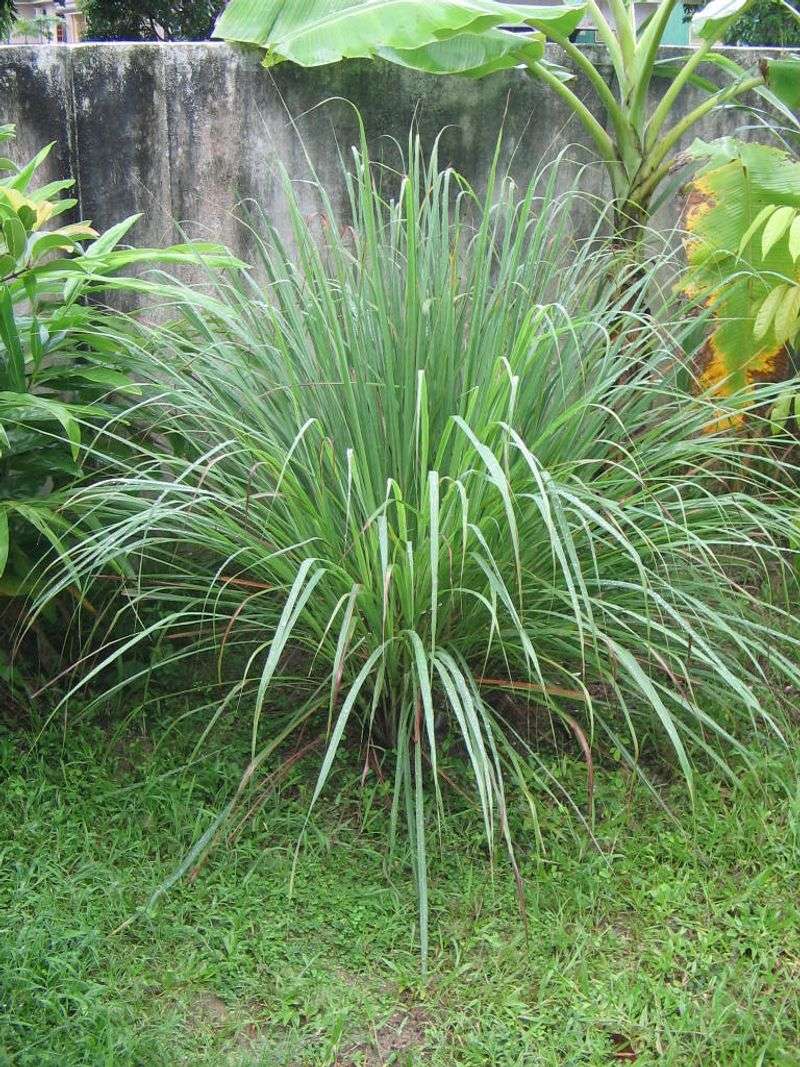
Full Texas sun calls for something tougher than a thirsty mint pot.
Lemongrass fits that position well. Its tall blades release a bright citrus scent when moved or cut, and lemongrass essential oil significantly repelled yellowjackets and paper wasps in field testing.
A mixture containing lemongrass, clove, and geranium oil performed especially strongly in that research.
A living clump produces far less concentrated vapor than an essential-oil dispenser.
Still, the plant lets you place aromatic foliage beside a porch while adding useful height and movement.
Texas A&M includes lemongrass among herbs suited to landscape use in the state. Give it a large container, strong light, and well-drained potting mix. Water deeply enough to support lush growth, but never let a saucer stay full beside the foundation.
Trim browned or battered blades as needed.
Fresh cuts release more of the familiar lemon scent, but routine grooming is enough. There is no reason to macerate foliage or smear essential oil around doors.
Cold is the bigger limitation.
Lemongrass is tender, so gardeners in colder parts of Texas may need to treat it as a warm-season container plant or protect it when freezing weather arrives.
During porch season, its size works in your favor.
One healthy pot can put plenty of aromatic foliage exactly where outdoor activity happens.
4. Rosemary Handles Hot Porch Edges While Adding Repellent Aromatics
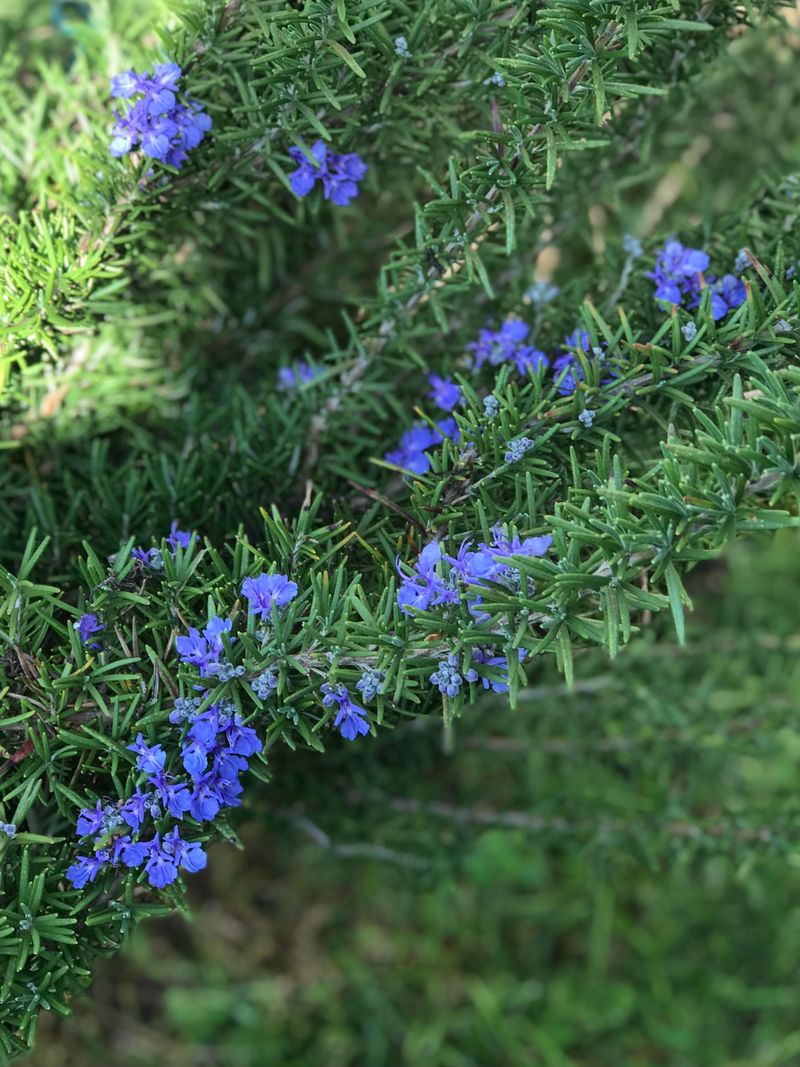
A sunbaked porch edge that dries quickly can be ideal territory for rosemary.
This woody Mediterranean herb thrives in hot, dry conditions once established, and Texas A&M notes that rosemary performs well in the state’s climate when drainage is good.
Its needlelike leaves also contain strongly aromatic oils, and rosemary essential oil significantly repelled pestiferous social wasps in field trials.
Use an upright rosemary variety where you want a small evergreen-looking shrub or a trailing form near the edge of a large porch planter.
Give either type full sun and fast drainage. Poorly drained soil is a much bigger threat to rosemary than a missed watering.
Brush past the foliage and the aroma becomes immediately stronger.
Regular light harvesting keeps plants compact, but avoid cutting deeply into old bare wood. Texas growing guidance recommends gentle, frequent pruning rather than severe renovation.
Researchers demonstrated repellency from extracted essential oil, not from a row of living shrubs surrounding a porch.
Rosemary may contribute a locally aromatic zone, but it will not stop wasps attracted by sugary drinks, exposed trash, pet food, or an established nest.
That makes good housekeeping part of the planting plan.
Let rosemary handle the fragrance.
Let sealed garbage, clean tables, and proper nest management handle the reasons wasps were interested in the porch.
5. Thyme Packs Wasp-Repellent Oils Into A Small Porch Pot
Small containers can contribute something useful when porch space is tight.
Thyme stays far lower than rosemary or lemongrass, yet its foliage carries concentrated aromatic compounds.
Thyme essential oil was among the oils that significantly repelled yellowjackets and paper wasps in field research, giving this little herb more evidence behind it than many plants casually marketed as natural wasp repellents.
Texas heat is not automatically a problem.
Texas A&M lists thyme as a hardy perennial herb that prefers full sun and well-drained soil. Poor drainage is the bigger threat, especially in humid areas.
Set a pot on the brighter edge of the porch where rainwater can escape.
Let the soil begin drying between waterings rather than keeping it constantly moist. A wide container can show off creeping forms while keeping foliage easy to brush as people pass.
Light clipping maintains fresh growth.
Avoid cutting a woody thyme plant back severely, because older stems may not recover well from hard pruning.
A flowering thyme can also attract pollinating insects, including bees, so placement deserves thought. Put it along the porch perimeter rather than on a tiny table beside someone’s drink.
Its job is not to empty the airspace.
It simply adds another tested aromatic profile to the outer edge of a cleaner, less attractive gathering area.
6. Sage Adds Strong Herbal Volatiles Near Doors And Seating Areas
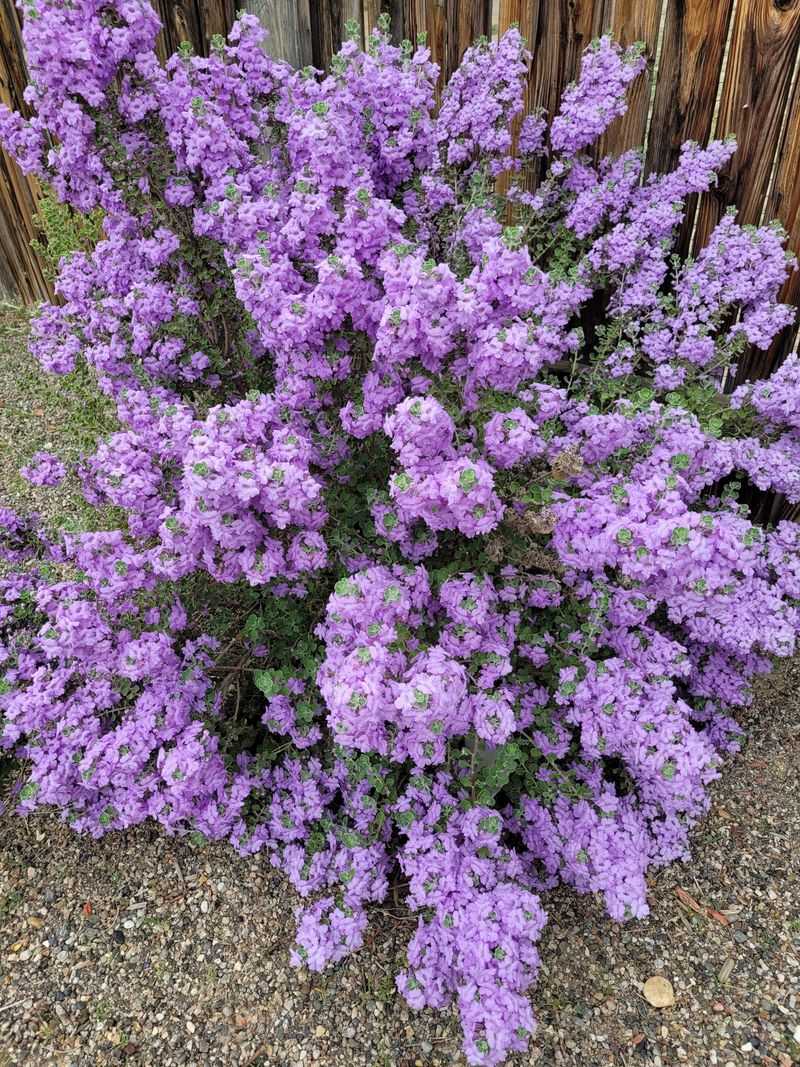
Gray-green foliage can bring another strong herbal note to a porch container grouping.
Culinary sage, Salvia officinalis, produces aromatic oils that were significantly repellent to social wasps in field testing.
That supports the scent idea better than the usual internet claim that any strongly scented plant automatically sends wasps elsewhere.
Essential oil is a concentrated extract. A sage plant releases a much smaller amount into open air, especially when the leaves are untouched, so use it as an extra layer rather than a substitute for proven wasp management.
Texas growing conditions require a little care.
Texas A&M recommends well-drained sites and notes that some sages struggle through hot, humid summers. A container lets you control drainage and move the plant away from punishing afternoon heat.
Give it plenty of light and avoid constant irrigation.
Allow air to move around the foliage, especially in humid parts of East and Gulf Coast Texas. Trim lightly to harvest leaves and preserve a compact shape instead of cutting deeply into woody growth.
Keep blooming plants a little away from chairs.
Flowers can attract bees and other beneficial visitors, which is useful in a garden but less useful directly beside someone’s drink.
A sunny outer porch corner is a better compromise.
Sage contributes aromatic chemistry without asking the plant to perform what it cannot guarantee.
7. Lavender Can Help Where Texas Porch Soil Stays Dry
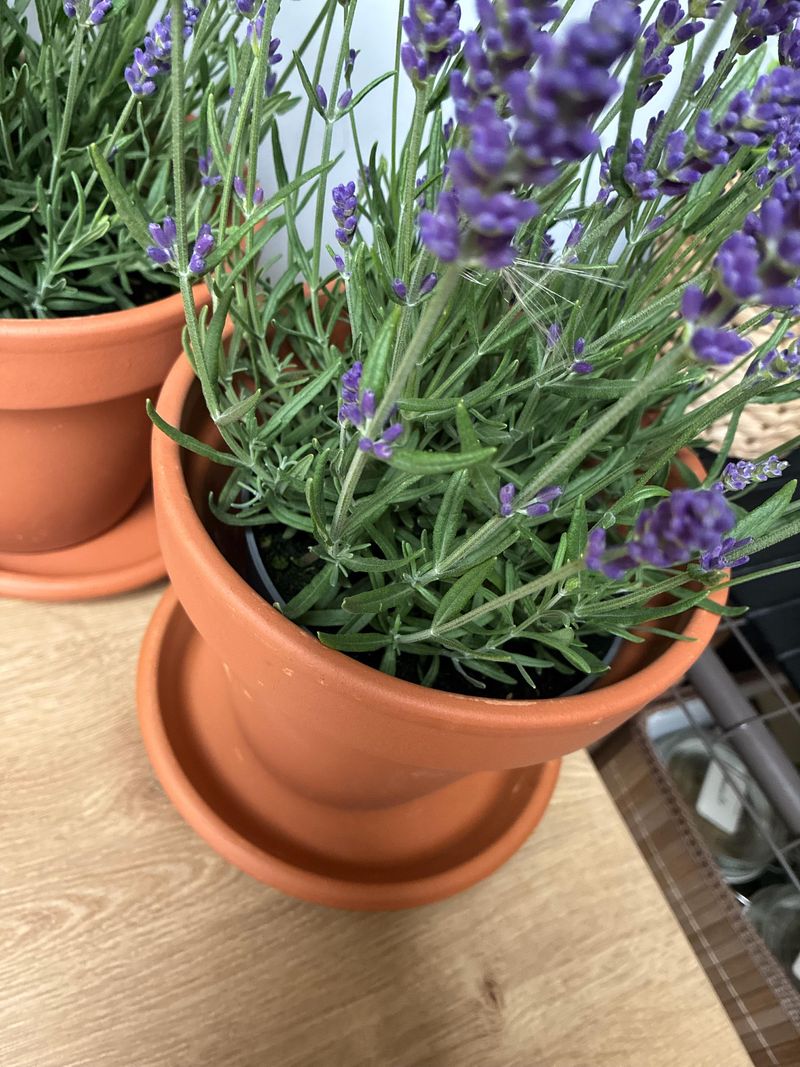
Lavender earns a place on this list because the research is stronger than its reputation in Texas soil.
Lavender essential oil significantly repelled yellowjackets and paper wasps in field testing. The living plant also provides strongly scented foliage and flowers, but that does not mean a lavender pot creates an invisible exclusion zone around the porch.
Growing it successfully may be the harder part.
Texas A&M notes that lavender can be difficult in the state’s climate and points gardeners toward better-adapted selections such as Spanish, French, fernleaf, and Provence types. Heavy clay, poor drainage, and humid conditions can shorten a plant’s life quickly.
Containers solve several of those problems.
Use a gritty, fast-draining mix and a pot with generous drainage holes. Place it where it receives strong light and good air movement, then avoid watering simply because the top of the soil looks dry.
The porch perimeter works better than the center of a seating area.
Lavender flowers attract bees and other pollinators, so putting a blooming pot directly beside food or elbows may trade one kind of insect activity for another.
Set it several feet away where its scent can join the surrounding planting without crowding people.
In Texas, keeping the roots dry enough may be the real trick behind keeping that contribution around.
8. Rose Geranium Adds Another Aroma Wasps May Avoid
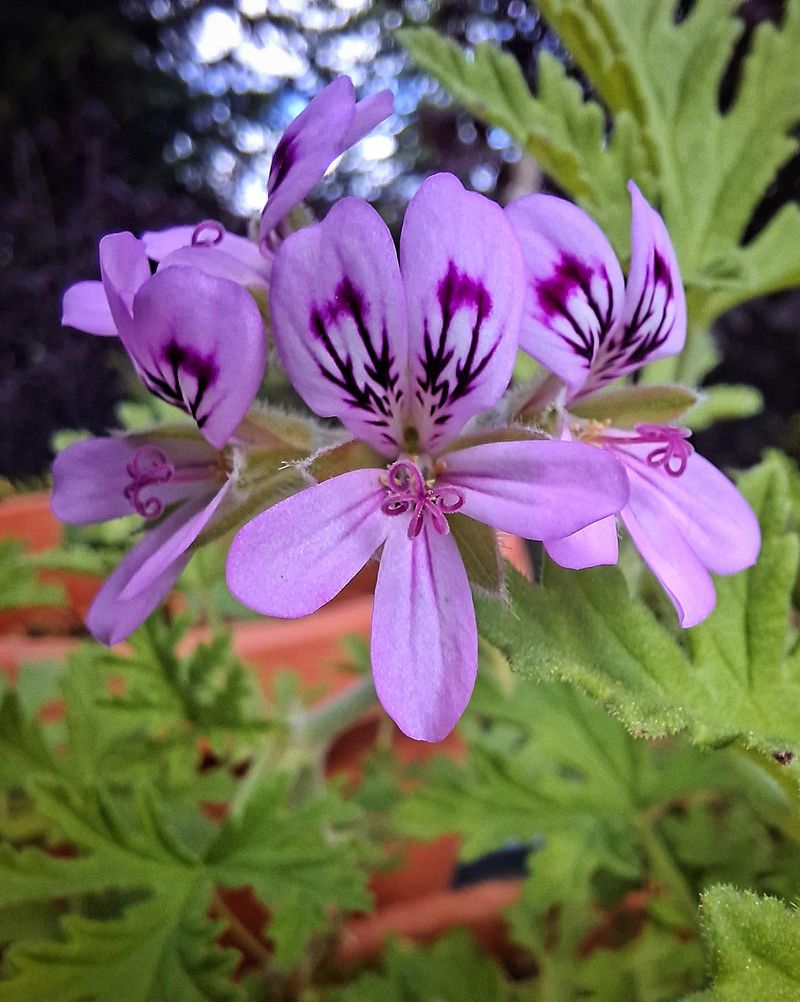
The last choice looks more ornamental than most herbs.
Rose-scented geranium, Pelargonium graveolens and related scented Pelargonium types, carries fragrant foliage that releases a much stronger aroma when touched.
Geranium essential oil was significantly repellent to pestiferous social wasps in field tests, and a clove-geranium-lemongrass oil mixture completely blocked attraction in the researchers’ baited-trap setup.
That result belongs to the oils, not the pots.
A scented geranium growing beside a Texas porch cannot be expected to reproduce the concentration or coverage of a formulated repellent.
What it can do is add another source of volatile fragrance in a place where people already want an attractive container plant.
Texas A&M includes scented geraniums among herbs suitable for Texas landscapes and describes them as useful for their scent as well as appearance.
Give the plant bright light, drainage, and enough room for air circulation. Pinching the tips encourages bushier growth, while occasional harvesting keeps scented foliage within reach.
Protect it from hard freezes.
In much of Texas, a container makes seasonal movement easier and prevents a favorite plant from being lost during a cold snap.
Keep the larger strategy in view.
Plants may help make the immediate porch less appealing, but they do not remove nests or erase food cues.
A tidy porch plus several well-placed aromatic pots is the sensible combination.
The flowers are backup, not bouncers.