The Amish-Inspired Gardening Practices Some Pennsylvania Homeowners Are Trying In Their Gardens
There is a certain satisfaction in growing food the way people grew it long before garden centers existed, and Pennsylvania has a remarkably rich tradition to draw from.
Across the state, practical methods for saving seeds, building soil, stretching the growing season, and working smarter with available materials have been passed down through generations of farmers and gardeners representing a wide mix of cultural backgrounds.
Some of these practices have been maintained within Amish communities.
Others trace back to Indigenous agriculture, Pennsylvania German traditions, broader European farming heritage, and modern horticulture that has validated old instincts with new research.
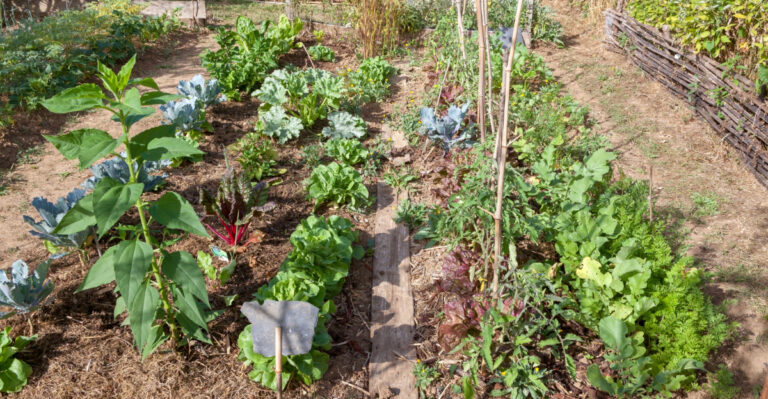
Techniques like crop rotation, straw mulching, cold frames, interplanting, and mound beds still hold up remarkably well in today’s backyard vegetable gardens.
Understanding where each one comes from and how it fits your specific conditions is where the real value lives.
1. Saving Seeds From Suitable Varieties
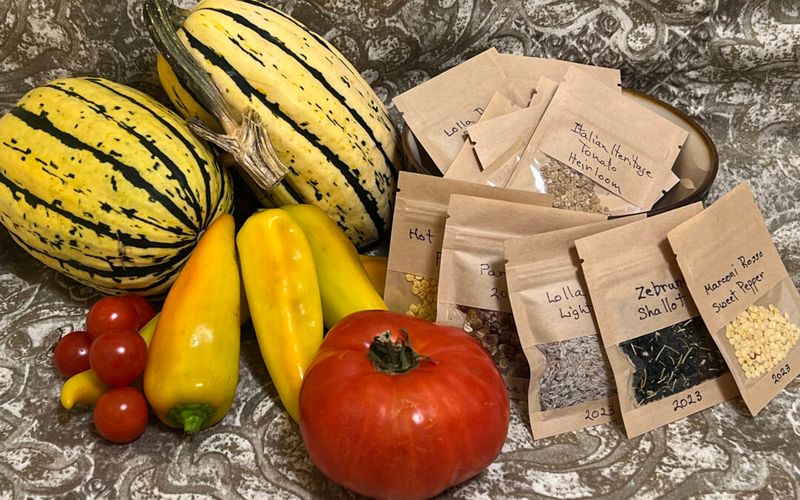
Pulling a ripe tomato off the vine and setting it aside specifically for next year’s seeds is one of the most satisfying acts of gardening self-reliance.
Seed saving has deep roots in household food production across many cultures, from Indigenous communities to European farm families, and it remains a valued practice in many Amish households and rural Pennsylvania communities today.
Before saving seed, it helps to understand the difference between open-pollinated varieties, heirlooms, and hybrids.
Open-pollinated plants are pollinated naturally by wind, insects, or hand, and their seeds generally produce offspring that closely resemble the parent plant.
Heirlooms are a subset of open-pollinated varieties that have been passed down over generations. Seeds collected from hybrid varieties may produce plants with noticeably different characteristics, so they are generally less suitable when consistency matters.
Cross-pollinating crops like corn, squash, and peppers may need adequate spacing, careful timing, or hand pollination to maintain a variety reliably. Always collect seed from the healthiest, most productive plants rather than those showing signs of disease or stress.
After harvesting, seeds should be cleaned, dried thoroughly, labeled clearly with the variety name and year, and stored in a cool, dry location.
Sharing seeds within a family or community extends the tradition further.
Seed saving does not guarantee that every heirloom outperforms modern varieties, but it can reduce future seed purchases and preserve flavors and characteristics that matter most to individual growers.
2. Rotating Crop Families Between Garden Beds
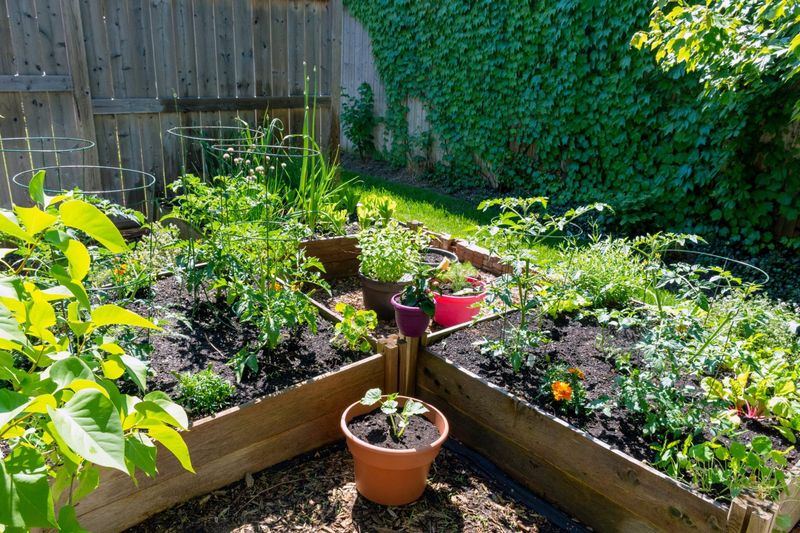
Moving vegetable families to a new bed each season is one of the most consistently recommended practices in home horticulture, and it shows up in agricultural systems across many cultures and centuries.
Crop rotation is not an exclusively Amish technique, but it fits naturally into the kind of careful, season-by-season garden management that many Amish families and other Pennsylvania growers have long practiced.
The core idea is straightforward. Certain pests and soilborne diseases become more concentrated when the same crop family grows in the same spot year after year.
Rotating families interrupts that cycle and gives the soil a chance to recover.
It also helps gardeners think intentionally about nutrient demands, since heavy-feeding crops like corn or tomatoes can be followed by less demanding ones or by nitrogen-contributing legumes.
Your Texas Garden Changes Every Week. Your Plan Should Too.
Gardening in Texas changes quickly throughout the season. Every Friday you’ll receive a simple weekly plan showing exactly what to plant, prune, fertilize, harvest, and protect so you never miss the right timing.
Grouping plants by family is essential for rotation to work. Tomatoes, peppers, eggplants, and potatoes all belong to the nightshade family and should move together as a single group.
Cabbage, broccoli, kale, and Brussels sprouts form another family. Beans and peas belong to a third.
Squash, cucumbers, and melons make up a fourth.
Small Pennsylvania gardens can make rotation challenging because the distance between beds may be limited. Rotation may reduce some recurring pest and disease pressure, but it will not remove every problem from the garden.
Keeping a simple notebook or sketch of each season’s planting layout makes the whole process much easier to manage year after year.
3. Using Straw Mulch To Hold Moisture And Slow Weeds
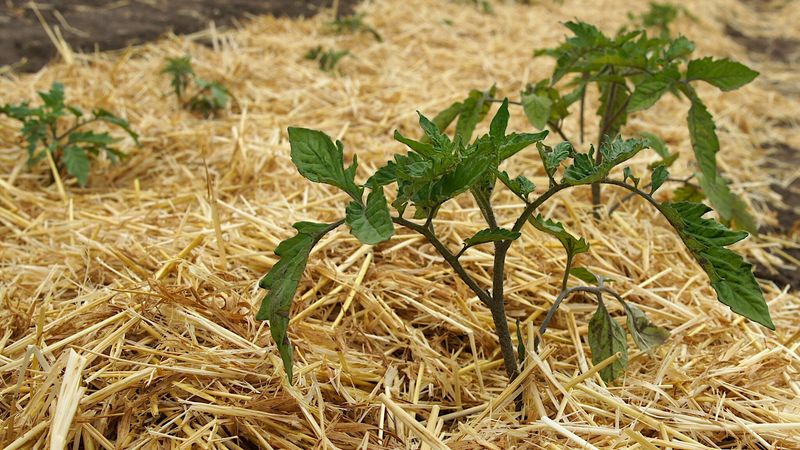
During a dry Pennsylvania July, the difference between a straw-mulched bed and a bare one can be striking.
Straw spread around vegetable plants slows evaporation from the soil surface, moderates soil temperature on hot days, limits some weed emergence, and reduces soil splash onto low-growing crops during summer rainstorms.
These benefits make it a practical choice for warm-season vegetables like tomatoes, peppers, squash, and cucumbers.
Straw has been used this way in agricultural communities for generations, particularly where grain production made the material widely available. Many Amish farms in Pennsylvania grow small grains, which makes straw a natural byproduct.
That said, mulching with straw is a broadly shared practice across many farming traditions, not a technique unique to any one community.
One important distinction worth knowing is that straw and hay are not the same material. Hay is cut from grasses or legumes intended for animal feed and may contain mature seeds that sprout readily in garden beds.
Clean straw, the stem left after grain harvest, typically contains far fewer seeds and is generally the better choice for mulching vegetables.
Apply straw after the soil has warmed in spring, since mulching cold soil too early can slow warming. Avoid piling it directly against plant stems, which can hold excess moisture and encourage rot.
Overly thick layers may shelter slugs, keep soil too wet in rainy periods, or make it harder to check soil moisture. Pull back the mulch occasionally to inspect what is happening beneath it before reaching for the hose.
4. Repurposing Old Materials For Cold Frames Or Hot Beds
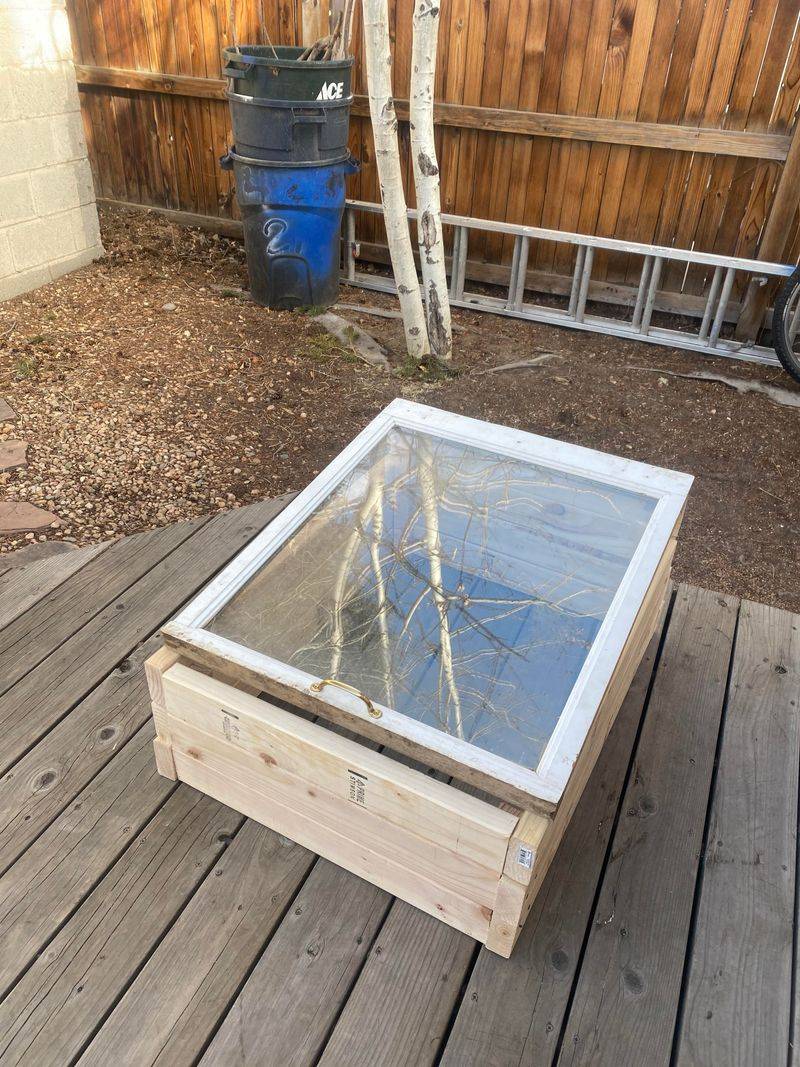
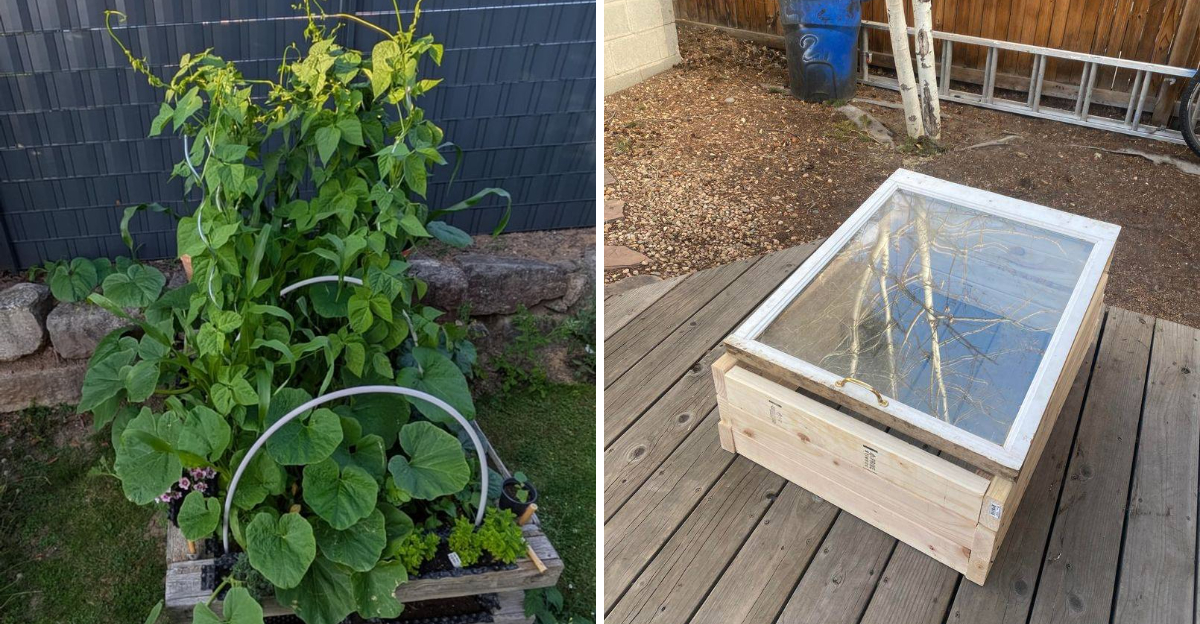
A cold frame is essentially a low, enclosed box that captures solar warmth and shelters plants from wind and frost.
Simple versions have been built from whatever sturdy materials were available for centuries, by European farm families, Pennsylvania German settlers, and rural households across the American northeast.
The idea of propping an old window over a box of soil to get a few extra weeks of growing season is not a recent invention.
A hot bed takes the concept one step further by adding a heat source beneath the growing area. Historically, fresh horse or stable manure packed beneath the soil provided gentle warmth as it decomposed, extending the season for seedlings even in cold weather.
Some Amish and other farm families with access to livestock have maintained versions of this practice where it fits their situation.
Repurposing old windows for cold frames is appealing, but it comes with real safety considerations. Old painted frames may contain lead, and wood of unknown origin may have been treated with chemicals unsuitable near food crops.
Sound, untreated lumber with a known history is a safer choice. Heavy glass lids need secure hinges or supports so they cannot fall unexpectedly.
Ventilation matters enormously on sunny days because temperatures inside a closed frame can rise quickly and stress or damage seedlings. Prop the lid open on warm afternoons and close it again before evening.
A thermometer placed inside the frame takes the guesswork out of deciding when to vent.
5. Planting For Natural Pest Control
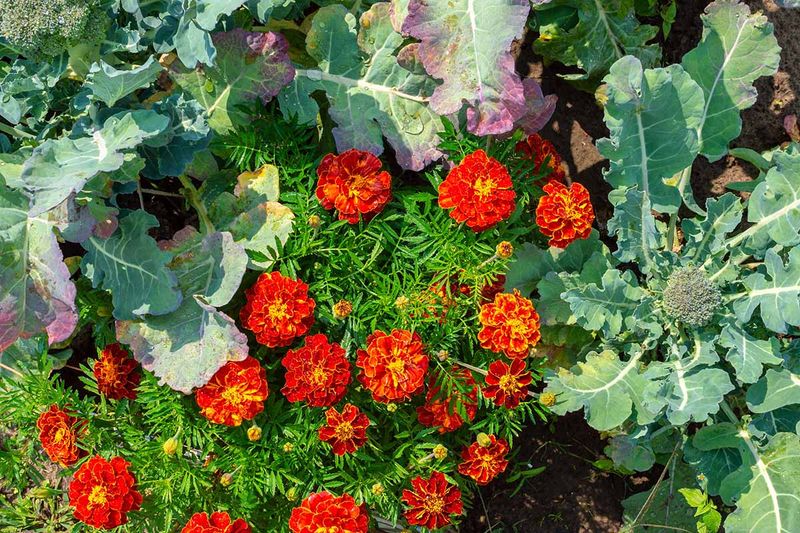
Growing several crops, herbs, or flowers together in one planting area is sometimes called interplanting or companion planting, and it has been practiced in diversified household gardens for a very long time.
The appeal is practical: a varied planting can support beneficial insects, use garden space more efficiently, and in some cases influence how certain pests locate their preferred host plants.
Companion planting claims circulate widely online, but many of them are exaggerated or unsupported by research. Results depend heavily on the specific crop, the pest involved, the planting arrangement, timing, and local conditions.
Saying that aromatic herbs or marigolds broadly repel insects just by growing nearby oversimplifies what is actually a complex set of interactions that researchers are still working to understand.
More reliable strategies include insectary planting, which means growing flowers that provide nectar and pollen for beneficial insects like parasitic wasps and predatory beetles.
Plants like dill, fennel, sweet alyssum, and native wildflowers can support these populations when included thoughtfully in or near the vegetable garden.
Trap cropping, where a more attractive plant is grown nearby to draw pests away from the main crop, is another approach backed by some field evidence.
Interplanting works best as one layer of a broader pest management approach. Regular observation, correct pest identification, crop rotation, physical removal of affected material, and row covers where appropriate remain important tools.
No single planting combination provides dependable protection from every pest in every Pennsylvania garden season.
6. Following The Three Sisters Method
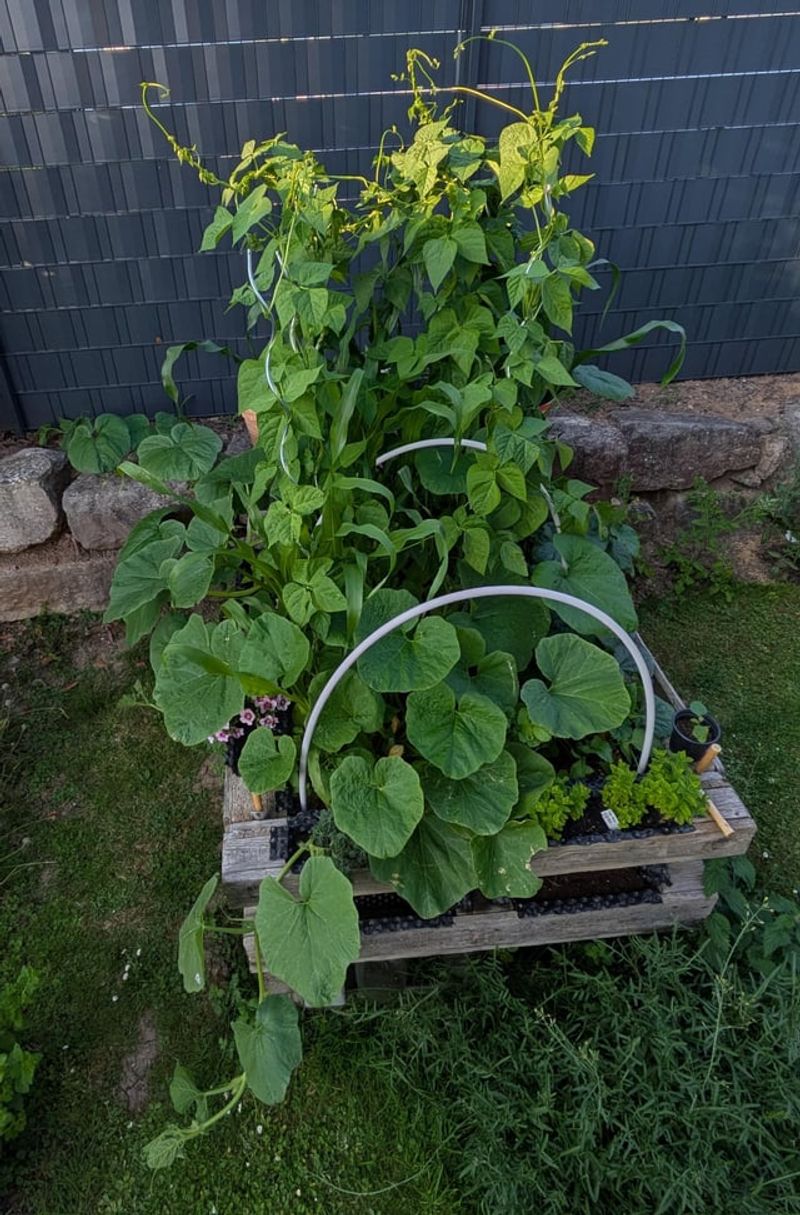
Long before European settlers arrived in Pennsylvania, Indigenous nations were growing corn, beans, and squash together in a carefully developed agricultural system.
The Three Sisters method is most closely associated with the Haudenosaunee, whose traditional homelands extend across what is now New York, Pennsylvania, and neighboring regions.
Many other Indigenous nations developed and maintained related systems involving these three crops, and their agricultural knowledge shaped food production across the continent.
Some Amish communities later adopted, maintained, and passed down versions of this technique within their own gardening traditions, but the method’s origins remain Indigenous.
The general relationship among the three plants is well documented. Corn grows tall and provides a natural climbing structure for bean vines.
Beans contribute biologically fixed nitrogen to the soil over time through their root systems. Squash spreads low and wide, and its large leaves shade portions of the soil, which can slow weed growth and reduce moisture loss.
It is worth noting that beans do not directly transfer usable nitrogen to neighboring corn during the same growing season; the benefit builds gradually through organic matter.
Modern sweet corn, bush beans, or compact squash varieties may not behave like traditional combinations.
Anyone interested in growing the Three Sisters respectfully is encouraged to seek guidance from Indigenous educators, seed keepers, and culturally grounded sources rather than relying on general gardening websites.
7. Building Hügelkultur Beds With Buried Woody Materials
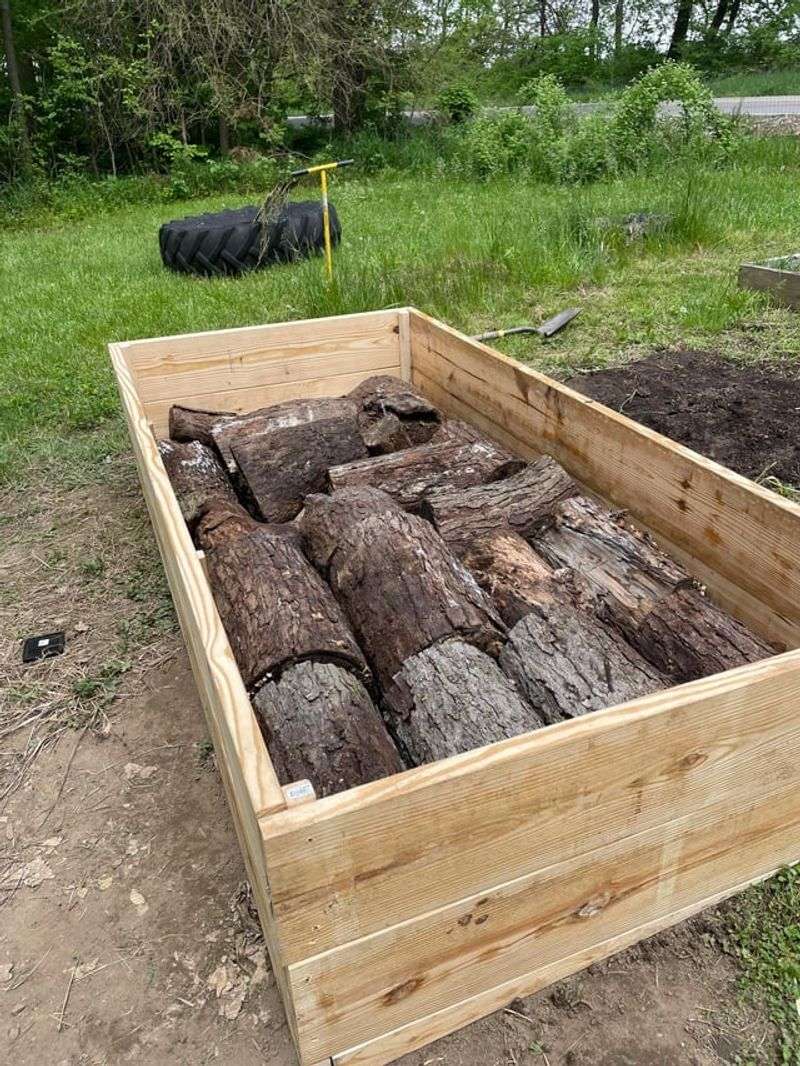
The word hügelkultur comes from German and translates roughly to hill culture or mound culture.
The method involves building a raised garden bed around a core of logs, branches, and other coarse woody material, then covering that core with smaller organic materials, compost, and soil.
Amish gardeners may find similar mound-building methods useful because they make practical use of locally available branches, logs, manure, compost, and garden waste.
This approach fits broader traditions of resourcefulness, soil building, and passing practical growing knowledge between generations.
As the woody core breaks down over several years, it can add organic matter and may help the surrounding soil retain moisture. The mound commonly settles as decomposition progresses, so gardeners may need to add compost or soil over time.
Fresh woody material mixed close to the planting surface can temporarily tie up some available nitrogen during early decomposition. Covering the core with a generous layer of finished compost and suitable topsoil can help create a better planting zone.
Careful material selection can make the bed more useful and manageable. Gardeners should choose sound, untreated wood and avoid painted or chemically treated lumber, diseased material, invasive roots, and wood of uncertain origin.
Black walnut may not suit beds containing crops sensitive to juglone.
Tall mounds can dry unevenly, develop unstable sides, or provide shelter for burrowing animals, so a lower, broader mound may be easier to manage in many Pennsylvania home gardens.
8. Planting By A Traditional Almanac Calendar
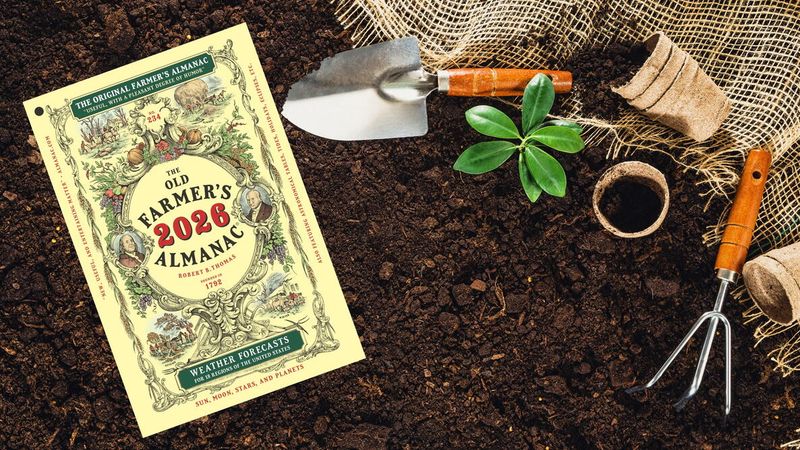
Traditional almanacs have long helped rural families organize planting, harvesting, weather observations, religious dates, and other seasonal work.
Pennsylvania German communities printed and used almanacs for generations, and some Amish households have continued consulting familiar calendars as part of knowledge shared within families and local communities.
An almanac can still be a useful planning tool, especially for keeping track of expected frost periods, moon phases, and recurring garden tasks. However, Pennsylvania gardeners get better results when tradition is paired with current growing information.
Frost dates vary across the state, and even nearby communities may experience different temperatures because of elevation, urban heat, and local weather patterns. Soil temperature also matters.
Peas and lettuce tolerate cooler conditions, while tomatoes, beans, cucumbers, and squash need warmer soil and protection from late cold spells.
Use an almanac as a reminder to prepare beds, order seeds, or watch for a planting window, then check the seed packet, local forecast, soil conditions, and Penn State Extension guidance before sowing.
Moon-phase and zodiac planting remain meaningful traditions for some gardeners, but reliable evidence has not shown that they outperform decisions based on crop needs and weather.
This balanced approach respects inherited knowledge while helping homeowners respond to the conditions in their own Pennsylvania gardens throughout each changing growing season.