The Shield Shaped Bug Showing Up In Michigan Gardens And Orchards
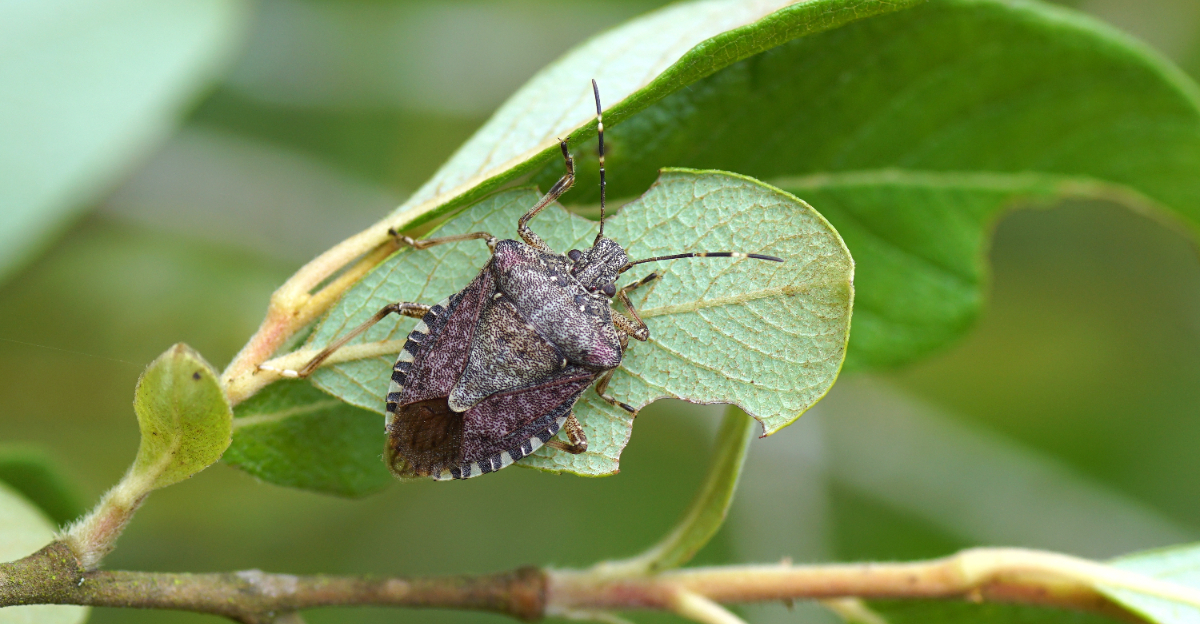
A distinctly shield shaped bug has been turning up more frequently in Michigan gardens and orchards, catching many homeowners off guard as sightings increase.
Its unusual shape makes it easy to notice, yet most people have no idea whether this visitor deserves concern or simply curiosity.
Understanding exactly what this insect is doing in your garden changes how seriously you should take its growing presence. Some gardeners assume the worst the moment they spot one, while others dismiss it entirely without a second thought.
The truth falls somewhere in between, depending on a few specific details worth knowing before you decide how to react. Once you understand what this bug is actually up to, spotting it becomes a lot less mysterious.
This is exactly the kind of insect worth learning to identify before its numbers grow any further.
1. The Shield Shape Gives It Away
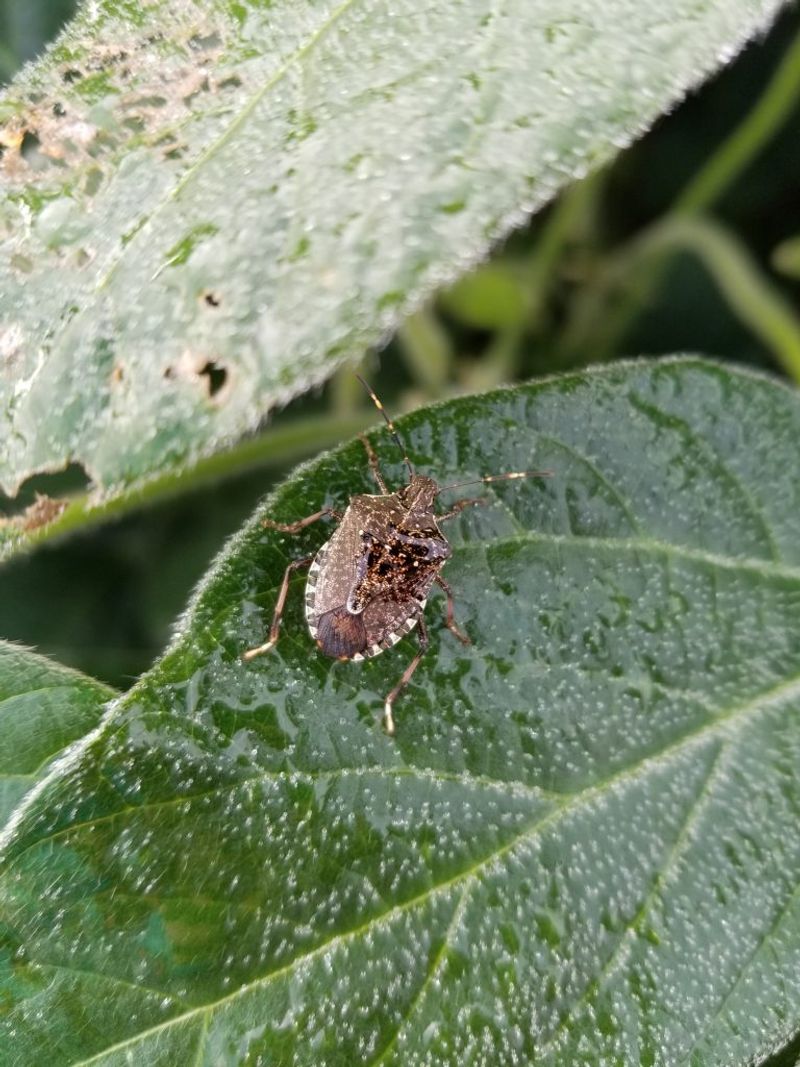
The very first thing gardeners notice is the wide, flat body that looks a lot like a tiny shield. That broad shape is the easiest clue that helps you tell this bug apart from other creepy crawlies in your yard.
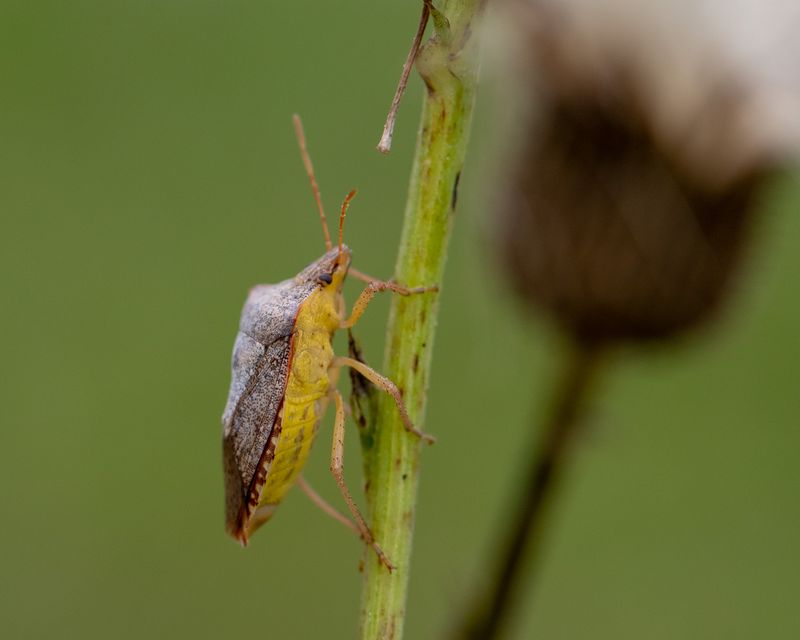
Grown up brown marmorated stink bugs are about the size of a small fingernail, around half an inch long. Their bodies are marbled with different shades of brown, which is exactly what the word marmorated means.
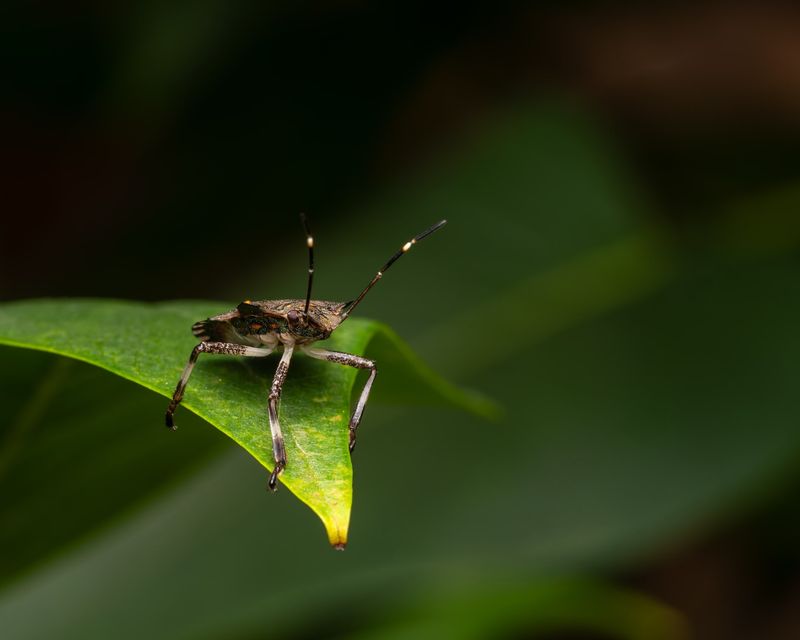
Look closely and you will spot alternating light and dark bands along the edge of the belly and on the antennae.
Those striped antennae are a big giveaway. Many bugs have plain feelers, but this one wears fancy white and dark rings that stand out once you know to check for them.
The corners of its shoulders are smooth and rounded, not spiny like some look alike bugs.
When you walk through your Michigan garden in late summer, scan the leaves, stems, and ripening fruit. The shield outline usually shows up against green backgrounds, making these bugs easier to catch in the act.
Getting good at spotting the shape saves you time and worry. Once you can recognize the shield at a glance, you will know whether the bug munching on your tomatoes is a real pest or just a harmless neighbor passing through.
That simple skill puts you one step ahead in keeping your plants safe and your garden thriving all season long.
2. It Is Not A Beetle
Plenty of folks glance at a stink bug and instantly call it a beetle, but that is a common mix up. This shield shaped visitor belongs to a group called true bugs, and the difference matters more than you might think.
Beetles have strong jaws made for chewing. They bite off chunks of leaves and leave ragged holes behind.
True bugs like the brown marmorated stink bug work in a totally different way. Instead of chewing, they carry a slender mouthpart shaped like a straw.
That straw like tool is called a proboscis. The bug pokes it into fruit, stems, or leaves and sips the juices inside, almost like drinking through a very tiny needle. Because of this, you will not see big bite marks on your plants.
Your Michigan Garden Changes Every Week. Your Plan Should Too.
Gardening in Michigan changes quickly throughout the season. Every Friday you’ll receive a simple weekly plan showing exactly what to plant, prune, fertilize, harvest, and protect so you never miss the right timing.
The damage looks sneaky instead. Feeding leaves behind small dimples, cloudy spots, or soft mushy patches where the bug drank the juice.
Many gardeners feel puzzled at first because the plant looks bruised without any obvious holes.
Another clue is how their wings fold. Beetles have hard shells that meet in a straight line down the back.
True bugs form an X or triangle pattern with their wings, and the tips are often thin and see through.
Knowing this difference helps you pick the right way to protect your crops. Treatments that work on chewing beetles may do nothing against a bug that sips fluids. Understanding how this pest eats makes your garden plan smarter and far more effective.
3. Fruits Show The Damage First
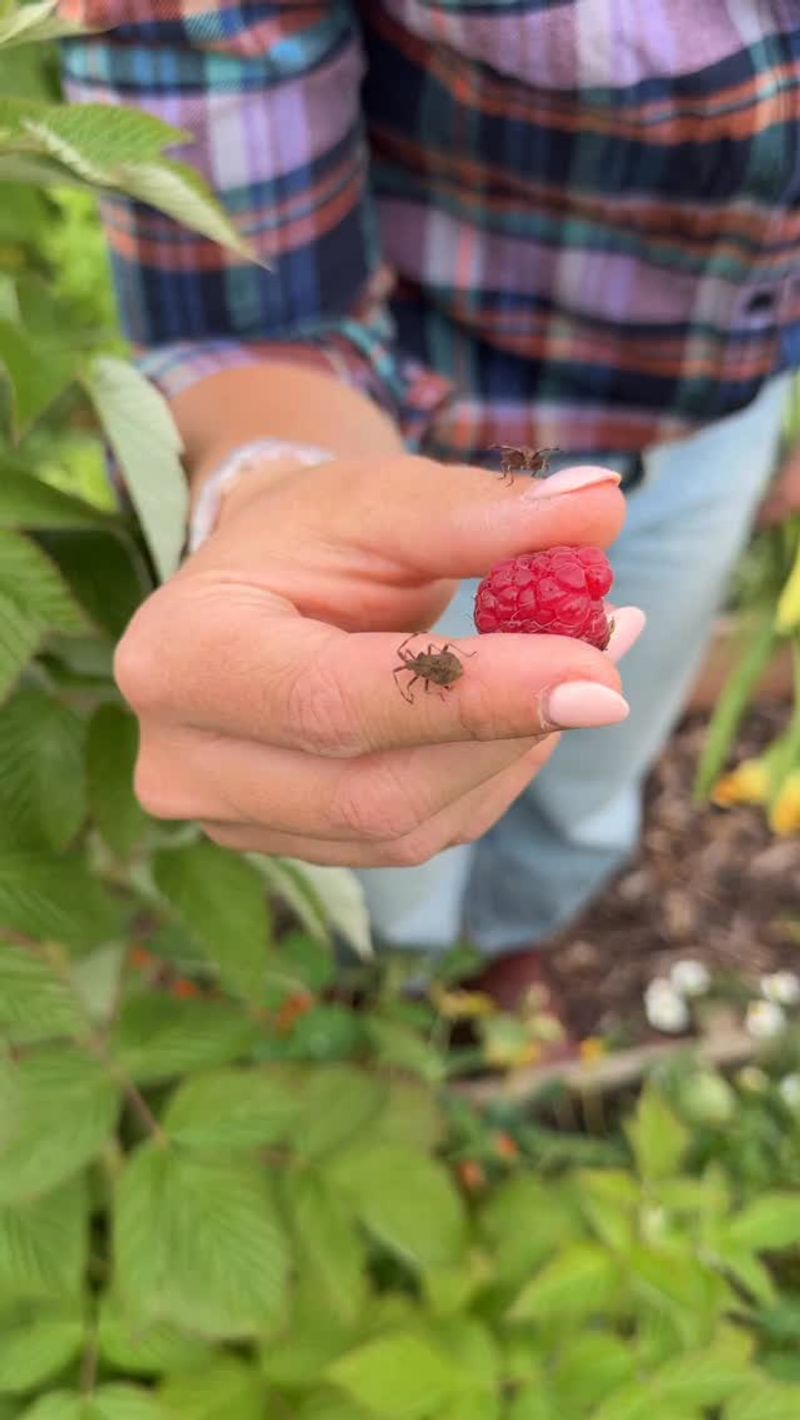
Your fruit trees and veggie plants often send the first warning signs long before you spot a single bug. Apples, peaches, tomatoes, peppers, and even corn can show the marks left behind by hungry stink bugs.
When one of these pests feeds, it pokes into the fruit and sips the juice from inside. That tiny wound heals in a strange way. The spot may cave in slightly, creating a sunken dimple that feels soft when you press it.
Apples are a great example. A stink bug fed apple might develop cloudy, corky patches under the skin, sometimes called cat facing because the fruit looks bumpy and uneven. Peaches get similar dents and discolored areas that make them look bruised.
Tomatoes tell their own story. You may notice pale yellow or white cloudy spots on the skin, with spongy tissue hiding underneath. The fruit is still safe to eat, but the ugly marks make it hard to sell or share.
Because Michigan grows so many apples and other fruits, this damage worries orchard owners a lot. Even a small group of bugs can spoil a big batch of produce during a busy harvest season.
Checking your fruit often gives you a head start. Look at ripening apples, peaches, and tomatoes for dimples, discoloration, or lumpy shapes.
Catching these clues early lets you take action before the pests spread across your whole garden and turn a promising harvest into a pile of blemished, unsellable fruit.
4. Warm Weather Brings More Activity
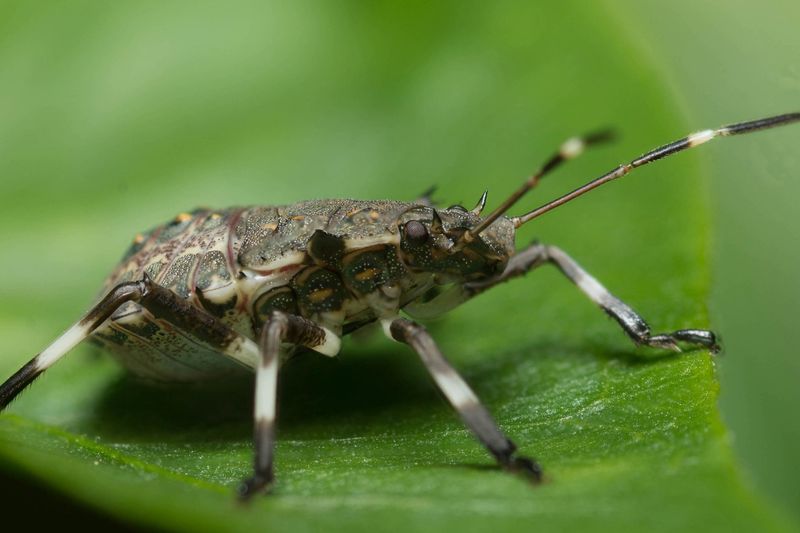
Late summer is prime time for these bugs to show off. As the days stay warm and gardens fill with ripening fruit, brown marmorated stink bug numbers climb quickly across Michigan.
Warmth speeds up their whole life cycle. Eggs hatch faster, young bugs grow up sooner, and adults become more active and hungry.
That means a few bugs early in the season can turn into a much bigger crowd by August and September.
The timing is no accident. These bugs love ripe, juicy produce, and late summer is exactly when apples, peaches, tomatoes, and peppers reach their sweetest stage. The bugs simply follow the food.
On warm, sunny afternoons you will often see them crawling on leaves or resting right on the fruit. They move around more when it is hot, feeding and searching for the tastiest spots to sip.
Michigan summers give these pests plenty of comfortable weather. During heat waves, gardeners may suddenly notice groups of bugs where they saw only one or two before. It can feel like they appeared overnight.
This is why late summer is the perfect moment to stay watchful. Walk through your garden every few days and check the ripening crops closely. Turning over leaves and peeking under fruit helps you spot the bugs before they multiply.
Paying extra attention during the warmest weeks pays off big. When you know they get busiest in the heat, you can plan your checks and protection at just the right time to guard your harvest.
5. They Hide In Garden Areas
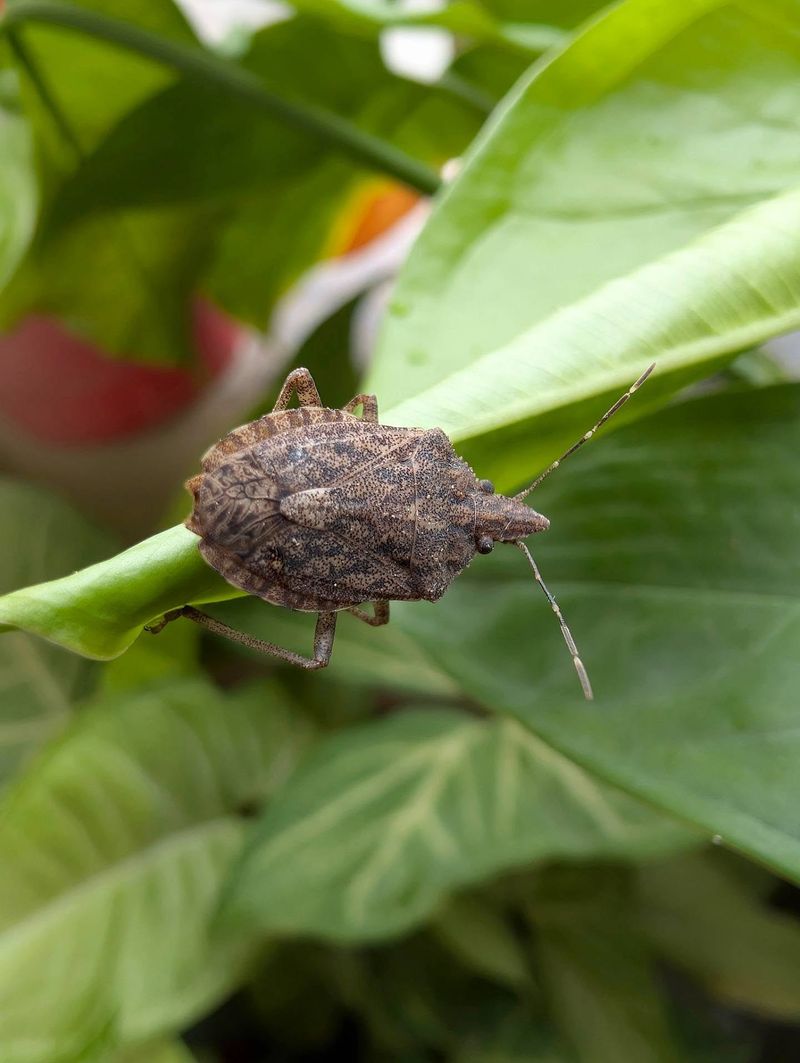
Ever wonder where these bugs go when you are not looking? Between meals, brown marmorated stink bugs tuck themselves away in quiet, sheltered spots all around your garden.
Thick vegetation is a favorite hideout. Dense leaves, tall weeds, and bushy plants give the bugs cool, shady places to rest where predators have a hard time finding them. They blend right in thanks to their brown, marbled color.
Leaf litter on the ground offers another cozy shelter. Piles of fallen leaves, mulch, and plant clippings create dark little pockets where the bugs can hide safely during the hottest or coldest parts of the day.
They also squeeze into protected nooks you might overlook. Cracks in fences, stacks of wood, garden clutter, and the undersides of large leaves all make handy hiding spots when the bugs want a break from feeding.
Staying hidden helps them stay safe. Tucked out of sight, they avoid birds and other creatures that would happily snack on them. That is part of why their numbers can grow without you noticing at first.
Knowing their favorite hangouts gives you an edge. Clearing away weeds, raking up leaf litter, and tidying garden clutter removes many of the spots where these bugs like to gather and rest.
A neat, open garden is far less inviting to them. When you cut down on hiding places, you make it harder for stink bugs to settle in, and you gain more chances to spot and remove them before they cause trouble.
6. They Release A Strong Odor
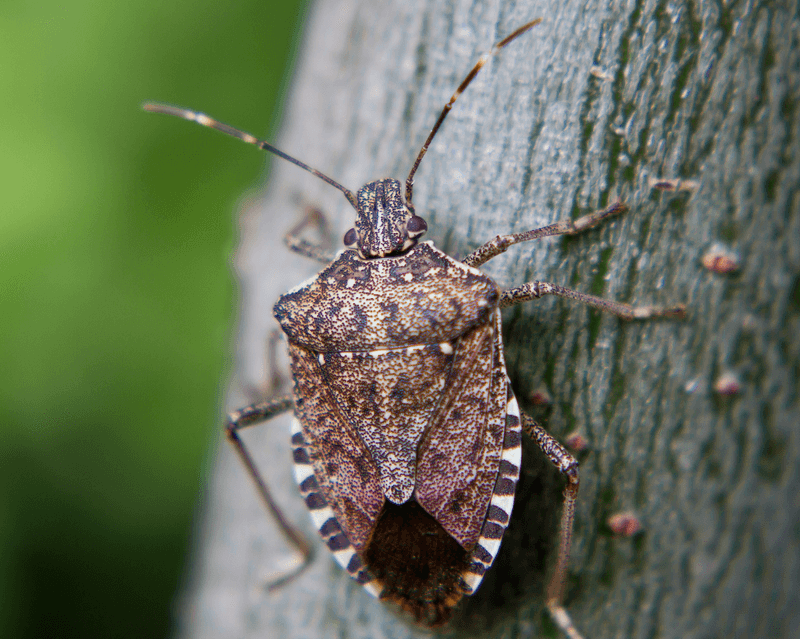
The name says it all, and there is a good reason behind it. When a brown marmorated stink bug feels bothered or gets squished, it puts out a strong, unpleasant smell that is hard to forget.
That odor comes from special glands on the bug’s body. When the insect senses danger, it releases the smelly chemicals as a defense. The stink is meant to warn off birds and other hungry animals looking for a meal.
People often describe the scent as sharp and musty, a little like cilantro gone wrong or old dirty socks. Some folks find it faint, while others think it is downright awful. Either way, it lingers longer than you would expect.
Crushing one of these bugs is a mistake many gardeners make just once. The smell can stick to your fingers, tools, and even nearby surfaces, and washing it off can take some scrubbing.
This is exactly why smashing them is not the best plan. Instead of squishing, try gently knocking the bugs into a container of soapy water. That way you handle the problem without filling your garden or home with the odor.
The smell also explains why these bugs are such survivors. Because most predators dislike the taste and scent, the bugs face fewer natural enemies, which lets their numbers grow.
Understanding the stink helps you deal with them calmly. Handle them gently, avoid crushing, and keep a soapy jar nearby, and you can manage these bugs without stinking up your whole gardening day.
7. They Can Enter Homes Later
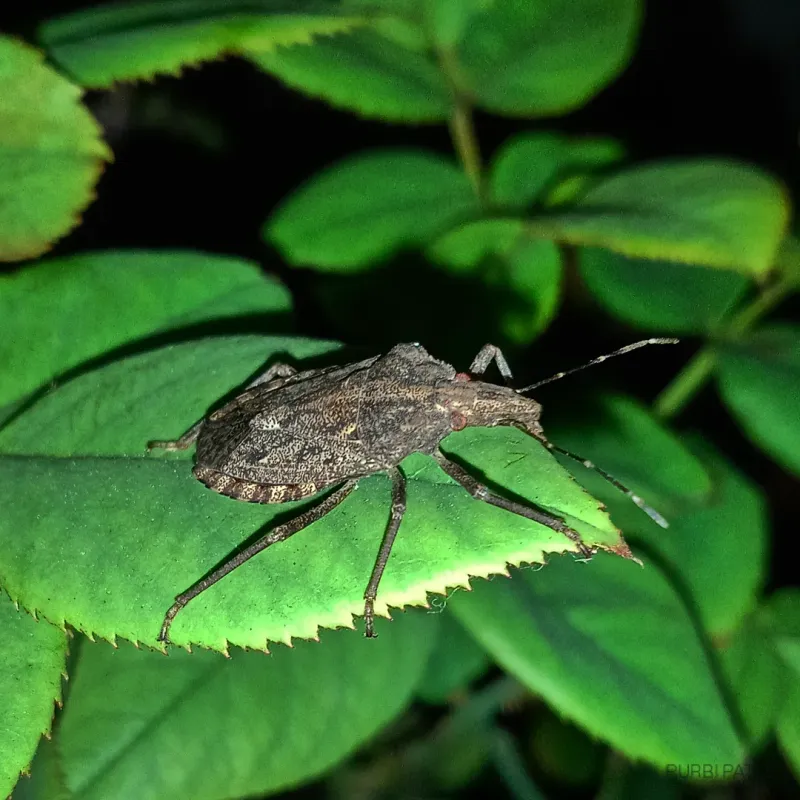
Once the weather starts to cool, these bugs go house hunting. As fall arrives in Michigan, brown marmorated stink bugs begin drifting away from gardens and toward warm buildings, including your home.
The reason is simple. Cold temperatures are tough on them, so they search for cozy, protected places to wait out the winter. A heated house looks like the perfect winter hideaway.
They often gather on the sunny sides of buildings first, soaking up warmth on outside walls. From there, they hunt for tiny openings that lead inside, such as gaps around windows, doors, vents, and cracks in siding.
Before you know it, the bugs may slip into attics, wall spaces, and quiet corners of rooms. They usually stay tucked away and calm during the coldest months, then wake up and wander around when warm days return.
The good news is that these bugs do not harm your house. They will not chew wood, spread illness, or damage your belongings. Mostly they are just an annoying surprise crawling across a wall or window.
Sealing up your home is the smartest move. Caulk cracks, add weather stripping, and fix torn screens before autumn arrives to block their favorite entry points.
If a few do sneak inside, skip the squishing to avoid the smell. Gently scoop them up or use a vacuum, then release or empty them outside. A little fall prep keeps your home comfortable and free of these unwanted winter guests.
8. Check Before Using Sprays
Grabbing a spray bottle the moment you see a bug feels tempting, but slow down for a second. Making sure you actually have stink bugs before reaching for insecticide can save your garden a lot of trouble.
Correct identification comes first. Take a close look at the shield shape, the marbled brown color, and the striped antennae.
Confirming you are dealing with a brown marmorated stink bug helps you choose the right response instead of guessing. Reaching for chemicals too fast can backfire. Many sprays do not just affect pests.
They also harm the helpful insects that keep your garden healthy, like ladybugs, bees, and tiny wasps that naturally control other pests.
Those beneficial bugs are your allies. Some of them even feed on stink bug eggs and young ones, giving you free pest control without any spraying at all. Wiping them out can leave you with an even bigger problem later.
Simple hands on methods often work great. Handpicking bugs into soapy water, using row covers on your plants, and cleaning up hiding spots can shrink the population without harsh chemicals.
If you do decide a spray is needed, read the label carefully and pick a product meant for stink bugs. Follow the directions exactly and apply it only where the bugs are active.
Taking a moment to identify first and spray last protects the whole balance of your garden. With a thoughtful approach, you can manage these shield shaped visitors while keeping your helpful insects, your plants, and your harvest happy and healthy.