This Arizona Native Shrub Is Worth Adding When Fall Planting Season Starts
Fall planting season brings a chance to rethink the shrubs filling sunny spaces around your yard. One native option deserves attention when cooler planting weather finally returns.
Instead of reaching for another familiar landscape favorite, consider a plant already suited to demanding desert conditions. That natural advantage can make a meaningful difference once established.
Arizona gardeners have plenty of choices, but native shrubs bring character that ordinary selections often lack. The right one can earn its place without feeling predictable.
Timing also matters when adding something new to a desert landscape. Fall gives young plants an opportunity to settle in before another intense summer arrives.
Take this season as an excuse to try something better suited to your surroundings. A thoughtful choice now can transform an overlooked planting area.
This native shrub might deserve that open spot.
1. Fourwing Saltbush Fits Well Into Fall Planting Plans
Fourwing saltbush has been growing across the American Southwest for centuries, and fall is when planting it finally makes sense for most homeowners.
Nurseries in Arizona stock it regularly during the cooler months, making it easier to find healthy, container-grown plants.
Planting in fall lines up with the shrub’s natural growth cycle. Root development tends to happen steadily through winter when soil stays moist and temperatures stay manageable.
By spring, the plant is already anchored and ready to handle warming weather without much help.
One thing that surprises new gardeners is how quickly fourwing saltbush establishes compared to other native shrubs. It does not need rich soil or a complicated setup.
A well-drained spot, a decent hole, and some initial watering is usually enough to get it going.
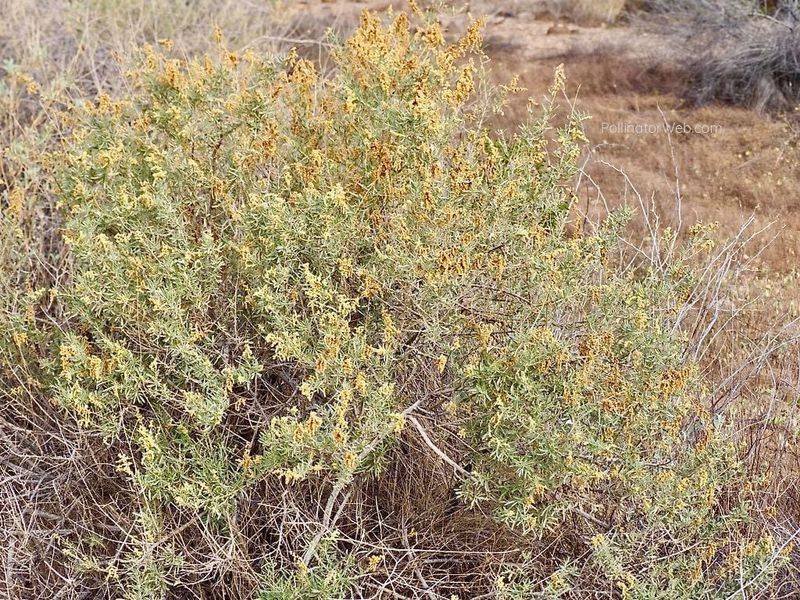
Fourwing saltbush grows in a rounded, spreading shape that can reach six feet tall and equally wide under good conditions. That size makes it useful for screening, windbreaks, or just filling in a bare corner of the yard.
Fall planting gives it the longest possible runway before summer arrives, which improves its chances of settling in well.
2. Cooler Weather Gives New Roots Time To Settle In
Root growth does not stop just because the air feels cold. Soil temperatures in the low desert stay warm enough through fall and into early winter to support active root development.
Planting during this window gives new shrubs a genuine head start.
Summer planting forces young plants to fight heat and drought at the same time they are trying to establish. Fall removes that pressure almost completely.
Cooler air slows moisture loss through leaves, so the plant can focus energy underground rather than just surviving above ground.
Fourwing saltbush responds well to this kind of low-stress start. Roots spread steadily through loosened soil, anchoring the plant before the next growing season begins.
Gardeners who plant in fall often notice stronger, more upright growth by the following spring compared to plants put in during warmer months.
Rainfall patterns in Arizona also tend to shift slightly in fall, which can reduce how often you need to water a newly planted shrub. Even occasional rain helps soil stay consistently moist around young roots.
Your Arizona Garden Changes Every Week. Your Plan Should Too.
Gardening in Arizona changes quickly throughout the season. Every Friday you’ll receive a simple weekly plan showing exactly what to plant, prune, fertilize, harvest, and protect so you never miss the right timing.
That consistency matters more than the total amount of water received. A steady, moderate moisture level encourages roots to spread outward rather than staying clustered near the surface where they are more vulnerable to heat.
3. Sunny Areas Give This Shrub Plenty Of Growing Room
Full sun is where fourwing saltbush performs best. Shaded spots tend to produce leggy, open growth that looks sparse and less attractive over time.
Give it an open, sunny location and it fills out into a dense, well-rounded shape.
Yards with wide open areas, long fence lines, or exposed slopes are ideal placements. Fourwing saltbush does not mind reflected heat from walls or pavement, which makes it practical in spaces where other plants struggle.
Its tolerance for tough conditions is one of the reasons it thrives across desert regions naturally.
Spacing matters when planting multiple shrubs. Crowding them too close together limits airflow and can lead to weak branching.
Leaving five to six feet between plants gives each one room to spread without competing for light or moisture. That spacing also makes the planting look more natural and less forced over time.
Growth rate varies depending on soil quality, water availability, and sun exposure. In ideal conditions, fourwing saltbush can put on one to two feet of growth per year during its first few seasons.
Sunny spots with decent drainage tend to produce the strongest results. Once established, the shrub holds its shape well without needing frequent pruning or much intervention from the gardener.
4. Drought Tolerance Makes It Well Suited To Dry Yards
Dry yards are not a problem for fourwing saltbush. Adapted to survive in some of the harshest conditions the desert offers, it handles extended dry periods better than most ornamental shrubs available at garden centers.
Its drought tolerance comes partly from deep, efficient roots that access moisture stored well below the surface. Leaves are small and covered with a light, reflective coating that helps reduce water loss during hot, dry weather.
Both traits developed over long periods of adaptation to low-rainfall environments.
Water-conscious gardeners in the Southwest will appreciate how little supplemental irrigation this shrub needs once it is past the establishment phase.
Mature plants often get by on seasonal rainfall alone in many low-desert areas, though performance can vary depending on your specific soil type and local conditions.
Adding it to a xeriscape design fits naturally without complicated irrigation planning.
Pairing fourwing saltbush with other drought-tolerant natives creates a yard that looks intentional and cohesive. Plants like desert marigold, globe mallow, or Apache plume share similar water needs and complement its silvery color well.
A low-water yard does not have to look bare or neglected. Thoughtful plant selection makes a real difference, and fourwing saltbush is a reliable anchor for that kind of planting scheme.
5. Young Plants Need Water While Getting Established
Even drought-tolerant plants need support early on. A freshly planted fourwing saltbush does not yet have the root system it needs to pull moisture from deep soil.
Consistent watering during the first season makes a significant difference in how well it settles.
A practical schedule for fall-planted shrubs is watering once or twice a week for the first four to six weeks, then gradually stretching the interval as temperatures drop further.
Deep, slow watering encourages roots to grow downward rather than staying near the surface. Shallow roots leave plants more vulnerable when warm, dry conditions return in spring and summer.
Watch the foliage for signs that the plant is stressed. Slight wilting in the morning, before the heat of the day sets in, can signal that watering frequency needs to increase.
Yellowing or dropping leaves may point to overwatering, which is also a risk in heavy clay soils that hold moisture too long.
Once established, usually after one full growing season, the shrub becomes far more self-sufficient. Reducing supplemental water gradually rather than stopping abruptly helps the plant transition smoothly.
By the second year, most gardeners find they rarely need to water fourwing saltbush at all during cooler months. Summer may still require occasional deep watering depending on rainfall totals that season.
6. Silvery Foliage Adds Color Throughout The Yard
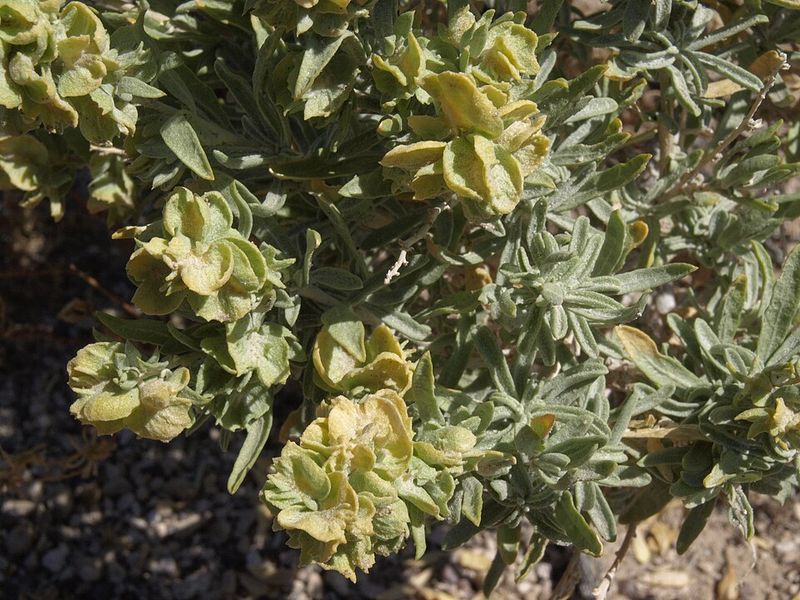
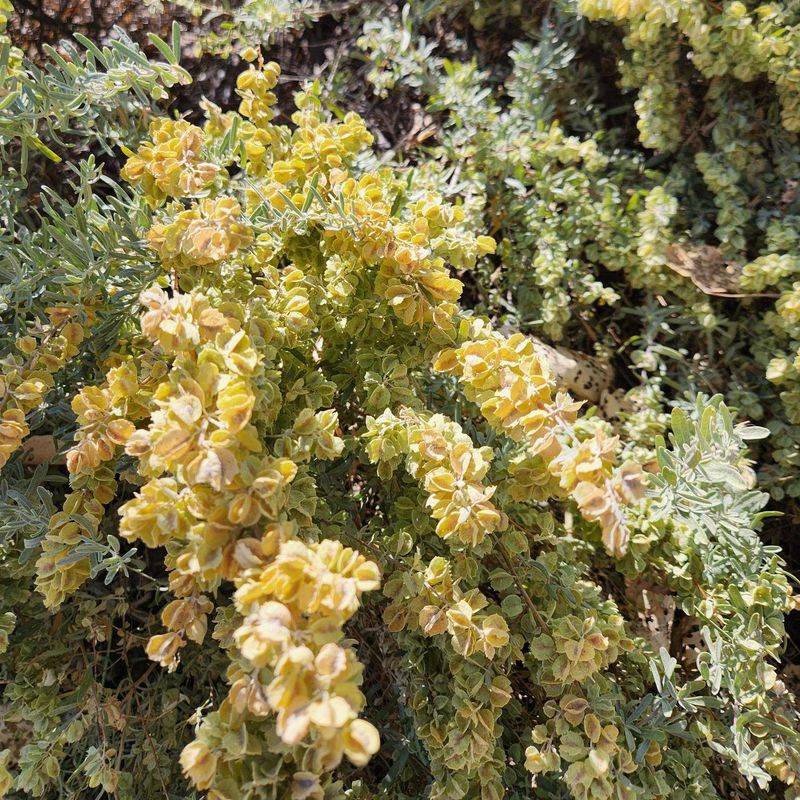
Most desert shrubs lean toward muted greens and grays. Fourwing saltbush leans silver, and that distinction makes it stand out in a yard without trying too hard.
Sunlight catches the pale foliage in a way that adds brightness even on overcast days.
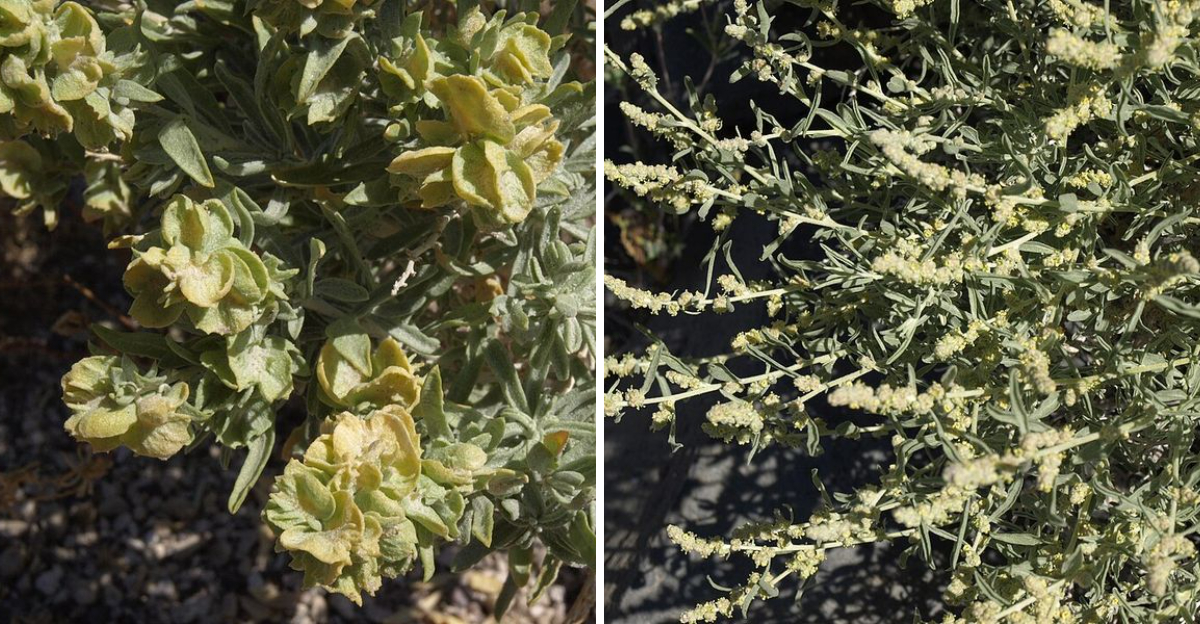
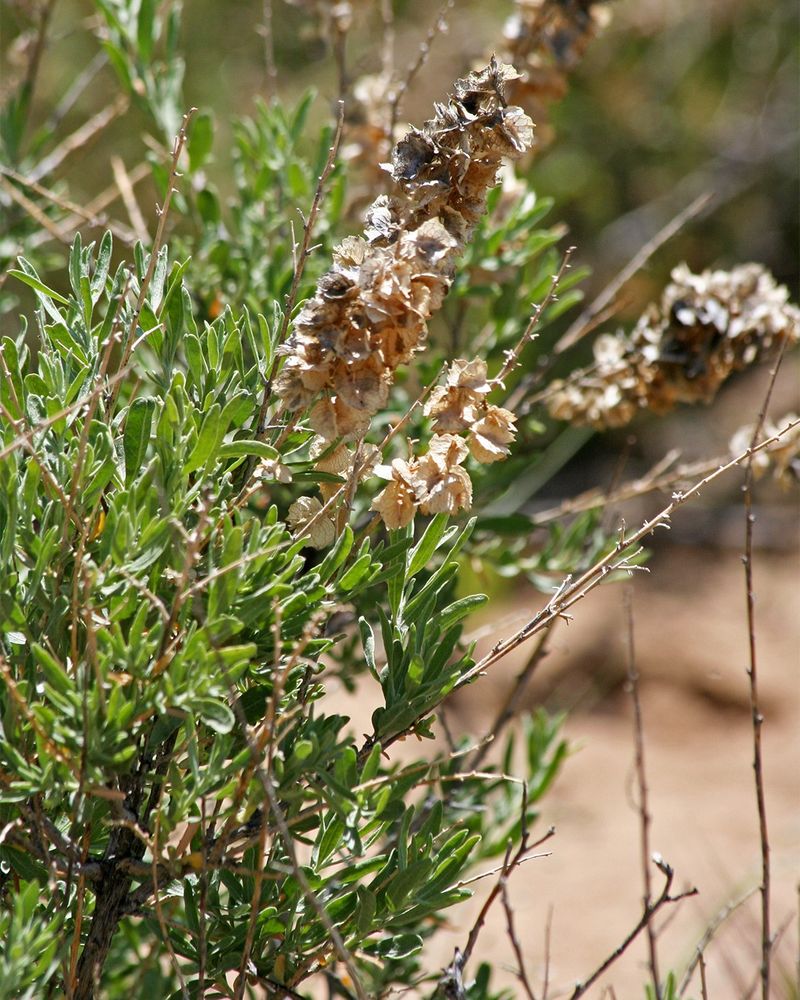
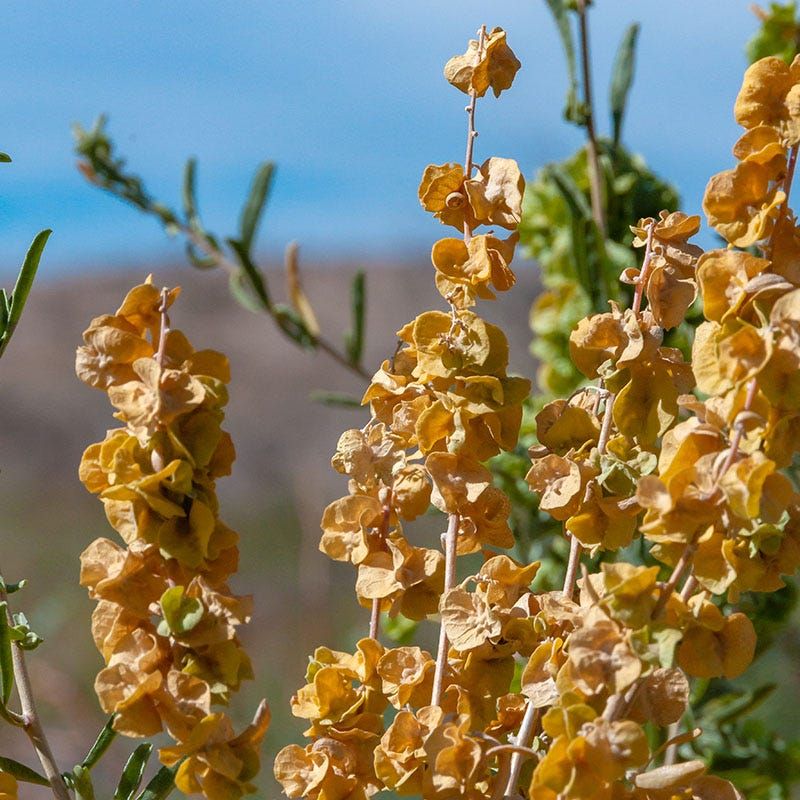
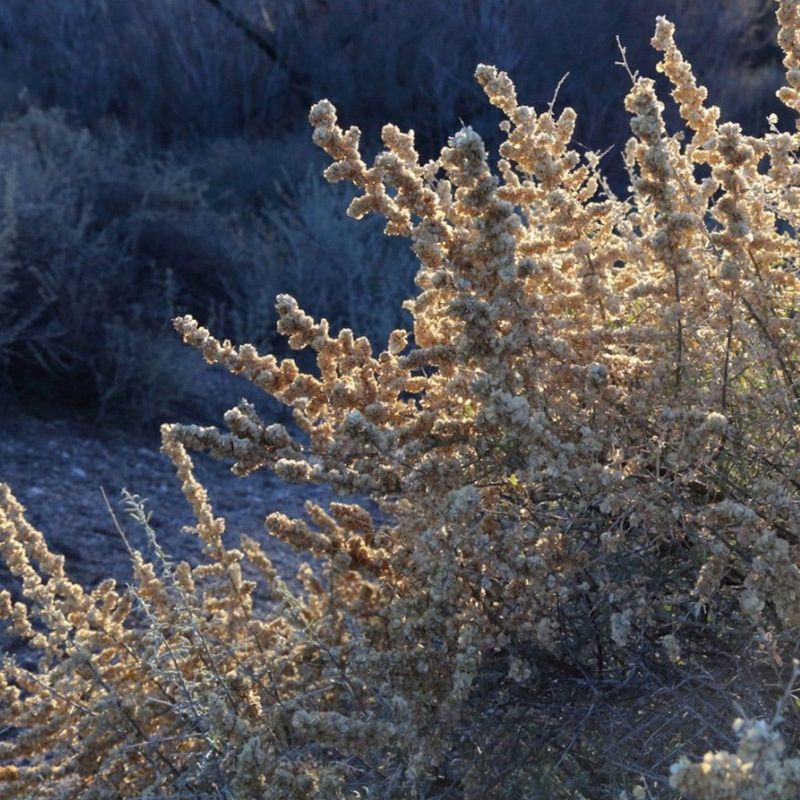
Seed clusters appear in late summer and persist well into fall and winter. Papery and four-winged, they cluster along the branches in shades of tan, cream, and pale green.
Birds are drawn to them regularly, which adds movement and life to the yard during months when other plants have little going on.
Using fourwing saltbush as a contrast plant works really well in mixed native plantings. Placed next to darker-foliaged shrubs or rust-colored ornamental grasses, the silver stands out sharply and gives the planting a layered, intentional look.
Landscape designers working in the desert Southwest use it partly for exactly this reason.
Seasonal color from this shrub is not dramatic in the way flowering plants are, but it is consistent. Foliage stays on the plant through winter in most low-desert areas, providing structure and texture when deciduous plants go bare.
That year-round presence adds real value to a yard, especially in spaces where winter appearance tends to get overlooked during the planting planning process.
7. Deep Roots Help It Handle Dry Conditions
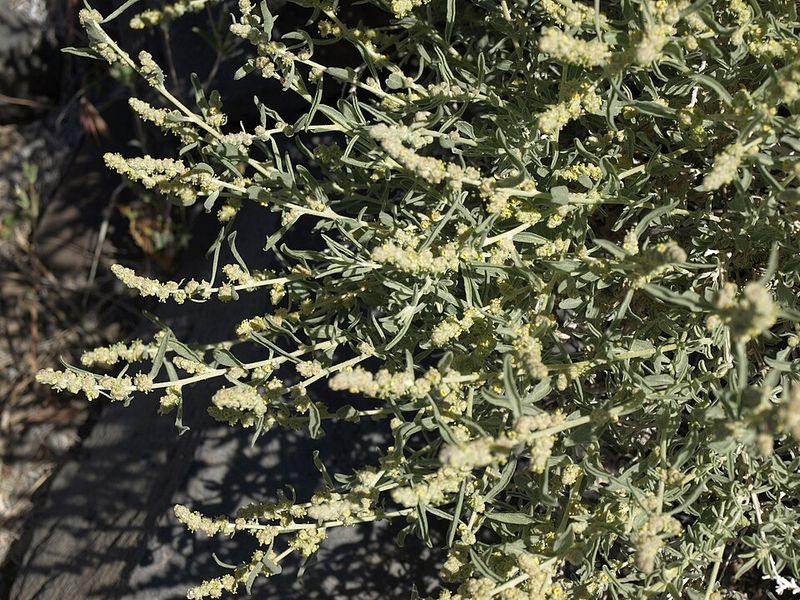
Underground is where fourwing saltbush really earns its reputation. Root systems on mature plants reach surprisingly deep into the soil profile, accessing moisture that surface-rooted plants simply cannot reach during dry stretches.
That depth is a key reason it holds up so well through summer.
Tap roots develop fairly early in the plant’s life. Even younger shrubs begin sending roots downward rather than spreading them wide at the surface.
Loose, sandy, or rocky soils common in desert yards actually encourage this downward growth rather than limiting it.
Compacted soils can slow root development, so breaking up the planting area before putting a new shrub in the ground is worth the effort.
Deep roots also help stabilize the plant against wind. Exposed yards and hillside plantings benefit from this anchoring effect.
Fourwing saltbush holds position well even in open areas where gusts are frequent and soil is loose.
Soil amendment is generally not necessary, and in some cases adding compost or fertilizer can actually encourage too much soft top growth at the expense of root development.
Planting in native soil with good drainage gives the root system the right conditions to grow the way it naturally would.
Letting the plant develop at its own pace, without pushing it with rich amendments, tends to produce a more resilient shrub over time in Arizona landscapes.