The Best Flowering Houseplants To Color Your Pennsylvania Home
Most Pennsylvania homes do a great job of bringing color into the outdoor garden. But step inside and the story often changes.
Plenty of green foliage doing its quiet work in the corners, but very little in the way of actual flowers.
Growing flowering houseplants indoors in Pennsylvania is not only possible but genuinely rewarding once you match the right plants to the conditions your home actually provides through all four seasons. The right flowering houseplant changes a room.
Not in a subtle way either. A plant in full bloom on a windowsill or side table brings a warmth and life to an indoor space that no piece of decor fully replicates.
And unlike cut flowers that last a week before they’re done, the right flowering houseplant keeps going, blooming repeatedly through the season and rewarding a little attention with a lot of color.
Pennsylvania homes have specific indoor conditions worth considering, especially through the long winter months when natural light is limited and indoor air tends to run dry.
Here are the best flowering houseplants for adding genuine color to a Pennsylvania home year round.
1. African Violet
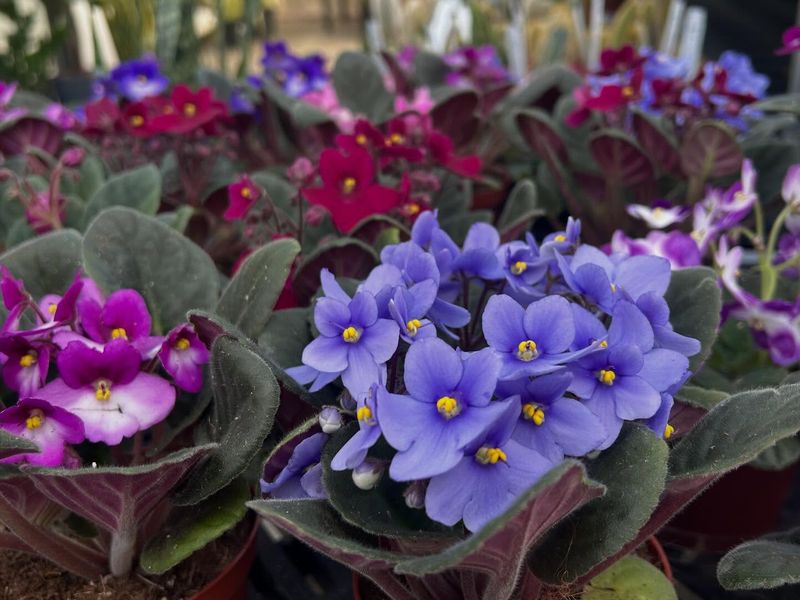
Few houseplants are as cheerful and rewarding as the African Violet. With its velvety leaves and clusters of blooms in shades of purple, pink, blue, and white, this little plant punches way above its size when it comes to color.
It has been a favorite indoor plant in American homes for decades, and for good reason.
African Violets thrive in bright, indirect light, which makes them a perfect fit for east or north-facing windowsills in Pennsylvania homes. They do not like harsh, direct sunlight because it can scorch their soft leaves.
A spot where they get a few hours of gentle morning light works best.
Watering is one area where many people go wrong with African Violets. Always water from the bottom by placing the pot in a shallow dish of water and letting the soil soak it up.
Avoid getting water on the leaves because wet leaves can cause spots and rot.
These plants prefer temperatures between 65 and 75 degrees Fahrenheit, which is close to what most Pennsylvania homes are kept at indoors. Keep them away from cold drafts near windows during winter months.
They also love a little humidity, so placing a small tray of water nearby can help.
African Violets bloom almost continuously throughout the year when given the right care. A balanced, water-soluble fertilizer made specifically for African Violets, used every two to four weeks, will keep those blooms coming.
With just a little attention, this plant will reward you with non-stop color.
2. Phalaenopsis Orchid
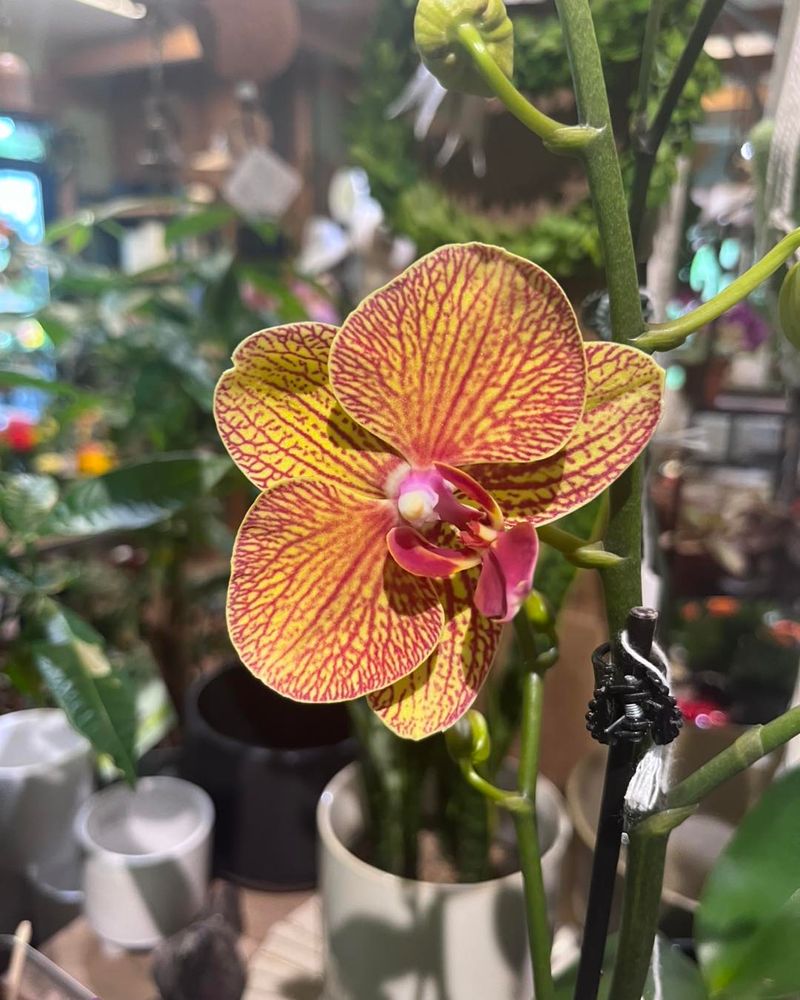
Walk into almost any garden center or grocery store in Pennsylvania and you will spot them immediately. Phalaenopsis Orchids, also known as moth orchids, are one of the most popular flowering houseplants in the world, and they have earned every bit of that reputation.
Their elegant, arching stems carry blooms that can last for two to four months at a time.
Your Pennsylvania Garden Changes Every Week. Your Plan Should Too.
Gardening in Pennsylvania changes quickly throughout the season. Every Friday you’ll receive a simple weekly plan showing exactly what to plant, prune, fertilize, harvest, and protect so you never miss the right timing.
One of the best things about Phalaenopsis Orchids is the wide variety of colors they come in. You can find them in white, pink, purple, yellow, orange, and even deep burgundy.
Some have stunning patterns and speckles on their petals, making each plant feel totally unique. They add a touch of elegance to any room without much effort on your part.
These orchids perform best on bright windowsills that get plenty of indirect light. An east or west-facing window is ideal for Pennsylvania homes.
Keep them away from direct afternoon sun, which can be too intense and may cause the leaves to turn yellow.
Watering once a week is usually enough. Let the roots dry out slightly between waterings to avoid root rot.
Many orchid growers use the ice cube method, placing two or three ice cubes on the soil each week. It is a simple trick that prevents overwatering.
After the blooms drop, do not toss the plant out. Cut the flower spike just above a node and keep caring for it.
With patience and consistent care, your Phalaenopsis Orchid will bloom again and fill your Pennsylvania home with gorgeous color.
3. Anthurium
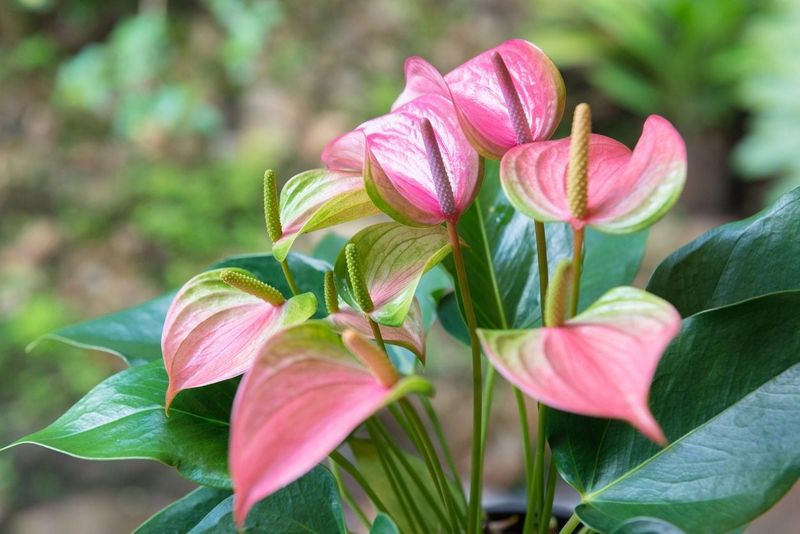
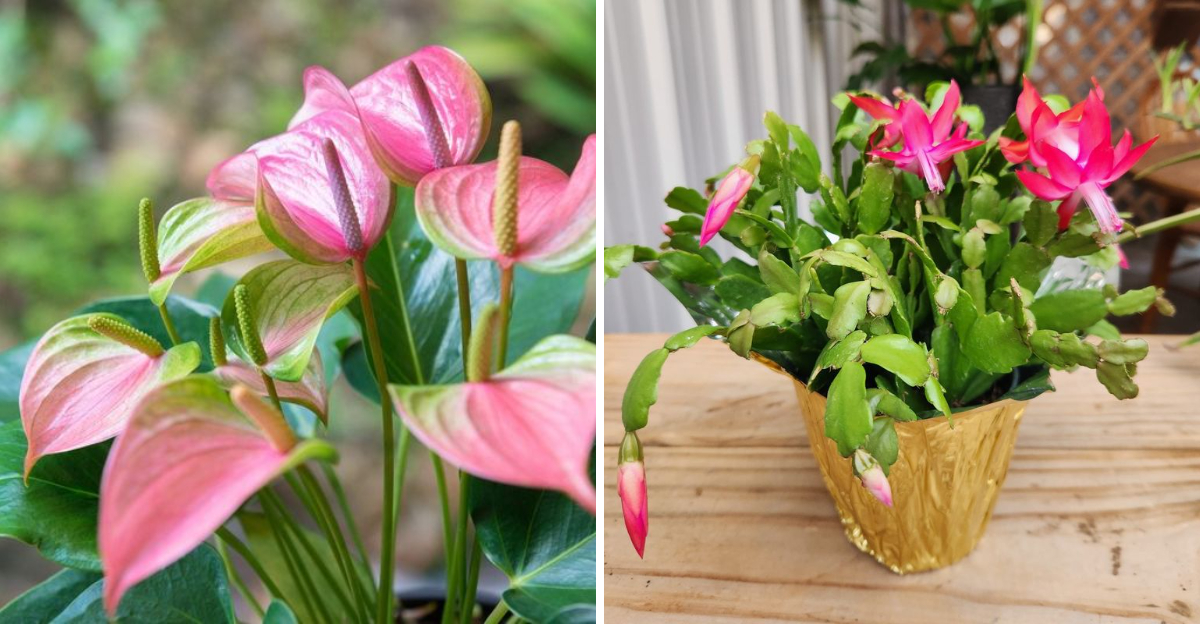
Bold, tropical, and almost impossibly vibrant, the Anthurium is the kind of plant that makes people stop and stare. Its glossy, heart-shaped spathes come in shades of red, pink, white, and orange, and they can last for weeks at a time.
Fun fact: those colorful parts are not actually flowers. They are modified leaves called spathes, and the true flower is the small, finger-like spike rising from the center.
Anthuriums love warm indoor conditions, which makes them well-suited for life inside a Pennsylvania home during the long, cold winter months. They prefer temperatures between 65 and 85 degrees Fahrenheit.
Keep them away from cold windows, air conditioning vents, and drafty doors, as sudden temperature drops can stress the plant.
Humidity is another key factor for a happy Anthurium. Pennsylvania winters can make indoor air very dry, especially when the heat is running.
Mist the leaves lightly a few times a week or place the pot on a tray filled with pebbles and water to boost humidity around the plant.
When it comes to light, Anthuriums prefer bright, indirect light. A spot near a south or east-facing window covered with a sheer curtain works perfectly.
Too much direct sun will cause the leaves to bleach out, while too little light will reduce blooming significantly.
Water your Anthurium when the top inch of soil feels dry. Allow excess water to drain out of the pot completely.
With the right care, this stunning plant can produce new spathes every few months, keeping your home colorful almost all year long.
4. Christmas Cactus
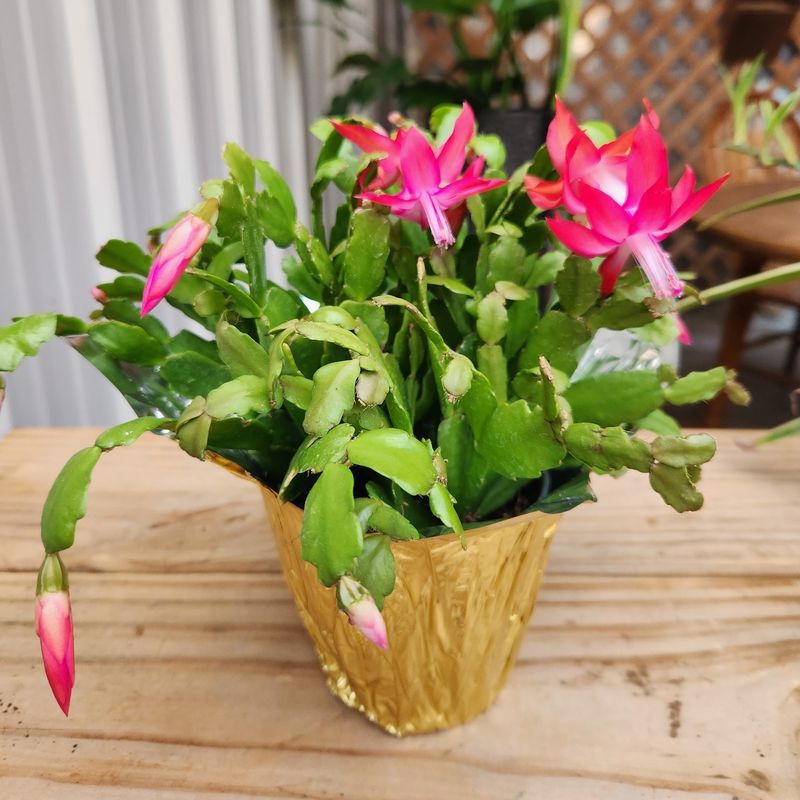
If you have ever noticed a plant exploding with bright, tubular blooms right around the holiday season, chances are it was a Christmas Cactus. Native to the cloud forests of Brazil, this plant has nothing in common with the prickly desert cacti most people picture.
It is lush, soft, and surprisingly easy to care for indoors.
Christmas Cacti produce blooms in shades of red, pink, orange, white, and purple, usually from late November through January. For Pennsylvania homeowners, that timing could not be better.
When everything outside is bare and cold, this plant brings a burst of tropical color to your living room, kitchen, or bedroom.
Growing a Christmas Cactus indoors is straightforward. Place it in a spot with bright, indirect light.
An east or west-facing window works great. During the summer months, you can even move it to a shaded porch to enjoy some fresh air, but bring it back inside before temperatures drop below 50 degrees Fahrenheit.
Watering needs to be done carefully. Allow the top inch of soil to dry out between waterings, and never let the plant sit in standing water.
Overwatering is one of the most common mistakes people make with this plant. During the fall, reduce watering slightly to encourage the plant to set buds.
To trigger blooming, give your Christmas Cactus about 12 to 14 hours of darkness each night for six to eight weeks in the fall. Cooler nighttime temperatures around 50 to 55 degrees also help.
With a little planning, you can enjoy its spectacular blooms year after year.
5. Kalanchoe
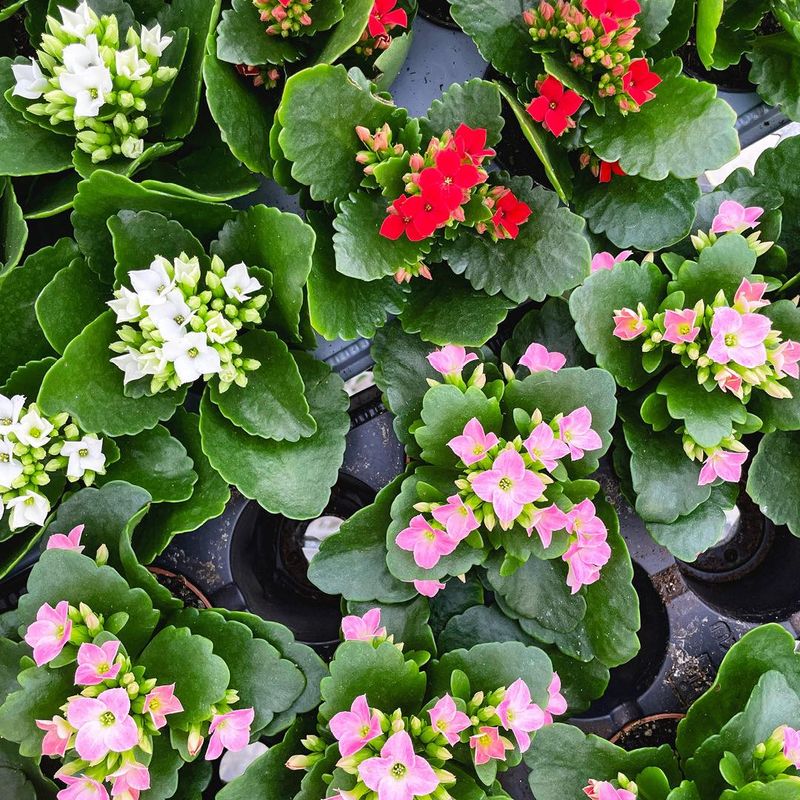
Bright, cheerful, and practically built to handle a little neglect, the Kalanchoe is a fantastic choice for anyone who wants color without a lot of fuss. Its clusters of tiny, four-petaled flowers come in shades of red, orange, yellow, pink, and white.
A single plant in full bloom looks like a little fireworks display sitting on your windowsill.
One of the most interesting things about Kalanchoe is that it is a succulent. Its thick, waxy leaves store water, which means it can handle stretches of dry soil without any problem.
For busy Pennsylvania homeowners who sometimes forget to water, this plant is incredibly forgiving compared to most flowering houseplants.
Kalanchoes love bright light. A south or west-facing window is ideal because they need plenty of sunshine to produce their best blooms.
In Pennsylvania, where winter days can be short and cloudy, placing your Kalanchoe near the sunniest window in your home will make a big difference in how well it performs.
Water your Kalanchoe thoroughly, then let the soil dry out completely before watering again. This is especially important in winter when overwatering can lead to root rot.
During the growing season in spring and summer, a balanced liquid fertilizer applied once a month will keep the plant healthy and strong.
After the blooms fade, trim the spent flower clusters off and give the plant a rest period with less water and light for about six weeks. Then move it back to a bright spot and watch it gear up to bloom all over again.
It is a simple cycle that keeps this plant rewarding all year.
6. Peace Lily
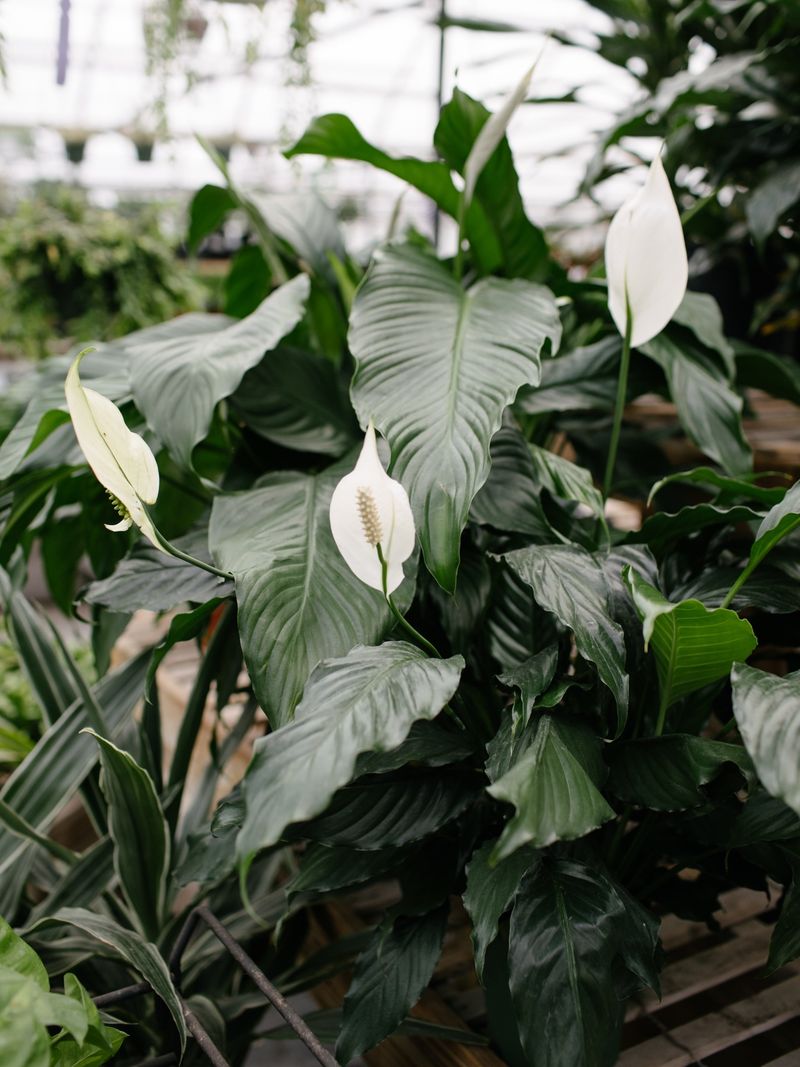
Not every room in a Pennsylvania home gets great natural light, and that is exactly where the Peace Lily shines. While most flowering houseplants demand a bright windowsill, the Peace Lily is remarkably comfortable in lower-light spaces.
It is one of the few plants that will actually bloom without needing direct sunlight, making it a standout option for hallways, bathrooms, and shaded living areas.
The Peace Lily produces elegant white blooms called spathes, similar in structure to those on an Anthurium. Each bloom rises gracefully above the plant’s deep green, glossy leaves.
The contrast between the white flowers and the rich foliage is striking in a quiet, sophisticated way. It brings a calm, clean look to any space it occupies.
Care for a Peace Lily is refreshingly simple. Water it when the top inch of soil feels dry, and it will stay happy.
If you forget, the plant will actually droop slightly to let you know it needs a drink, and it bounces back quickly once watered. Just do not let it stay dry for too long on a regular basis.
Peace Lilies prefer temperatures above 60 degrees Fahrenheit, which is easy to maintain in most indoor Pennsylvania spaces. They also appreciate some humidity, so bathrooms or kitchens can be ideal spots.
Wipe the leaves down occasionally with a damp cloth to remove dust and keep the plant looking its best.
Fertilize lightly in spring and summer with a balanced liquid fertilizer every six weeks. Avoid over-fertilizing because it can prevent blooming.
With minimal effort, the Peace Lily delivers year-round beauty and impressive resilience.
7. Bromeliad
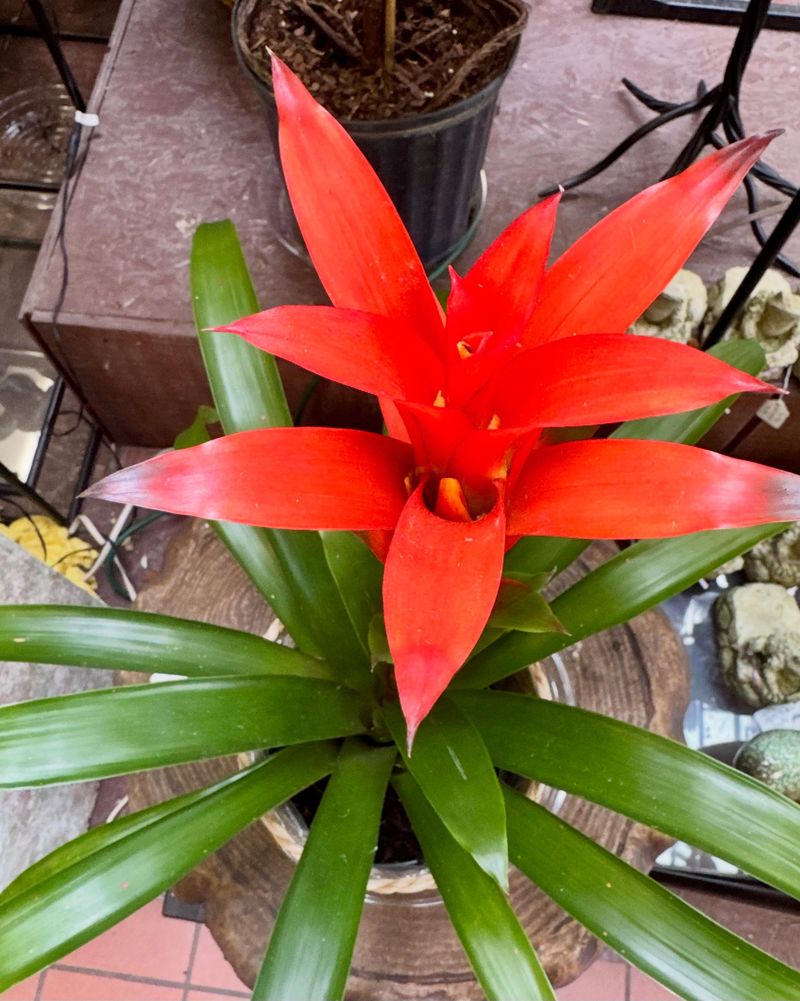
Imagine bringing a little slice of the tropics right into your Pennsylvania living room. That is exactly what a Bromeliad does.
With its bold, architectural leaves and stunning flower spikes in shades of red, orange, pink, yellow, and purple, this plant creates an instant focal point in any space. It looks exotic and high-maintenance, but the truth is quite the opposite.
Bromeliads grow well in warm indoor environments with filtered light. A spot near a bright window with a sheer curtain is ideal.
They can handle lower light conditions better than many tropical plants, which makes them flexible enough to work in various rooms around the house. Just avoid placing them in deep shade or directly in harsh afternoon sun.
One of the most unique things about caring for a Bromeliad is watering. Many varieties have a central cup formed by their leaves, and that cup should be kept filled with fresh water at all times.
Change the water in the cup every week or two to prevent stagnation. Water the soil lightly and infrequently, as the roots do not need much moisture.
Bromeliads prefer temperatures between 60 and 80 degrees Fahrenheit, which lines up well with typical indoor conditions in a Pennsylvania home. They also enjoy moderate humidity.
Misting the leaves lightly or placing a pebble tray nearby can help during dry winter months when indoor heating pulls moisture from the air.
Most Bromeliads bloom only once, but the flower spike can last for several months, giving you a long season of color. After blooming, the plant produces offshoots called pups that you can separate and grow into new plants, so the color never really has to stop.